

Parameters
- 96 pages
- 4 hours of reading
More about the book
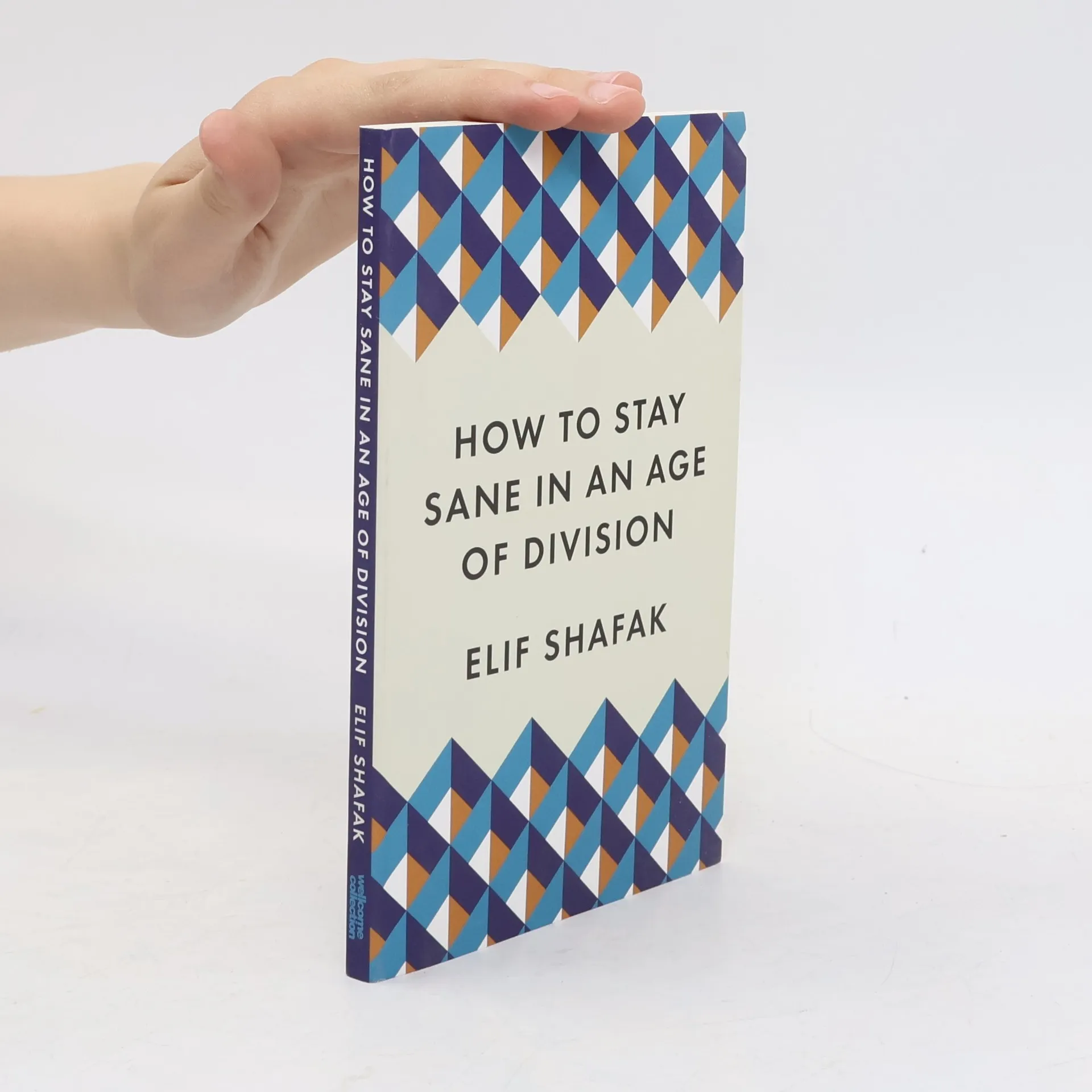
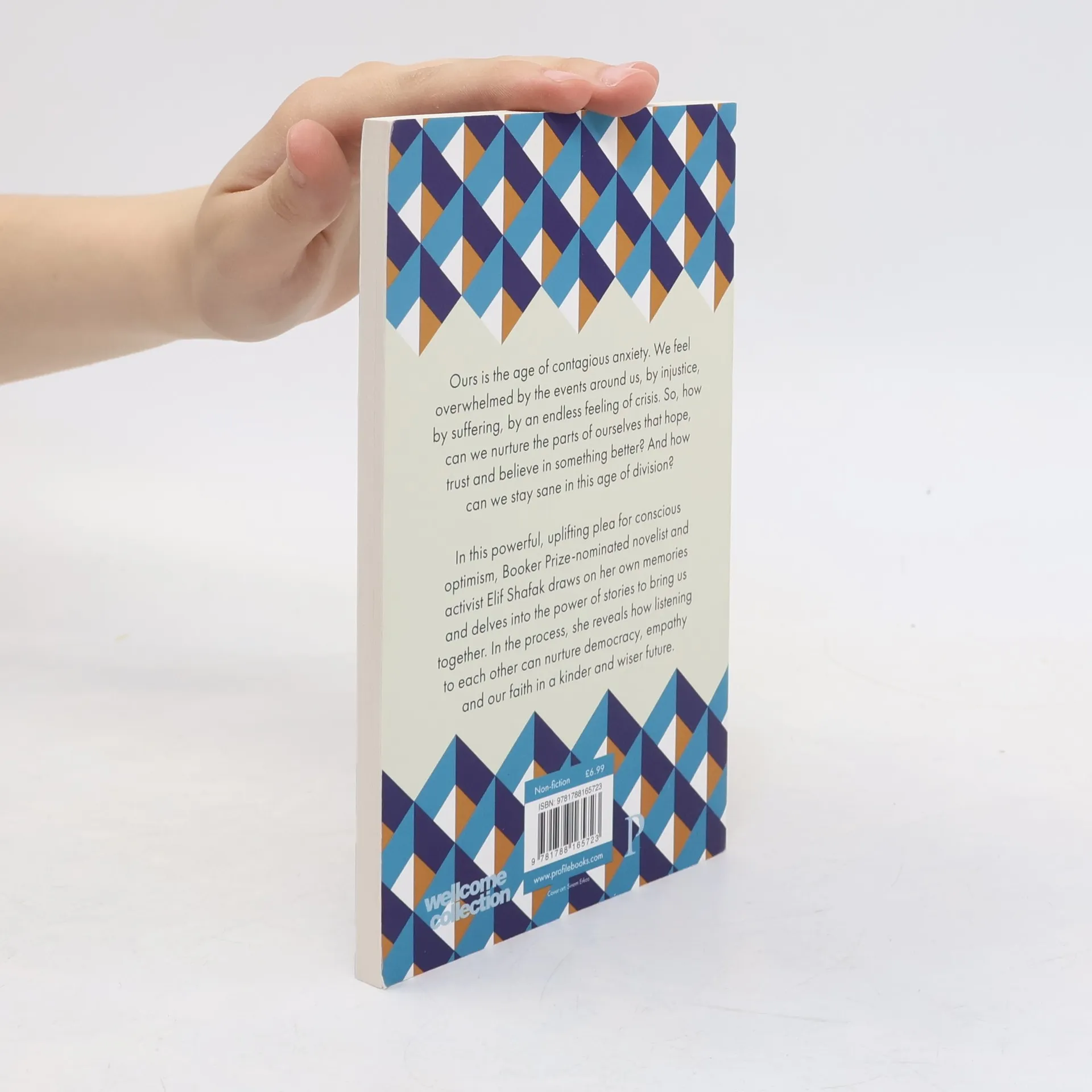
It feels like the world is falling apart. So how do we keep hold of our optimism? How do we nurture the parts of ourselves that hope, trust and believe in something better? And how can we stay sane in this world of division?In this beautifully written and illuminating polemic, Booker Prize nominee Elif Shafak reflects on our age of pessimism, when emotions guide and misguide our politics, and misinformation and fear are the norm. A tender, uplifting plea for optimism, Shafak draws on her own memories and delves into the power of stories to reveal how writing can nurture democracy, tolerance and progress. And in the process, she answers one of the most urgent questions of our time.


Book purchase
How to stay sane in an age of division, Elif Shafak
- Language

- Released
- 2020
- Binding
- (Paperback)
Payment methods
We’re missing your review here.
- Title
- How to stay sane in an age of division
- Language
- English
- Authors
- Elif Shafak
- Publisher
- Profile Books ; Welcome Collection
- Released
- 2020
- Format
- Paperback
- Pages
- 96
- ISBN10
- 1788165721
- ISBN13
- 9781788165723
- Series
- Categories
- Tags
- Psychological Topics, Philosophical Topics, Contemporary Fiction, Politics, Gifts for grandpa, Gifts for women
- Rating
- 4 out of 5
- Description
- It feels like the world is falling apart. So how do we keep hold of our optimism? How do we nurture the parts of ourselves that hope, trust and believe in something better? And how can we stay sane in this world of division?In this beautifully written and illuminating polemic, Booker Prize nominee Elif Shafak reflects on our age of pessimism, when emotions guide and misguide our politics, and misinformation and fear are the norm. A tender, uplifting plea for optimism, Shafak draws on her own memories and delves into the power of stories to reveal how writing can nurture democracy, tolerance and progress. And in the process, she answers one of the most urgent questions of our time.