





More about the book
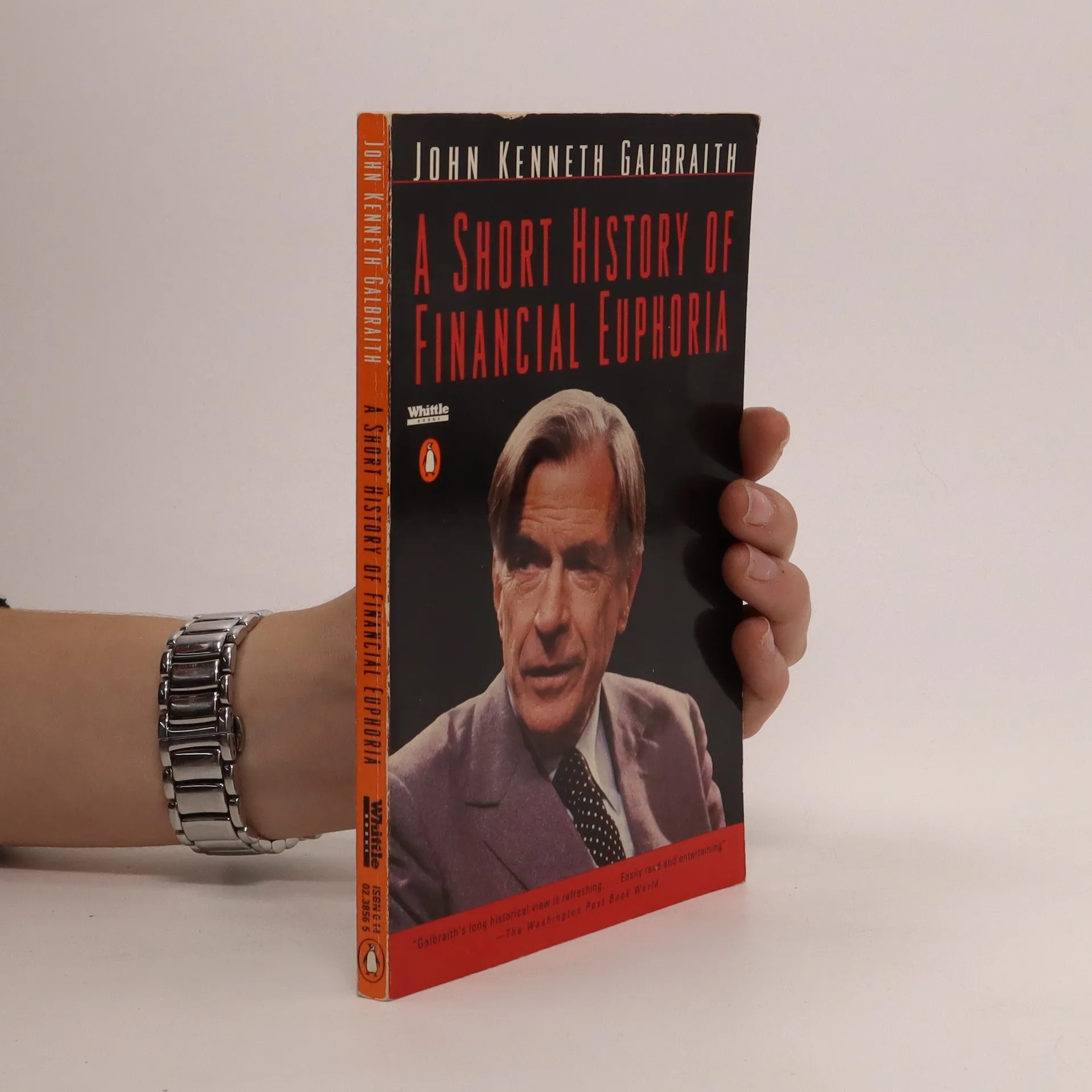
The world-renowned economist offers "dourly irreverent analyses of financial debacle from the tulip craze of the seventeenth century to the recent plague of junk bonds." — The Atlantic .With incomparable wisdom, skill, and wit, world-renowned economist John Kenneth Galbraith traces the history of the major speculative episodes in our economy over the last three centuries. Exposing the ways in which normally sane people display reckless behavior in pursuit of profit, Galbraith asserts that our "notoriously short" financial memory is what creates the conditions for market collapse. By recognizing these signs and understanding what causes them we can guard against future recessions and have a better hold on our country's (and our own) financial destiny.

Book purchase
A short history of financial euphoria, John Kenneth Galbraith
- Language

- Released
- 1990
- Binding
- (Paperback)
Payment methods
We’re missing your review here.
- Title
- A short history of financial euphoria
- Language
- English
- Authors
- John Kenneth Galbraith
- Publisher
- Penguin Books
- Released
- 1990
- Format
- Paperback
- ISBN10
- 0140238565
- ISBN13
- 9780140238563
- Series
- Tags
- Historical Themes, Business, Finance, Money
- Rating
- 4.05 out of 5
- Description
- The world-renowned economist offers "dourly irreverent analyses of financial debacle from the tulip craze of the seventeenth century to the recent plague of junk bonds." — The Atlantic .With incomparable wisdom, skill, and wit, world-renowned economist John Kenneth Galbraith traces the history of the major speculative episodes in our economy over the last three centuries. Exposing the ways in which normally sane people display reckless behavior in pursuit of profit, Galbraith asserts that our "notoriously short" financial memory is what creates the conditions for market collapse. By recognizing these signs and understanding what causes them we can guard against future recessions and have a better hold on our country's (and our own) financial destiny.