


Explore the latest books of this year!
Bookbot

John Kenneth Galbraith

    October 15, 1908 – April 29, 2006

    John Kenneth Galbraith was a prominent Canadian-American economist, recognized as a leading voice for 20th-century American liberalism and democratic socialism. His writings offered sharp insights into economic affairs, characterized by a distinctive style that propelled his books to bestseller status. A prolific author, his essays and books explored the dynamics of modern capitalism and affluent societies. Galbraith's work continues to inform and influence discussions on economic fairness and societal progress.

    John Kenneth Galbraith
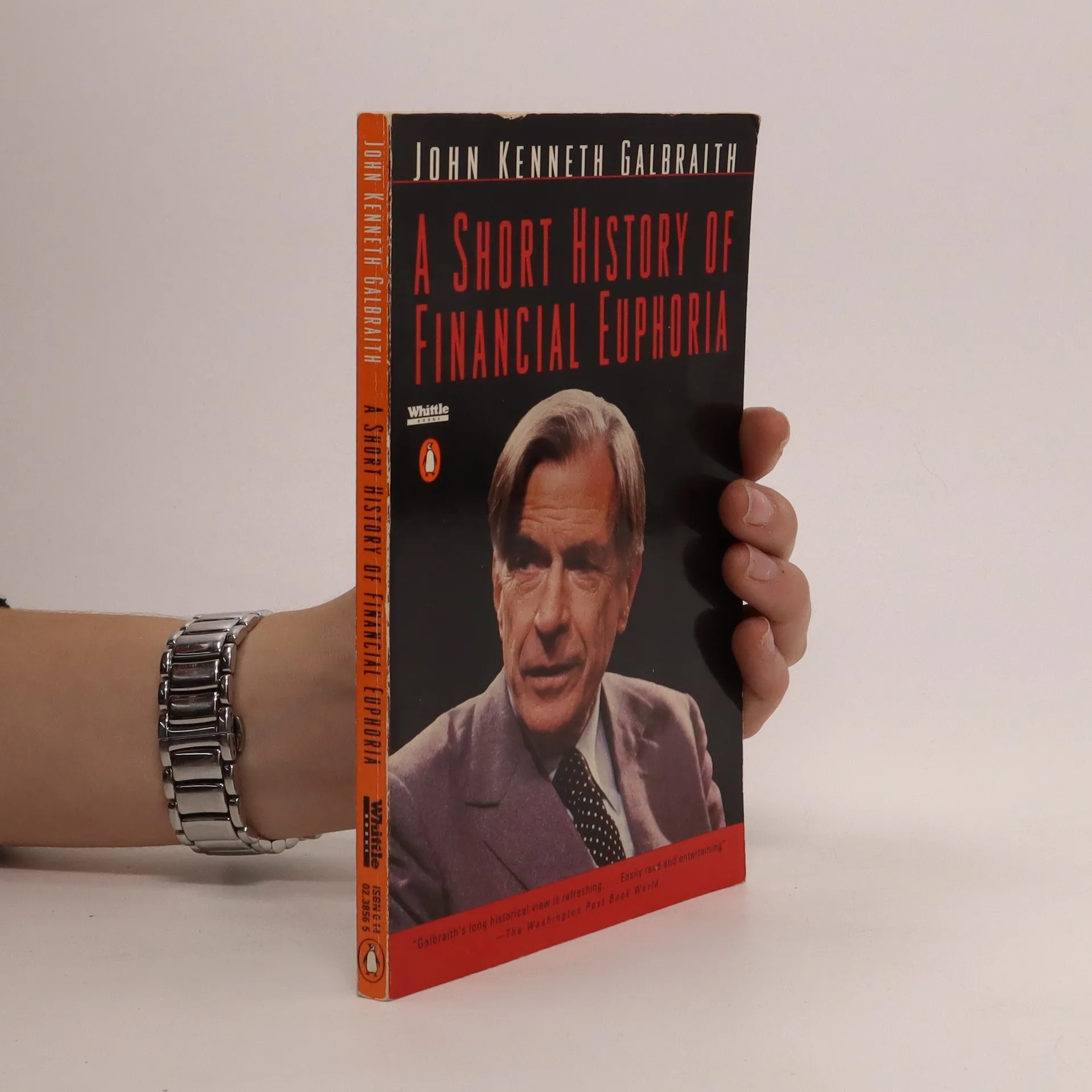
    A short history of financial euphoria
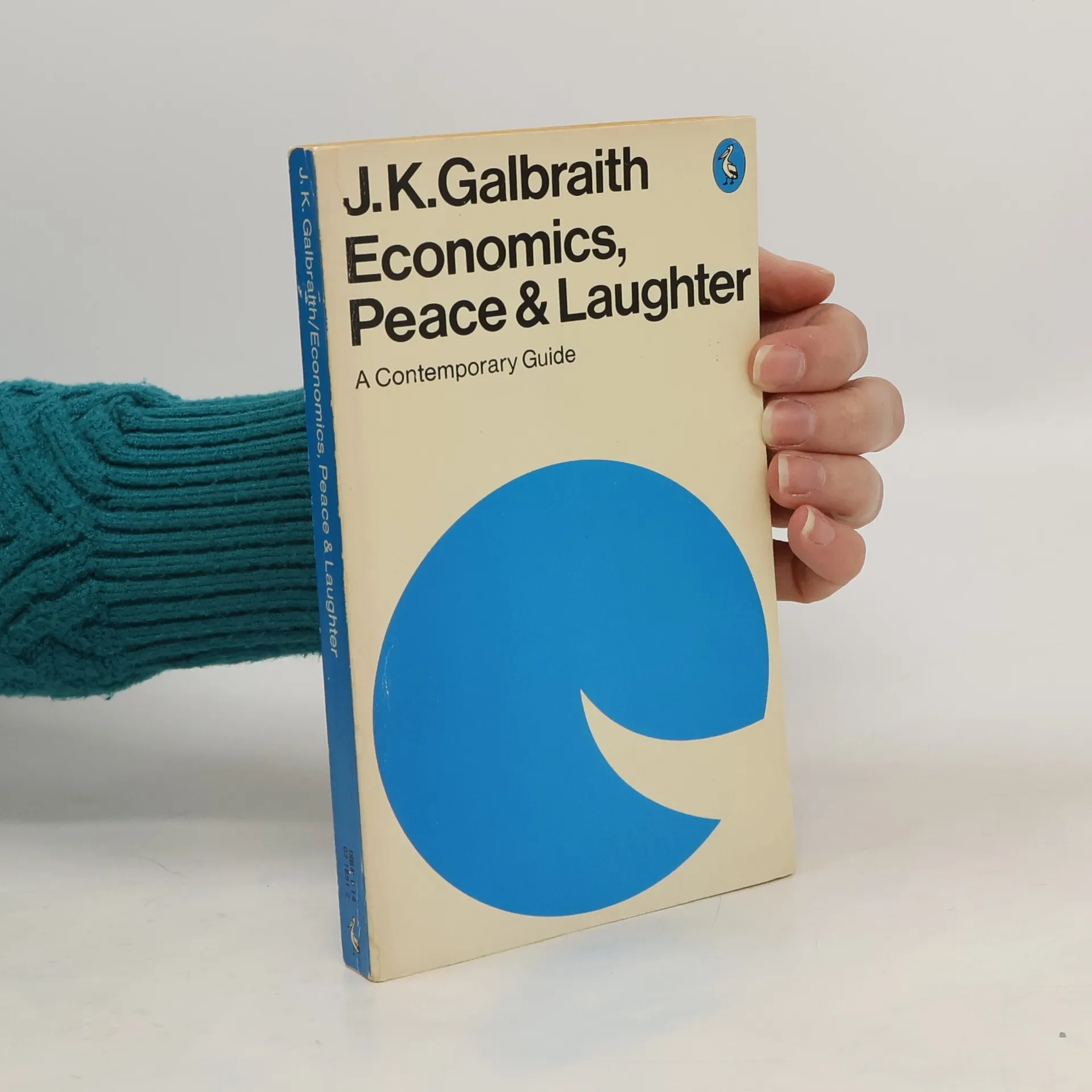
    Economics, Peace & Laughter. A Contemporary Guide
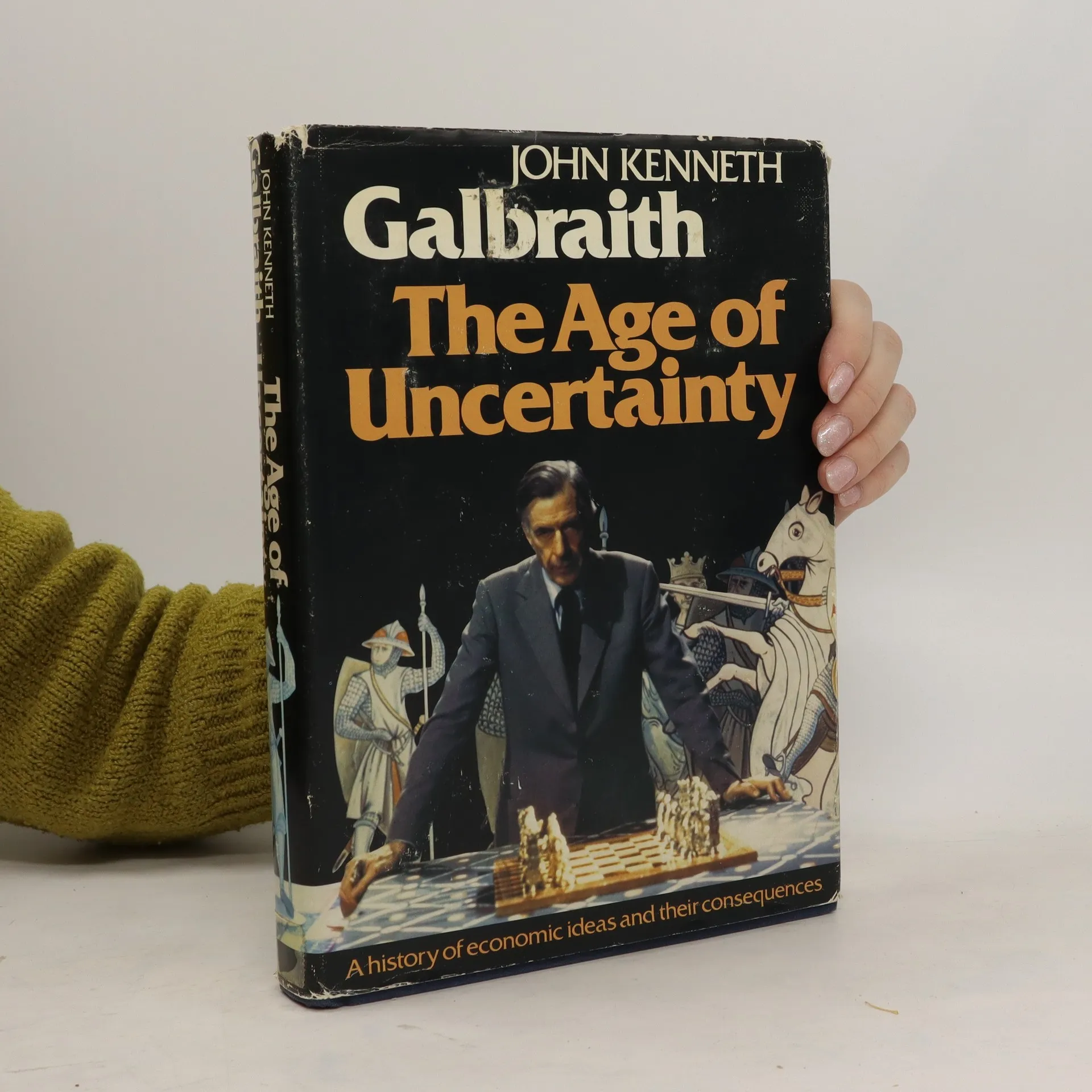
    The age of uncertainty
    The Essential Galbraith
    A Life in Our Times
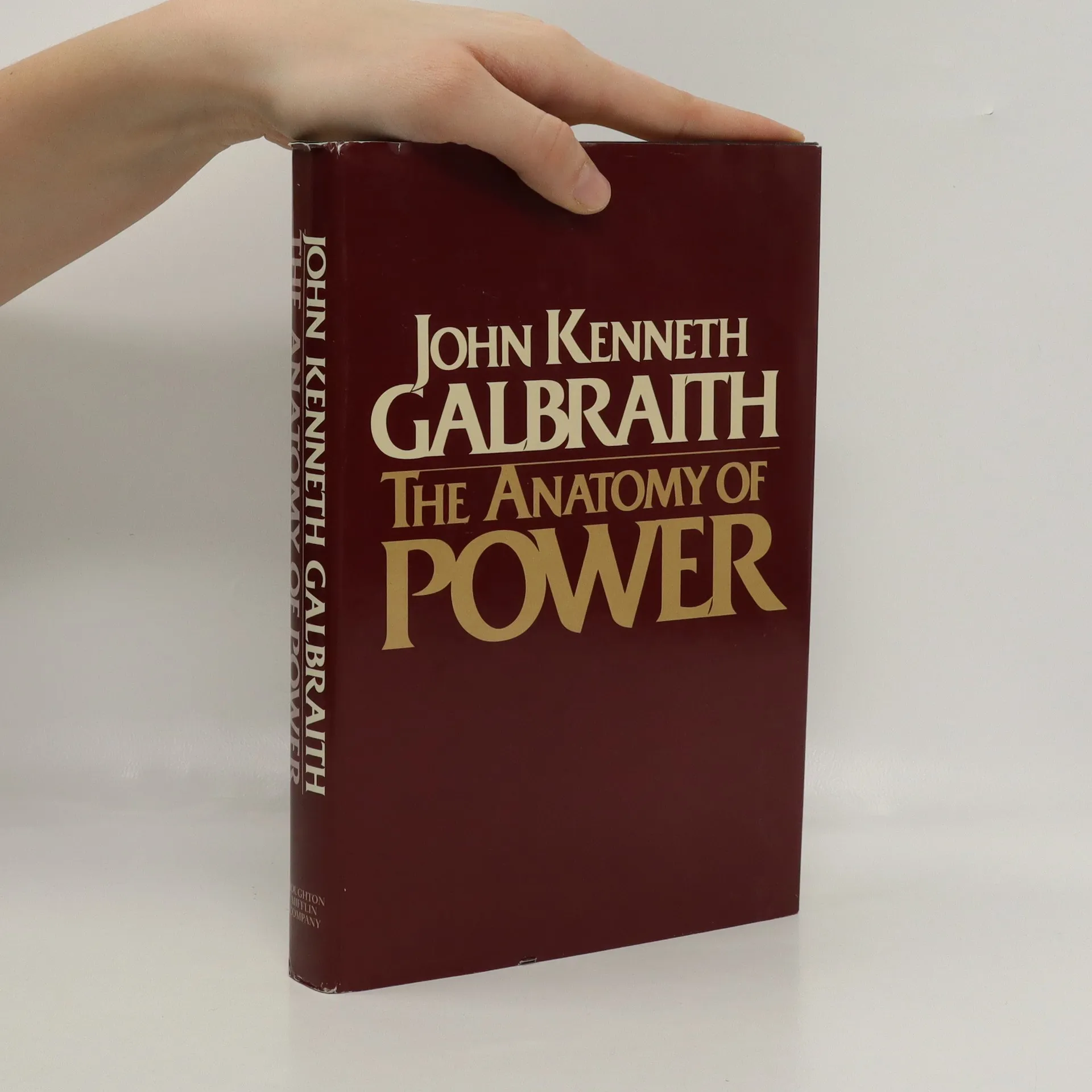
    The anatomy of power
    • Autobiography of economist Professor John Kenneth Galbraith, and the events and famous people of the times.

      A Life in Our Times
    • The Essential Galbraith

      • 400 pages
      • 14 hours of reading
      4.2(101)Add rating

      An anthology of essays, articles, and excerpts from the renowned economist features selections from some of his most important works, including Afluent Society, The Age of Uncertainty, The New Industrial State, and The Great Crash, along with introduction to each essay from the author. Original. 15,000 first printing.

      The Essential Galbraith
    • ForewordThe Prophets & Promise of Classical CapitalismThe Manners & Morals of High CapitalismThe Dissent of Karl MarxThe Colonial IdeaLenin & the Great UngluingThe Rise & Fall of MoneyThe Mandarin RevolutionThe Fatal CompetitionThe Big CorporationLand & PeopleThe MetropolisDemocracy, Leadership, CommitmentA Major Word of ThanksNotesList of IllustrationsIndex

      The age of uncertainty
    • The world-renowned economist offers "dourly irreverent analyses of financial debacle from the tulip craze of the seventeenth century to the recent plague of junk bonds." — The Atlantic .With incomparable wisdom, skill, and wit, world-renowned economist John Kenneth Galbraith traces the history of the major speculative episodes in our economy over the last three centuries. Exposing the ways in which normally sane people display reckless behavior in pursuit of profit, Galbraith asserts that our "notoriously short" financial memory is what creates the conditions for market collapse. By recognizing these signs and understanding what causes them we can guard against future recessions and have a better hold on our country's (and our own) financial destiny.

      A short history of financial euphoria
    • A leading economist discusses his theories on social disequilibrium and suggests ways of restoring the economic balance

      The Affluent Society
    • Combines a history of money and monetary institutions, with an analysis of money's changing role in the sum total of economic analysis and policy.

      Money
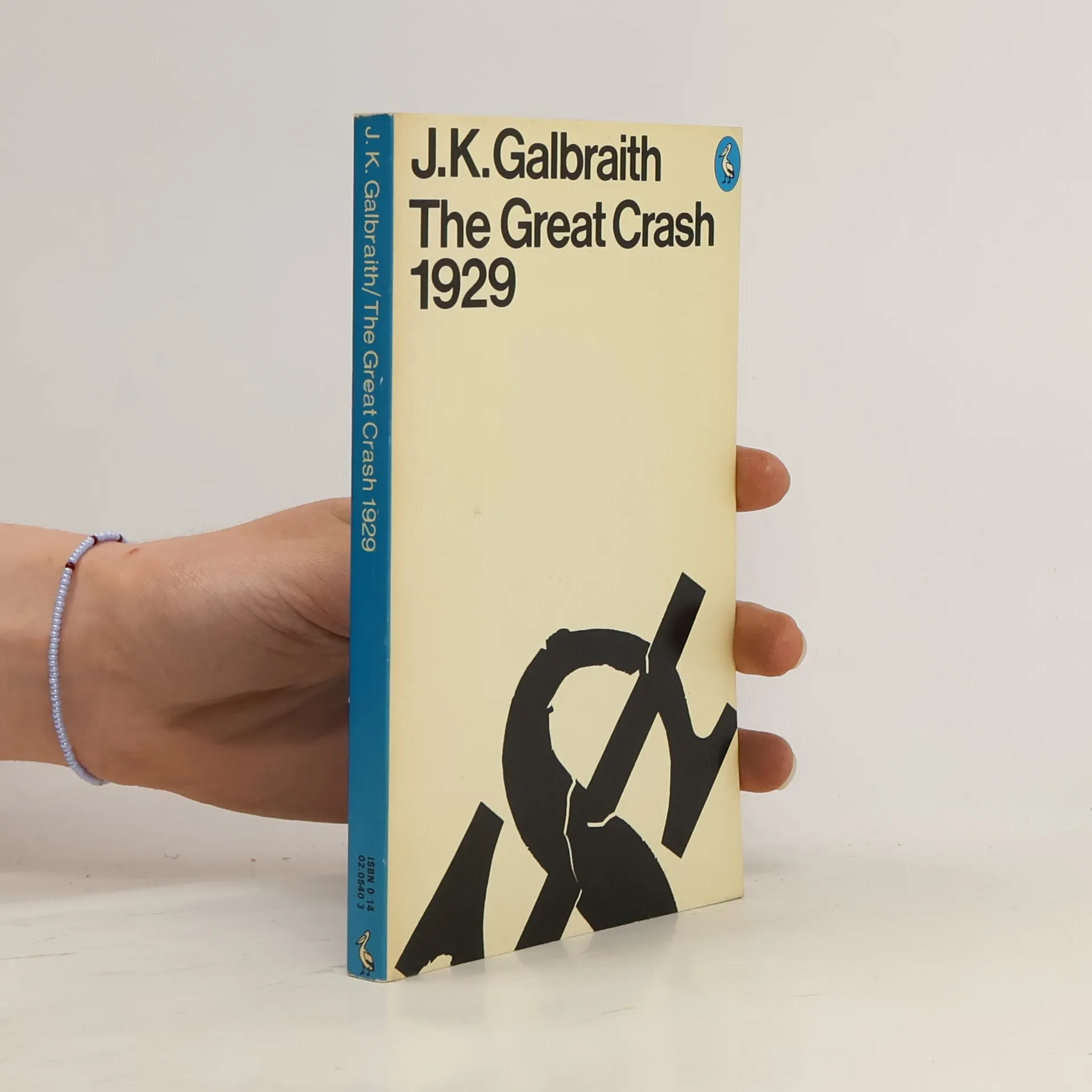
    • No account of the financial insanity of 1929 has been issued in a form at once so readable, so humorous, and so carefully authenticated as this classic book. J.K. Galbraith examines the 'gold rush fantasy' in American psychology and describes its dire consequences. The Florida land boom, the operations of Insull, Kreuger and Hatry, and the fabulous Shenandoah Corporation all come together in this penetrating study of concerted human greed and folly. From the cold figures of Wall Street the author wrenches a truly human drama.

      The Great Crash, 1929
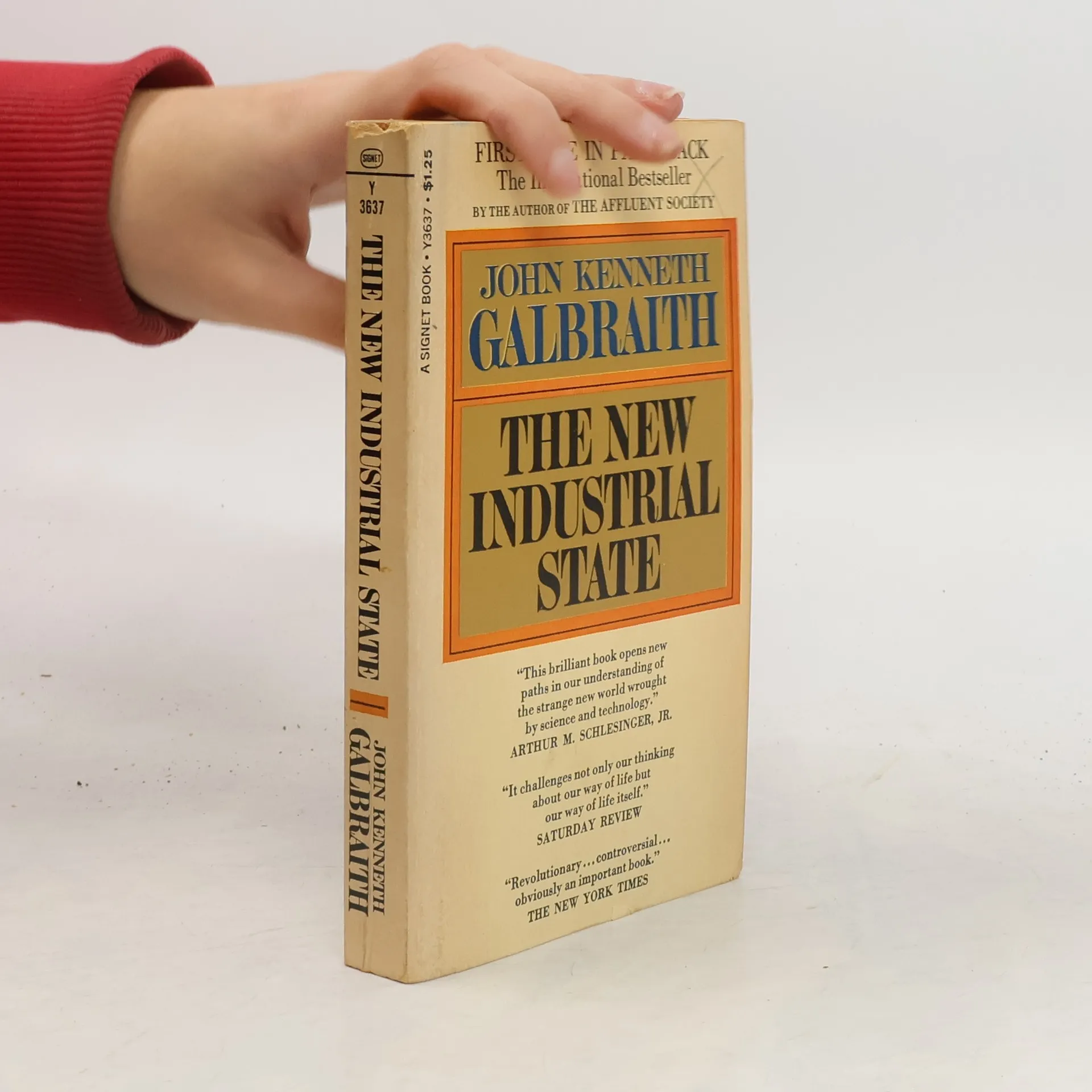
    • With searing wit and incisive commentary, John Kenneth Galbraith redefined America's perception of itself in The New Industrial State, one of his landmark works. The United States is no longer a free-enterprise society, Galbraith argues, but a structured state controlled by the largest companies. Advertising is the means by which these companies manage demand and create consumer "need" where none previously existed. Multinational corporations are the continuation of this power system on an international level. The goal of these companies is not the betterment of society, but immortality through an uninterrupted stream of earnings. First published in 1967, The New Industrial State continues to resonate today.

      The New Industrial State