



More about the book
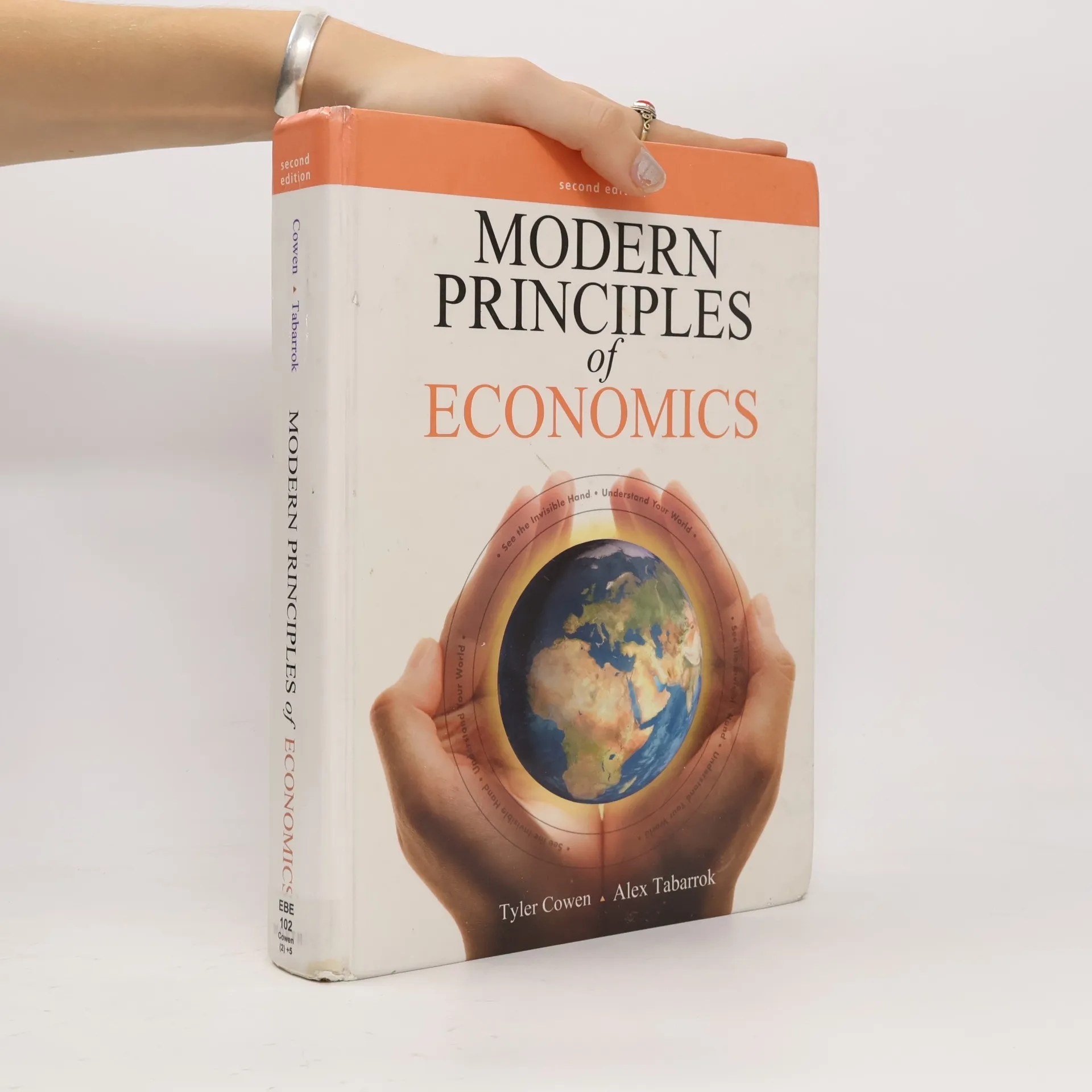
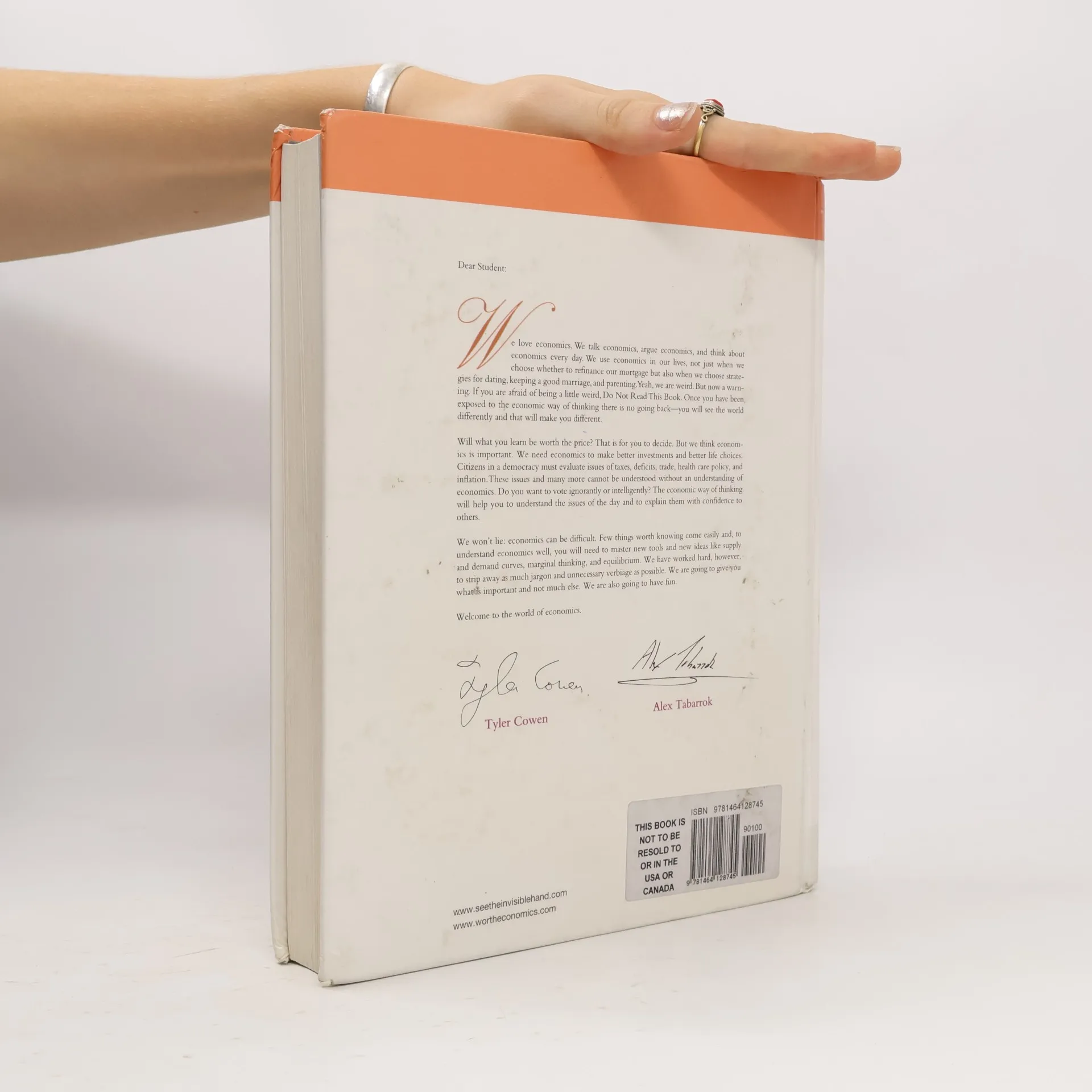
The authors emphasize a teaching philosophy centered on understanding the intricate connections within economics, encapsulated in the tagline, "See the Invisible Hand. Understand Your World." Nobel laureate Vernon Smith highlights the profound mystery at economics' core: how order emerges from individual choices. The authors aim to inspire students by illustrating how markets respond dynamically to changes in resources and preferences. For instance, a decrease in oil supply raises oil prices, prompting consumers to reduce usage and suppliers to seek alternatives. This price increase also incentivizes Brazilian sugar cane farmers to shift production from sugar to ethanol, consequently raising sugar prices and reducing candy demand. Through such analyses, students learn to recognize the invisible hand at work and comprehend their surroundings. The text also provides a straightforward proof of the invisible hand theorem, demonstrating how competitive markets, without central direction, allocate resources efficiently. To grasp their world, students must discern when self-interest aligns with social interest. The book delves into externalities, public goods, and ethical considerations surrounding market incomes and trade, framing economic theory within real-world challenges like declining ocean fisheries, climate change, and organ shortages for transplants.




Book purchase
Modern Principles of Economics, Tyler Cowen
- Language

- Released
- 2012
- Binding
- (Hardcover),
- Book condition
- Damaged
- Price
- €90.67
Payment methods
We’re missing your review here.
- Title
- Modern Principles of Economics
- Language
- English
- Authors
- Tyler Cowen
- Publisher
- W.H. Freeman and Company
- Released
- 2012
- Format
- Hardcover
- Pages
- 800
- ISBN10
- 146412874X
- ISBN13
- 9781464128745
- Series
- Tags
- Business
- Rating
- 4.2 out of 5
- Description
- The authors emphasize a teaching philosophy centered on understanding the intricate connections within economics, encapsulated in the tagline, "See the Invisible Hand. Understand Your World." Nobel laureate Vernon Smith highlights the profound mystery at economics' core: how order emerges from individual choices. The authors aim to inspire students by illustrating how markets respond dynamically to changes in resources and preferences. For instance, a decrease in oil supply raises oil prices, prompting consumers to reduce usage and suppliers to seek alternatives. This price increase also incentivizes Brazilian sugar cane farmers to shift production from sugar to ethanol, consequently raising sugar prices and reducing candy demand. Through such analyses, students learn to recognize the invisible hand at work and comprehend their surroundings. The text also provides a straightforward proof of the invisible hand theorem, demonstrating how competitive markets, without central direction, allocate resources efficiently. To grasp their world, students must discern when self-interest aligns with social interest. The book delves into externalities, public goods, and ethical considerations surrounding market incomes and trade, framing economic theory within real-world challenges like declining ocean fisheries, climate change, and organ shortages for transplants.