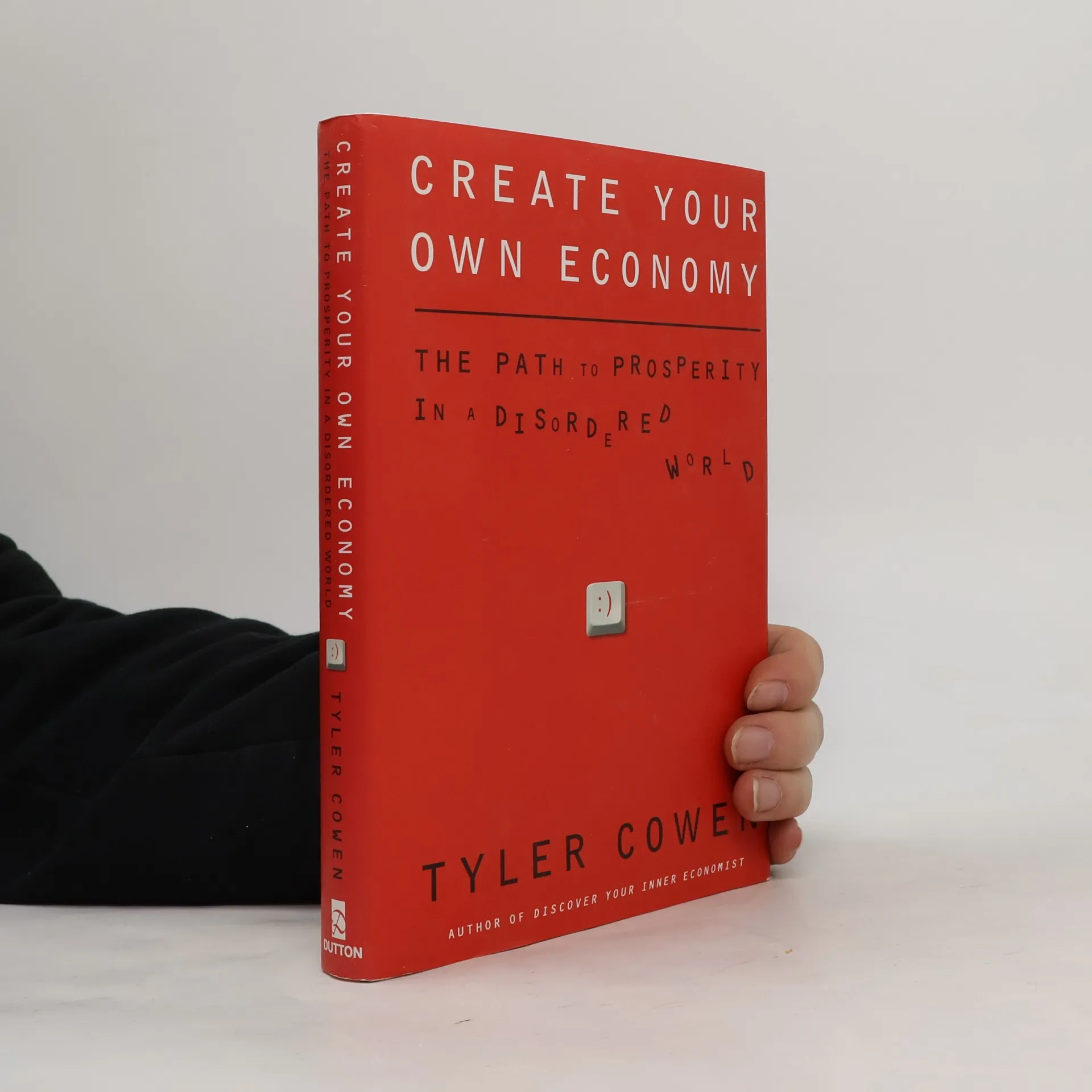

Vital and impactful strategies on how to spot, assess, woo, and retain highly talented people. Find the people really capable of making a difference!
Tyler Cowen Books
Tyler Cowen is a distinguished economist whose primary focus lies in the economics of culture. His work investigates how globalization and free markets influence and often enhance cultural expressions, allowing them to evolve in ways that resonate with a broader audience. Through his analyses and publications, Cowen delves into themes such as fame, art, and cultural exchange, emphasizing the positive impacts of market forces on the development and evolution of cultures.


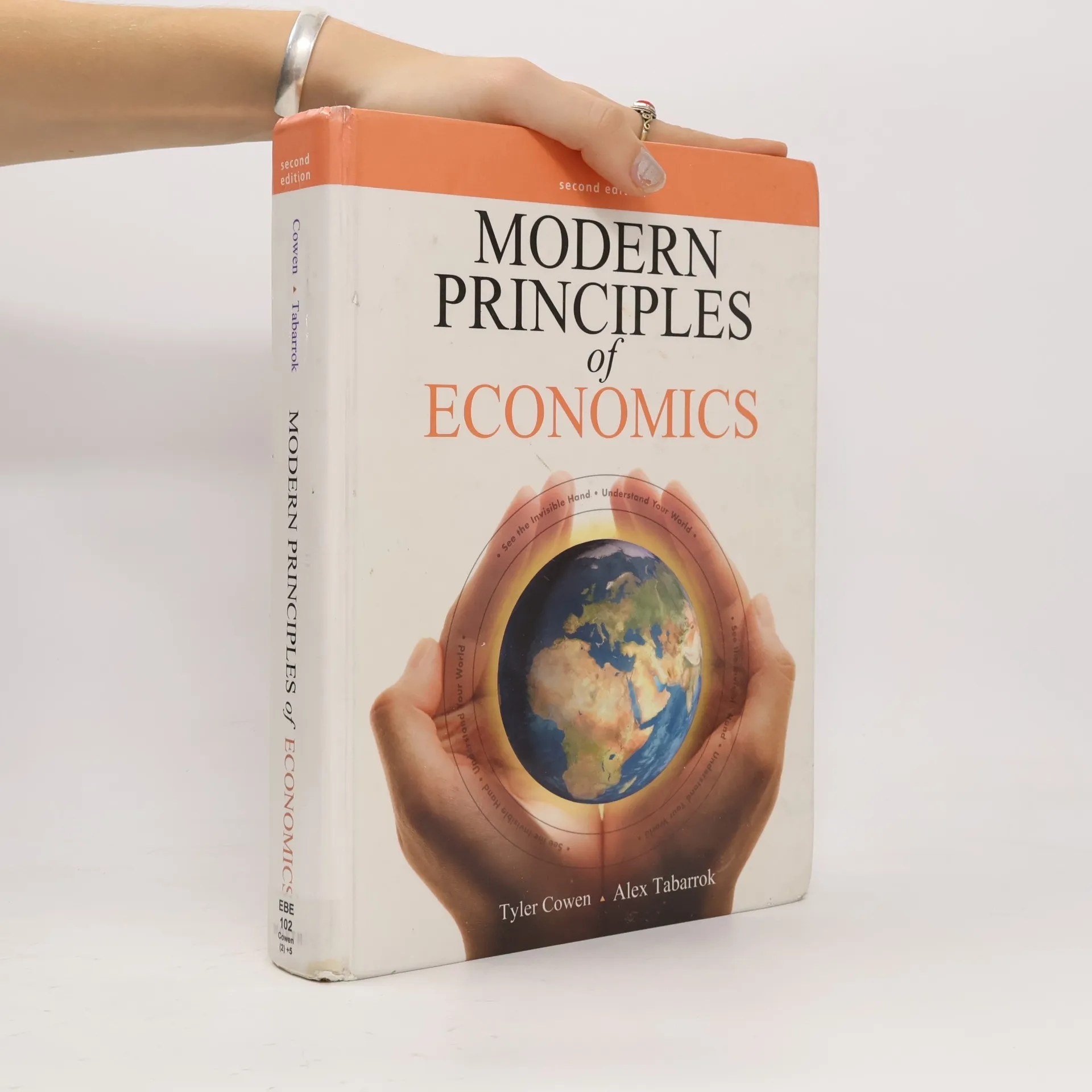
Modern principles of economics
- 654 pages
- 23 hours of reading
Engaging and provocative writing, as well as a knack for revealing the 'invisible hand' of economics at work has made Tyler Cowen and Alex Tabarrok’s text a singularly distinctive and effective text for principles modules. Modern Principles of Economics places an emphasis throughout on the power of incentives which underscores how economics helps us understand why we do what we do (in other words, the decisions we make in the face of incentives in the real world). The new edition retains its progressive approach to economic modelling and applications which allows for a more realistic interpretation of today’s world events. Mirroring the authors’ successful blog, the text eschews boxed features to focus on the writing behind compelling examples, key concepts, and applications.
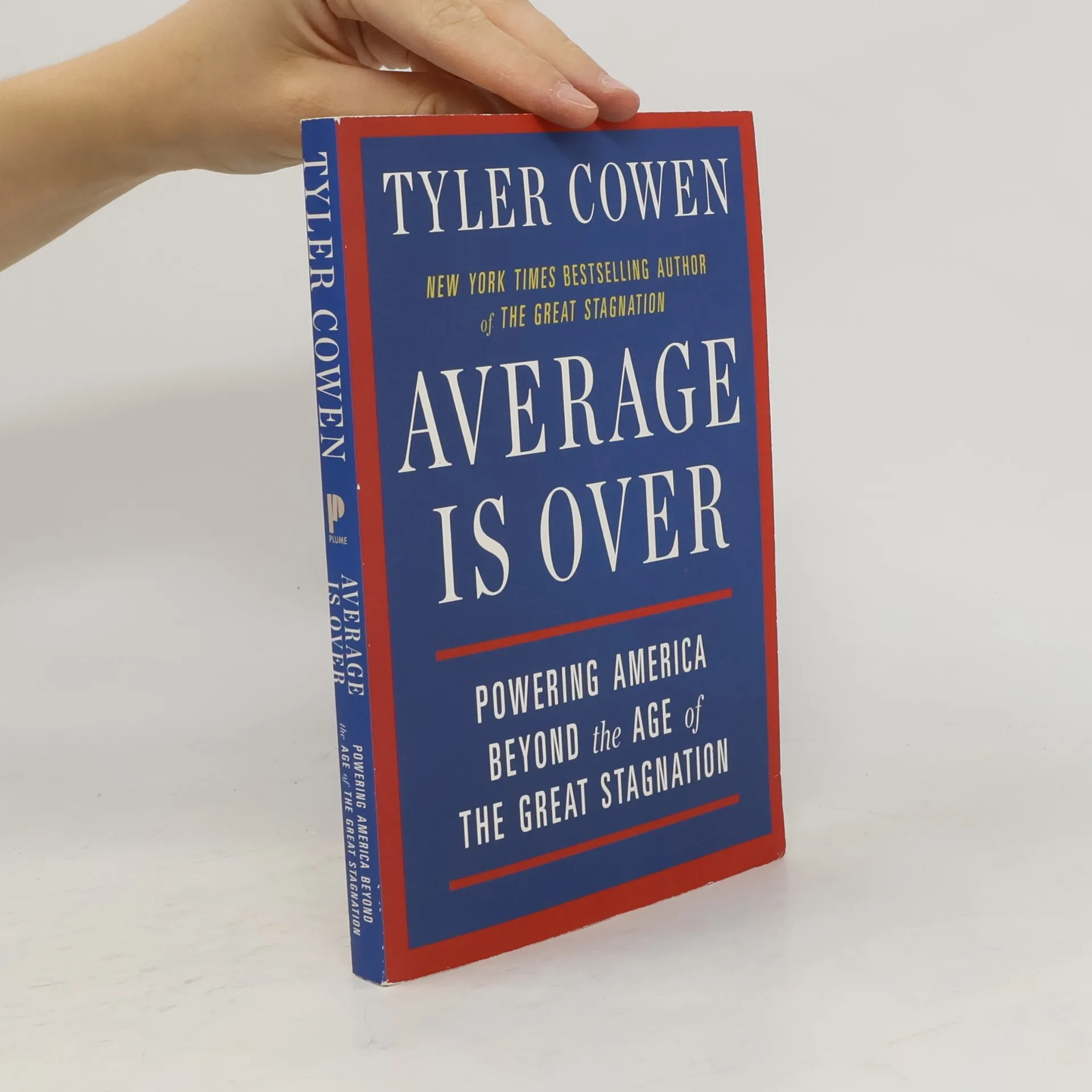
Average is over : powering America beyond the age of the great stagnation
- 292 pages
- 11 hours of reading
Renowned economist and author of Big Business Tyler Cowen brings a groundbreaking analysis of capitalism, the job market, and the growing gap between the one percent and minimum wage workers in this follow-up to the New York Times bestseller The Great Stagnation. The United States continues to mint more millionaires and billionaires than any country ever. Yet, since the great recession, three quarters of the jobs created here pay only marginally more than minimum wage. Why is there growth only at the top and the bottom? Economist and bestselling author Tyler Cowen explains that high earners are taking ever more advantage of machine intelligence and achieving ever-better results. Meanwhile, nearly every business sector relies less and less on manual labor, and that means a steady, secure life somewhere in the middle—average—is over. In Average is Over, Cowen lays out how the new economy works and identifies what workers and entrepreneurs young and old must do to thrive in this radically new economic landscape.
Stubborn attachments
- 160 pages
- 6 hours of reading
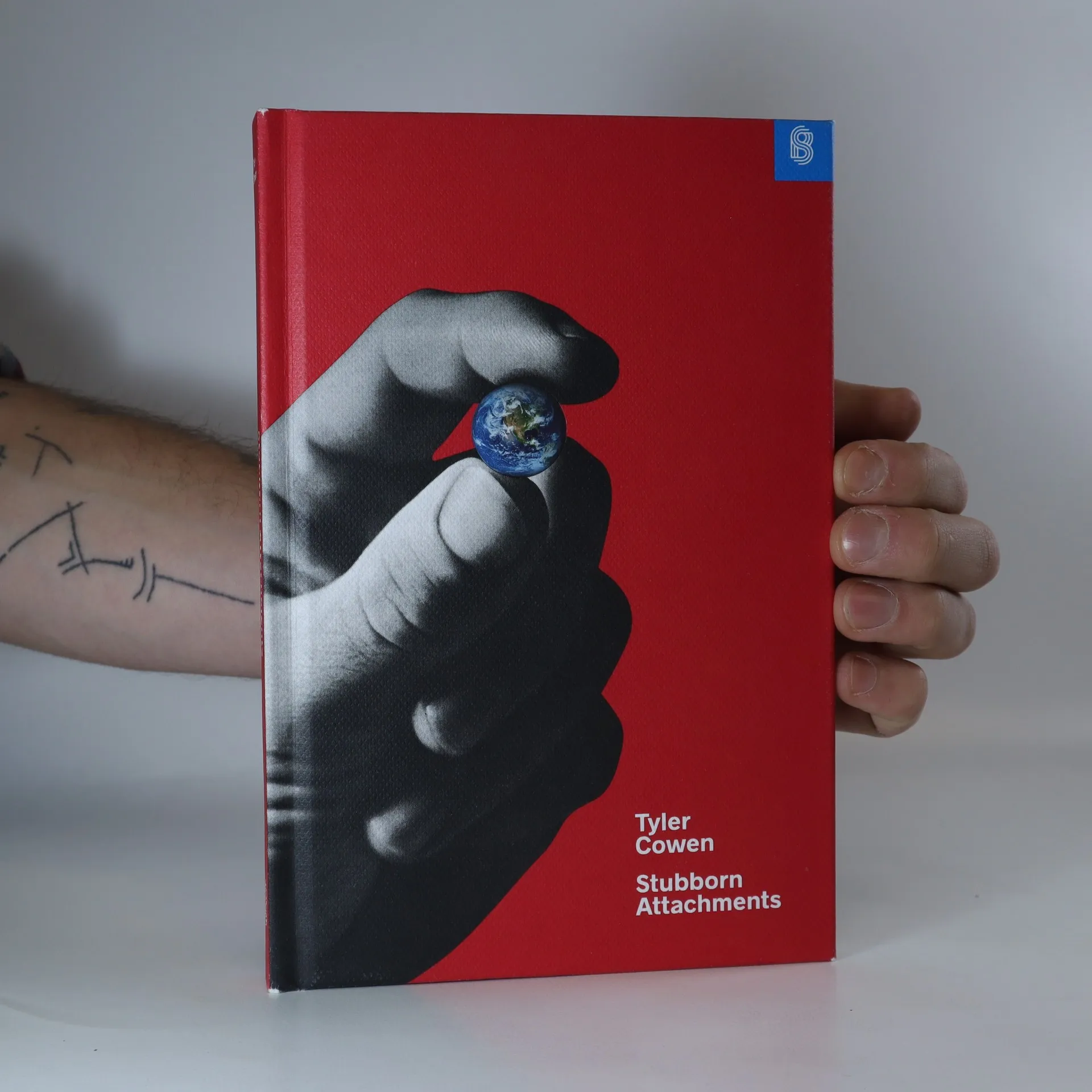
From a bestselling author and economist, a contemporary moral case for economic growth--and a dose of inspiration and optimism about our future possibilities. Growth is good. Throughout history, economic growth in particular has alleviated human misery, improved human happiness and opportunity, and lengthened human lives. Wealthier societies are more stable, offer better living standards, produce better medicines, and ensure greater autonomy, greater fulfillment, and more sources of fun. If we want to continue our trend of growth--and the overwhelmingly positive outcomes for societies that come with it--every individual must become more concerned with the welfare of those around us. So how do we proceed? Tyler Cowen, in a culmination of 20 years of thinking and research, provides a roadmap for moving forward. In Stubborn Attachments: A Vision for a Society of Free, Prosperous, and Responsible Individuals, he argues that our reason and common sense can help free us of the faulty ideas that hold us back as people and as a society, allowing us to set our sights on the long-term struggles that maximize sustainable economic growth while respecting human rights. Stubborn Attachments, at its heart, makes the contemporary moral case for economic growth, and delivers a great dose of inspiration and optimism about our future possibilities.
In Praise of Commercial Culture
- 278 pages
- 10 hours of reading
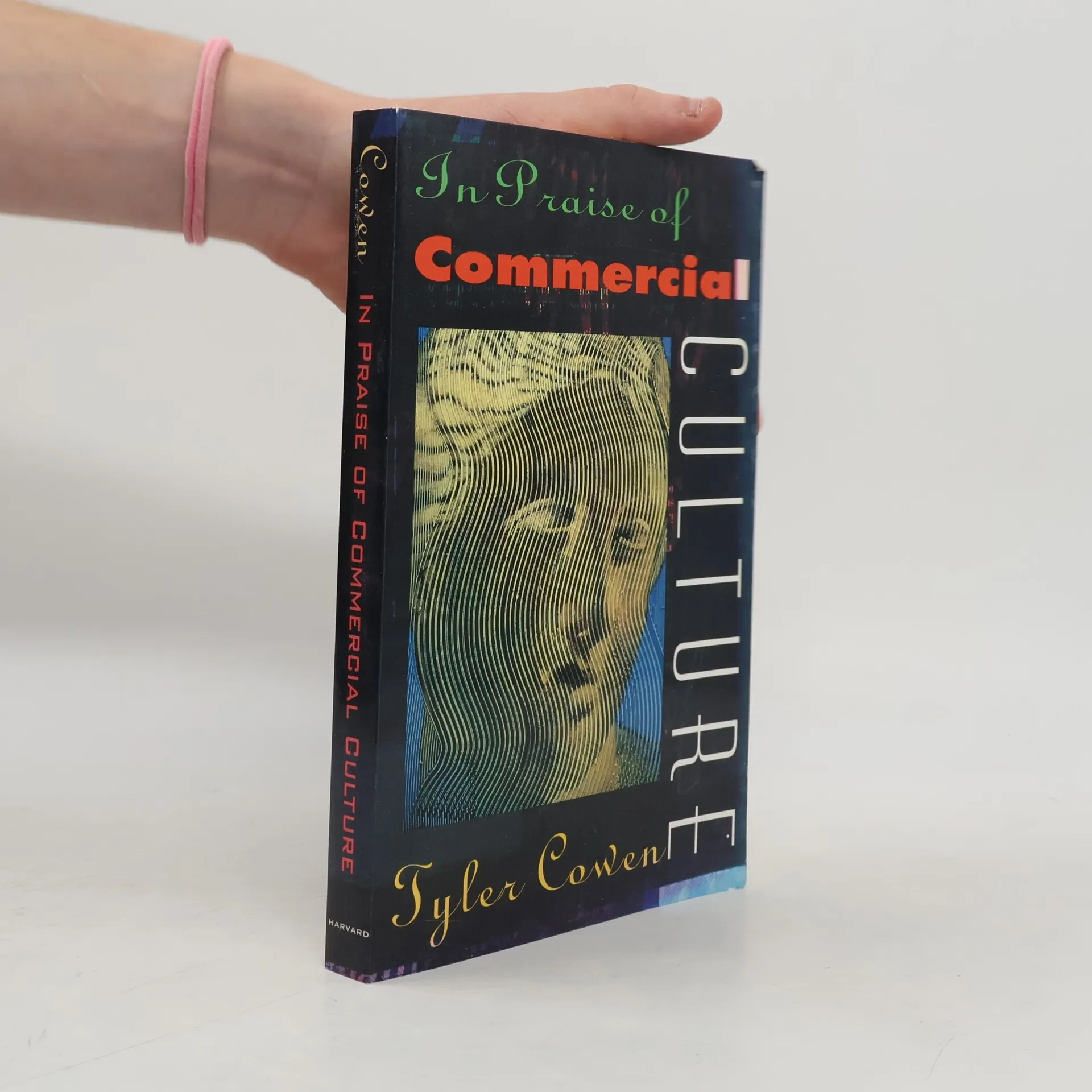
Cowen argues that the capitalist market economy is a vital but underappreciated institutional framework for supporting a variety of artistic visions. His philosophy stands in opposition to the cultural pessimism of conservatives, neoconservatives, the Frankfurt School, and some versions of the political correctness and multiculturalist movements.
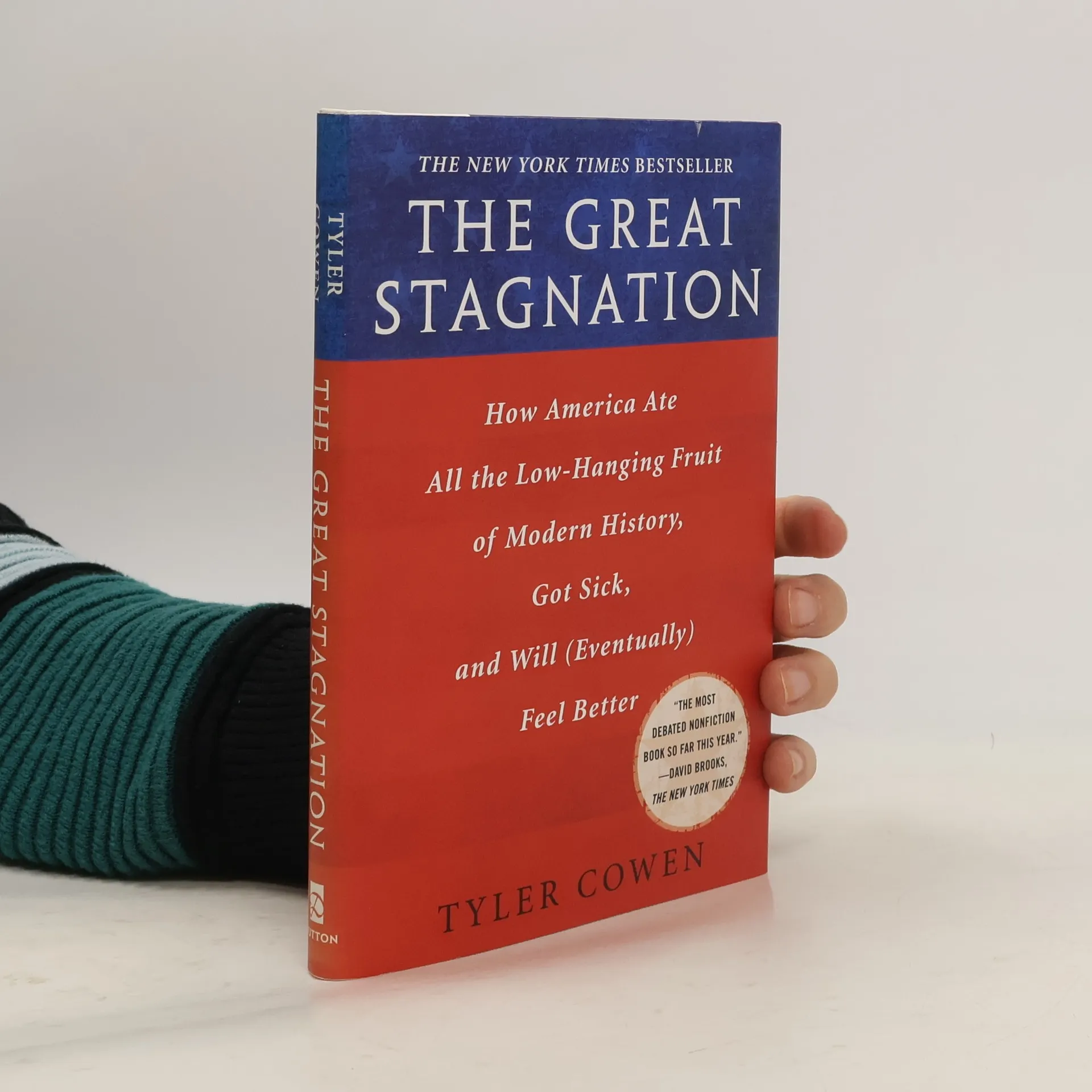
The Great Stagnation
- 109 pages
- 4 hours of reading
Tyler Cowen's work ignites a debate on America's economic malaise, following the most significant financial crisis since the Great Depression. With alarming unemployment rates and stagnant wages since the 1970s, the outlook appears bleak. The prolonged stagnation raises the question of how to escape this predicament. One political party advocates for increased government spending without a viable plan for funding programs like Medicare and Social Security, while the other promotes tax cuts that have historically led to larger fiscal disasters. Cowen posits that our economy has thrived on "low-hanging fruit" since the seventeenth century—free land, immigrant labor, and groundbreaking technologies. However, over the past forty years, this easy access has diminished, yet society continues to act as if it remains. We are, according to Cowen, at a technological plateau, with fewer resources than we acknowledge. This realization sheds light on the irrationality of our political landscape. He explores the root causes of past prosperity and advocates for a renewed appreciation of scientific innovations that can benefit all, not just the elite. This work serves as a passionate call to rethink our approach to economic growth and innovation.
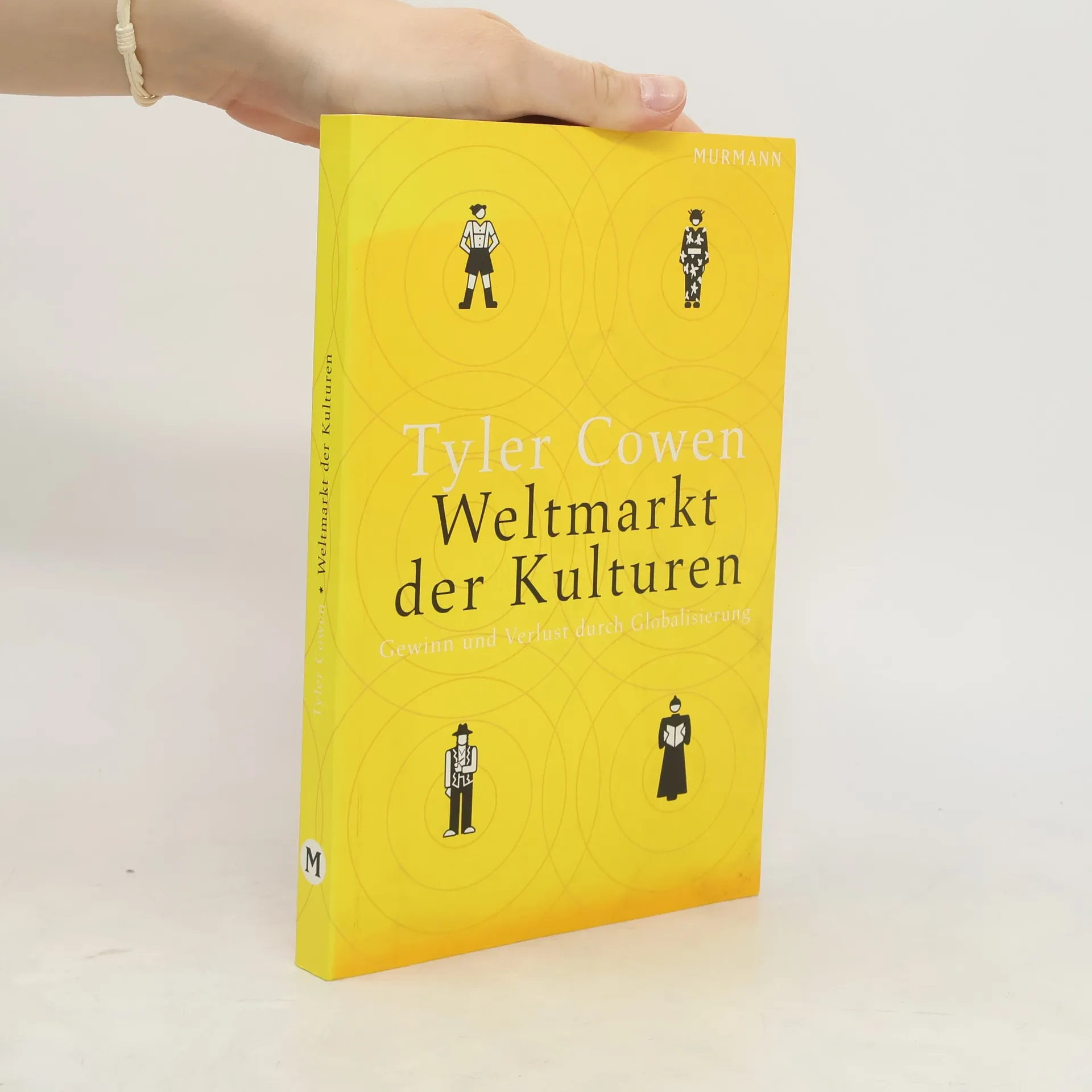
Analysis of the place of art in the global market economy. The author argues that, despite the homogenizing dangers, globalization actually contributes to cultural diversity, even promoting and reviving traditional cultures. Review in: Journal of cultural economics. 28(2004)1(.81-88).
The Complacent Class
- 262 pages
- 10 hours of reading
Examines the trend of Americans away from the traditionally mobile, risk-accepting, and adaptable tendencies that defined them for much of recent history, and toward stagnation and comfort, and how this development has the potential to make future changes more disruptive. --Publisher's description.
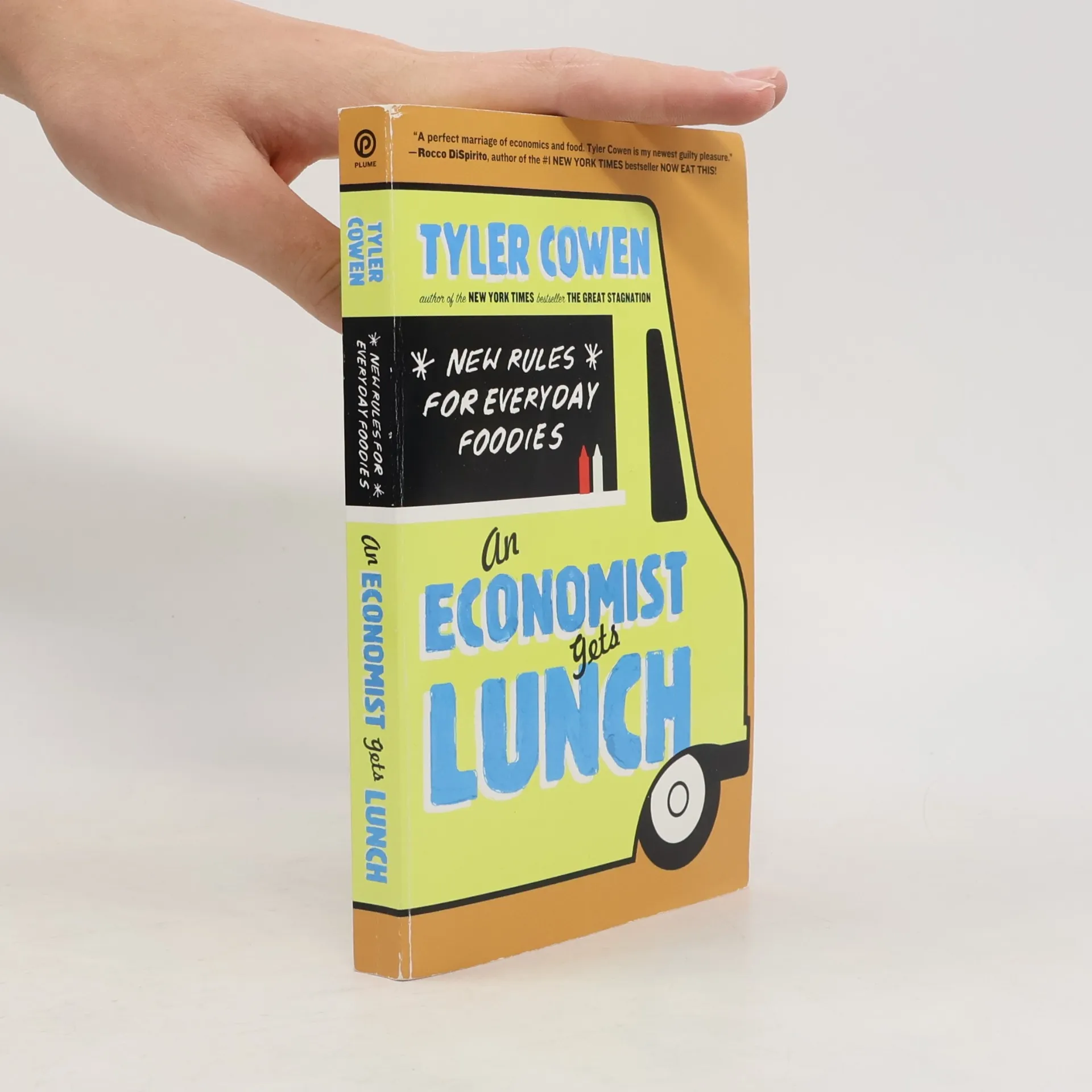
An Economist Gets Lunch
New Rules for Everyday Foodies
Tyler Cowen discusses everything from slow food to fast food, from agriculture to gourmet culture, from modernist cuisine to how to pick the best street vendor, and shows how to get good, cheap eats just about anywhere
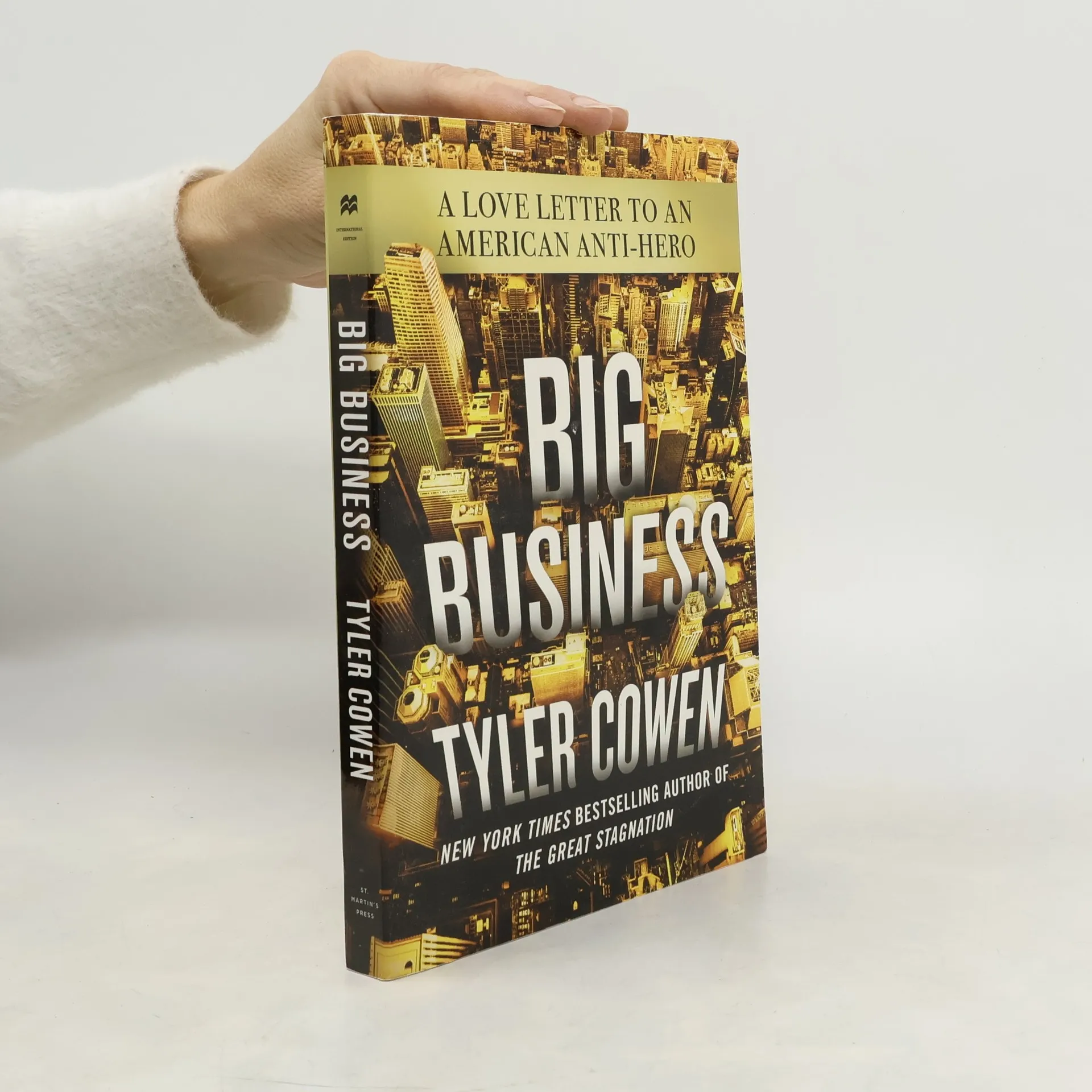
Big Business
- 288 pages
- 11 hours of reading