


More about the book
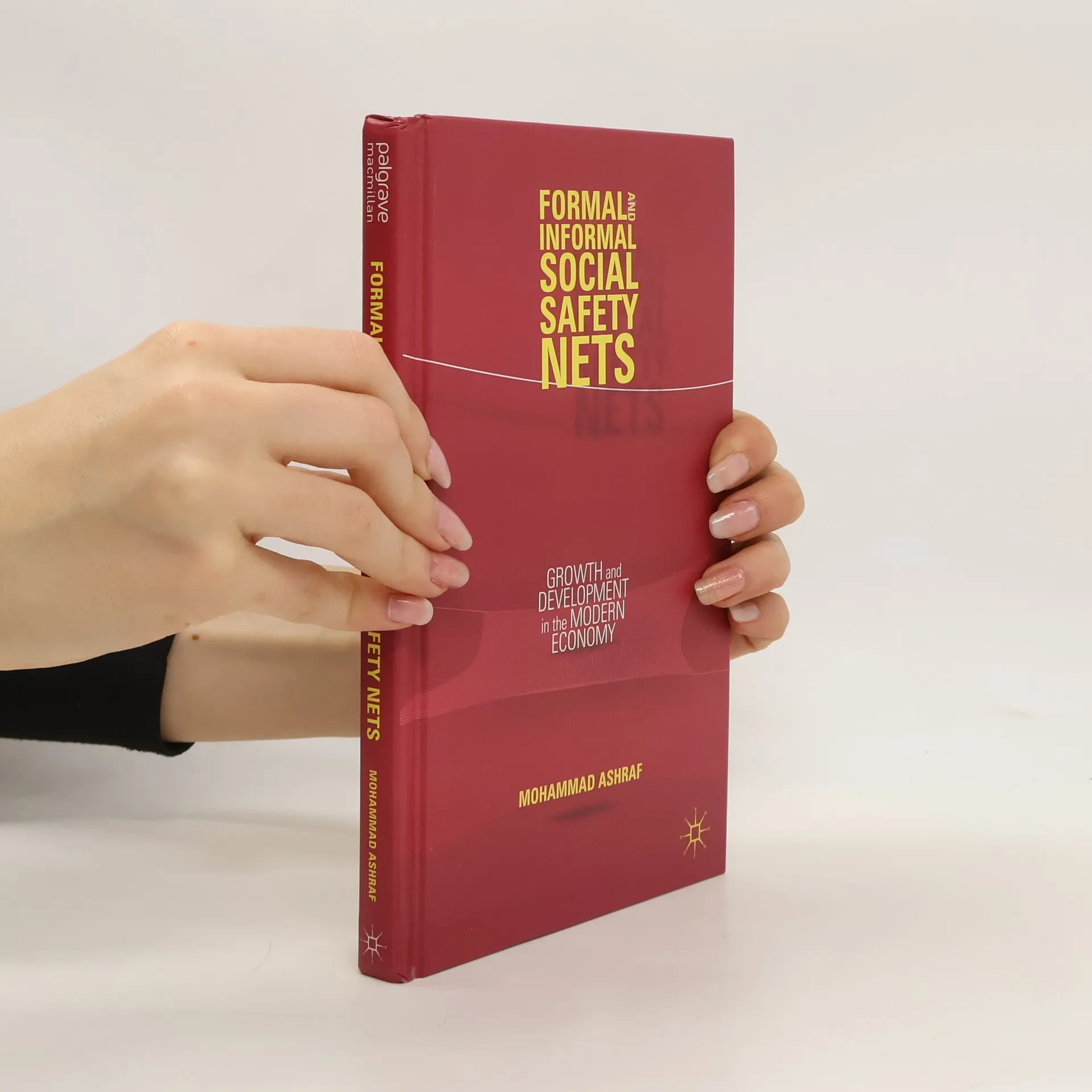
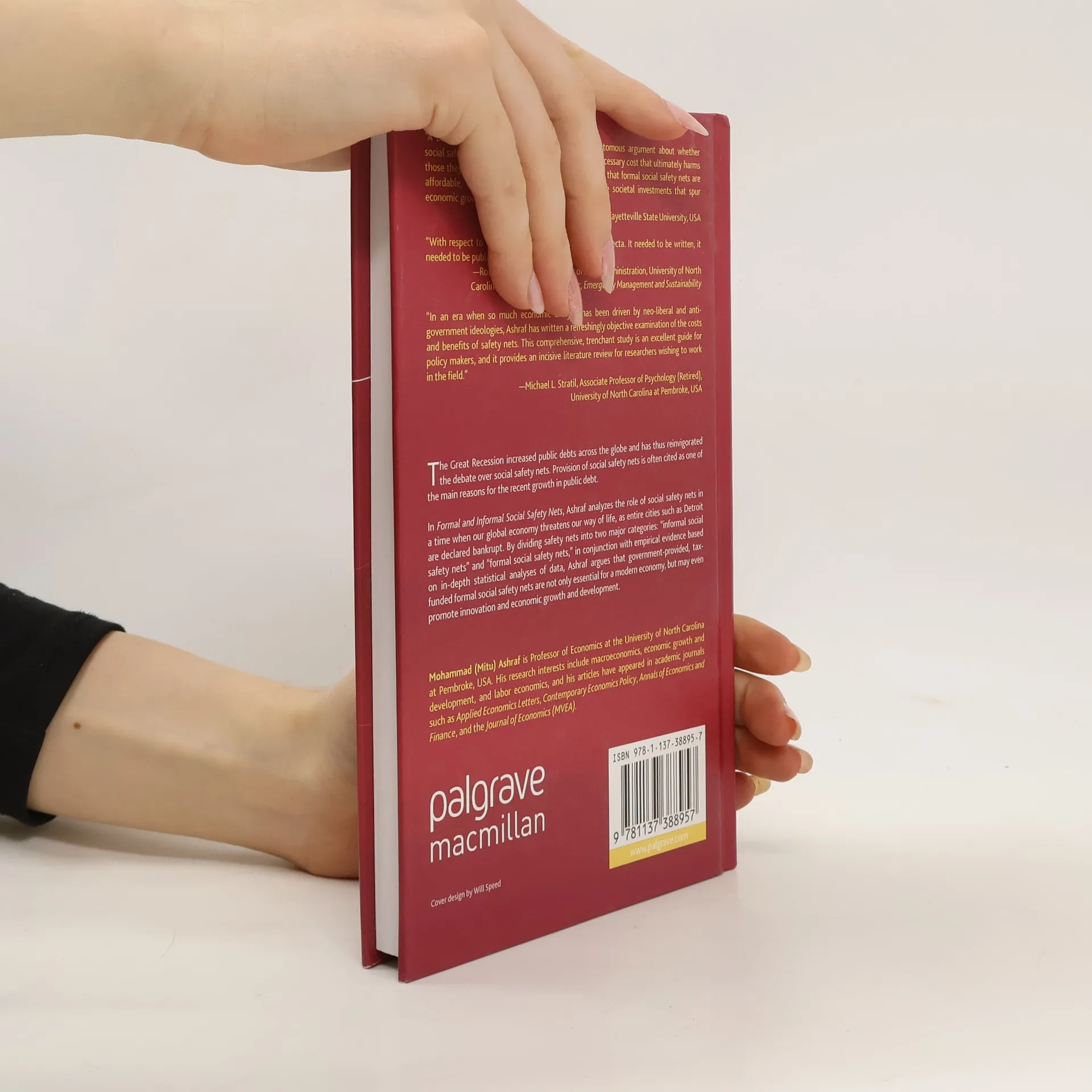
The Great Recession increased public debts across the globe and has thus reinvigorated the debate over social safety nets. Provision of social safety nets is often cited as one of the main reasons for the recent growth in public debt. In Formal and Informal Social Safety Nets, Ashraf analyses the role of social safety nets in a time when our global economy threatens our way of life, as entire cities such as Detroit are declared bankrupt. By dividing safety nets into two major categories, 'informal social safety nets' and 'formal social safety nets,' in conjunction with empirical evidence based on in-depth statistical analyses of data, Ashraf argues that government-provided, tax-funded formal social safety nets are not only essential for a modern economy, but may even promote innovation and economic growth and development.
Book purchase
Formal and Informal Social Safety Nets, Mohammad Ashraf
- Language

- Released
- 2014
- Binding
- (Hardcover)
Payment methods
No one has rated yet.
- Title
- Formal and Informal Social Safety Nets
- Language
- English
- Authors
- Mohammad Ashraf
- Publisher
- Palgrave Macmillan
- Released
- 2014
- Format
- Hardcover
- Pages
- 242
- ISBN10
- 1137388951
- ISBN13
- 9781137388957
- Series
- Categories
- Tags
- Business
- Description
- The Great Recession increased public debts across the globe and has thus reinvigorated the debate over social safety nets. Provision of social safety nets is often cited as one of the main reasons for the recent growth in public debt. In Formal and Informal Social Safety Nets, Ashraf analyses the role of social safety nets in a time when our global economy threatens our way of life, as entire cities such as Detroit are declared bankrupt. By dividing safety nets into two major categories, 'informal social safety nets' and 'formal social safety nets,' in conjunction with empirical evidence based on in-depth statistical analyses of data, Ashraf argues that government-provided, tax-funded formal social safety nets are not only essential for a modern economy, but may even promote innovation and economic growth and development.