


More about the book
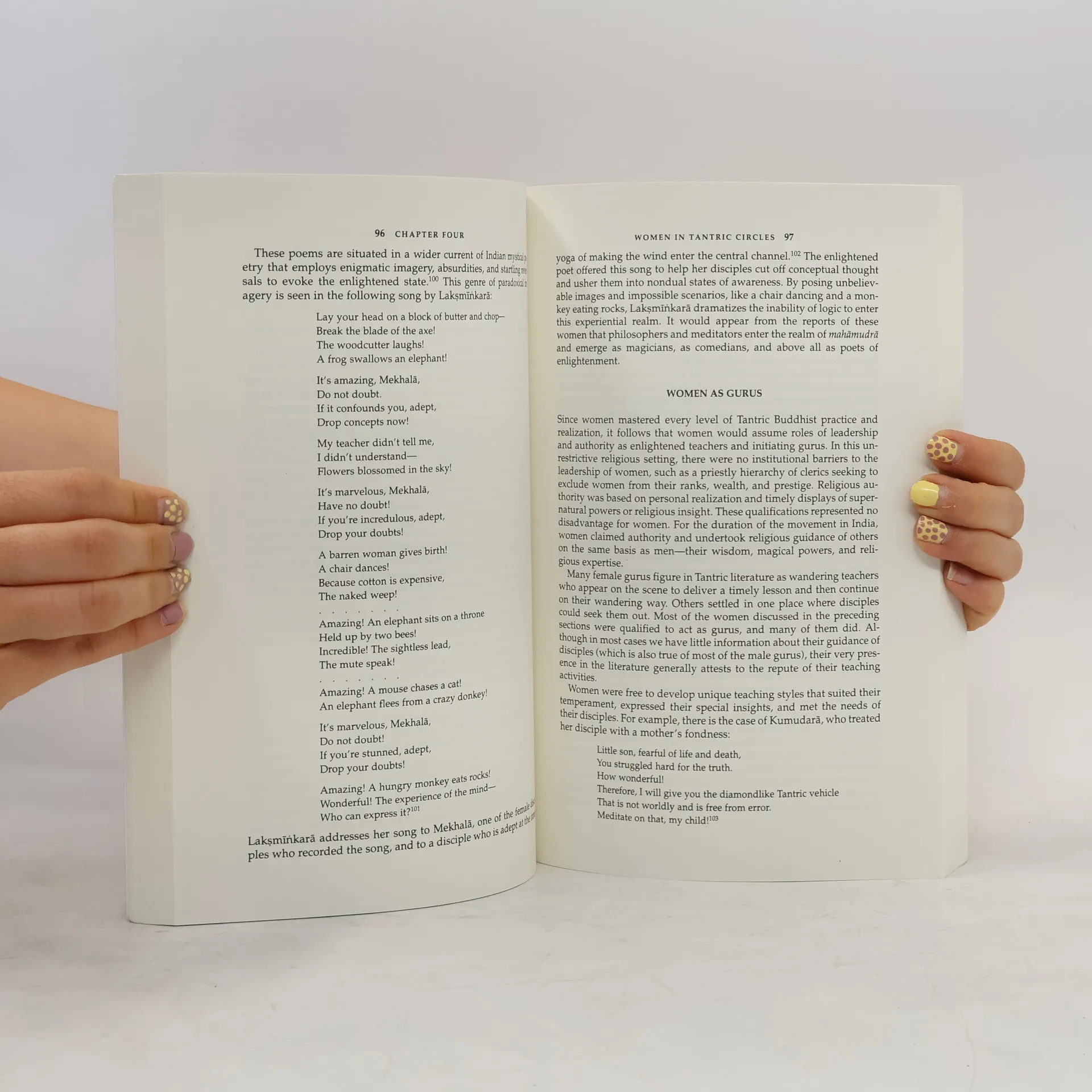
Anyone who reads a Tantric text or enters a Tantric temple immediately encounters a pantheon of female Buddhas and a host of female enlighteners known as "dakinis," who dance and leap in joyous poses that communicate a sense of mastery and spiritual power. This striking female imagery is fully compatible with Shaw's findings. Drawing on interviews and archival research conducted during two years of fieldwork in India and Nepal, including more than forty previously unnoticed works by women of the Pala period (eighth through twelfth centuries C.E.), she substantially reinterprets the history of Tantric Buddhism during its first four centuries. In her view, the Tantric theory of this period promotes an ideal of cooperative, mutually liberative relationships between women and men while encouraging a sense of reliance on women as a source of spiritual insight and power.
Publication

Book purchase
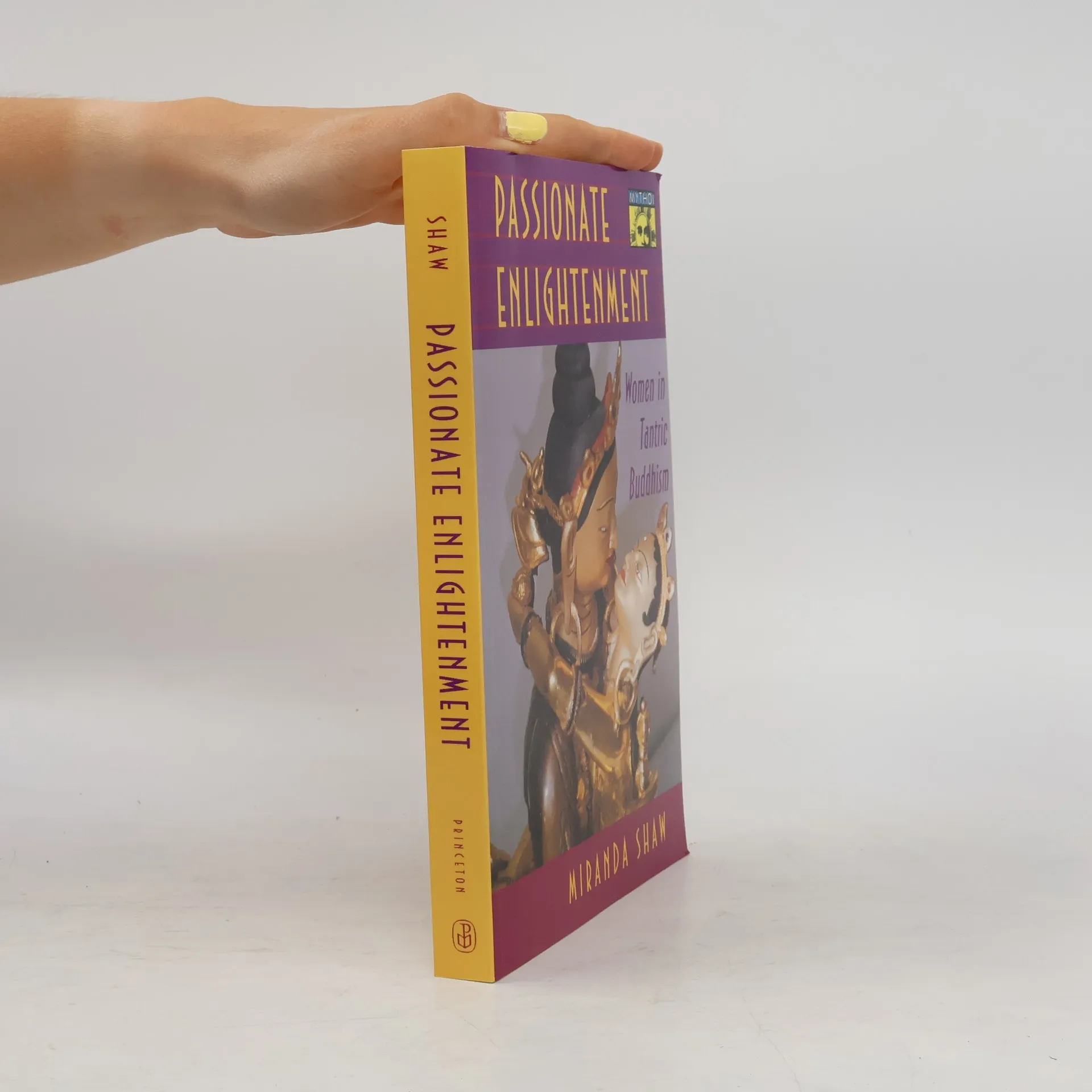
Passionate Enlightenment : Women in Tantric Buddhism, Miranda Shaw
- Language

- Released
- 1994
- Binding
- (Paperback)
Payment methods
We’re missing your review here.
- Title
- Passionate Enlightenment : Women in Tantric Buddhism
- Language
- English
- Authors
- Miranda Shaw
- Publisher
- Princeton University Press
- Released
- 1994
- Format
- Paperback
- Pages
- 308
- ISBN10
- 0691010900
- ISBN13
- 9780691010908
- Series
- Categories
- Rating
- 4.15 out of 5
- Description
- Anyone who reads a Tantric text or enters a Tantric temple immediately encounters a pantheon of female Buddhas and a host of female enlighteners known as "dakinis," who dance and leap in joyous poses that communicate a sense of mastery and spiritual power. This striking female imagery is fully compatible with Shaw's findings. Drawing on interviews and archival research conducted during two years of fieldwork in India and Nepal, including more than forty previously unnoticed works by women of the Pala period (eighth through twelfth centuries C.E.), she substantially reinterprets the history of Tantric Buddhism during its first four centuries. In her view, the Tantric theory of this period promotes an ideal of cooperative, mutually liberative relationships between women and men while encouraging a sense of reliance on women as a source of spiritual insight and power.