



The Structure of Complex Words
Authors
Parameters
More about the book
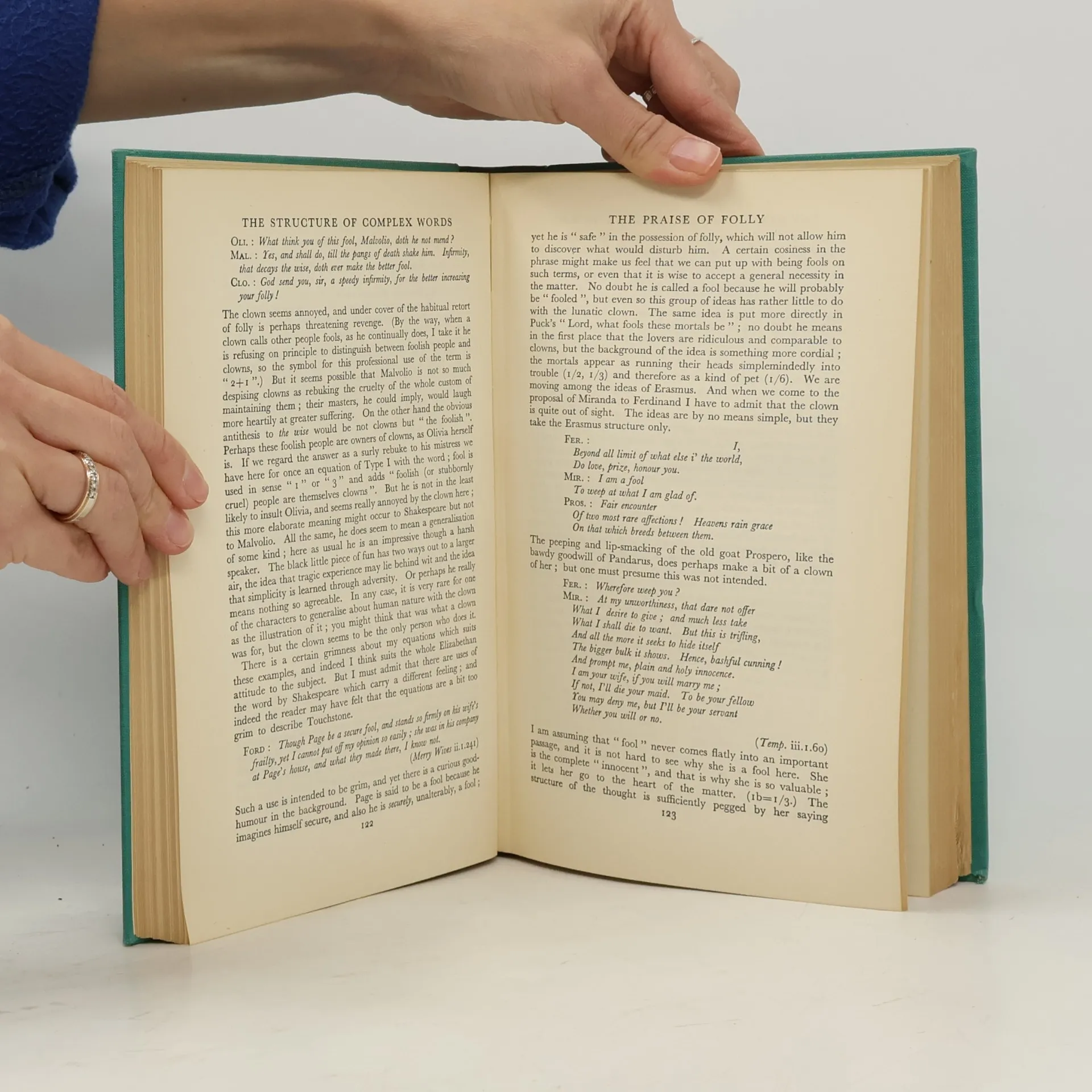
Empson's classic may "have even more to teach us about language now than It did In 1951. when this remarkable book was first published," writes Jonathan Cutler in his valuable foreword. Empson elegantly demonstrates the weight of allusion and Implication borne by even the simplest words of our language: man, honest, quite, dog. he explores the complex play of such words in social situations and in literature, producing in the process brilliant critical essays--on sense in Wordsworth's Prelude, honest in Othello and King Lear all in Paradise Lost--which go straight to the heart of the matter. Lively and irreverent, this book offers persuasive accounts of the structure of metaphor, the statements carried by words, and the failure of dictionary entries to capture the most pertinent aspects of the structure and meaning of words. Culler writes that It stakes out "a new position in debates about meaning and context about the literary in Its relation to the social and the historical. Empson's brilliant discussions of words which express complex social attitudes toward one's fellows or toward moral principles open rich chapters of social and literary history."
Publication

Book purchase
The Structure of Complex Words, William Empson
- Language

- Released
- 1951
- Binding
- (Hardcover),
- Book condition
- Good
- Price
- €20.49
Payment methods
No one has rated yet.
- Title
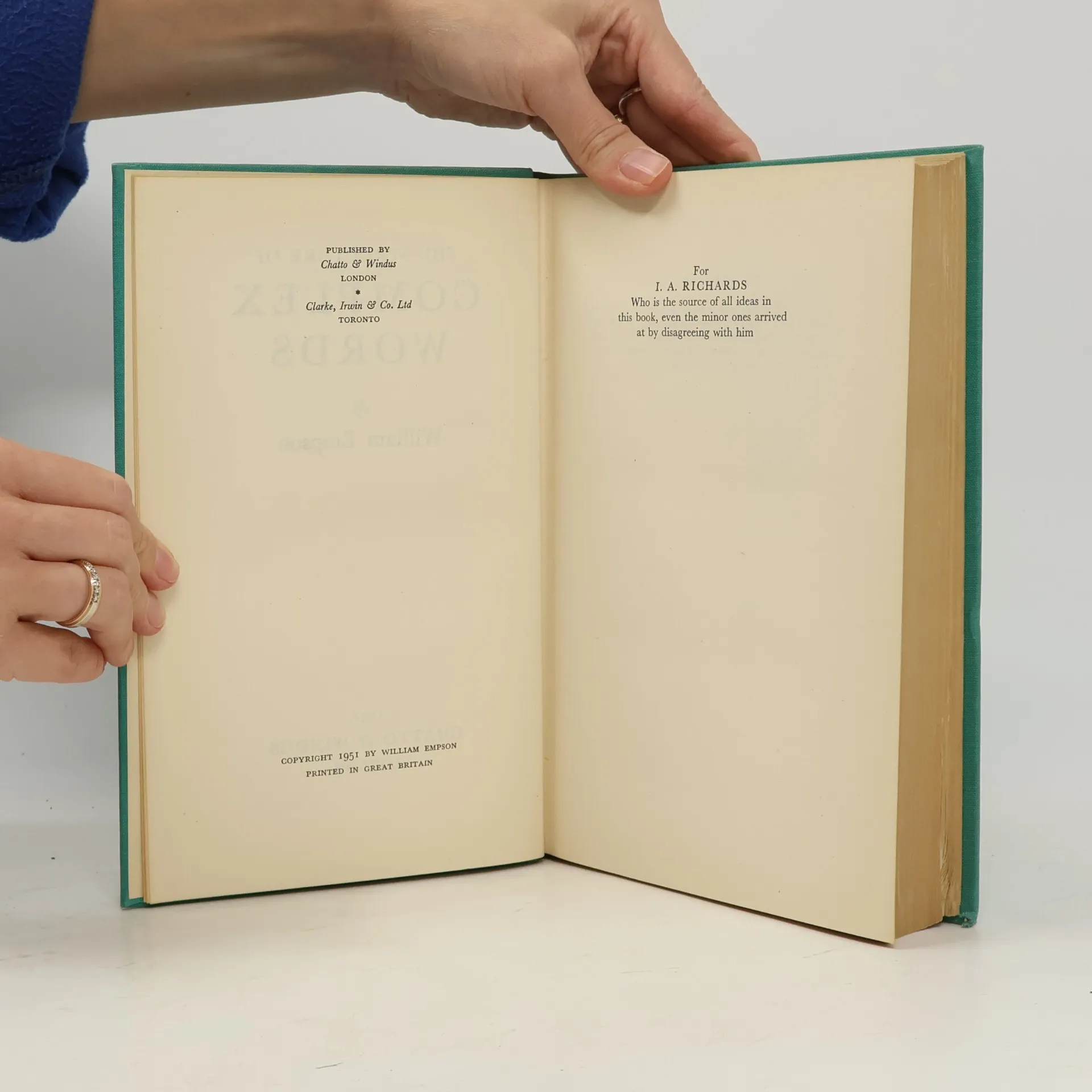
- The Structure of Complex Words
- Language
- English
- Authors
- William Empson
- Publisher
- Chatto&Windus
- Released
- 1951
- Format
- Hardcover
- Series
- Description
- Empson's classic may "have even more to teach us about language now than It did In 1951. when this remarkable book was first published," writes Jonathan Cutler in his valuable foreword. Empson elegantly demonstrates the weight of allusion and Implication borne by even the simplest words of our language: man, honest, quite, dog. he explores the complex play of such words in social situations and in literature, producing in the process brilliant critical essays--on sense in Wordsworth's Prelude, honest in Othello and King Lear all in Paradise Lost--which go straight to the heart of the matter. Lively and irreverent, this book offers persuasive accounts of the structure of metaphor, the statements carried by words, and the failure of dictionary entries to capture the most pertinent aspects of the structure and meaning of words. Culler writes that It stakes out "a new position in debates about meaning and context about the literary in Its relation to the social and the historical. Empson's brilliant discussions of words which express complex social attitudes toward one's fellows or toward moral principles open rich chapters of social and literary history."