Milton's God
- 288 pages
- 11 hours of reading
Book by Empson


William Empson was an English literary critic and poet, celebrated for his rigorous close reading of literary works that profoundly influenced the New Critics. His critical approach, often noted for its wit and eccentricity, earned him praise as a "critic of genius" while also attracting controversy for its sometimes perverse interpretations. Empson's forceful and unconventional style makes his work essential reading for its unique impact and lasting significance in literary criticism.



Book by Empson
Book by Empson, William
Some Versions of Pastoral is considered a landmark of modern literary criticism. Mr. Empson sees the pastoral convention as including not only poems of shepherd life but any work "about the people but not by or for" them. Finding examples in the writing of every country and century, from Mencius to William Faulkner or Céline, he concentrates on an analysis of certain works and forms in English literature, several of them, like Alice in Wonderland , Troilus and Cressida , and proletarian novels not traditionally considered pastoral. His chapter on Milton and Bentley is a precursor of Mr. Empson’s 1961 book, Milton’s God . With virtuoso clarity and perception throughout he brings the student to a new awareness of hidden values in individual works and to the creative possibilities of the language.
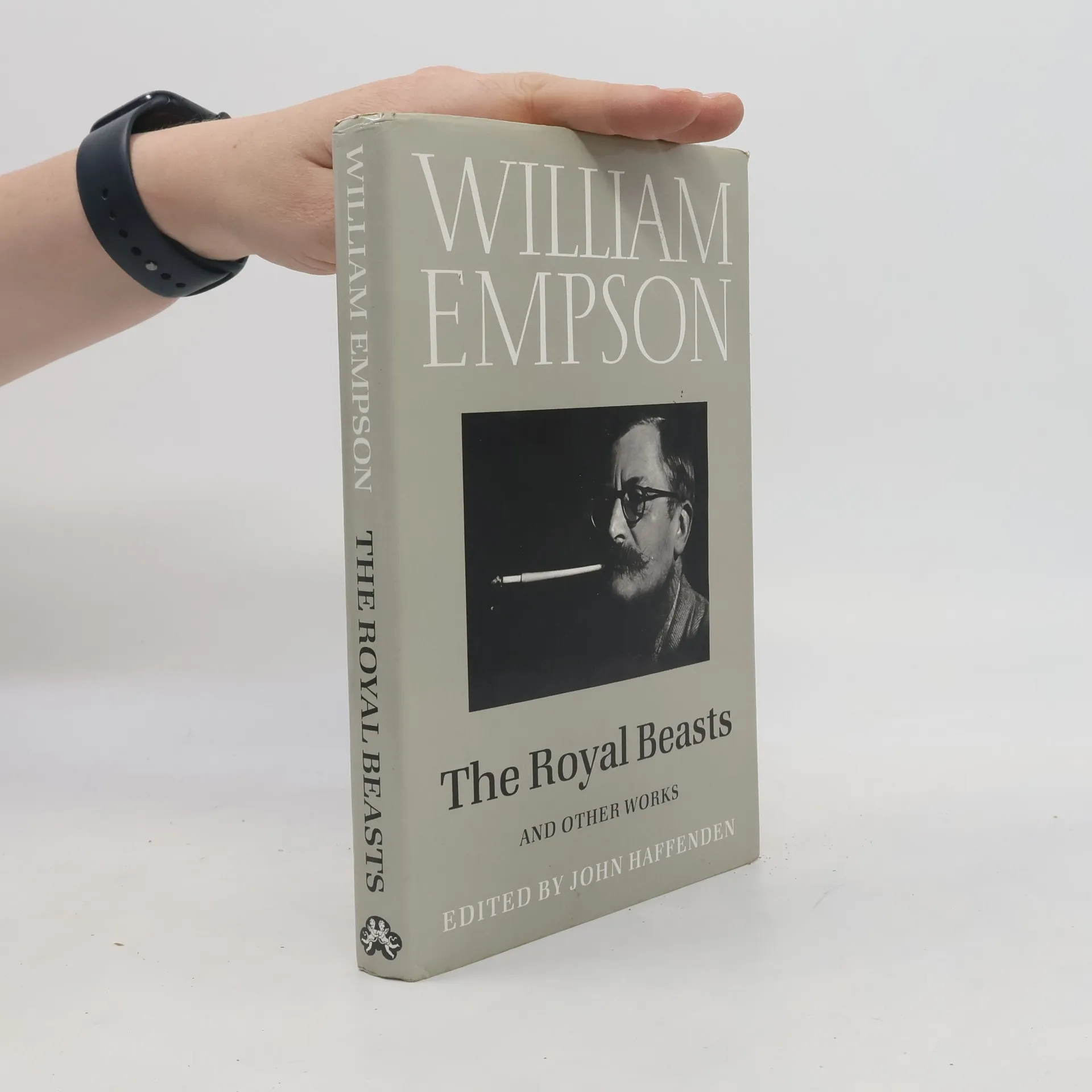
Empson has long been applauded for the dazzling intelligence and emotional passion of his poems. Praised in his lifetime by the likes of T.S. Eliot, Dylan Thomas and John Betjeman, his reputation contines to be high. His poems take a wide range of themes from metaphysics to melancholy, social climbing to political satire, and from love to loss. schovat popis
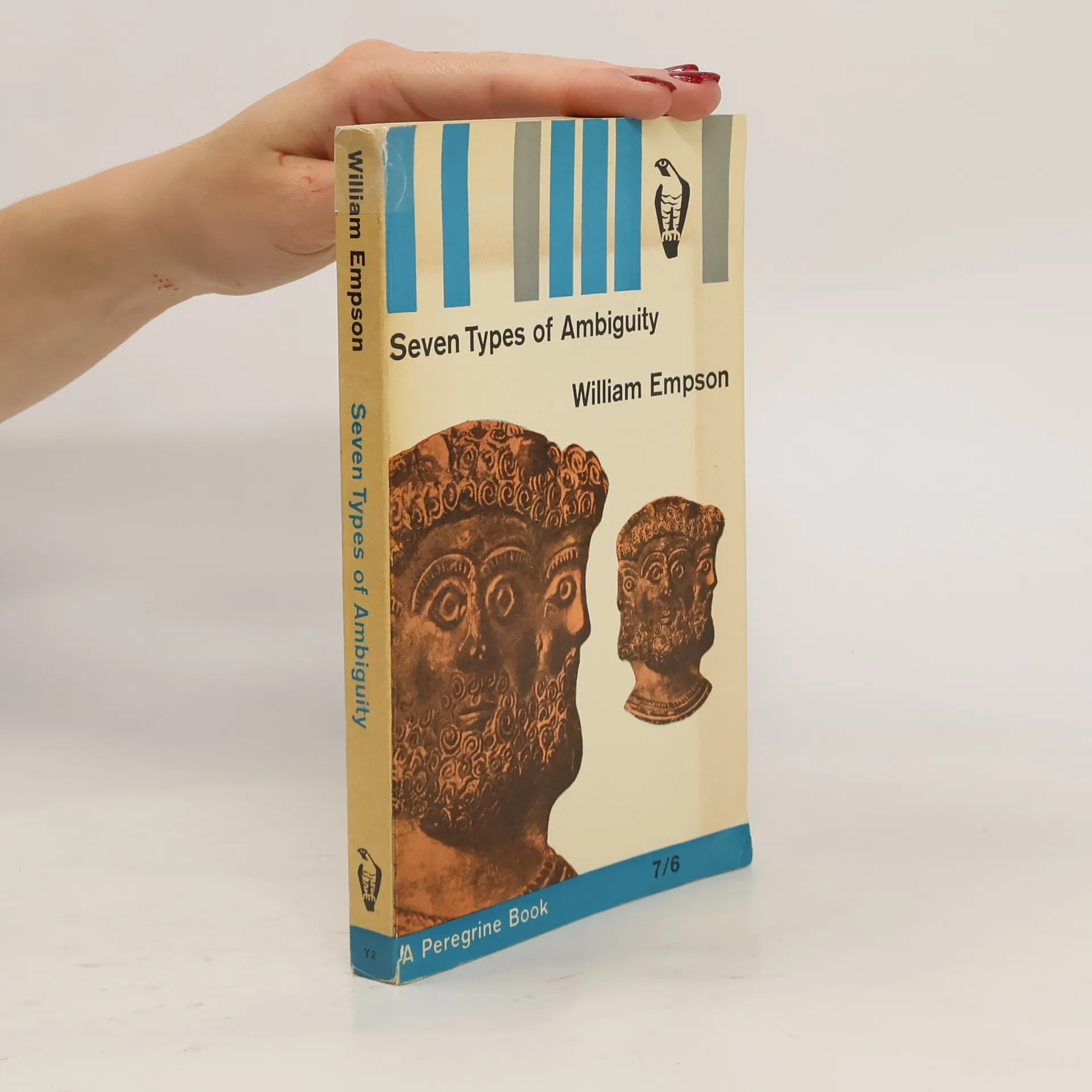
Examines seven types of ambiguity, providing examples of it in the writings of Shakespeare, Wordsworth, and T.S. Eliot.