

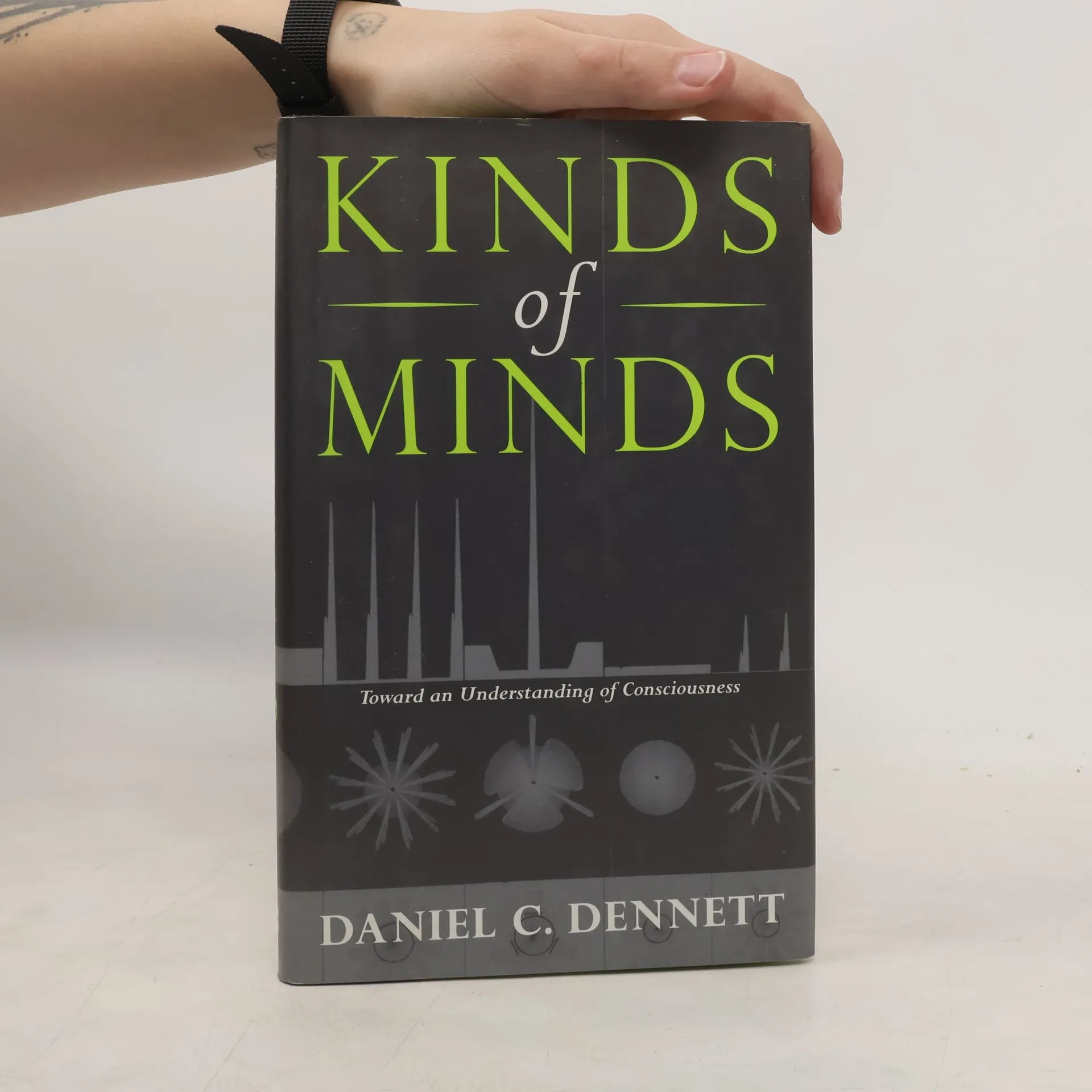


More about the book
Combining ideas from philosophy, artificial intelligence, and neurobiology, Daniel Dennett leads readers on a fascinating inquiry into intriguing possibilities: Can we truly know what others think? What sets the human mind apart from that of complex animals? If such animals gained language, would their communities develop intelligence as nuanced as ours? Will robots, equipped with sensory systems akin to ours, ever display traits traditionally seen as uniquely human, such as meta-cognition? Dennett explores these questions from an evolutionary standpoint, tracing the journey from DNA and RNA to the evolution of animal life. He illustrates how organisms evolved from simple responses to environmental stimuli to sophisticated methods of predicting future events based on past experiences. Whether discussing robots with video-camera "eyes" that create the illusion of consciousness or contemplating whether spiders are merely tiny robots weaving intricate webs, Dennett excels at posing thought-provoking questions that stimulate and challenge our understanding of mind and intelligence.


Book purchase
Kinds of Minds, Daniel Dennett
- Language

- Released
- 1996
- Binding
- (Hardcover)
Payment methods
We’re missing your review here.
- Title
- Kinds of Minds
- Subtitle
- Toward an Understanding of Consciousness
- Language
- English
- Authors
- Daniel Dennett
- Publisher
- Basic Books
- Released
- 1996
- Format
- Hardcover
- Pages
- 184
- ISBN10
- 0465073506
- ISBN13
- 9780465073504
- Categories
- First published
- 1996
- Original title
- Kinds of Minds: Towards an Understanding of Consciousness
- Rating
- 3.55 out of 5
- Description
- Combining ideas from philosophy, artificial intelligence, and neurobiology, Daniel Dennett leads readers on a fascinating inquiry into intriguing possibilities: Can we truly know what others think? What sets the human mind apart from that of complex animals? If such animals gained language, would their communities develop intelligence as nuanced as ours? Will robots, equipped with sensory systems akin to ours, ever display traits traditionally seen as uniquely human, such as meta-cognition? Dennett explores these questions from an evolutionary standpoint, tracing the journey from DNA and RNA to the evolution of animal life. He illustrates how organisms evolved from simple responses to environmental stimuli to sophisticated methods of predicting future events based on past experiences. Whether discussing robots with video-camera "eyes" that create the illusion of consciousness or contemplating whether spiders are merely tiny robots weaving intricate webs, Dennett excels at posing thought-provoking questions that stimulate and challenge our understanding of mind and intelligence.