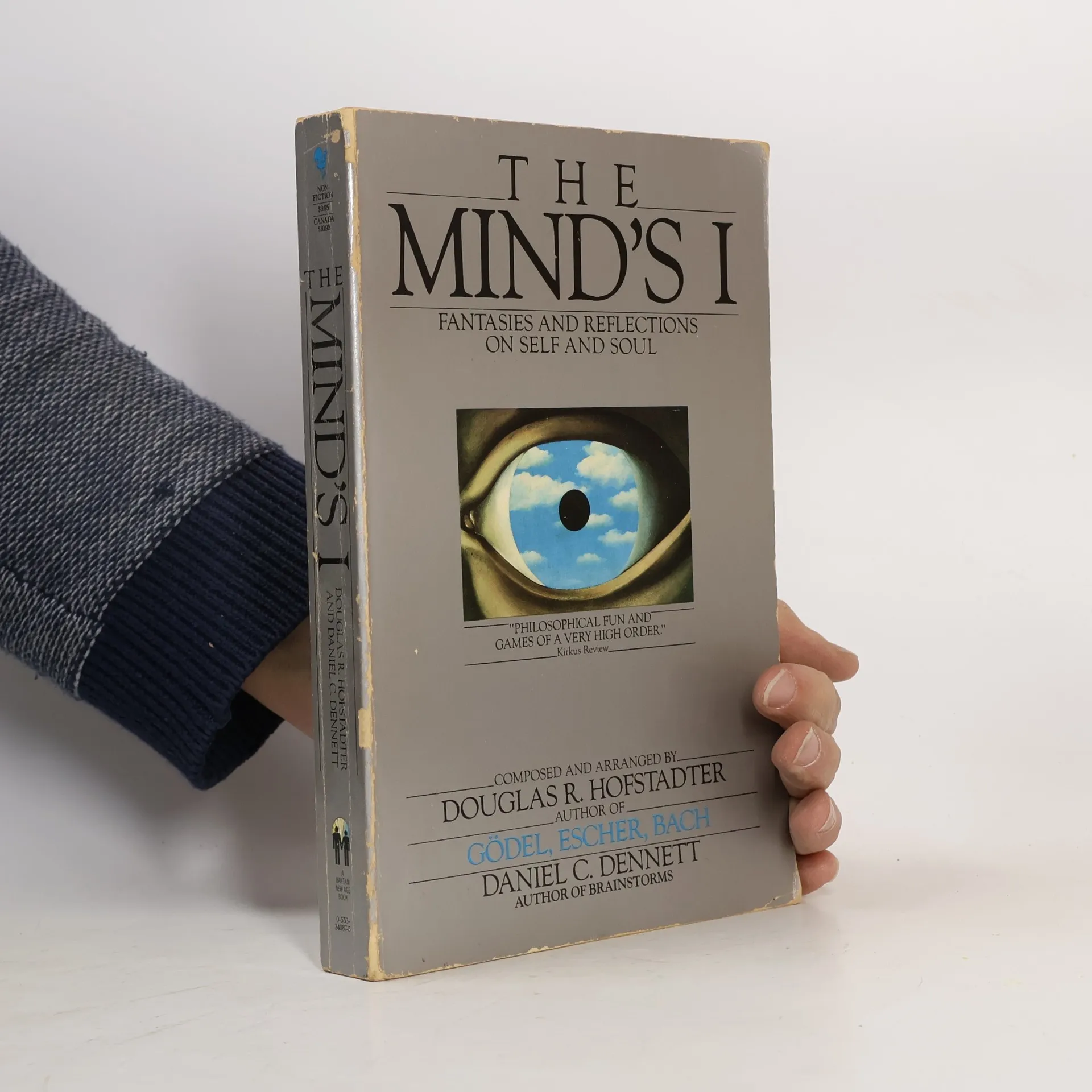
Ever wondered who you really are? This collection enlivens this central question in the philosophy of mind, addressing the ultimate inquiries about the self. Editors Hofstadter and Dennett, prominent figures in cognitive science and philosophy, present a variety of approaches to the question, "Who am I?" Each selection is accompanied by reflections that elaborate on main themes, making complex ideas accessible to a general audience. The essays are organized into six categories, progressively raising philosophical stakes and introducing new levels of complexity. Readers confront challenging questions such as the nature of free will, our place in the metaphysical world, and the potential of artificial intelligence. The book concludes with a thought-provoking piece by Robert Nozick, who ponders whether this world is fictional or real, leaving readers to consider which reality they hope for. This exploration invites deep reflection on identity and existence, making it a significant contribution to modern philosophical discourse.
Daniel Dennett Books
Daniel Dennett is a prominent philosopher whose work delves into the philosophy of mind, science, and biology, particularly as they intersect with evolutionary biology and cognitive science. Known for his secular perspective, he contributes significantly to understanding consciousness and its place in the natural world. His writing is characterized by clarity and a drive to connect seemingly disparate fields of thought.


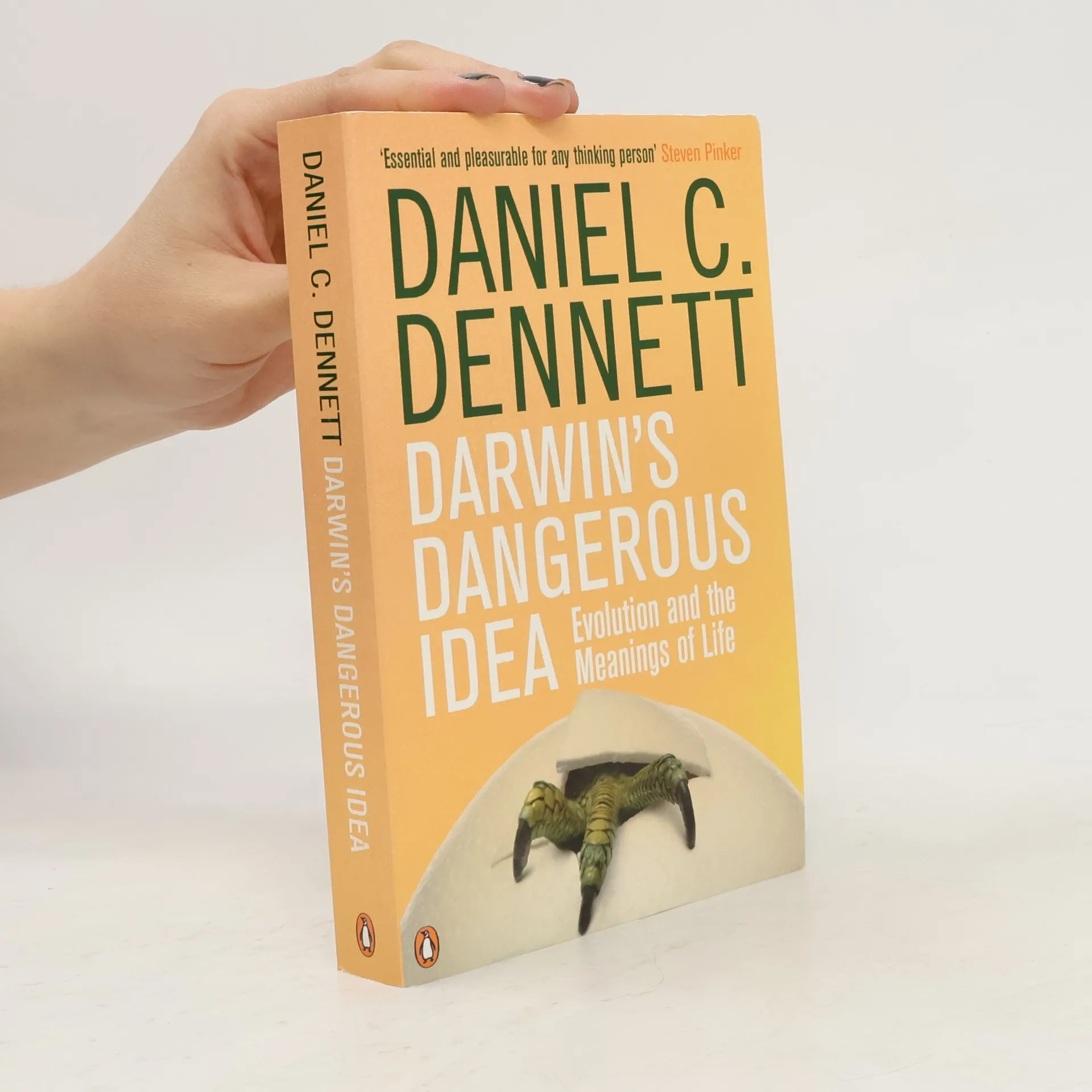
Darwin's Dangerous Idea
- 592 pages
- 21 hours of reading
Argues that the theory of evolution can demystify the miracles of life without devaluing our most cherished beliefs. In this book, the author explores every aspect of evolutionary thinking to show why it is so fundamental to our existence, and why it affirms - not threatens - our convictions about the meaning of life.
Breaking the Spell
- 448 pages
- 16 hours of reading
The New York Times bestseller – a “crystal-clear, constantly engaging” (Jared Diamond) exploration of the role that religious belief plays in our lives and our interactions For all the thousands of books that have been written about religion, few until this one have attempted to examine it scientifically: to ask why—and how—it has shaped so many lives so strongly. Is religion a product of blind evolutionary instinct or rational choice? Is it truly the best way to live a moral life? Ranging through biology, history, and psychology, Daniel C. Dennett charts religion’s evolution from “wild” folk belief to “domesticated” dogma. Not an antireligious screed but an unblinking look beneath the veil of orthodoxy, Breaking the Spell will be read and debated by believers and skeptics alike.
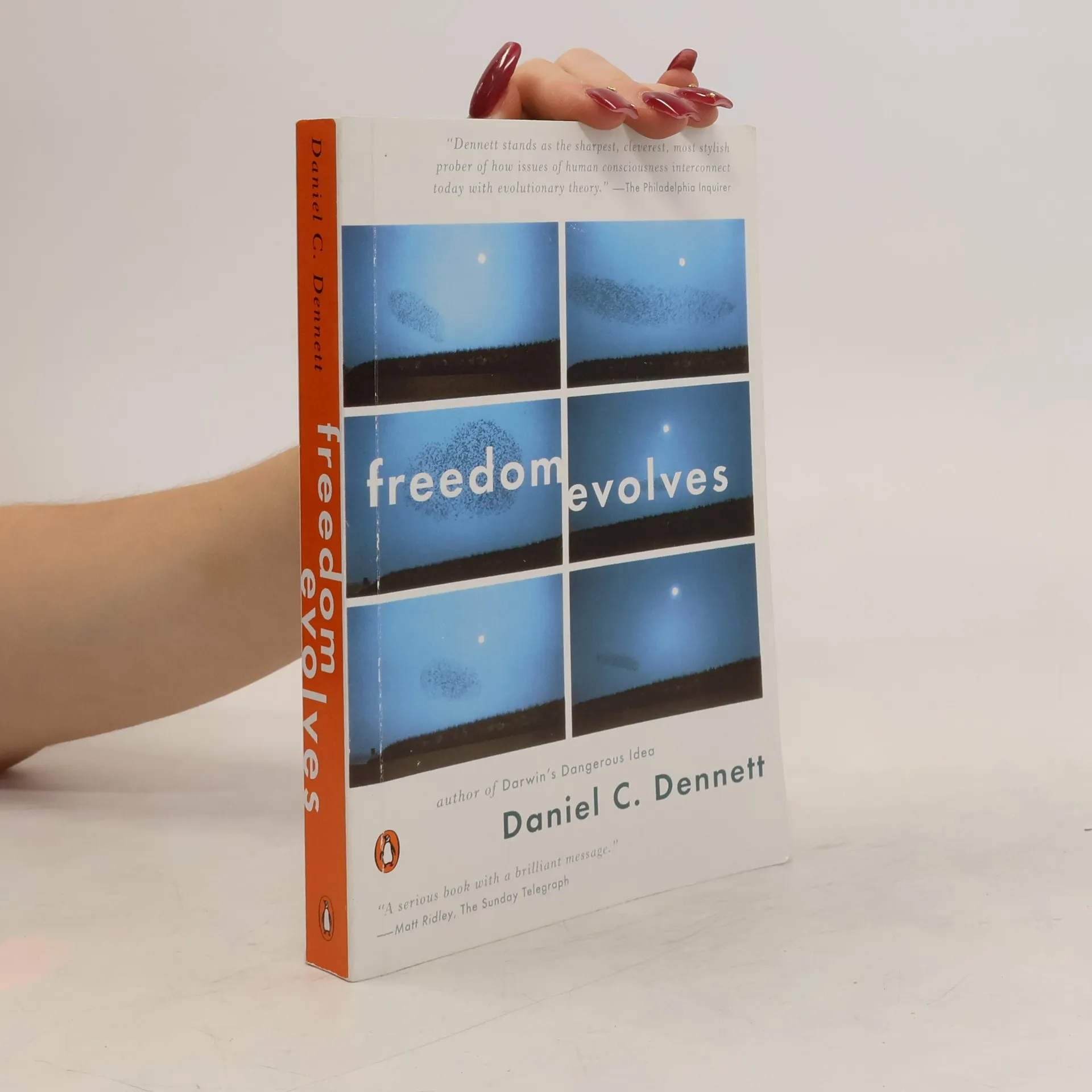
Freedom Evolves
- 368 pages
- 13 hours of reading
Can there be freedom and free will in a deterministic world? Renowned philosopher Daniel Dennett emphatically answers "yes!" Using an array of provocative formulations, Dennett sets out to show how we alone among the animals have evolved minds that give us free will and morality. Weaving a richly detailed narrative, Dennett explains in a series of strikingly original arguments—drawing upon evolutionary biology, cognitive neuroscience, economics, and philosophy—that far from being an enemy of traditional explorations of freedom, morality, and meaning, the evolutionary perspective can be an indispensable ally. In Freedom Evolves, Dennett seeks to place ethics on the foundation it deserves: a realistic, naturalistic, potentially unified vision of our place in nature.
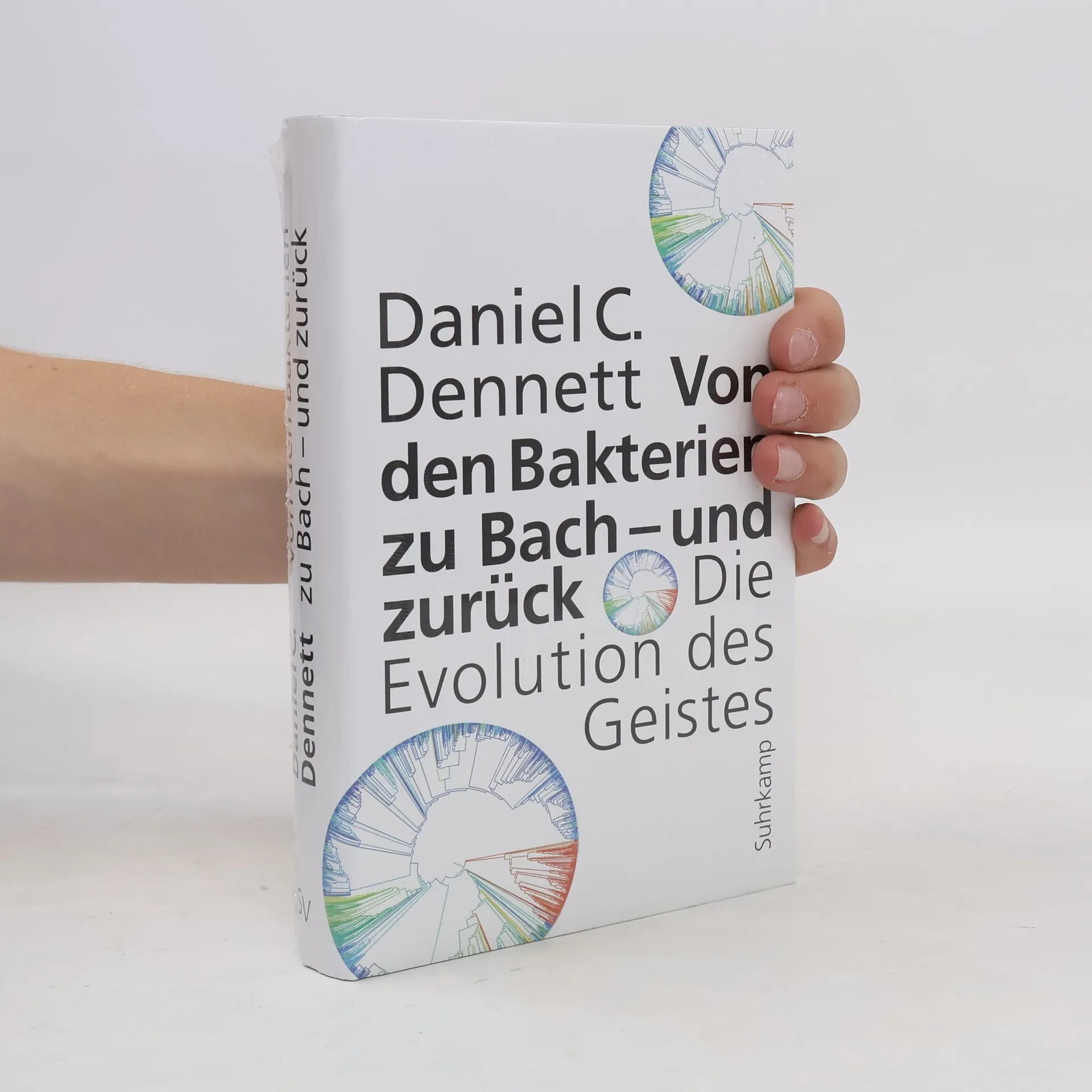
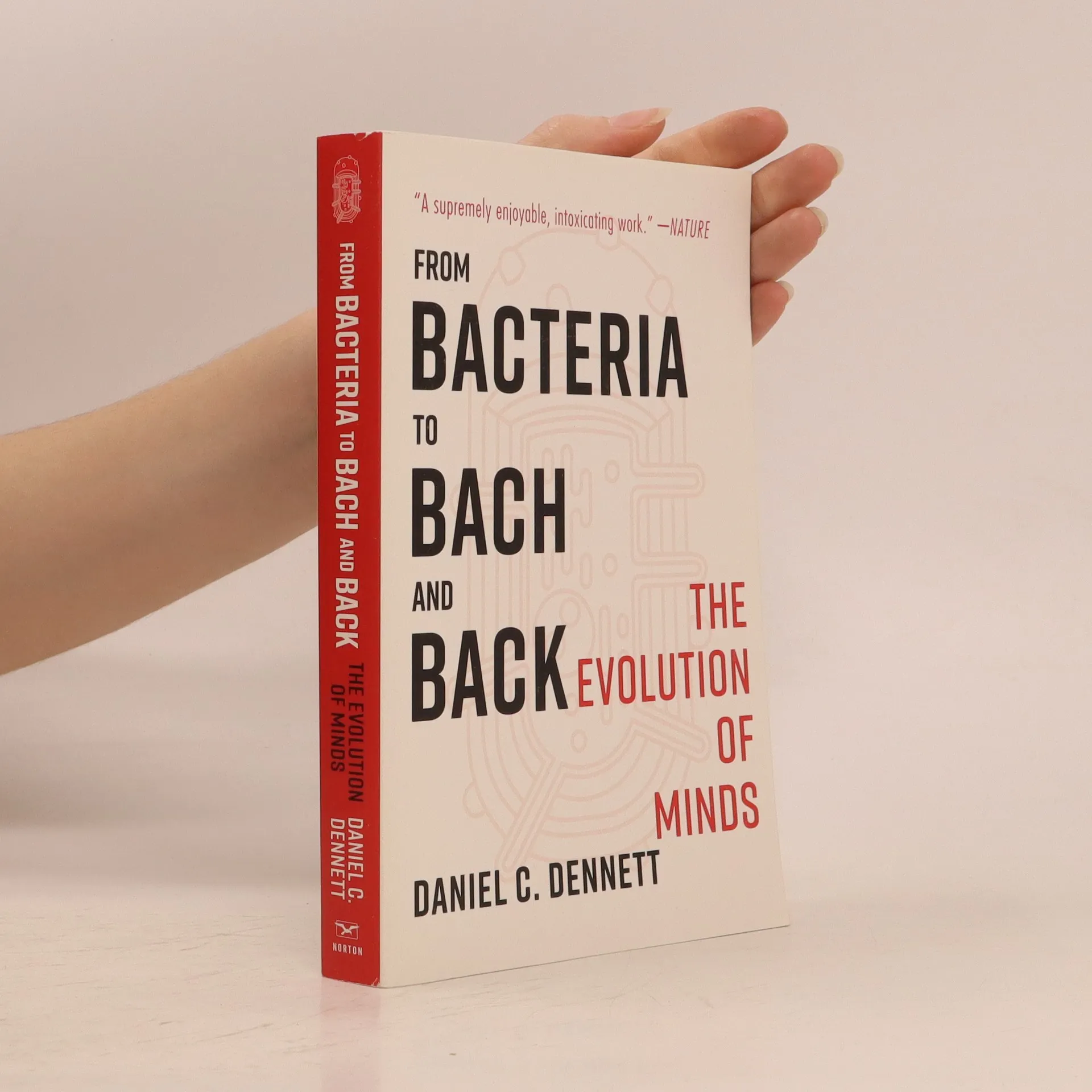
From bacteria to Bach and back : the evolution of minds
- 496 pages
- 18 hours of reading
"A supremely enjoyable, intoxicating work." —Nature How did we come to have minds? For centuries, poets, philosophers, psychologists, and physicists have wondered how the human mind developed its unrivaled abilities. Disciples of Darwin have explained how natural selection produced plants, but what about the human mind? In From Bacteria to Bach and Back, Daniel C. Dennett builds on recent discoveries from biology and computer science to show, step by step, how a comprehending mind could in fact have arisen from a mindless process of natural selection. A crucial shift occurred when humans developed the ability to share memes, or ways of doing things not based in genetic instinct. Competition among memes produced thinking tools powerful enough that our minds don’t just perceive and react, they create and comprehend. An agenda-setting book for a new generation of philosophers and scientists, From Bacteria to Bach and Back will delight and entertain all those curious about how the mind works.
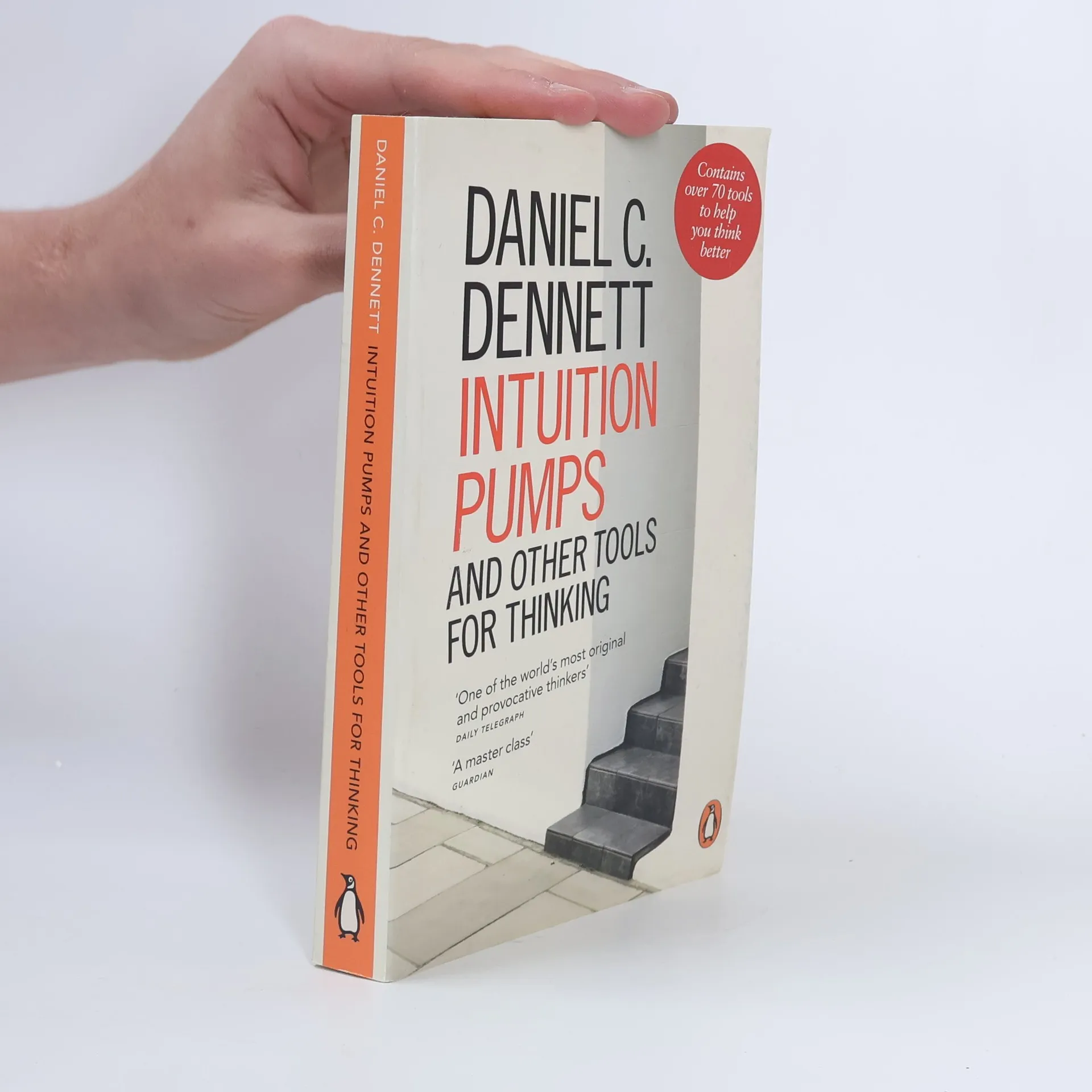
Intuition Pumps and Other Tools for Thinking
- 512 pages
- 18 hours of reading
Thinking is hard. A few of us may be natural geniuses; others are blessed with reserves of willpower. Then there are the rest of us: not prodigies and short on time, but still aspiring to understand the world. What can we do? Acclaimed thinker Daniel Dennett reveals a collection of his favourite thinking tools, or 'intuition pumps'. From Occam's Razor to the benefit of mistakes, the 90% rule to avoiding 'deepities', this entertaining guide will enable you to tackle life's most fundamental questions - evolution, meaning, consciousness and free will - and teach you to think independently and creatively. 'Intelligence, insight and flair . . . They don't come much bigger than Daniel Dennett.' Julian Baggini, Guardian 'Brilliant . . . Vintage Dennett.' @ Richard Dawkins 'A philosopher's box of tools for the musing mind.' Melvin Konner, Nature 'A lively primer on the radical answers Mr. Dennett has elaborated to the big questions in his nearly five decades in philosophy.' Jennifer Schuessler, The New York Times 'America's most important and entertaining philosopher.' Observer 'Dennett will lift the top off your head.' Daily Beast
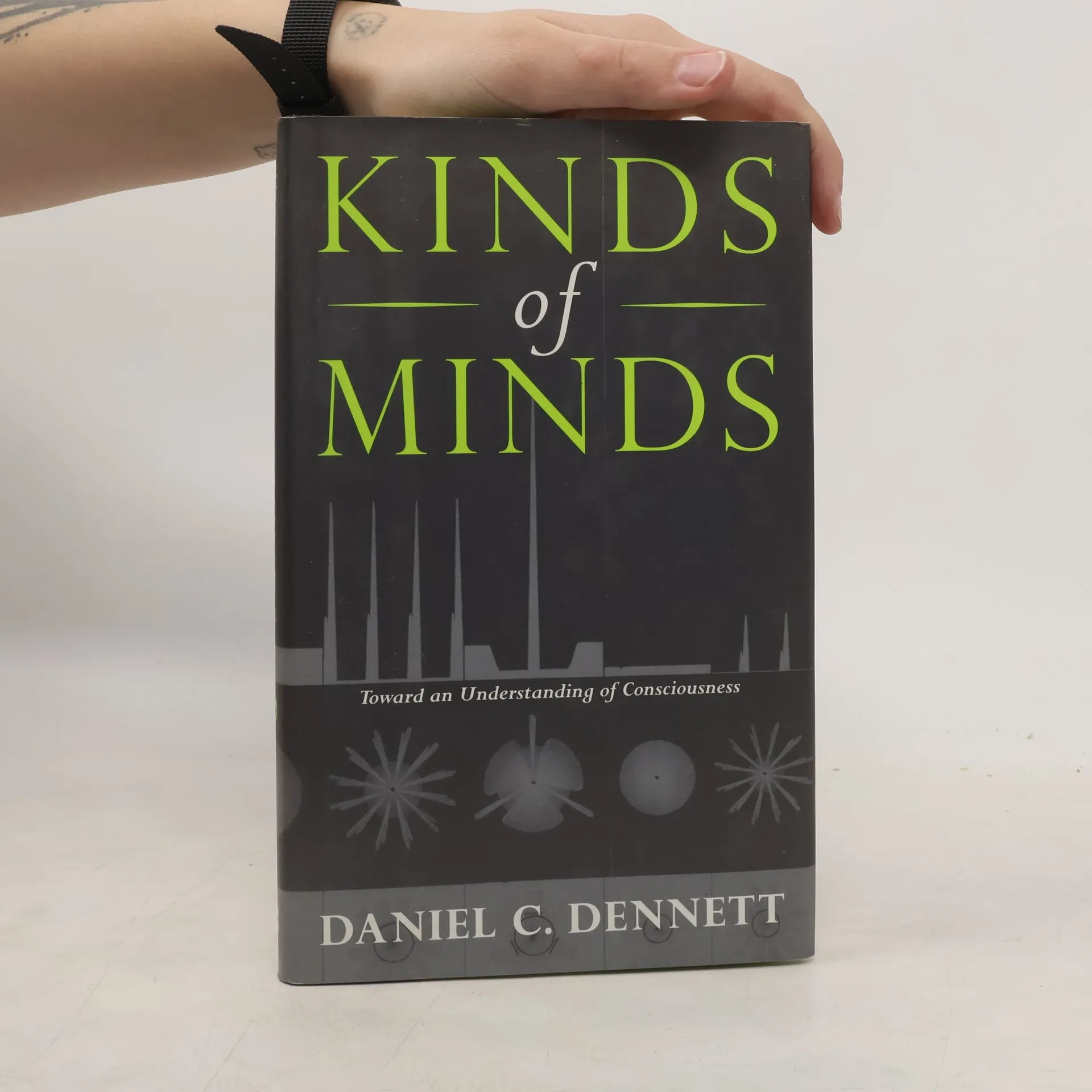
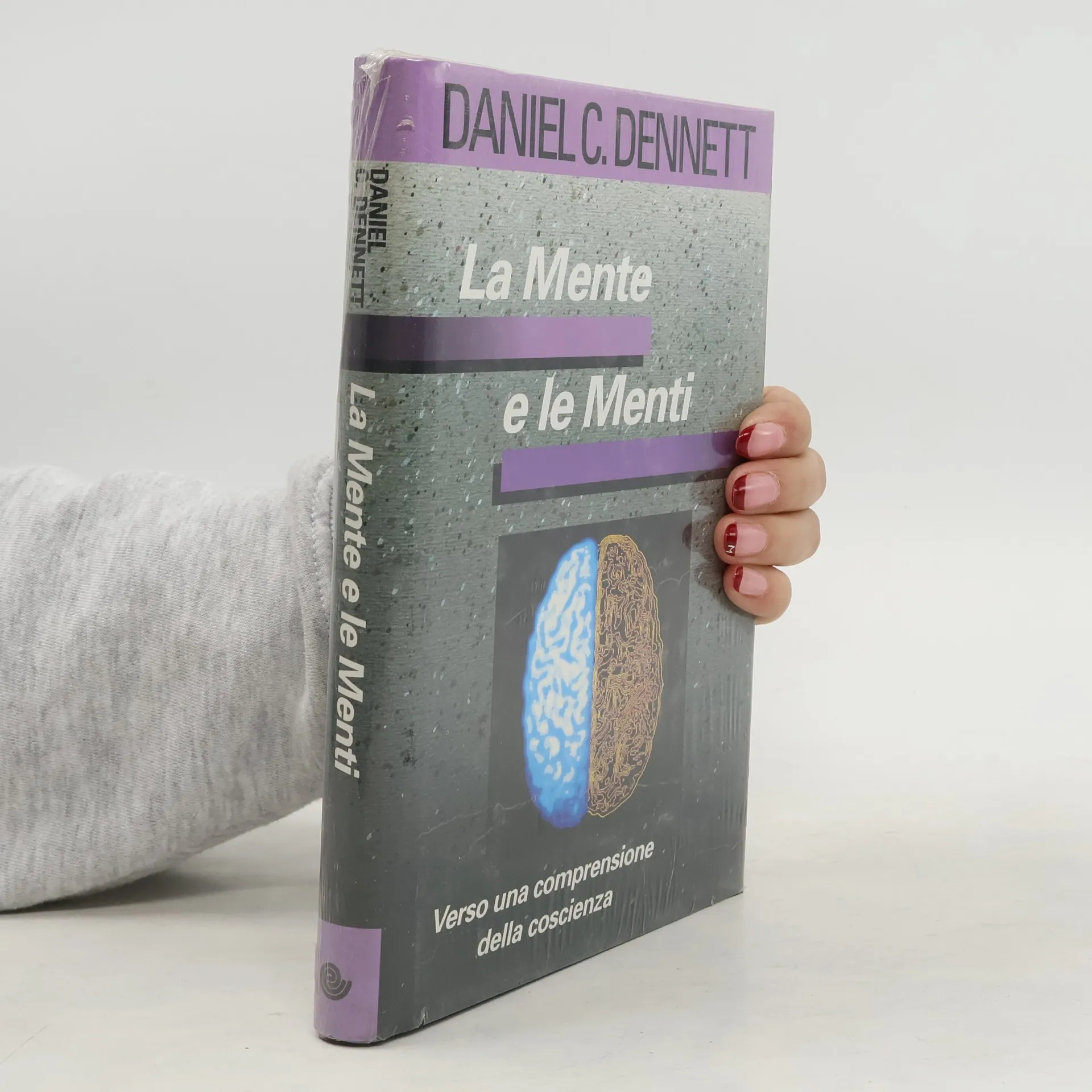
Combining ideas from philosophy, artificial intelligence, and neurobiology, Daniel Dennett leads readers on a fascinating inquiry into intriguing possibilities: Can we truly know what others think? What sets the human mind apart from that of complex animals? If such animals gained language, would their communities develop intelligence as nuanced as ours? Will robots, equipped with sensory systems akin to ours, ever display traits traditionally seen as uniquely human, such as meta-cognition? Dennett explores these questions from an evolutionary standpoint, tracing the journey from DNA and RNA to the evolution of animal life. He illustrates how organisms evolved from simple responses to environmental stimuli to sophisticated methods of predicting future events based on past experiences. Whether discussing robots with video-camera "eyes" that create the illusion of consciousness or contemplating whether spiders are merely tiny robots weaving intricate webs, Dennett excels at posing thought-provoking questions that stimulate and challenge our understanding of mind and intelligence.
I've Been Thinking
- 447 pages
- 16 hours of reading
'One of today's most readable, intellectually nimble and scientifically literate philosophers' Nature 'Who would have guessed that a philosopher's life could be so full of adventures?' Daniel C. Dennett, philosopher and cognitive scientist, has spent his career considering consciousness. I've Been Thinking traces the development of Dennett's own intellect and instructs us how we too can become good thinkers. Dennett's restless curiosity leads him from his childhood in Beirut to Harvard, and from Parisian jazz clubs to 'tillosophy' on his tractor in Maine. Along the way, he encounters and debates with a host of legendary thinkers, and reveals the breakthroughs and misjudgments that shaped his paradigm-shifting philosophies. Thinking, Dennett argues, is hard, and risky. In fact, all good philosophical thinking is inevitably accompanied by bafflement, frustration and self-doubt. It is only in getting it wrong that we, very occasionally, find a way to get it right. This memoir by one of the greatest philosophers of our time will speak to anyone who seeks a life of the mind with adventure and creativity.
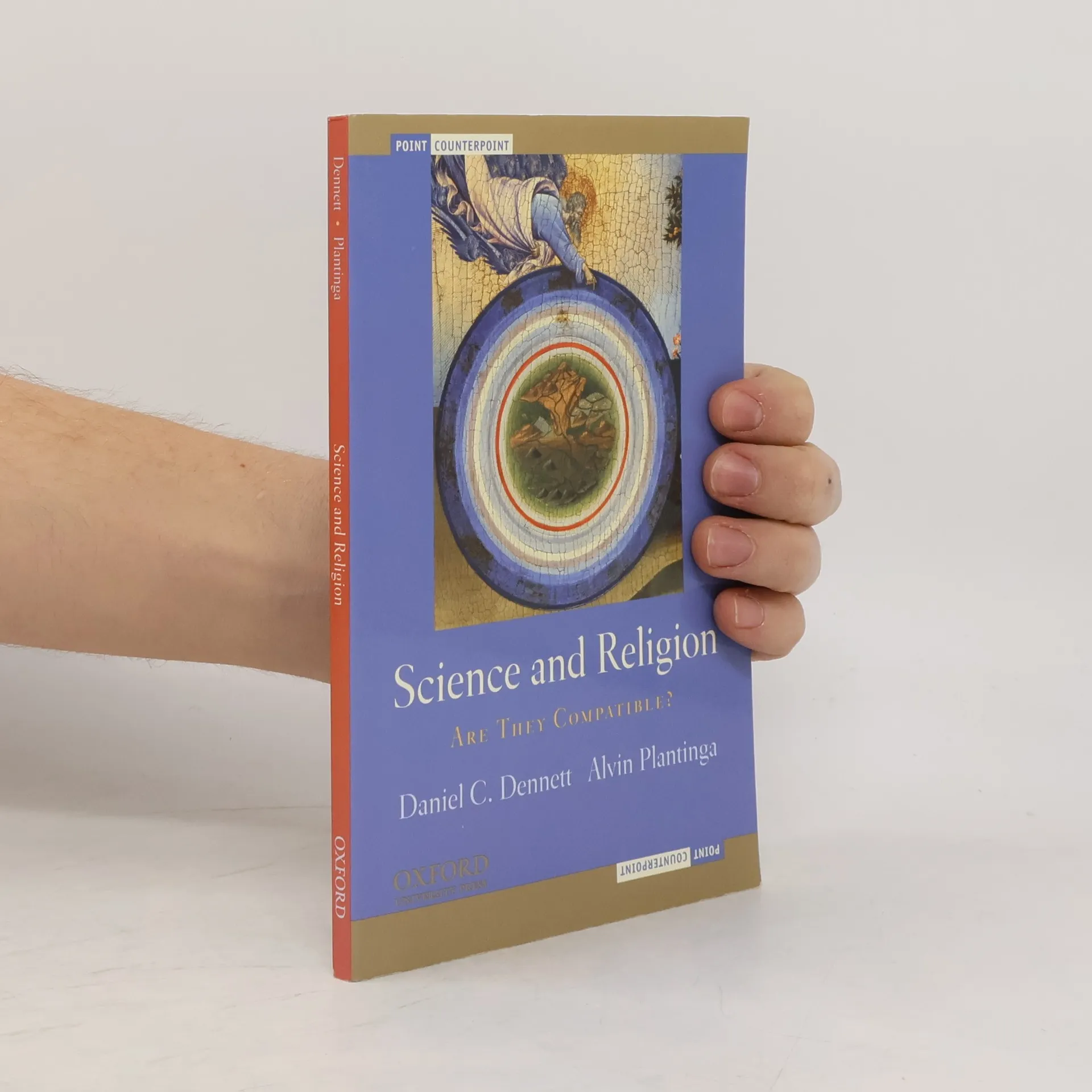
Science and Religion
- 82 pages
- 3 hours of reading
An enlightening discussion that will motivate students to think critically, the book opens with Plantinga's assertion that Christianity is compatible with evolutionary theory because Christians believe that God created the living world, and it is entirely possible that God did so by using a process of evolution.
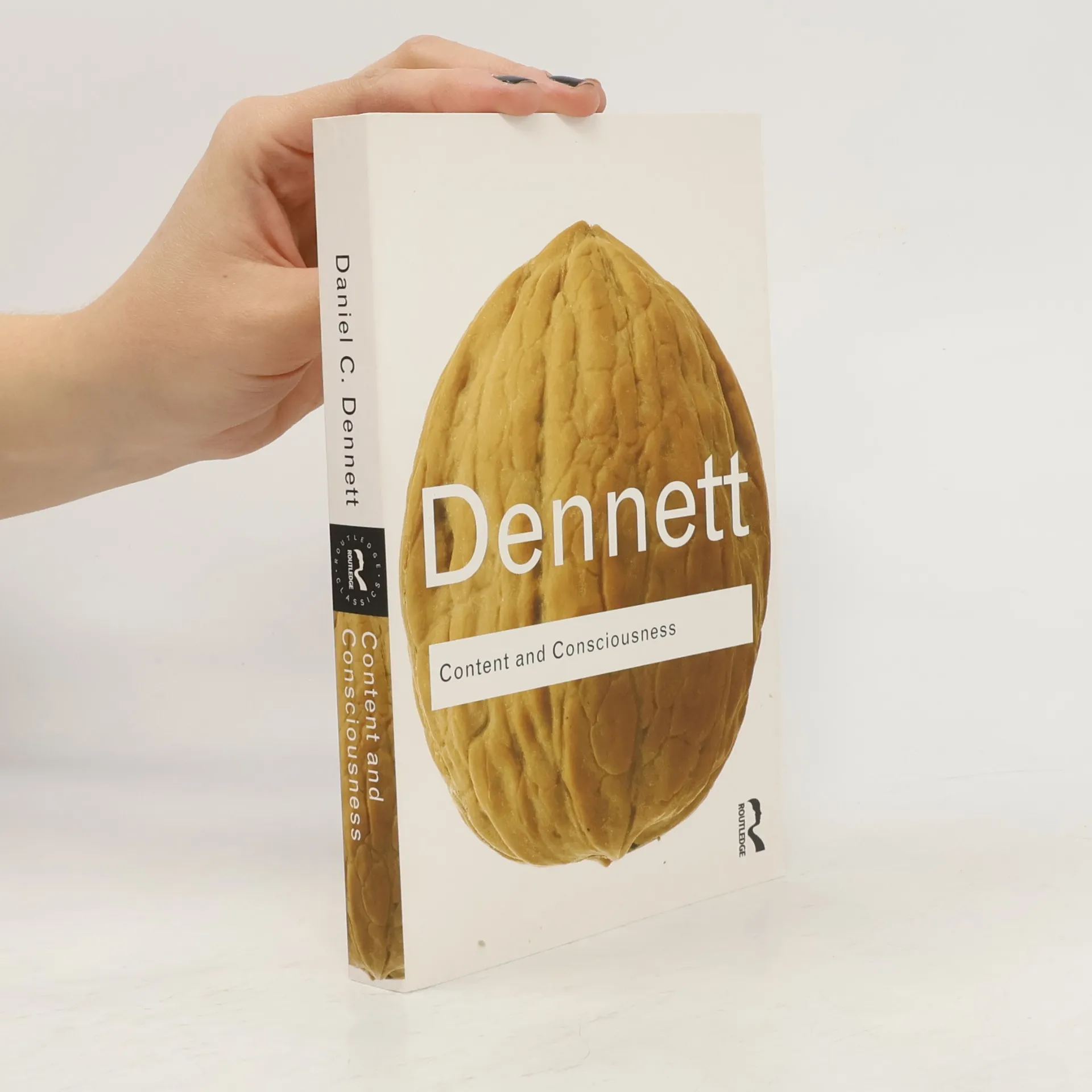
Routledge Classics: Content and Consciousness
- 264 pages
- 10 hours of reading
Elucidates a problem integral to the history of Western philosophical thought - the relationship of the mind and body. This work develops a theory of the human mind and consciousness based on the advances in the field that came to be known as cognitive science.
Een schitterend ongeluk
Wim Kayzer ontmoet Oliver Sacks, Stephan Jay Gould, Stephen Toulmin, Daniel C. Dennett, Rupert Sheldrake en Freeman Dyson / druk 13
- 471 pages
- 17 hours of reading
Wim Kayzer ontmoet Oliver Sacks, Stephen Jay Gould, Stephen Toulmin, Daniel C. Dennet, Rupert Sheldrake en Freeman Dyson.
Was ist der menschliche Geist und wie ist er überhaupt möglich? Daniel C. Dennett ist der weltweit wohl bedeutendste Fürsprecher von Materialismus, Aufklärung und Wissenschaft. Seit über fünfzig Jahren wirbt und streitet er für seine Ansichten. Mit diesem Buch wagt er noch einmal einen Rundumschlag, eine Meistererzählung von den Ursprüngen des Lebens über die Geistesgrößen der Menschheit wie Johann Sebastian Bach, Marie Curie oder Pablo Picasso bis hin zur Künstlichen Intelligenz. Dennett zeigt, wie eine vollkommen geistlose genetische und kulturelle Evolution es geschafft hat, zunächst die Einzeller, dann Pflanzen und Tiere sowie schließlich den Geist, die Kultur und das Bewusstsein hervorzubringen. Und er schießt dabei gewohnt scharf gegen Kreationisten, Antidarwinisten und alle anderen, denen ihr dogmatischer Schlummer wichtiger ist als die Wahrheit.
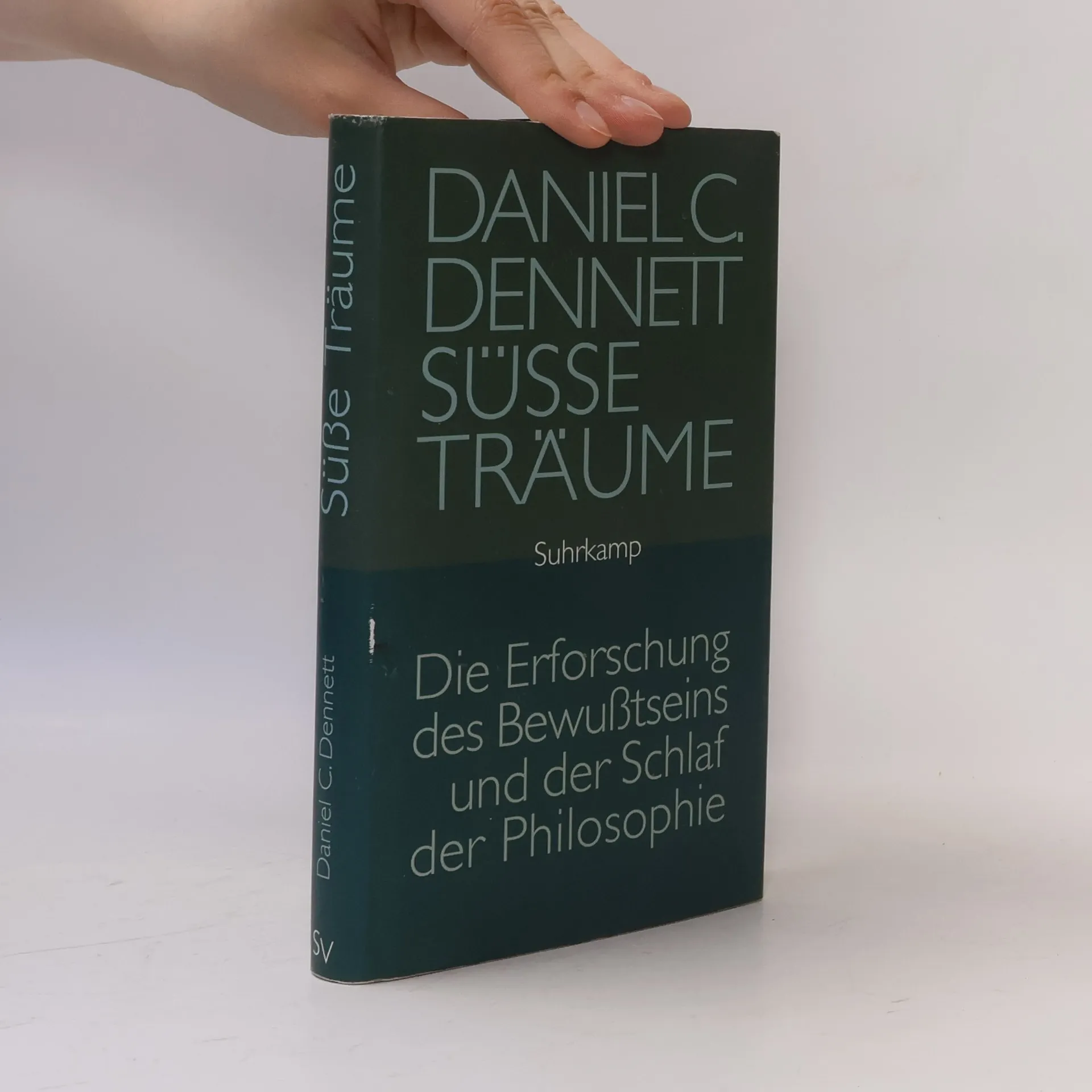
Süße Träume
Die Erforschung des Bewußtseins und der Schlaf der Philosophie
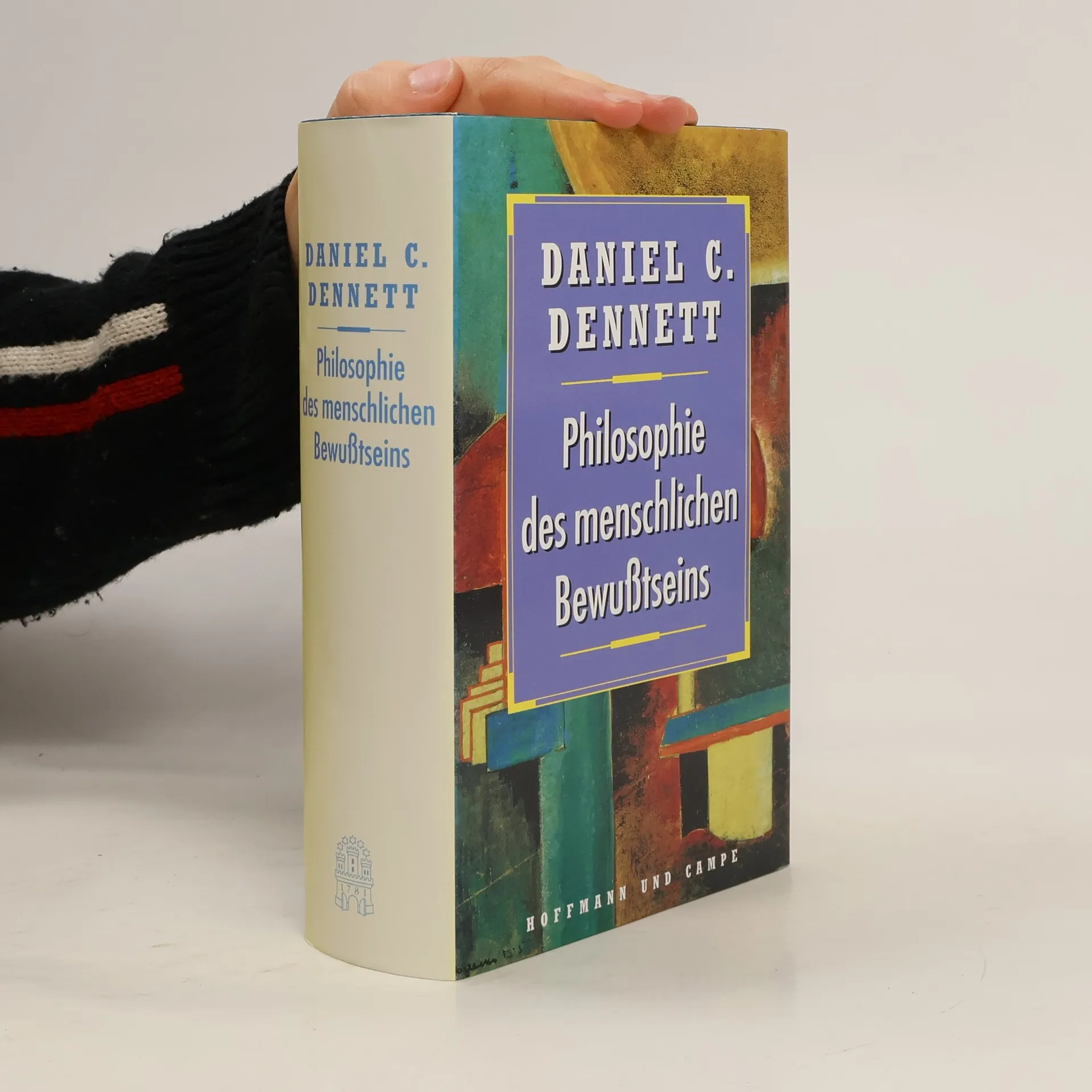
Philosophie des menschlichen Bewusstseins
- 635 pages
- 23 hours of reading
Süße Träume
- 215 pages
- 8 hours of reading
Schillernd, enigmatisch, schwer zu fassen: Das Bewusstsein gilt als eines der großen Rätsel unserer Zeit. Viele, darunter auch Philosophen, behaupten, es sei unmöglich, es wie andere Phänomene zu erforschen. Bewusstsein sei »etwas anderes« oder »mehr« als bloße Biologie und würde sich einer wissenschaftlichen Erklärung entziehen. Daniel C. Dennett, ein prominenter Widersacher dieser Auffassung, plädiert leidenschaftlich für eine wissenschaftliche Untersuchung des Bewusstseins und ruft seine Zunft auf, sich diesem Thema zu widmen. Er argumentiert, dass Bewusstsein Teil unserer biologischen Ausstattung ist und mit naturwissenschaftlichen Methoden erforscht werden kann. Die Herausforderungen dabei kommen vor allem aus der philosophischen Tradition, die an subjektiven Erlebnisqualitäten festhält, die sich angeblich einer objektiven Erklärung entziehen. Dennett beleuchtet die zentralen Debatten über den Status des Bewusstseins, dekonstruiert berühmte philosophische Gedankenexperimente und fordert Gegner wie John Searle oder David Chalmers heraus. Schritt für Schritt entzaubert er die Illusionen, die aus einer festgefahrenen Haltung gegenüber intuitiven Vorstellungen resultieren, und zeigt auf, dass diese Träume die Erforschung des Bewusstseins behindern, anstatt sie zu fördern.
BEWUSTZIJN VERKLAARD
- 570 pages
- 20 hours of reading
Uiteenzetting van een theorie over het bewustzijn, een zichzelf organiserend stelsel van regels waaraan het brein is onderworpen, vanuit filosofische en natuurwetenschappelijke gezichtshoek.
Ako sa veci majú
- 252 pages
- 9 hours of reading
Knihu s podtitulom Sprievodca myšlienkami modernej vedy zostavili editori J. Brockman a K. Matsonová so širokým záberom tém - od fyziky ku kozmológii, od biológie k antropológii, od filozofie k psychológii. Nájdeme tu eseje autorov: Marian Stamp Dawkinsonová, Mary Catherine Batesonová, Richard Dawkins, Paul Davies, P. W. Atkins, Robert Shapiro, Jack Cohen, Lewis Wolpert, Lynn Margulisová, Stephen Jay Gould, Patrick Bateson, Steve Jones, Peter Ward, Anne Fausto-Sterlingová, Daniel C. Dennett, Hao Wang, Wiliam H. Calvin, Michael S. Gazzaniga, Pascal Boyer, Nicholas Humphrey, Roger C. Schank, Dan Sperber, Steven Rose, David Gelernter, Sherry Turkleová, Lee Smolin, Alan H. Guth, Ian Stewart, W. Daniel Hillis, Freeman Dyson, Joel E. Cohen, Niles Eldredge, Martin Rees.
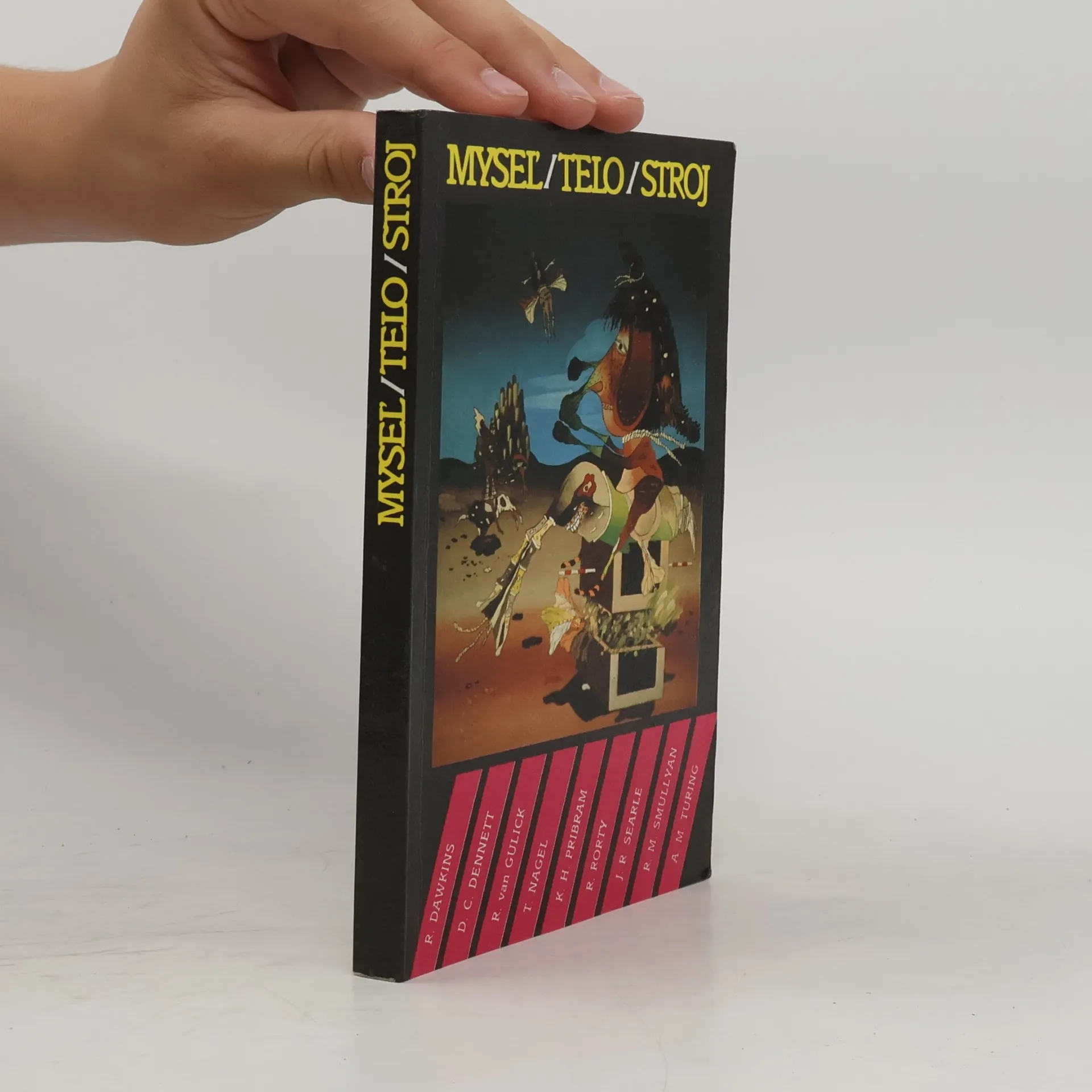
Myseľ, telo, stroj
- 218 pages
- 8 hours of reading
Počnúc Platónom si filozofi kladú otázku, čo je poznanie. Ako poznávame vonkajší svet pohybov, objektov a farieb? Ako poznávame vnútorný svet predstáv, vier a želaní? A ako tieto dva svety spolu súvisia? Človek poznáva mysľou, ale čo je myseľ? Ako možno zistiť, čo sa v nej deje? Aký je vzťah medzi mysľou a telom? Ako svet v nás súvisí so svetom okolo nás? Kniha Myseľ, telo, stroj predstavuje deviatich filozofov a vedcov - R. Dawkinsa, D. C. Dennetta, R. Van Gulicka, T. Nagela, K. H. Pribrama, R. Rortyho, J. R. Searla, R. M. Smullyana a A. M. Turinga, ktorí významne ovplyvnili súčasné diskusie o týchto problémoch, zamestnávajúcich filozofov už viac ako dvetisíc rokov. Okrem filozofov zaujme aj odborníkov v súvisiacich vedných disciplínach ( biológii, logike, psychológii, umelej inteligencii) a každého, kto slobodne rozmýšľa o tom, akú predstavu si mi ľudia máme vytvoriť o sebe a svojom mieste v prírode.
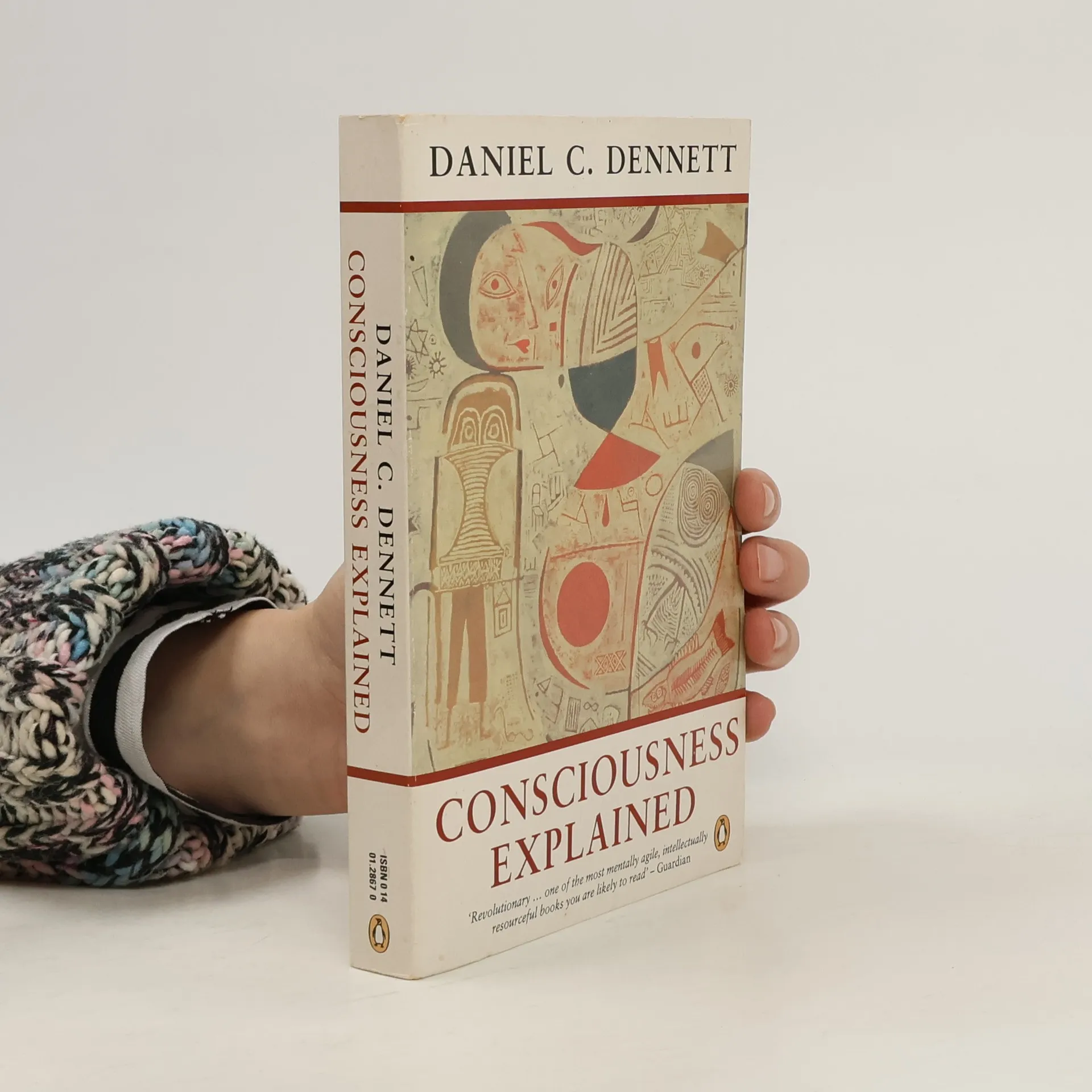
Consciousness explained
- 528 pages
- 19 hours of reading
This book revises the traditional view of consciousness by claiming that Cartesianism and Descartes' dualism of mind and body should be replaced with theories from the realms of neuroscience, psychology and artificial intelligence. What people think of as the stream of consciousness is not a single, unified sequence, the author argues, but "multiple drafts" of reality composed by a computer-like "virtual machine". Dennett considers how consciousness could have evolved in human beings and confronts the classic mysteries of consciousness: the nature of introspection, the self or ego and its relation to thoughts and sensations, and the level of consciousness of non-human creatures.