

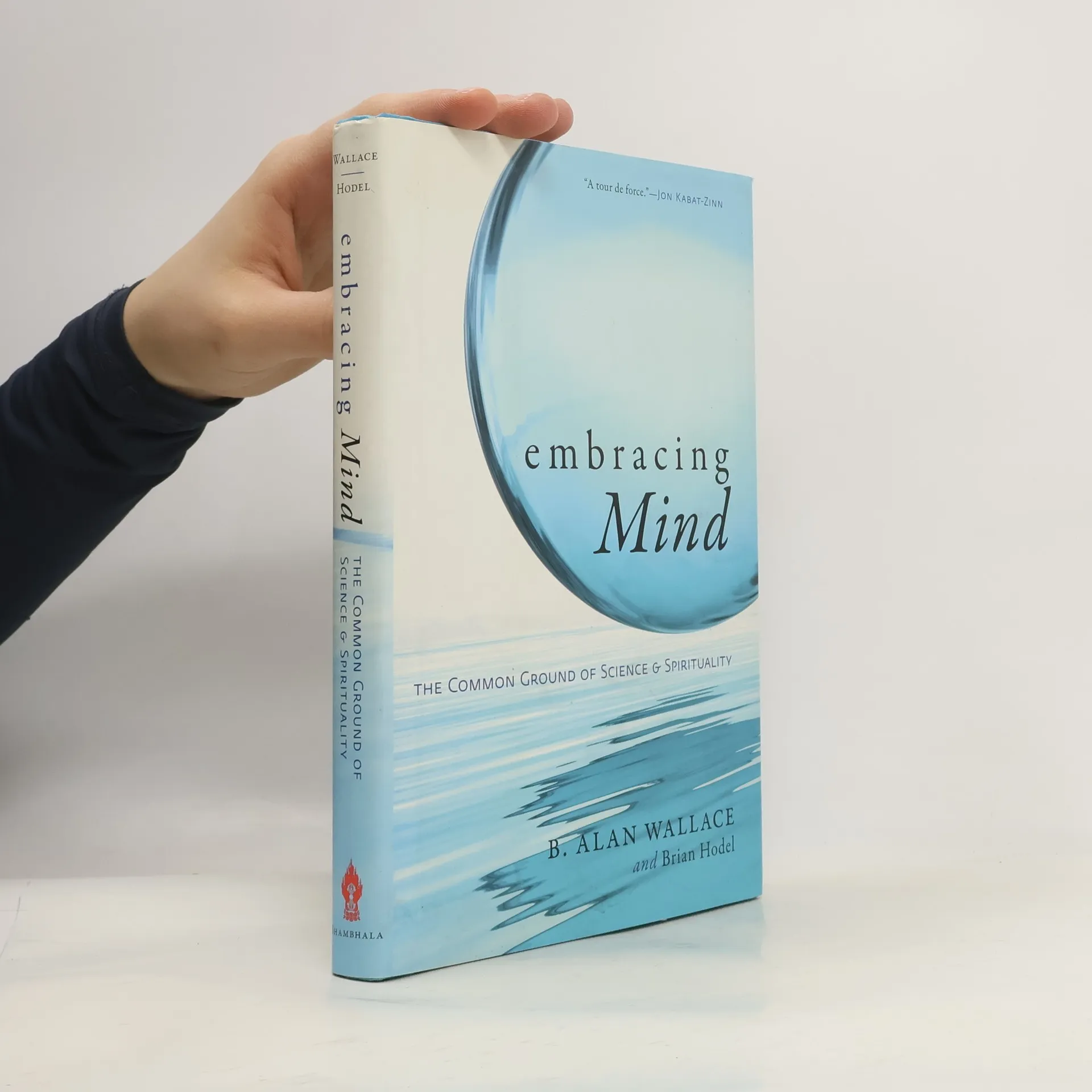
Embracing Mind
The Common Ground of Science and Spirituality
Authors
Book rating
More about the book
What is Mind? For this ancient question we are still seeking answers. B. Alan Wallace and Brian Hodel propose a science of the mind based on the contemplative wisdom of Buddhism, Hinduism, Taoism, Christianity, and Islam. The authors begin by exploring the history of science, showing how science tends to ignore the mind, even while it is understood to be the very instrument through which we comprehend the world of nature. They then propose a contemplative science of mind based on the sophisticated techniques of meditation that have been practiced for thousands of years in the great spiritual traditions. The final section presents meditations that are of universal relevance—to scientists and people of all faiths—for revealing new dimensions of consciousness and human flourishing. Embracing Mind moves us beyond the dogmatic debates between theists and atheists over Intelligent Design and Neo-Darwinism, and it returns us to the vital core of science and spirituality: deepening our experience of reality as a whole.
Book purchase
Embracing Mind, B. Alan Wallace, Brian Hodel
- Language

- Released
- 2008
- Binding
- (Hardcover)
Payment methods
We’re missing your review here.
- Title
- Embracing Mind
- Subtitle
- The Common Ground of Science and Spirituality
- Language
- English
- Authors
- B. Alan Wallace, Brian Hodel
- Publisher
- Shambhala Publications Inc
- Released
- 2008
- Format
- Hardcover
- Pages
- 256
- ISBN10
- 1590304829
- ISBN13
- 9781590304822
- Series
- Rating
- 3.9 out of 5
- Description
- What is Mind? For this ancient question we are still seeking answers. B. Alan Wallace and Brian Hodel propose a science of the mind based on the contemplative wisdom of Buddhism, Hinduism, Taoism, Christianity, and Islam. The authors begin by exploring the history of science, showing how science tends to ignore the mind, even while it is understood to be the very instrument through which we comprehend the world of nature. They then propose a contemplative science of mind based on the sophisticated techniques of meditation that have been practiced for thousands of years in the great spiritual traditions. The final section presents meditations that are of universal relevance—to scientists and people of all faiths—for revealing new dimensions of consciousness and human flourishing. Embracing Mind moves us beyond the dogmatic debates between theists and atheists over Intelligent Design and Neo-Darwinism, and it returns us to the vital core of science and spirituality: deepening our experience of reality as a whole.