
Explore the latest books of this year!
Bookbot

B. Alan Wallace

    January 1, 1950
    B. Alan Wallace
    Mind in the Balance
    The Four Immeasurables
    The Art of Transforming the Mind
    Minding Closely
    Buddhahood Without Meditation
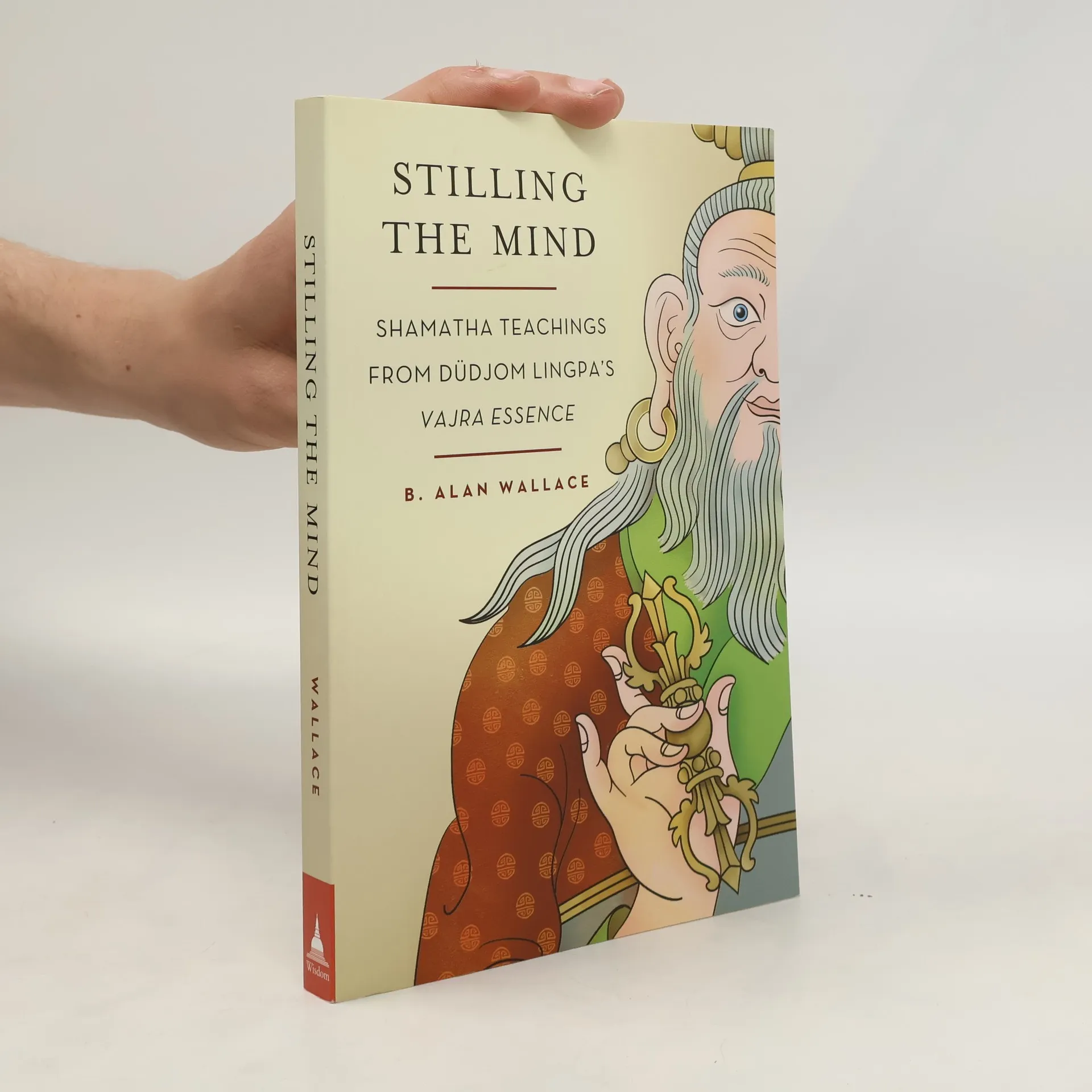
    Stilling the Mind
    • Stilling the Mind

      • 200 pages
      • 7 hours of reading

      Across more than a millenium, the lamas, meditators, and scholars of Tibet created a vast literature dedicated to revealing the profound truths about who we are and how we should make use of our lives. Sages living in mountain caves and monastics pursuing their daily rituals used these texts to wear down their obscurations and make space for innate clarity and wisdom to manifest. For those of us in the modern world with hectic lives, however, such teachings from another time and place can be nearly impenetrable. To approach them, we need a guide, a helping hand from someone who is like ourselves but who has spent years learning the ins and outs of the sometimes secretive world of Tibetan Buddhist practice. Author and former Buddhist monk Alan Wallace is one such guide. He introduces us here to one of the most cherished works of the Nyingma school of Tibetan Buddhism, Düdjom Lingpa's Vajra Essence. Written in the nineteenth century, the Vajra Essence presents the practice of Dzokchen, the Great Perfection-the highest of all the meditation traditions-and its contents have only been revealed to those with the requisite training. With permission from his teachers, Alan reveals here the work's opening section, which presents the methods for calming the mind and bringing it to a state of effortless concentration, the practice of shamatha
      Stilling the Mind
      4.5
    • "The second in a three-volume set presents the revelations of Dudjom Lingpa, a highly influential mystic of 19th century Tibet. It is translated by B. Alan Wallace, widely respected for his lucid and readable translations of Tibetan Buddhism. Dudjom Lingpa (1835-1904) was one of the foremost tantric masters of his time. Volume 2 includes Düdjom Lingpa's most widely taught work, Buddhism Without Meditation, and two complementary works by his charismatic female disciple, Sera Khandro, who is accomplished and well loved in her own right. Her Garland for the Delight of the Fortunate spells out the implications of the root text's highly condensed verses."--

      Buddhahood Without Meditation
      5.0
    • Minding Closely

      • 350 pages
      • 13 hours of reading

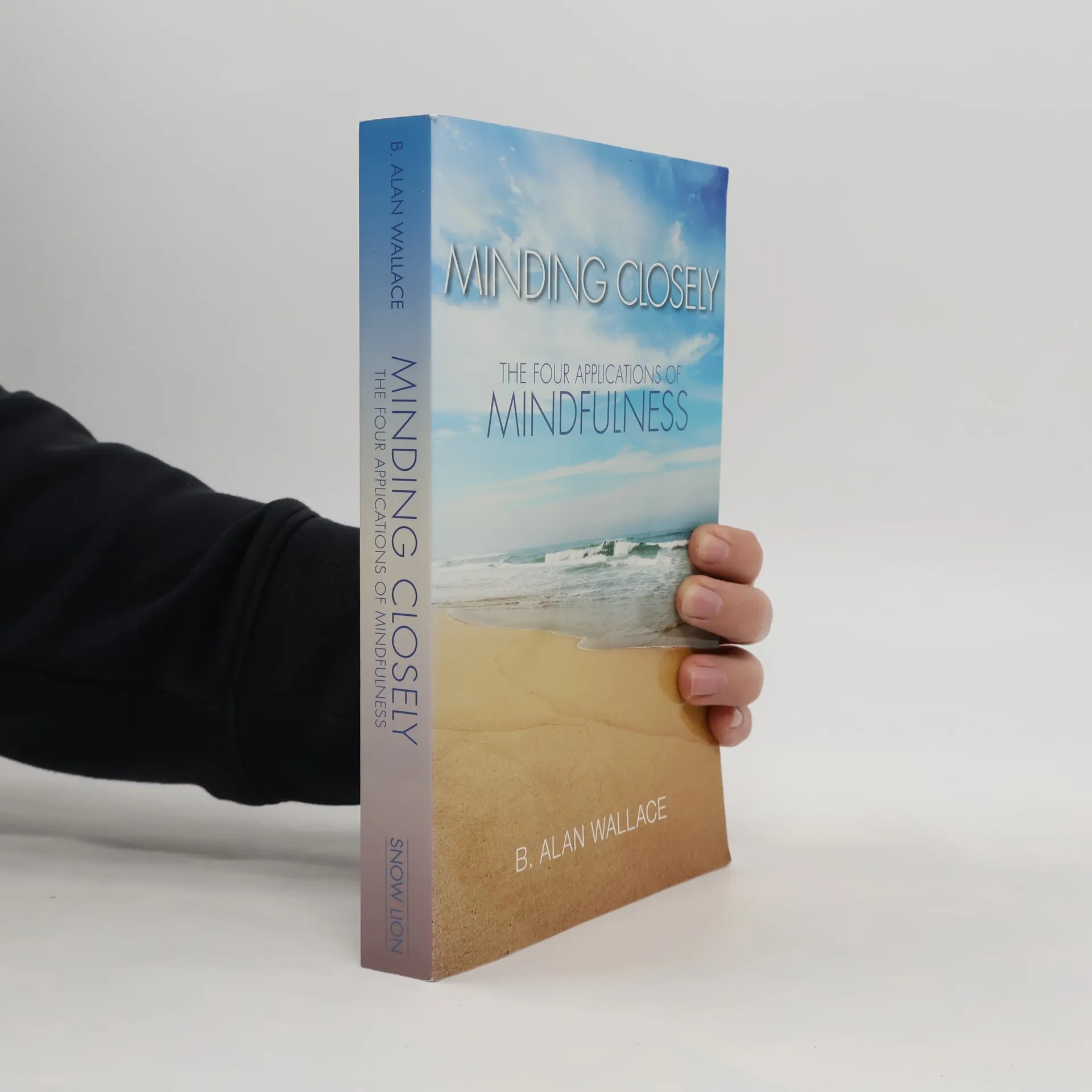
      “Draws on wisdom from both Theravada and Vajrayana traditions to offer a systematic and practical approach to liberation through mindfulness.” —Jack Kornfield, author of The Wise Heart Bringing his experience as a monk, scientist, and contemplative, Alan Wallace offers a rich synthesis of Eastern and Western traditions along with a comprehensive range of mindfulness meditation practices interwoven throughout the text. An ideal reference for both students and teachers, Minding Closely presents the guided meditations systematically, beginning with very basic instructions, which are then gradually built upon as one gains increasing familiarity with the practice. This edition includes a new preface and three never-before-published translations by B. Alan Wallace from three renowned traditional Buddhist works on mindfulness.

      Minding Closely
      4.4
    • The Art of Transforming the Mind

      • 288 pages
      • 11 hours of reading

      Tibetan Buddhist practice isn't just sitting in silent meditation, it's developing fresh attitudes that align our minds with reality. Includes three new translations of Atisha’s source material.In this book, B. Alan Wallace explains a fundamental type of mental training that is designed to shift our attitudes so that our minds become pure wellsprings of joy instead of murky pools of problems, anxieties, fleeting pleasures, hopes, and frustrations. The lojong—or mind-training—teachings have been the subject of profound study, contemplation, and commentary by many great masters. Wallace shows us the way to develop our capacity for spiritual awareness through his relatable and practical commentary on the mind-training slogans.

      The Art of Transforming the Mind
      4.5
    • The Four Immeasurables

      • 186 pages
      • 7 hours of reading

      An engaging explanation of a fundamental Buddhist practice—including guided exercises and meditations—from a scientist and former Buddhist monk The Four Immeasurables—the cultivation of loving-kindness, compassion, empathetic joy, and equanimity—is a rich suite of practices that open the heart, counter the distortions in our relationships to ourselves, and deepen our relationships to others. Alan Wallace presents a unique interweaving of teachings on the Four Immeasurables with instruction on meditative quiescence, or shamatha practice, to empower the mind. This book includes both guided meditations and lively discussions on the implications of these teachings for our life.

      The Four Immeasurables
      4.4
    • Mind in the Balance

      • 264 pages
      • 10 hours of reading

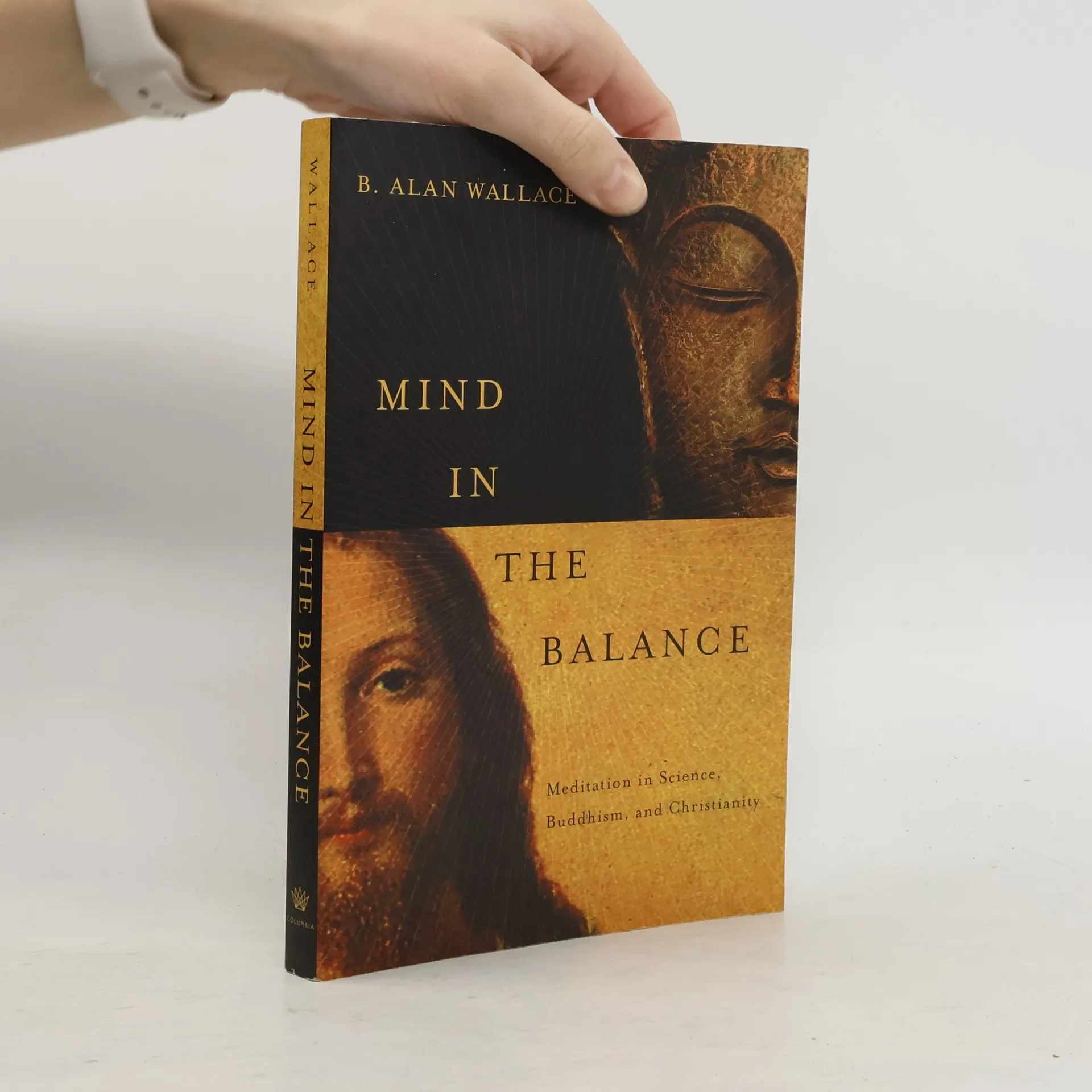
      By establishing a dialogue in which the meditative practices of Buddhism and Christianity speak to the theories of modern philosophy and science, B. Alan Wallace reveals the theoretical similarities underlying these disparate disciplines and their unified approach to making sense of the objective world. Wallace begins by exploring the relationship between Christian and Buddhist meditative practices. He outlines a sequence of meditations the reader can undertake, showing that, though Buddhism and Christianity differ in their belief systems, their methods of cognitive inquiry provide similar insight into the nature and origins of consciousness. From this convergence Wallace then connects the approaches of contemporary cognitive science, quantum mechanics, and the philosophy of the mind. He links Buddhist and Christian views to the provocative philosophical theories of Hilary Putnam, Charles Taylor, and Bas van Fraassen, and he seamlessly incorporates the work of such physicists as Anton Zeilinger, John Wheeler, and Stephen Hawking. Combining a concrete analysis of conceptions of consciousness with a guide to cultivating mindfulness and profound contemplative practice, Wallace takes the scientific and intellectual mapping of the mind in exciting new directions.

      Mind in the Balance
      4.7
    • Open Mind

      • 371 pages
      • 13 hours of reading
      Open Mind
      4.5
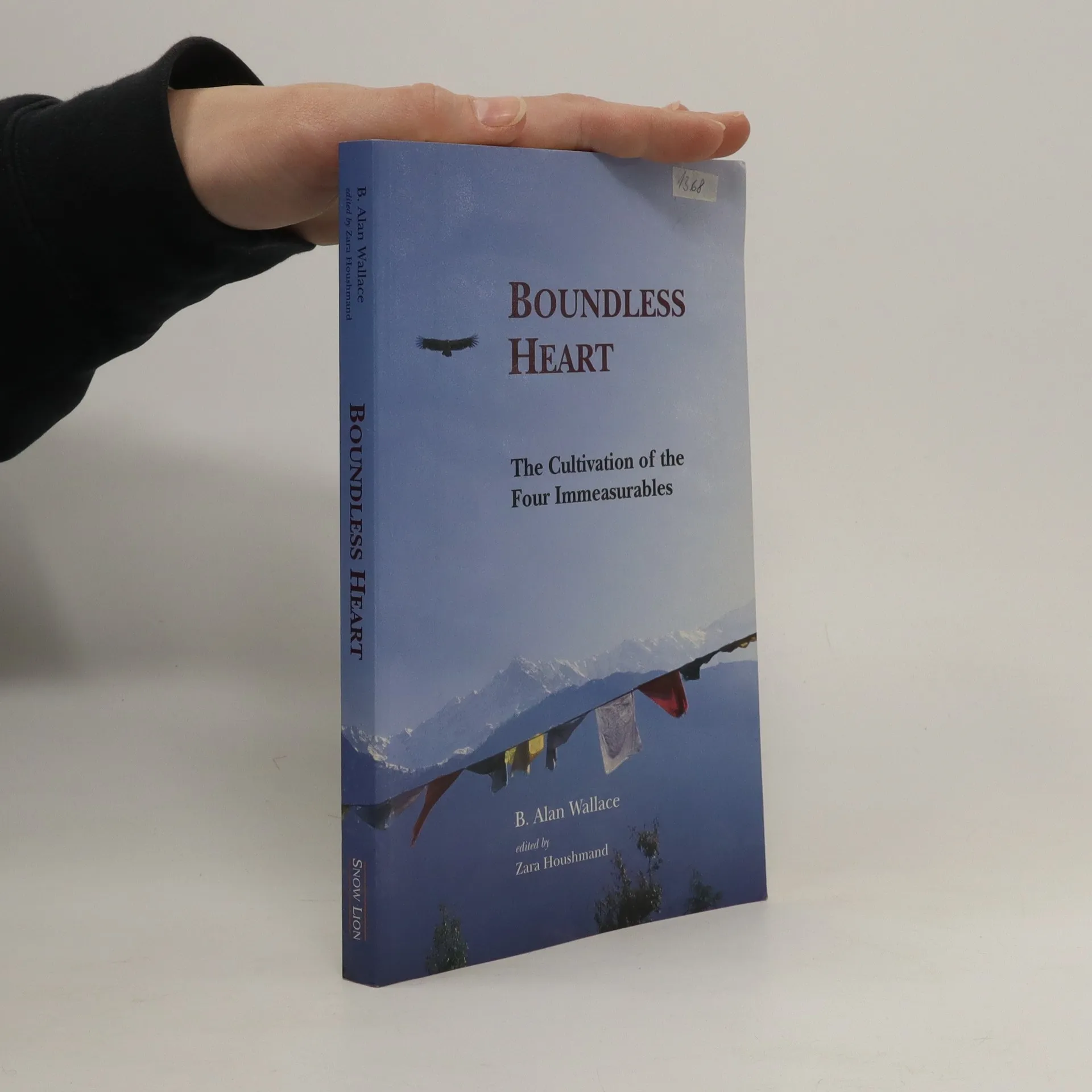
    • Boundless heart : the four immeasurables

      • 186 pages
      • 7 hours of reading

      Boundless Heart presents a unique interweaving of teachings on the Four Immeasurables and instruction on quiescence, or shamatha, meditation practices.

      Boundless heart : the four immeasurables
      4.4
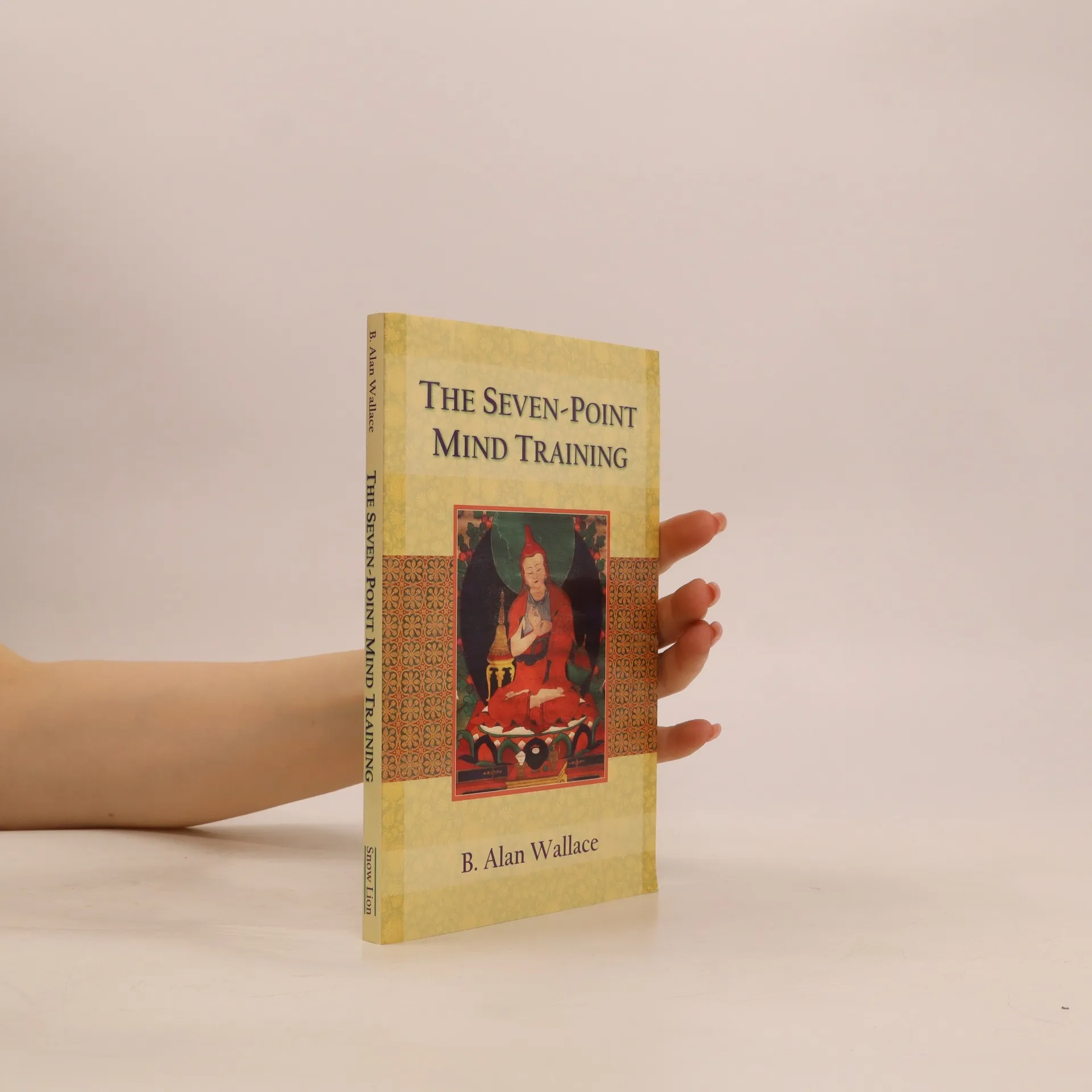
    • The Seven-Point Mind Training

      • 152 pages
      • 6 hours of reading

      Filled with proven techniques for retraining the mind, a practical guide to meditation offers a seven-step program for achieving a higher level of consciousness, without joining a monastery. Original.

      The Seven-Point Mind Training
      4.3
    • The book explores practical techniques for enhancing attention, appealing to meditators, philosophers, and cognitive scientists. It features a translation and commentary on Tsongkhapa's 15th-century work, focusing on developing attentional stability and clarity, essential for introspective inquiry into the mind. Professor Wallace contextualizes this training within Tsongkhapa's vision of reality and connects Eastern meditative practices with Western philosophical and scientific perspectives, drawing on experimental psychology and notable Western thinkers.

      Bridge of Quiescence: Experiencing Tibetan Buddhist Meditation
      4.0
    • Genuine Happiness

      • 258 pages
      • 10 hours of reading

      Discover your personal path to bliss with this insightful guide to core meditative practices rooted in the Buddhist tradition, offering universal perspectives on human potential. It provides excellent guidance on essential attitudes and practices for realizing our innate capacity for wisdom, compassion, and well-being in the present moment. Esteemed figures highlight the book's clarity and practicality, noting its ability to distill complex concepts into accessible teachings. In a world overwhelmed by stimuli, the pursuit of happiness through material means often proves fleeting. This book emphasizes that true, lasting happiness lies within, accessible through your heart and mind. Drawing on over three decades of study under His Holiness the Dalai Lama and other esteemed teachers, the author presents a step-by-step approach to five powerful meditations designed to help you focus your mind and open your heart to authentic joy. With a Foreword by the Dalai Lama, this work reveals that genuine happiness can be a daily experience. By integrating these meditative practices into your life, you will uncover that the joy you seek has always been just a few minutes of meditation away.

      Genuine Happiness
      4.1
    • Choosing Reality

      • 232 pages
      • 9 hours of reading

      "B. Alan Wallace points out the many assumptions required to adopt the realist view, and the nihilism implicit in the instrumentalist position. He then proposes a radical philosophical alternative based upon the Buddhist Centrist view. Avoiding the pitfalls of both realism and instrumentalism, as well as materialism and idealism, this perspective focuses on the participatory nature of scientific observation and theorizing. All phenomena are seen as dependently related events lending themselves to multiple interpretations, providing us with the freedom and responsibility to choose our reality within the context of valid experience. The concluding chaptors of this provocative work explore the implications of this view for understanding the nature of the mind and its relation to the body."--BOOK JACKET

      Choosing Reality
      4.0
    • Transcendent wisdom

      • 144 pages
      • 6 hours of reading

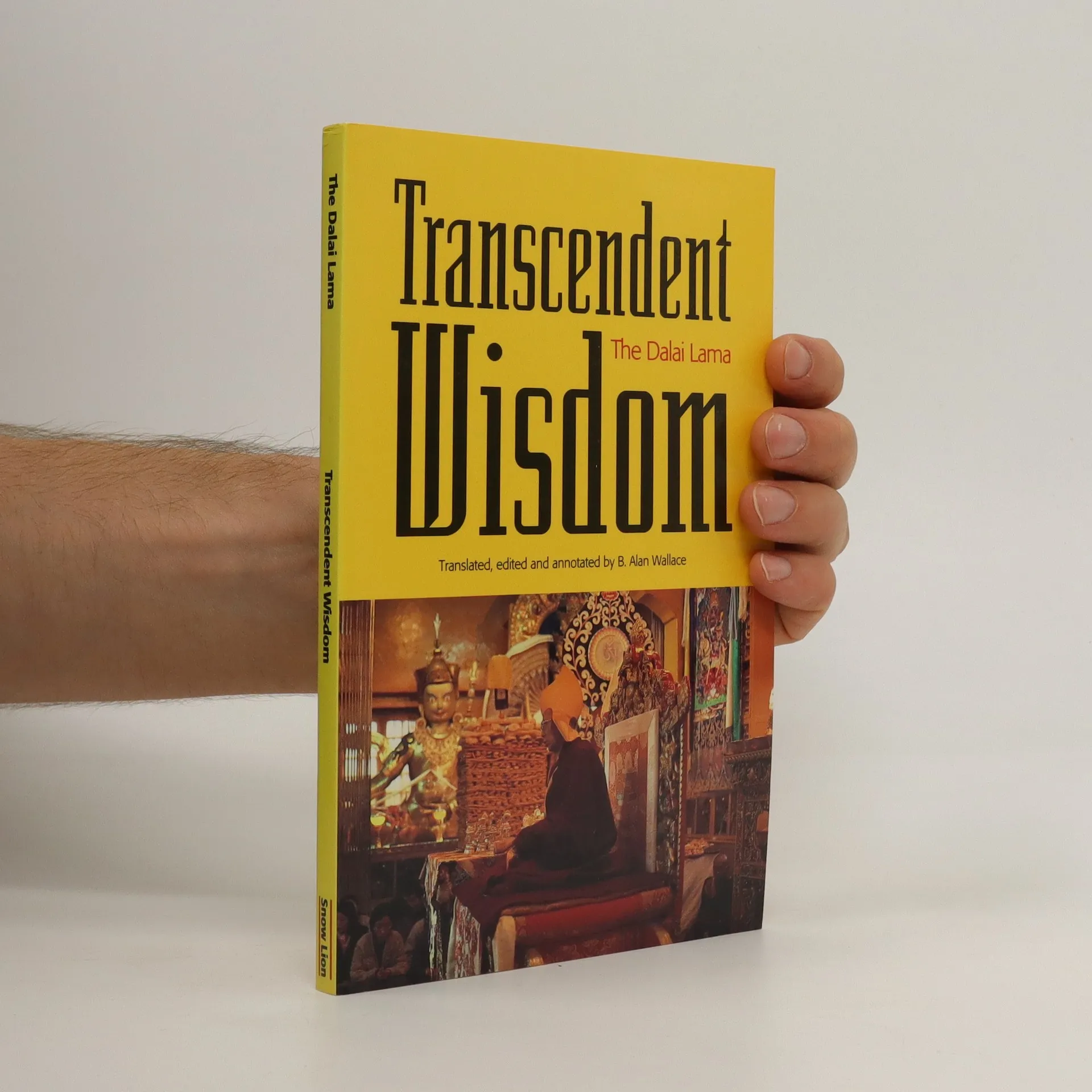
      In this work we have the Dalai Lama at full strength...a profound work.—Parabola

      Transcendent wisdom
      4.0
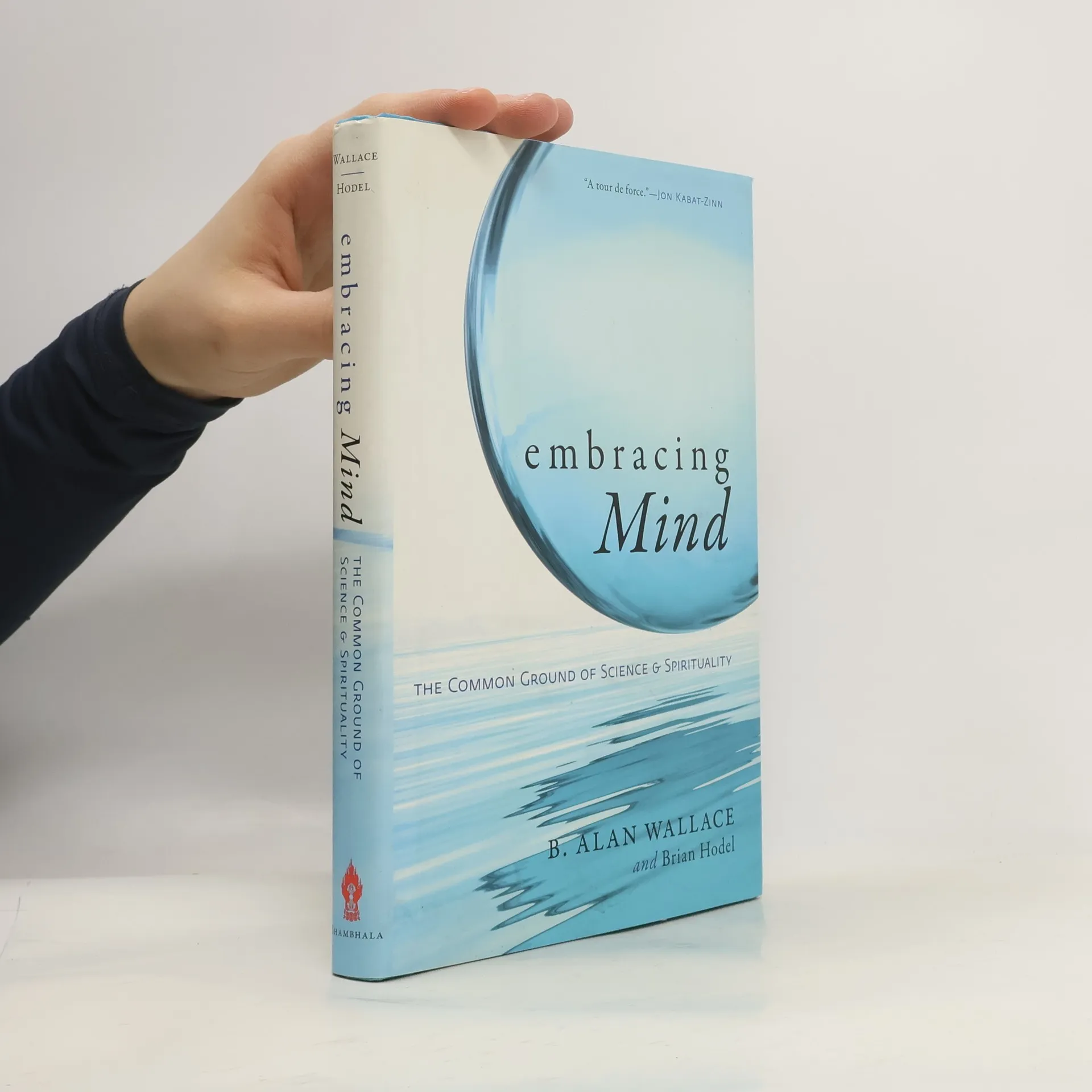
    • Embracing Mind

      The Common Ground of Science and Spirituality

      • 256 pages
      • 9 hours of reading

      What is Mind? For this ancient question we are still seeking answers. B. Alan Wallace and Brian Hodel propose a science of the mind based on the contemplative wisdom of Buddhism, Hinduism, Taoism, Christianity, and Islam. The authors begin by exploring the history of science, showing how science tends to ignore the mind, even while it is understood to be the very instrument through which we comprehend the world of nature. They then propose a contemplative science of mind based on the sophisticated techniques of meditation that have been practiced for thousands of years in the great spiritual traditions. The final section presents meditations that are of universal relevance—to scientists and people of all faiths—for revealing new dimensions of consciousness and human flourishing. Embracing Mind moves us beyond the dogmatic debates between theists and atheists over Intelligent Design and Neo-Darwinism, and it returns us to the vital core of science and spirituality: deepening our experience of reality as a whole.

      Embracing Mind
      3.9
    • Science has long treated religion as a set of personal beliefs that have little to do with a rational understanding of the mind and the universe. This work attempts to bridge this gap by launching an unbiased investigation into the history and practices of science and Buddhist contemplative disciplines.

      Contemplative Science
      3.8
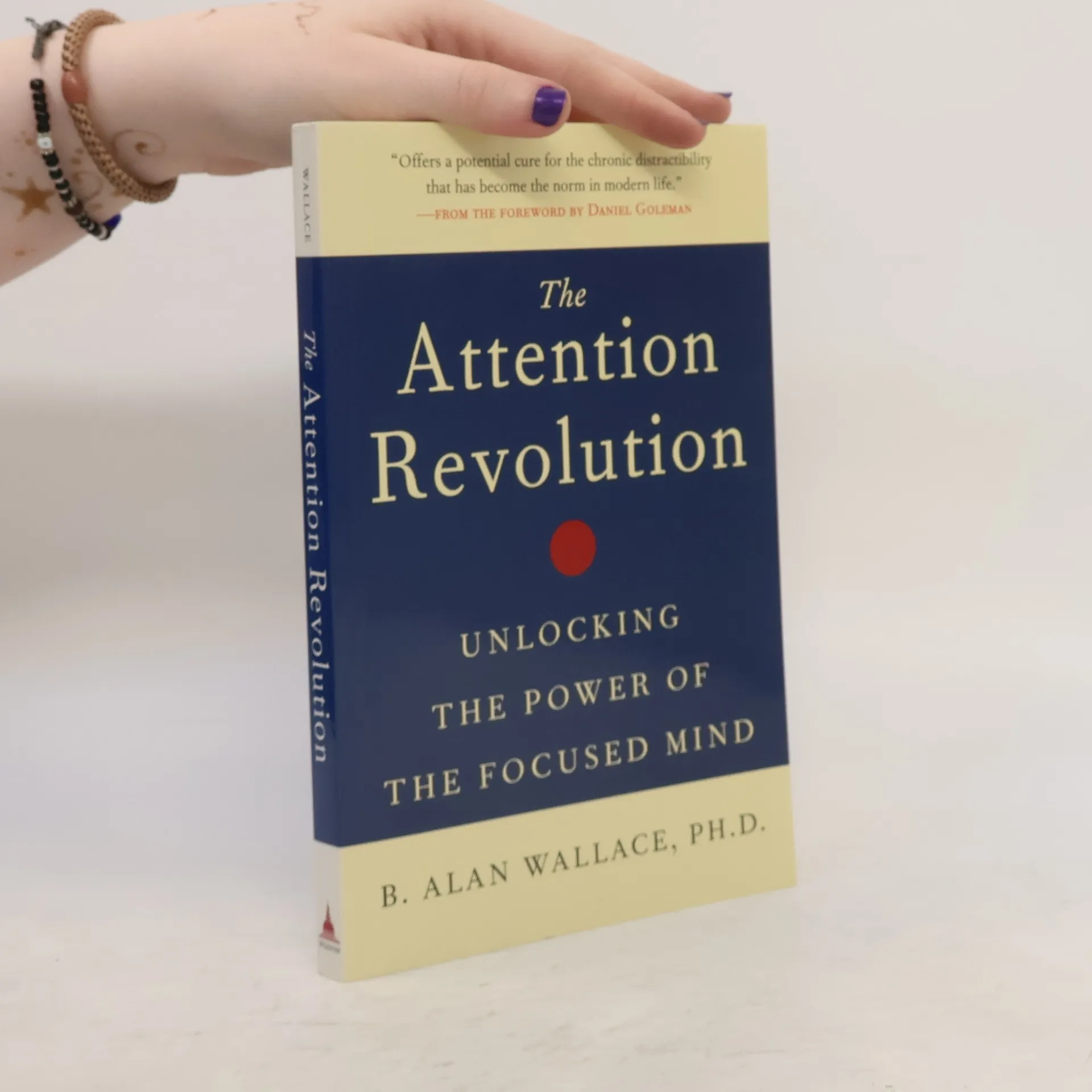
    • Shamatha meditation is a method for achieving previously inconceivable levels of concentration. Author B. Alan Wallace, an active participant in the much-publicized dialogues between Buddhists and scholars, has more than 20 years' practice in the discipline, some of it under the guidance of the Dalai Lama. This book is a definitive presentation of his knowledge of shamatha. It is aimed at the contemporary seeker who is distracted and defocused by the dizzying pace of modern life, as well as those suffering from depression and other mental maladies. Beginning by addressing the inherent problems that follow from an inability to focus, Wallace moves on to explore varying levels of meditation. The result is an interior travelogue that recounts an exciting, rewarding "expedition of the mind," tracing everything from the confusions at the bottom of the trail to the extraordinary clarity and power that come with making it to the top.

      The Attention RE
      3.9
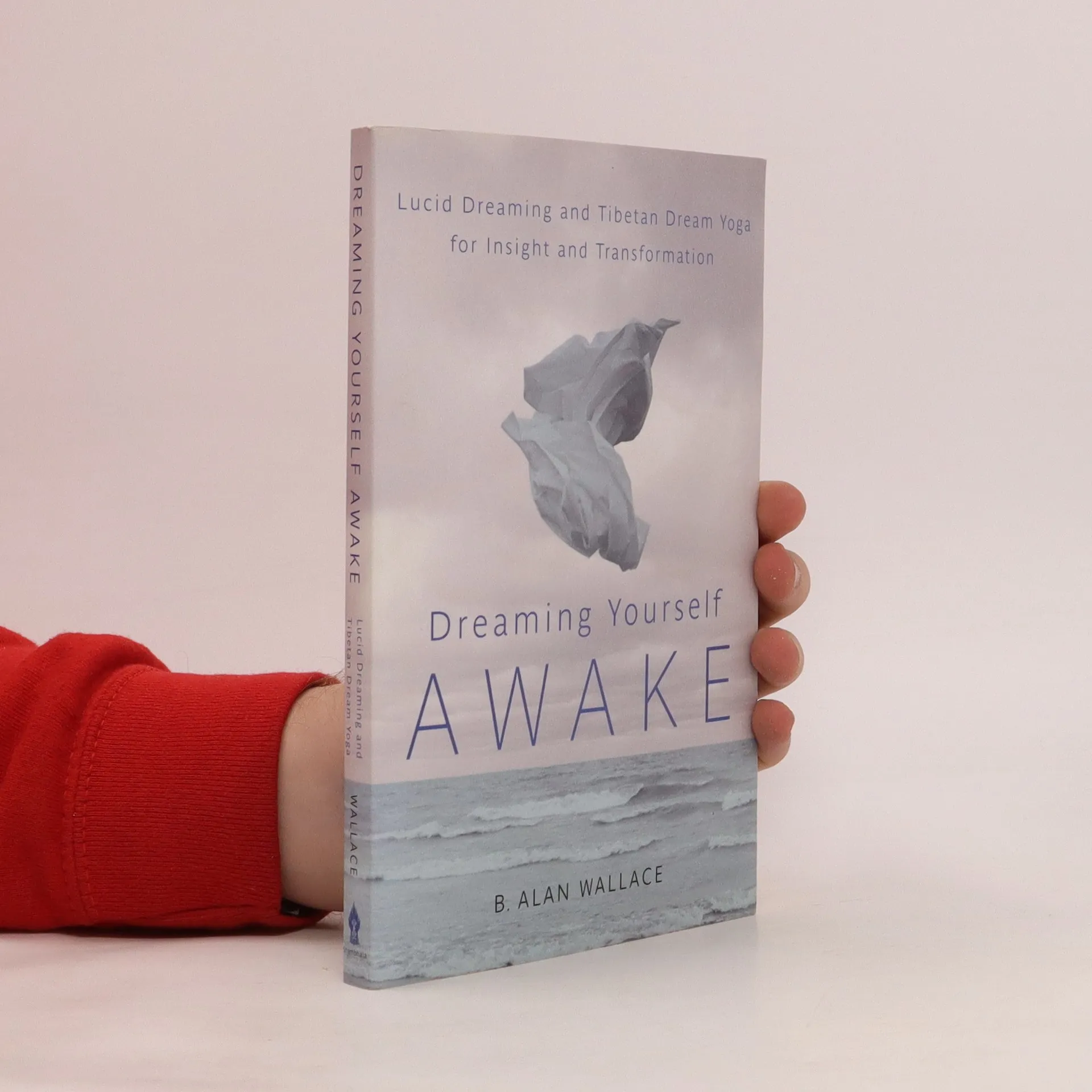
    • An “accessible look at the ways we can access the hidden adventures within our dreams and stretch our imaginations into the realm of enlightenment” through lucid dreaming and dream yoga ( San Francisco Book Review )Some of the greatest of life’s adventures can happen while you’re sound asleep. That’s the promise of lucid dreaming, which is the ability to alter your own dream reality any way you like simply by being aware of the fact that you’re dreaming while you’re in the midst of a dream. There is a range of techniques anyone can learn to become a lucid dreamer—and this book provides all the instruction you need to get started.But B. Alan Wallace also shows how to take the experience of lucid dreaming beyond entertainment to use it to heighten creativity, to solve problems, and to increase self-knowledge. He then goes a step further: moving on to the methods of Tibetan Buddhist dream yoga for using your lucid dreams to attain the profoundest kind of insight.

      Dreaming Yourself Awake
      3.9
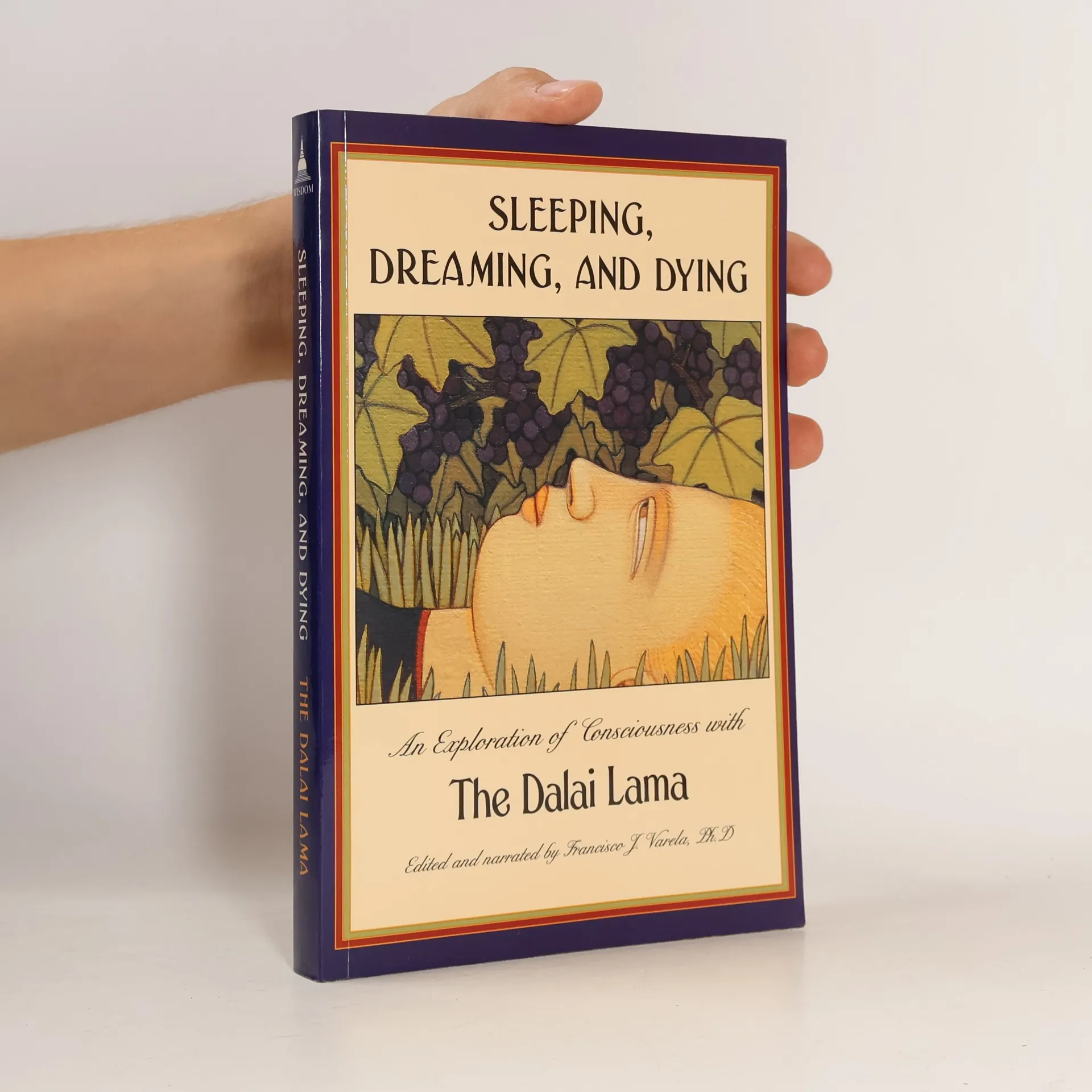
    • Dormir, soñar y morir

      Una exploración de la consciencia con el Dalai Lama

      • 346 pages
      • 13 hours of reading

      El presente libro es el relato de un dialogo historico entre importantes cientificos occidentales y el Dalai Lama de Tibet acerca del dormir, de los suenos y de la muerte: los tres momentos clave de la consciencia que el internacionalmente reconocido neurocientifico Francisco Varela denomino las /""zonas de sombra del ego/"". En este dialogo participaron, entre otros, relevantes personajes como el filosofo Charles Taylor, la psicoanalista Joyce McDougall, la psicologa Jayne Gackenbach, la ecologista Joan Halifax o el neurocientifico Jerome Engel. Ya traten acerca de los suenos lucidos, de las experiencias cercanas a la muerte o de la estructura misma de la consciencia, los participantes de este intercambio unico sorprenden y deleitan de manera absorbente por medio del contraste entre sus respectivas tradiciones. Es este el producto de un intercambio unico (tras una semana de exploracion del ambito de la consciencia) entre el Dalai Lama y unos pocos de sus colegas de la tradicion tibetana, junto con representantes de la ciencia y el humanismo occidentales.

      Dormir, soñar y morir
      4.5