

More about the book
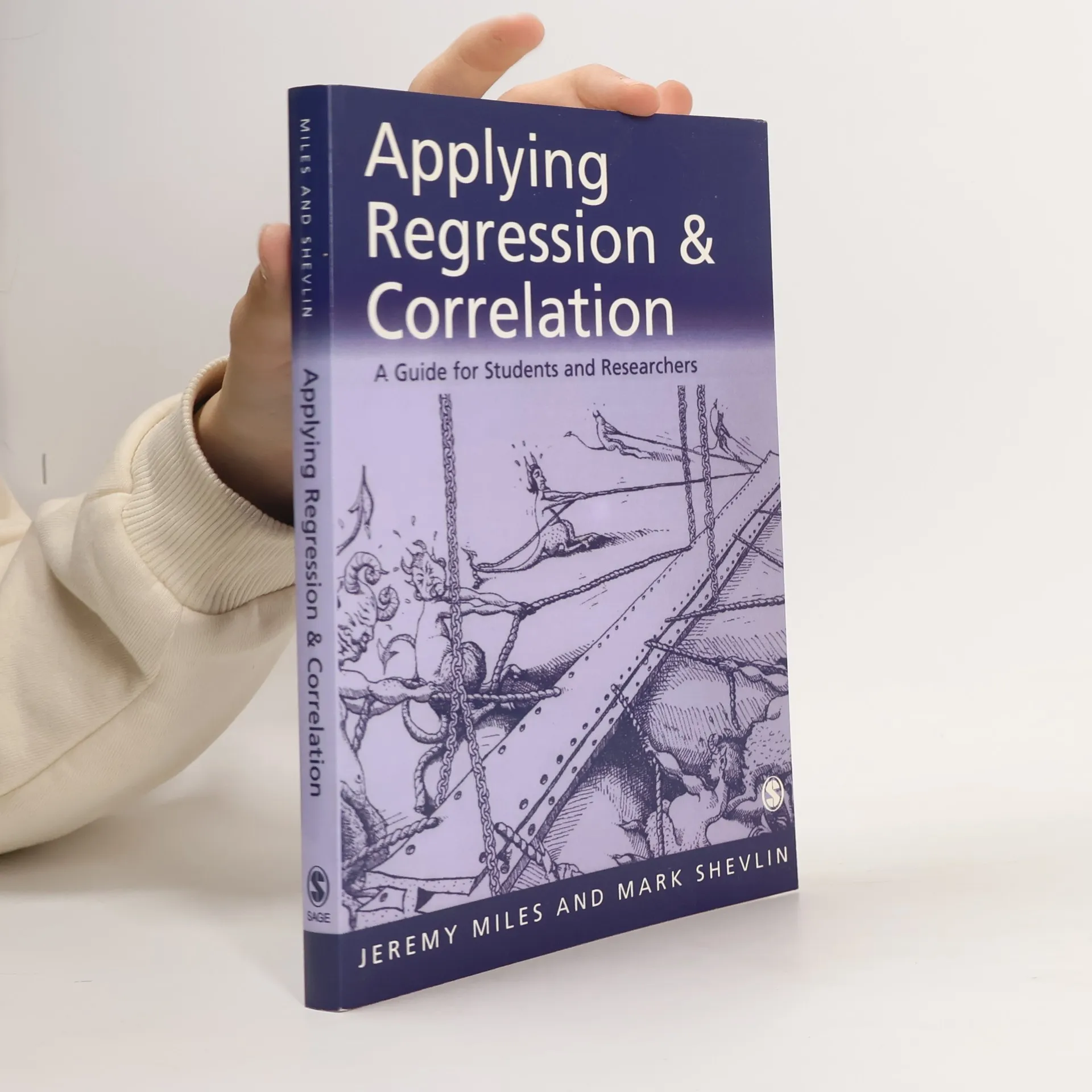
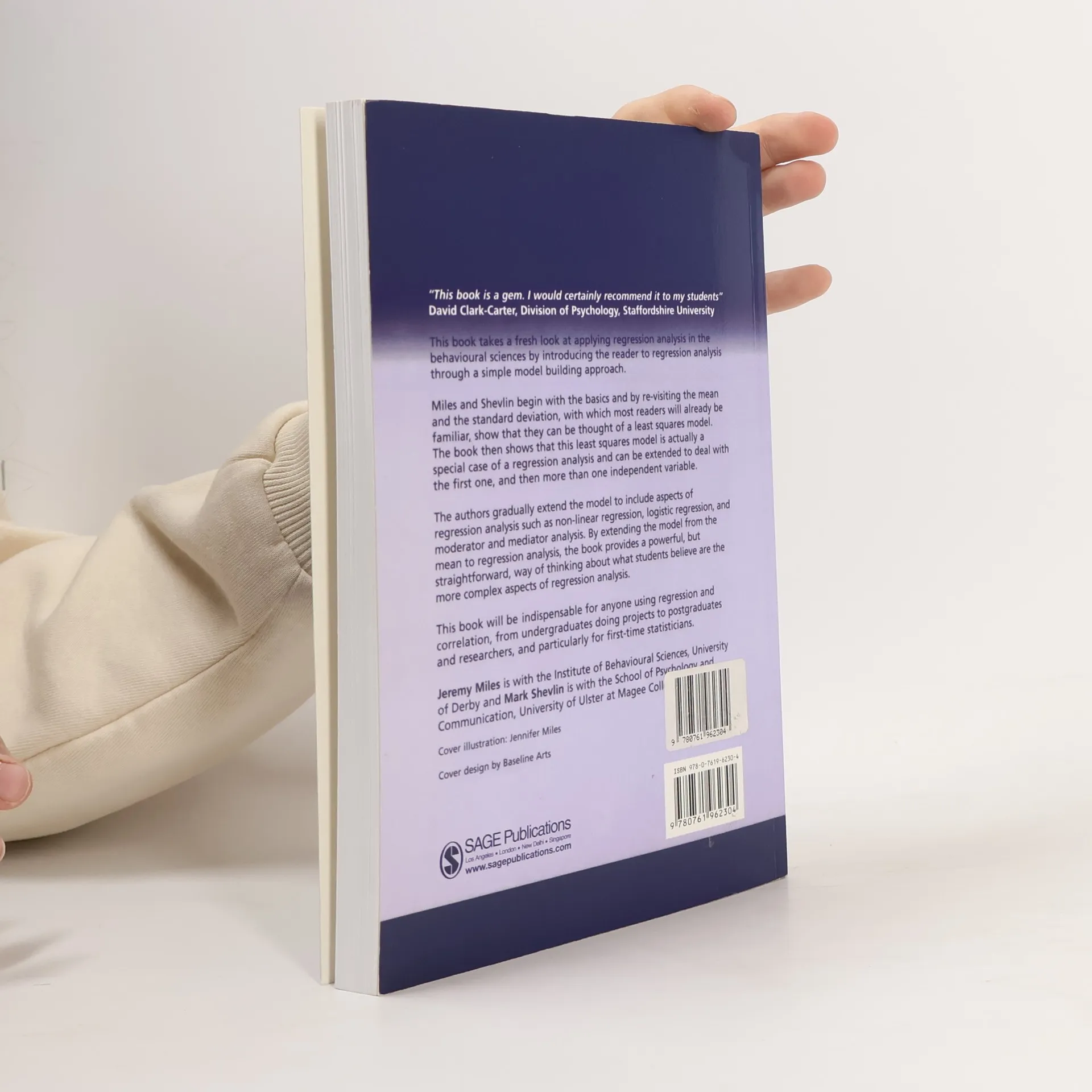
This book takes a fresh look at applying regression analysis in the behavioural sciences by introducing the reader to regression analysis through a simple model-building approach. The authors start with the basics and begin by re-visiting the mean, and the standard deviation, with which most readers will already be familiar, and show that they can be thought of a least squares model. The book then shows that this least squares model is actually a special case of a regression analysis and can be extended to deal with first one, and then more than one independent variable. Extending the model from the mean to a regression analysis provides a powerful, but simple, way of thinking about what students believe
Book purchase
Applying Regression and Correlation, Jeremy Miles, Mark Shevlin
- Language

- Released
- 2000
- Binding
- (Paperback)
Payment methods
We’re missing your review here.
- Title
- Applying Regression and Correlation
- Subtitle
- A Guide for Students and Researchers
- Language
- English
- Authors
- Jeremy Miles, Mark Shevlin
- Publisher
- SAGE Publications Ltd
- Released
- 2000
- Format
- Paperback
- Pages
- 272
- ISBN10
- 0761962301
- ISBN13
- 9780761962304
- Series
- Categories
- Tags
- Research, Statistics
- Rating
- 4.6 out of 5
- Description
- This book takes a fresh look at applying regression analysis in the behavioural sciences by introducing the reader to regression analysis through a simple model-building approach. The authors start with the basics and begin by re-visiting the mean, and the standard deviation, with which most readers will already be familiar, and show that they can be thought of a least squares model. The book then shows that this least squares model is actually a special case of a regression analysis and can be extended to deal with first one, and then more than one independent variable. Extending the model from the mean to a regression analysis provides a powerful, but simple, way of thinking about what students believe