

Series
More about the book
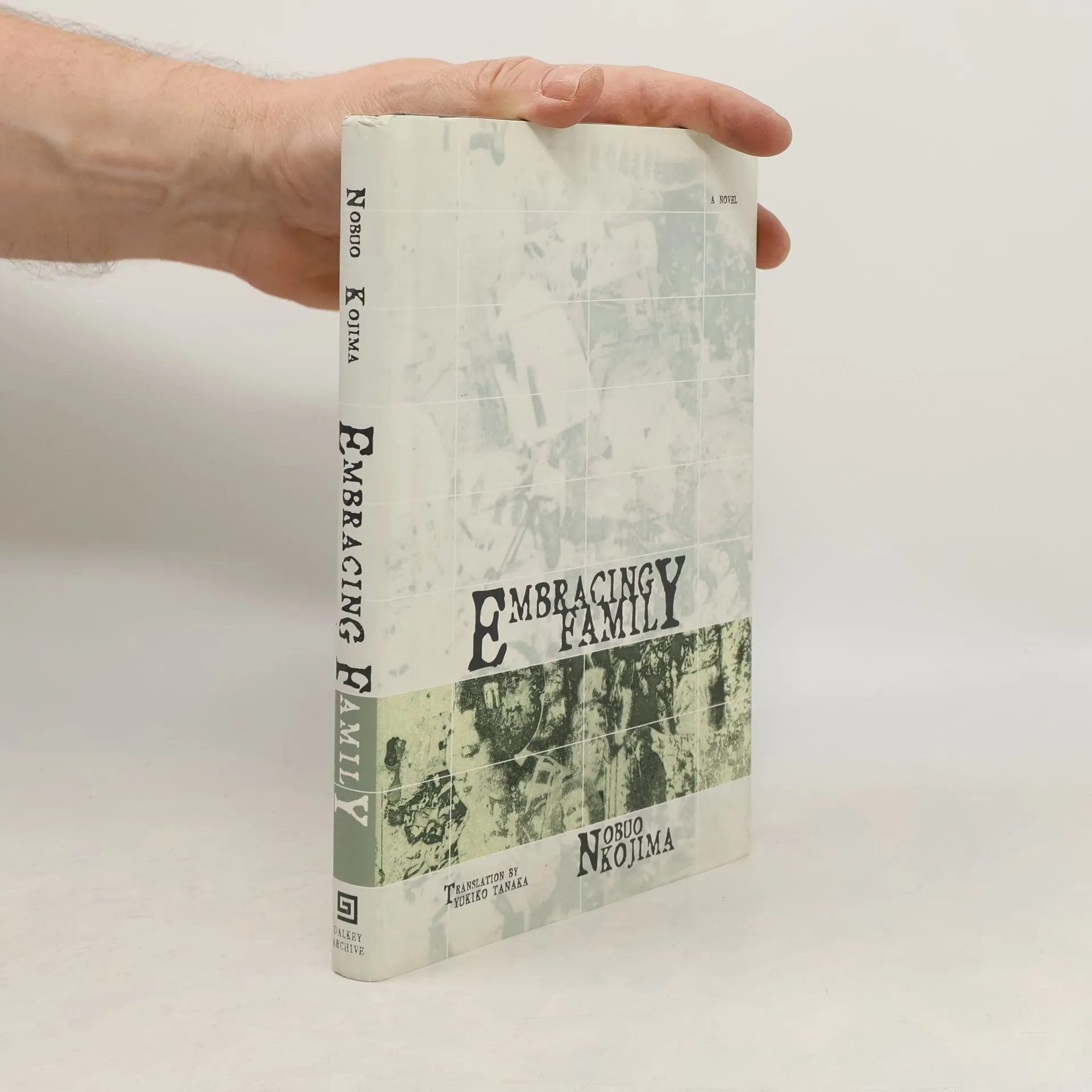
Set during the U.S. Occupation following World War II, Embracing Family is a novel of conflict--between Western and Eastern traditions, between a husband and wife, between ideals and reality. At the opening of the book, Miwa Shunsuke and his wife are trapped in a strained marriage, subtly attacking one another in a manner similar to that of the characters in Who's Afraid of Virginia Woolf? When his wife has an affair with an American GI, Miwa is forced to come to terms with the disintegration of their relationship and the fact that his attempts to repair it only exacerbate the situation. An award-winning novel, critics have read this book as a metaphor of postwar Japanese society, in which the traditional moral and philosophical basis of Japanese culture is neglected in favor of Western conventions.

Book purchase
Embracing Family, Kojima Nobuo, Yukiko Tanaka
- Language

- Released
- 2005
- Binding
- (Hardcover)
Payment methods
We’re missing your review here.
- Title
- Embracing Family
- Language
- English
- Authors
- Kojima Nobuo, Yukiko Tanaka
- Publisher
- Dalkey Archive Press
- Released
- 2005
- Format
- Hardcover
- Pages
- 190
- ISBN10
- 1564784053
- ISBN13
- 9781564784056
- Series
- Japanese Literature
- Categories
- Tags
- Relationships, Japan, Japanese Literature, Family relationships, Cancer, Tumors, Frauds, Scandals and Affairs, Despair, Alienation
- Original title
- Hōyō-kazoku
- Rating
- 3.05 out of 5
- Description
- Set during the U.S. Occupation following World War II, Embracing Family is a novel of conflict--between Western and Eastern traditions, between a husband and wife, between ideals and reality. At the opening of the book, Miwa Shunsuke and his wife are trapped in a strained marriage, subtly attacking one another in a manner similar to that of the characters in Who's Afraid of Virginia Woolf? When his wife has an affair with an American GI, Miwa is forced to come to terms with the disintegration of their relationship and the fact that his attempts to repair it only exacerbate the situation. An award-winning novel, critics have read this book as a metaphor of postwar Japanese society, in which the traditional moral and philosophical basis of Japanese culture is neglected in favor of Western conventions.