Keizo Hino, geboren 1929 in Tokyo, einer der visionären Schriftsteller, zeit in seinem preisgekrönten Roman "Trauminsel" eine phantasievolle Welt: Die anorganisch wuchernde Metropole Tokyo verödet im Kunststoff, ihr Müll schafft beachsenes Neuland im Meer. Schaufensterpuppen gebärden sich wie Menschen und Menschen wie innerlich leere Puppen. Selbst den Rest ursprünglicher Natur durchziehen tödliche Spuren der Zivilisation. Trauminsel: ein authentischer Neulandbezirk in der Tokyo-Bucht und eine kleine Dschungel-Insel. Wanderungen über Boden aus Müll, zwischen Traum und Wirklichkeit.
Japanese Literature Series
This series offers a profound exploration into the rich and diverse tradition of Japanese literature. Spanning from classical masterpieces to contemporary bestsellers, it delves into pivotal themes such as honor, love, and the ephemeral nature of life. Each volume showcases influential authors and their unforgettable narratives. It is an ideal choice for readers seeking cultural enrichment and literary excellence.

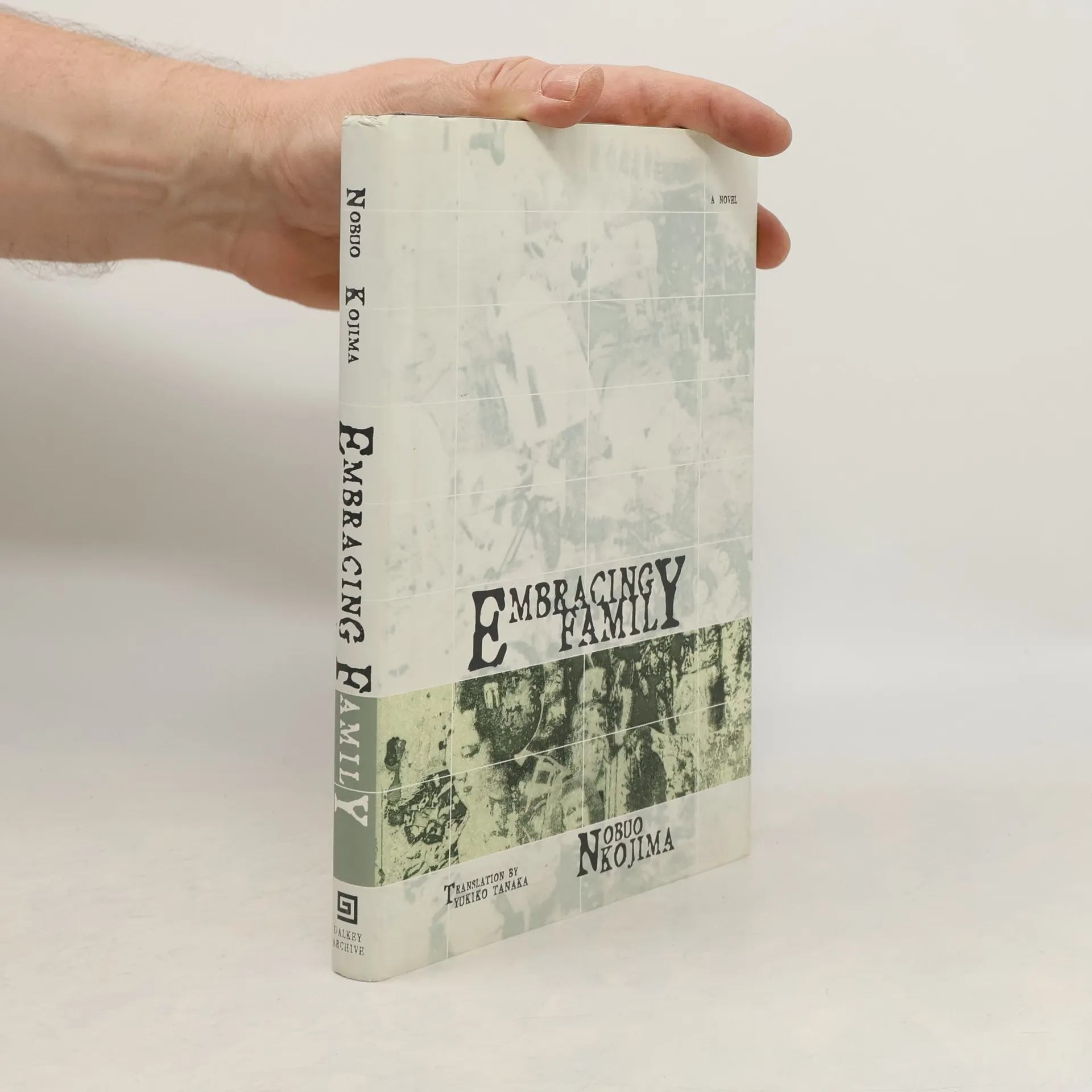
Embracing Family
- 190 pages
- 7 hours of reading
Set during the U.S. Occupation following World War II, Embracing Family is a novel of conflict--between Western and Eastern traditions, between a husband and wife, between ideals and reality. At the opening of the book, Miwa Shunsuke and his wife are trapped in a strained marriage, subtly attacking one another in a manner similar to that of the characters in Who's Afraid of Virginia Woolf? When his wife has an affair with an American GI, Miwa is forced to come to terms with the disintegration of their relationship and the fact that his attempts to repair it only exacerbate the situation. An award-winning novel, critics have read this book as a metaphor of postwar Japanese society, in which the traditional moral and philosophical basis of Japanese culture is neglected in favor of Western conventions.
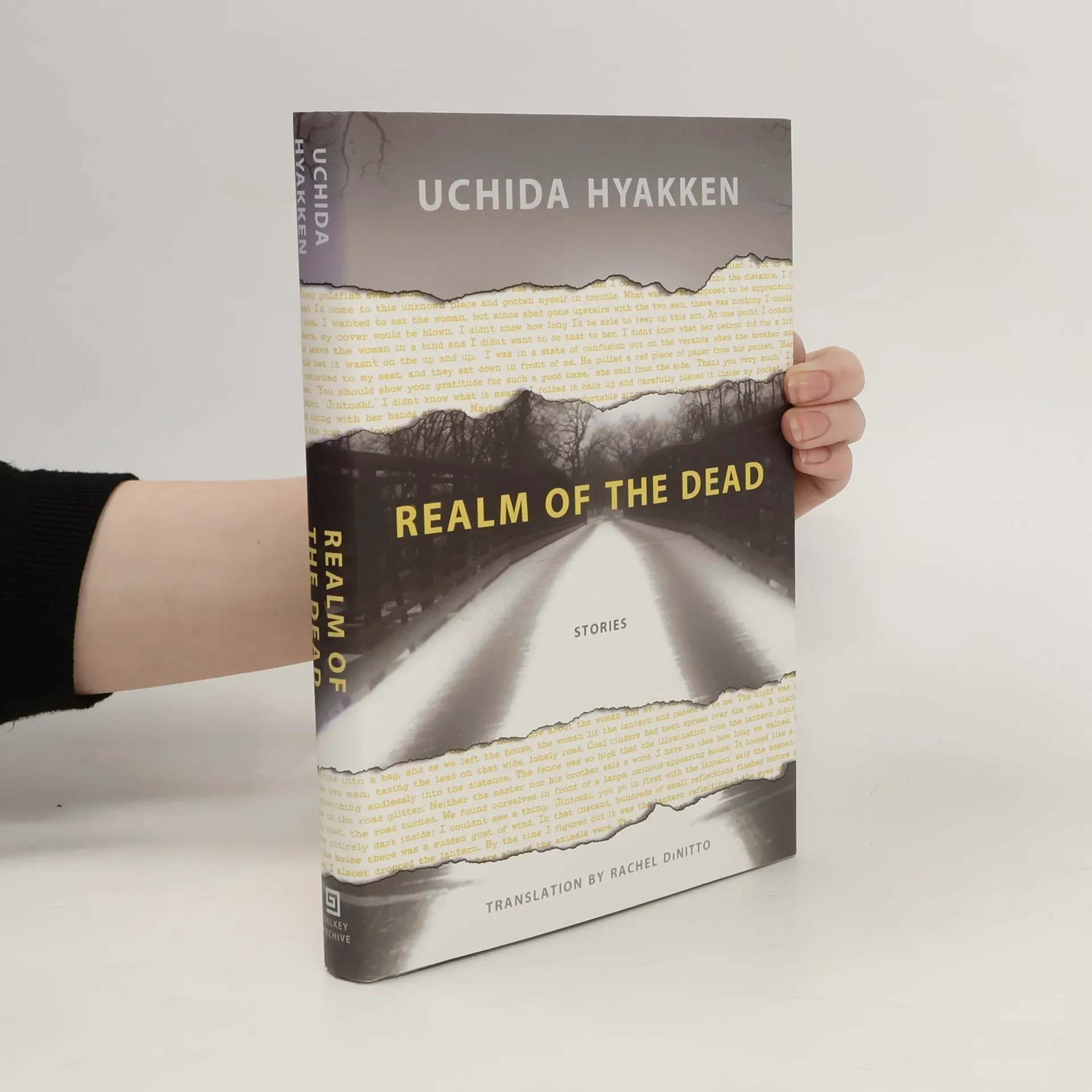
Realm of the Dead describes the lands of both the living and the dead. In this collection of short stories, they are equally dark and mysterious worlds where logic and reality are subject to constant change and where ideas about identity and self are continually questioned. Considered one of the foremost innovators of Japanese modernism, Hyakken incorporates a distinctly non-Western set of myths and folklore to evoke a society--and a people--on the brink of enormous change.
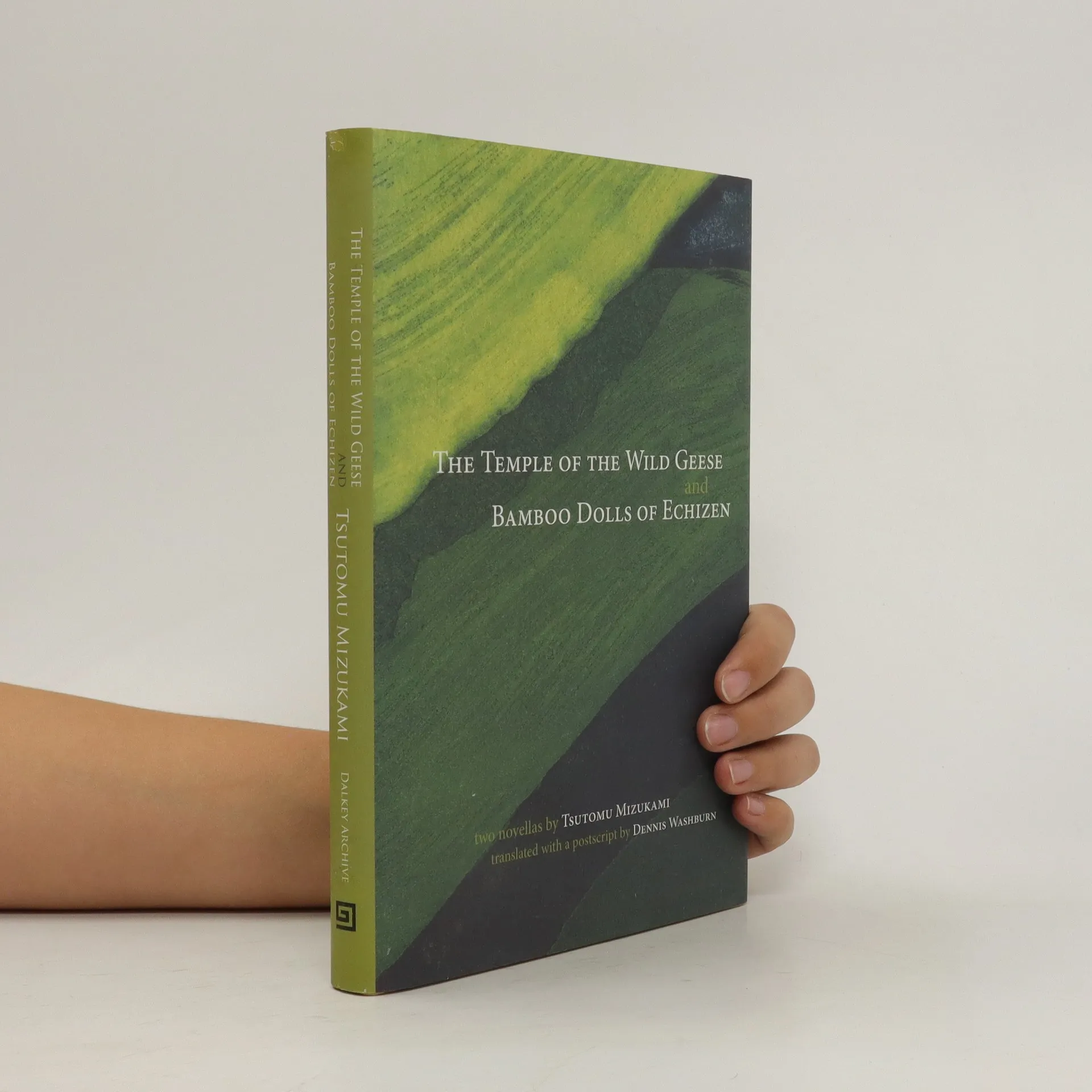
The Temple of the Wild Geese, a semi-autobiographical account of Mizukami's childhood, tells the tale of Jinen, a Buddhist monk raised by villagers after his mother, a beggar, abandoned him. Sent to live at a temple at the age of ten, his resentment smolders for years until it explodes in a shocking climax. In Bamboo Dolls of Echizen, no woman is willing to marry the diminutive Kisuke, a bamboo artisan, until Tamae, a prostitute, comes to pay her respects at the grave of Kisuke's father. In Tamae, Kisuke sees shadows of his own mother, who died when he was young, and the two eventually marry. Since Kisuke seeks only motherly affection from Tamae, the two never become lovers. Instead, Tamae devotes herself to caring for Kisuke as a mother would, and he thrives as a renowned maker of bamboo dolls.
The Part of Me That Isn't Broken Inside
- 225 pages
- 8 hours of reading
Naoto Matsubara works in a Tokyo publishing house, though the work doesn't particularly interest him. What does interest him, we soon discover, is the purpose of life. Naoto ponders the powers of love, attachment, and mutual care by examining closely his own friends and lovers, searching out how exactly his connection to them confers meaning on his life. Along the way, Naoto also draws on the thought of many writers and philosophers, including Tolstoy, Fromm, and Mishima.
Like the surfaces of a jagged crystal, each story in this collection shows an entirely different facet when viewed from a different angle. Playing games with the basic units of both life and fiction—the solid certainties of the self, the world around us, and the words we use to describe these things to one another—Mieko Kanai creates a reality where nothing is certain, and where a little boy going out to run errands for his mother might find that he’s an adult, and his mother long dead, at the end of a single train ride. Using precise language to describe dreamlike plots owing as much to Kafka and Barthelme as to Kenzaburō Ōe and the long tradition of the Japanese folktale of the macabre, The Word Book is an unforgettable voyage to absurd, hilarious, and terrifying locales, and is the English-language debut for one of the greatest and most interesting Japanese writers working today.
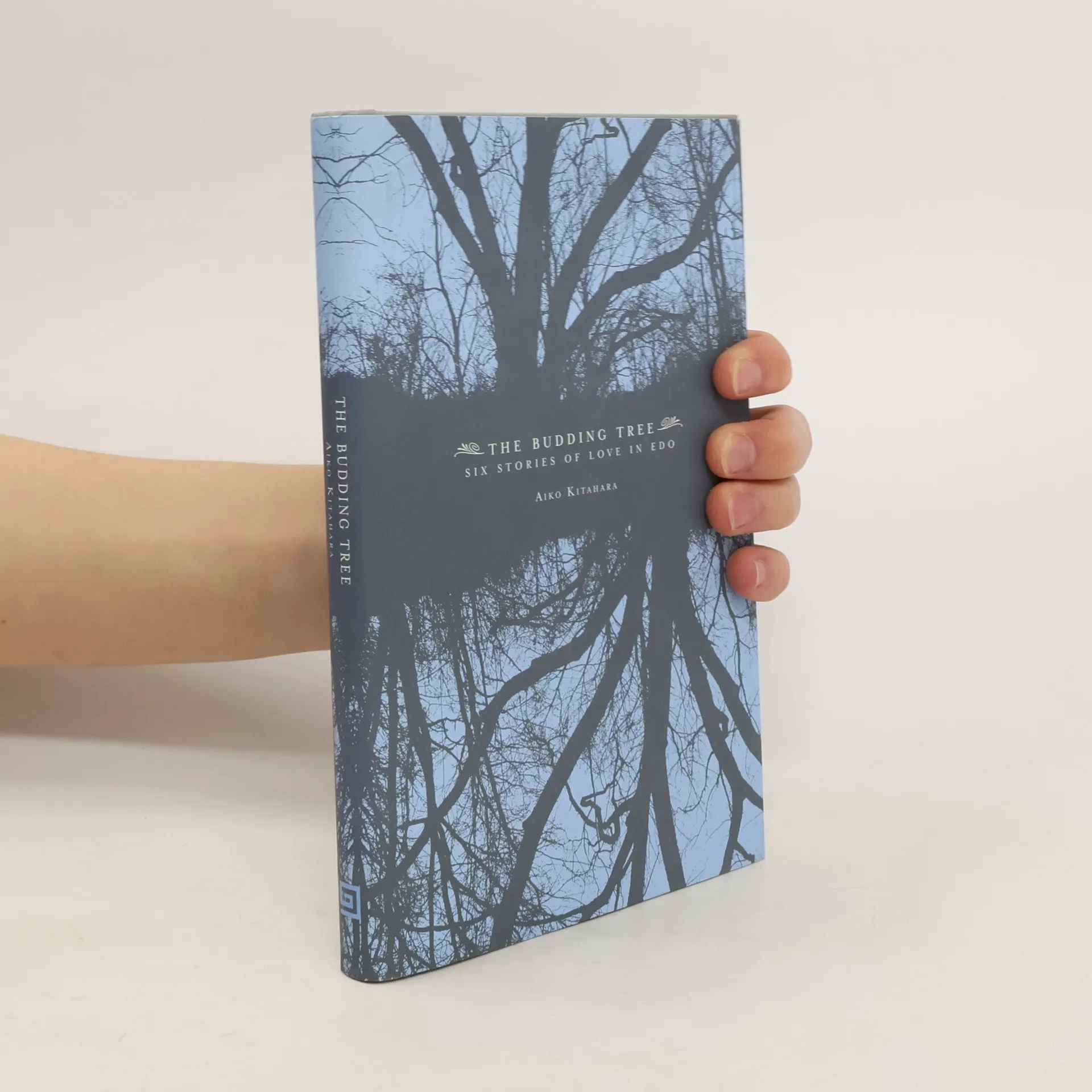
This Naoki Prize-winning work is a personal yet precise account of the lives of working women in the Edo period (1600-1868). In the latter half of the Edo period, the warrior caste was finding itself pushed out of the top echelons of society by the rising merchant class, and repeated famines swept the countryside. Against this backdrop, a small number of women vigorously built themselves independent lives with unusual careers--working as designers of ornamental hairpins, or even scribes--in the male-dominated society of the day. The stories in The Budding Tree recount the conditions in which these women lived.