

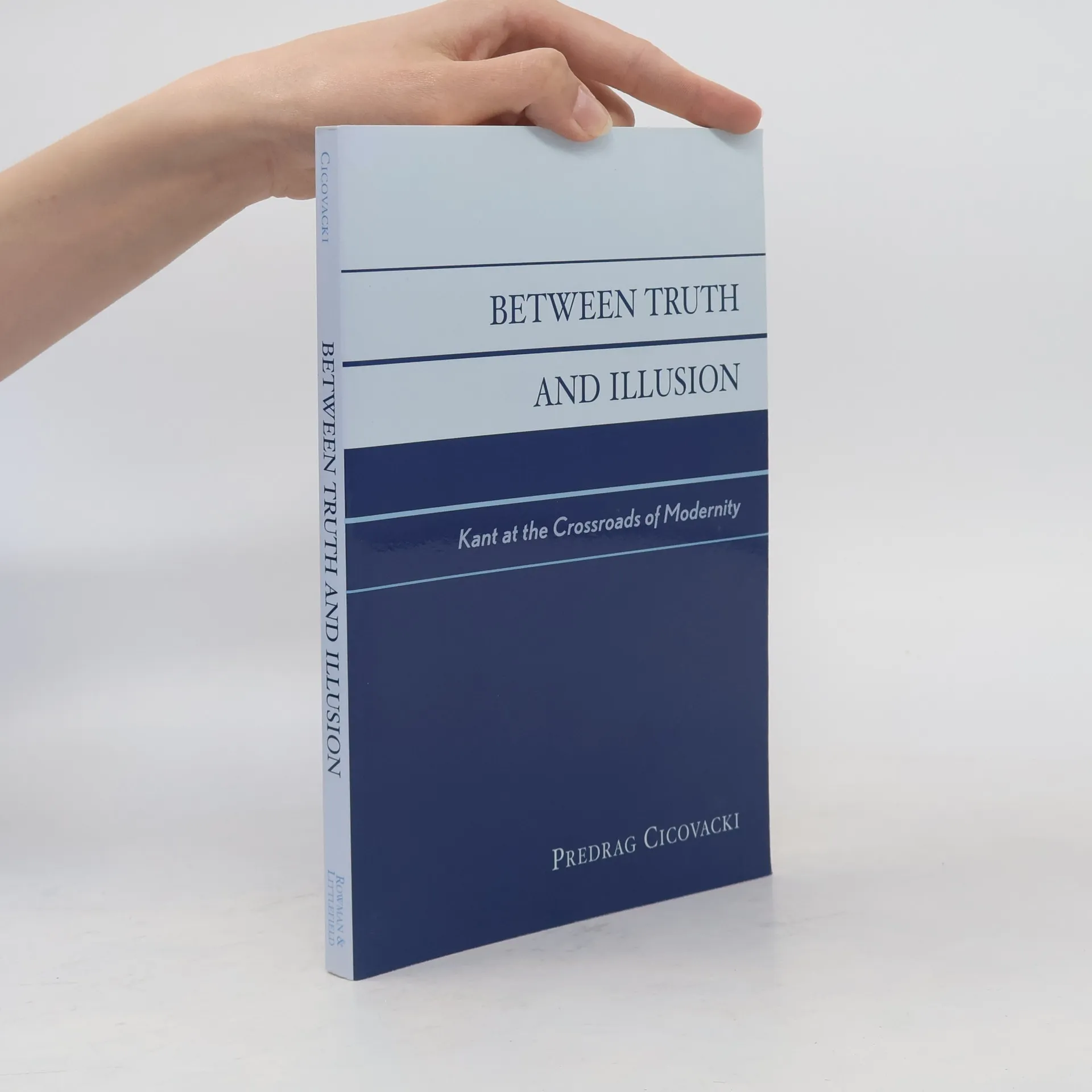
Between Truth and Illusion
Kant at the Crossroads of Modernity
Authors
More about the book
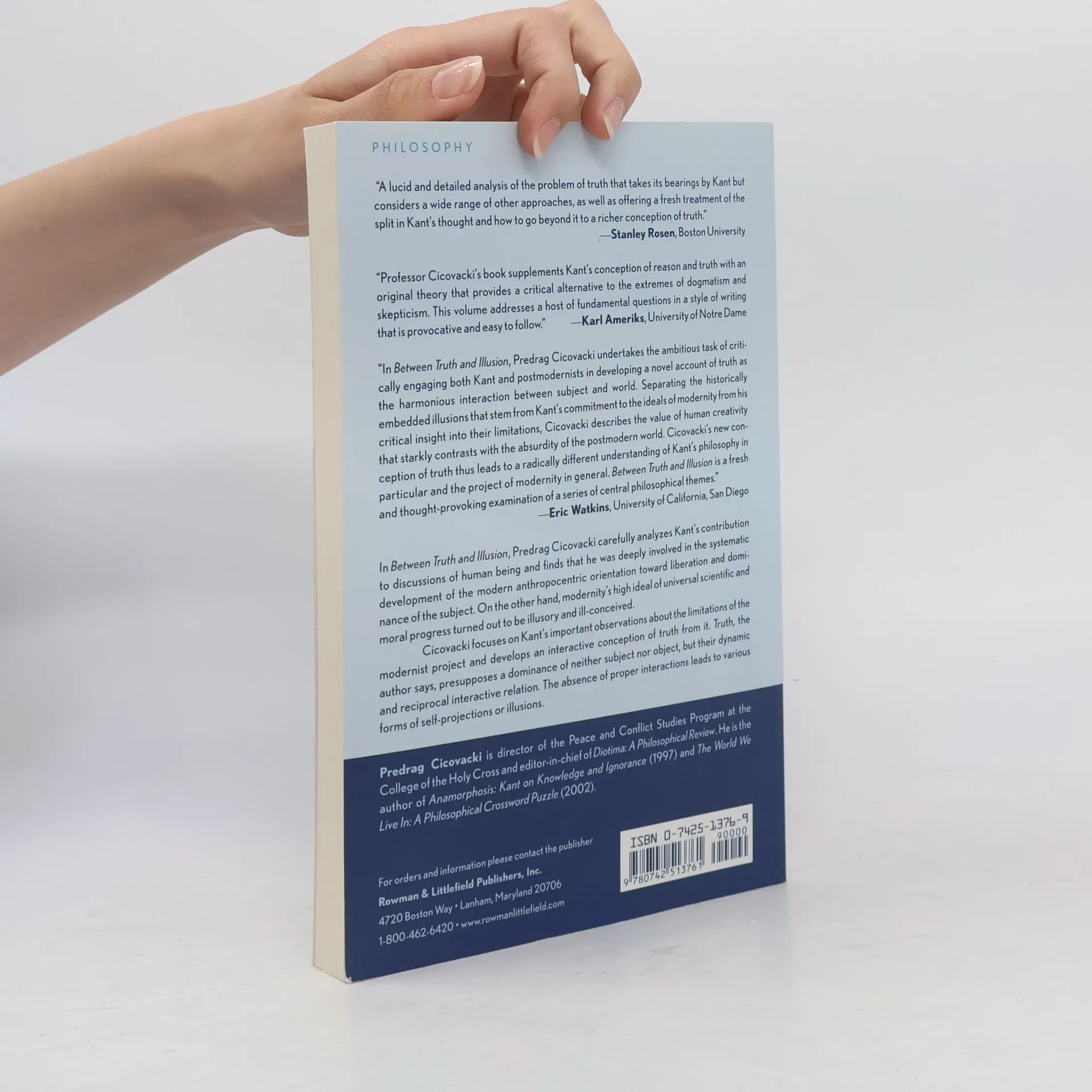
In Between Truth and Illusion, Predrag Cicovacki carefully analyzes Kant's contribution to discussions of human being and finds that he was deeply involved in the systematic development of the modern anthropocentric orientation toward liberation and dominance of the subject. On the other hands, modernity's high ideal of universal scientific and moral progress turned out to be illusory and ill-conceived. Cicovacki focuses on Kant's important observations about the limitations of the modernist project and develops an interactive conception of truth from it. Truth, the author says, presupposes a dominance of neither subject nor object, but their dynamic and reciprocal interactive relation. The absence of proper interactions leads to various forms of self-projections or illusions.
Book purchase
Between Truth and Illusion, Predrag Cicovacki
- Language

- Released
- 2002
- Binding
- (Paperback)
Payment methods
No one has rated yet.
- Title
- Between Truth and Illusion
- Subtitle
- Kant at the Crossroads of Modernity
- Language
- English
- Authors
- Predrag Cicovacki
- Publisher
- Rowman & Littlefield
- Released
- 2002
- Format
- Paperback
- Pages
- 240
- ISBN10
- 0742513769
- ISBN13
- 9780742513761
- Series
- Categories
- Tags
- Philosophical Topics, Germany, Western Europe, Truth, History of Philosophy, Immanuel Kant, 1724-1804
- Description
- In Between Truth and Illusion, Predrag Cicovacki carefully analyzes Kant's contribution to discussions of human being and finds that he was deeply involved in the systematic development of the modern anthropocentric orientation toward liberation and dominance of the subject. On the other hands, modernity's high ideal of universal scientific and moral progress turned out to be illusory and ill-conceived. Cicovacki focuses on Kant's important observations about the limitations of the modernist project and develops an interactive conception of truth from it. Truth, the author says, presupposes a dominance of neither subject nor object, but their dynamic and reciprocal interactive relation. The absence of proper interactions leads to various forms of self-projections or illusions.