Exploring Tolstoy's quest for understanding the divine and human existence, this book delves into his philosophical and artistic endeavors. Predrag Cicovacki analyzes Tolstoy's social critiques, complex ties to nature, and his views on art and religion. By integrating philosophical, religious, and literary perspectives, the study reveals valuable lessons from Tolstoy's insights and errors, highlighting his significant contributions to discussions about life's meaning and humanity's future.
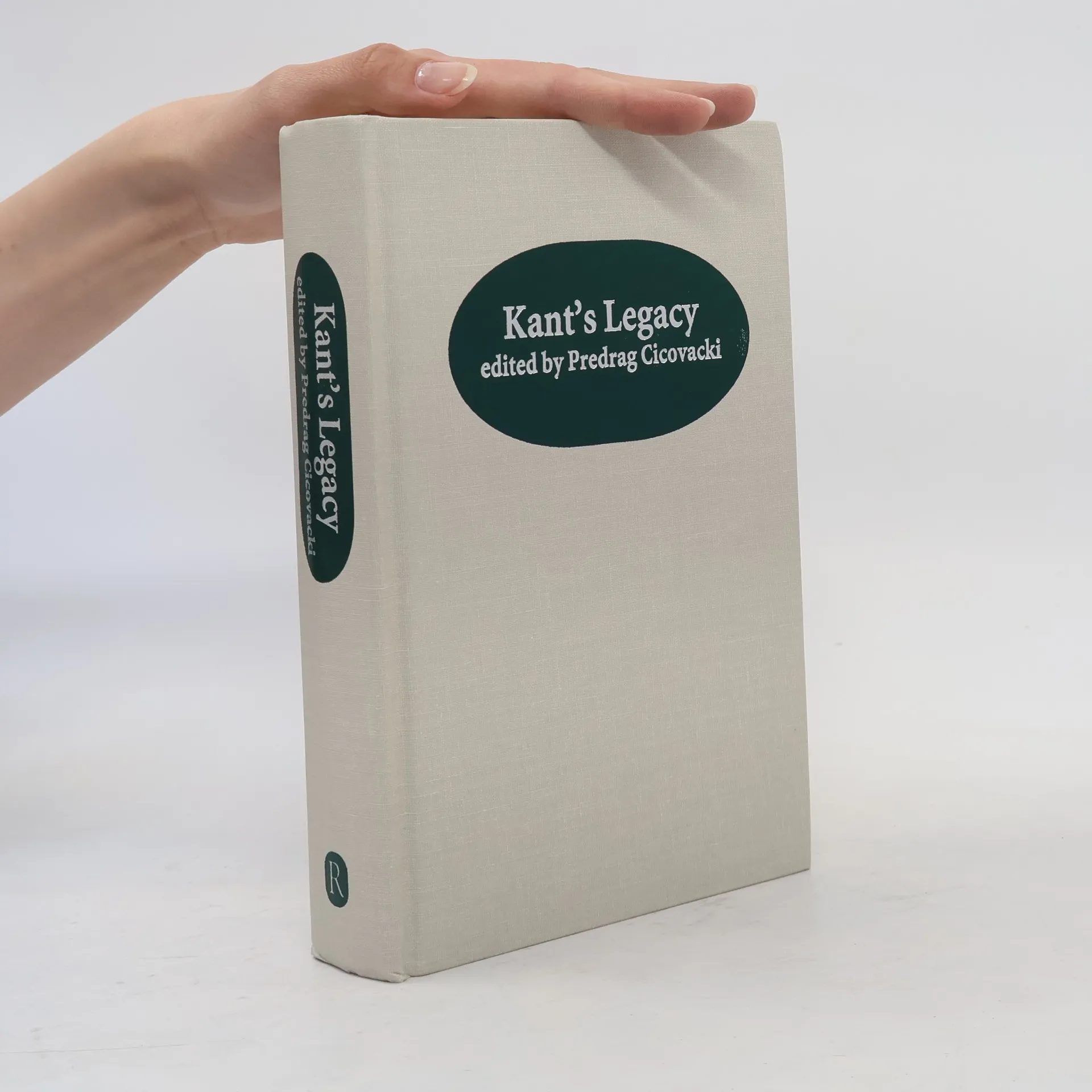
The late Lewis White Beck, Professor of Philosophy at the University of Rochester for many years, was one of the world's leading Kant scholars. Beck considered the most significant element of Kant's rich, complex, and controversial legacy to be the ultimate philosoophical question: 'What is Man?' Kant's answer - that humans are creators - is ambiguous. On the one hand, it dignifies humans by elevating them above blind mechanical forces of nature. But it also imposes difficult burdens, including the tast of providing a unitary wolrdview and an immanently grounded system of values and norms. The contributors to this volume, under Beck's influence, concur that this theme is of central importance for the proper understanding and evaluation of Kant's legacy. The papers address issues concerning creativy in all aspects of human experience - from knowledge of the external world to self-knowledge, from moral to religious dilemmas, from judgments of taste to the art of living - with a constant awareness of the limitations as well as the possibilities of such creativity. Predrag Cicovacki is Associate Professor of Philosophy, College of the Holy Cross.
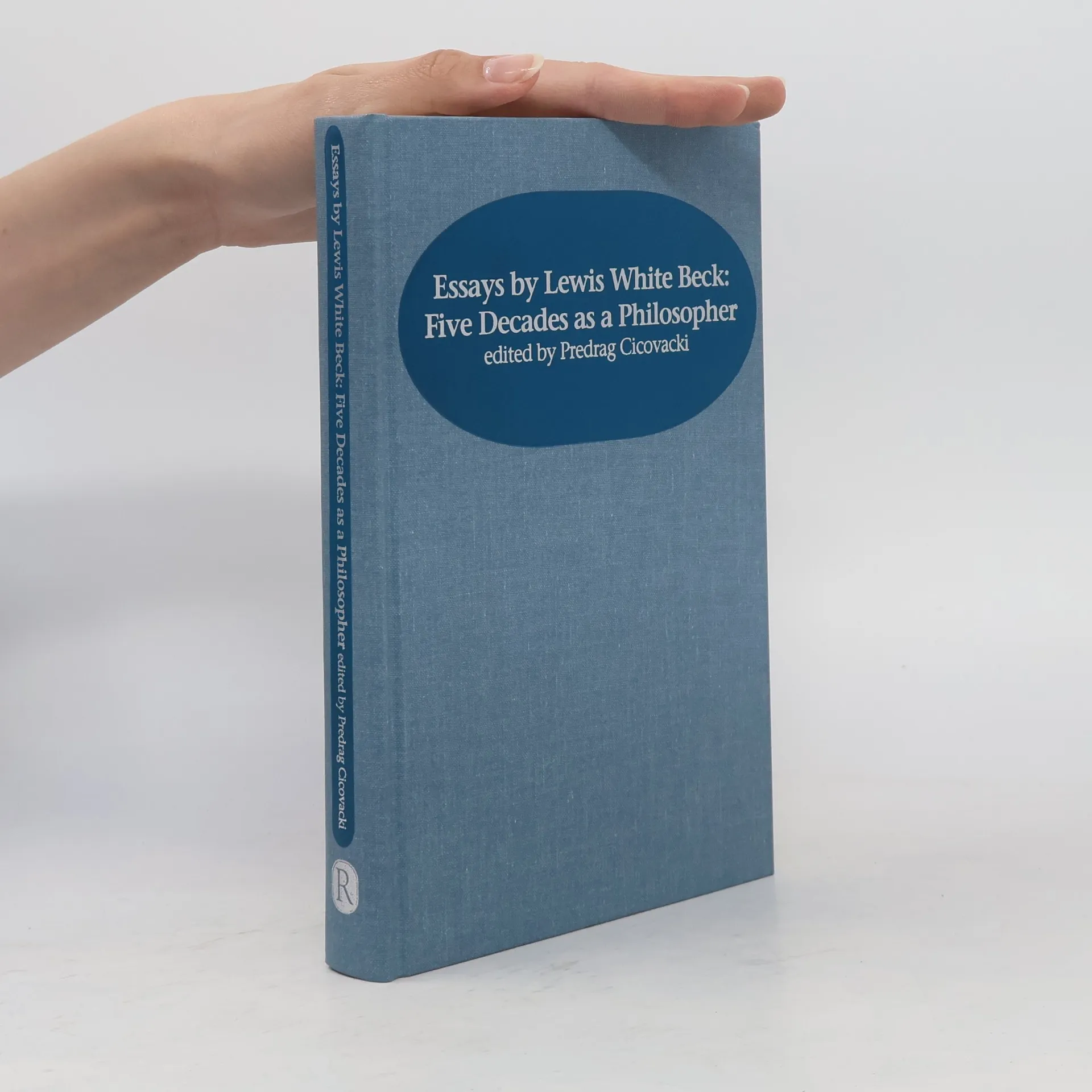
During his life Lewis W. Beck published two books of his essays which deal almost exclusively with different aspects of Kant's philosophy. He also thought about publishing a collection of his essays not so directly related to Kant but was unable to do so before his death in 1997. This volume brings together those essays--from the earliest to the latest--that reflect the variety of his philosophical interests: epistemology, philosophy of science, ethics, aesthetics, extraterrestrials, and philosophy as literature, as well as a few late essays on Kant. This collection of mostly neglected yet highly original and valuable contributions by Beck to various philosophical disciplines, provides a more rounded and complete picture of Beck's creativity and humanistic orientation. Beck's own account of how he became a philosopher, a complete bibliography of his publications, and a fitting tribute to him by Professor Robert Holmes of the University of Rochester completes the volume.Predrag Cicovacki is Assistant Professor of Philosophy at the College of the Holy Cross in Worcester, Massachusetts.
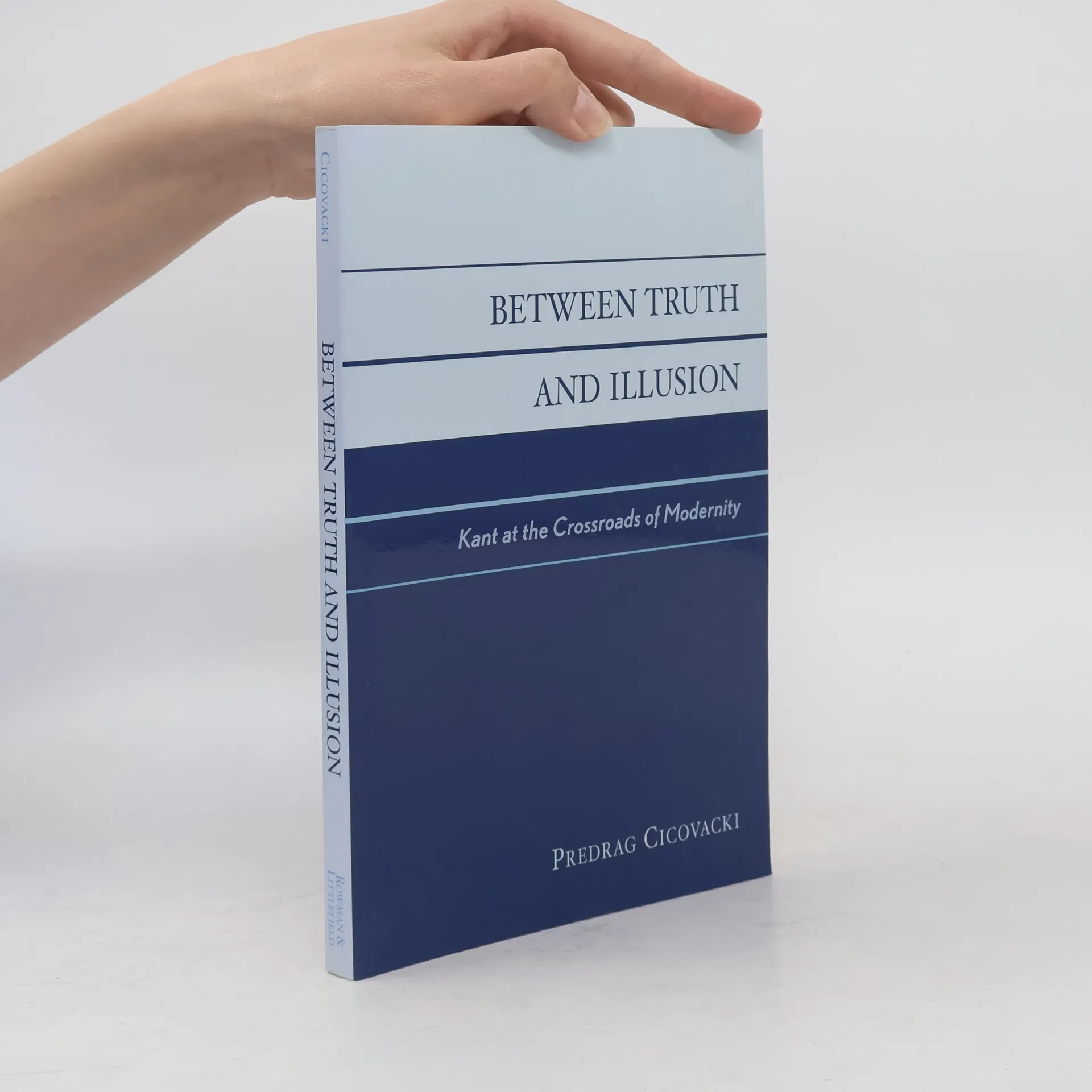
In Between Truth and Illusion, Predrag Cicovacki carefully analyzes Kant's contribution to discussions of human being and finds that he was deeply involved in the systematic development of the modern anthropocentric orientation toward liberation and dominance of the subject. On the other hands, modernity's high ideal of universal scientific and moral progress turned out to be illusory and ill-conceived. Cicovacki focuses on Kant's important observations about the limitations of the modernist project and develops an interactive conception of truth from it. Truth, the author says, presupposes a dominance of neither subject nor object, but their dynamic and reciprocal interactive relation. The absence of proper interactions leads to various forms of self-projections or illusions.
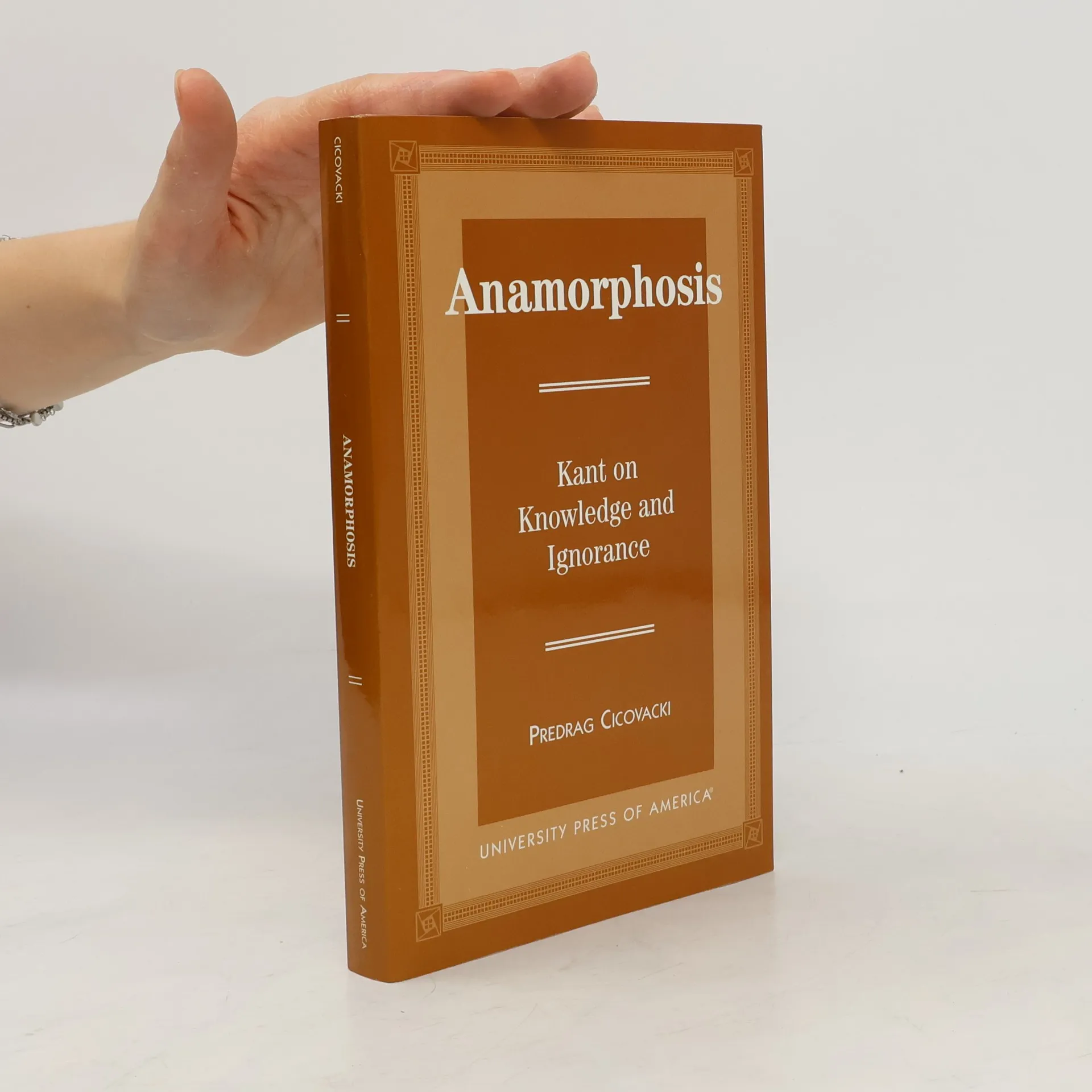
This book intends to show that we should re-think and re-evaluate our dogmatic commitment to a cognitivistic attitude. Our high regard for knowledge is due to the fact that we expect that it will help us satisfy not only our practical needs but also guide us toward a meaningful and fulfilled life. A careful examination of the nature and limits of knowledge reveals that both expectations cannot be satisfied. Following Kant, Cicovacki comes to the conclusion that, although our knowledge of reality seems to be reliable and true, at the same time it seems to be one-sided and very narrowly oriented. Our practical purposes seem to be served quite well, but it is dubious whether our knowledge helps us understand and find our own place and role in reality. Those pursuing science and analytic philosophy do not seem to realize that our knowledge of reality is at the same time reliable and true, and yet distorting and damaging. Cicovacki focuses on Kant's question: ^D