

More about the book
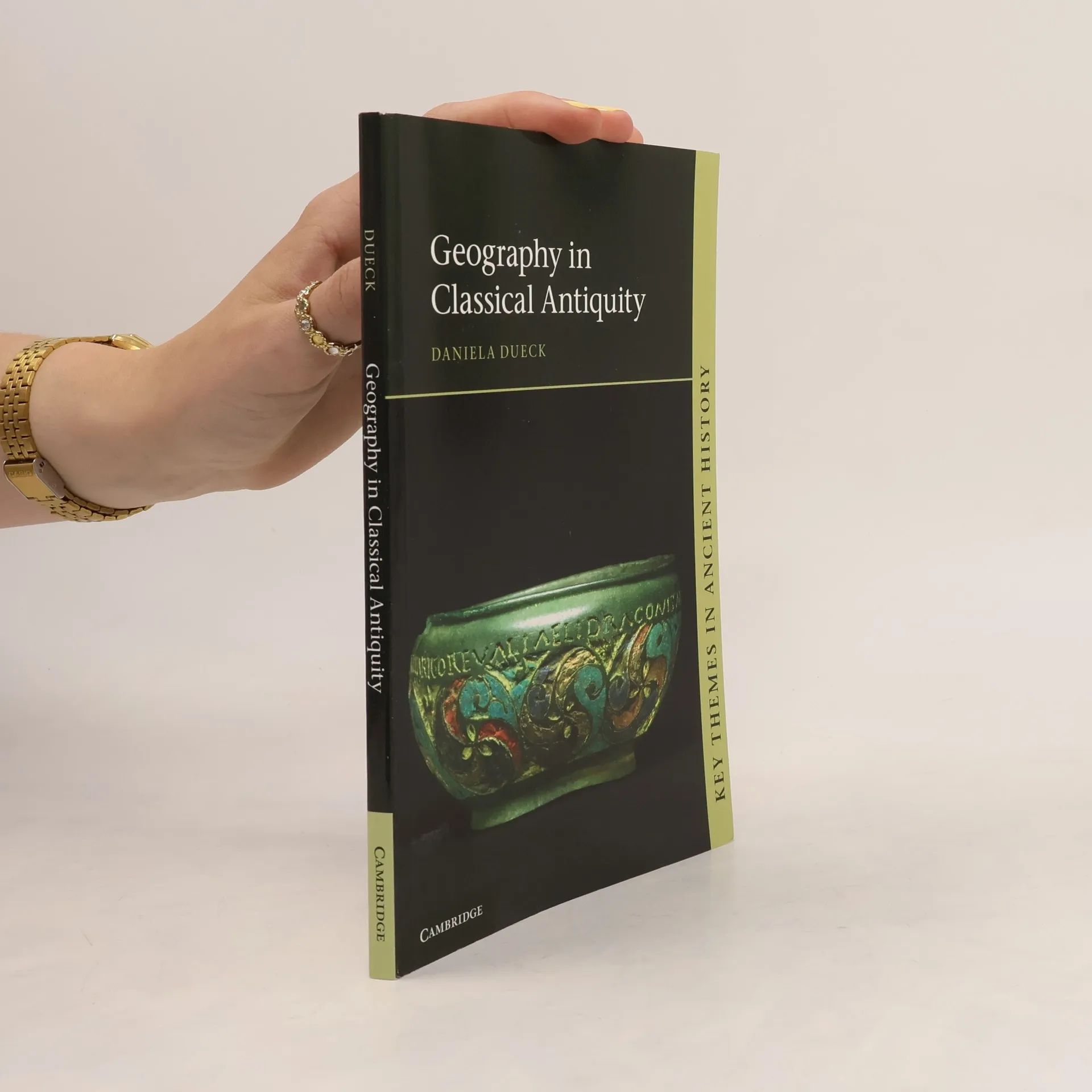
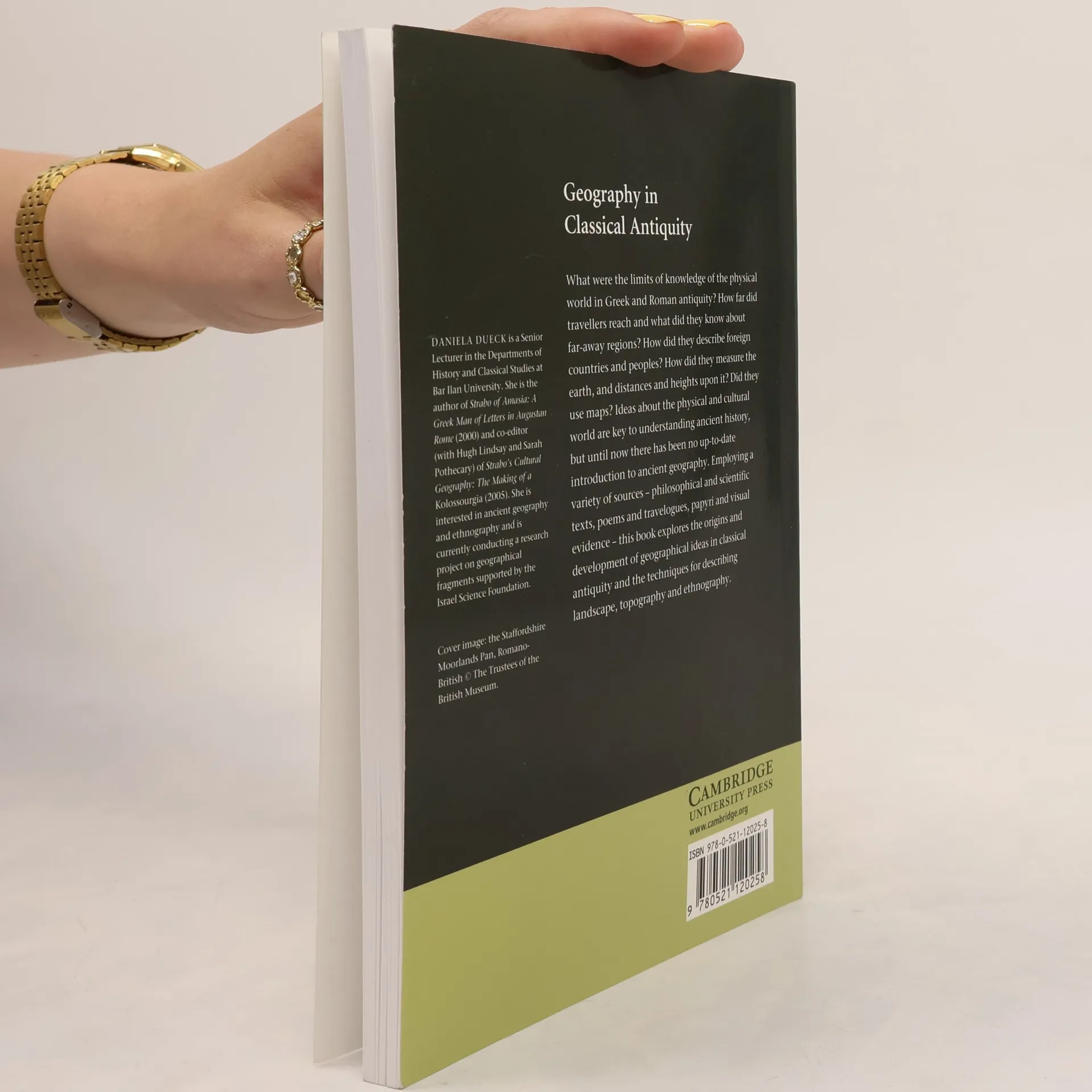
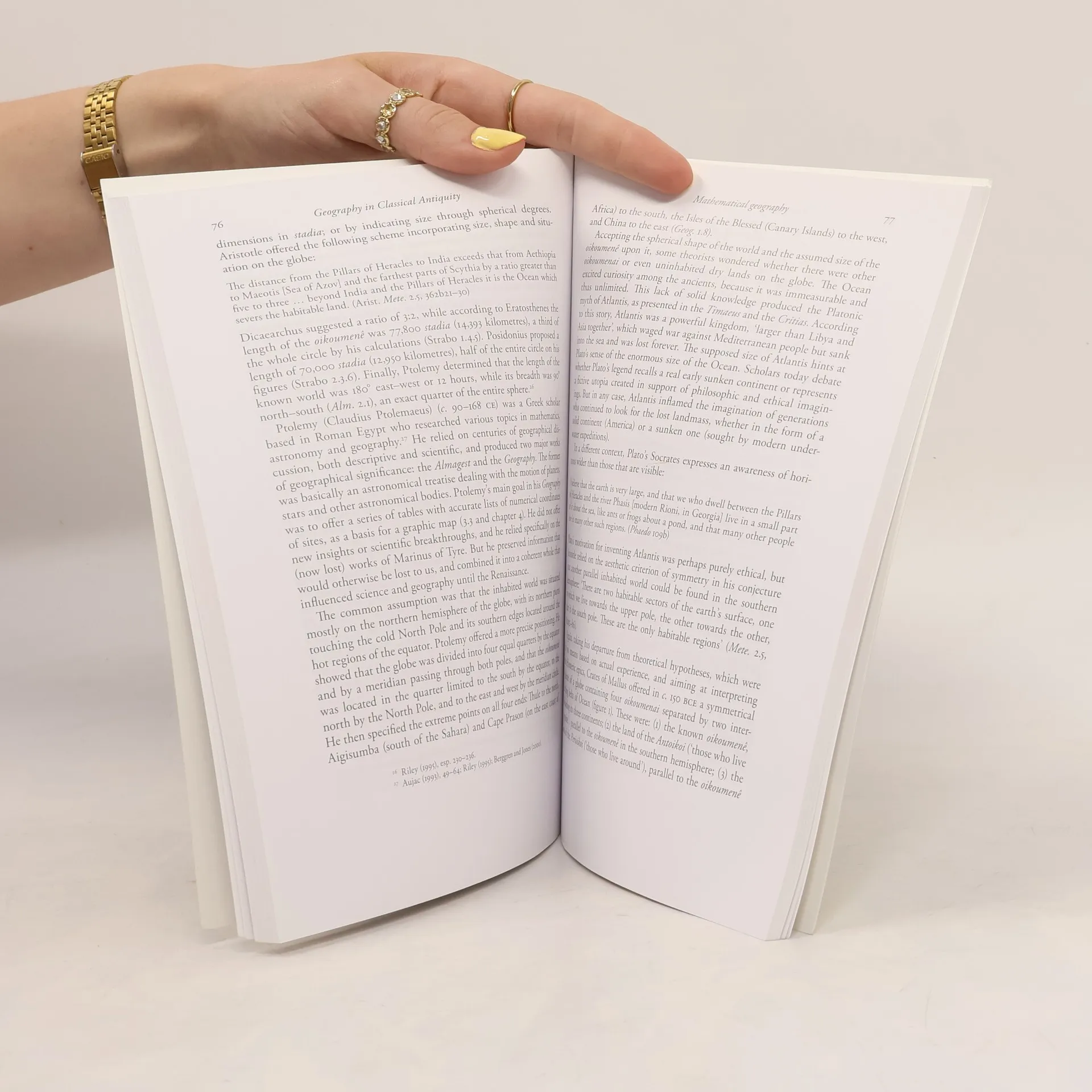
What were the limits of knowledge of the physical world in Greek and Roman antiquity? How far did travellers get and what did they know about far-away regions? How did they describe foreign countries and peoples? How did they measure the earth, and distances and heights on it? Ideas about the physical and cultural world are a key aspect of ancient history, but until now there has been no up-to-date modern overview of the subject. This book explores the beginnings and development of geographical ideas in Classical antiquity and demonstrates technical methods for describing landscape, topographies and ethnographies. The survey relies on a variety of sources: philosophical and scientific texts but also poems and travelogues; papyrological remains and visual monuments.

Book purchase
Key Themes in Ancient History: Geography in Classical Antiquity, Kai Brodersen, Daniela Dueck
- Language

- Released
- 2012
- Binding
- (Paperback)
Payment methods
We’re missing your review here.
- Title
- Key Themes in Ancient History: Geography in Classical Antiquity
- Language
- English
- Authors
- Kai Brodersen, Daniela Dueck
- Publisher
- Cambridge University Press
- Released
- 2012
- Format
- Paperback
- Pages
- 158
- ISBN10
- 052112025X
- ISBN13
- 9780521120258
- Categories
- Rating
- 3 out of 5
- Description
- What were the limits of knowledge of the physical world in Greek and Roman antiquity? How far did travellers get and what did they know about far-away regions? How did they describe foreign countries and peoples? How did they measure the earth, and distances and heights on it? Ideas about the physical and cultural world are a key aspect of ancient history, but until now there has been no up-to-date modern overview of the subject. This book explores the beginnings and development of geographical ideas in Classical antiquity and demonstrates technical methods for describing landscape, topographies and ethnographies. The survey relies on a variety of sources: philosophical and scientific texts but also poems and travelogues; papyrological remains and visual monuments.