

More about the book
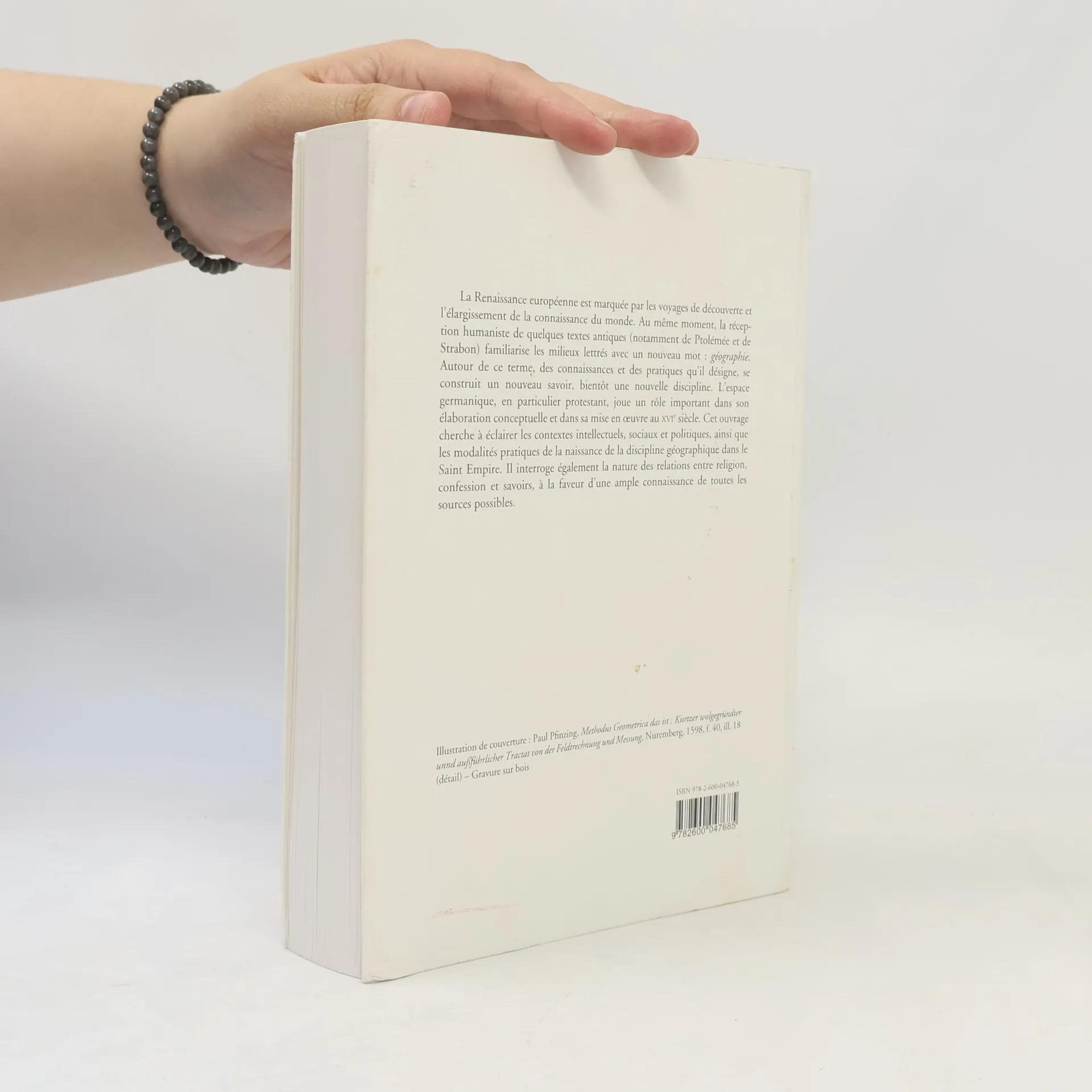
"The European Renaissance is marked by the voyages of discovery and the widening of the knowledge of the world. At the same time, the humanist reception of some ancient texts (notably Ptolemy and Strasbon) familiarized literate circles with a new word: geography. Around this term, knowledge and practices that it designates, is built a new knowledge, soon a new discipline. The Germanic space, especially Protestant, plays an important role in its conceptual development and its implementation in the sixteenth century. This book seeks to illuminate the intellectual, social and political contexts, as well as the practical modalities of the birth of the geographical discipline in the Holy Empire. It also questions the nature of the relations between religion, confession and knowledge."--
Book purchase
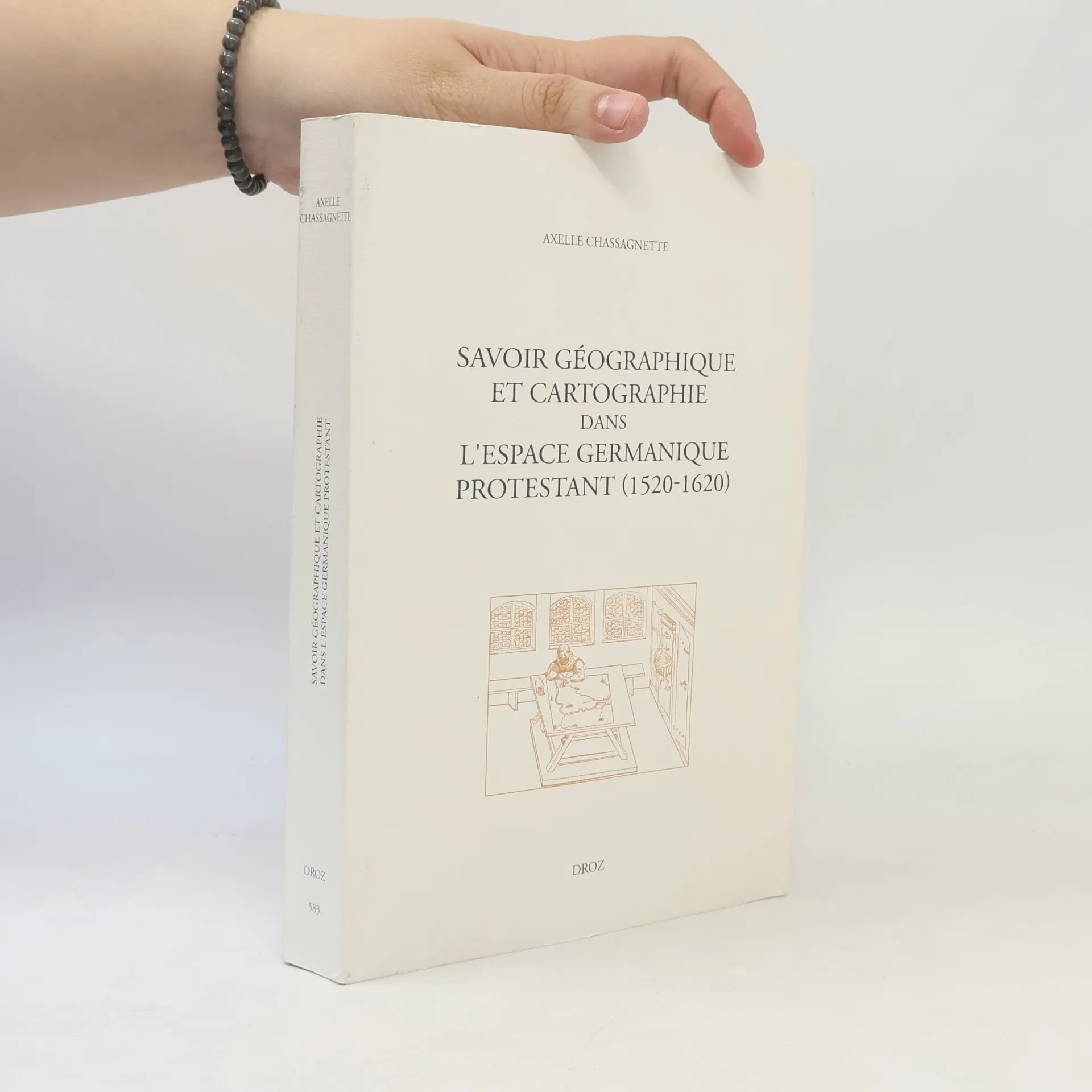
Savoir géographique et cartographie dans l'espace germanique protestant, 1520-1620, Axelle Chassagnette
- Language

- Released
- 2017
- Binding
- (Paperback)
Payment methods
No one has rated yet.
- Title
- Savoir géographique et cartographie dans l'espace germanique protestant, 1520-1620
- Language
- French
- Authors
- Axelle Chassagnette
- Publisher
- Librairie Droz
- Released
- 2017
- Format
- Paperback
- Pages
- 620
- ISBN10
- 2600047689
- ISBN13
- 9782600047685
- Series
- Categories
- Description
- "The European Renaissance is marked by the voyages of discovery and the widening of the knowledge of the world. At the same time, the humanist reception of some ancient texts (notably Ptolemy and Strasbon) familiarized literate circles with a new word: geography. Around this term, knowledge and practices that it designates, is built a new knowledge, soon a new discipline. The Germanic space, especially Protestant, plays an important role in its conceptual development and its implementation in the sixteenth century. This book seeks to illuminate the intellectual, social and political contexts, as well as the practical modalities of the birth of the geographical discipline in the Holy Empire. It also questions the nature of the relations between religion, confession and knowledge."--