

More about the book
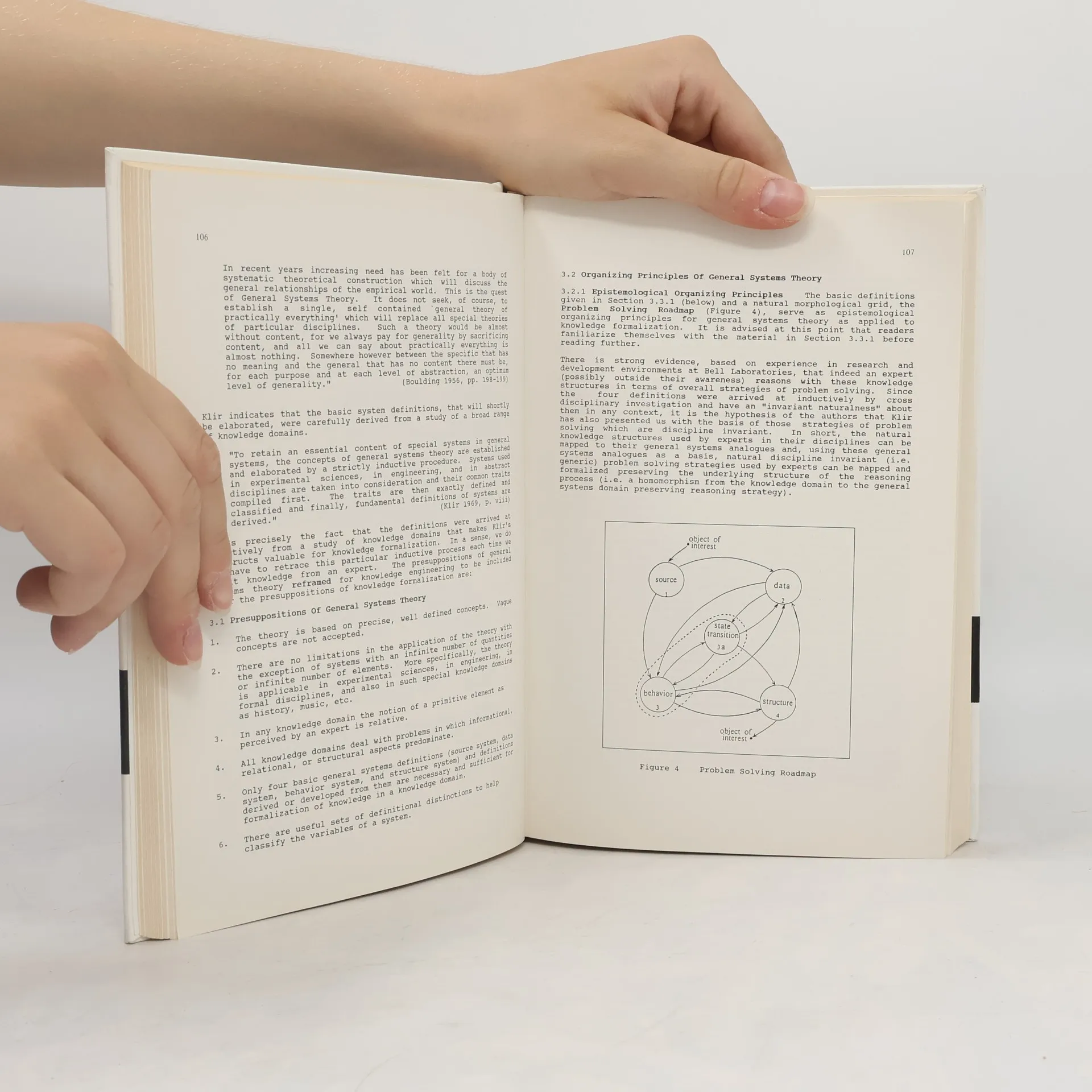
These papers are grouped into five coherent sections. The first section sets the basis for the rest of the book by addressing fundamental issues. The second section is devoted to specialized computer environments that make Modelling and Simulation easier to perform correctly, while the third section reflects the impact of rule-based methodologies (originated in the AI field) on the world of Modelling and Simulation. Section Four stands in a class of its own as it is based on a novel methodology that in itself is modelled on a biological process, providing promising inroads into the world of adaptive and self-learning methods. The last section describes various applications of the principles to generalised problems of modelling and design.
Book purchase
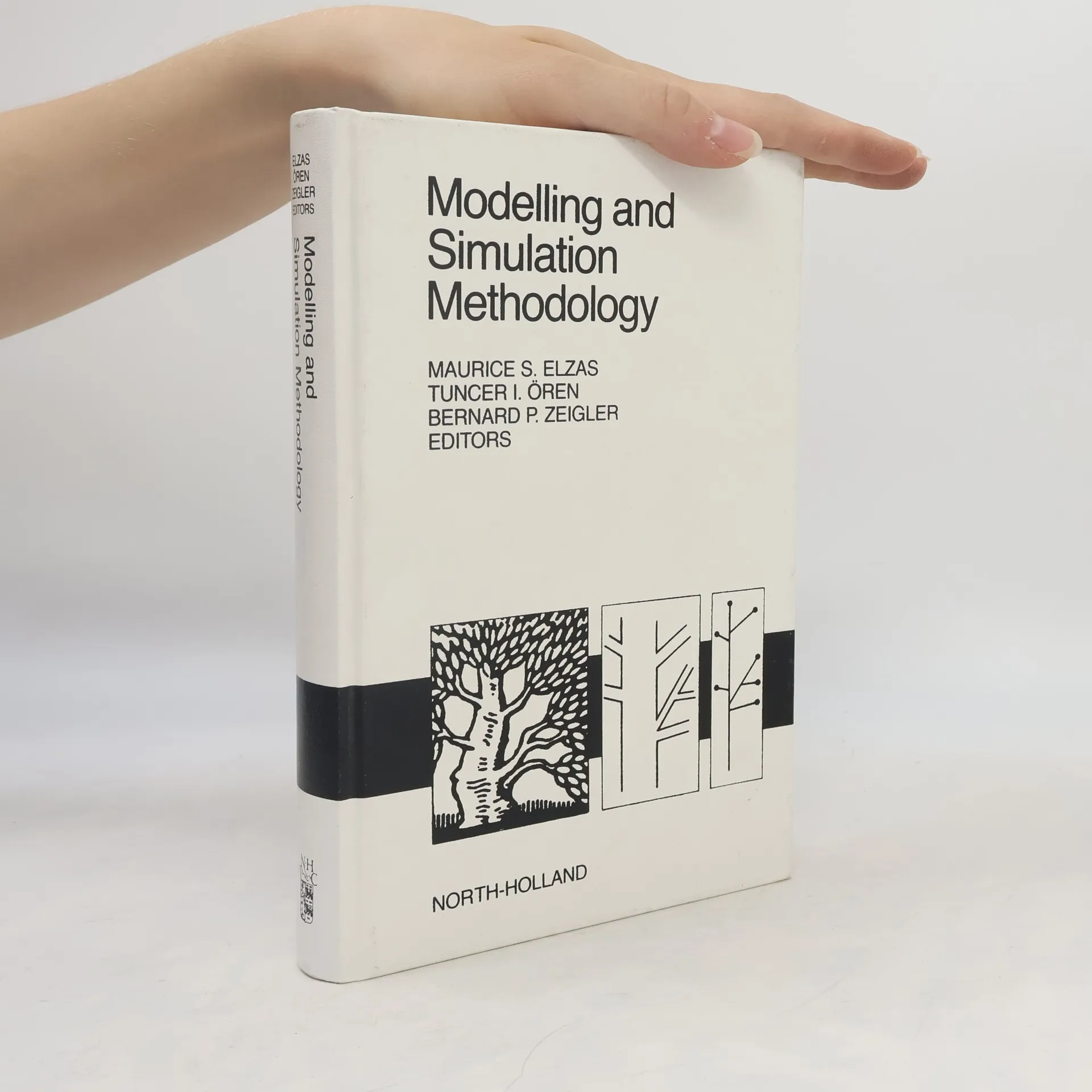
Modelling and Simulation Methodology, Maurice S. Elzas, Tuncer I. Ören, Bernard P. Zeigler
- Language

- Released
- 1989
- Binding
- (Hardcover)
Payment methods
No one has rated yet.
- Title
- Modelling and Simulation Methodology
- Subtitle
- Knowledge Systems Paradigms
- Language
- English
- Publisher
- North-Holland
- Released
- 1989
- Format
- Hardcover
- Pages
- 487
- ISBN10
- 0444880445
- ISBN13
- 9780444880444
- Series
- Description
- These papers are grouped into five coherent sections. The first section sets the basis for the rest of the book by addressing fundamental issues. The second section is devoted to specialized computer environments that make Modelling and Simulation easier to perform correctly, while the third section reflects the impact of rule-based methodologies (originated in the AI field) on the world of Modelling and Simulation. Section Four stands in a class of its own as it is based on a novel methodology that in itself is modelled on a biological process, providing promising inroads into the world of adaptive and self-learning methods. The last section describes various applications of the principles to generalised problems of modelling and design.