

Parameters
- 318 pages
- 12 hours of reading
More about the book
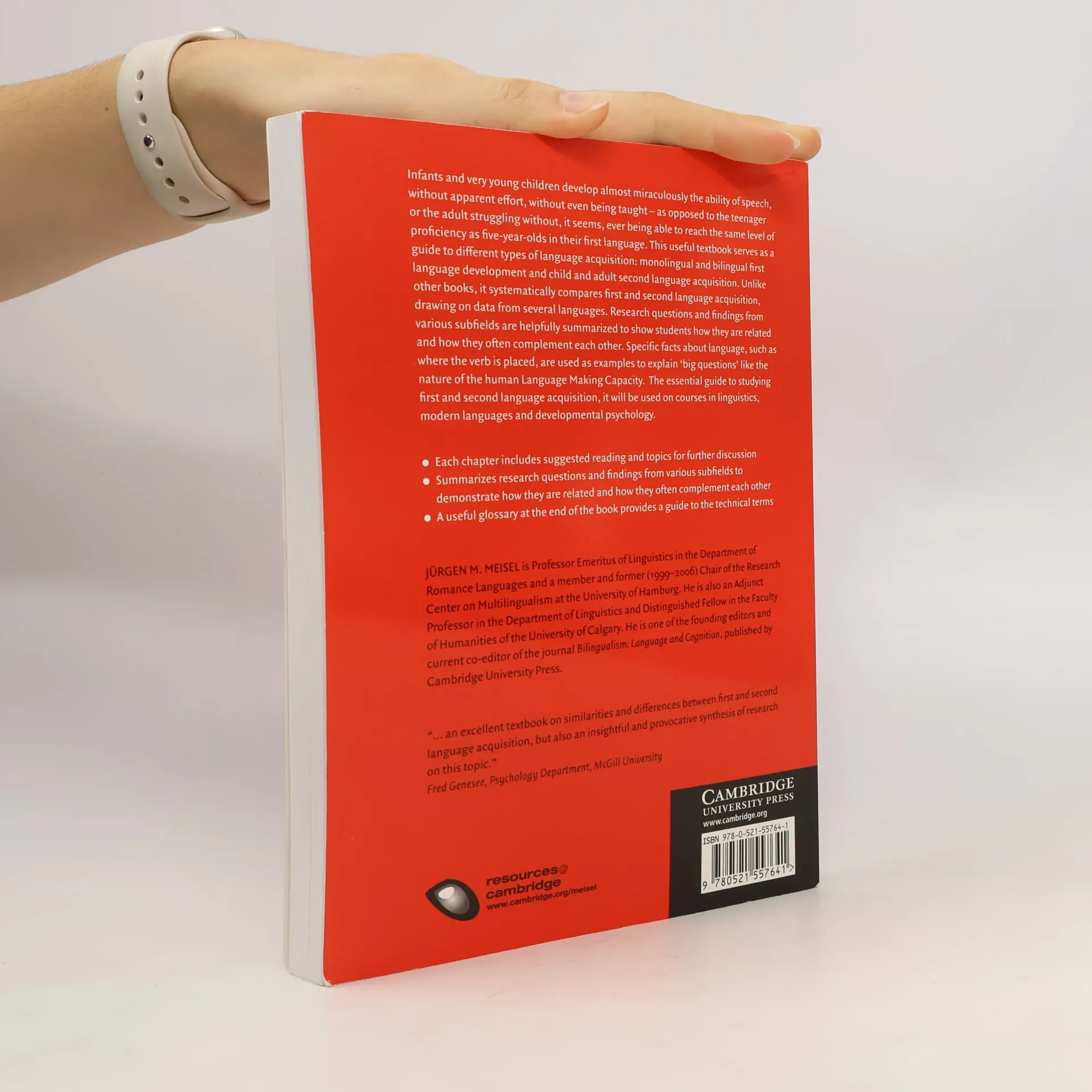
Infants and very young children develop almost miraculously the ability of speech, without apparent effort, without even being taught as opposed to the teenager or the adult struggling without, it seems, ever being able to reach the same level of proficiency as five-year olds in their first language. This useful textbook serves as a guide to different types of language acquisition: monolingual and bilingual first language development and child and adult second language acquisition. Unlike other books, it systematically compares first and second language acquisition, drawing on data from several languages. Research questions and findings from various subfields are helpfully summarized to show students how they are related and how they often complement each other. The essential guide to studying first and second language acquisition, it will be used on courses in linguistics, modern languages and developmental psychology.
Book purchase
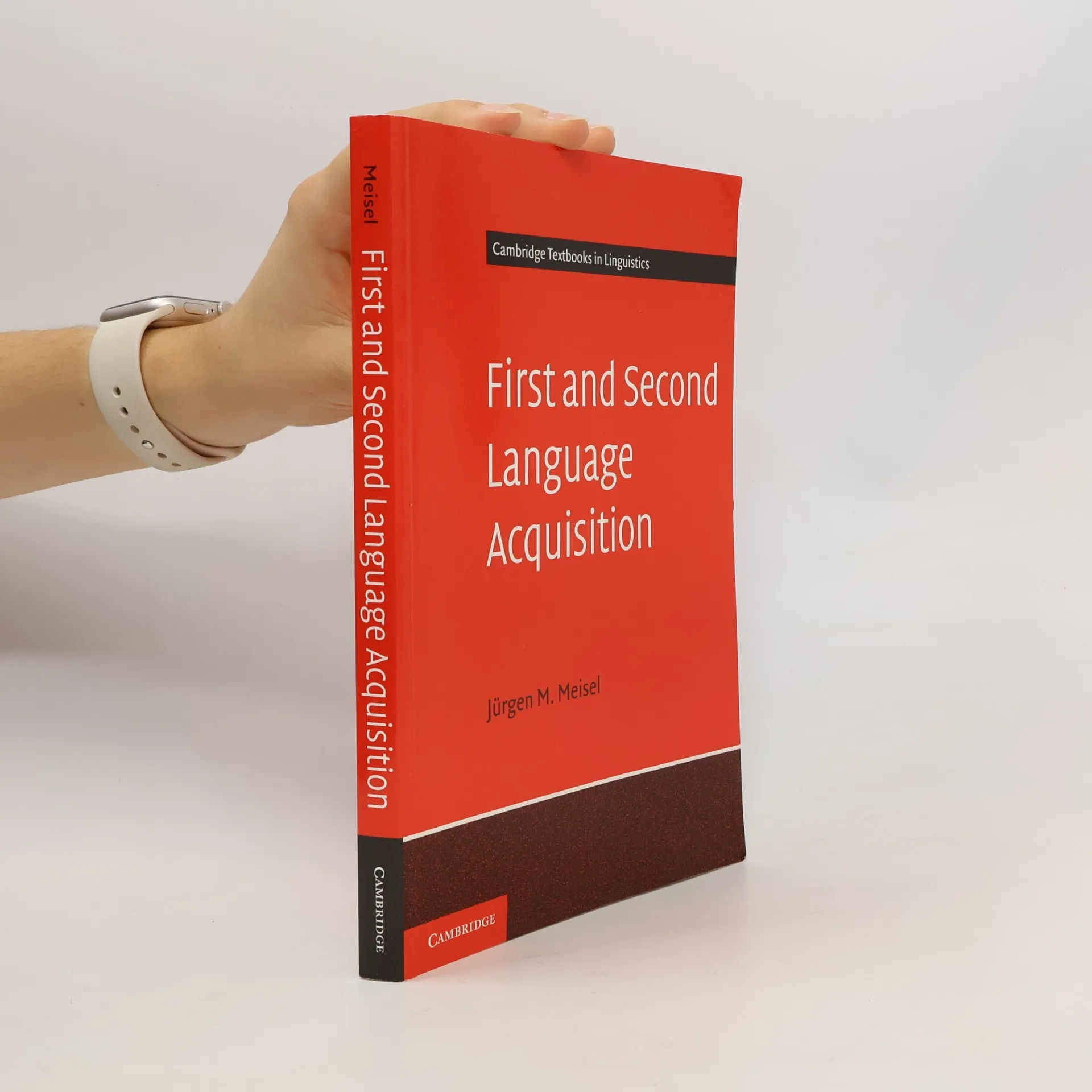
Cambridge Textbooks in Linguistics: First and Second Language Acquisition, Jürgen M. Meisel
- Language

- Released
- 2011
- Binding
- (Paperback),
- Book condition
- Very Good
- Price
- €12.89
Payment methods
No one has rated yet.
- Title
- Cambridge Textbooks in Linguistics: First and Second Language Acquisition
- Subtitle
- Parallels and Differences
- Language
- English
- Authors
- Jürgen M. Meisel
- Publisher
- Cambridge University Press
- Released
- 2011
- Format
- Paperback
- Pages
- 318
- ISBN10
- 052155764X
- ISBN13
- 9780521557641
- Series
- Tags
- University Textbooks, Education & School System, Linguistics, Language Development, Psycholinguistics
- Description
- Infants and very young children develop almost miraculously the ability of speech, without apparent effort, without even being taught as opposed to the teenager or the adult struggling without, it seems, ever being able to reach the same level of proficiency as five-year olds in their first language. This useful textbook serves as a guide to different types of language acquisition: monolingual and bilingual first language development and child and adult second language acquisition. Unlike other books, it systematically compares first and second language acquisition, drawing on data from several languages. Research questions and findings from various subfields are helpfully summarized to show students how they are related and how they often complement each other. The essential guide to studying first and second language acquisition, it will be used on courses in linguistics, modern languages and developmental psychology.