

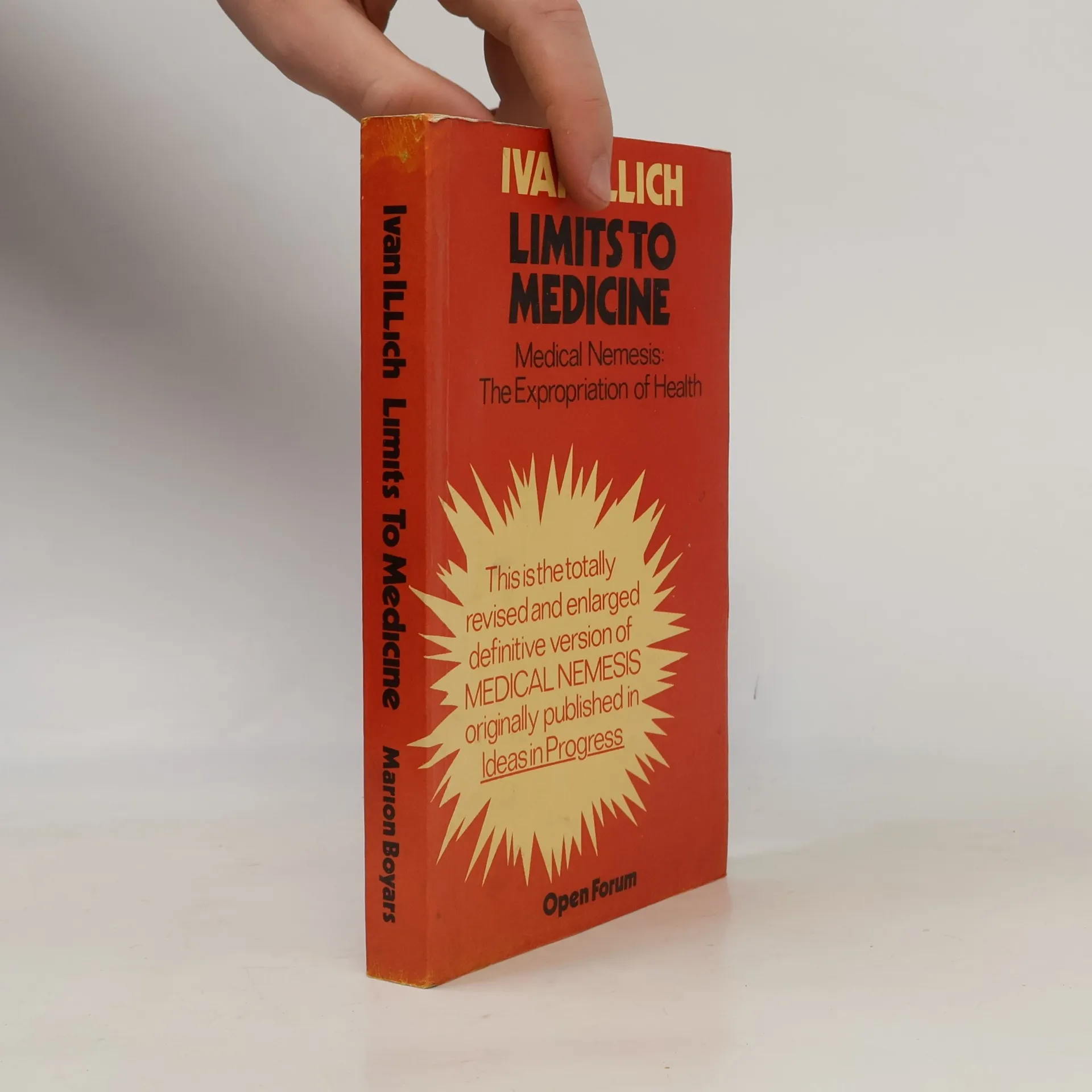


More about the book
This polemic critiques the health professions, portraying them as profiteers, priests, and kings within an overindustrialized society. The proliferation of medical specialists and a mechanistic view of the body have led to an overmedicalization of health, which Illich terms "iatrogenesis"—disease caused by doctors. This phenomenon manifests clinically through incorrect diagnoses and treatments, socially through policies that dictate health definitions, and culturally by fostering beliefs that undermine individual freedom and responsibility. Such a system breeds fear, increases pain (thus driving demand for drugs), promotes custodial care, and strips individuals of decision-making power. Patients are transformed into passive consumers, conditioned to seek health services from birth to death, resulting in the ultimate expropriation of health. While Illich acknowledges medical advancements, he critiques the broader imbalance within industrial society rather than targeting individuals. His final chapter on alternatives emphasizes the complexities of reform. This critique is timely, and despite potential backlash from health professionals, the compelling nature of his arguments may resonate even with those within the field.

Book purchase
Limits to Medicine, Ivan Illich
- Language

- Released
- 1976
- Binding
- (Paperback)
Payment methods
We’re missing your review here.
- Title
- Limits to Medicine
- Subtitle
- Medical Nemesis
- Language
- English
- Authors
- Ivan Illich
- Publisher
- Marion Boyars Publishers Ltd
- Released
- 1976
- Format
- Paperback
- Pages
- 294
- ISBN10
- 0714525138
- ISBN13
- 9780714525136
- Series
- Original title
- Limits to medicine
- Rating
- 4 out of 5
- Description
- This polemic critiques the health professions, portraying them as profiteers, priests, and kings within an overindustrialized society. The proliferation of medical specialists and a mechanistic view of the body have led to an overmedicalization of health, which Illich terms "iatrogenesis"—disease caused by doctors. This phenomenon manifests clinically through incorrect diagnoses and treatments, socially through policies that dictate health definitions, and culturally by fostering beliefs that undermine individual freedom and responsibility. Such a system breeds fear, increases pain (thus driving demand for drugs), promotes custodial care, and strips individuals of decision-making power. Patients are transformed into passive consumers, conditioned to seek health services from birth to death, resulting in the ultimate expropriation of health. While Illich acknowledges medical advancements, he critiques the broader imbalance within industrial society rather than targeting individuals. His final chapter on alternatives emphasizes the complexities of reform. This critique is timely, and despite potential backlash from health professionals, the compelling nature of his arguments may resonate even with those within the field.