

More about the book
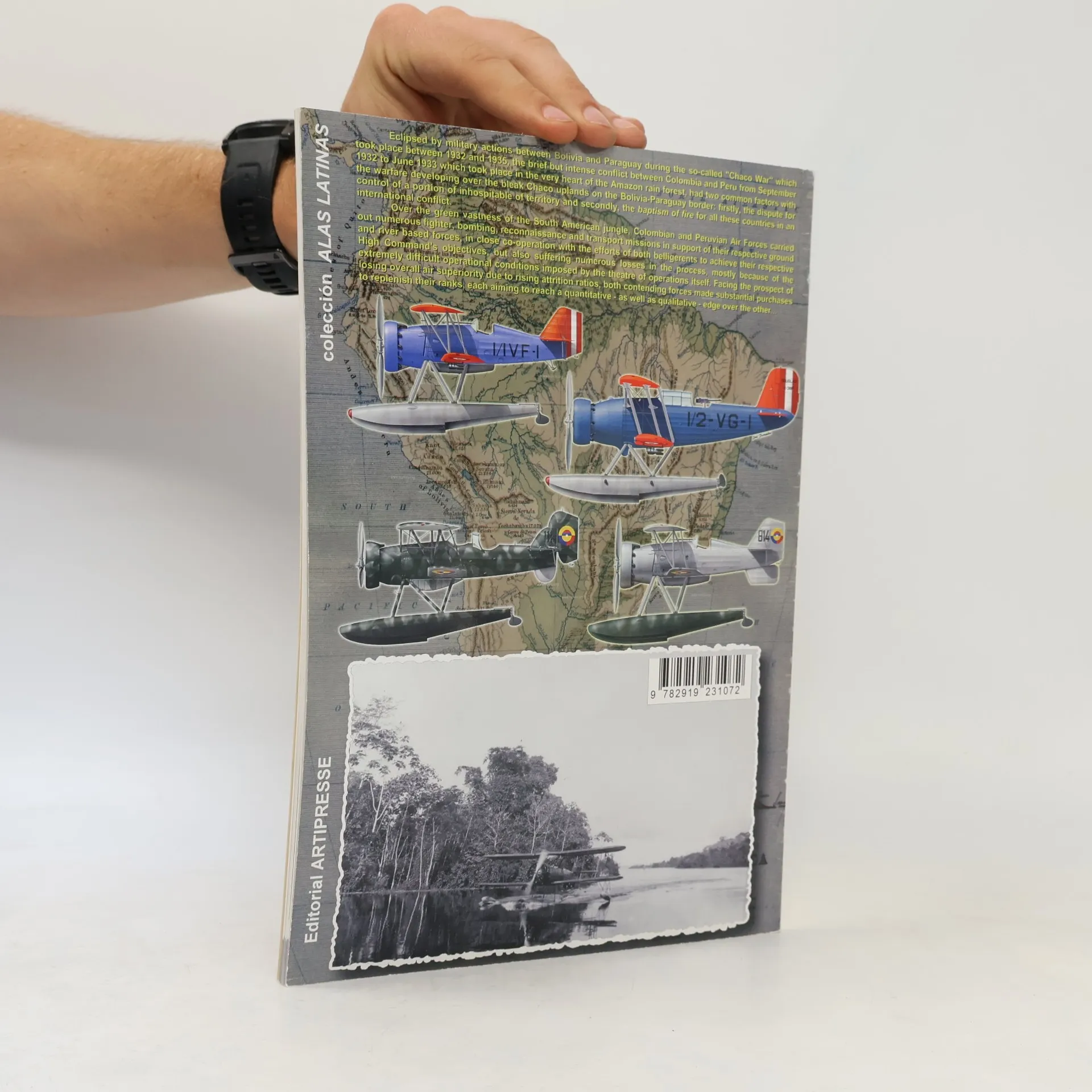
Eclipsed by military actions between Bolivia and Paraguay during the so-called "Chaco War" which took place between 1932 and 1935, the brief but intense conflict between Colombia and Peru from September 1932 to June 1933 which took place in the very heart of the Amazon rain forest, had two common factors with the warfare developing over the bleak Chaco uplands on the Bolivia-Paraguay border: firstly, the dispute for control of a portion of inhospitable of territory and secondly, the baptism of fire for all these countries in an international conflict. Over the green vastness of the South American jungle, Colombian and Peruvian Air Forces carried out numerous fighter, bombing, reconnaissance and transport missions in support of their respective ground and river based forces, in close co-operation with the efforts of both belligerents to achieve their respective High Command's objectives, but also suffering numerous losses in the process, mostly because of the extremely difficult operational conditions imposed by the theatre of operations itself. Facing the prospect of losing overall air superiority due to rising attrition ratios, both contending forces made substantial purchases to replenish their ranks, each aiming to reach a quantitative - as well as qualitative - edge over the other.
Book purchase
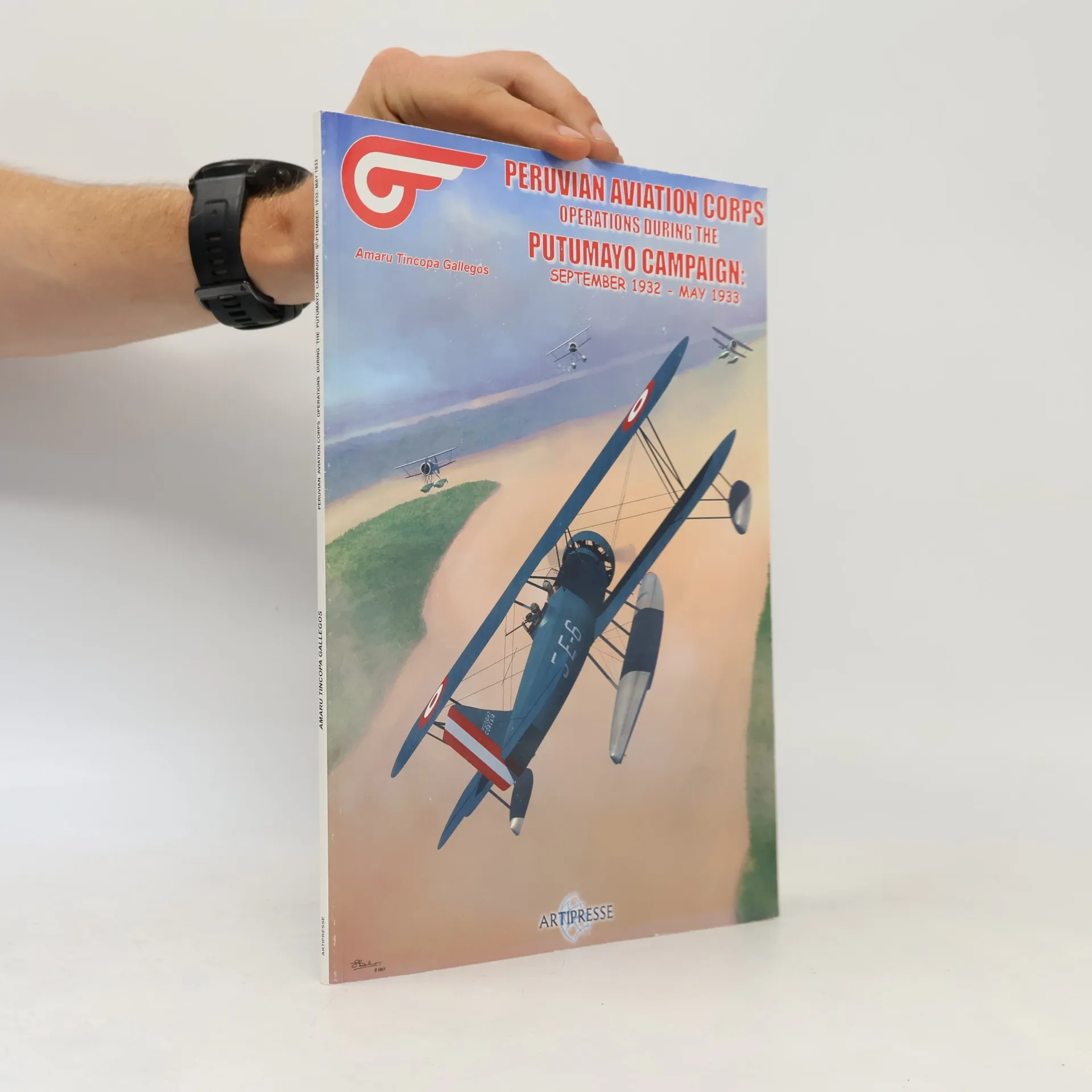
Peruvian Aviation Corps Operations During the Putumayo Campaign: September 1932 – May 1933, Amaru Tincopa Gallegos
- Language

- Released
- 2013
- Binding
- (Paperback)
Payment methods
No one has rated yet.
- Title
- Peruvian Aviation Corps Operations During the Putumayo Campaign: September 1932 – May 1933
- Language
- English
- Authors
- Amaru Tincopa Gallegos
- Publisher
- ARTIPRESSE
- Released
- 2013
- Format
- Paperback
- ISBN10
- 2919231073
- ISBN13
- 9782919231072
- Series
- Tags
- Description
- Eclipsed by military actions between Bolivia and Paraguay during the so-called "Chaco War" which took place between 1932 and 1935, the brief but intense conflict between Colombia and Peru from September 1932 to June 1933 which took place in the very heart of the Amazon rain forest, had two common factors with the warfare developing over the bleak Chaco uplands on the Bolivia-Paraguay border: firstly, the dispute for control of a portion of inhospitable of territory and secondly, the baptism of fire for all these countries in an international conflict. Over the green vastness of the South American jungle, Colombian and Peruvian Air Forces carried out numerous fighter, bombing, reconnaissance and transport missions in support of their respective ground and river based forces, in close co-operation with the efforts of both belligerents to achieve their respective High Command's objectives, but also suffering numerous losses in the process, mostly because of the extremely difficult operational conditions imposed by the theatre of operations itself. Facing the prospect of losing overall air superiority due to rising attrition ratios, both contending forces made substantial purchases to replenish their ranks, each aiming to reach a quantitative - as well as qualitative - edge over the other.