

Parameters
- 208 pages
- 8 hours of reading
More about the book
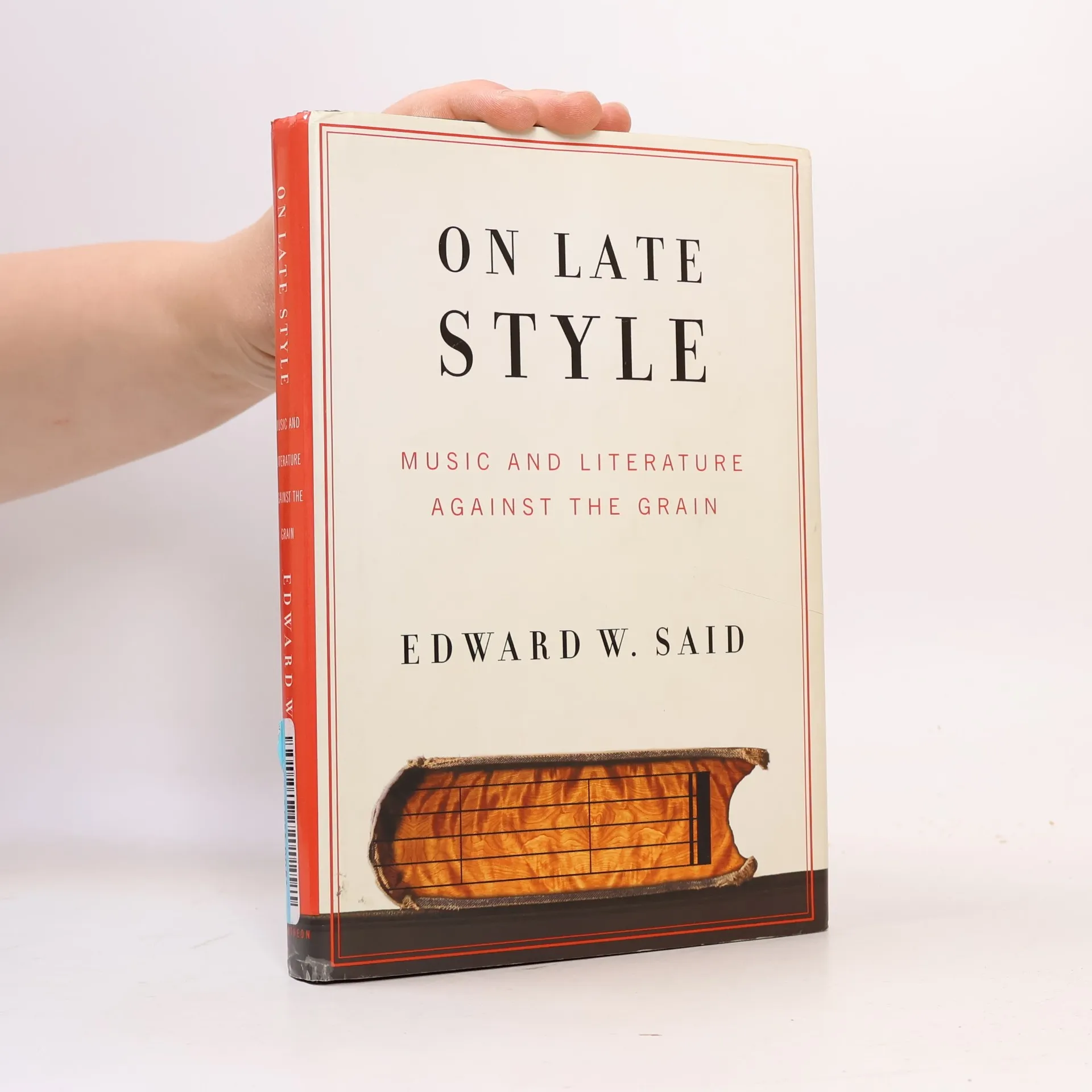
In his compelling final work, Edward Said explores a range of essays, poems, novels, films, and operas to uncover what late style reveals about the creative life. He examines how an artist's impending death can manifest in their work, highlighting the late creations of figures like Thomas Mann, Richard Strauss, and Jean Genet. Said analyzes various masterpieces, including Beethoven’s Missa Solemnis, Genet’s Le captif amoureux, and Thomas Mann’s Death in Venice, among others. He notes that late works can exhibit an “unearthly serenity,” as seen in the creations of Sophocles, Shakespeare, and Bach, which reflect a culmination of artistic achievement. However, he focuses on artistic lateness characterized by “intransigence, difficulty, and unresolved contradiction.” Said also discusses Theodor Adorno and Glenn Gould, who opted to cease performing, thus crafting their own interpretation of lateness. He emphasizes that the works he examines are often fraught with conflict and complexity, suggesting that lateness can represent a form of exile. These creations frequently opposed contemporary trends but served as precursors to future developments in their respective fields—true expressions of genius. Eloquent and impassioned, this book stands as Edward Said’s remarkable final contribution.

Book purchase
On Late Style, Edward Said
- Language

- Released
- 2006
- Binding
- (Hardcover)
Payment methods
We’re missing your review here.
- Title
- On Late Style
- Subtitle
- Music and Literature Against the Grain
- Language
- English
- Authors
- Edward Said
- Publisher
- Pantheon Books
- Released
- 2006
- Format
- Hardcover
- Pages
- 208
- ISBN10
- 037542105X
- ISBN13
- 9780375421051
- Series
- Categories
- Rating
- 4 out of 5
- Description
- In his compelling final work, Edward Said explores a range of essays, poems, novels, films, and operas to uncover what late style reveals about the creative life. He examines how an artist's impending death can manifest in their work, highlighting the late creations of figures like Thomas Mann, Richard Strauss, and Jean Genet. Said analyzes various masterpieces, including Beethoven’s Missa Solemnis, Genet’s Le captif amoureux, and Thomas Mann’s Death in Venice, among others. He notes that late works can exhibit an “unearthly serenity,” as seen in the creations of Sophocles, Shakespeare, and Bach, which reflect a culmination of artistic achievement. However, he focuses on artistic lateness characterized by “intransigence, difficulty, and unresolved contradiction.” Said also discusses Theodor Adorno and Glenn Gould, who opted to cease performing, thus crafting their own interpretation of lateness. He emphasizes that the works he examines are often fraught with conflict and complexity, suggesting that lateness can represent a form of exile. These creations frequently opposed contemporary trends but served as precursors to future developments in their respective fields—true expressions of genius. Eloquent and impassioned, this book stands as Edward Said’s remarkable final contribution.