


More about the book
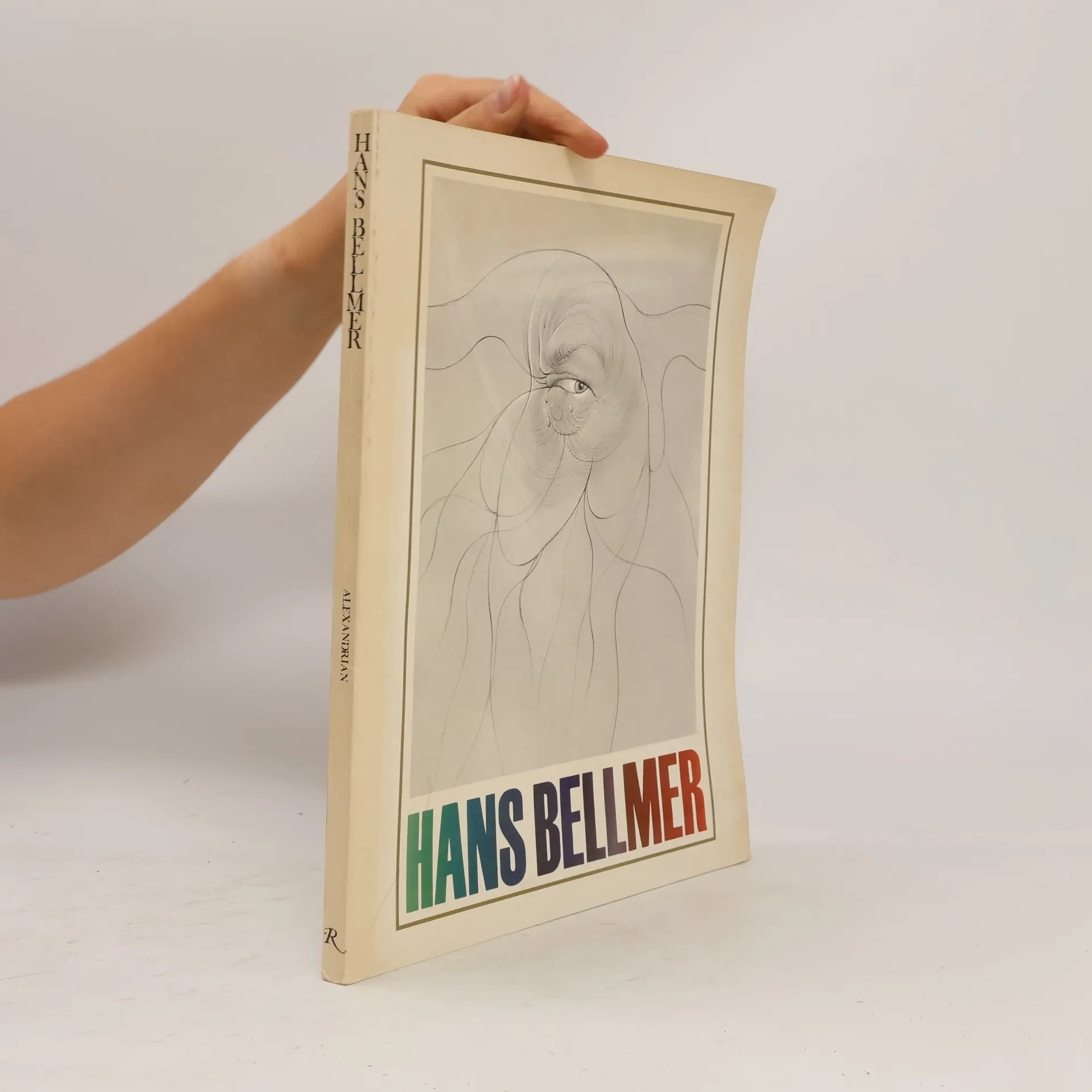
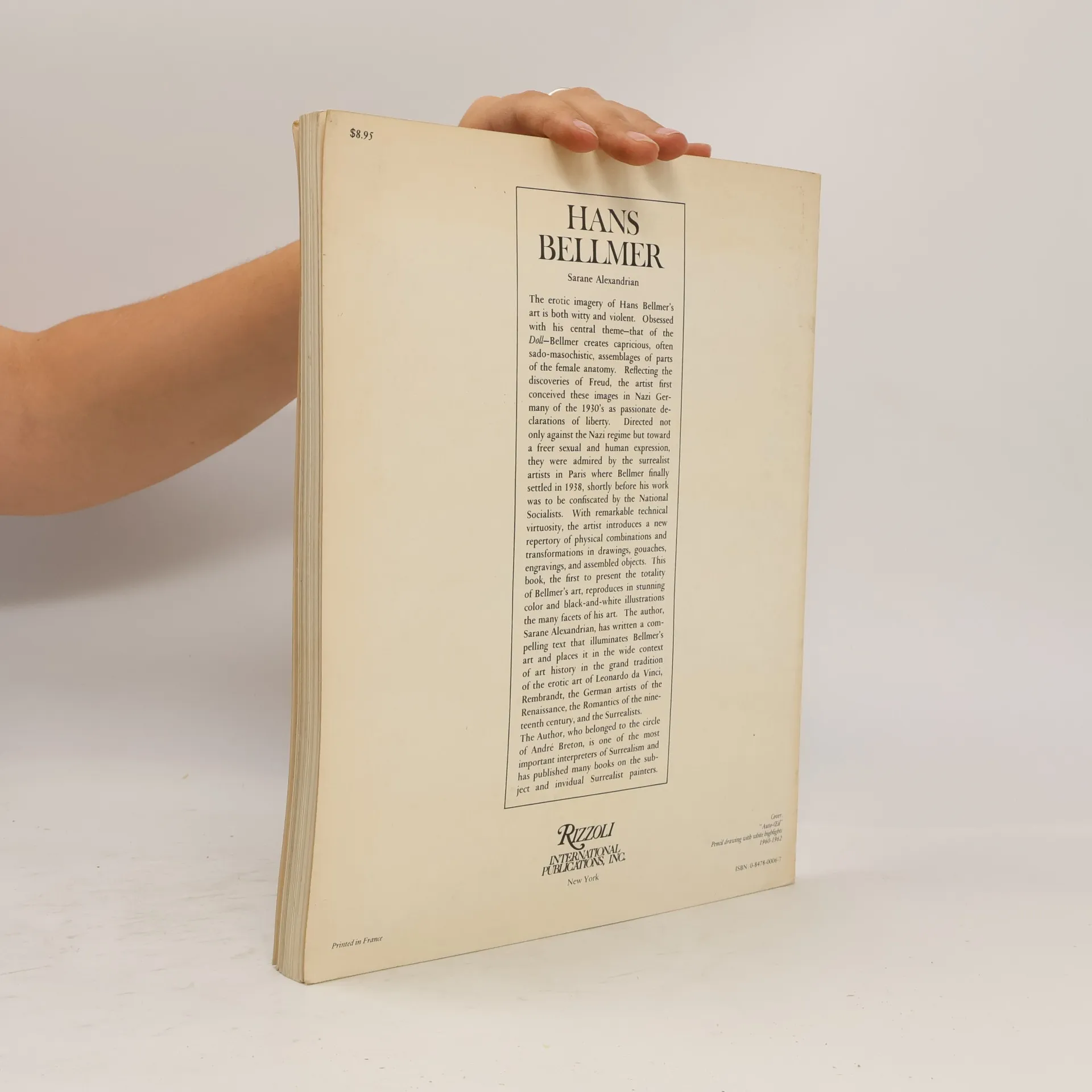
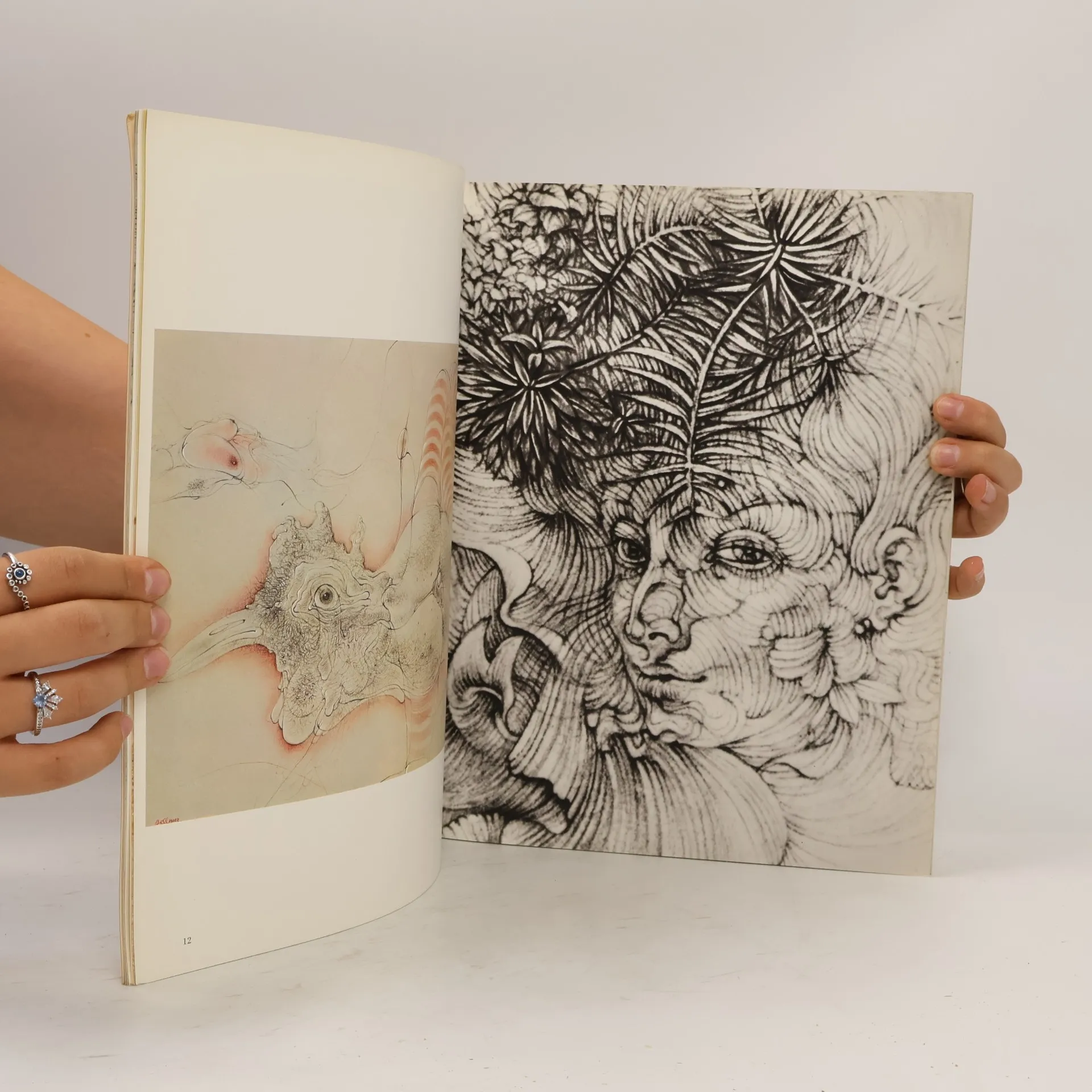
The fascination of the Surrealists with dolls and humanoid machines is particularly evident in the work of Hans Bellmer (1902-1975). In the years following 1933, the artist created disturbing dolls from wax, wood, flax, plaster, and glue, which he adorned with wigs and glass eyes, in a departure from the body cult of the National Socialists. Photos of these fetishistic figures were published in the surrealist magazine Minotaure and enthusiastically received by the circle around André Breton. The staging of the female body that underlies the famous doll constructions serves as a starting point for his further works: drawings, photographs, and graphics. Intensively engaged in the discussion of Freudian theses, he explored psychoanalytic theories of hysteria and transference, making a valuable contribution to the study of the relationship between language and body.


Book purchase
Hans Bellmer, Sarane Alexandrian, Hans Bellmer
- Language

- Released
- 1975
- Binding
- (Paperback)
Payment methods
We’re missing your review here.
- Title
- Hans Bellmer
- Language
- English
- Authors
- Sarane Alexandrian, Hans Bellmer
- Publisher
- Rizzoli International Publications
- Released
- 1975
- Format
- Paperback
- Pages
- 88
- ISBN10
- 0847800067
- ISBN13
- 9780847800063
- Series
- Categories
- Tags
- Art, Exhibition Catalogues
- Rating
- 5 out of 5
- Description
- The fascination of the Surrealists with dolls and humanoid machines is particularly evident in the work of Hans Bellmer (1902-1975). In the years following 1933, the artist created disturbing dolls from wax, wood, flax, plaster, and glue, which he adorned with wigs and glass eyes, in a departure from the body cult of the National Socialists. Photos of these fetishistic figures were published in the surrealist magazine Minotaure and enthusiastically received by the circle around André Breton. The staging of the female body that underlies the famous doll constructions serves as a starting point for his further works: drawings, photographs, and graphics. Intensively engaged in the discussion of Freudian theses, he explored psychoanalytic theories of hysteria and transference, making a valuable contribution to the study of the relationship between language and body.