

More about the book
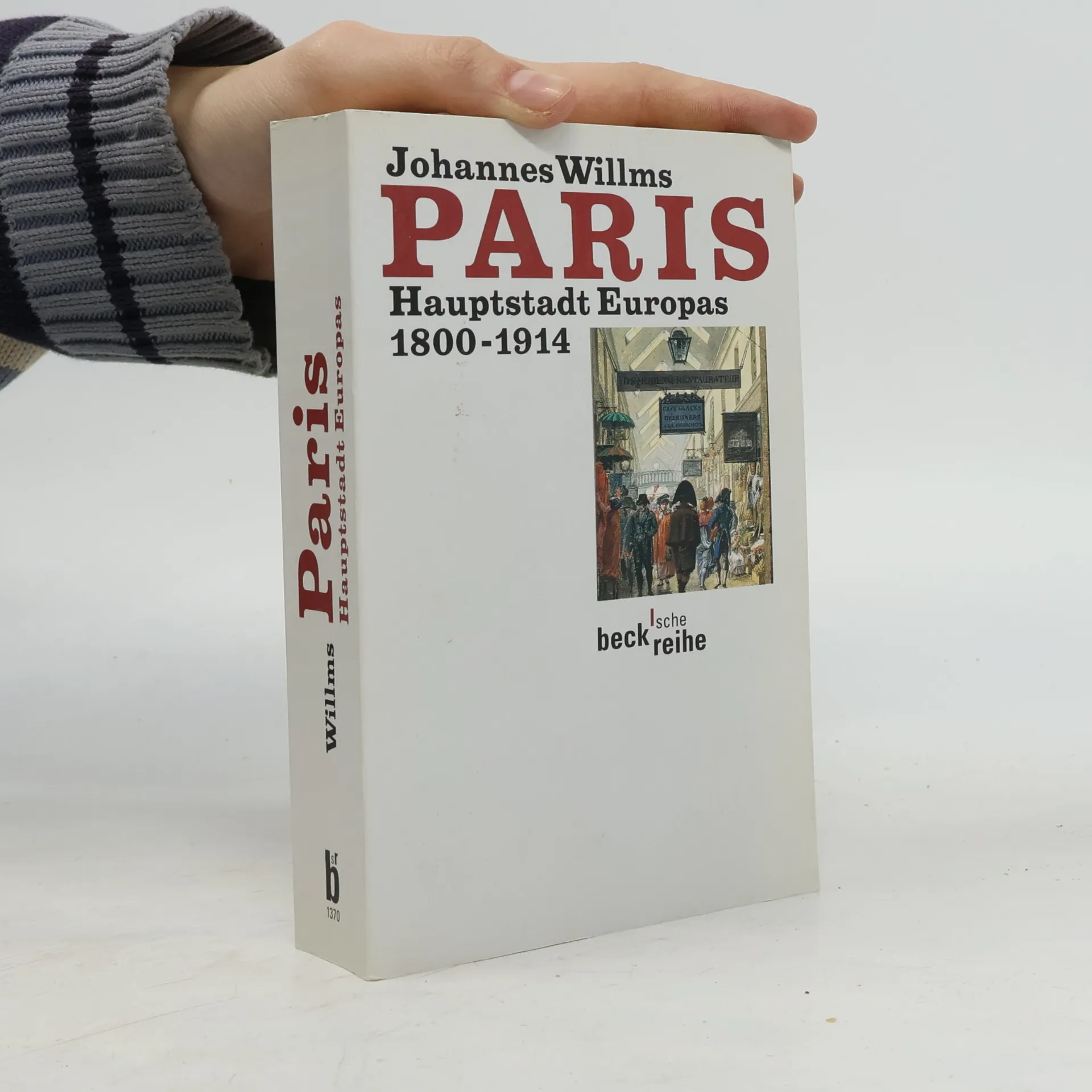
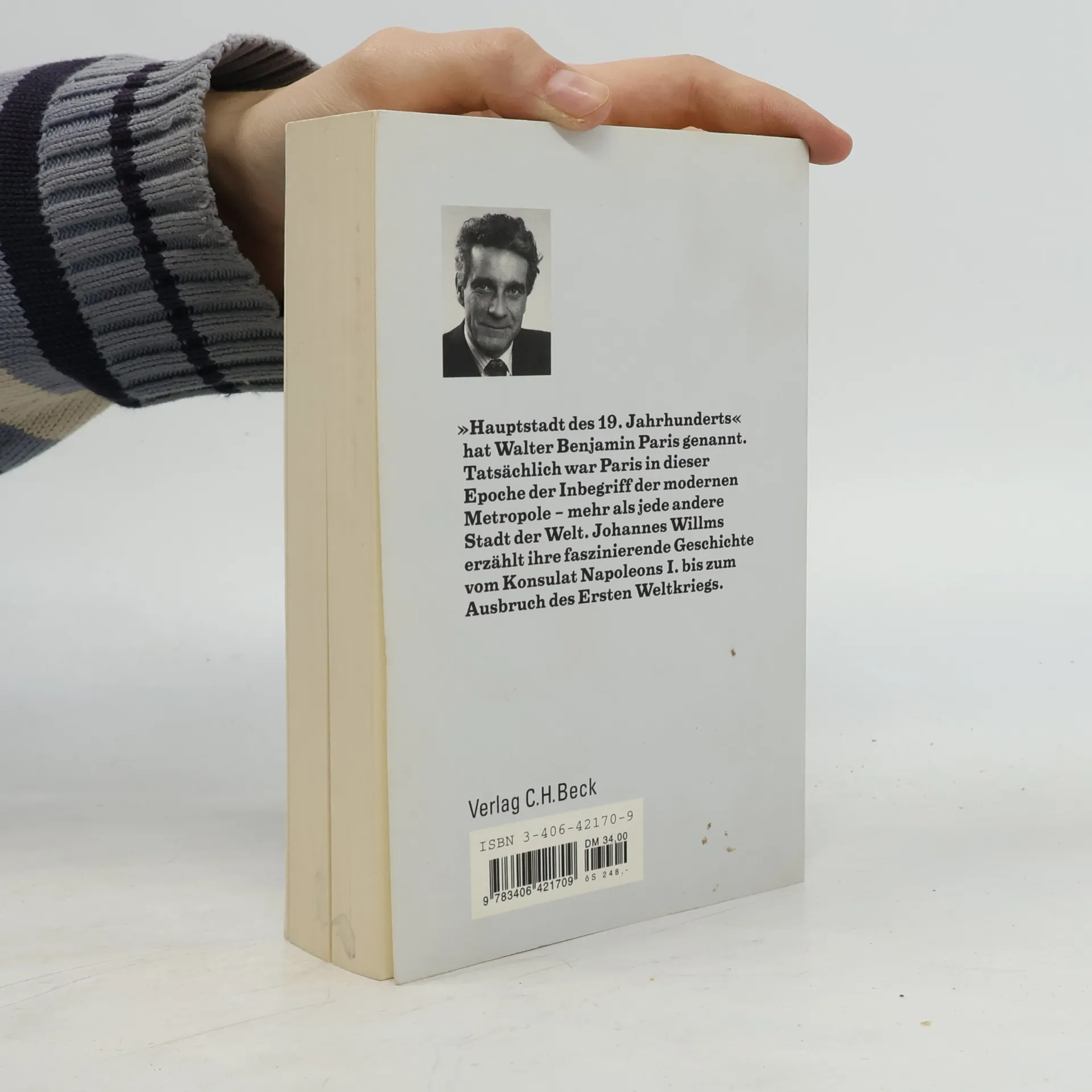
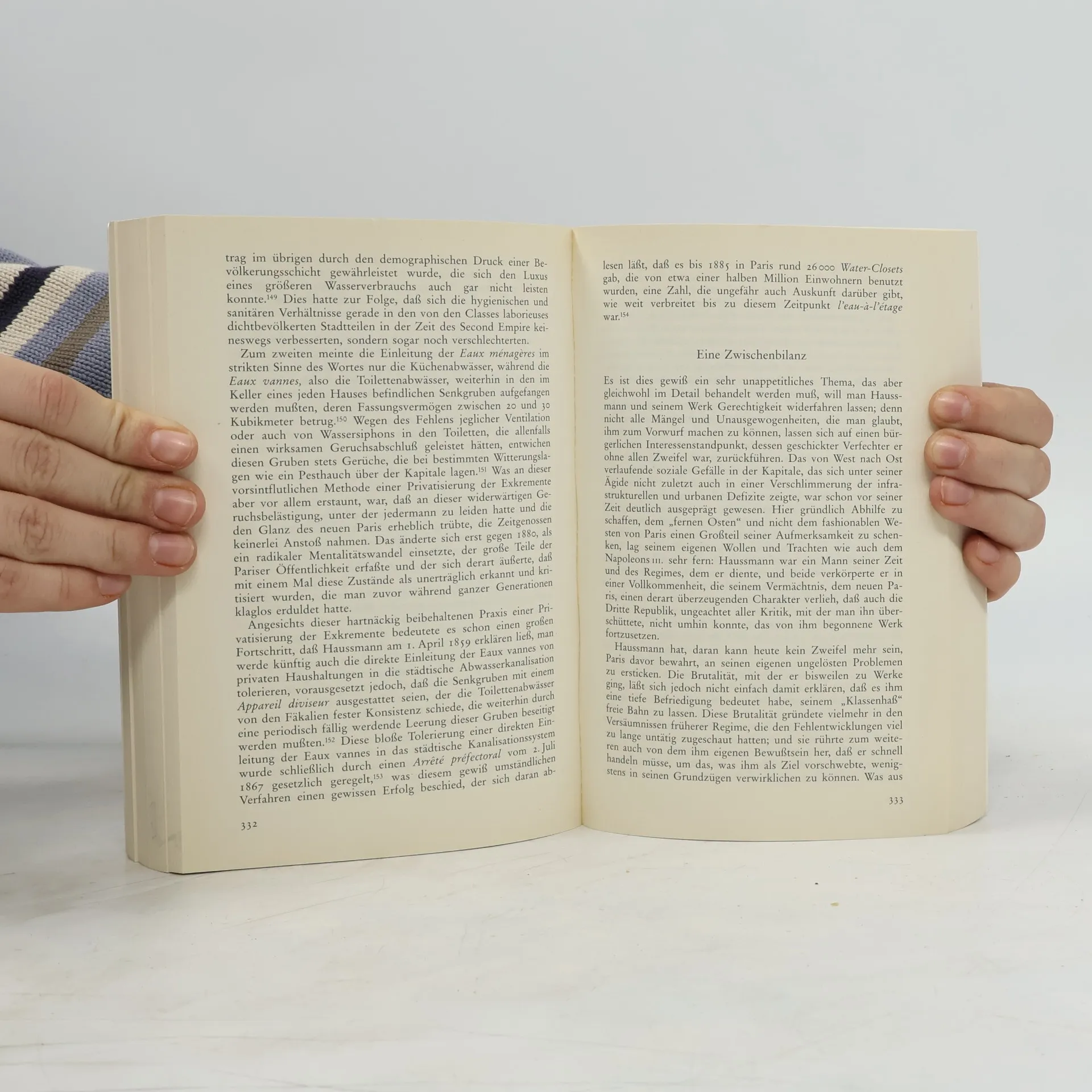
Few understand or appreciate the evolutionary process that transformed Paris from the capital of France into the capital of Europe. From the Revolution to the Belle Epoque is the lively, provocative, meticulously researched story of that remarkable transformation. Johannes Willms, a historian and journalist, covers the years from the brink of upheaval on the eve of the Revolution to the First World War and masterfully weaves various social, political, artistic and economic threads into a vivid tapestry, allowing the general reader, as well as the scholar, the rare opportunity to grasp the city in Proustian detail. street life and repression, social customs, Napoleonic architecture, the growth of trade and commerce, work and wages, health and hygiene, morality, class struggles, crime, and of course art and entertainment. Willms culls his information from a wide range of scholarly histories in several languages, municipal archives, novels, and even guidebooks. social history of the city whose reign as the capital of Europe may have ended long ago, but which, true to its motto - fluctuat, nec mergitur (it is tossed by the waves but does not sink) - remains redoubtable.
Publication

Book purchase
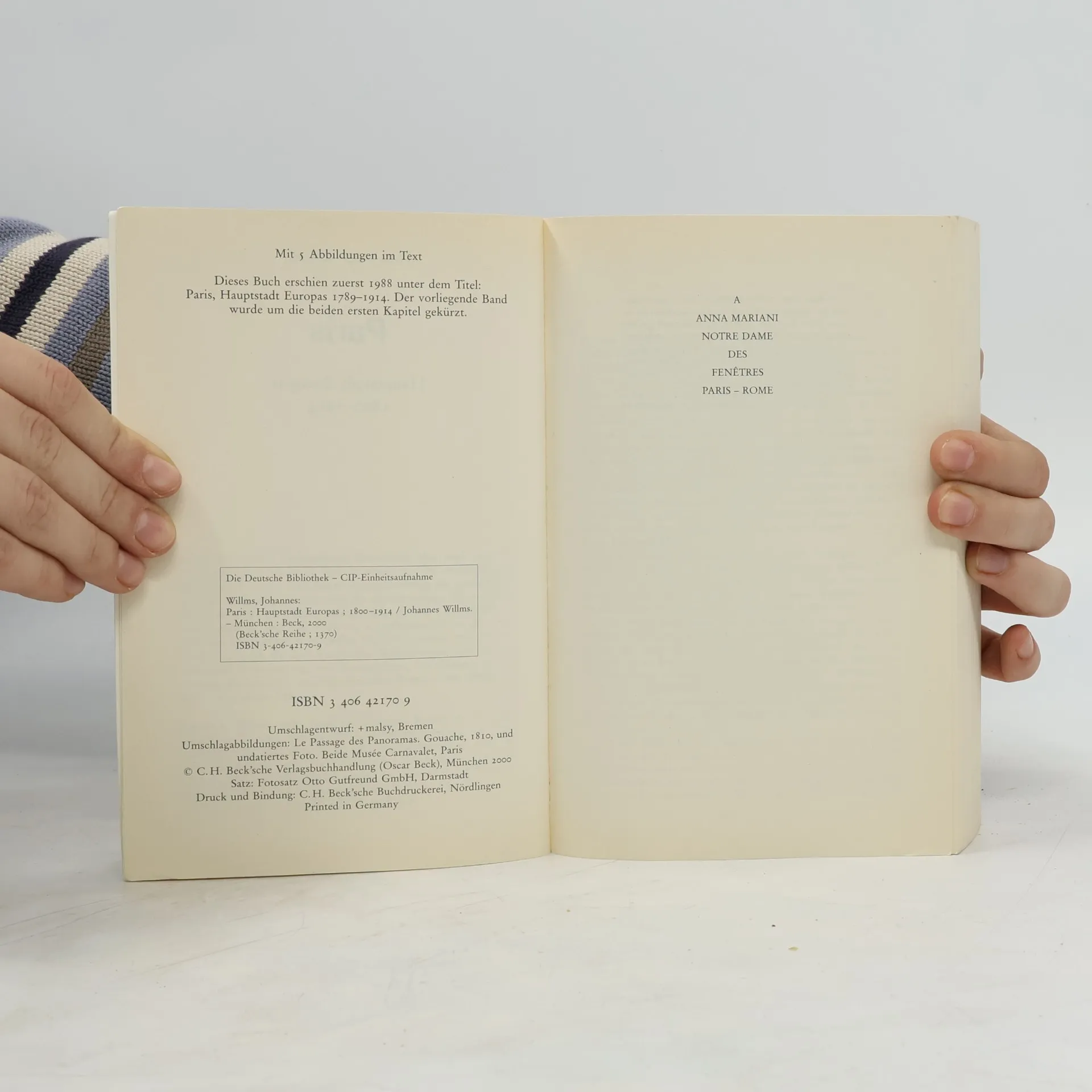
Beck'sche Reihe: Paris, Johannes Willms
- Language

- Released
- 2000
- Binding
- (Paperback),
- Book condition
- Good
- Price
- €5.29
Payment methods
No one has rated yet.
- Title
- Beck'sche Reihe: Paris
- Language
- German
- Authors
- Johannes Willms
- Publisher
- Beck
- Released
- 2000
- Format
- Paperback
- Pages
- 535
- ISBN10
- 3406421709
- ISBN13
- 9783406421709
- Series
- Categories
- Tags
- Historical Themes, France, Paris
- Description
- Few understand or appreciate the evolutionary process that transformed Paris from the capital of France into the capital of Europe. From the Revolution to the Belle Epoque is the lively, provocative, meticulously researched story of that remarkable transformation. Johannes Willms, a historian and journalist, covers the years from the brink of upheaval on the eve of the Revolution to the First World War and masterfully weaves various social, political, artistic and economic threads into a vivid tapestry, allowing the general reader, as well as the scholar, the rare opportunity to grasp the city in Proustian detail. street life and repression, social customs, Napoleonic architecture, the growth of trade and commerce, work and wages, health and hygiene, morality, class struggles, crime, and of course art and entertainment. Willms culls his information from a wide range of scholarly histories in several languages, municipal archives, novels, and even guidebooks. social history of the city whose reign as the capital of Europe may have ended long ago, but which, true to its motto - fluctuat, nec mergitur (it is tossed by the waves but does not sink) - remains redoubtable.