

Parameters
- 588 pages
- 21 hours of reading
More about the book
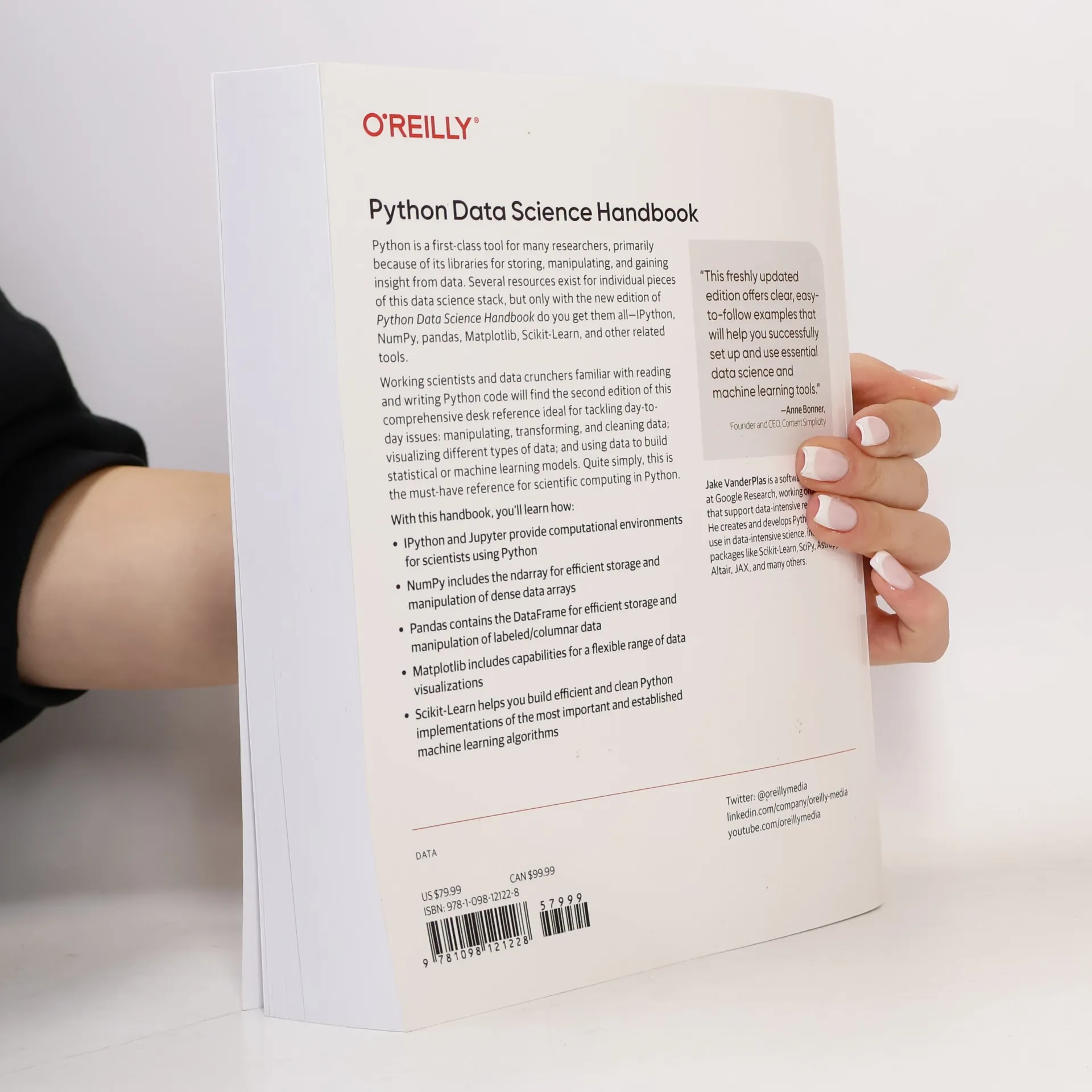
Python is a first-class tool for many researchers, primarily because of its libraries for storing, manipulating, and gaining insight from data. Several resources exist for individual pieces of this data science stack, but only with the new edition of Python Data Science Handbook do you get them all--IPython, NumPy, pandas, Matplotlib, scikit-learn, and other related tools. Working scientists and data crunchers familiar with reading and writing Python code will find the second edition of this comprehensive desk reference ideal for tackling day-to-day issues: manipulating, transforming, and cleaning data; visualizing different types of data; and using data to build statistical or machine learning models. Quite simply, this is the must-have reference for scientific computing in Python. With this handbook, you'll learn how: IPython and Jupyter provide computational environments for scientists using Python NumPy includes the ndarray for efficient storage and manipulation of dense data arrays Pandas contains the DataFrame for efficient storage and manipulation of labeled/columnar data Matplotlib includes capabilities for a flexible range of data visualizations Scikit-learn helps you build efficient and clean Python implementations of the most important and established machine learning algorithms
Book purchase
Python Data Science Handbook, Jake VanderPlas
- Language

- Released
- 2023
- Binding
- (Paperback),
- Book condition
- Very Good
- Price
- €43.99
Payment methods
No one has rated yet.
- Title
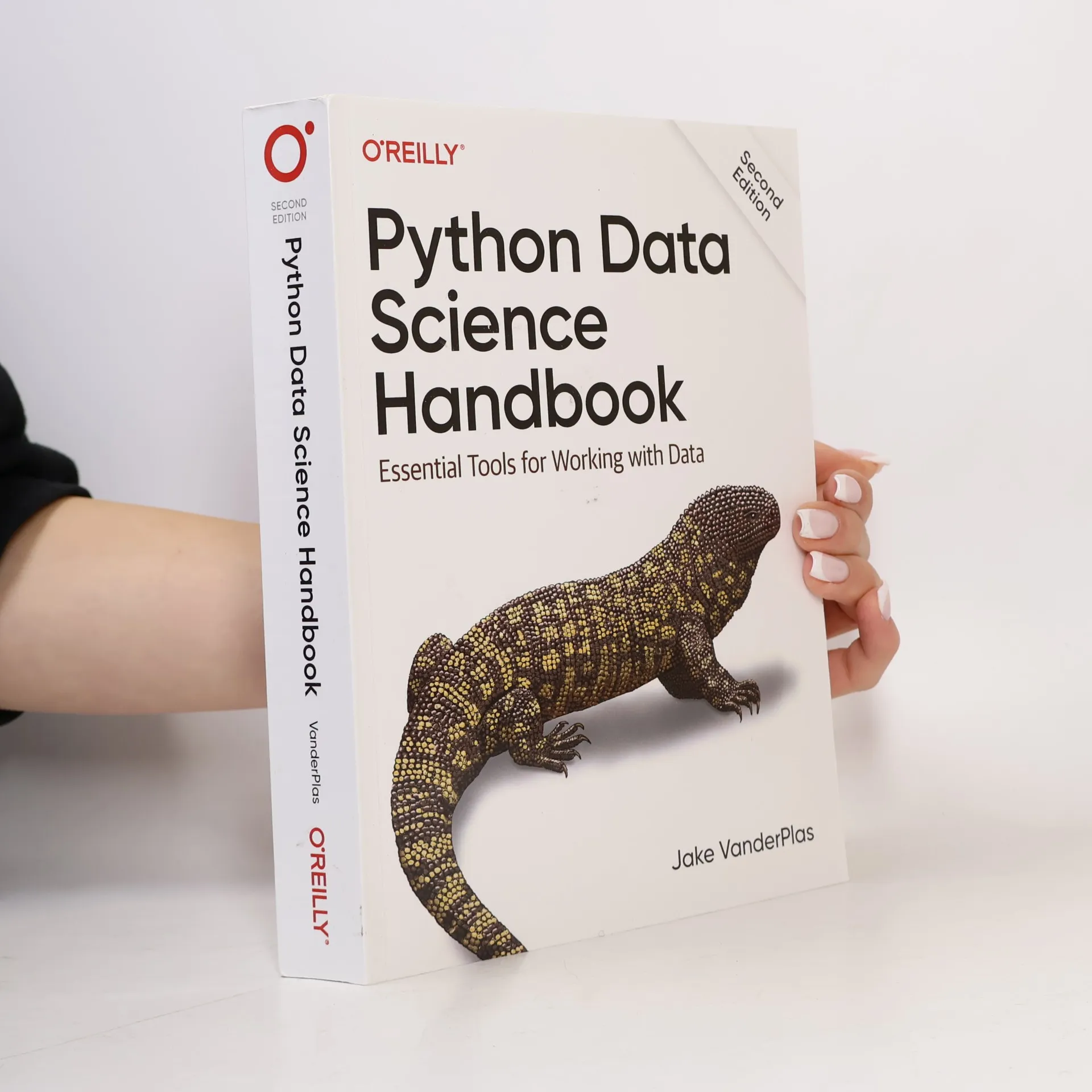
- Python Data Science Handbook
- Subtitle
- Essential Tools for Working with Data, Second Edition
- Language
- English
- Authors
- Jake VanderPlas
- Publisher
- O'Reilly Media
- Released
- 2023
- Format
- Paperback
- Pages
- 588
- ISBN10
- 1098121228
- ISBN13
- 9781098121228
- Series
- Categories
- Tags
- References & Manuals, Architecture, Science, Technology, Professional Literature, Internet, Artificial Intelligence, Web Development, Software Development, Databases, Methodology, Data Processing, Data Analysis, Machine Learning, Open Source
- Description
- Python is a first-class tool for many researchers, primarily because of its libraries for storing, manipulating, and gaining insight from data. Several resources exist for individual pieces of this data science stack, but only with the new edition of Python Data Science Handbook do you get them all--IPython, NumPy, pandas, Matplotlib, scikit-learn, and other related tools. Working scientists and data crunchers familiar with reading and writing Python code will find the second edition of this comprehensive desk reference ideal for tackling day-to-day issues: manipulating, transforming, and cleaning data; visualizing different types of data; and using data to build statistical or machine learning models. Quite simply, this is the must-have reference for scientific computing in Python. With this handbook, you'll learn how: IPython and Jupyter provide computational environments for scientists using Python NumPy includes the ndarray for efficient storage and manipulation of dense data arrays Pandas contains the DataFrame for efficient storage and manipulation of labeled/columnar data Matplotlib includes capabilities for a flexible range of data visualizations Scikit-learn helps you build efficient and clean Python implementations of the most important and established machine learning algorithms