



Parameters
- 256 pages
- 9 hours of reading
More about the book
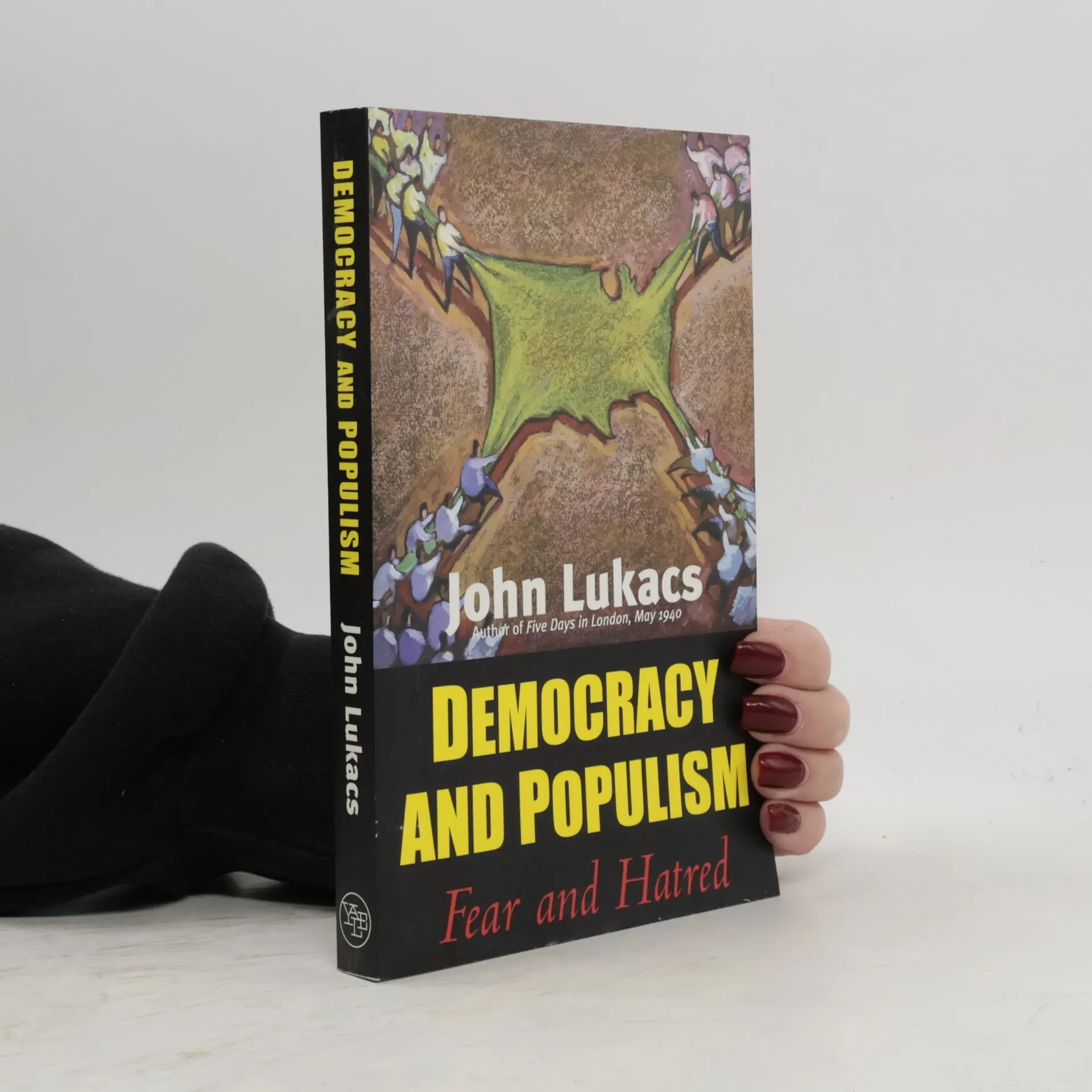
This intensely interesting—and troubling—book is the product of a lifetime of reflection and study of democracy. In it, John Lukacs addresses the questions of how our democracy has changed and why we have become vulnerable to the shallowest possible demagoguery. Lukacs contrasts the political systems, movements, and ideologies that have bedeviled the twentieth century: democracy, Liberalism, nationalism, fascism, Bolshevism, National Socialism, populism. Reflecting on American democracy, Lukacs describes its evolution from the eighteenth century to its current form—a dangerous and possibly irreversible populism. This involves, among other things, the predominance of popular sentiment over what used to be public opinion. This devolution has happened through the gigantic machinery of publicity, substituting propaganda—and entertainment—for knowledge, and ideology for a sense of history. It is a kind of populism that relies on nationalism and militarism to hold society together. Lukacs’s observations are original, biting, timely, sure to inspire lively debate about the precarious state of American democracy today.
Book purchase
Democracy and Populism, John Lukacs
- Language

- Released
- 2005
- Binding
- (Hardcover),
- Book condition
- Good
- Price
- €8.19
Payment methods
No one has rated yet.
- Title
- Democracy and Populism
- Subtitle
- Fear and Hatred
- Language
- English
- Authors
- John Lukacs
- Publisher
- Yale University Press
- Released
- 2005
- Format
- Hardcover
- Pages
- 256
- ISBN10
- 0300107730
- ISBN13
- 9780300107739
- Series
- Categories
- Description
- This intensely interesting—and troubling—book is the product of a lifetime of reflection and study of democracy. In it, John Lukacs addresses the questions of how our democracy has changed and why we have become vulnerable to the shallowest possible demagoguery. Lukacs contrasts the political systems, movements, and ideologies that have bedeviled the twentieth century: democracy, Liberalism, nationalism, fascism, Bolshevism, National Socialism, populism. Reflecting on American democracy, Lukacs describes its evolution from the eighteenth century to its current form—a dangerous and possibly irreversible populism. This involves, among other things, the predominance of popular sentiment over what used to be public opinion. This devolution has happened through the gigantic machinery of publicity, substituting propaganda—and entertainment—for knowledge, and ideology for a sense of history. It is a kind of populism that relies on nationalism and militarism to hold society together. Lukacs’s observations are original, biting, timely, sure to inspire lively debate about the precarious state of American democracy today.