
Explore the latest books of this year!
Bookbot

Cambridge Handbooks for Language Teachers Series

This series of professional handbooks serves as an invaluable resource for language teachers at all levels. It offers practical advice and innovative strategies for modern language pedagogy. The guides cover a wide range of topics, from teaching methodologies and assessment to the integration of technology in the classroom. They are designed to help educators enhance their teaching skills and foster more effective student learning.

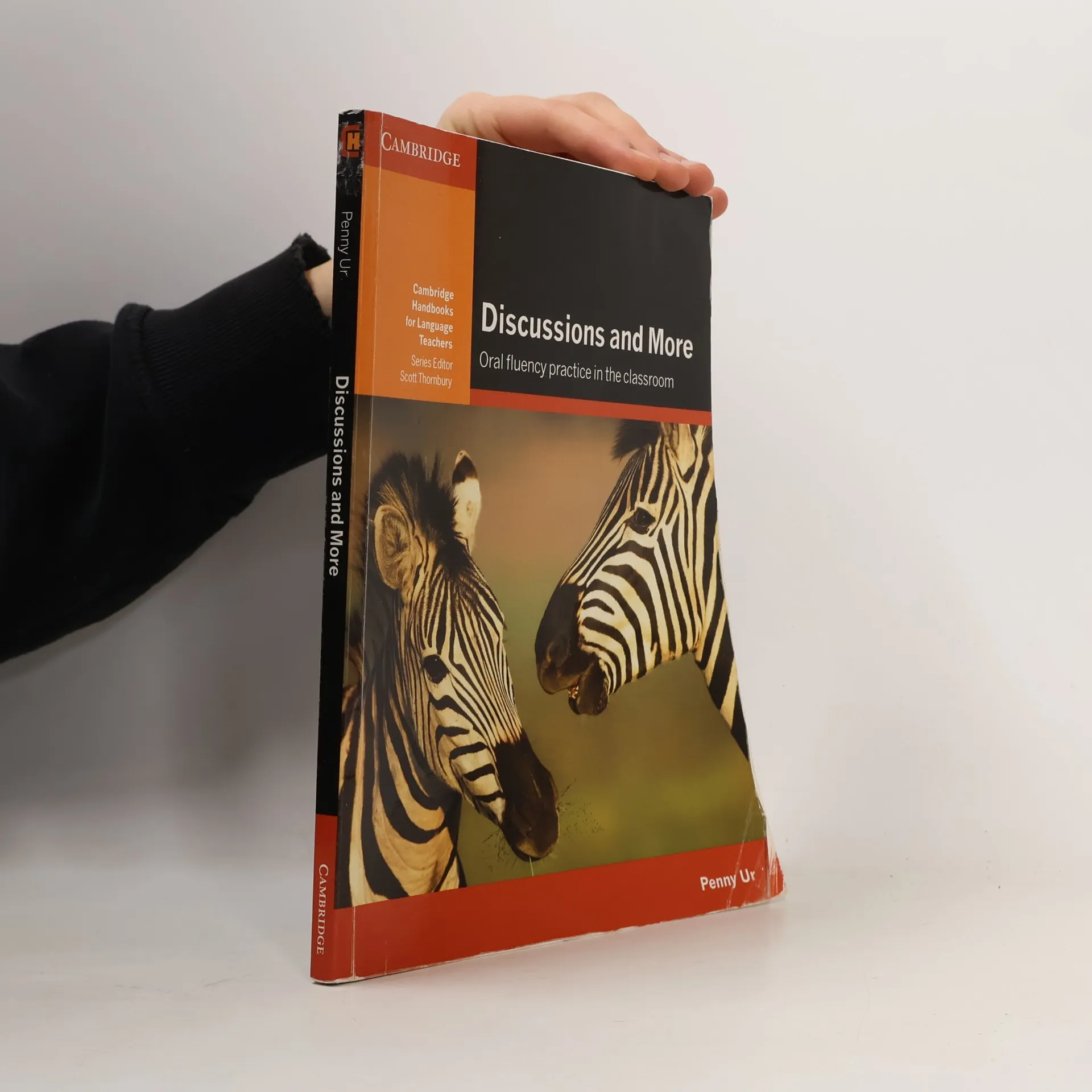
Discussions and More
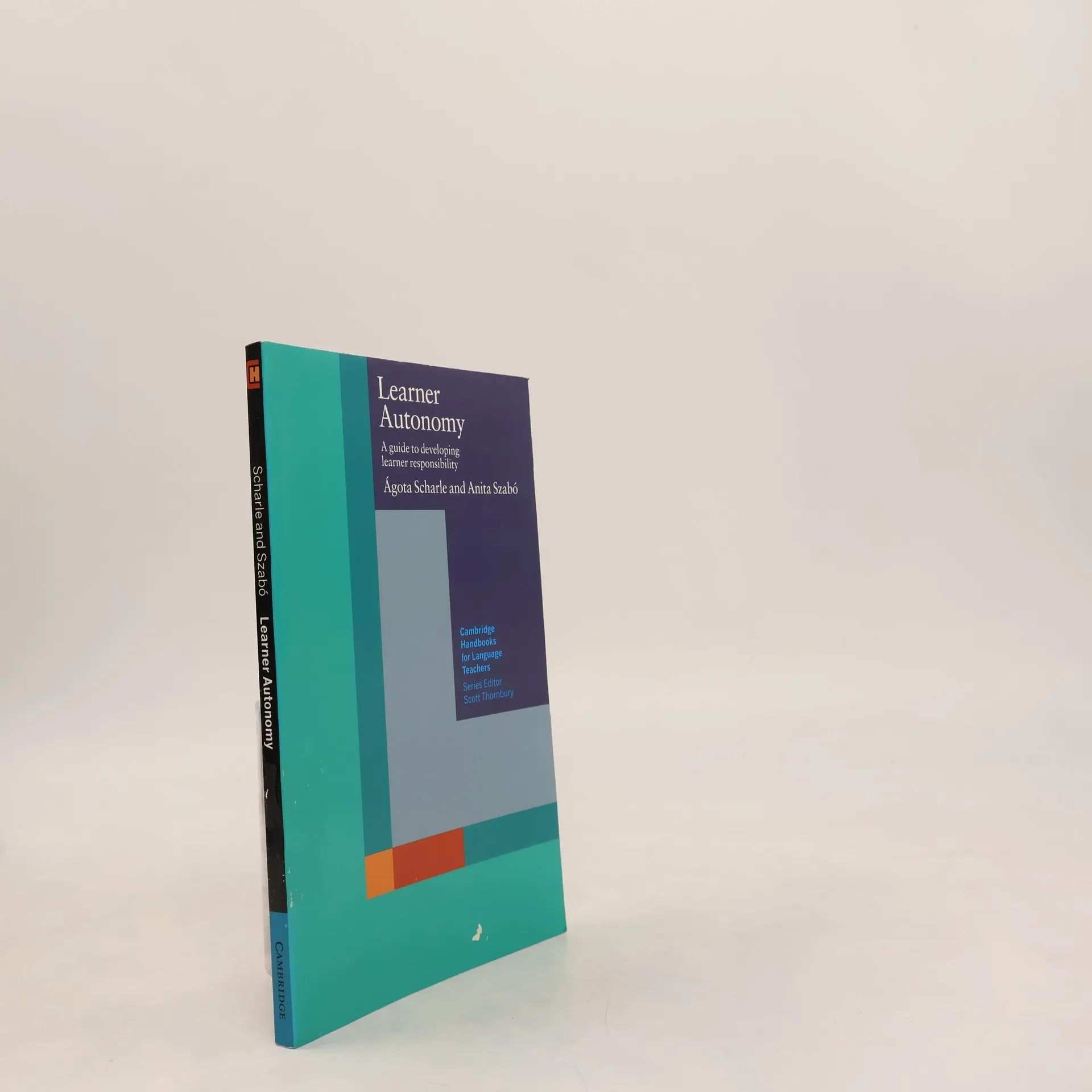
Learner Autonomy
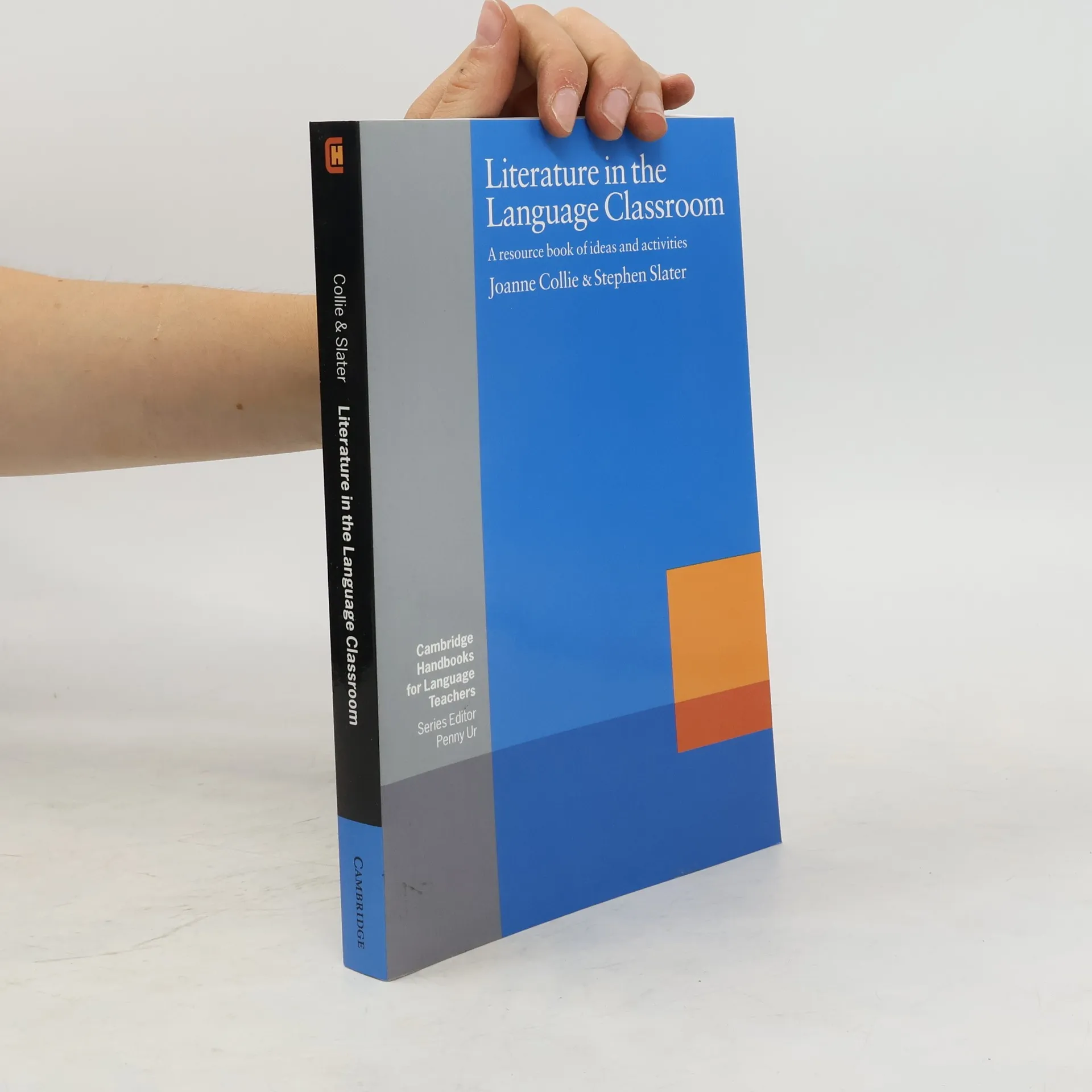
Literature in the Language Classroom
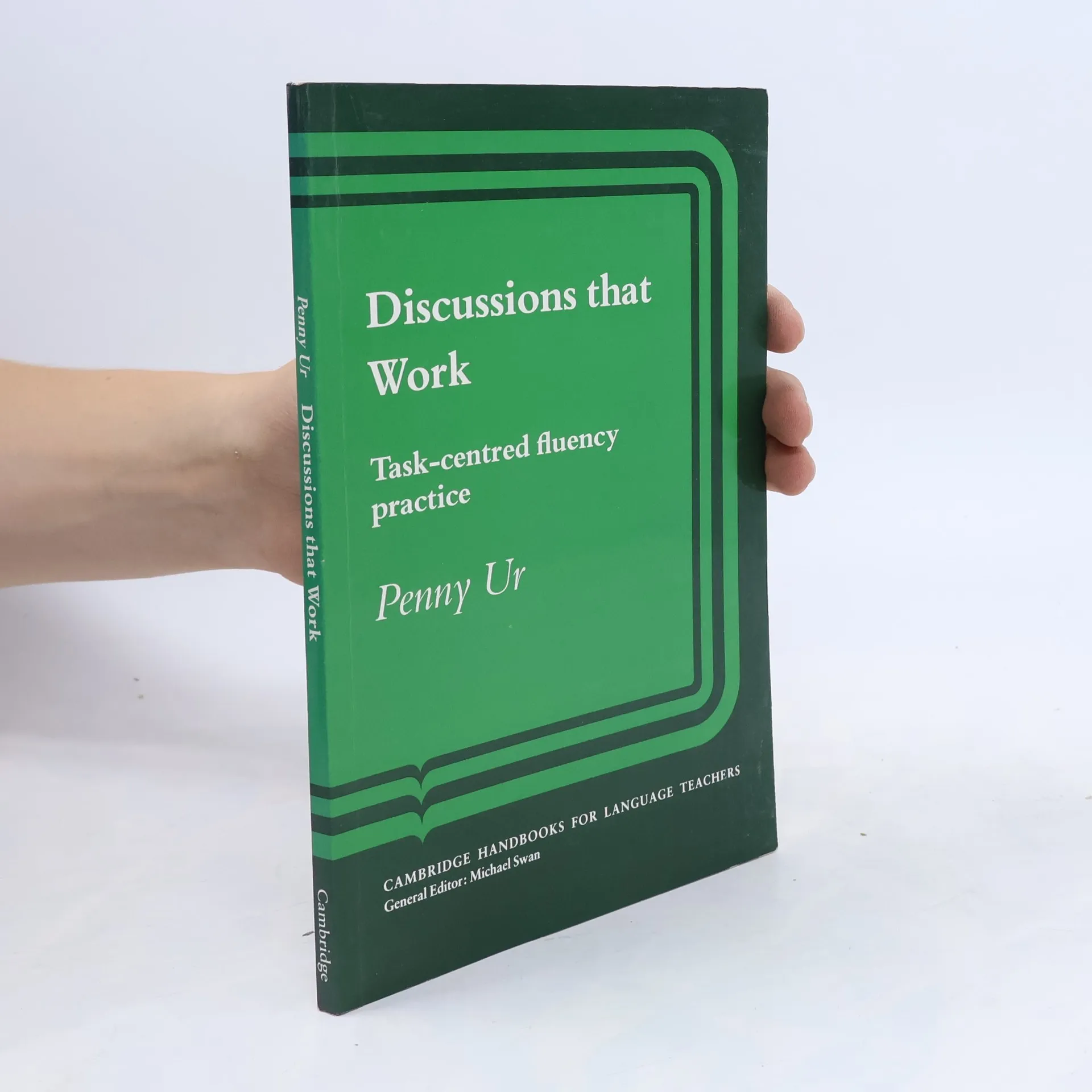
Discussions that Work. Task-centered fluency practice
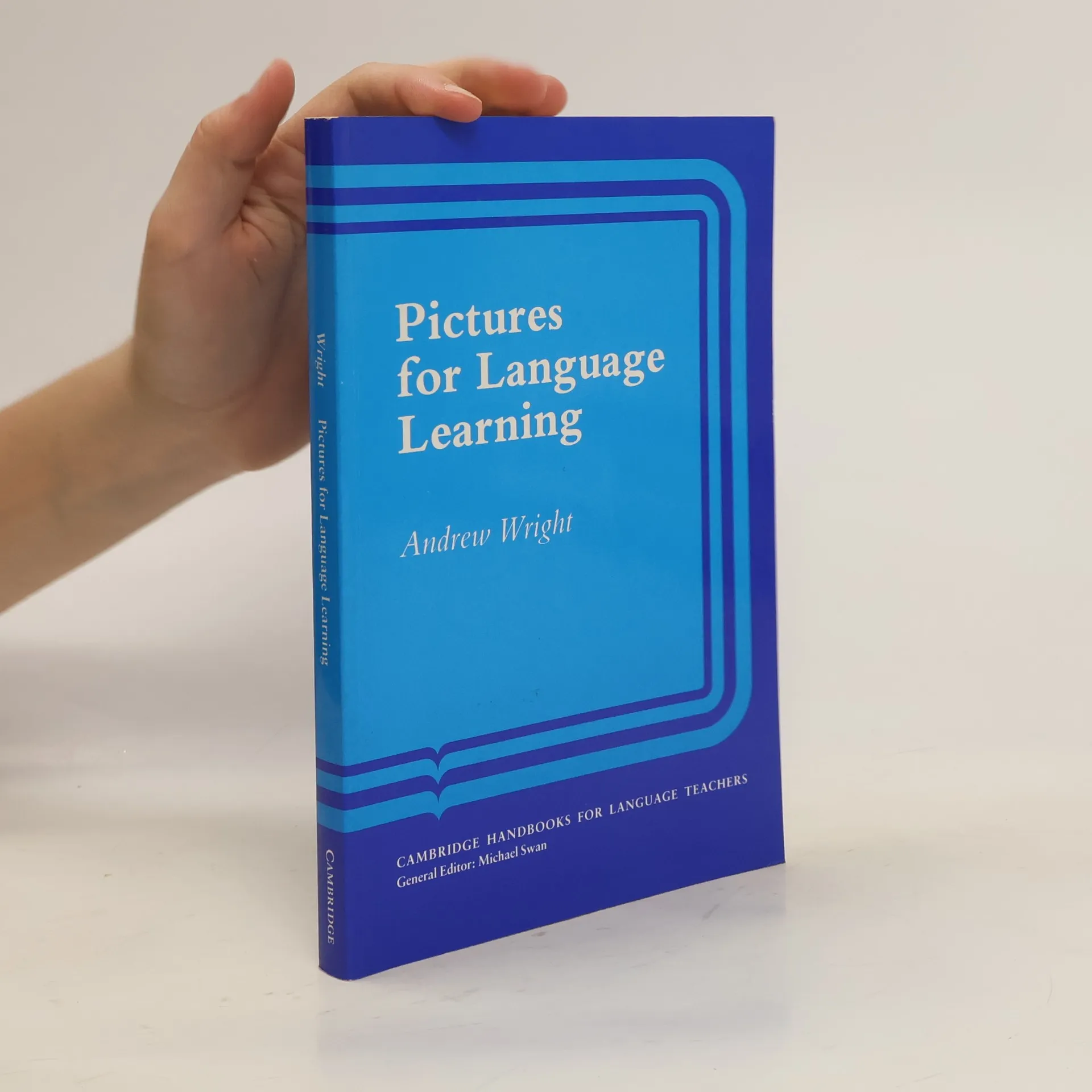
Pictures for Language Learning
  • Illustrated by the author, this analysis of the unique role of visual materials in the learning process will serve as a comprehensive resource and guide to current applications in language teaching.A richly illustrated and valuable guide to the role of pictures and other visual materials in language teaching. This book brings together a wealth of ideas on how to use pictures in a wide range of language learning situations. It discusses the contribution visuals can make to all the classroom settings in providing real opportunities for students to communicate, whether they are working as a class, in groups or in pairs. There are then over 200 practical suggestions for picture-generated language work. They make use of visual materials which are readily available to teachers anywhere or easy-to-copy illustrations. The activities can be integrated into all stages of the language teaching process and advice is given on how to adapt the ideas to suit different teaching environments. The book ends with advice on setting up a picture library, including how to find visuals, how to categorise pictures, and storage methods.
    Pictures for Language Learning
    3.8
  • How can you make a discussion really work? What sort of activities produce genuine and enthusiastic exchanges of ideas? How can you prepare such exercises quickly and easily? These are some of the questions that Discussions that Work sets out to answer. The first part provides some general guidelines on the organisation of successful task-centred activities. The second part consists of some fifty practical examples which have been tried and found effective in the classroom. They range from fairly simple to complex and sophisticated, and can thus be used with a wide range of learners, from elementary to the most advanced, in both secondary and adult education.

    Discussions that Work. Task-centered fluency practice
    4.0
  • This is a practical guide for practising teachers of English and teachers in training. It offers teachers a rationale and a variety of imaginative techniques for integrating literature work with language teaching. It is divided into three sections: Part I discusses the questions: Why teach literature? What should we teach? How should we teach it?; Part II outlines and illustrates a wealth of student-centred class and homework activities appropriate to each stage of the study of a literary work. Detailed descriptions of the activities are accompanied by numerous sample worksheets; Part III demonstrates techniques for working with complete texts, and shows how the activities outlined in Part II can be applied to particular novels, plays, short stories and poems. All activities described have been used successfully with a wide range of classes from intermediate level up.

    Literature in the Language Classroom
    3.6
  • Discussions and More

    • 152 pages
    • 6 hours of reading

    Focusing on enhancing speaking skills, this updated handbook offers a diverse array of engaging activities for learners of all ages and levels. It reflects three decades of evolution in English Language Teaching, featuring both classic and new game-like activities, debates, and presentations. Designed for minimal preparation, these motivating exercises foster high interaction, making it an essential resource for teachers eager to enrich their classrooms and support learners' oral fluency.

    Discussions and More
    4.0