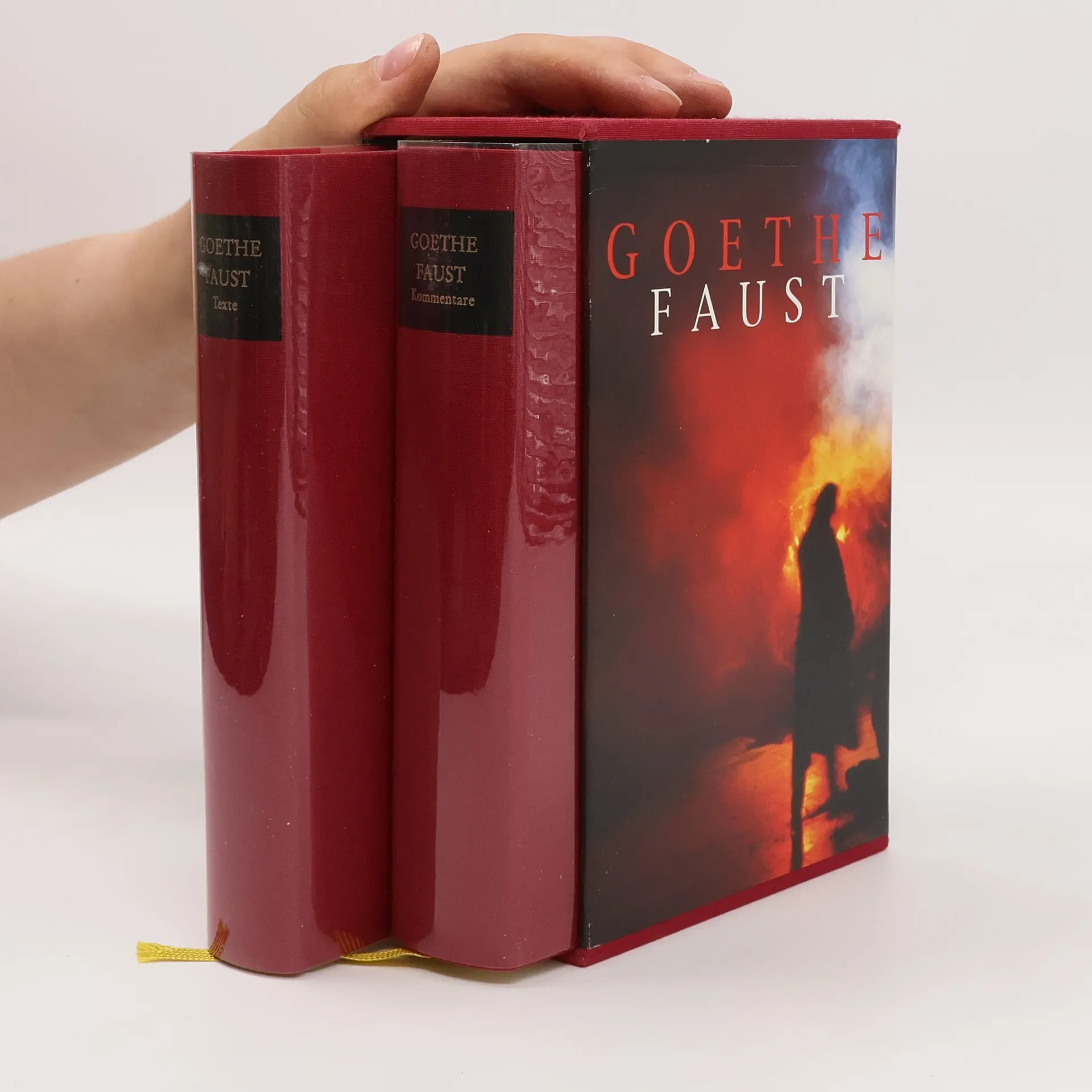
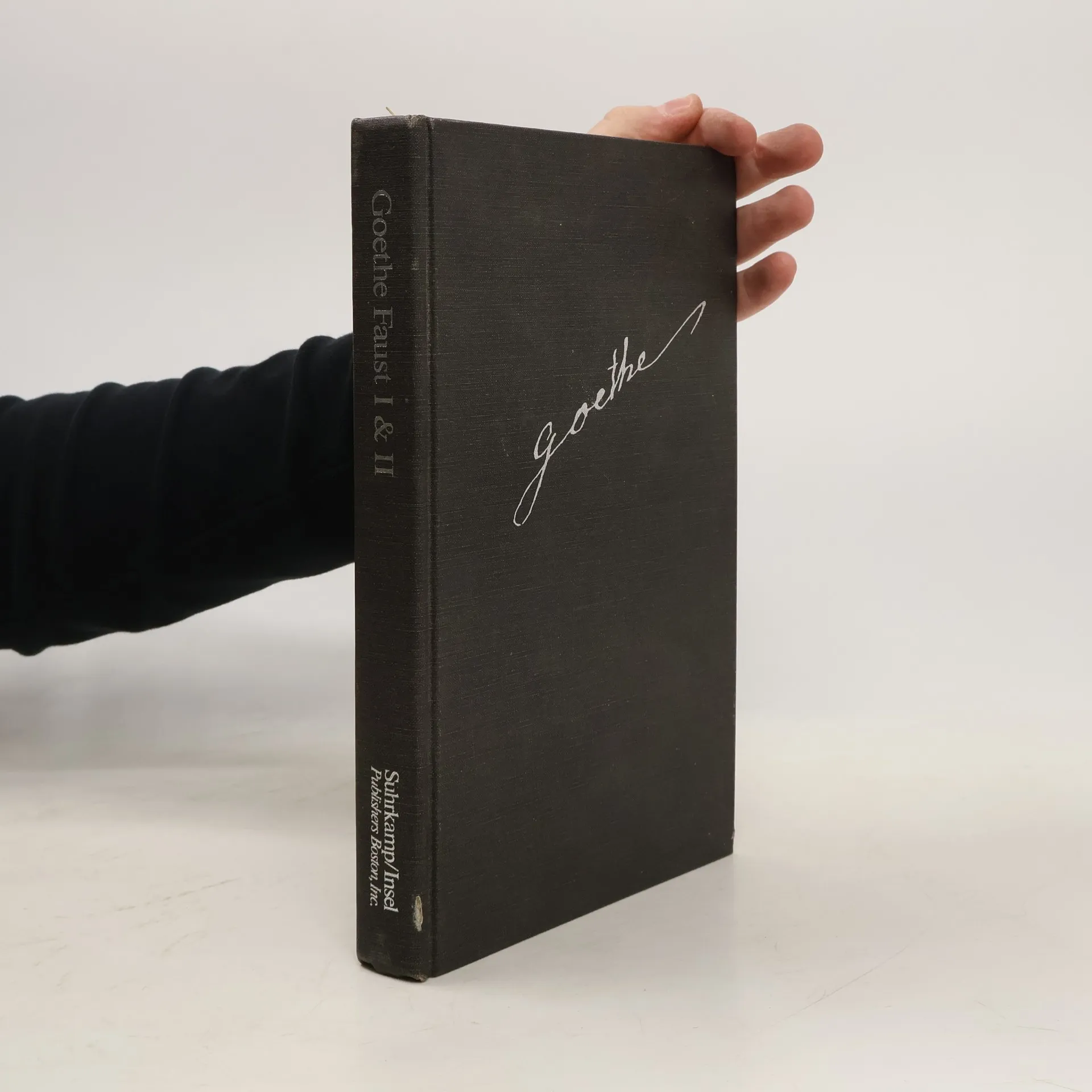
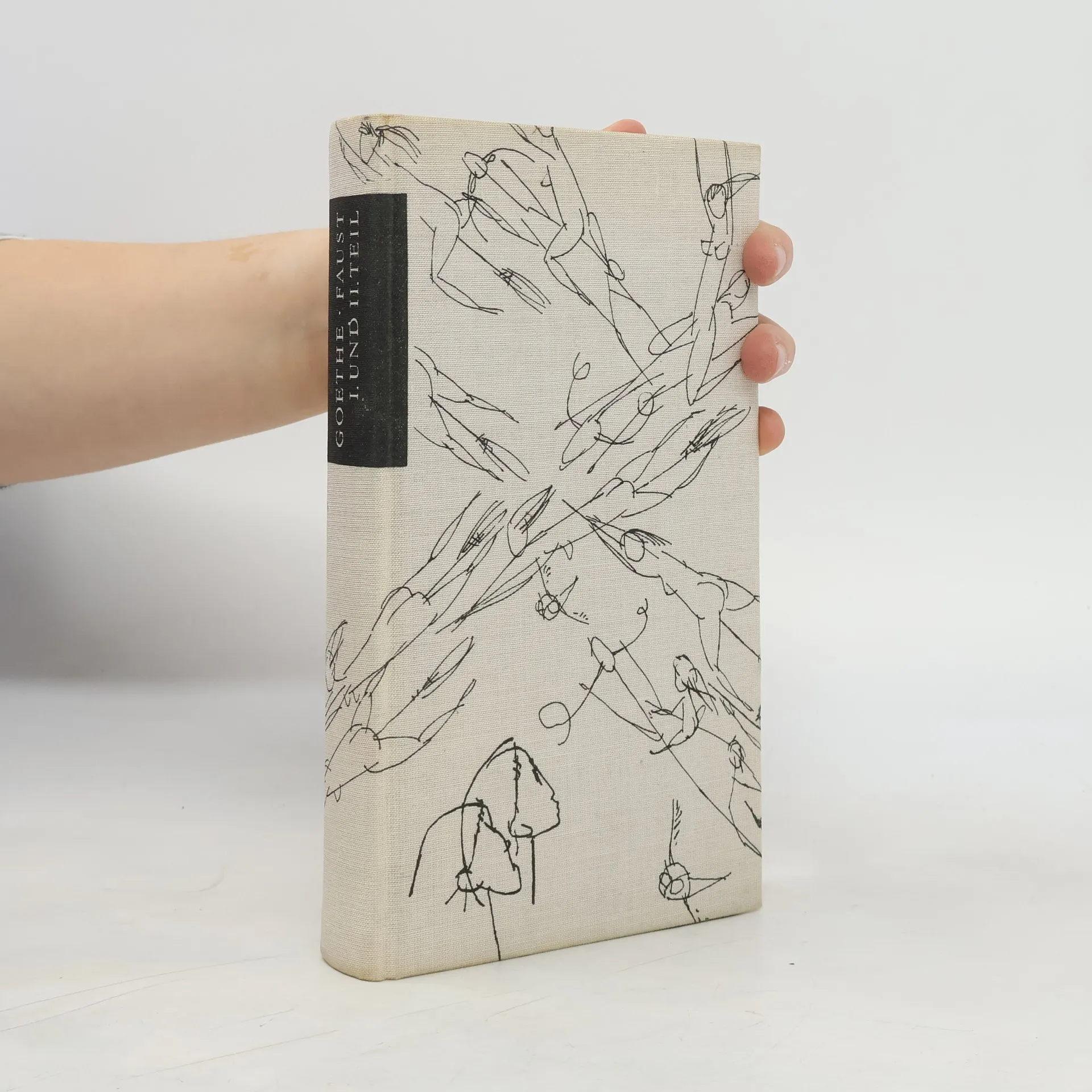
This monumental tragedy delves into the depths of the human soul through the tale of a man who makes a pact with the devil in pursuit of ultimate knowledge and fulfillment. The work grapples with profound philosophical questions about the meaning of life, the nature of good and evil, and the essence of human striving. Spanning from intensely personal dilemmas to grand historical and mythological landscapes, this epic offers a compelling exploration of the eternal quest for transcendence.
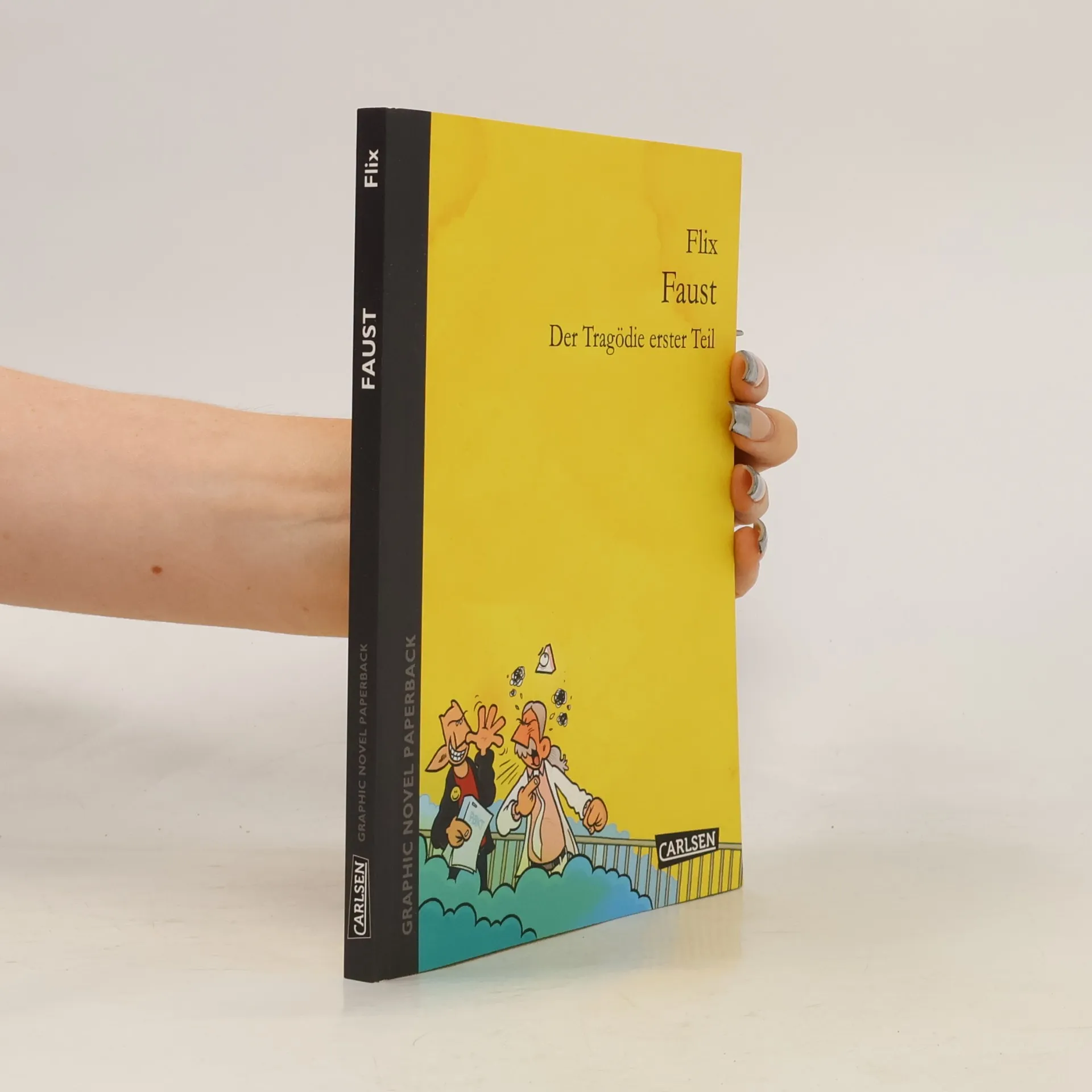
Flix ist zweifellos einer der produktivsten und kreativsten deutschen Zeichner der Gegenwart. Kaum hatte er die Arbeiten an seinem deutsch-deutschen Werk DA WAR MAL WAS... abgeschlossen, begann er, für die Frankfurter Allgemeine Zeitung einen klassischen Dramenstoff umzusetzen: den FAUST von Goethe. Die Rahmenhandlung, der Wettstreit zwischen Gott und Mephisto, ist geblieben, doch Heinrich Faust ist Student vieler Fächer und... Taxifahrer in Berlin. Die vorliegende Graphic Novel enthält die komplette Geschichte in überarbeiteter Form und bietet sowohl für FAUST-Liebhaber als auch für Comic-Fans eine vergnügliche Lektüre.
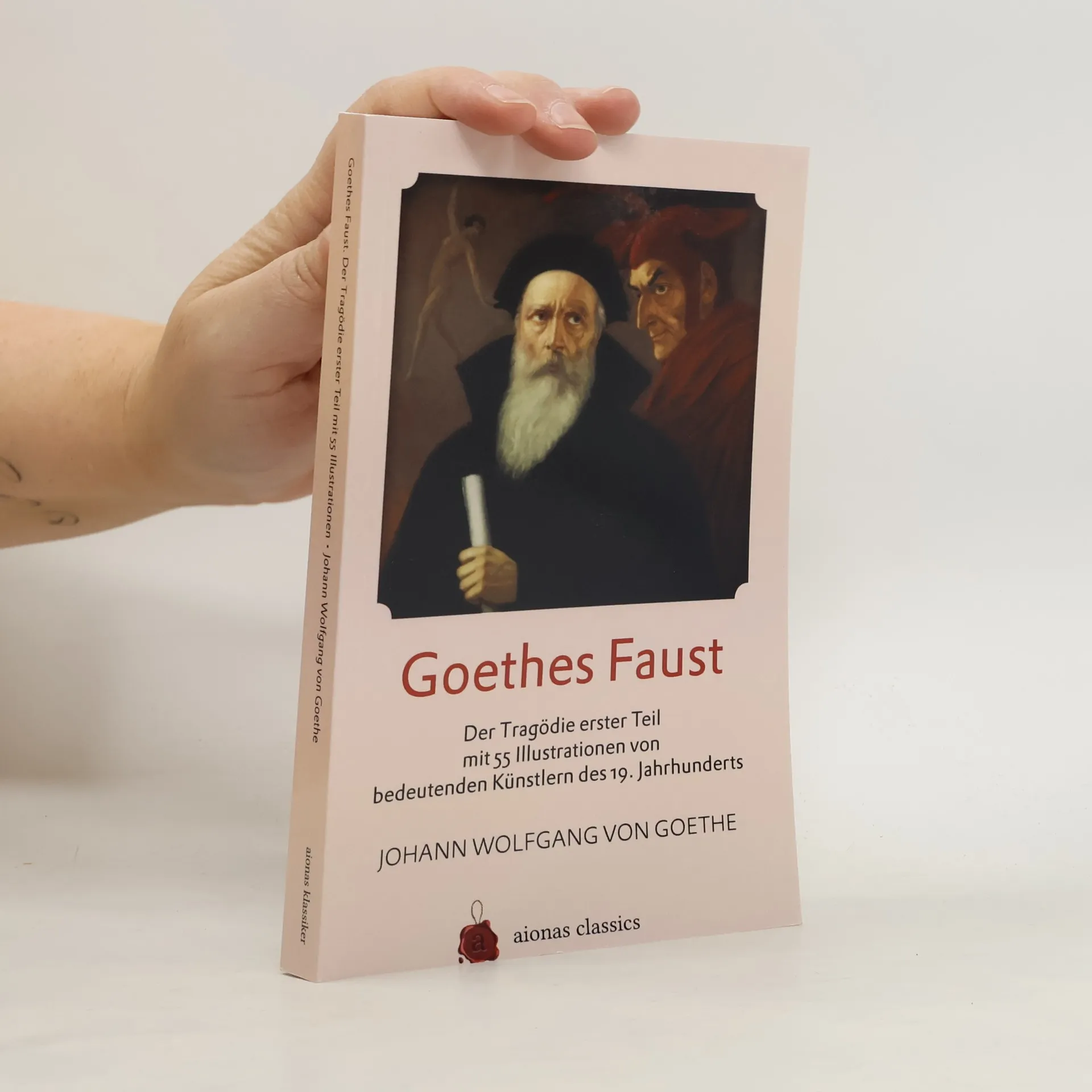
Faust I - Illustrierte Textausgabe Goethes Faust" ist eines der bedeutendsten Dramen der europaischen Literatur. Es ist die Tragodie des Menschen selbst, die Tragodie des nach Erkenntnis strebenden Menschen, der an der Grenze des Erkennbaren scheitert. Diese Grenze will Faust nicht akzeptieren. Er geht einen Pakt mit dem Teufel ein und begibt sich gemeinsam mit ihm auf eine Reise vom Himmel durch die Welt zur Holle. Johann Wolfgang von Goethe beendete den ersten Teil seines brillianten Dramas im Jahr 1806. Aus dem Mittelalter entlehnt, interpretiert Goethe seinen Stoff als eine humanistisch gepragteTragodie, in der er den Existenzhunger seines Helden als sein tief in ihm verankertes menschliches Wesen definiert. Damit befreit er Faust von der moralischen Betrachtung in der Vorzeit. Sein Drama beschreibt Goethe dabei als ein Weltgedicht, das er der ganzen Welt weist. Es fasst in sich die Geschichte des Menschen und die von ihm hervorgebrachten poetischen Formen zusammen. Schon fruhzeitig hat dieses monumentale Werk auch Kunstler aus ganz Europa angeregt. Fur eine Vielzahl von Prachtausgaben entstand eine grosse Zahl von Illustrationen namhafter Kunstler. Unsere Edition bietet den Text Goethes mit einer Auswahl von 55 Illustrationen bekannter Kunstlern aus dem 19. Jahrhundert, darunter Eugene Delacroix, Wilhelm von Kaulbach, Tony Johannot, Johann Heinrich Ramberg und andere."
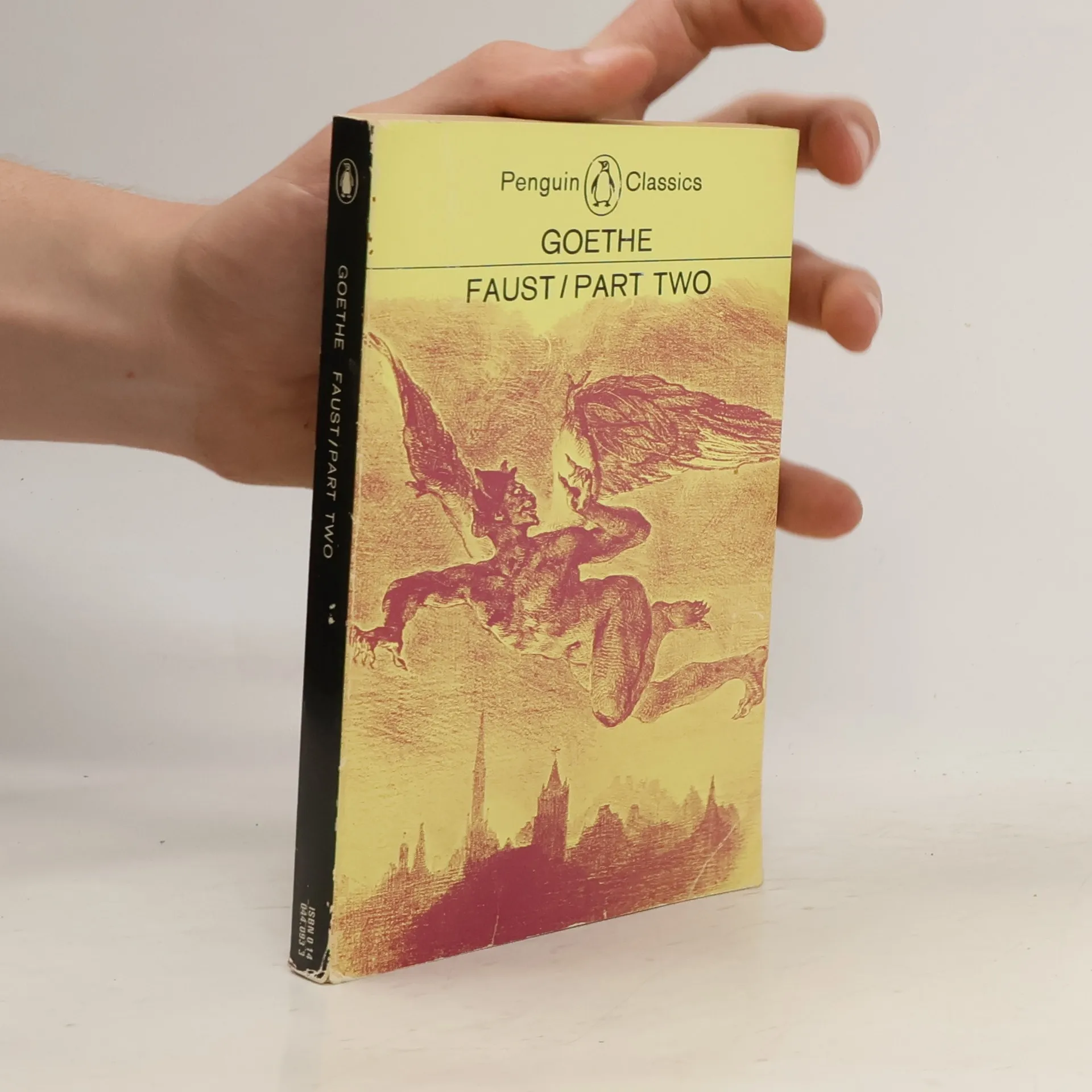
The second part of Goethe's masterpiece opens with Faust struggling to recover from the death of his beloved Gretchen. The quick-witted demon Mephistopheles soon persuades him to look beyond his sorrow and enter the world of politics and power, but the great scholar is still eager for new sensations, and asks Mephistopheles to reveal Helen of Troy to him in a vision. Overwhelmed by her beauty, Faust demands she be brought back from the underworld - but even this fails to bring him contentment, and his appetite for knowledge remains unsated. Completed a few months before Goethe's death, this rich and allusive work weaves together a wealth of diverse philosophical ideas and influences, reworking the medieval myth of Dr Faustus and speculating upon the search for truth in the Age of Enlightenment.
Die Figur Faust basiert auf dem historischen Doktor Johannes Faust, der um 1480 in Knitlingen geboren wurde und etwa 1536 in Staufen starb. Er reiste als Arzt, Astrologe und Magier umher. Seine magischen Künste und Horoskope führten oft dazu, dass er aus Städten verjagt wurde. Bereits zu seinen Lebzeiten entstanden mythische Geschichten über ihn, die besagten, dass er von dem Teufel, dem er seine Seele verkauft hatte, gewaltsam umgebracht wurde. Faust wurde zu einer Inspirationsquelle für zahlreiche Schriftsteller, darunter Christopher Marlowe, Johann Wolfgang von Goethe und Thomas Mann. Goethes Faust zählt zu den bedeutendsten Werken der Weltliteratur und ist eines der am häufigsten übersetzten Werke, mit einer Bibliografie von rund tausend Titeln in verschiedenen Sprachen.
Goethe's most complex and profound work, Faust was the effort of the great poet's entire lifetime. Written over 60 years, it can be read as a document of Goethe's moral and artistic development. Faust is made available to the English reader in a completely new translation that communicates both its poetic variety and its many levels of tone. The language is present-day English, and Goethe's formal and rhythmic variety is reproduced in all its richness.
Die Tragödie "Faust" von Johann Wolfgang von Goethe gilt als das bedeutendste Werk der deutschen Literatur, inspiriert von der Geschichte des deutschen Zauberers Faust. Der Protagonist, dessen Name "der Glückliche" bedeutet, ist eine Figur aus einer traditionellen deutschen Legende. Trotz seiner Bildung und seines Erfolgs ist Faust unzufrieden und schließt einen Pakt mit dem Teufel, um unendliches Wissen und weltliche Vergnügungen zu erlangen. Diese Geschichte bildete die Grundlage für zahlreiche literarische, künstlerische, filmische und musikalische Werke.
Der Begriff "Faust" und das Adjektiv "faustisch" wurden im Laufe der Jahrhunderte unterschiedlich interpretiert, oft als Hinweis auf das Aufgeben moralischer Integrität zugunsten von Einfluss und Erfolg, ähnlich dem Sprichwort "Pakt mit dem Teufel". Im 16. Jahrhundert wurden viele Theaterstücke, darunter Puppenspiele, populär, die diese Legende humorvoll darstellten, insbesondere die Figuren Faust und Mephistopheles. Die Geschichte fand ihren Weg nach England durch Christopher Marlowe, der sie in seinem Stück "Die tragische Geschichte des Doktor Faust" klassisch präsentierte. Goethe gestaltete die Erzählung 200 Jahre später neu, wobei Faust zu einem unzufriedenen Denker wurde, der nach weltlichen Begierden strebt.
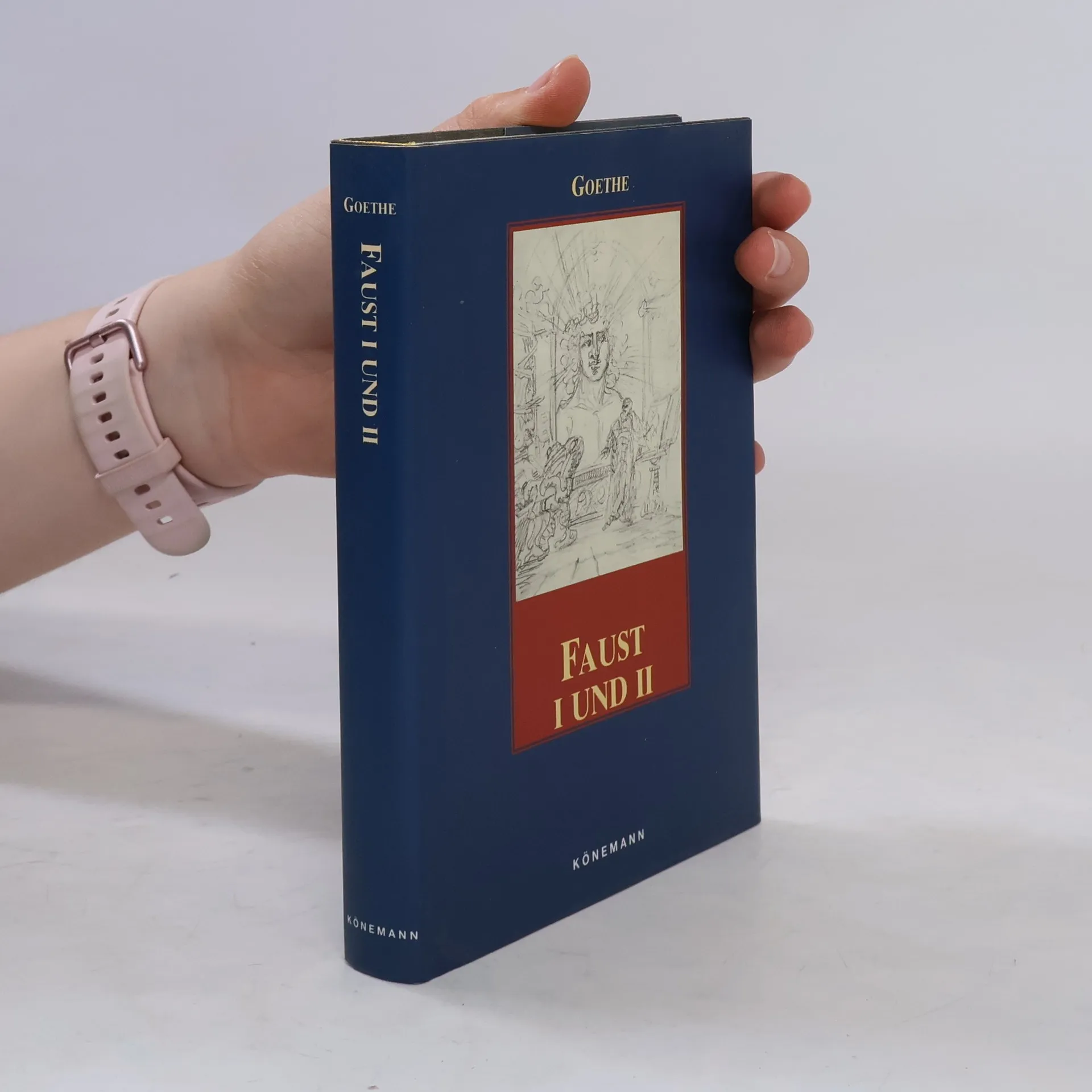
Das Werk von Goethe, „Faust I und II“, fasziniert seit fast 200 Jahren und hat Generationen bewegt. Erhard Eichhorn hat es über zwölf Jahre hinweg kalligraphisch abgeschrieben, wobei er alte und moderne Schriftarten sowie englische Übersetzungen kombiniert hat. Diese besondere Ausgabe ermöglicht eine neue, faszinierende Entdeckung des Meisterwerks.
Kommen Sie, Illusionen!.... am Morgen meines Lebens,
Den ich liebte, um euren unbeständigen Aufstieg festzuhalten!
Der Abend kommt, und doch ist es ein süßes Verlangen,
Es ist eine Eitelkeit, die mich noch verführt.
Kommt näher!.... es ist gut; alles belebt sich und drängt
Über den Nebeln, in eine größere Welt,
Mein Herz, das sich verjüngt, sehnt sich mit Entzücken
Nach dem Hauch der Magie, der um euch schwebt...