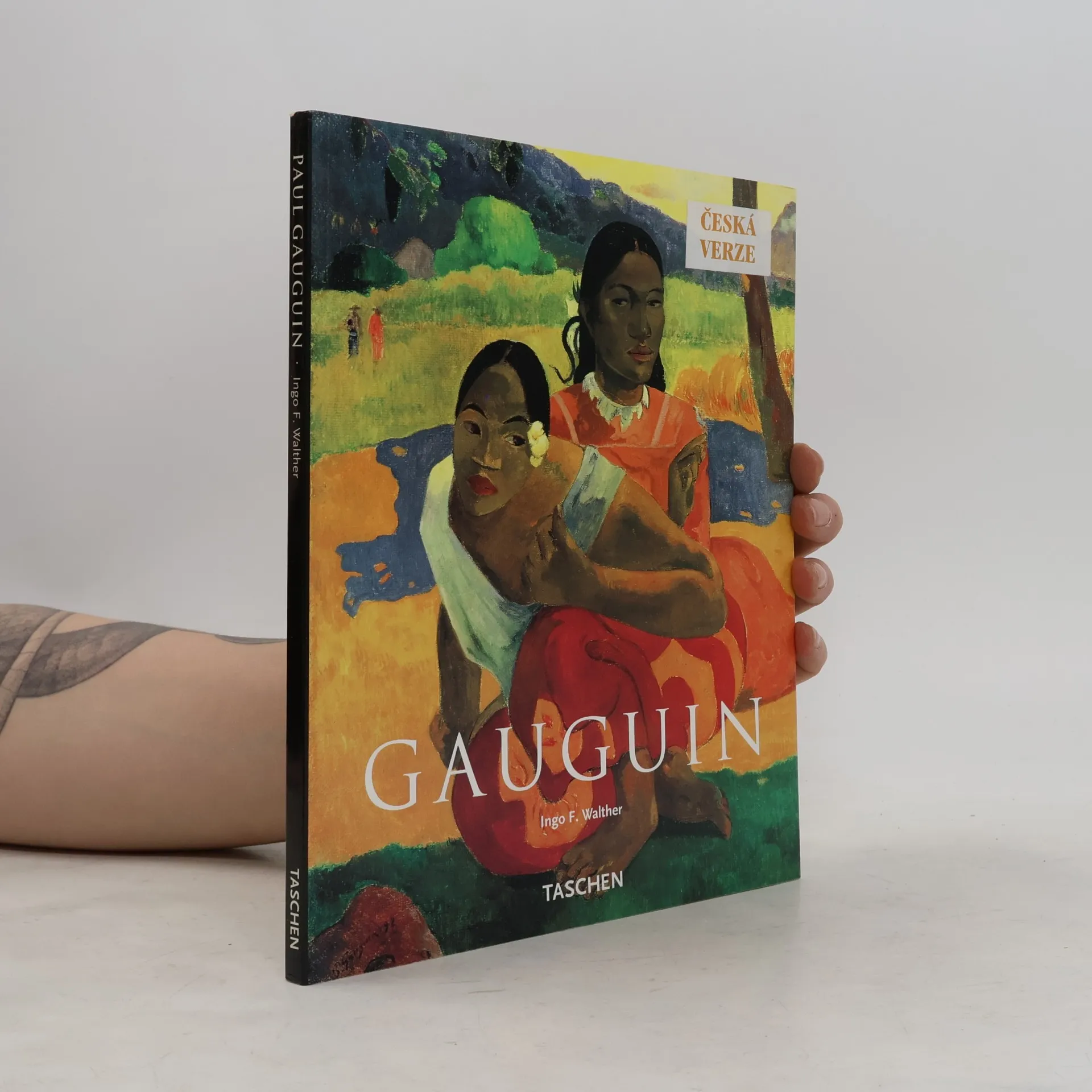
Česká verze. Začínal ve skupině impresionistů, ale jeho neposedná duše ho poháněla k jiným zkušenostem a pohledům. Nevydržel déle najednom místě a vyhledával nové bohem zapomenuté krajiny pro svou inspiraci. Proto je jeho styl nezaměnitelný, nedotknutý salonním stylem.
Taschen Basic Art Series
This series guides readers through the world of art, focusing on pivotal artists and their creations. Each volume presents a detailed overview of an artist's life and work, contextualized within broader cultural and historical significance. Featuring approximately 100 color illustrations with informative captions, alongside a concise biography, this collection offers accessible insights into artistic legacies.


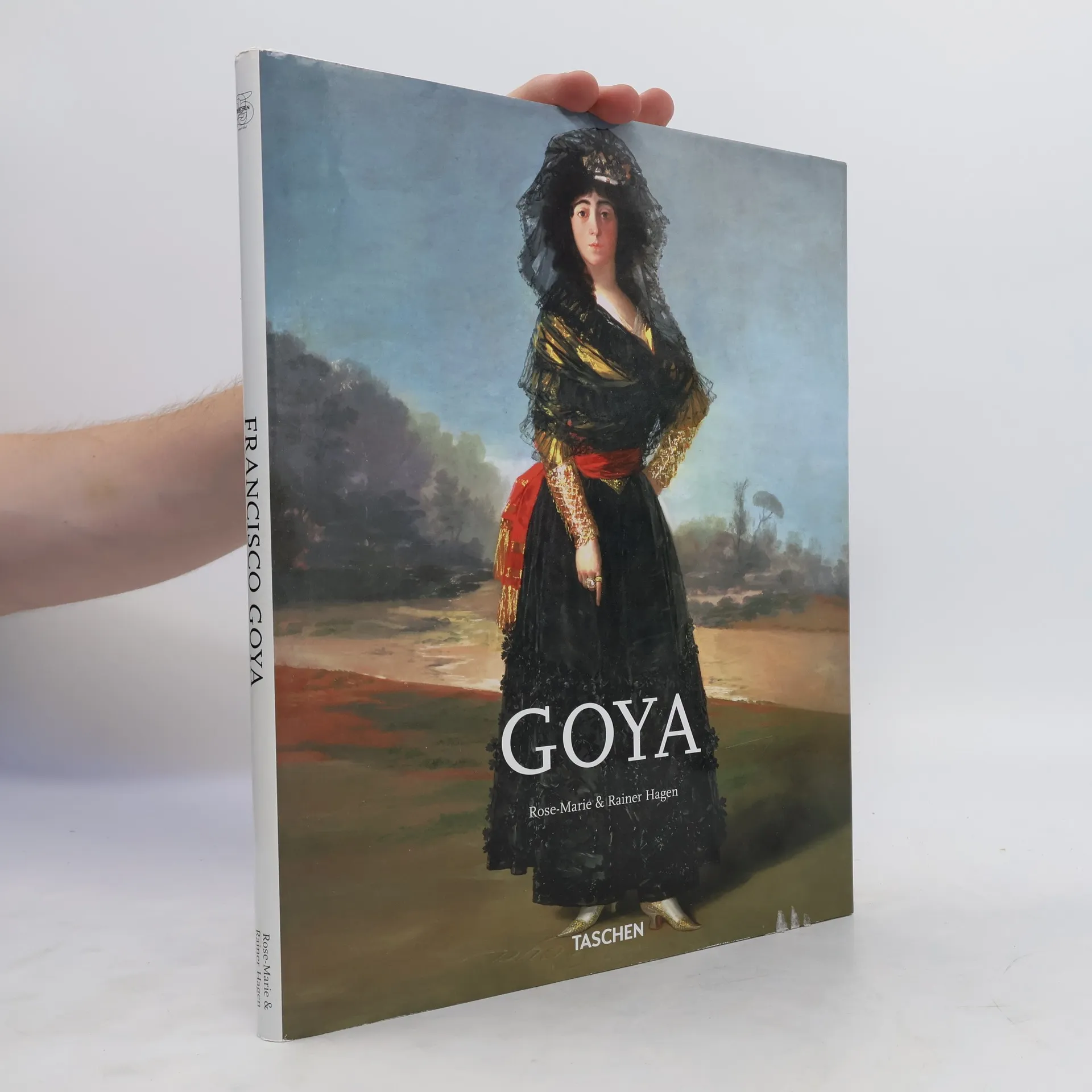
Goya
- 96 pages
- 4 hours of reading
From his royal court portraits to horrific scenes of conflict, Francisco Jose de Goya y Lucientes remains one of Spain's most revered and startling artists. With key works from throughout his career, this vivid introduction explores Goya's mastery of form and light and varied, daring subjects.
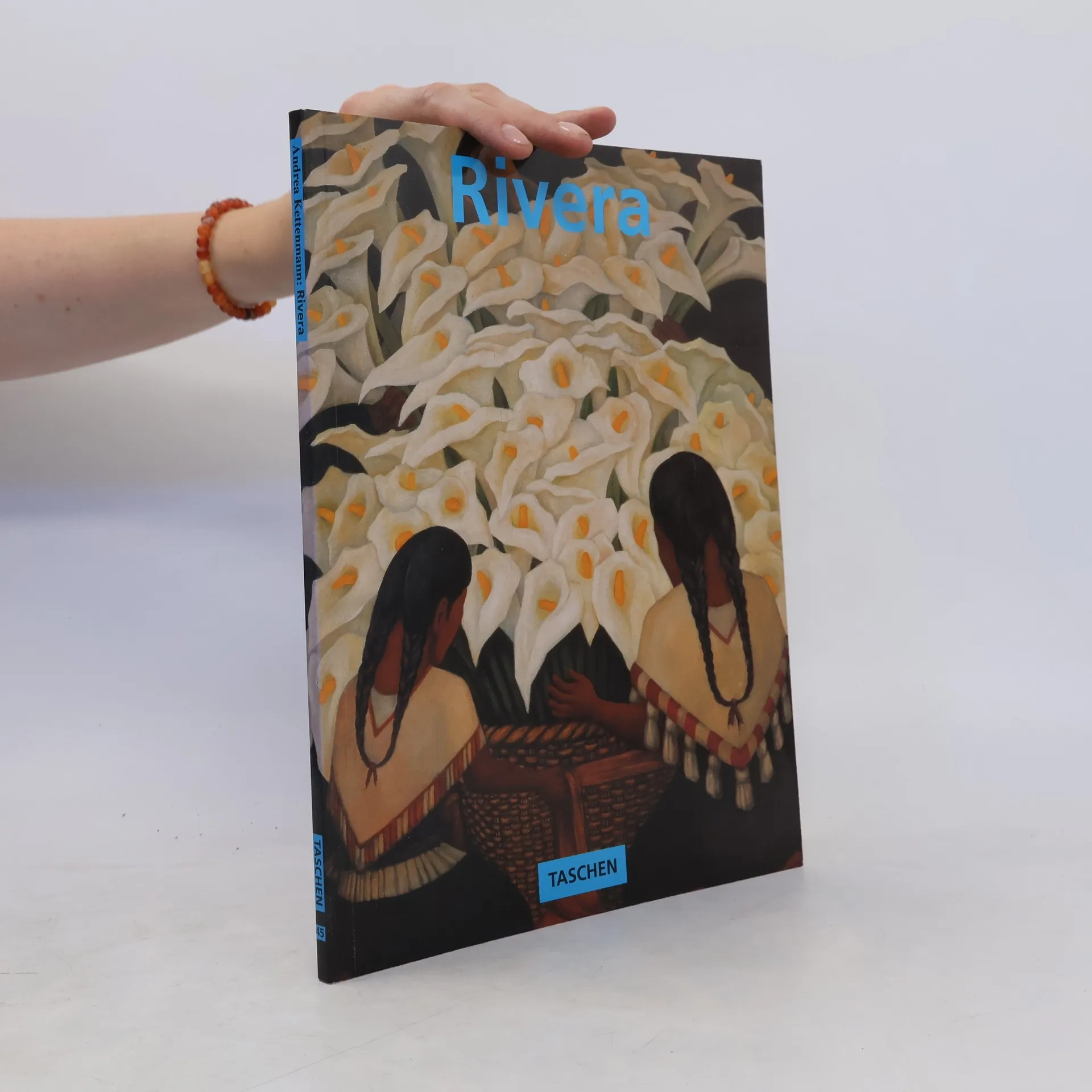
This volume presents an illustrated survey of Rivera's work. It shows how the artist was viewed by contemporaries like Picasso and Dali as a troublemaker, complete with revolver and bandolier. Rivera is seen as having brought to art a distinctive understanding of its public role and history.
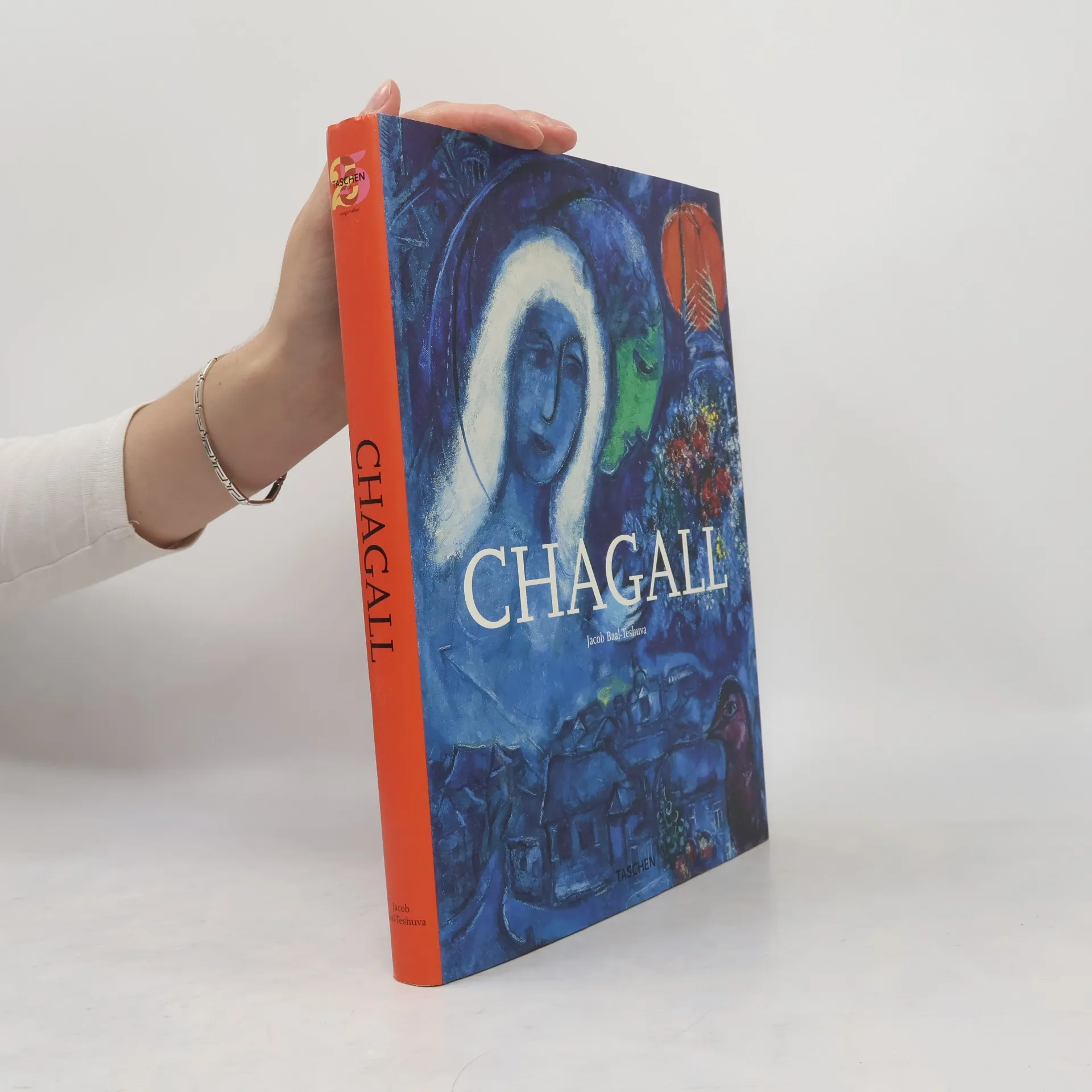
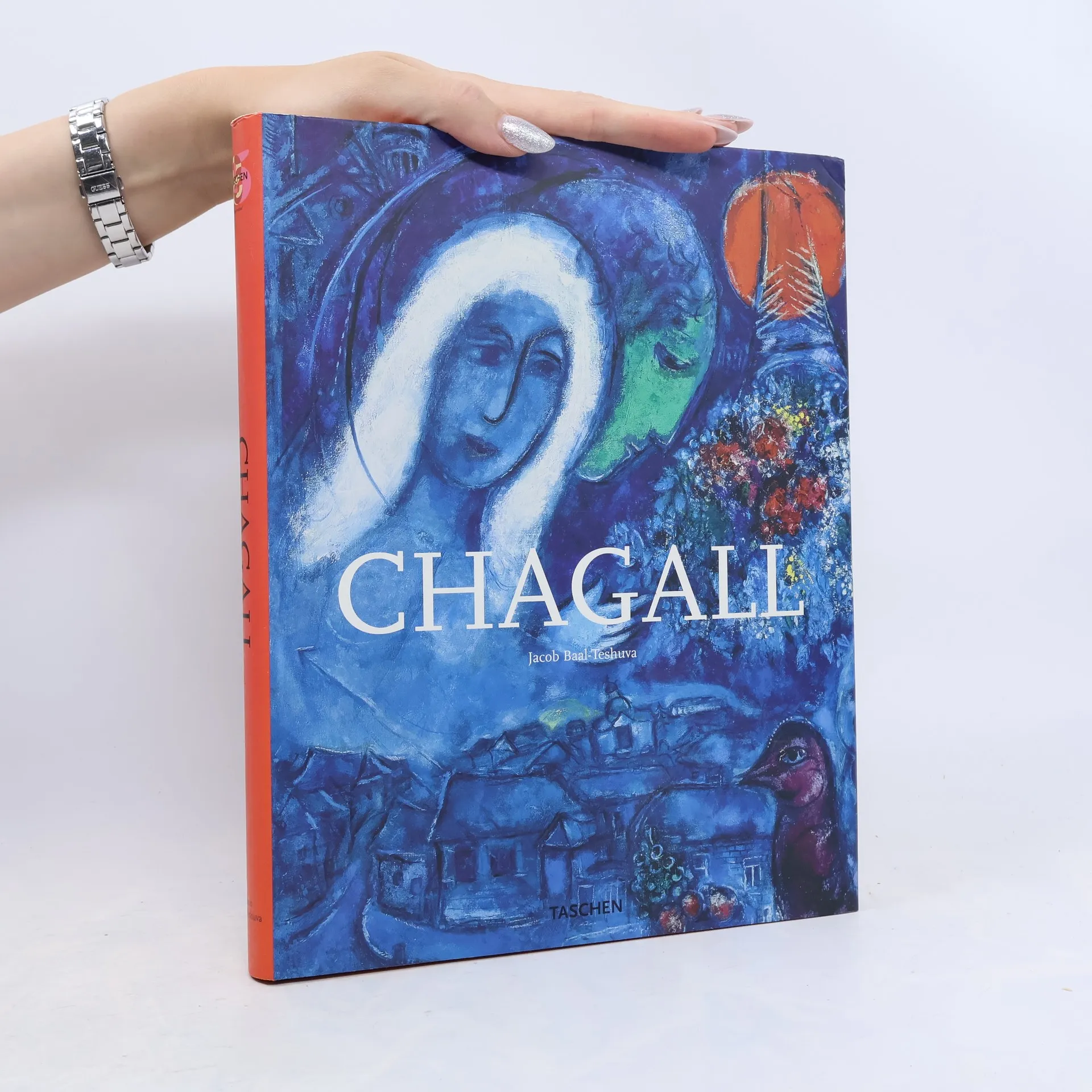
A thorough record of the life and art of Marc Chagall, a Russo-French Jewish artist associated with several major artistic styles and one of the most successful artists of the 20th century. This work, written by a longtime friend of Chagall's, spans his early work in Russia and the monumental pieces of his later life. An early modernist, he created works in virtually every artistic medium, including painting, book illustrations, stained glass, stage sets, ceramic, tapestries and fine art prints. This work contains reproductions that capture his use of intense, glowing colors and the unique world he created, full of magic, enchantment, and fantasy
International Klein blue
- 95 pages
- 4 hours of reading
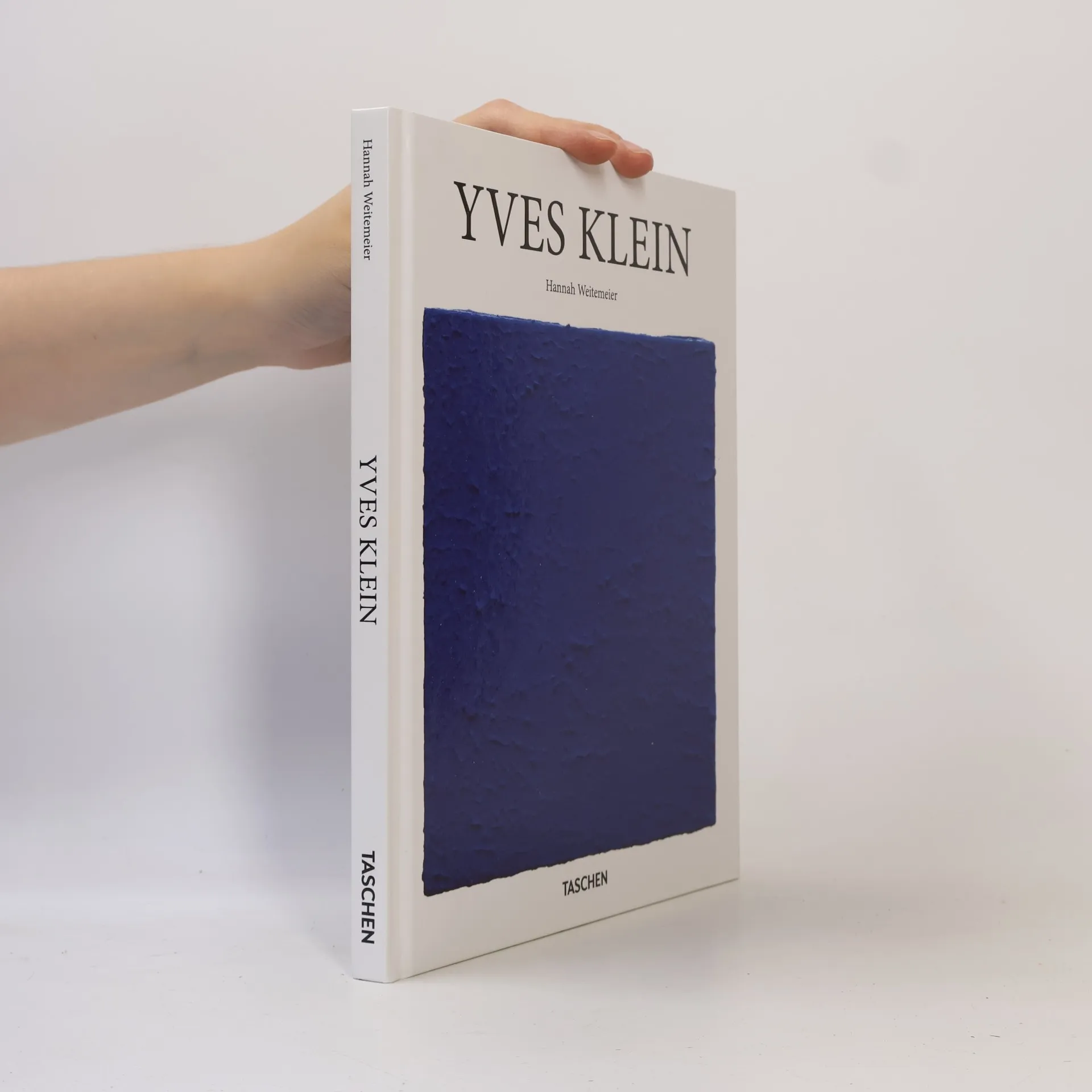
Yves Klein (1928-1962) eroberte die Welt der Kunst und erklärte, dass 'eine neue Welt einen neuen Menschen verlangt'. In einem kurzen, aber intensiven Schaffenszeitraum von nur sieben Jahren malte Klein über tausend Bilder, die zu den Klassikern der modernen Kunst gehören. Dieses Buch bietet eine Auswahl seiner Werke.
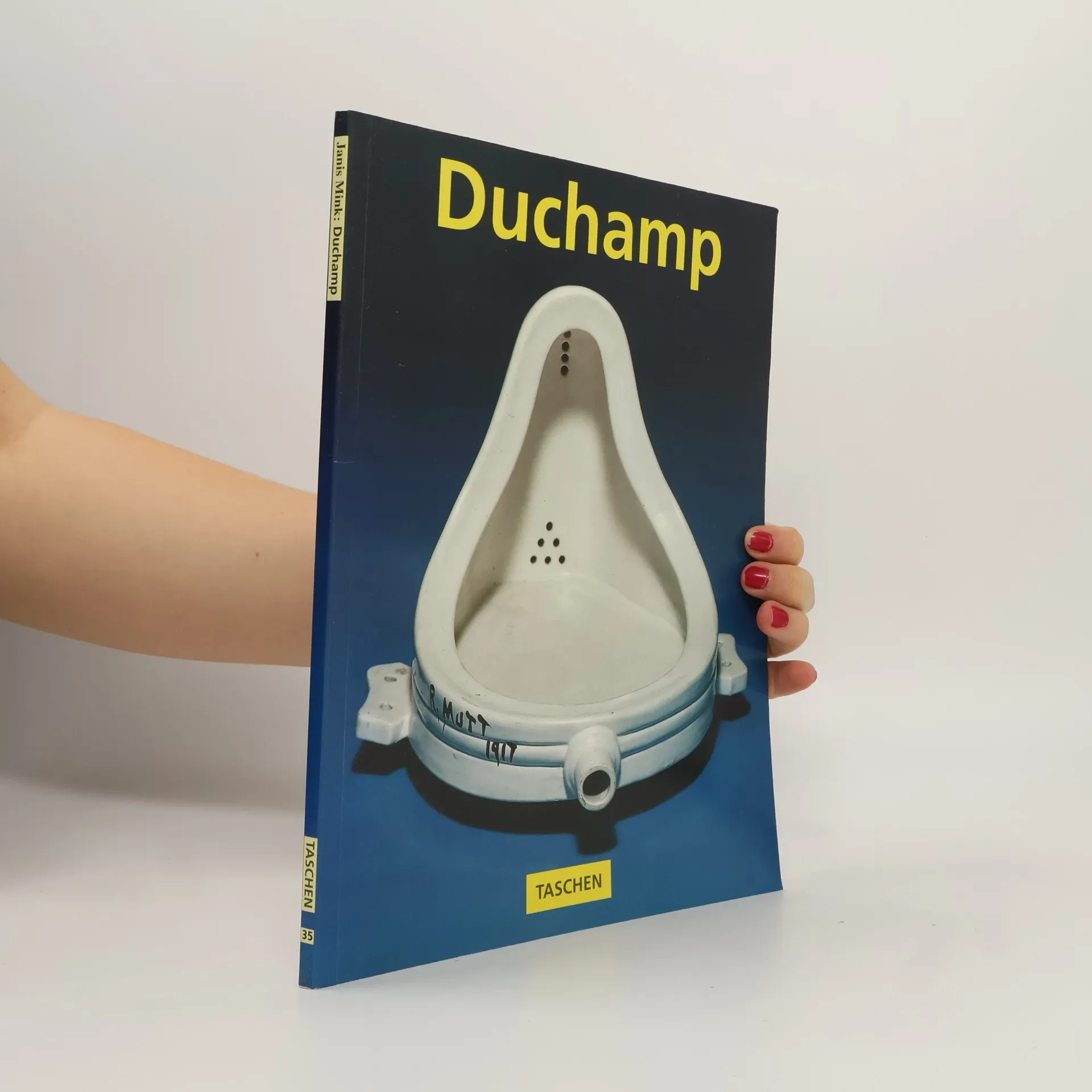
Duchamp
- 95 pages
- 4 hours of reading
Marcel Duchamp (1887-1968) is best-known for his "ready-mades" - such as the urinal, entitled "Fountain" and "signed" R. Mutt. This study tackles the enigma of this major 20th-century artist.
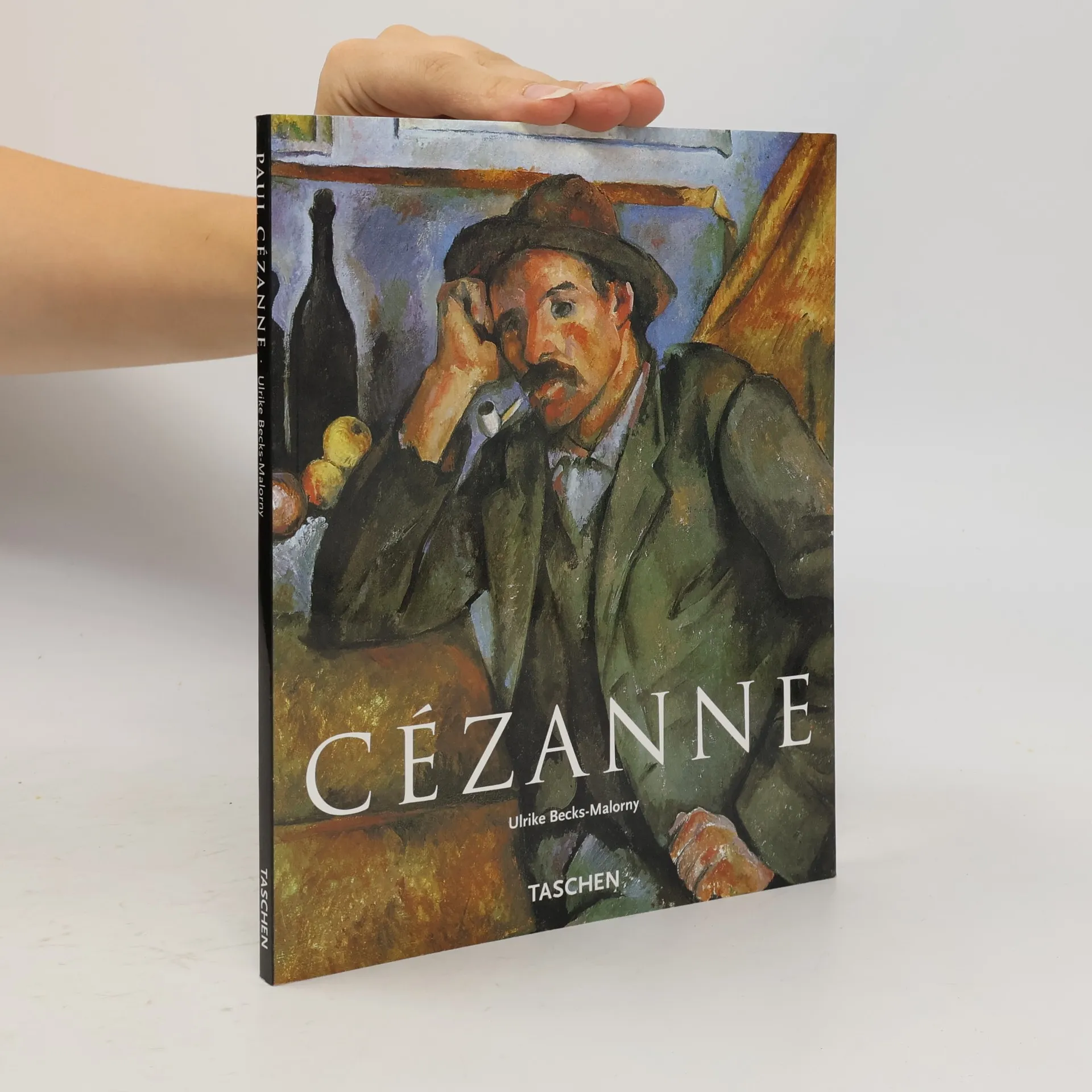
Divine apples and Cézanne’s quest for “a harmony parallel to Nature” He was the founding father of modern art, the grand master who pointed painting forward on its way from Impressionism to the 20th Paul Cézanne (1839–1906). In Paris, but above all in Provence, Cézanne quested tirelessly for “a harmony parallel to Nature”—discovering it in still lifes of apples, in bathers, or in the renowned landscapes of his beloved Montagne Sainte-Victoire. This book discusses this extraordinary artist’s major works and his theories of painting and color. About the Each book in TASCHEN’s Basic Art series
Ensor
- 96 pages
- 4 hours of reading
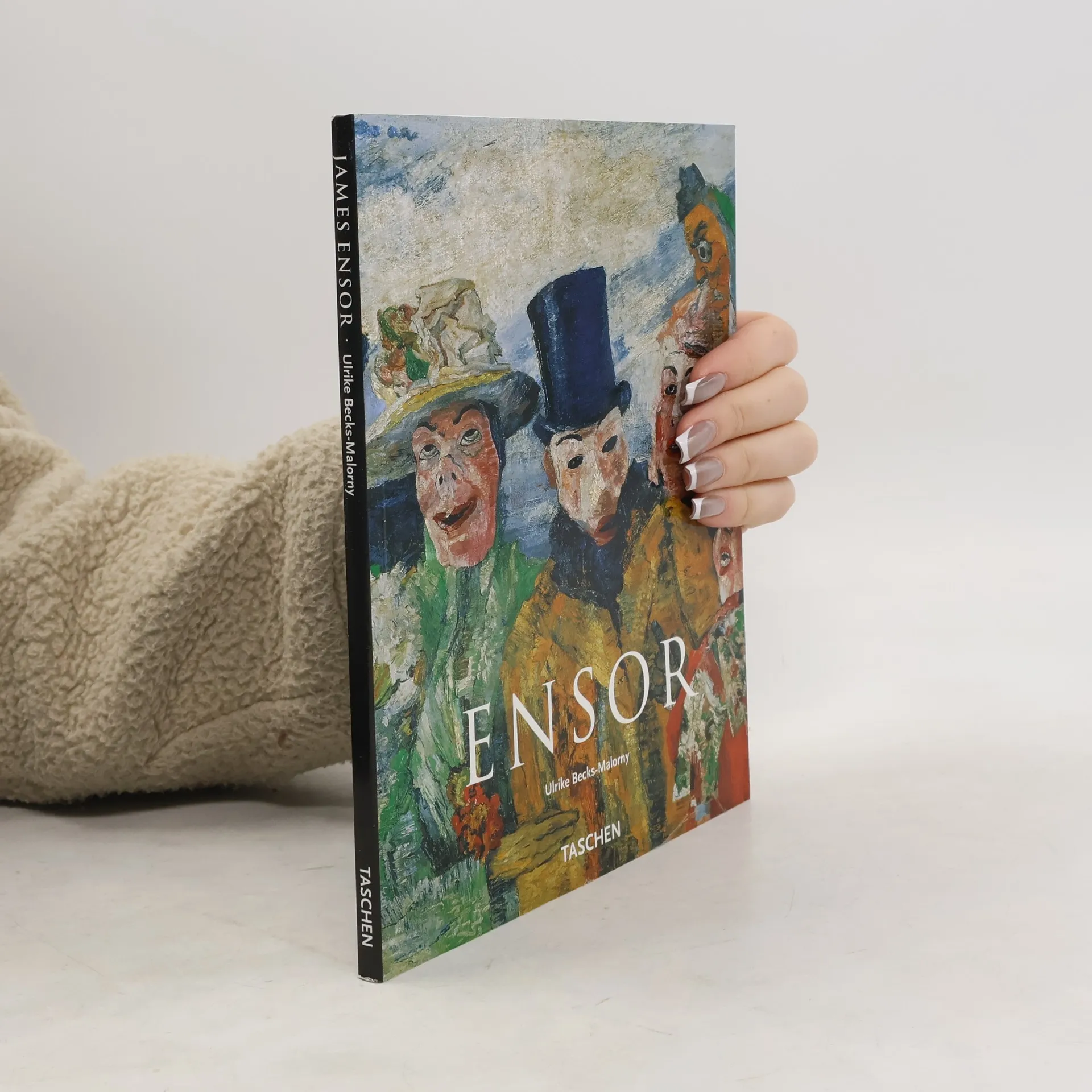
It has been said that James Ensor appropriated the subject matter of a Bosch or Bruegel and revisioned them using the techniques of Manet or Rubens. This work shows that Ensor was a genuine maverick with his own merit.
Lucio Fontana
- 96 pages
- 4 hours of reading
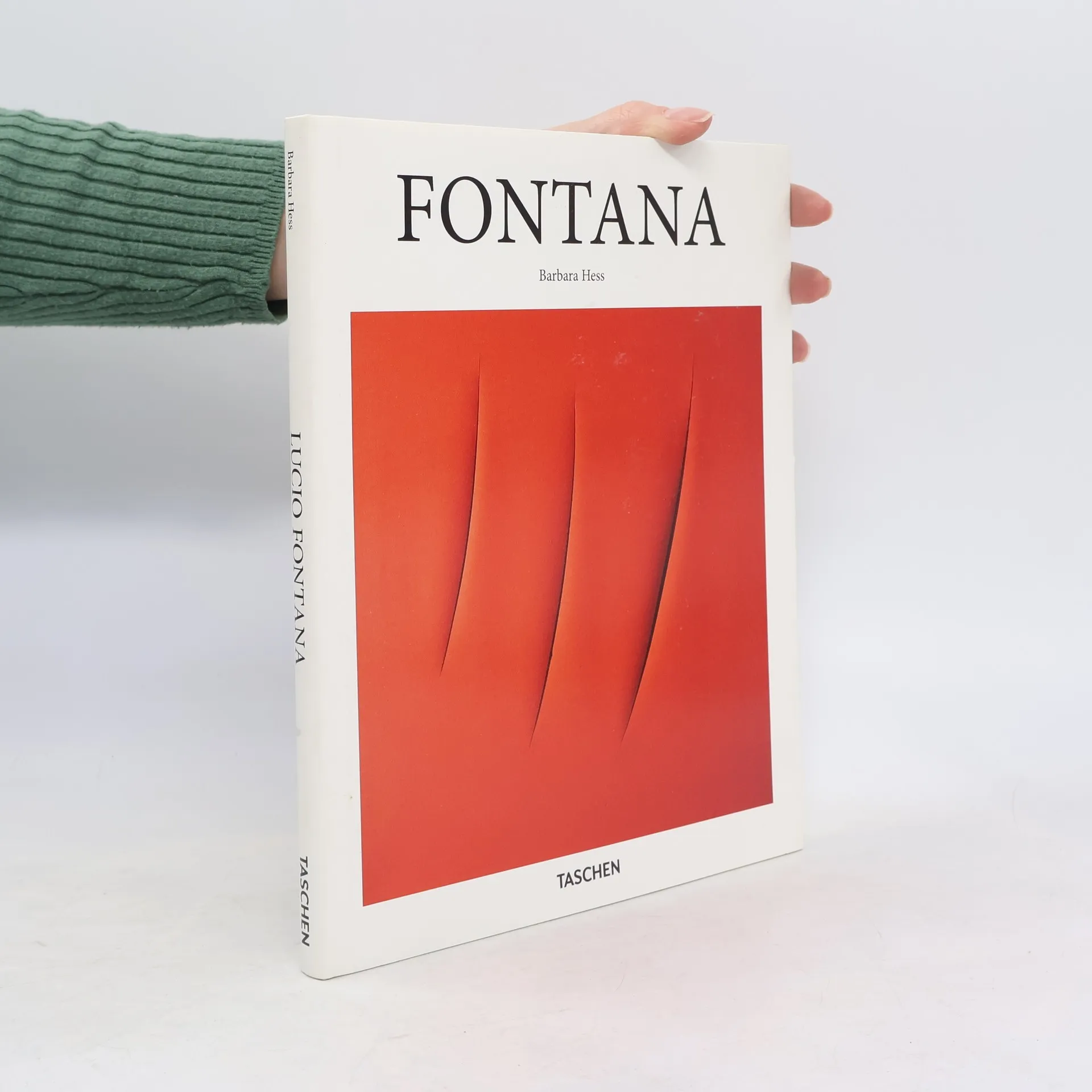
Italian artist Lucio Fontana literally tore the art establishment apart. Trained as a sculptor, he combined form and color in radical spatial gestures, most famously his slashed canvases of the 1950s and '60s. Regarded as the father of midcentury Spatialism, his provocative practice channeled postwar innovation in a pioneering synthesis of art, ...
Gustave Courbet
- 96 pages
- 4 hours of reading
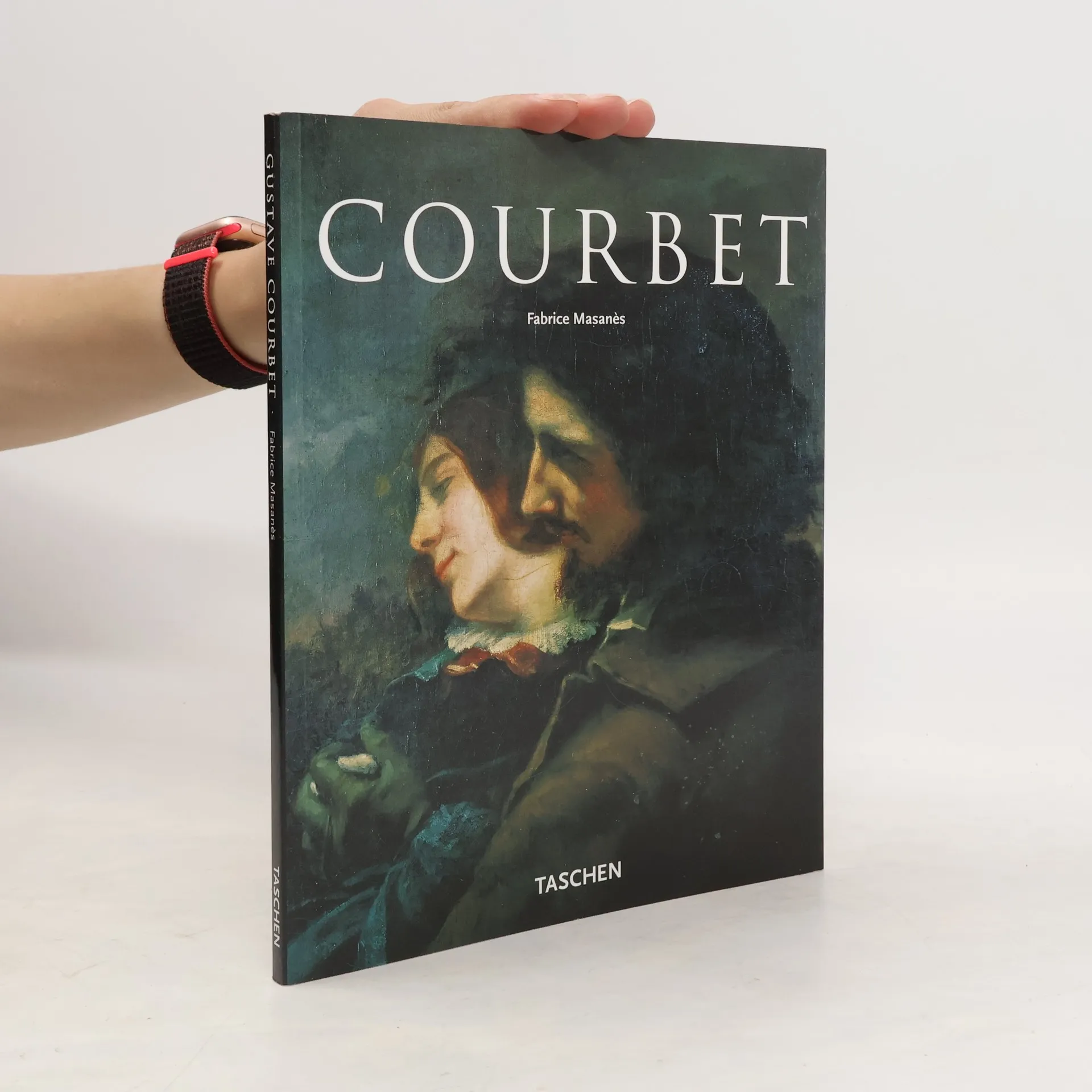
Unsentimental realism "I maintain," stated Gustave Courbet (1819-1877), "that painting is clearly a concrete art whose existence lies only in the representation of real and existing objects...." Courbet, who influenced and advised the fledgling Impressionists, was an outstanding representative of a naturalistic realism that highlights the contradictions and inequities in society. Revolutionary were Courbet`s style, with dark hues and heavy brushstrokes, and choice of subject—depictions the life of plain people treated in an unsentimental, down to earth manner. His influence was enormous during his lifetime; he was offered the cross of the Legion of Honor in 1872 but he refused it. A man always at odds with authority, be it artistic or political, Courbet became a member of the Paris Commune and was briefly imprisoned and forced to flee to Switzerland for the final years of his life. About the Each book in TASCHEN’s Basic Art series
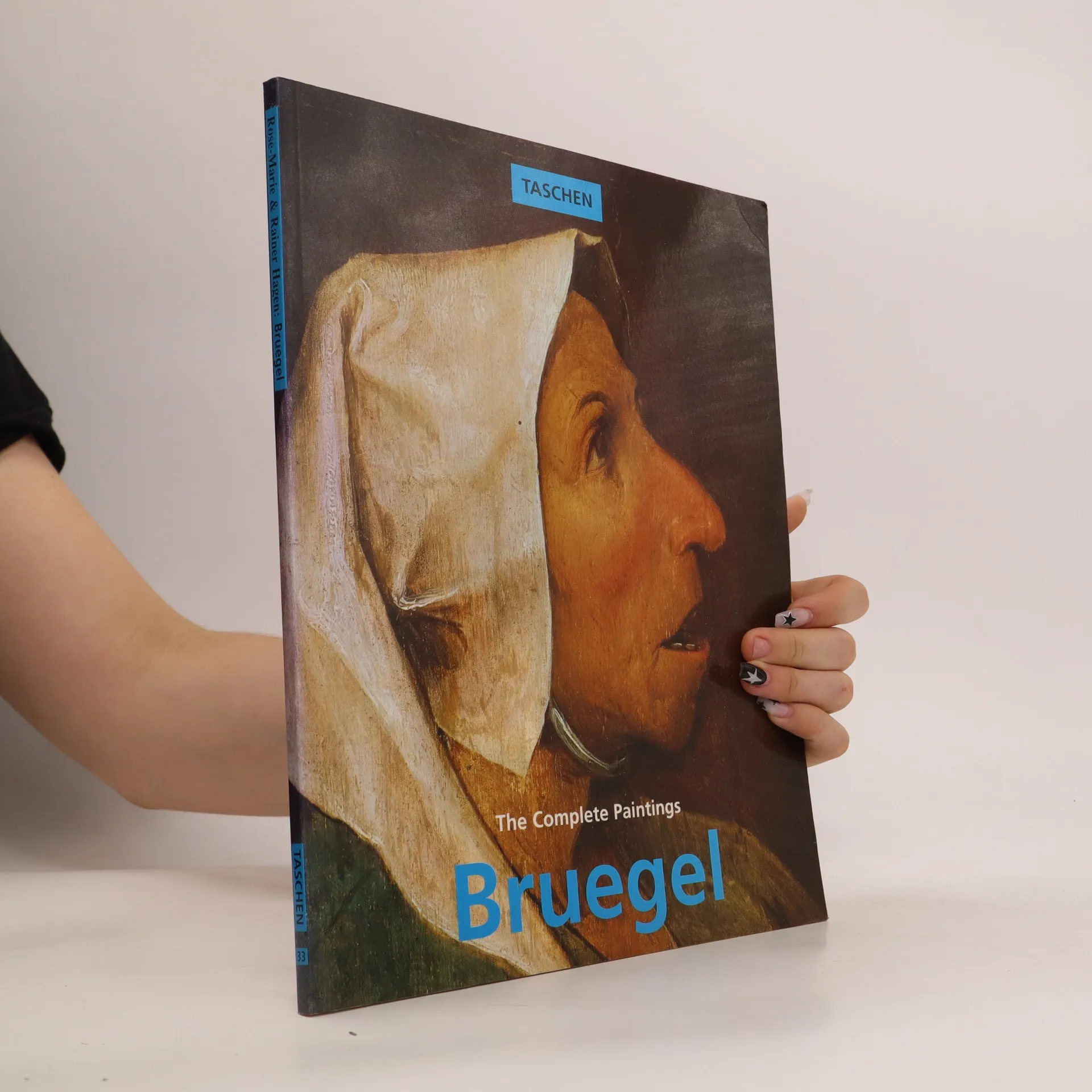
Bruegel. The complete Paintings
- 96 pages
- 4 hours of reading
At a time when artists were still primarily occupied with religious or mythological subject matter, the Flemish painter Pieter Bruegel turned his shrewd eye on everyday ways. This book outlines the artist's account of his society and times, and the relevance that account has for us today.
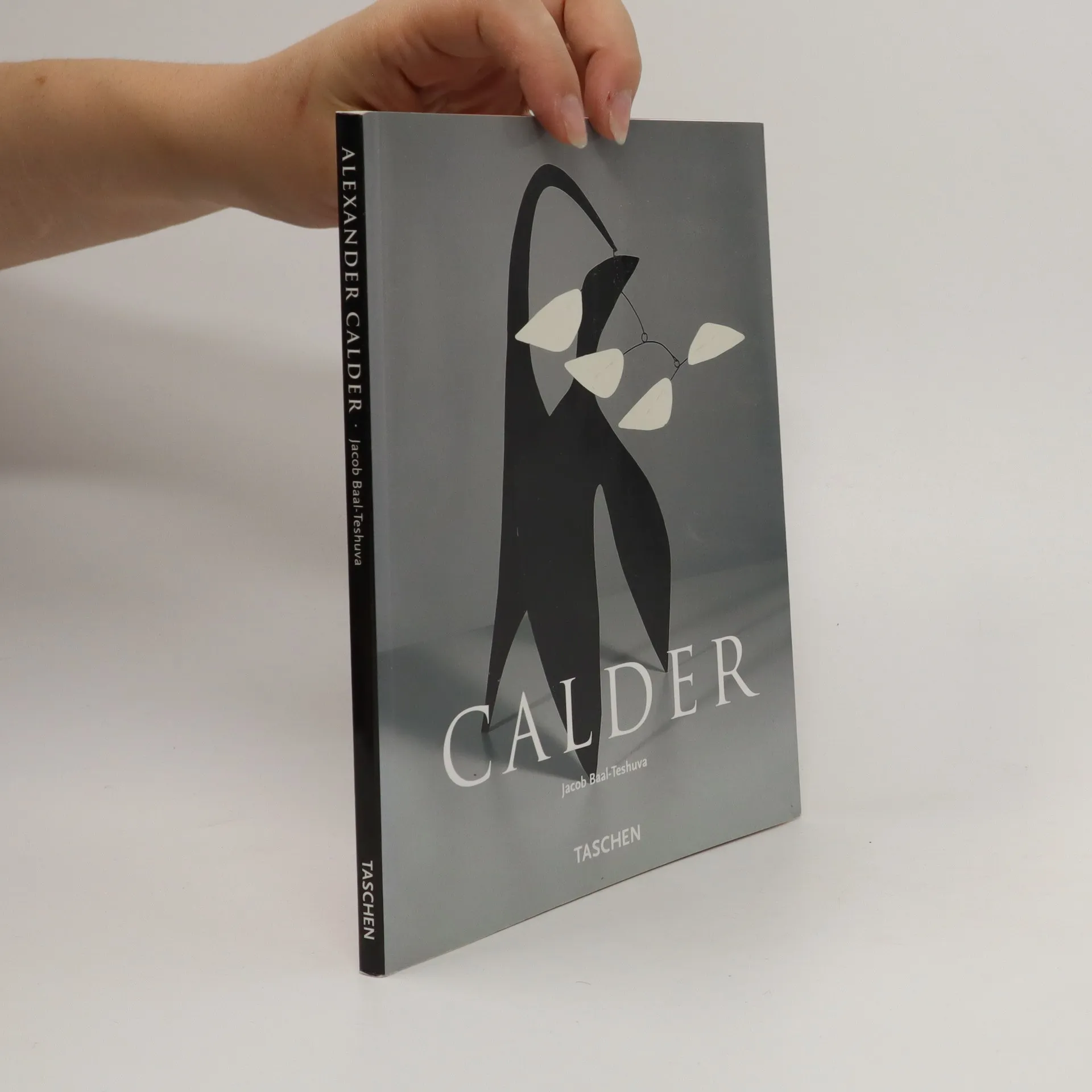
Alexander Calder, 1898-1976
- 95 pages
- 4 hours of reading
Perché l'arte deve essere statica? La prossima fase è la scultura in movimento. ALEXANDER CALDER 1898-1976 rivoluziona le regole delle arti plastiche, inventando il mobile sospeso al soffitto, che si anima al minimo soffio d'aria. I suoi "stabiles", monumentali e eretti in tutto il mondo nelle piazze pubbliche di molte città, sono quasi altrettanto noti. Questo volume presenta inoltre sculture in filo di ferro, quadri, gouaches, arazzi e gioielli, e persino automobili e aerei dipinti.
Yves Klein
- 96 pages
- 4 hours of reading
Famous for his patented shade of blue and the use of living brushes, the artist Yves Klein produced over 1,000 works during his brief but impactful career. These pieces are now regarded as classics of modern art, showcasing his innovative approach and unique artistic vision.
Mark Chagall
- 279 pages
- 10 hours of reading
Henry Miller beschrieb Marc Chagall einmal als einen "Dichter mit den Flügeln eines Malers." Die Seiten von Chagall sind gefüllt mit Bildern, die die Worte des Schriftstellers wahr machen. Obwohl Chagall hauptsächlich als Maler in Erinnerung bleibt, drückte sich seine künstlerische Vision in vielen anderen Formen aus, darunter Skulpturen, Mosaiken und die Glasfenster, die das Art Institute of Chicago sowie Synagogen und Kirchen in Europa und den Vereinigten Staaten schmücken. Der Band gewährt den Lesern Einblicke in sein umfangreiches Werk und die Möglichkeit, Chagall auf seinem Weg von seinen frühen Jahren in Russland nach Paris, in die Vereinigten Staaten und zurück nach Frankreich zu begleiten. In dieser Zeit flirtete seine Malerei mit den verschiedenen Kunstbewegungen um ihn herum – insbesondere dem Surrealismus und dem Fauvismus – aber seine dominierenden Themen blieben über die sieben Jahrzehnte, in denen er Kunst schuf, konstant. Chagalls Mystik, sein tiefes religiöses Empfinden und seine Verspieltheit werden in den hunderten von farbigen Bildern, die in diesem Band üppig reproduziert sind, offenbart. Der Kommentar des Chagall-Experten und Freundes Jacob Baal-Teshuva führt die Leser geschickt durch die verschiedenen Stimmungen und Medien des Künstlers und unterstreicht die Leidenschaft des Glaubens und der Gefühle, die all seine Kunstwerke prägten.
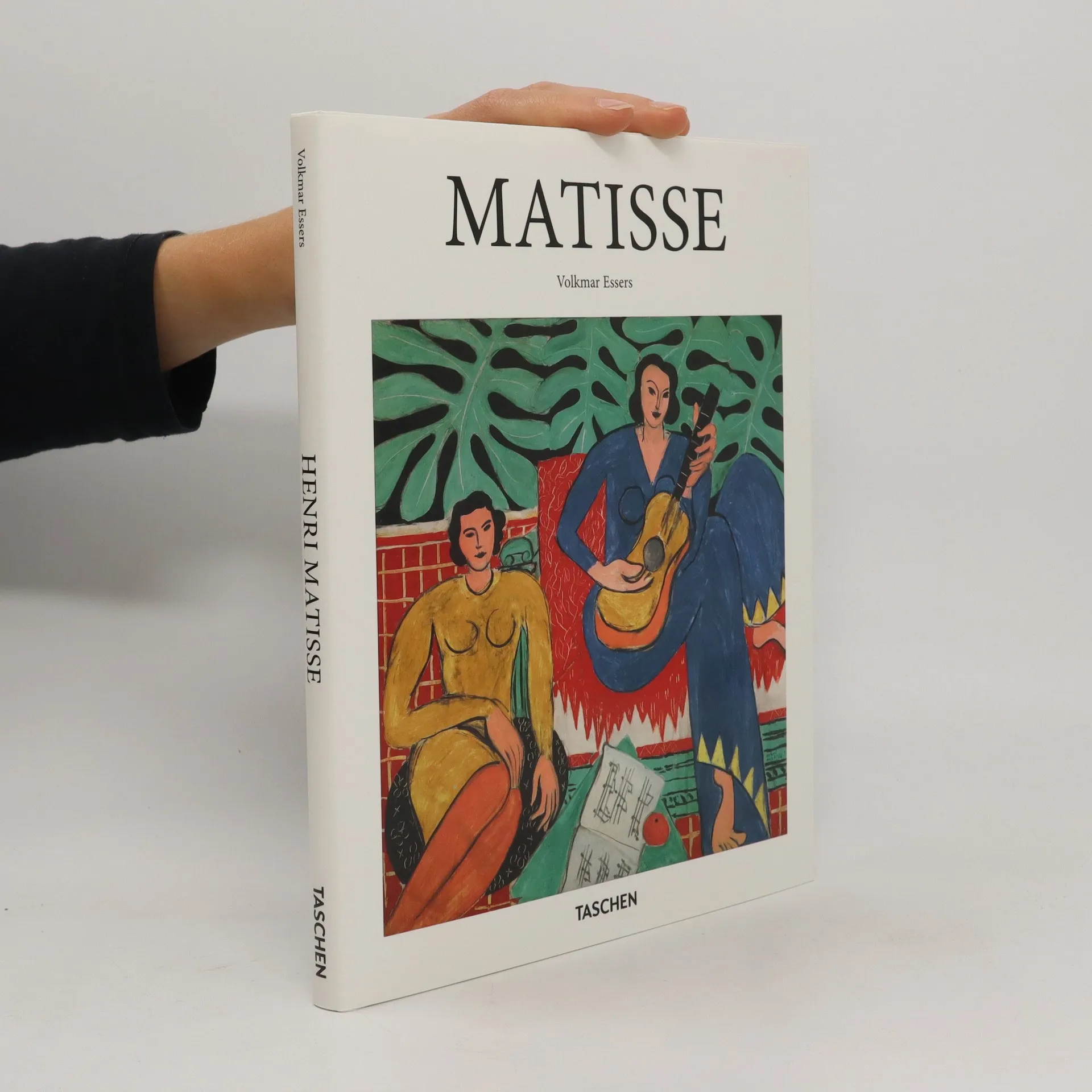
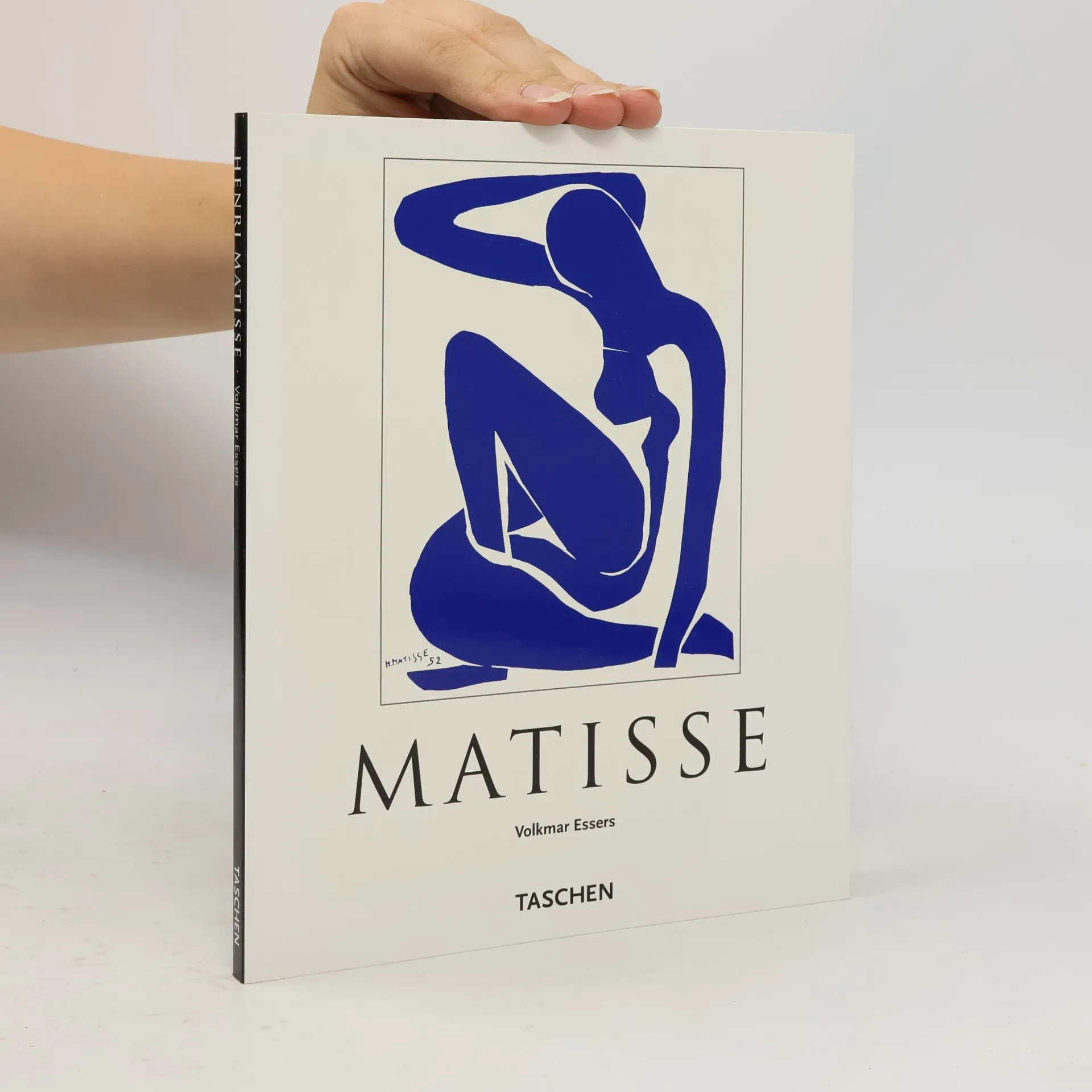
Henri Matisse, 1869-1954 : master of colour
- 96 pages
- 4 hours of reading
Henri Matisse (1869–1954), zentrale Figur des Fauvismus, war ein Einzelgänger, der zeitlebens nach dekorativer Formvereinfachung und der perfekten Synthese von Linie und Farbe strebte. Nach seiner fauvistischen Phase experimentierte er mit Kubismus und primitiver Kunst. Seine Reisen in den Orient und nach Polynesien bereicherten seine Arbeiten, die über die flache Leinwand hinausgingen: Er gestaltete Glasfenster, Wandgemälde, Bühnenbilder, Kostüme, Buchillustrationen sowie Skulpturen aus Bronze, Keramik und Ton. Durch den flächig-dekorativen und ornamentalen Einsatz von Farbe verlieh er ihr ein eigenständiges Dasein und wurde zum Vorbild für Künstler, die neue Wege jenseits der Abbildhaftigkeit suchten. Ein Höhepunkt seiner Kunst war der Scherenschnitt, den er im Alter aufgrund von Krankheit entdeckte. Hier entstanden farbenfrohe Collagen aus mit Gouachefarben bestrichenem Papier, die rhythmische Improvisationen darstellten. 20 dieser Werke wurden 1947 unter dem Titel Jazz als Künstlerbuch veröffentlicht, ein bedeutendes Werk des 20. Jahrhunderts und eine Krönung seiner kreativen Reise. Dieser Band verfolgt seinen künstlerischen Werdegang von Neoimpressionismus und Fauvismus bis hin zur reinen Farbfeldmalerei und lädt dazu ein, sich intensiver mit einem Künstler auseinanderzusetzen, dessen Einfluss auf die Moderne enorm ist.
Alexander Calder. 1898-1976
- 95 pages
- 4 hours of reading
When the final tally of key movers in the plastic arts of this century is compiled, there is no doubt that maestro of movement Alexander Calder (1898-1976), the man who put the swing into sculpture, will be near numero uno. Calder took it off the plinth, gave it to the wind, and left us kinetic playgrounds of the spirit. He operated at the point where Modernity and nature Fused, developing an environmental art that changed the medium Forever. Visiting his Paris atelier in 1932, Duchamp coined the term "Mobiles" For Calder's delicate wire and disc pieces, constructions that would soon become immensely popular. But he didn't rest on his innovations. Friends with Miro, Mondrian and Leger, Calder also turned his hand to painting, drawing, gouaches, toys, textiles and utensil design. A graphic master who sketched as much in air as in ink, the Sixties and Seventies saw Calder take on the monumental, translating the dynamics of cities into both his Mobiles and "Stabiles". At a time when sculpture was perceived to be the antithesis of movement, Calder unmade gravity and freed the elements in a body of work that is still sending a wind of change through the art world today.
Henri Matisse's adventures in color and light constitute a landmark in the history of modern art. From his apprenticeship in the studio of Gustave Moreau to the paper cutouts of the 1950'...
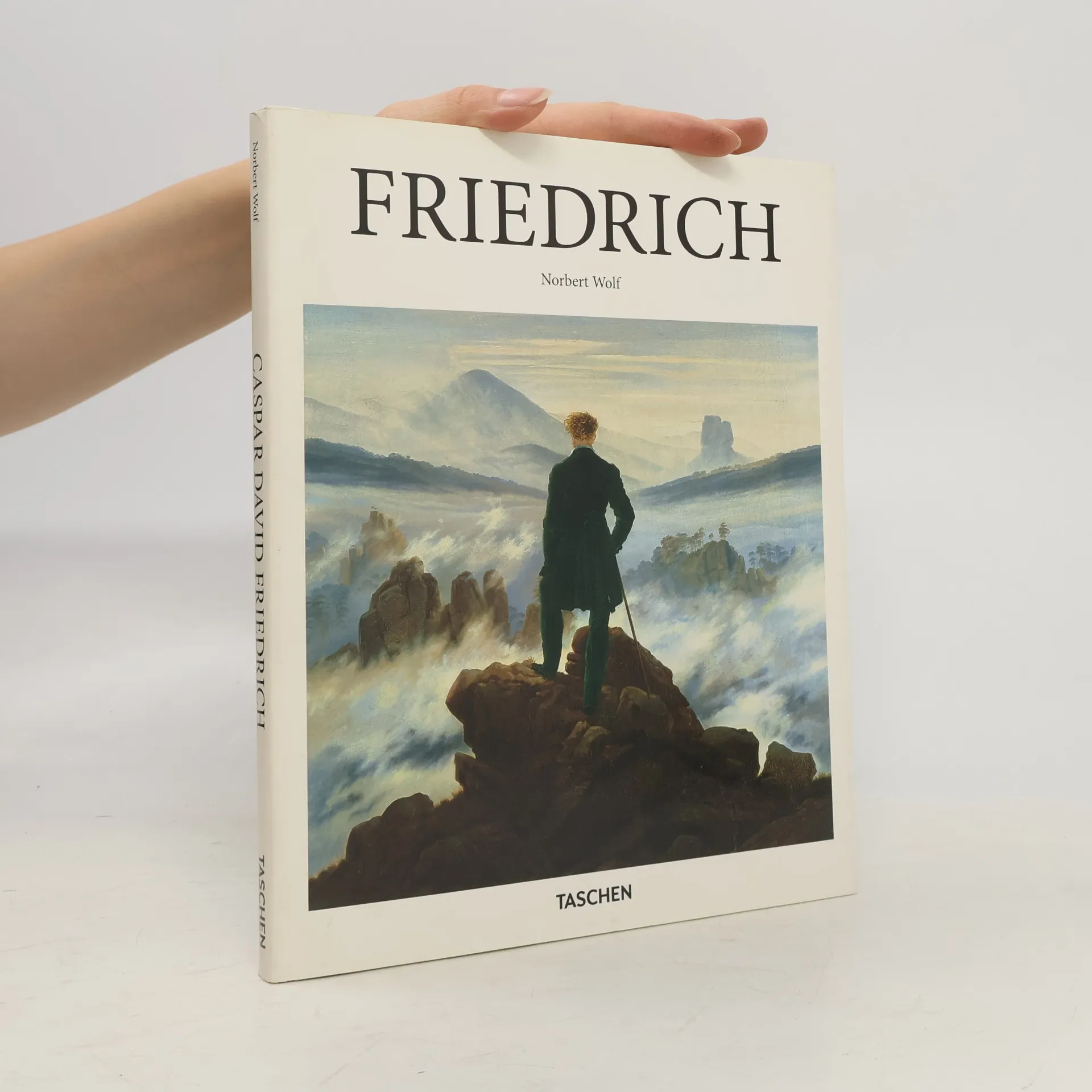
Caspar David Friedrich
- 96 pages
- 4 hours of reading
From night skies to morning mists to the much-cited Wanderer above a Sea of Fog, Caspar David Friedrich mastered the emotional and metaphysical experience of nature. This introductory book presents his most important and celebrated works to explore an oeuvre of sublime and haunting impact and a trailblazer of Romantic aesthetics.
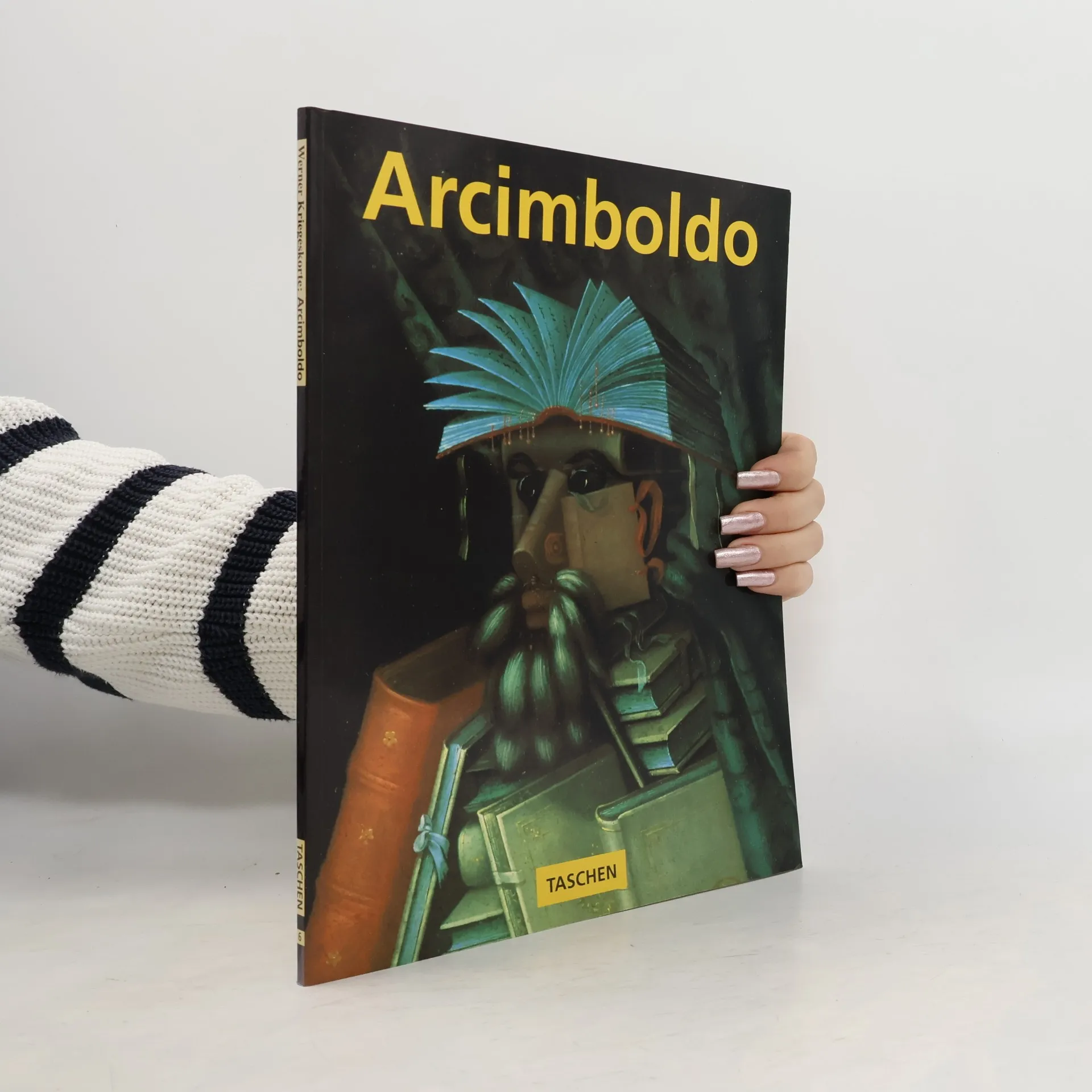
This book details Arcimboldo's life, work, pictures and drawings. Also the work he did as a scientist.
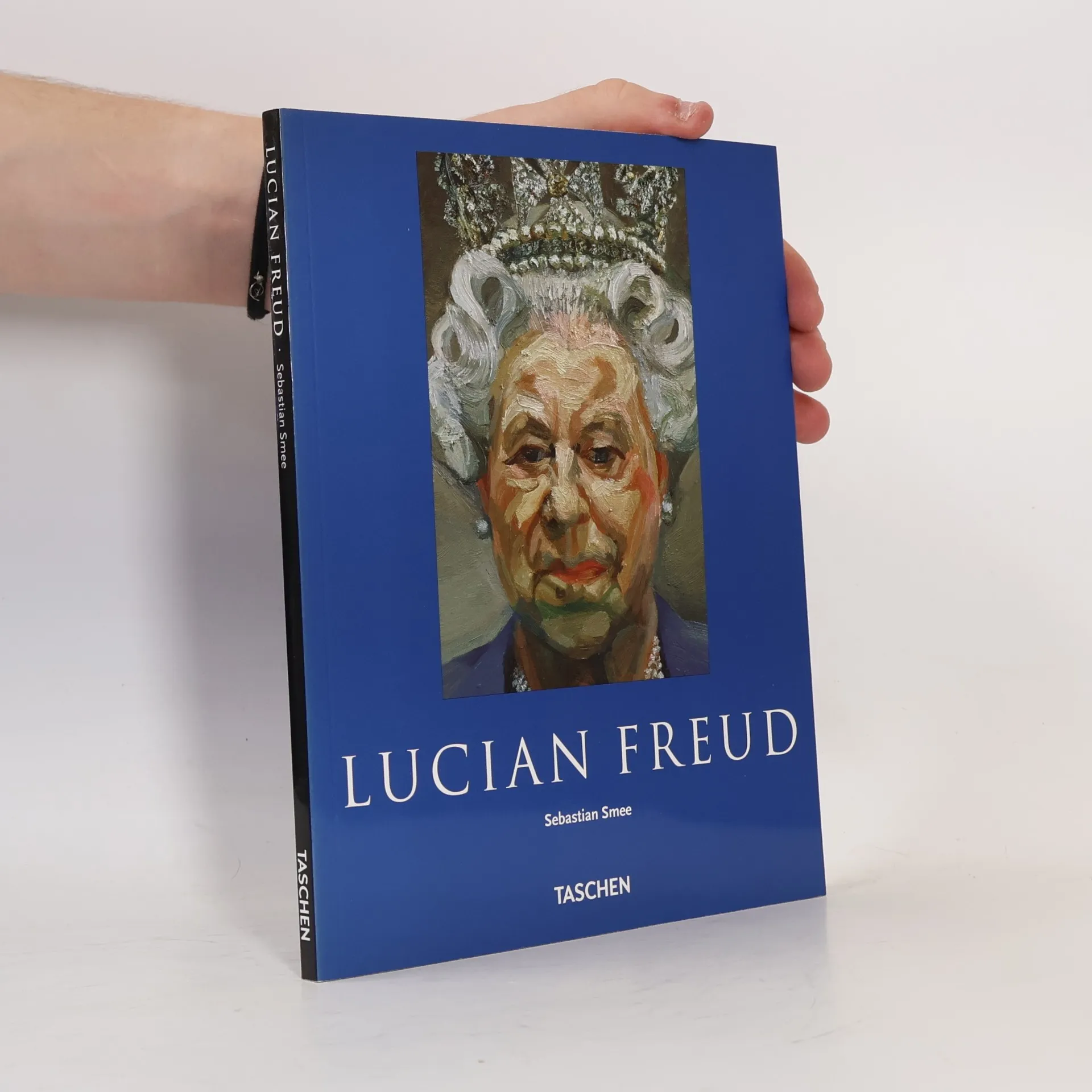
Unflinching truth British artist Lucian Freud (1922–2011) was widely considered the most important figurative painter of his generation. Master portraitist and specialist in nudes, Freud used impasto to create depth and intensity while restraining his color palate to mostly muted hues. His portraits may be physically unflattering to their subjects, but they are honest, frank, and unapologetic. "I paint people," Freud said, "not because of what they are like, not exactly in spite of what they are like, but how they happen to be." About the Each book in TASCHEN’s Basic Art series
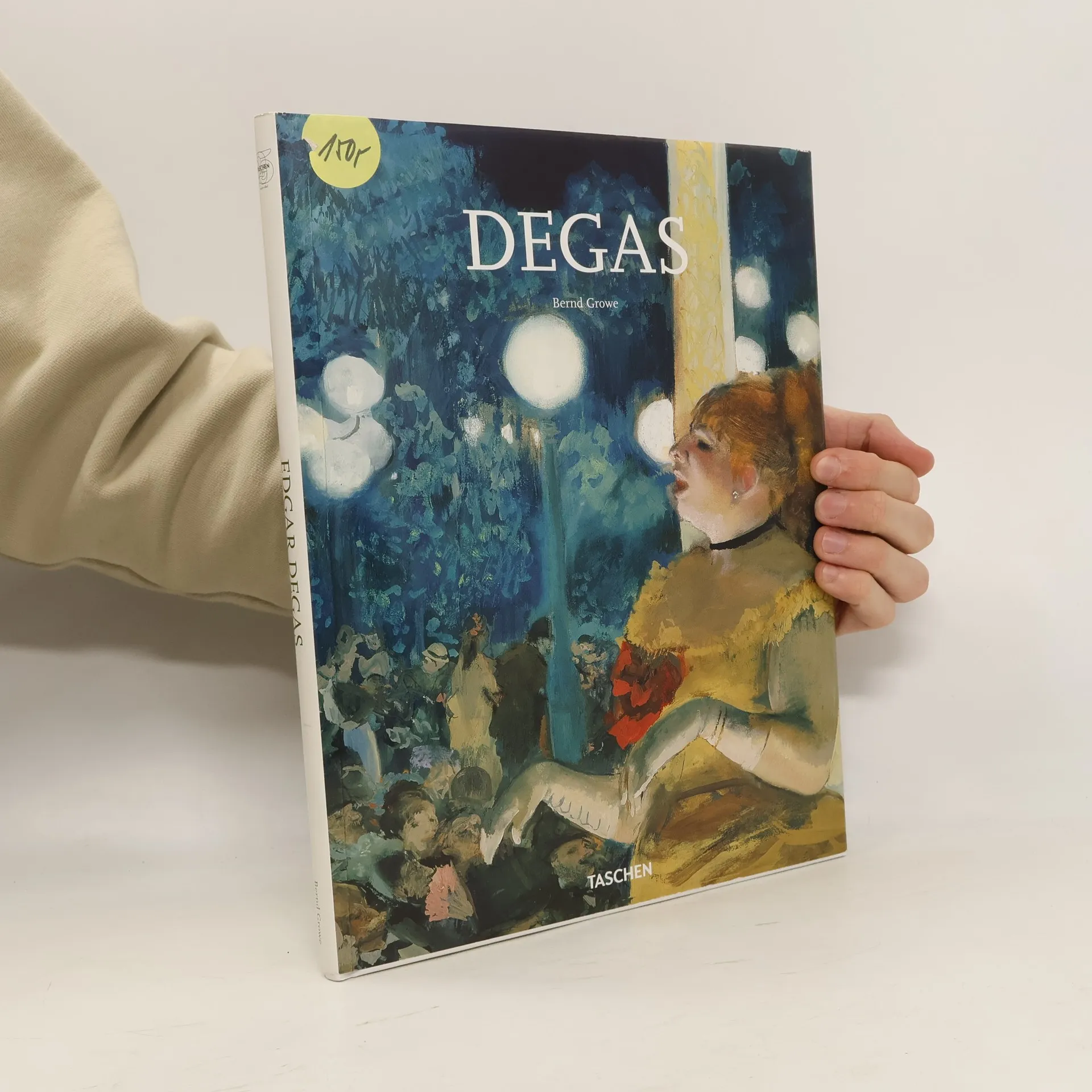
Degas
- 96 pages
- 4 hours of reading
Degas's mastery in the depiction of movement ""No art could be less spontaneous than mine. Inspiration, spontaneity, temperament are unknown to me. One has to do the same subject ten times, even a hundred times over. In art, nothing should look like chance, not even movement.""—Edgar Degas In terms of both theme and technique, the key to understanding the early work of Edgar Degas (1834–1917) is classical painting. Although he was eventually associated with the Impressionists and even participated in their joint exhibitions, Degas never adopted a purely Impressionist approach. Degas's work, reflecting an extremely personal and psychological perspective, emphasizes the scenic or concentrates on the detail. Thus, Degas's painting is often discussed with reference to the rise of short-exposure photography. Thematically, nature proved less interesting to the artist than the life and inhabitants of the modern metropolis. Degas primarily sought his motifs at the race track or circus, in bedrooms, or in ballet salons—and dancers always remained his favorite theme. About the Series: Every book in TASCHEN's Basic Art Series features: a detailed chronological summary of the artist's life and work, covering the cultural and historical importance of the artist approximately 100 color illustrations with explanatory captions a concise biography
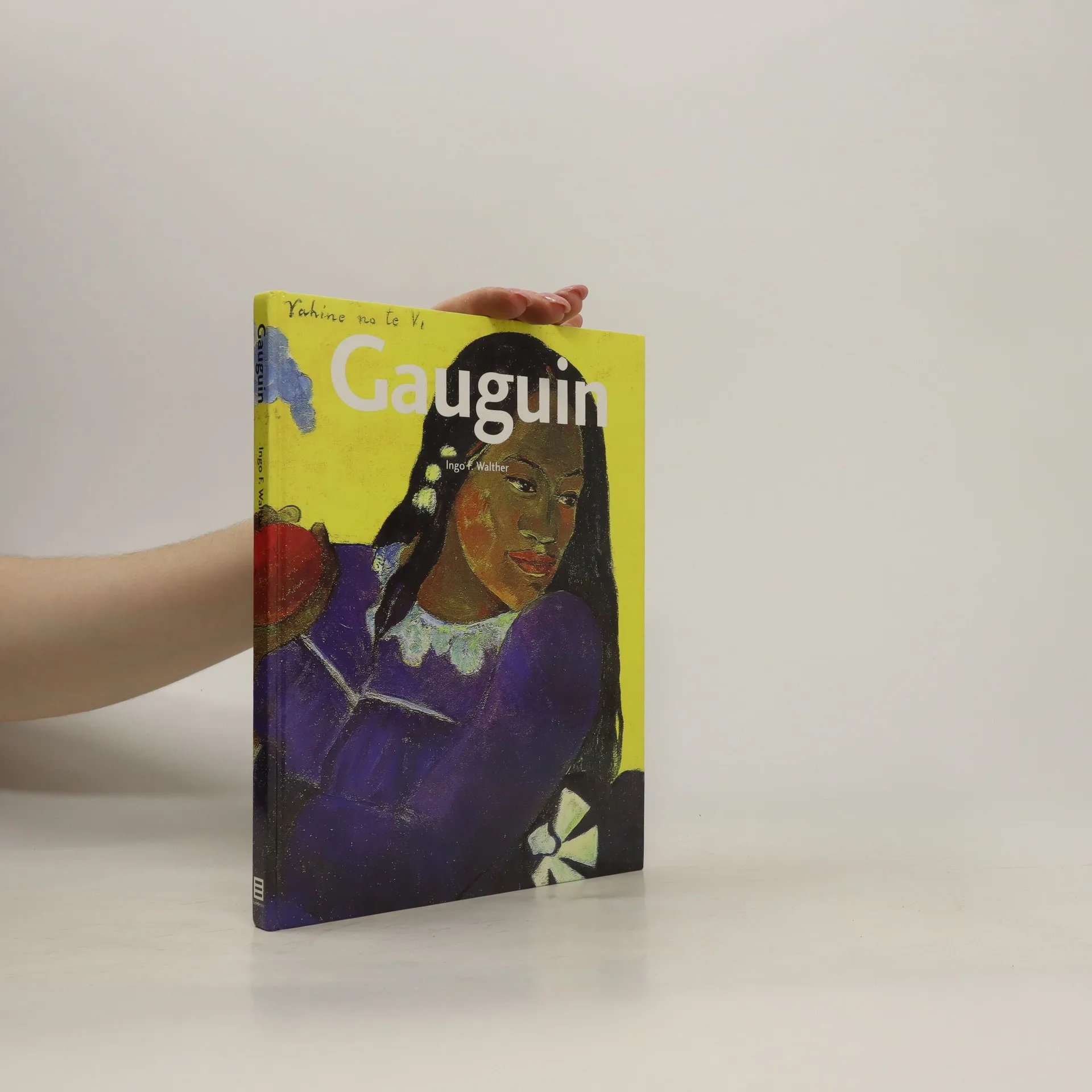
Gauguin
- 95 pages
- 4 hours of reading
A Frenchman in Tahiti: Gauguin s search for pristine originality and unadulterated natureAfter starting a career as a bank broker, Paul Gauguin (1848 1903) turned to painting only at age twenty-five. After initial successes within the Impressionist circle, he broke with Vincent van Gogh and subsequently when private difficulties caused him to become restless embarked on a peripatetic life, wandering first through Europe and finally, in the search for pristine originality and unadulterated nature, to Tahiti.The paintings created from this time to his death in 1903 brought him posthumous fame. In pictures devoid of any attempt at romantically disguising the life style of the primitive island peoples, Gauguin was able to convey the magical effect that both the landscapes and life of the natives their body language, charm and beauty had on him. Wearying of his reputation as a South Sea painter, Gauguin finally determined to return to France, but died of syphilis on the Marquis Islands before his departure.About the series: Each book in TASCHEN s Basic Art series features: a detailed chronological summary of the life and oeuvre of the artist, covering his or her cultural and historical importance a concise biography approximately 100 illustrations with explanatory captions"
Francisco Jose de Goya y Lucientes (1746-1828), one of Spain's most revered and controversial painters, is known for his intense, chilling, and sometimes grotesque paintings depicting the injustice of society with brutal sincerity. This book features a detailed chronological summary of the artist's life and work.