

Thruout his career Feuchtwanger was drawn to the theme of Jewishness. In his Josephus Trilogy (Josephus, '32; The Jew of Rome, '35; & Josephus & the Emperor, or The Day Will Come, '42) he deals with the theme of nationalism versus cosmopolitanism by describing the development of Flavius Josephus, a Jewish historian of the 1st century. Toward the his life's end he took up the theme by writing about Raquel, the Jewess of Toledo ('55), who for seven years prevented Alfonso VIII of Castile from warring against the Moors. In Jefta & His Daughter ('57) he wrote about a man from the Hebrew bible who kept an oath to god by sacrificing his daughter.
The Josephus Trilogy Series
This epic trilogy delves into the tumultuous first century AD, set against the backdrop of the expanding Roman Empire. It follows the dramatic life of a Roman-Jewish historian who becomes the chronicler of pivotal historical events. The series masterfully intertwines personal destinies with grand historical milestones, offering readers an immersive journey into the ancient world. Its compelling narrative captures the clash of cultures and the struggle for survival during a transformative era.

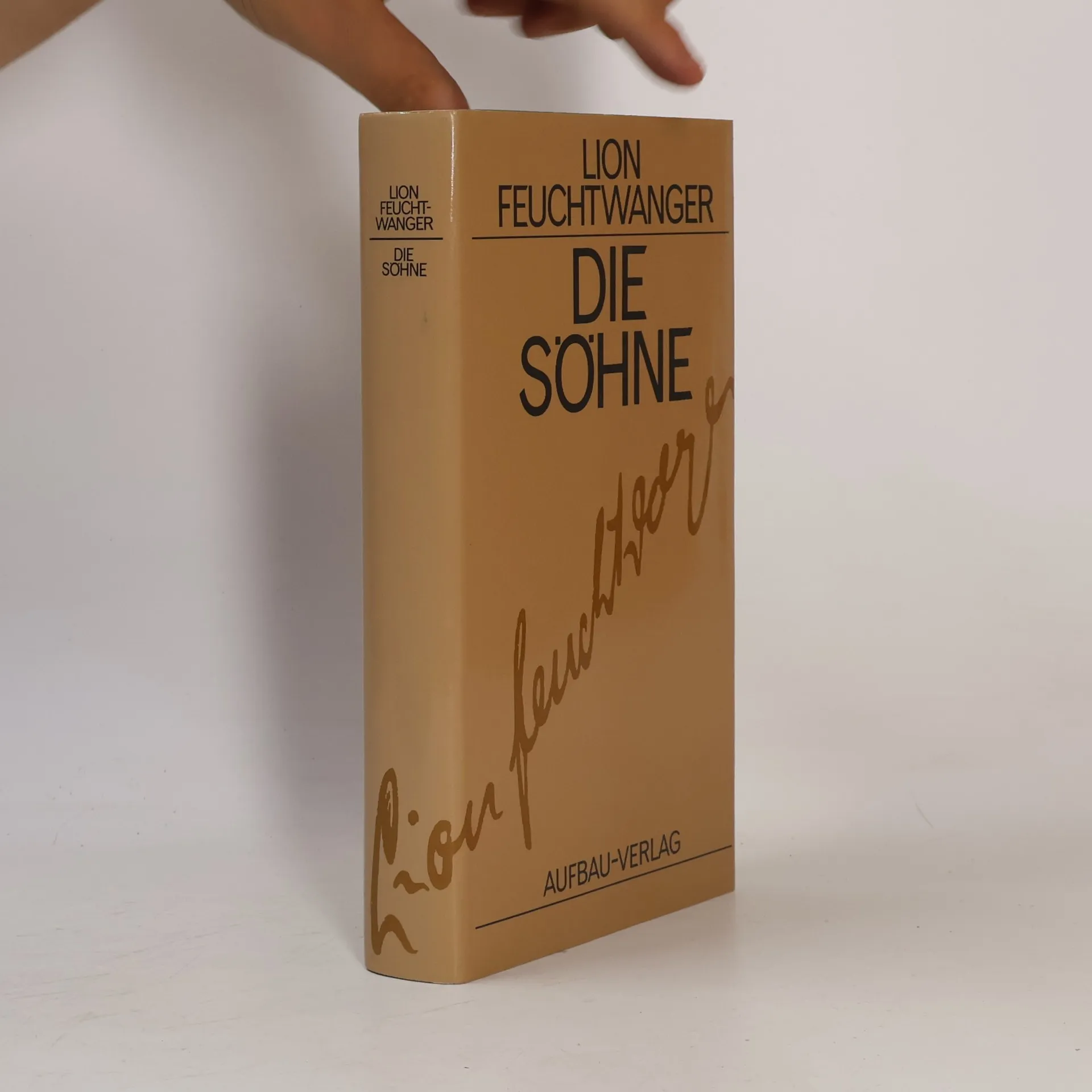
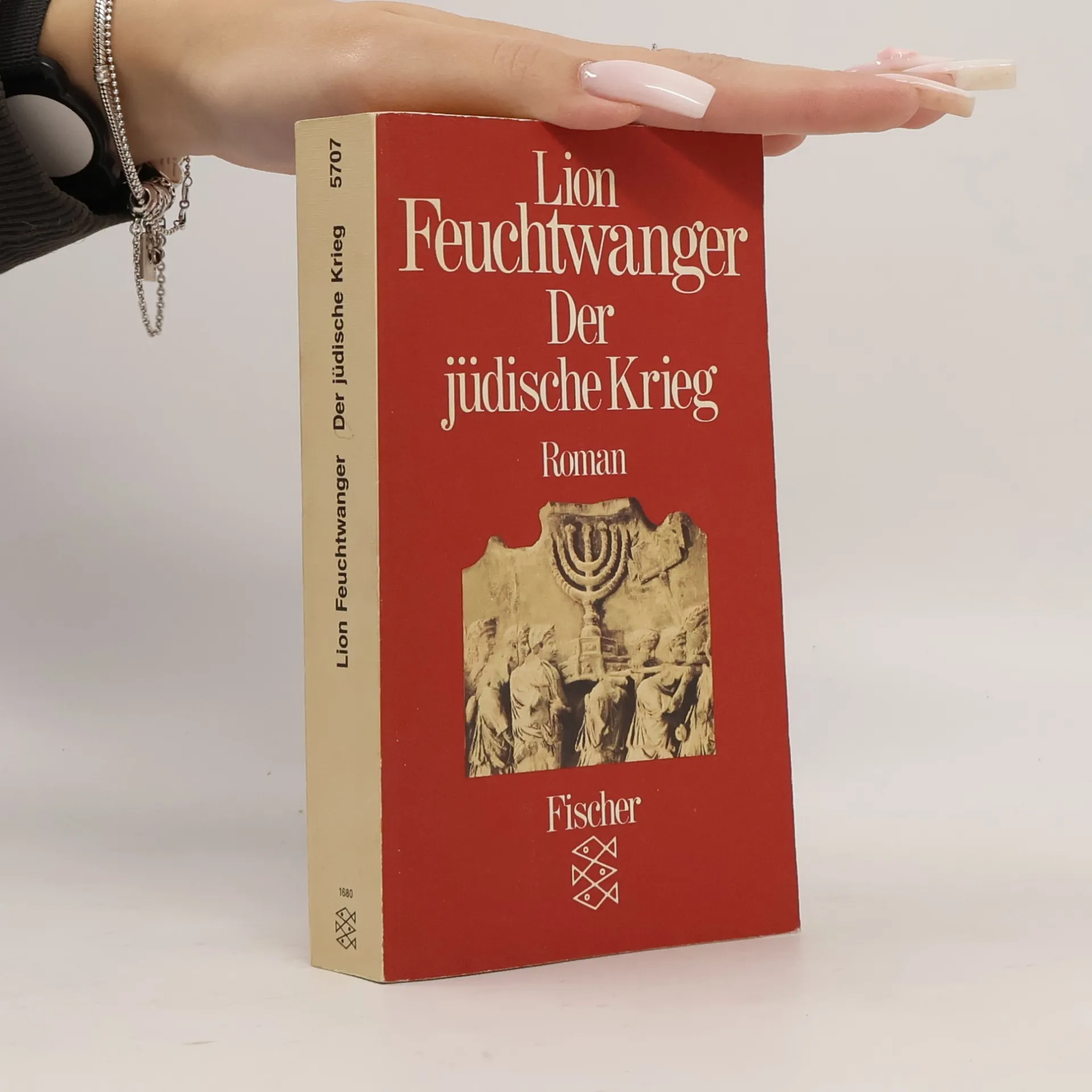
Recommended Reading Order
Im Laufe seiner Karriere fühlte sich Feuchtwanger immer wieder zum Thema Judentum hingezogen. In seiner Josephus-Trilogie (Josephus, Der Jude von Rom und Josephus und der Kaiser) behandelt er das Thema Nationalismus versus Kosmopolitismus, indem er die Entwicklung von Flavius Josephus, einem jüdischen Historiker des 1. Jahrhunderts, beschreibt. Gegen Ende seines Lebens griff er das Thema erneut auf, indem er über Raquel, die Jüdin von Toledo, schrieb, die sieben Jahre lang Alfonso VIII. von Kastilien daran hinderte, gegen die Mauren zu kriegen. In Jefta und seine Tochter schrieb er über einen Mann aus der hebräischen Bibel, der ein Gelübde an Gott einhielt, indem er seine Tochter opferte.
Die Josephus-Trilogie – über Flavius Josephus, beginnend im Jahr 60 in Rom.