

Since the popularisation of the internet, low-income Brazilians have received little government support to help them access it. In response, they have largely self-financed their digital migration. Internet cafés became prosperous businesses in working-class neighbourhoods and rural settlements, and, more recently, families have aspired to buy their own home computer with hire purchase agreements. As low-income Brazilians began to access popular social media sites in the mid-2000s, affluent Brazilians ridiculed their limited technological skills, different tastes and poor schooling, but this did not deter them from expanding their online presence. Young people created profiles for barely literate older relatives and taught them to navigate platforms such as Facebook and WhatsApp
Why We Post Series
This series of anthropological studies delves into the complex world of social media, exploring the motivations behind online posting and its profound impact on human lives. Through extensive ethnographic research across diverse global communities, authors reveal how these platforms have reshaped relationships, identity, and daily existence. The collection offers nuanced insights into how our virtual lives intertwine with our physical realities, presenting a groundbreaking look at humanity's evolving digital landscape.

Social Media in an English Village
- 220 pages
- 8 hours of reading
Daniel Miller spent 18 months undertaking an ethnographic study with the residents of an English village, tracking their use of the different social media platforms. Following his study, he argues that a focus on platforms such as Facebook, Twitter and Instagram does little to explain what we post on social media. Instead, the key to understanding how people in an English village use social media is to appreciate just how ‘English’ their usage has become. He introduces the ‘Goldilocks Strategy’: how villagers use social media to calibrate precise levels of interaction ensuring that each relationship is neither too cold nor too hot, but ‘just right’.
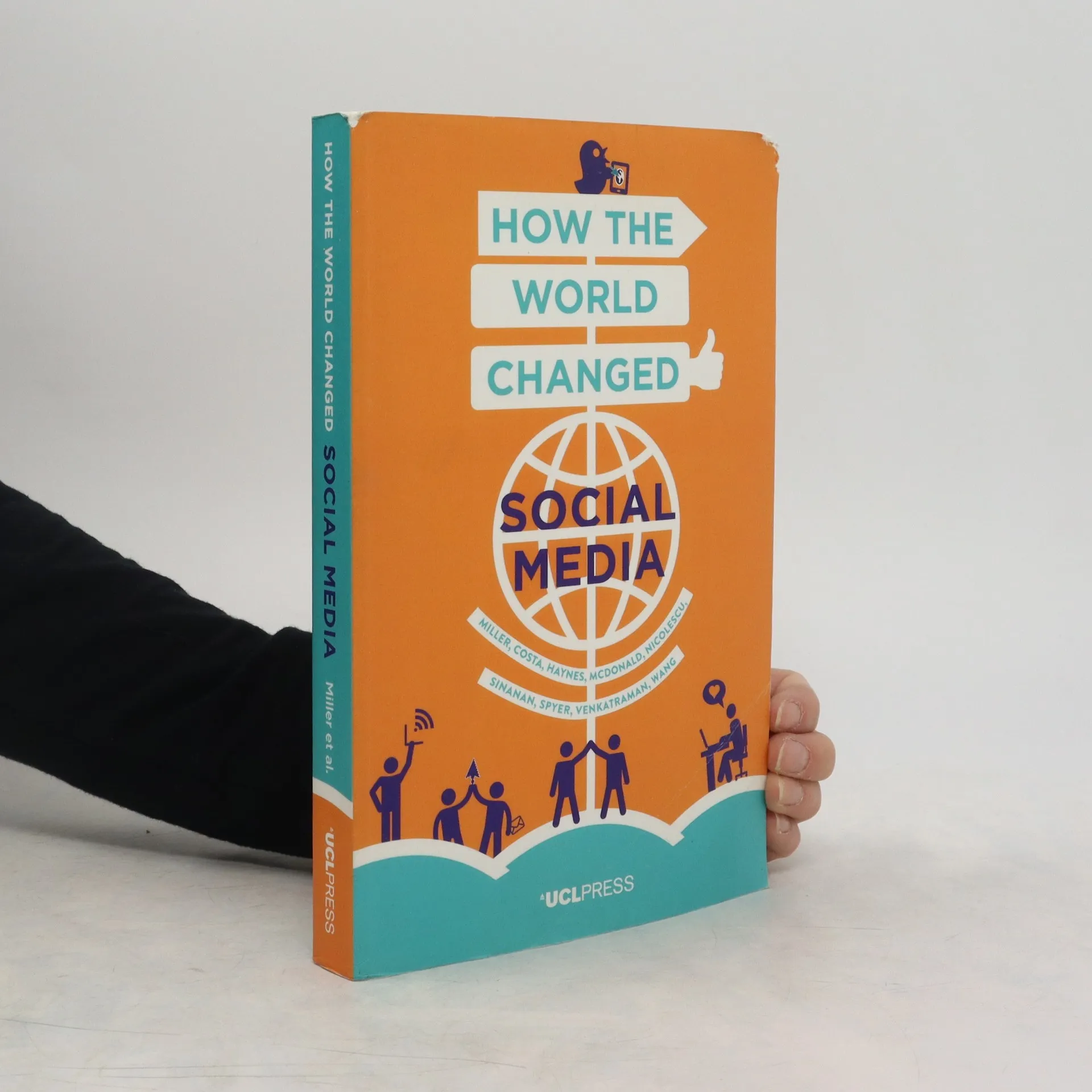
How the World Changed Social Media
- 286 pages
- 11 hours of reading
How the World Changed Social Media is the first book in Why We Post, a book series that investigates the findings of anthropologists who each spent 15 months living in communities across the world. This book offers a comparative analysis summarising the results of the research and explores the impact of social media on politics and gender, education and commerce. What is the result of the increased emphasis on visual communication? Are we becoming more individual or more social? Why is public social media so conservative? Why does equality online fail to shift inequality offline? How did memes become the moral police of the internet? Supported by an introduction to the project’s academic framework and theoretical terms that help to account for the findings, the book argues that the only way to appreciate and understand something as intimate and ubiquitous as social media is to be immersed in the lives of the people who post. Only then can we discover how people all around the world have already transformed social media in such unexpected ways and assess the consequences