

Daniel Miller is a leading anthropologist who examines how technology and material culture shape our lives. His work delves into everyday interactions, revealing how meaning is constructed in our increasingly digitized world. With keen insight, he analyzes the impacts of online communication and consumption on human relationships and identity. Miller's writing offers profound insights into the complexities of modern existence.
Mute Records is one of the most revered and influential independent music labels of all time. Through the music of its tight-knit community of artists - ranging from Cabaret Voltaire, Throbbing Gristle, Nick Cave's 'The Birthday Party' and Einsturzende Neubauten to Depeche Mode, Yazoo, Erasure, Laibach and Goldfrapp - it has had an incalculable impact on popular music for forty years. This authoritative, sumptuously illustrated history of the label features stunning artwork and photography - much of it previously unseen - and insights from those who have worked with the label
Focusing on the intersection of theology and animal ethics, the book critiques contemporary views by proposing a love-based approach to human-animal relationships. Drawing from the parable of the Good Samaritan, it advocates for a narrative that emphasizes compassion and moral responsibility towards animals, challenging existing ethical frameworks established in the twentieth century.
Daniel Miller spent 18 months undertaking an ethnographic study with the residents of an English village, tracking their use of the different social media platforms. Following his study, he argues that a focus on platforms such as Facebook, Twitter and Instagram does little to explain what we post on social media. Instead, the key to understanding how people in an English village use social media is to appreciate just how ‘English’ their usage has become. He introduces the ‘Goldilocks Strategy’: how villagers use social media to calibrate precise levels of interaction ensuring that each relationship is neither too cold nor too hot, but ‘just right’.
Drawing on experiences from villagers in Bengal to scientists in Bangalore, this book explores the beauty, adaptability and personality of India's most iconic garment. Banerjee and Miller show why the sari has survived and indeed flourished as everyday dress when most of the world has adopted western clothing. Their book presents both an intimate portrait of the lives of women in India today and an alternative way for us all to think about our relationship to the clothes we wear. Lavishly illustrated and rich in personal testimony, The Sari expertly shows how one of the world's most simply constructed garments can reveal the intricate design of life in modern India.
Irvin Atchison lived a hard life as a young man growing up around Sidney, Montana, in the difficult times of the 1920s and 1930s. He had a way with horses and a hardscrabble life. When he joined the US Army, he had no idea that his skill would take him to the mountains of Hawaii to train mules in preparation for the coming War.
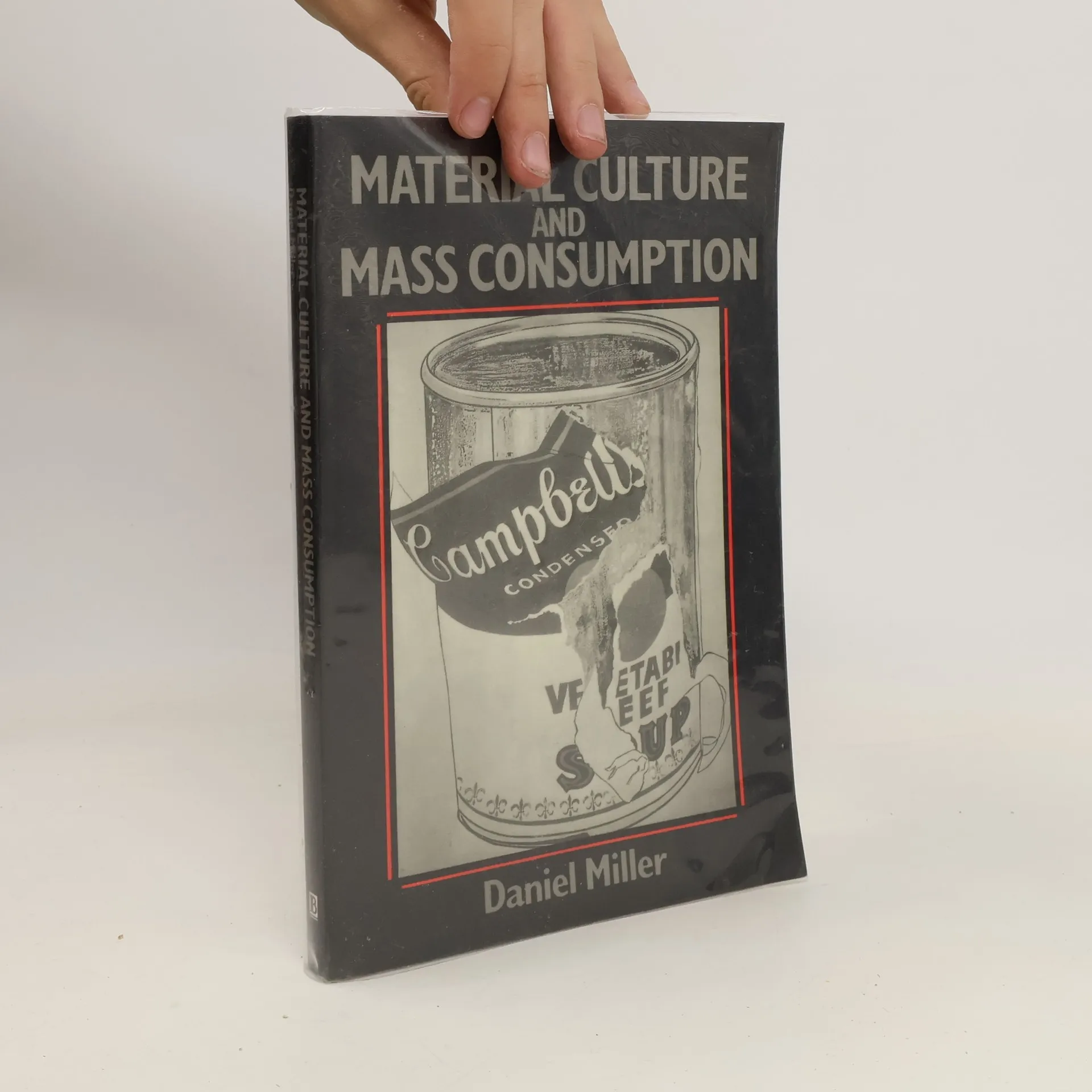
The main argument of this book is that people use material objects to express
themselves and their cultures. Drawing on examples from both Western and
developing cultures, it shows that everyday objects reflect not only personal
tastes and attributes, but also moral principles and social ideals.
The diversity of contemporary London is extraordinary, and begs to be better understood. Never before have so many people from such diverse backgrounds been free to mix and not to mix in close proximity to each other. But increasingly people's lives take place behind the closed doors of private houses.
Exploring the varied manifestations of materiality from ancient times to the present, this book assesses the fundamental role of materiality in shaping humanity.
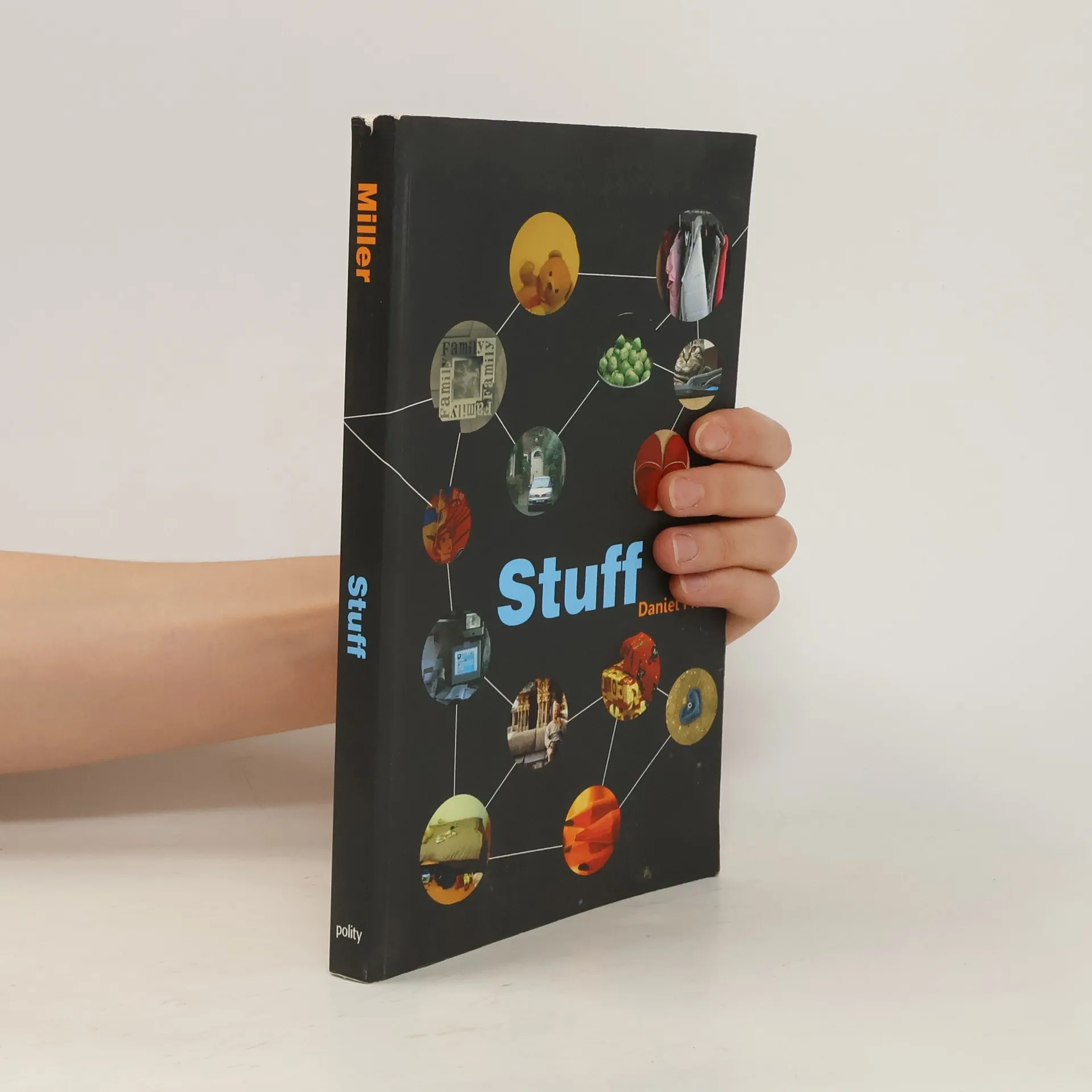
Things make us just as much as we make things. And yet, unlike the study of languages or places, there is no discipline devoted to the study of material things. This book shows why it is time to acknowledge and confront this neglect and how much we can learn from focusing our attention on stuff. The book opens with a critique of the concept of superficiality as applied to clothing. It presents the theories that are required to understand the way we are created by material as well as social relations. It takes us inside the very private worlds of our home possessions and our processes of accommodating. It considers issues of materiality in relation to the media, as well as the implications of such an approach in relation, for example, to poverty. Finally, the book considers objects which we use to define what it is to be alive and how we use objects to cope with death. Based on more than thirty years of research in the Caribbean, India, London and elsewhere, Stuff is nothing less than a manifesto for the study of material culture and a new way of looking at the objects that surround us and make up so much of our social and personal life.
A Booklife Editor's Pick "Filled with fascinating characters, breathtaking action... this novel grabs one's interest from page one."-Kat Kennedy, The US Review of Books Knowledge is power. It is said that the greatest chess masters can envision a match's outcome ten moves before it occurs. Imagine a person who can visualize ten steps ahead, not simply in the game of chess, but in every human interaction. Imagine a person who can see a punch before it is thrown; who knows what you are going to say before you say it; who can see every political and economic move long before it happens. Imagine a secret that can make this all possible. Mathematics professor Albert Puddles exposes this secret for himself as he is thrust into a murder investigation on the Princeton campus. The discovery leads Albert to delve into ancient religious interpretation and unmask new analytical abilities, all while teaming up with an aging mentor, a curious teaching assistant, and an elite Book Club on a frantic chase across America to recover this world-changing knowledge before it falls into dangerous hands. Albert-now embedded in a national cat-and-mouse political power play-rediscovers a woman from his past and is forced to confront his own understanding of love, rationality, power, and the true limits of the human mind.