Explore the latest books of this year!
Bookbot

John Toland

    June 29, 1912 – January 4, 2004

    John Toland was a rationalist philosopher and freethinker who challenged established religious doctrines, advocating for reason as the foundation of the Enlightenment. His works, often penned with shrewd caution, questioned the supernatural and explored the origins of religious beliefs. Considered by some to be the first professional freethinker, Toland's writings significantly contributed to the early development of Enlightenment thought.

    Nazarenus, or, Jewish, Gentile, and Mahometan Christianity
    The Dual of L(X,L,), Finitely Additive Measures and Weak Convergence
    Occupation
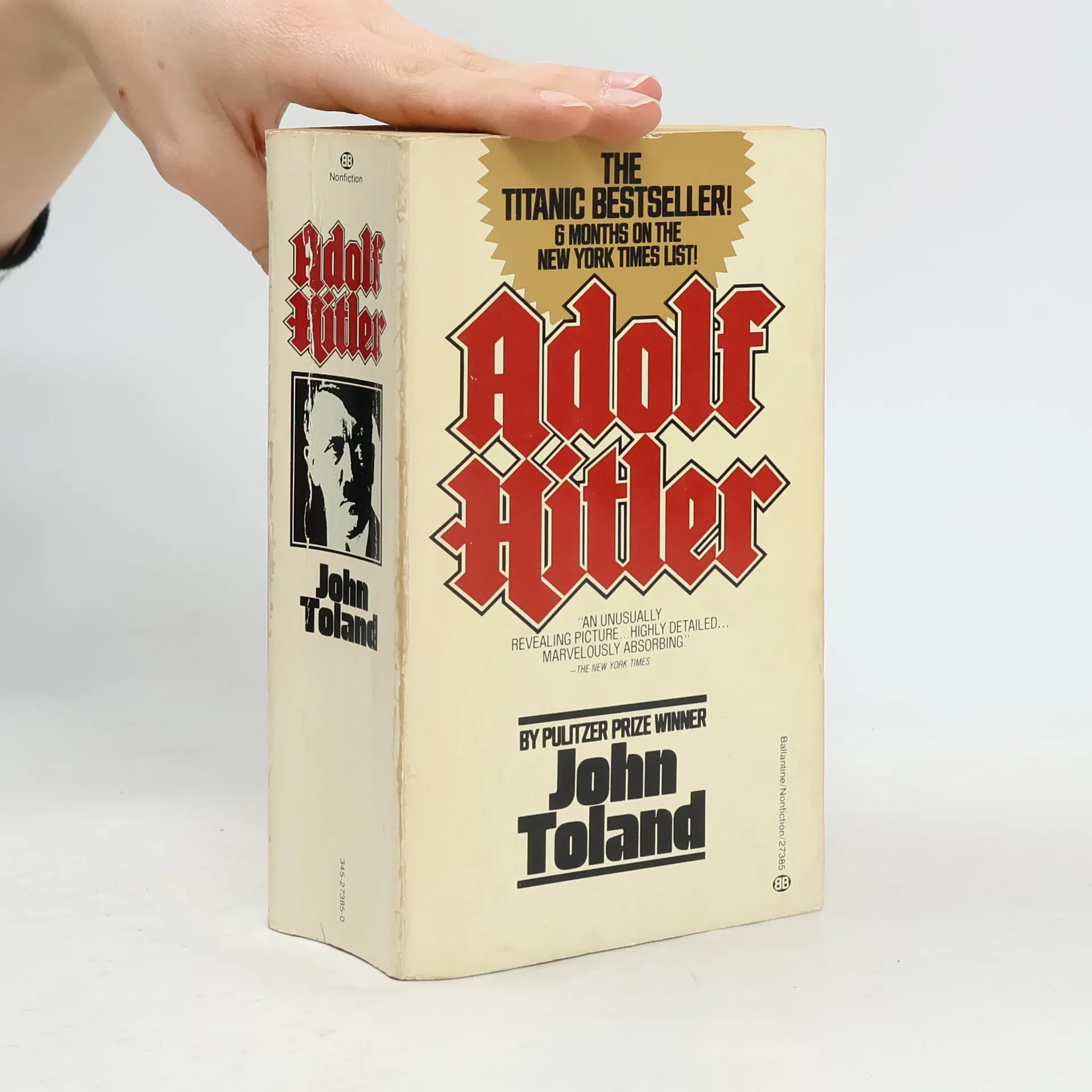
    Adolf Hitler
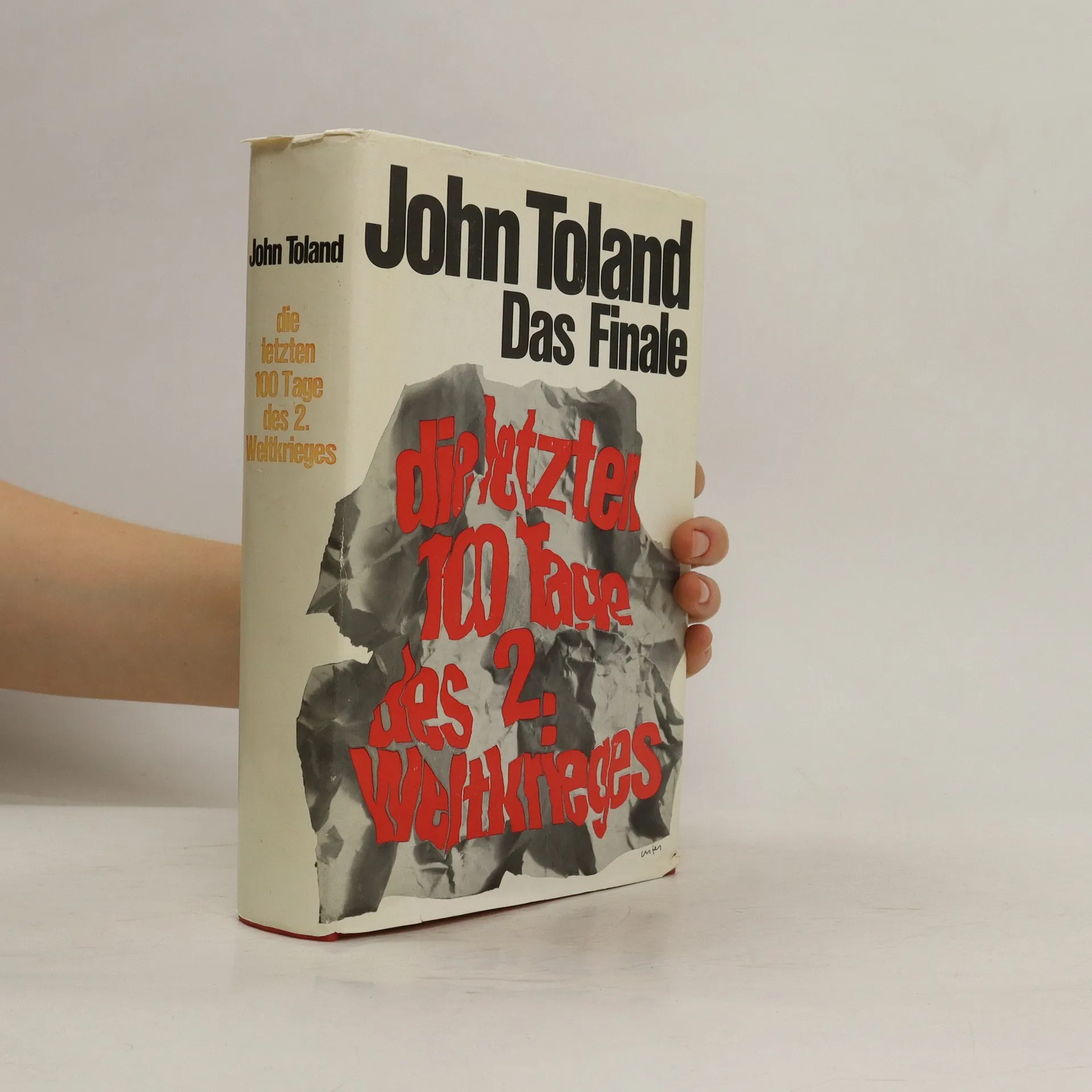
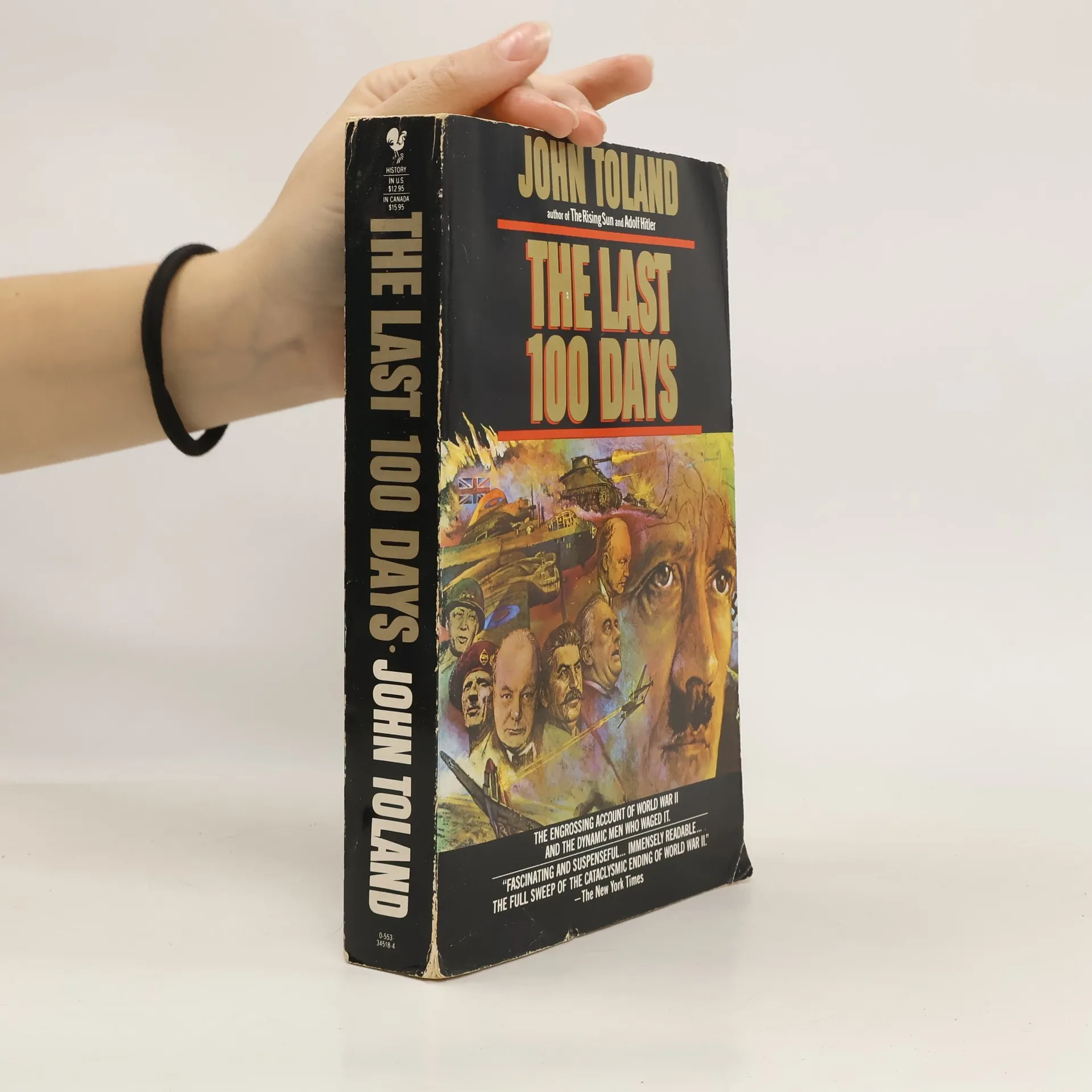
    The Last 100 Days
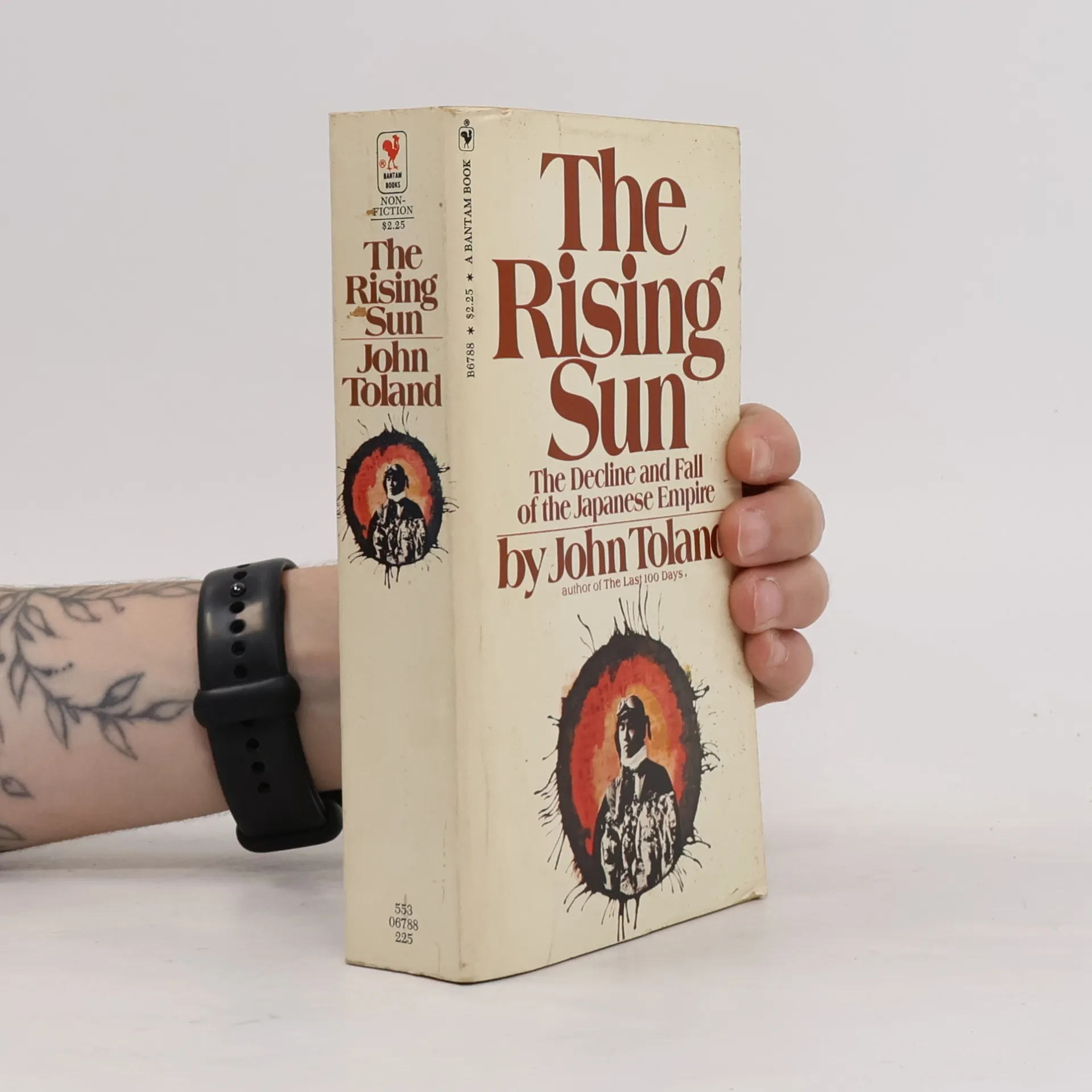
    The Rising Sun
    • “[ The Rising Sun ] is quite possibly the most readable, yet informative account of the Pacific war.”— Chicago Sun-TimesThis Pulitzer Prize–winning history of World War II chronicles the dramatic rise and fall of the Japanese empire, from the invasion of Manchuria and China to the atomic bombing of Hiroshima and Nagasaki. Told from the Japanese perspective, The Rising Sun is, in the author’s words, “a factual saga of people caught up in the flood of the most overwhelming war of mankind, told as it happened—muddled, ennobling, disgraceful, frustrating, full of paradox.”In weaving together the historical facts and human drama leading up to and culminating in the war in the Pacific, Toland crafts a riveting and unbiased narrative history. In his Foreword, Toland says that if we are to draw any conclusion from The Rising Sun , it is “that there are no simple lessons in history, that it is human nature that repeats itself, not history.”“Unbelievably rich . . . readable and exciting . . .The best parts of [Toland’s] book are not the battle scenes but the intimate view he gives of the highest reaches of Tokyo politics.”— Newsweek

      The Rising Sun
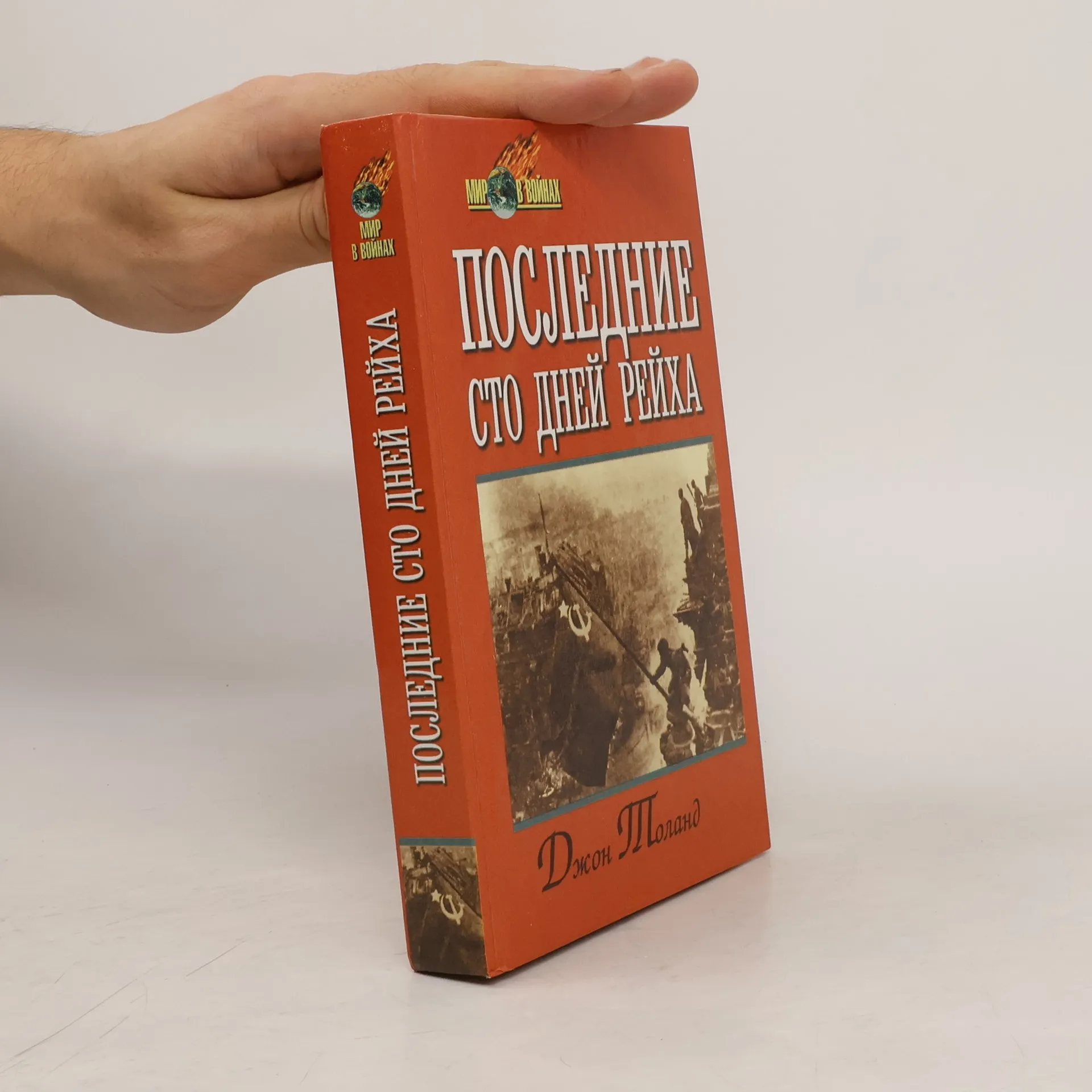
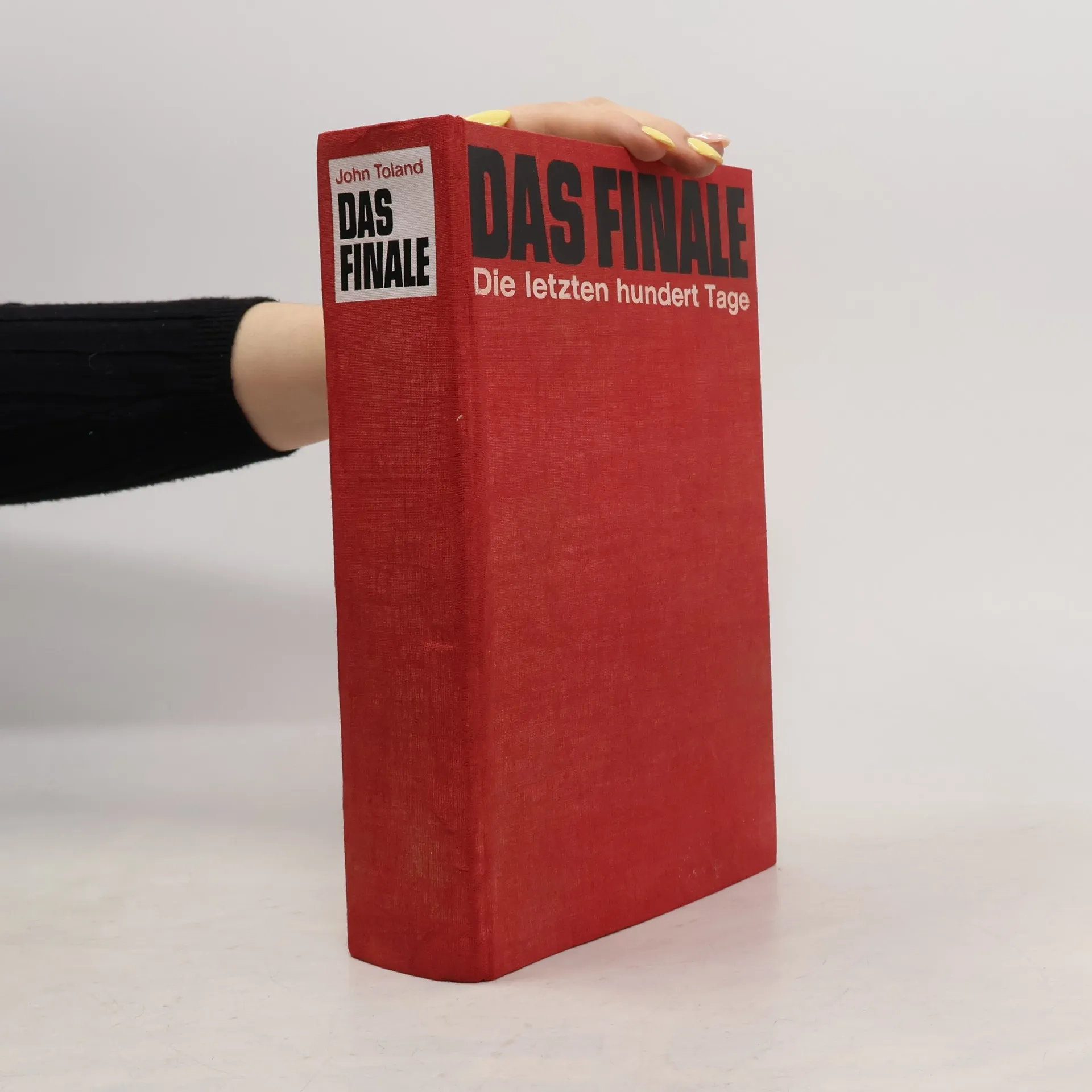
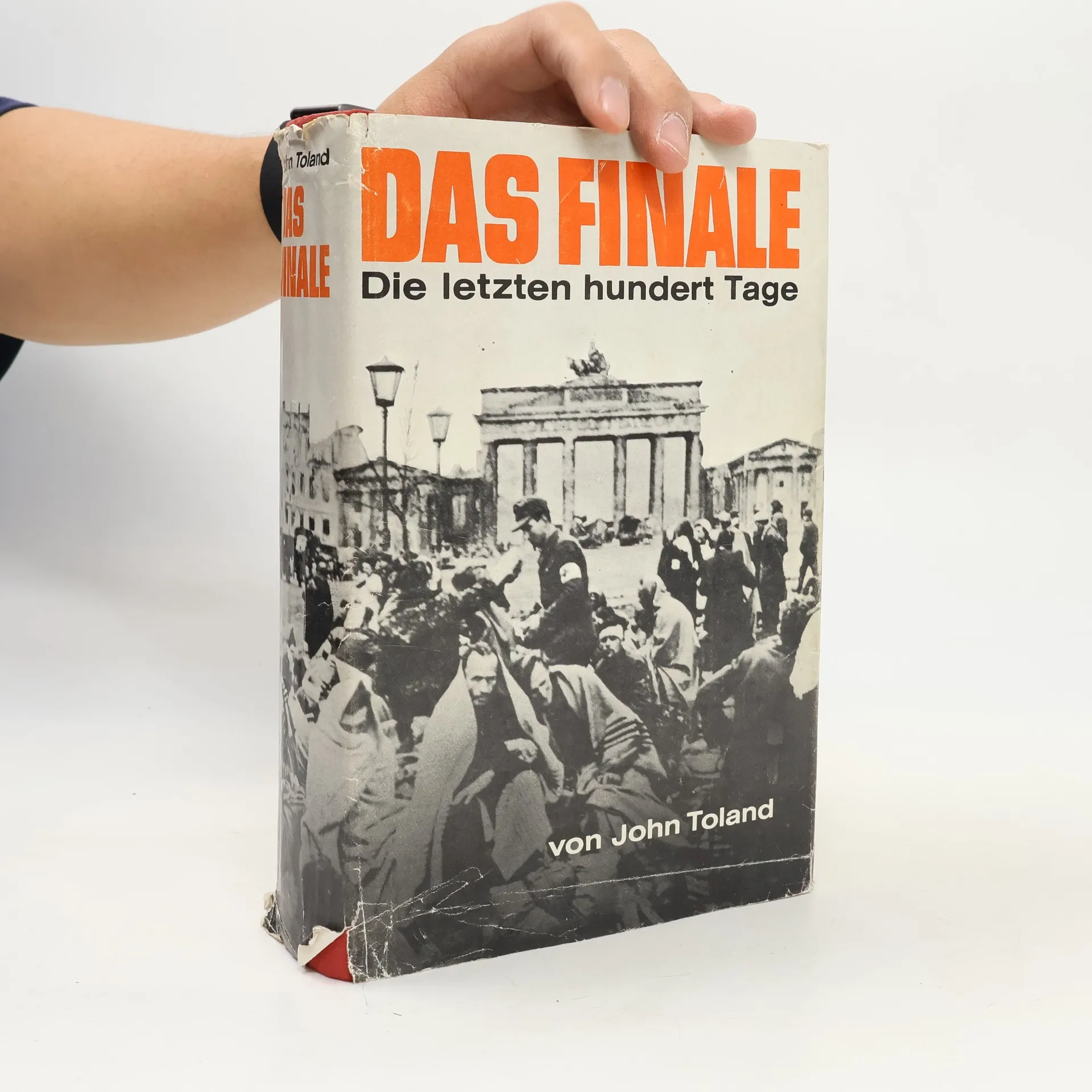
    • A sweeping history of the end of World War II in Europe, this authoritative volume, out of print for nearly a decade, is by one of the greatest military historians of the 20th century.

      The Last 100 Days
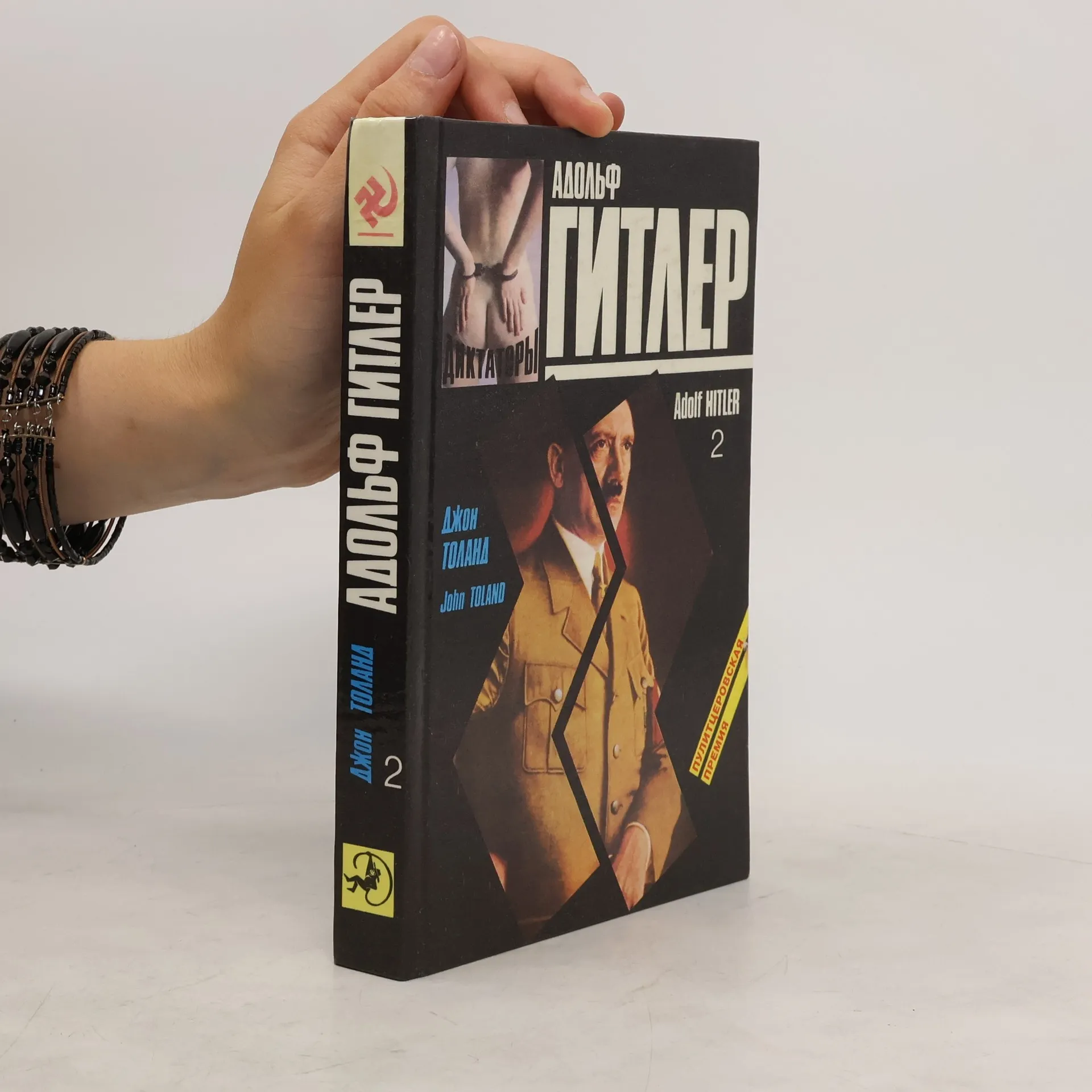
    • WWII, the Holocaust, 50 million deaths, famine & suffering unimaginable. Who could have dreamed such a Wagnerian scene in the mid-20th century? Only one Adolf Hitler. How he brought it off, how he staged the takeover of a great nation, all its resources, largely with the consent & approbation of its people, in their full knowledge of what he stood for & intended to do--this is what fascinates, & this is the theme of John W. Toland's powerful, definitive biography."Masterful...compelling...remarkably documented...a landmark."--John Barkham Reviews
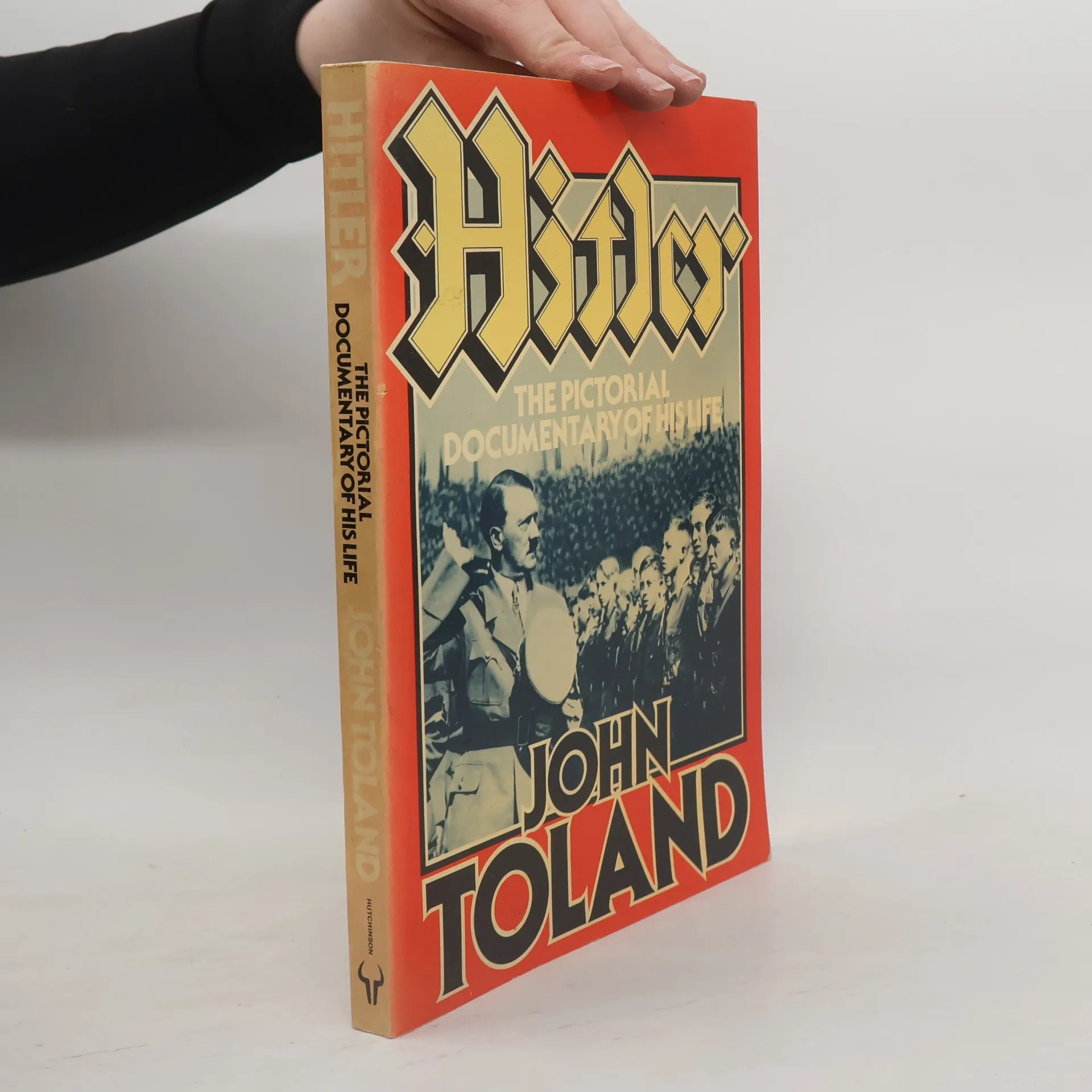
      Adolf Hitler
    • A story set in the postwar years following the unconditional surrender of Japan to the Allies. Centered around two families, one American and one Japanese. Portraying both the United States and Japanese points of view. Explores rebuilding of a nation from war

      Occupation
    • The book delves into measure theory, highlighting F. Riesz's notable representation theorem that characterizes the dual space of certain function spaces. It explores the implications of this theorem in various mathematical contexts, providing a comprehensive understanding of its significance in functional analysis. Through detailed explanations and examples, the text aims to elucidate the relationships between measures, functions, and their dual representations, making it a valuable resource for students and professionals in mathematics.

      The Dual of L(X,L,), Finitely Additive Measures and Weak Convergence
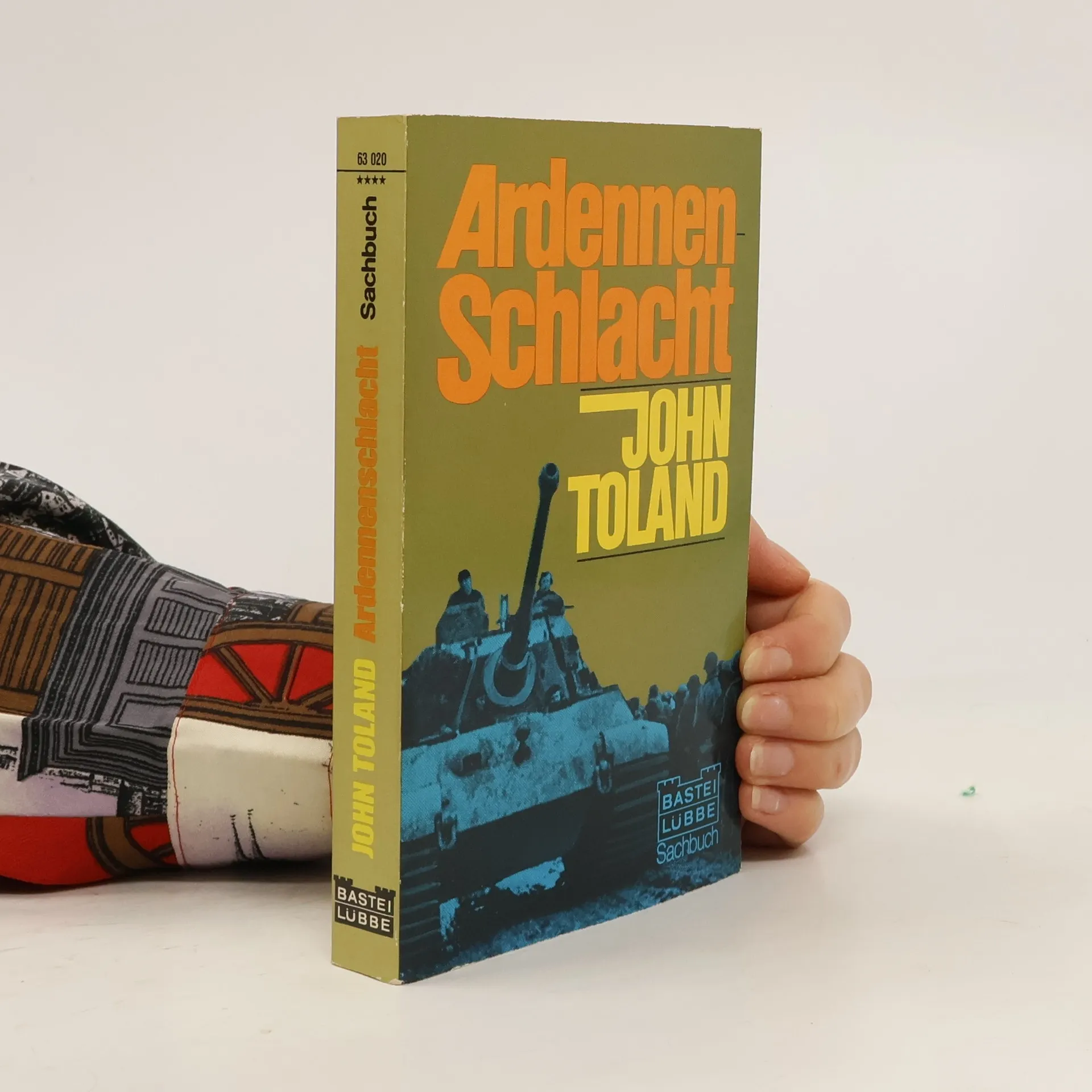
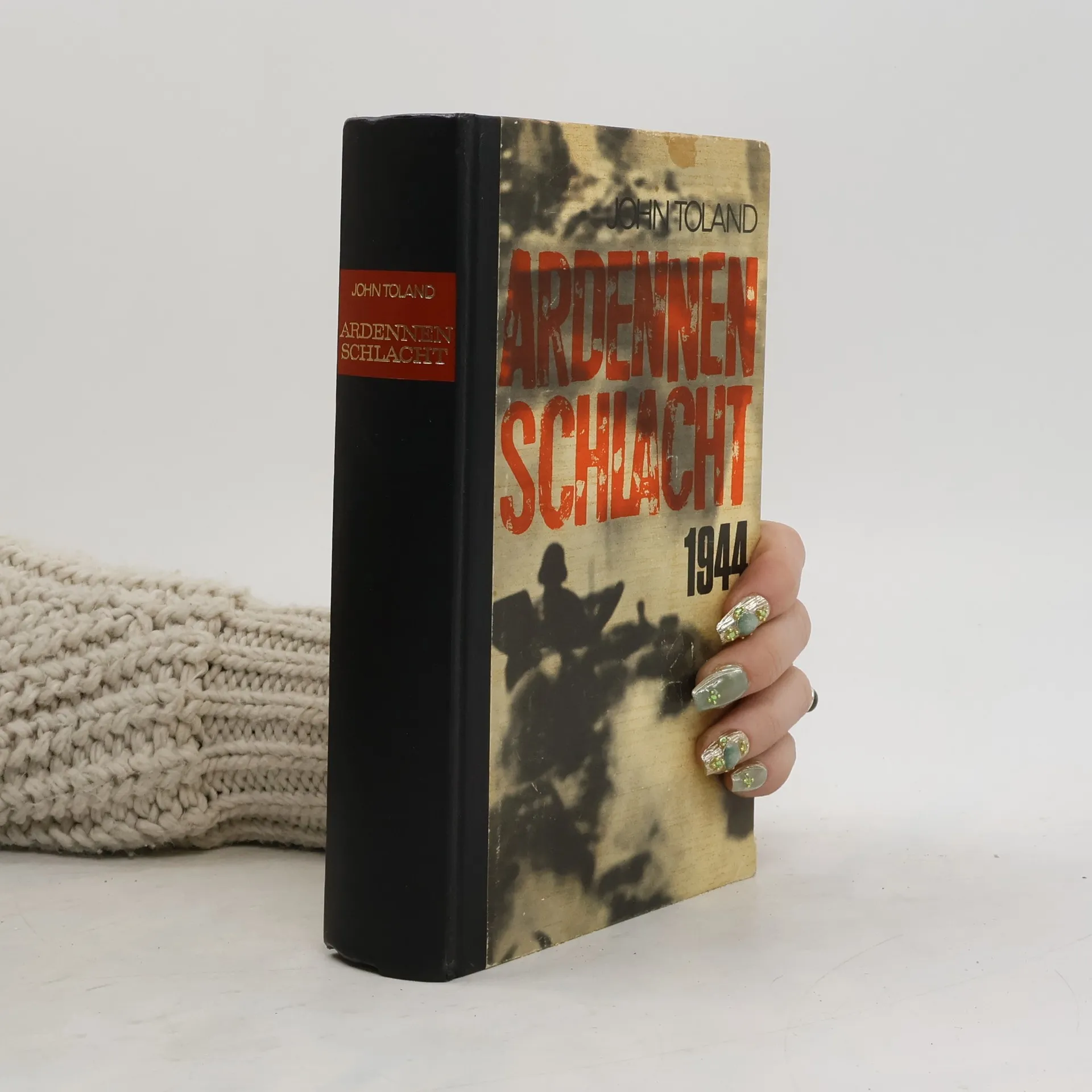
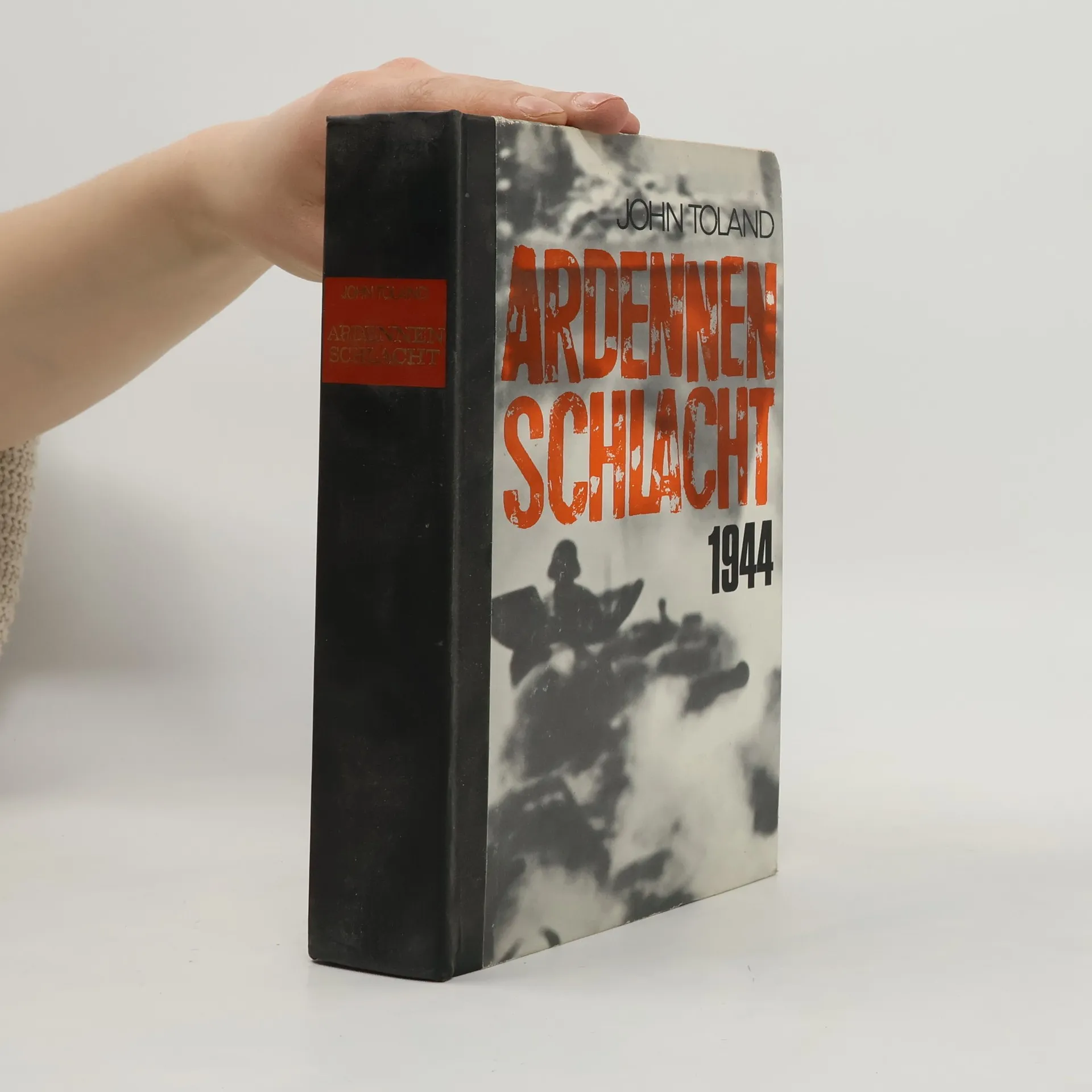
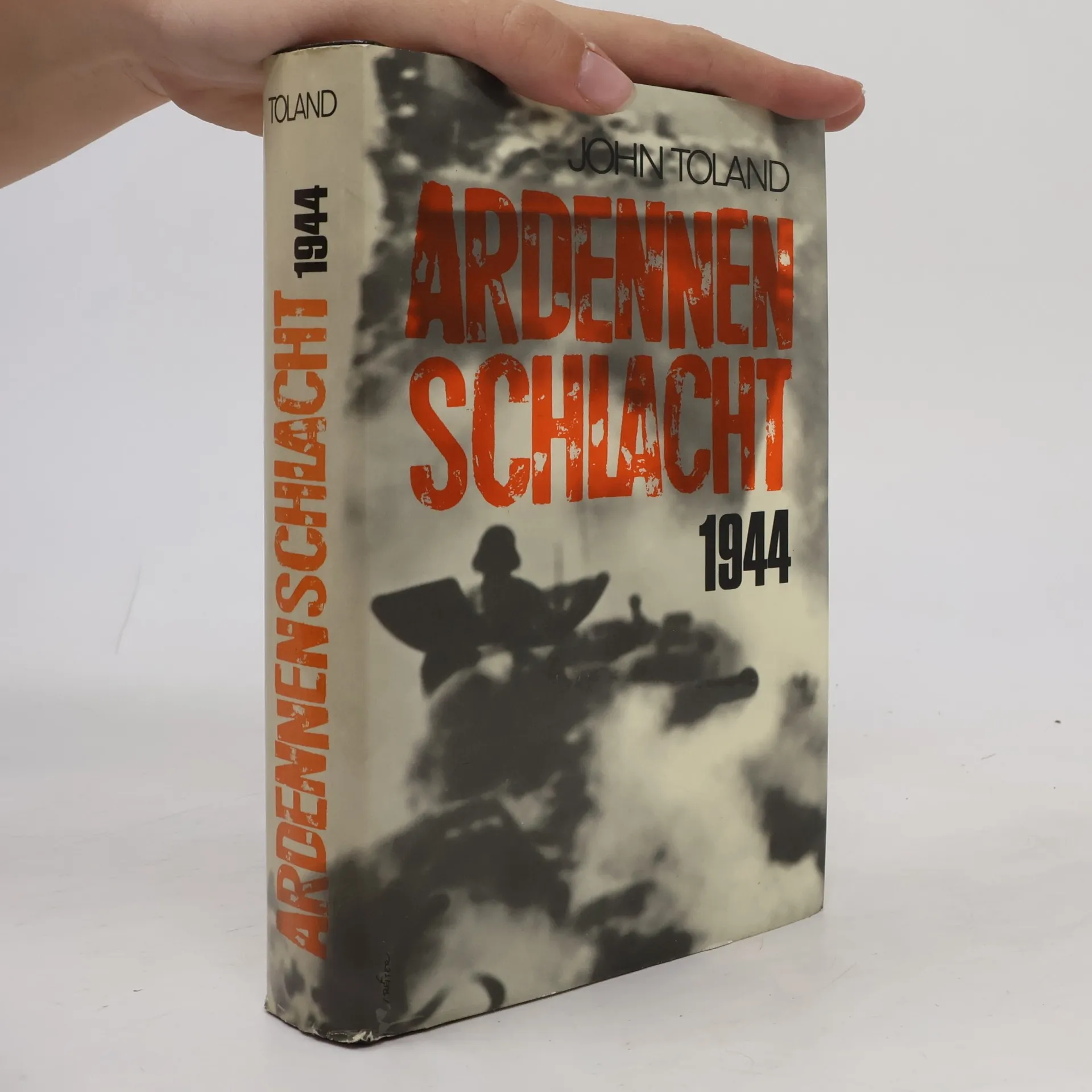
    • Die Ardennenfront, die sich 140 Kilometer weit durch eine Gegend schlängelt, die an die Berkshires oder an die Green Mountains erinnert, war bis zum 15. Dezember 1944 eine "Geisterfront" - eine kalte, ruhige Gegend, wo Geschütze hauptsächlich zur Probe abgeschossen und Patrouillen nur deshalb ausgeschickt wurden, damit sie in Übung blieben. Deutsche und Amerikaner lagen sich, in Gewehrschußweite voneinander entfernt, nun schon mehr als zwei Monaten ruhig gegenüber und jeder von ihnen vermied es, den Gegner zu reizen. Für die sechs amerikanischen Divisionen, die diese Front hielten, stand fest, daß von Deutschland nichts mehr zu fürchten sei. Dann brach der 16. Dezember an. Über Feldwege und Straßen schoben sich 250.000 deutsche Soldaten, 1900 schwere Geschütze und 970 Panzer und Sturmgeschütze langsam und lautlos nach Westen: das Unternehmen "Christrose" begann, die umfangreichste und am besten getarnte Offensive, die je an der Westfront stattfand. Dieses Buch ist der erste umfassende Tatsachenbericht über die dramatischen Ereignisse an beiden Seiten der Front während dieser letzten großen Schlacht des Zweiten Weltkriegs.

      Ardennenschlacht