

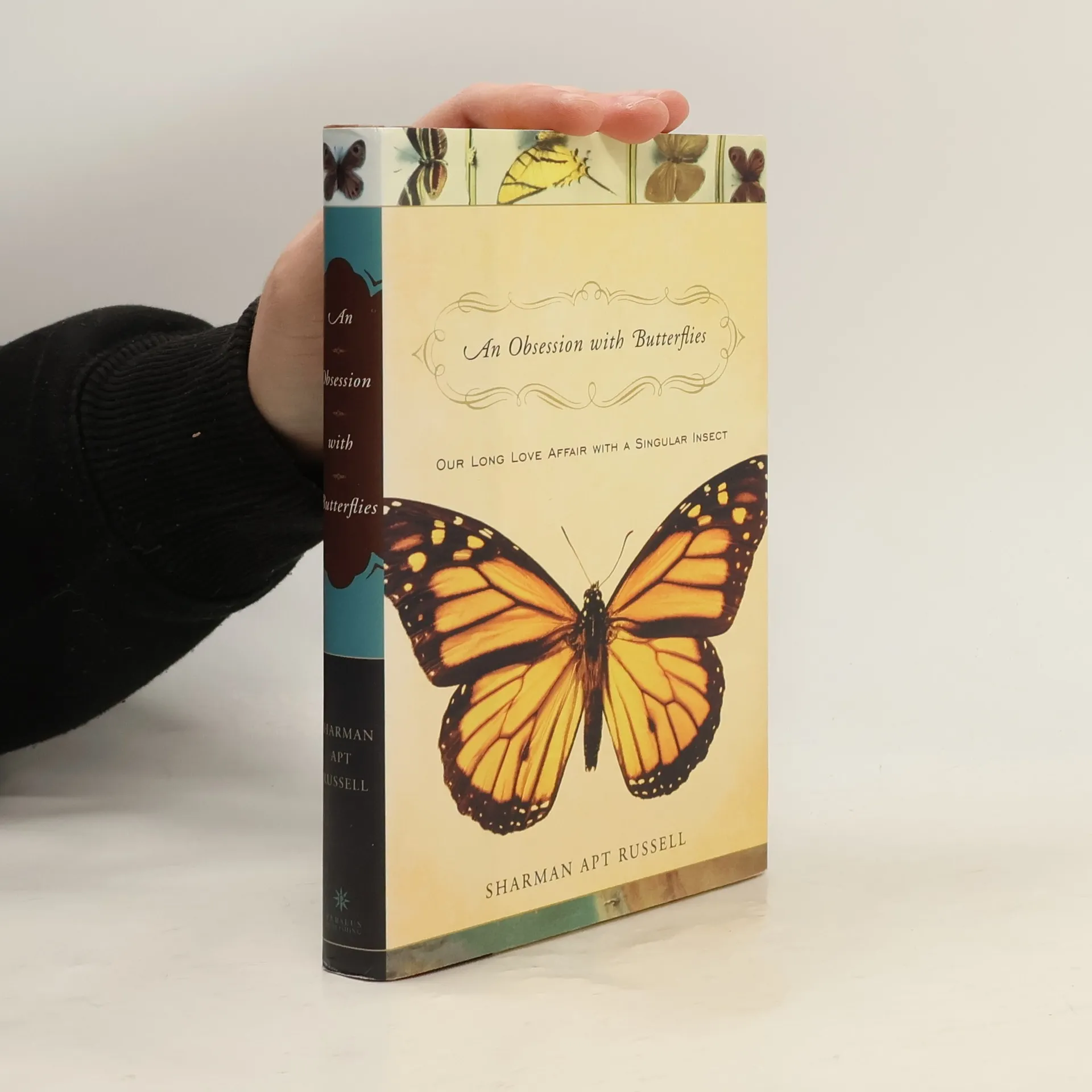
Sharman Apt Russell masterfully intertwines her poetic prose with scientific insight in this captivating exploration of butterflies. Throughout history, butterflies have symbolized resurrection and transformation, appearing in Hindu mythology and even in the poignant memories of children in a Polish death camp during World War II, who etched butterflies on their barrack walls. Russell delves into the life cycles of these creatures, highlighting their own obsessions with eating, mating, and migrating. She examines our fascination with butterflies and profiles notable collectors like Eleanor Glanville, whose obsessive collecting led her children to deem her mad, and Henry Walter Bates, whose Amazonian collections in 1858 contributed to his theory of mimicry. The narrative also takes readers into prestigious natural history museums, where scientists meticulously catalog new Lepidoptera species to enhance our understanding of insect genetics and evolution. This lyrical meditation invites readers on a luminous journey through a world of obsession and beauty, resonating with anyone who has paused to marvel at a butterfly in flight and felt transported to another dimension.
Sharman Apt Russell Books
This author explores the fascinating intersections of nature, science, and the human experience. Her work, spanning from eco-sci-fi to profound reflections on global issues, often braids myth and science, celebration and apocalypse. With a distinctive voice, she captures the beauty of the natural world while confronting urgent problems that affect humanity. Her essays and fiction offer readers an engaging and thought-provoking journey through the complexities of life.


The cowboy myth resonates with us all, but the cowboy's intimacy with animals rests on his domination of them. Russell offers a new perspective on this cultural icon, urging all of us, cowboys included, to find "that inner part of us which resonates with nature and corresponds to what is wild".
Das geheime Leben der Blumen
- 190 pages
- 7 hours of reading
»Russells Buch ist wie eine Exkursion über eine Wildblumenwiese an einem strahlenden Sommertag. Eine hinreißende Lektüre.« Publishers Weekly Wer Blumen für stille, ornamentale Wesen ohne Eigenleben hält, irrt – und wird mit diesem Buch auf spannende und vergnügliche Weise eines Besseren belehrt. Es zeigt: Blumen sind hochsensitiv. Auf ihre Art fühlen sie, schmecken, riechen und reagieren auf Berührungen. Sie verfügen über ein äußerst komplexes System der Verführung mittels Farben und Düften. Einige Blumen gehen Treuebündnisse mit Insekten ein, andere, wie die Orchidee, locken sie in ein Labyrinth von Geheimgängen – und wieder andere verspeisen sie nach der Befruchtung. Es gibt Transvestiten unter den Blumen, die jedes Jahr ihr Geschlecht neu wählen. Und andere, die im Laufe der Evolution erstaunliche Überlebensstrategien entwickelt haben, um sich gegen kriegerische Angriffe von Räubern zu wehren. ›Eine Rose ist eine Rose‹ entführt auf poetische Weise in die verborgene Welt der Blumen und bietet eine Fülle von faszinierenden botanischen Fakten. Wer es gelesen hat, wird jeden noch so harmlos scheinenden Frühlingsblumenstrauß mit anderen Augen sehen.