
Explore the latest books of this year!
Bookbot

Matilda McQuaid

    Visionen und Utopien
    Structure And Surface
    Shigeru Ban
    • Visionen und Utopien

      • 254 pages
      • 9 hours of reading

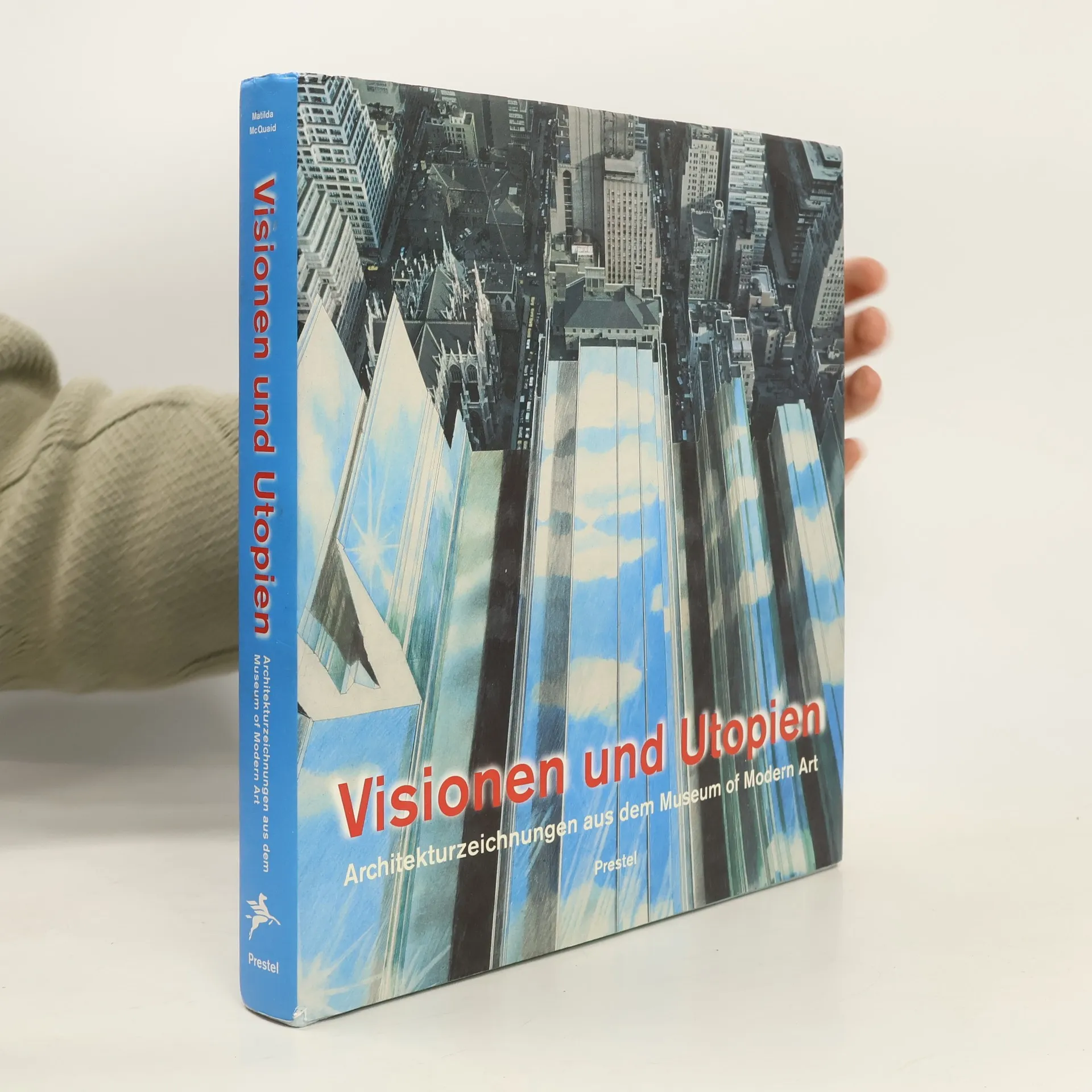
      Das Museum of Modern Art in New York beherbergt eine der umfangreichsten Sammlungen von Architekturzeichnungen des 20. Jahrhunderts. Der Band Visionen und Utopien des Prestel Verlags präsentiert die spannendsten Entwürfe von Architekten wie Ettore Sottsass, Otto Wagner, Mario Botta, Norman Forster, Ludwig Mies van der Rohe und Oscar Niemeyer. Diese Sammlung beleuchtet das gesamte Spektrum der modernen Architektur und dokumentiert auch das Scheitern großer Ambitionen, wie Hans Holleins misslungenes Monument, das den Holocaust thematisiert. Die Architekturzeichnung wird als eigene Kunstform gewürdigt, was viele Architekten durch ihre Signaturen auf den Blättern unterstreichen. Besonders eindrucksvoll sind die Arbeiten aus den 1990er-Jahren, darunter Frank O. Gehrys picassoeske Tuschezeichnung der Universität von Toledo, Lauretta Vinciarellis fast monochrome Papierfantasie "Orange Sound" und Chuck Hobermans dreidimensionale Computerskizze für eine Iris Kuppel. Der Prestel Verlag plant, weitere Bände mit Design-Objekten und Grafik-Design aus den MoMa-Beständen herauszubringen. Wenn diese ebenso schön gestaltet sind wie Visionen und Utopien, dürfen wir uns auf weitere visuelle Höhepunkte freuen. --Thomas Köster

      Visionen und Utopien2003
    • Shigeru Ban

      • 240 pages
      • 9 hours of reading

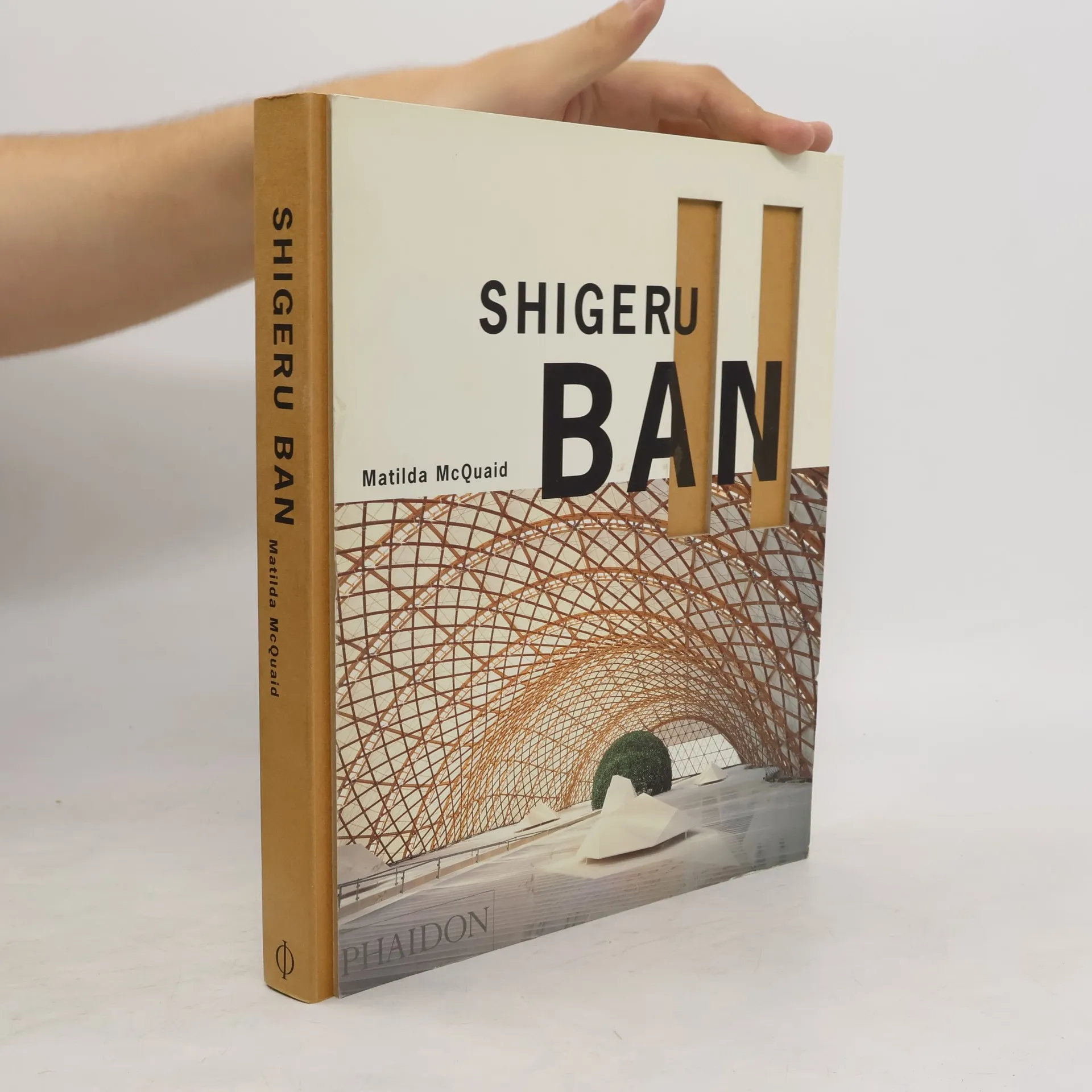
      A survey of this Japan-based rising star among young, world-class architects.

      Shigeru Ban2003
      4.2
    • Structure And Surface

      Contemporary Japanese Textiles

      Contemporary Japanese Textiles Bound between covers draped in a contemporary textile, Structure and Surface lushly and in great detail illustrates more than 60 exotic and beautiful fabric creations that have emerged from Japan in the past few years. Texts describe materials used--banana fiber, newspaper, copper, stainless steel, and feathers, combined with silk, cotton, wool, linen, and polyester--and an array of ingenious techniques--pounding, scrubbing, scraping, and treatment with chemicals and acids--which together create radically new textures and finishes. For centuries Japan has been associated with a rich textile tradition and was a leading center of cotton and silk production, but as this book demostrates, in recent years it has emerged as a newly influential and vital force in the industry. Included are biographies of the 30 artists, designers, and manufacturers represented, as well as a useful glossary.

      Structure And Surface2002