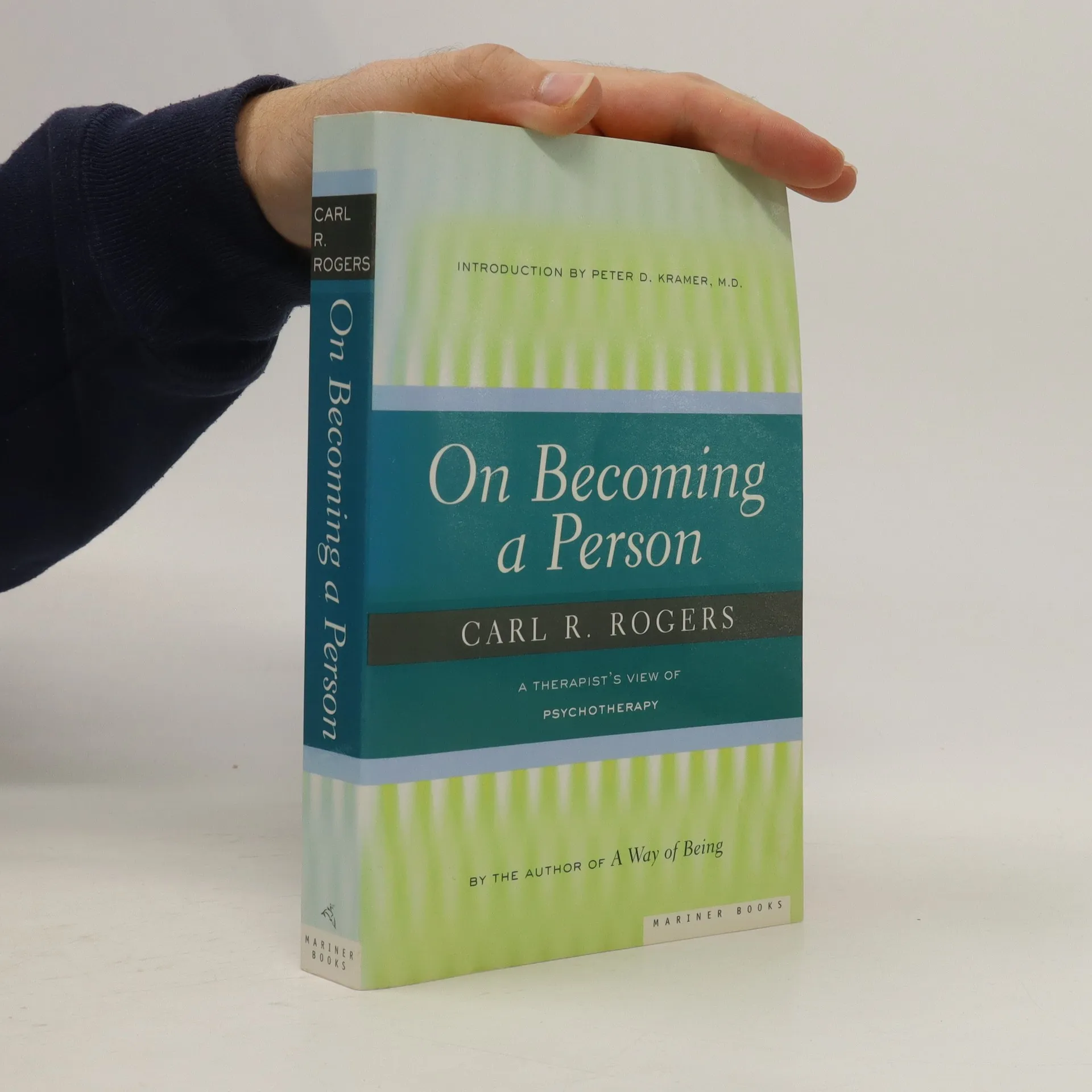
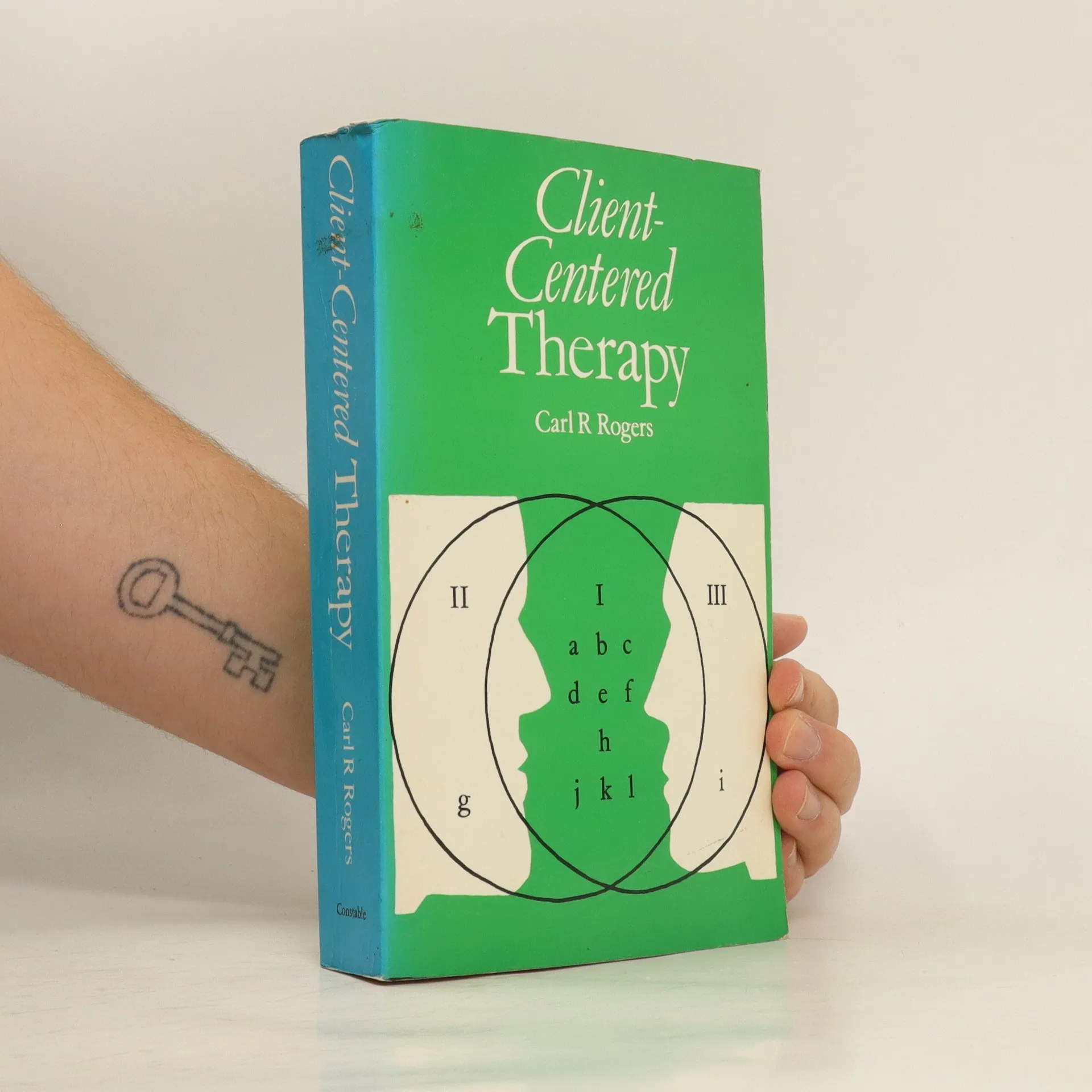
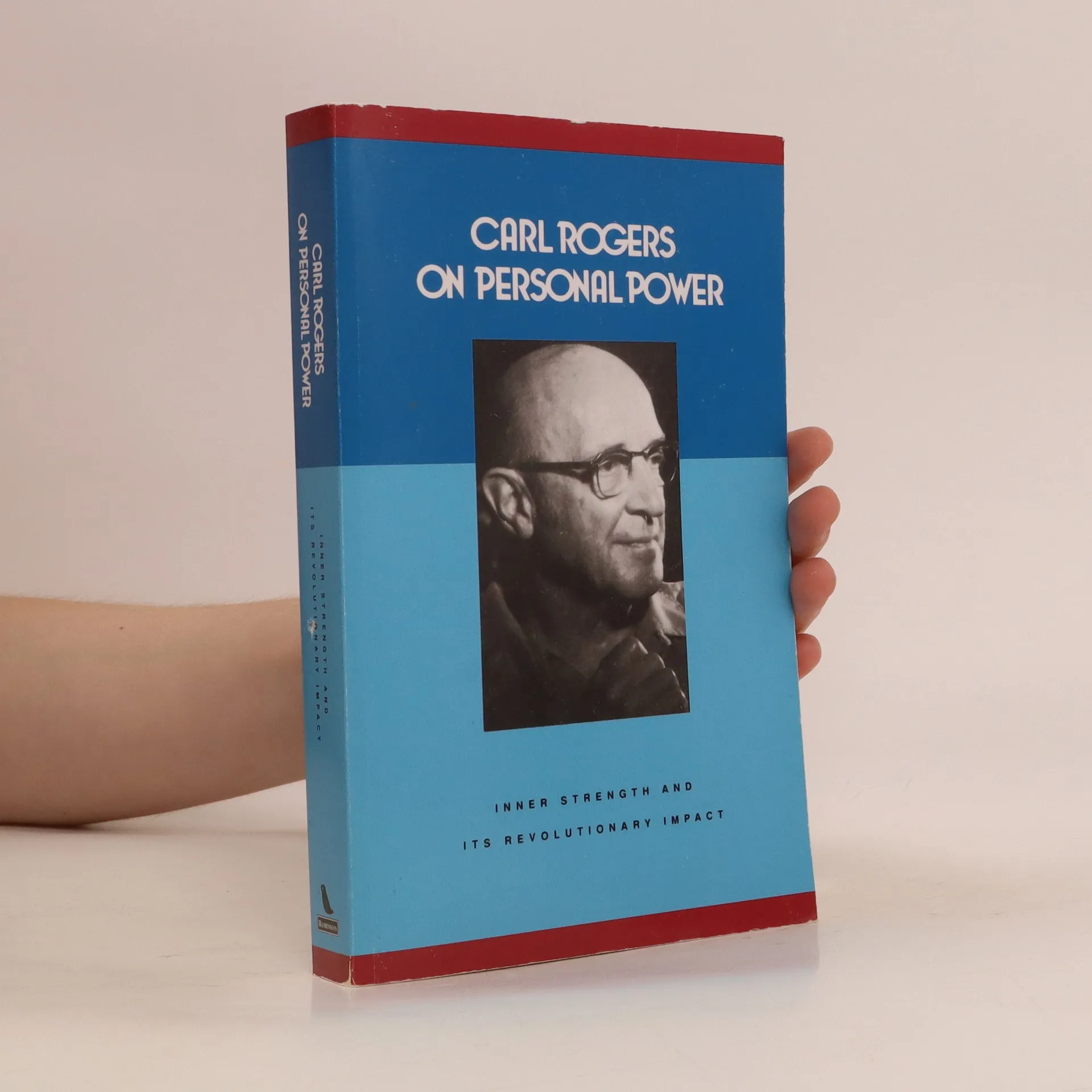
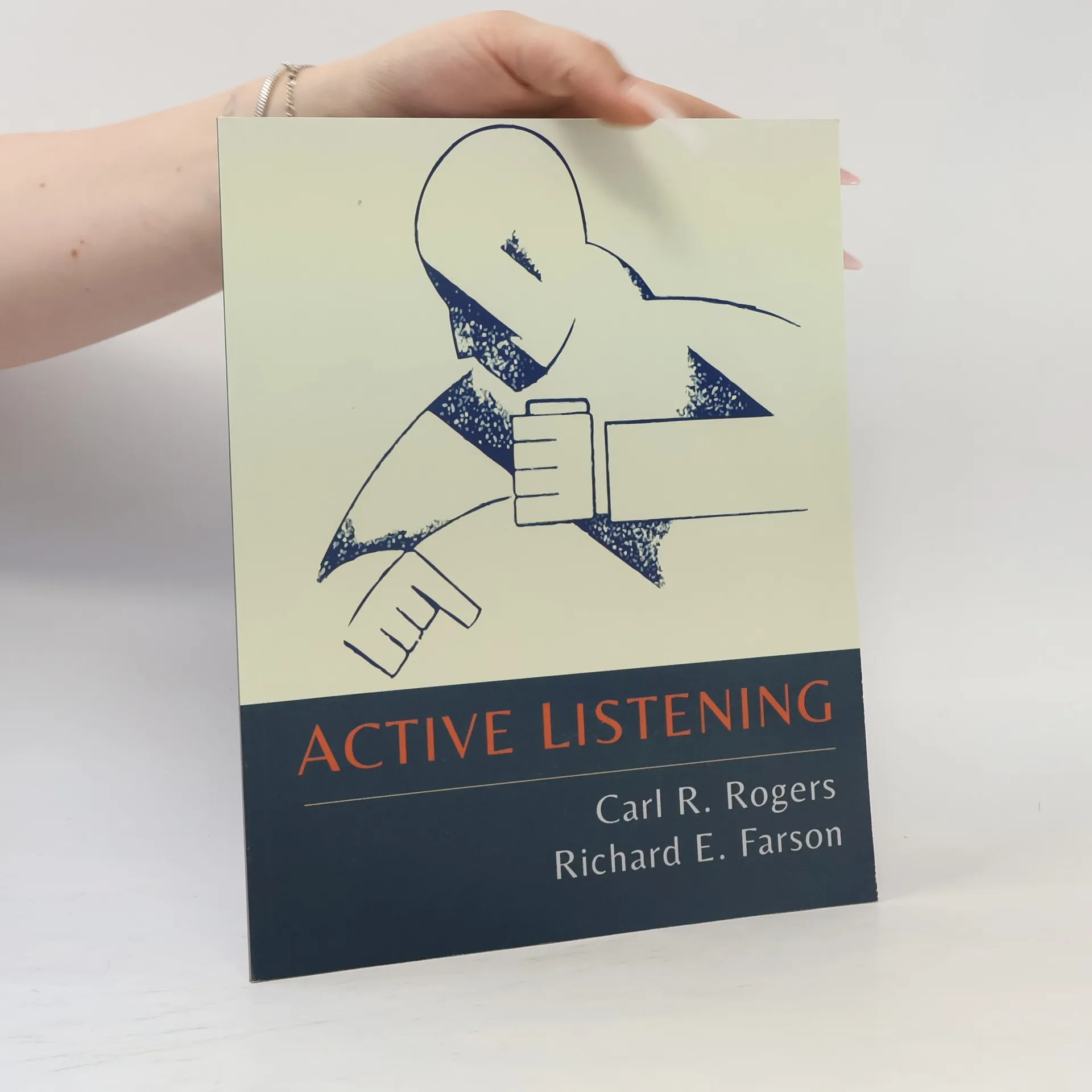
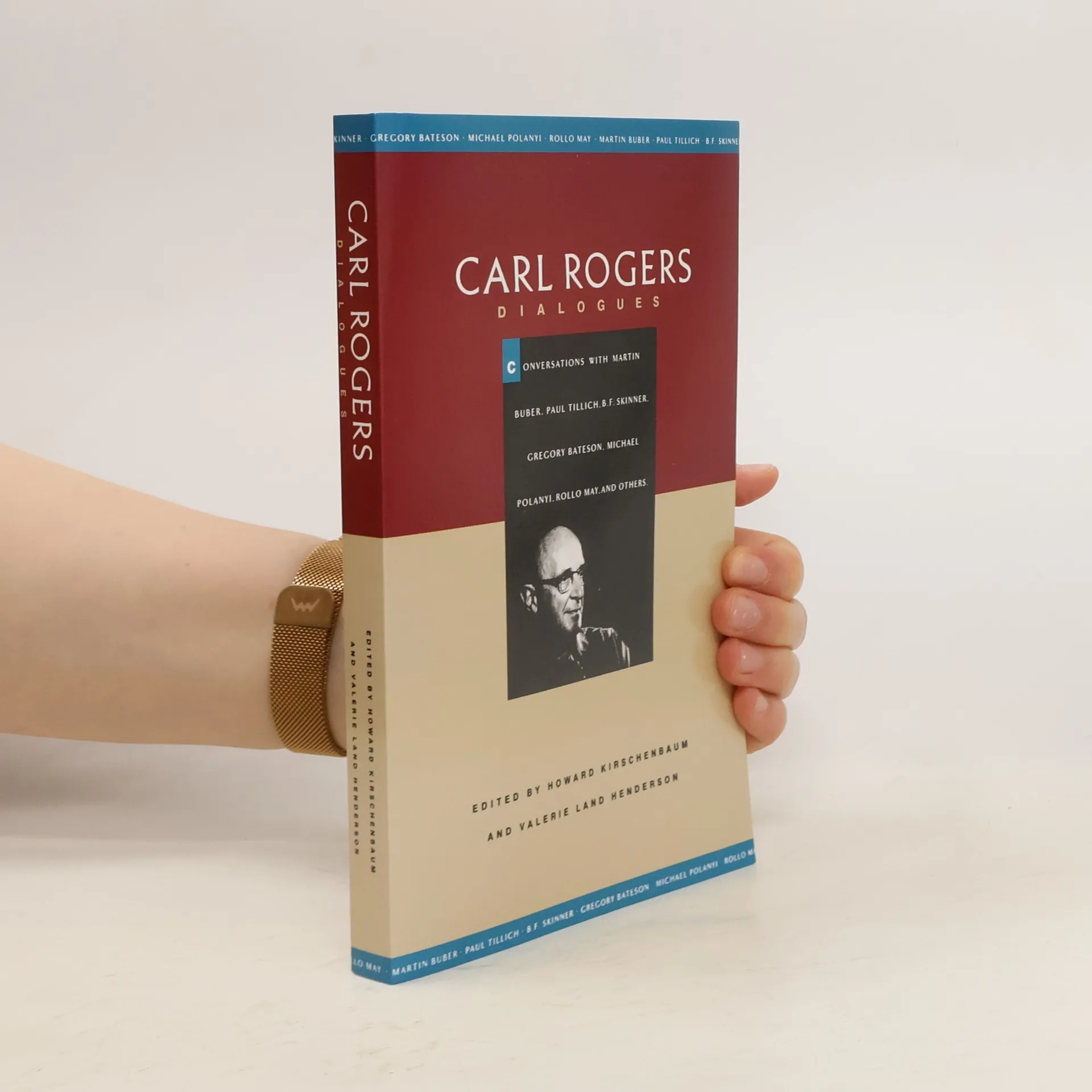
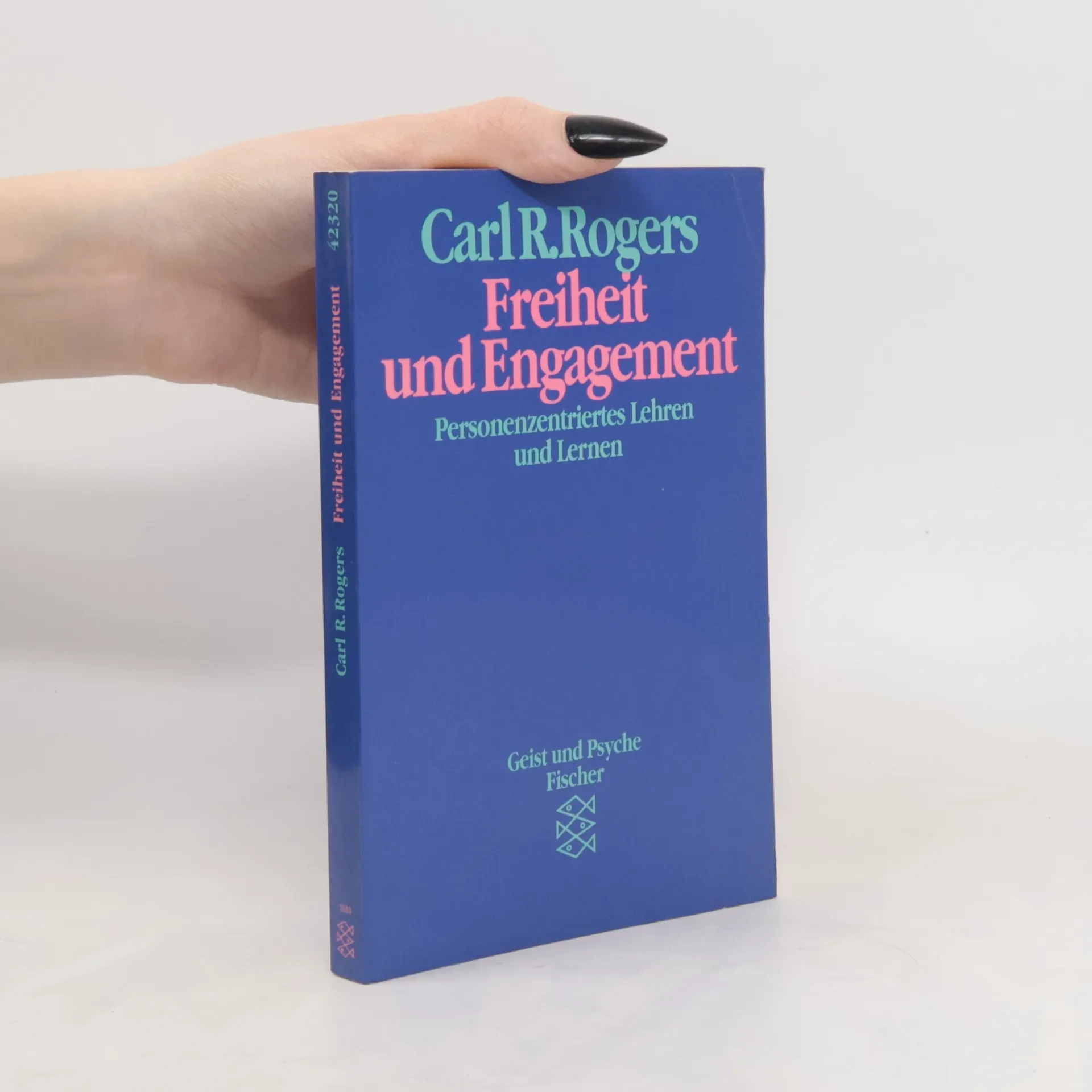
This author places the highest authority in personal experience, viewing it as the touchstone for discovering truth. His work centers on person-centered, humanistic, and client-centered approaches, emphasizing the value of individual experience in the process of becoming. He advocates for returning to one's own lived experience to approximate truth as it unfolds.
Carl Rogers' early work delves into his person-centred approach to counselling and psychotherapy, offering valuable insights into the evolution of psychological practices. This rare first edition is a significant contribution to the history of psychology, making it a must-read for enthusiasts and scholars alike. The book is part of a series that aims to republish classic texts in high-quality, modern formats, preserving the original content and artwork for contemporary readers.
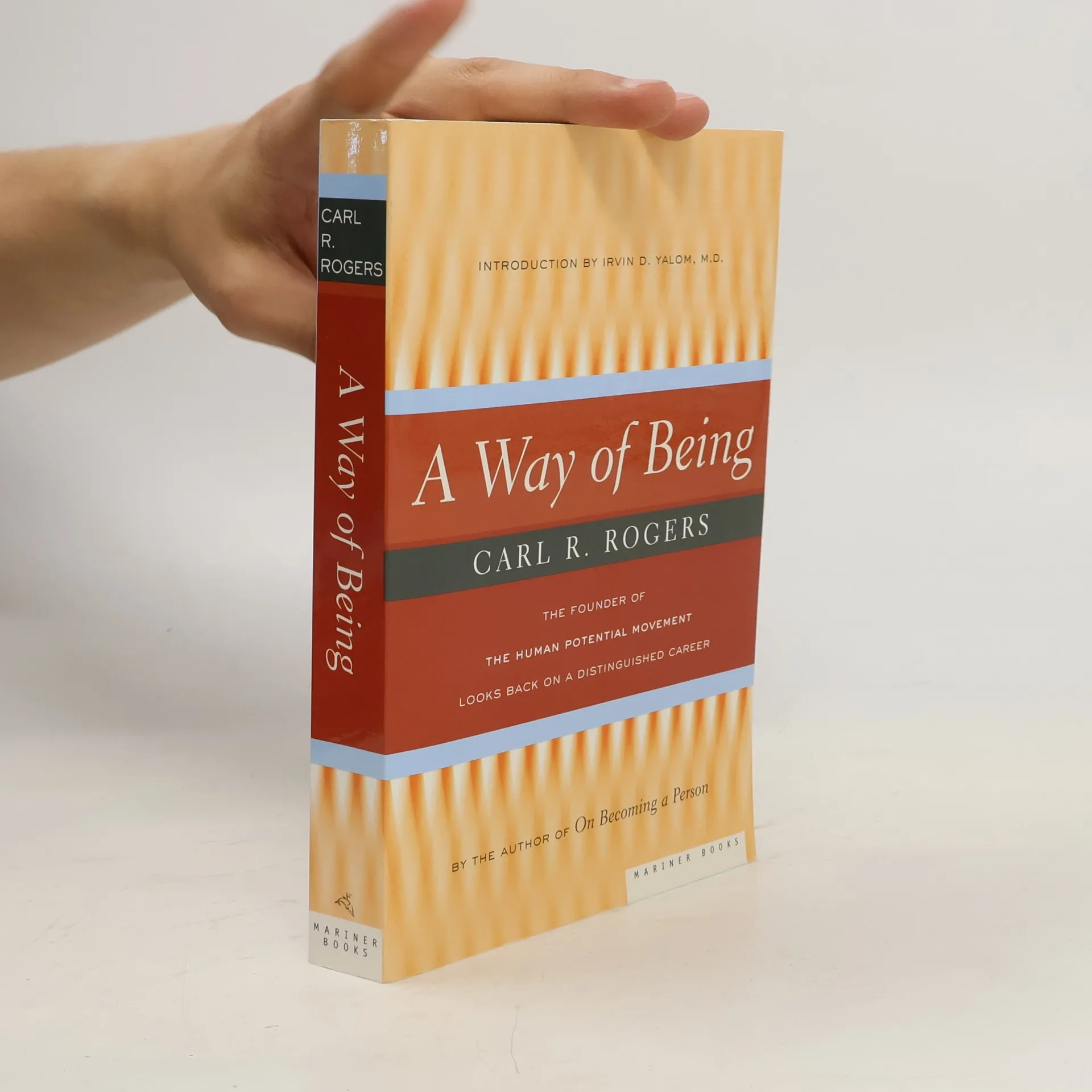
A profound and deeply personal collection of essays by renowned psychologist Carl RogersThe late Carl Rogers, founder of the humanistic psychology movement and father of client-centered therapy, based his life's work on his fundamental belief in the human potential for growth. A Way of Being was written in the early 1980s, near the end of Carl Rogers's career, and serves as a coda to his classic On Becoming a Person. More philosophical than his earlier writings, it traces his professional and personal development and ends with a prophetic call for a more humane future.
2015 Reprint of 1957 Edition. Full facsimile of the original edition. Not reproduced with Optical Recognition Software. "Active Listening," first developed by Rogers and Farson, is a therapeutic technique designed to promote positive change in the client. Active listening is a communication technique used in counselling, training and conflict resolution, which requires the listener to feed back what they hear to the speaker, by way of re-stating or paraphrasing what they have heard in their own words, to confirm what they have heard and moreover, to confirm the understanding of both parties. It continues to have a lasting influence to this day.
Collection of essays by American psychotherapist Carl Rogers written between 1951 and 1961, in which he put forth his ideas about self-esteem, flexibility, respect for self, and acceptance of others.
The works contained in this volume give a rich view of Rogers' principles. Works include: Becoming a Person, Significant Aspects of Client Centered Therapy, The Process of Therapy, and The Development of Insight in a Counseling Relationship.
Dieses Buch ist keine Studie über Partnerschaften oder Ehe. Es handelt von der Suche von Männern und Frauen nach Beziehungen in den Vereinigten Staaten in den 1970er Jahren. Es ist eine Reihe von Ausschnitten, Bildern, Wahrnehmungen - von Beziehungen, Zusammenbrüchen, Umstrukturierungen - in einer Vielzahl von Partnerschaften. Diese Ansichten werden wertfrei präsentiert. Sind die Verbindungen "gut" oder "schlecht" oder gehören sie in eine andere wertende Kategorie? Unbekannt. Aber sie existieren. Der Autor hofft, dass Sie hier hochintime und bedeutungsvolle Berichte über die Mann-Frau-Beziehung finden, wie sie tatsächlich gelebt wird - mit all ihren Tragödien, langweiligen Hochplateaus, ekstatischen Momenten oder Zeiträumen und immer wieder aufregendem Wachstum.
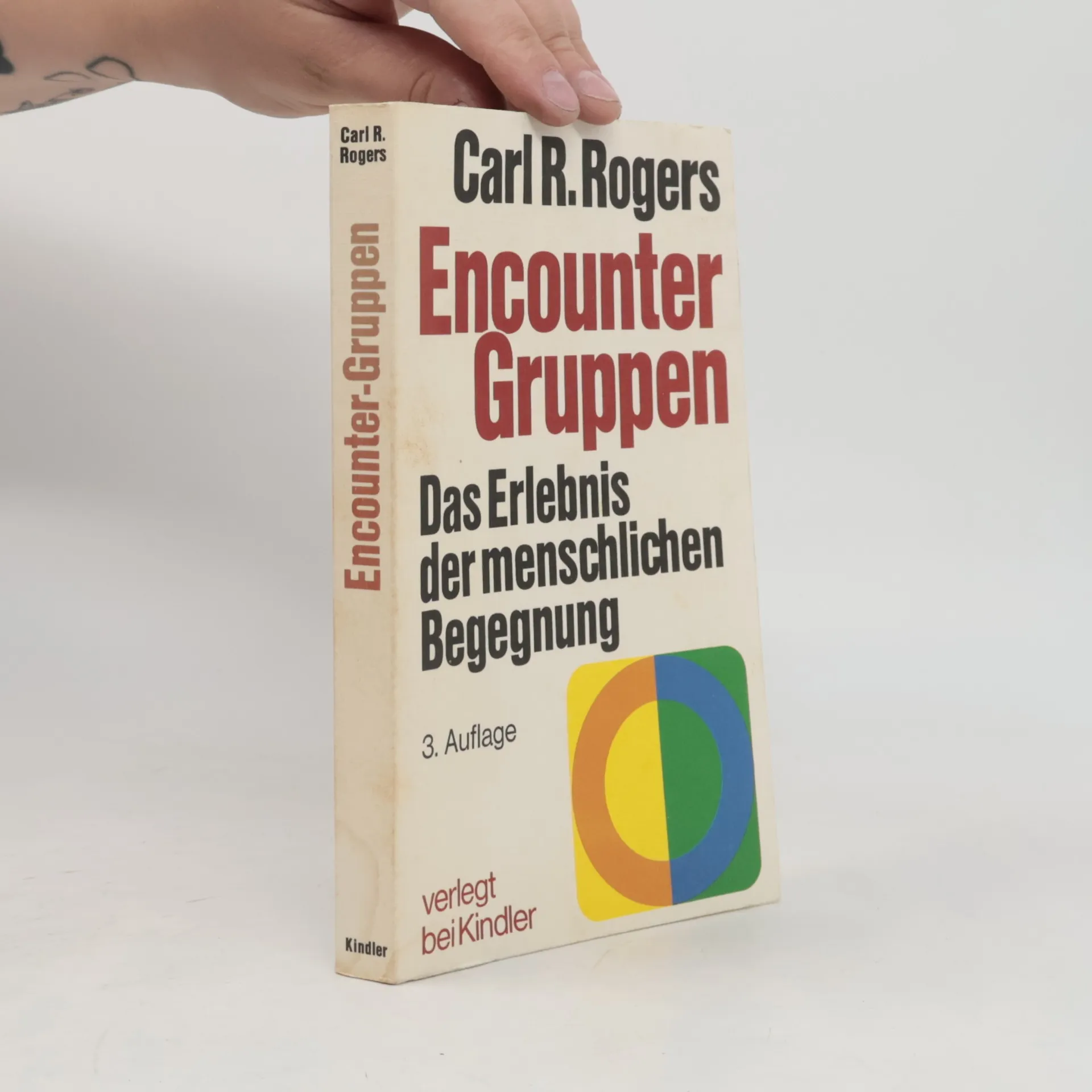
Carl Rogers prägte den Begriff „Die grundlegende Begegnungsgruppe“, um Begegnungsgruppen zu kennzeichnen, die auf den Prinzipien des personenzentrierten Ansatzes basieren. Es wird behauptet, dass die personenzentrierte grundlegende Begegnungsgruppe einzigartig ist und tatsächlich ein anderes Paradigma für Gruppentherapie bietet. Die Anwendung der Prämissen des personenzentrierten Ansatzes in der Gruppentherapie erfordert eine Neubewertung vieler der üblichen Annahmen über die Funktionsweise von Gruppen. Dazu gehören Annahmen über die Zielgruppe des Leiters, die Gruppengröße, die Festlegung von Zielen und Grundregeln sowie das Verhalten des Moderators. Diese Behauptung steht im Widerspruch zu der Schlussfolgerung, dass die klientenzentrierte grundlegende Begegnungsgruppe „... im Mainstream der Ansätze zur Arbeit mit Gruppen ist, aufgrund ihrer eklektischen Natur und ihres Mangels an Unterscheidungsmerkmalen, die sie von anderen Prozessmodellen abheben“.
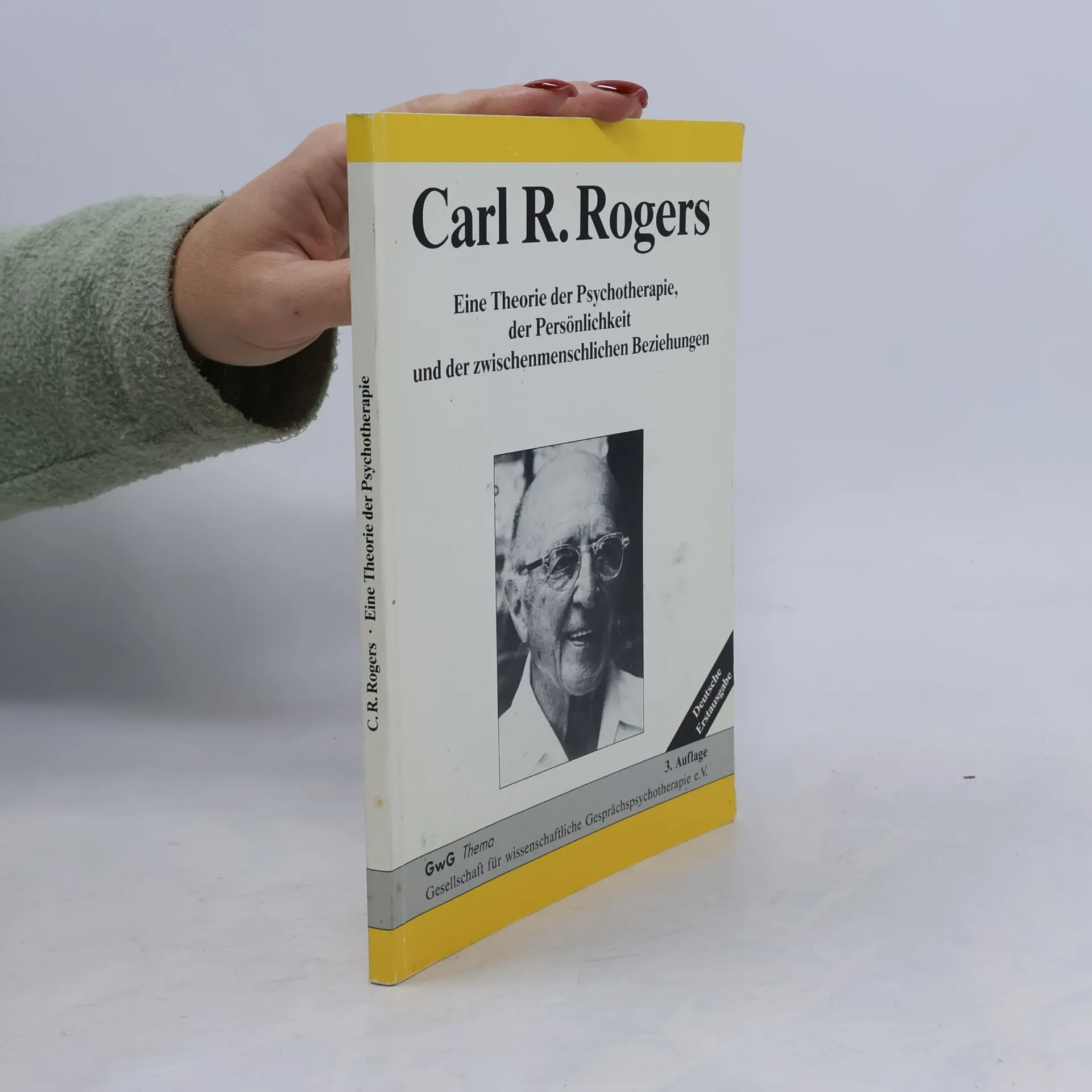
Der Klassiker der Psychotherapie-Literatur erstmals im Reinhardt Verlag: 1959 verfasste Carl R. Rogers diese einzigartige systematische Darstellung seines psychotherapeutischen Ansatzes. Alle zentralen Begriffe der personzentrierten Therapie finden sich hier prägnant und verständlich erklärt: Aktualisierungstendenz, Erfahrung, Bewusstheit, Symbolisierung, Selbst, Kongruenz / Inkongruenz u. a. Mit diesen Bausteinen errichtet Rogers seine Theorie der Persönlichkeit und der zwischenmenschlichen Beziehung, insbesondere jener zwischen Therapeut und Klient. Dieser Schlüsseltext ist ein Muss für alle, die den Personzentrierten Ansatz kennen lernen, vertiefen und anwenden wollen!
»Die Entwicklung der Gesprächspsychotherapie in Deutschland läßt verschiedene Abschnitte erkennen. Das Erscheinen der Werke von Carl R. Rogers in deutscher Sprache leitete hier einen grundsätzlichen Wandel ein. Es förderte das Streben nach Selbsterfahrung (sei es in Form von Encountergruppen oder von Lehrtherapien) und begünstigte die Öffnung gegenüber anderen therapeutischen Richtungen. Dieser Band ist geeignet, in weiten Bevölkerungskreisen Resonanz zu erwecken und wird damit die Impulse verstärken, die von der klientenzentrierten Psychotherapie auf die verschiedensten Bereiche therapeutischer und beratender Gesprächsführung in Deutschland ausgehen. Nach unserer Meinung ist es nun an der Zeit, daß die jüngeren Mitarbeiter von Rogers in deutscher Übersetzung zu Wort kommen. Damit wird Kritik an manchen gewohnten Positionen laut werden... Zugleich werden aber Ansätze, die sich schon bei Rogers finden, weiterentwickelt.« Wolfgang M. Pfeiffer
O stawaniu się persoană este un zbiór eseuri scrise de Carl R. Rogers, bazate pe mulți ani de muncă terapeutică. Autorul abordează teme legate de viața personală în lumea noastră complexă, având scopul de a stimula curajul și încrederea în sine, precum și de a ajuta cititorii să înțeleagă dificultățile personale. Această lucrare se adresează atât specialiștilor, precum psihologi, psihiatri, profesori și manageri, cât și celor care caută căi de dezvoltare personală. Eseurile sunt unite prin tonul cald, entuziast și plin de convingere al autorului, care se străduiește să asculte atât pe ceilalți, cât și pe sine. Această abordare reflectă angajamentul lui Rogers de a sprijini procesul de devenire a fiecărei persoane.
Counseling and Psychotherdpy est en 1942 le premier ouvrage où Cari Rogers définit et illustre sa conception de l'aide psychologique. Alors âgé de quarante ans, Rogers crée en quelque sorte le modèle du psychologue thérapeute qu'il nomme "l'aidant", c'est-à-dire celui qui sait apporter sa spontanéité créatrice au projet d'autonomisation de son client. Cette nouvelle orientation de pensée abandonne tout a priori de jugement, de soutien et de contrôle. La non-directivité comporte une attitude de compréhension foncière laissant au client le choix de son itinéraire, de son langage et de ses décisions. Evitant les artefacts transférentiels et les étiquettes, la relation d'aide se fonde sur l'optimisme et la confiance dans les capacités évolutives de chaque individu, malgré la souffrance psychique. Clairement ou non. elle sert de mode relationnel de base à de nombreuses situations et méthodes psychothérapiques d'aujourd'hui. D'autres ouvrages de Rogers - Liberté pour apprendre, par exemple - placent ce créateur parmi les tout premiers des praticiens et théoriciens de la psychothérapie moderne. Ce livre, à l'étape initiale d'une grande découverte, apporte une ligne claire à l'action thérapeutique. dans le chaos des techniques et la confusion des idées contemporaines.
»Rogers beschreitet den Weg einer tiefgreifenden Öffnung auf der Suche nach Erkenntnis über den Menschen. Für ihn ist der Mensch ein Wesen, das kämpft, um sich zu entfalten, das lernt, um Person zu werden ... Rogers hat die Behauptung aufgestellt, daß der Patient sich selbst steuern kann und volle Achtung verdient; er hat entdeckt, daß jeder Mensch zum Lernen fähig ist, wenn nur günstige Bedingungen vorhanden sind, und er hat die These aufgestellt, daß die eheliche Beziehung ebenso viele Formen annehmen kann, wie es Paare gibt.« Rachel L. Rosenberg
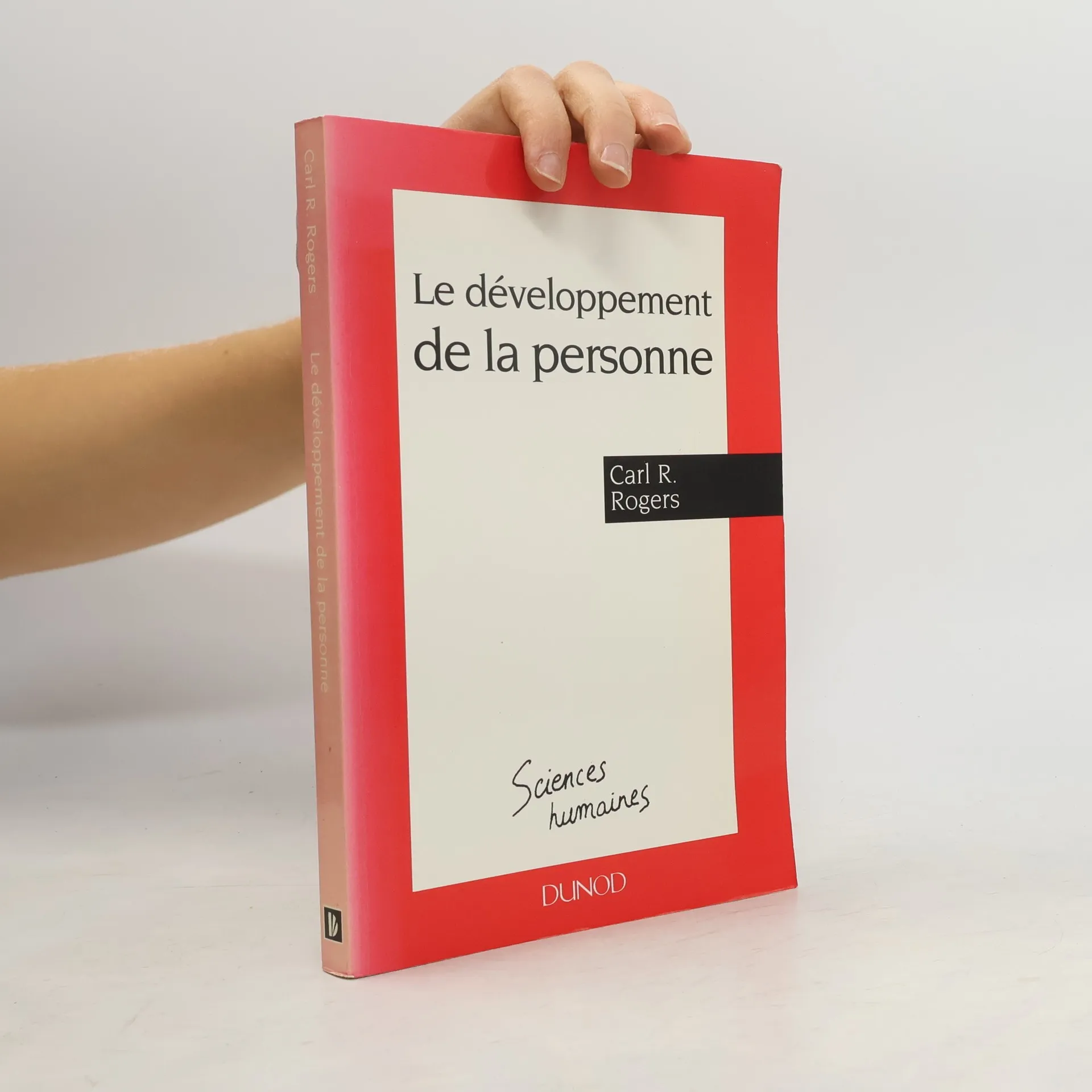
C'est en 1966 que paraissait Le Développement de la personne, traduction française du bestseller de Carl Rogers On becoming a Person dont le succès a grandement contribué à la renommée des travaux sur la non-directivité auprès du public francophone. Dans cette oeuvre maîtresse pour tous les professionnels de la psychologie sociale, Carl Rogers met l'accent sur les différentes formes de la communication. Il s'intéresse particulièrement aux formes de relations d'aide (thérapeutiques, pédagogiques), qui favorisent une meilleure appréciation des ressources latentes de l'individu, ainsi qu'une plus grande possibilité d'expression. Il démontre que la psychothérapie est une rencontre particulière entre le thérapeute et son patient : les facteurs opérants de la part du thérapeute sont ses dispositions profondes à l'égard de l'autre, son degré d'authenticité et de cohérence interne. Cet excellent ouvrage nous introduit à la technique rogérienne. Il s'adresse aux psychologues, psychiatres, professeurs, éducateurs, conseillers et spécialistes de l'organisation du travail, et à tous ceux qui sont concernés par les problèmes de relations humaines.
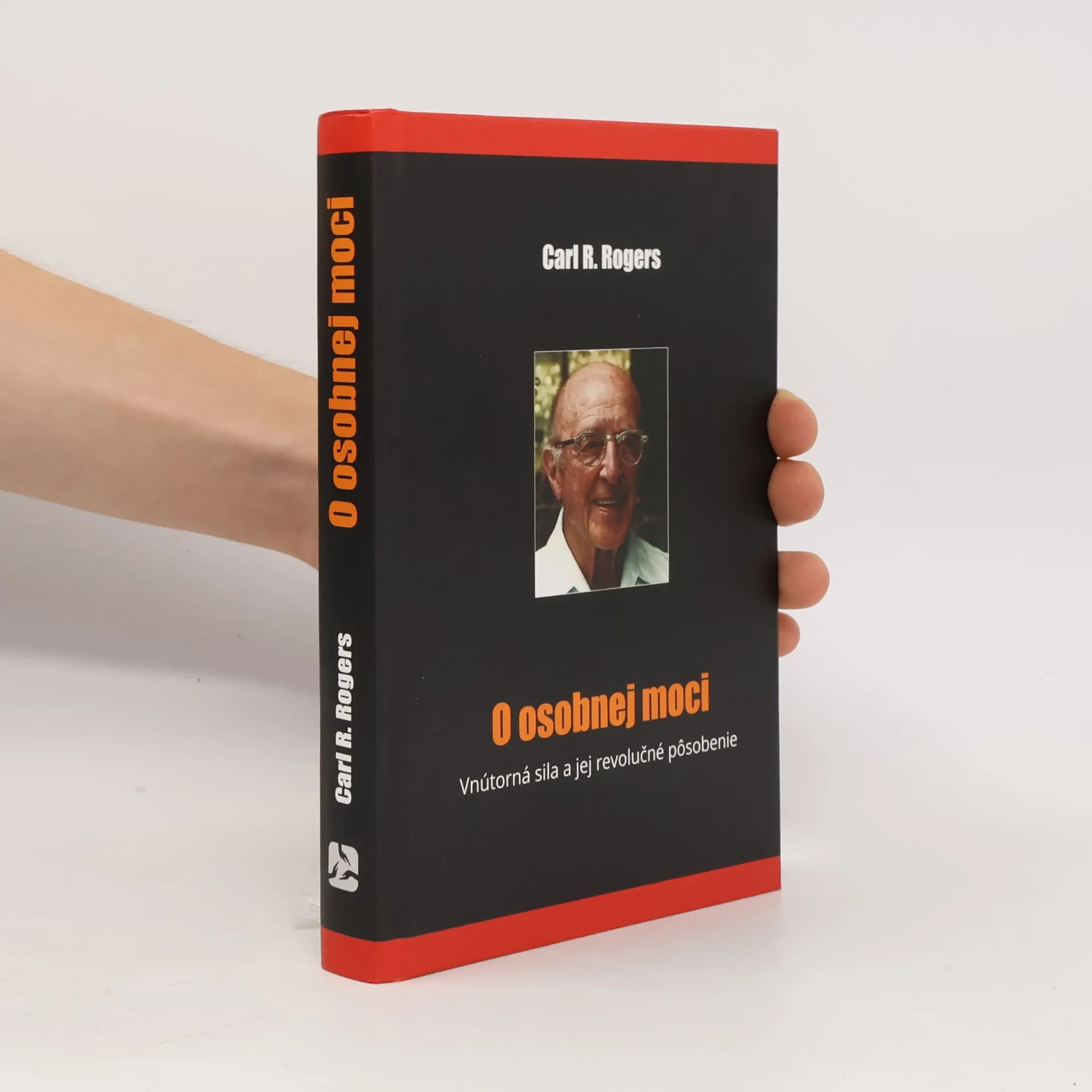
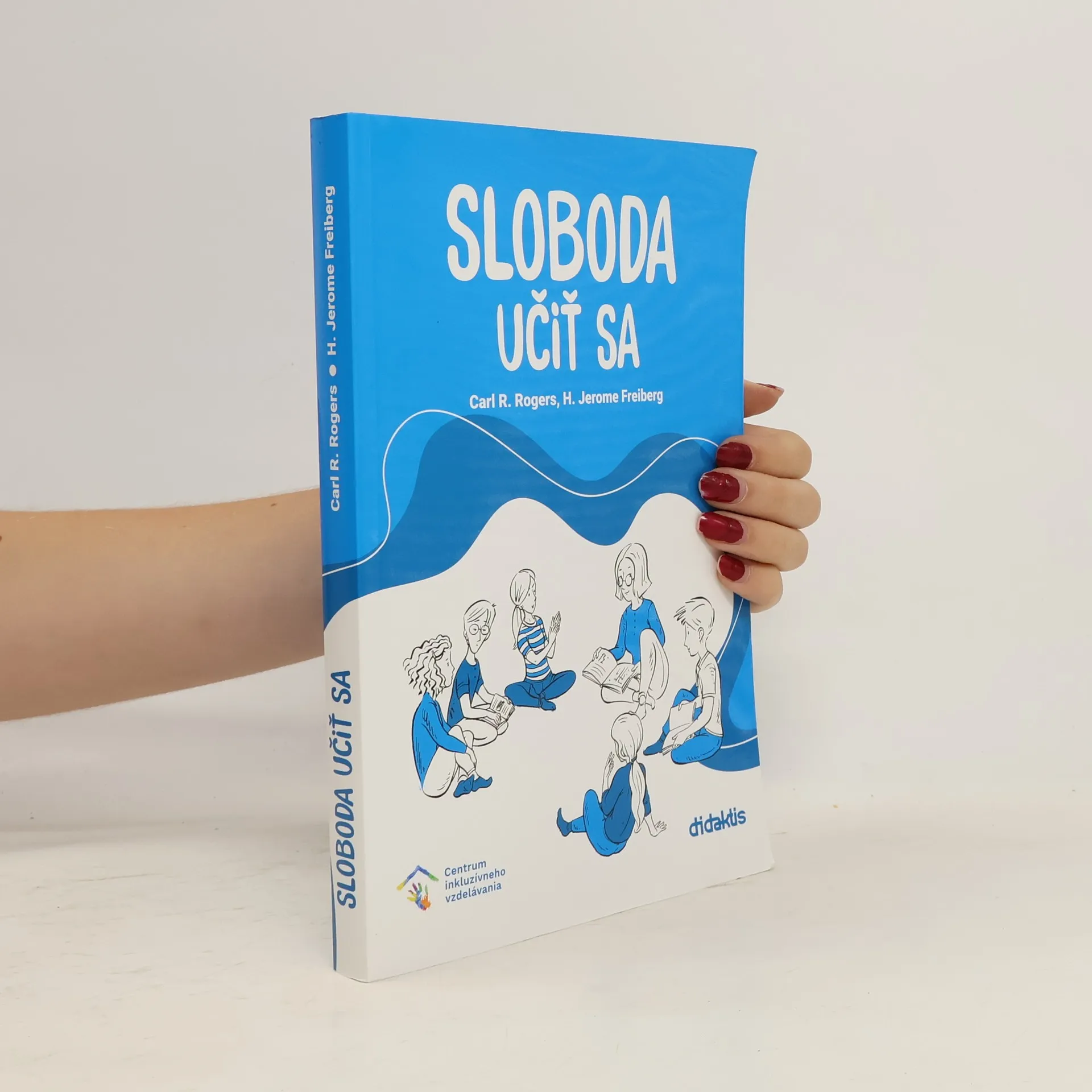
Kniha ukazuje, ako môžeme kultivovať svoju vnútornú silu, svoju osobnú moc a
ako môže byť efektívna v partnerských, pracovných vzťahoch, v politike, vo
vzdelávaní, vo vzťahu rodič-dieťa a pri vedení skupín. Je to kniha výrazne
nadčasová.
Pravdepodobne naruší vaše doterajšie názory na to, čo je dôležité vo vzdelávaní mládeže. Ak máte radi deti, teší vás ich zvedavosť a veríte v ich schopnosť učiť sa a rásť bez ohľadu na to, odkiaľ pochádzajú, oceníte prínos tejto knihy. Objavíte nové spôsoby, ako podporovať ich vývin.
Výbor z díla jednoho z nejvýznamnějších psychologů 20. století a zakladatele na klienta zaměřené terapie přináší do češtiny dosud nepřeložené práce. Stěžejní součástí tohoto výběru je „Teorie terapie, osobnosti a interpersonálních vztahů, jak byla vyvinuta v rámci na klienta zaměřeného přístupu“. V ní jsou definovány a komentovány pojmy a koncepty, které tvoří základy Rogersova přístupu, jako jsou podmínky osobní hodnoty, intencionalita, místo hodnocení a další. Tato stať je doplněna o zamyšlení nad pocity a přenosem v terapii, facilitaci terapeutického potenciálu ve skupině, moderním přístupu k hodnotám, poznámku o přirozenosti člověka. Kniha významným způsobem rozšiřuje soubor již publikovaných prací a je doplňujícím článkem pro všechny, kdo se o Rogersovy myšlenky a přístup zajímají, ať již při jejich využití v praxi či vv akademickém prostředí. Carl Ransom Rogers (1902–1987) je zakladatel humanistické psychologie a „na klienta zaměřené“, „rozumějící“ psychoterapie. Vystudoval teologii, pedagogiku a psychologii, pracoval nejprve dvanáct let jako poradenský psycholog v Rochestru s delikventními a týranými dětmi. Později působil jako profesor psychologie na univerzitách v Ohiu, Chicagu a Wisconsinu
Aby mohl člověk žít svobodně, aby mohl být sám sebou, potřebuje prožít vztah, který je sám o sobě lékem a pomocí. Na příkladech z vlastní praxe představuje Carl Rogers koncept léčebného vztahu, který staví na autenticitě, empatickém naslouchání a bezpodmínečné akceptaci klienta.
Aby byl terapeut schopen takový vztah s klientem navázat, je třeba, aby se nejprve obrátil sám k sobě, stavěl na vlastní schopnosti zachycovat své pravé já, autenticky prožívat, myslet a reagovat. V sérii přednášek z konferencí a univerzit zasvěcuje autor čtenáře do procesu, kterým se takový vztah utváří a rozvíjí, a naznačuje jeho směřování. Terapeutický vztah s uvedenými rysy dává klientovi příležitost „stát se sám sebou“, přijmout všechny své emoce a myšlenky za své a v chaosu, ve kterém se vyjevují, hledat a nacházet své pravé já. Rozvíjet takový vztah není podle autora žádoucí a prospěšné jen v kontextu terapie, ale i v rodinných vztazích, mezi přáteli a spolupracovníky.
Kniha je primárně určená terapeutům a jejich klientům, pracovníkům pomáhajících profesí, ale i laikům se zájmem o osobnostní rozvoj.
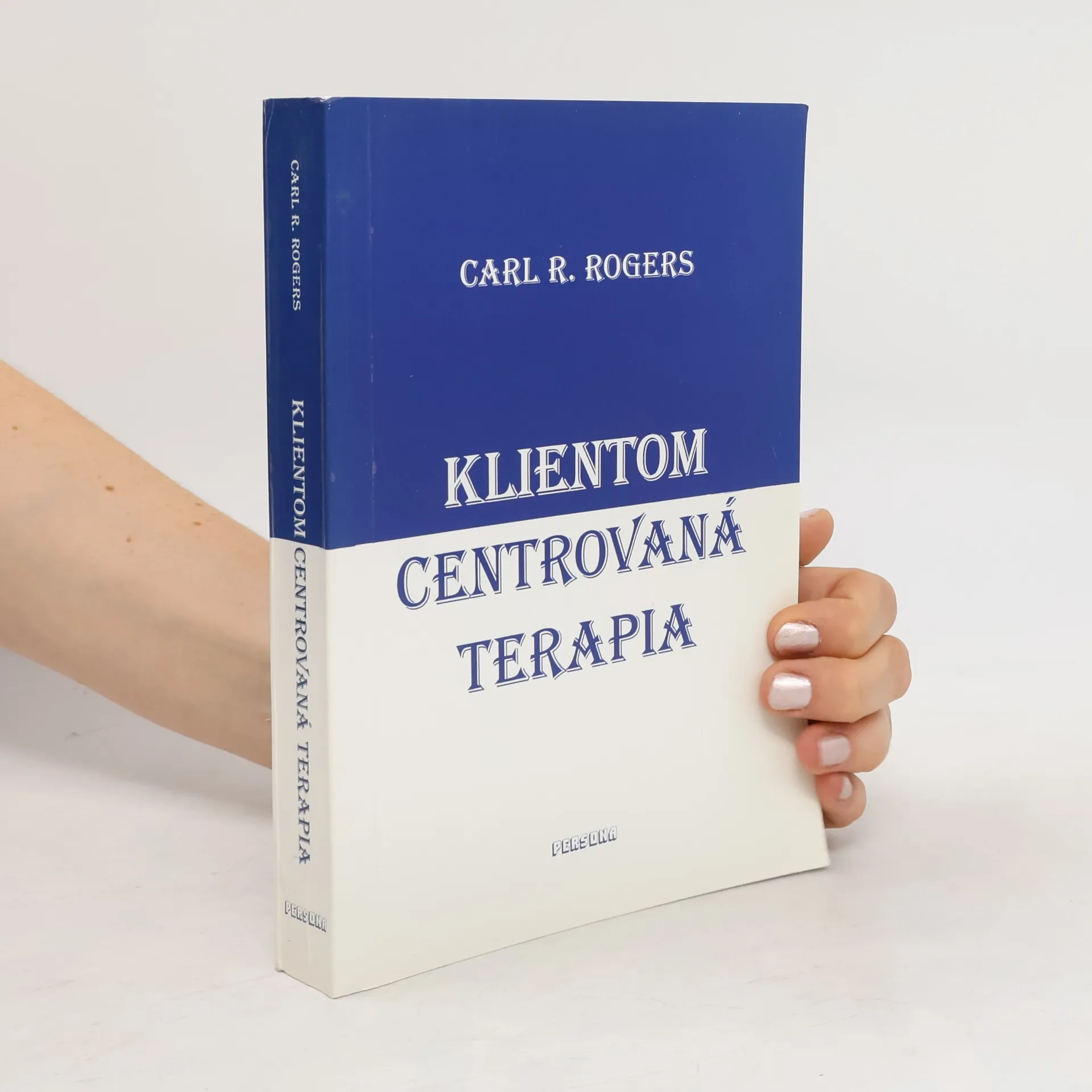
Klasické dielo C. R. Rogersa z roku 1951. Autor a jeho spolupracovníci v nej opísali vtedy nový nedirektívny prístup, ktorý sa vykrištalizoval počal uplynulého desaťročia. Kniha je zrelou prezentáciou nedirektívneho pohľadu a klientom centrovaného prístupu k poradenstvu a terapii.
Одна из самых известных работ Карла Роджерса, представителя гуманистической психологии и основателя клиент-центрированной терапии, изложена в этой книге в практическом аспекте. Метод, разработанный Роджерсом, стал новаторским на фоне директивного подхода к психологической помощи. В структурированной и сжатой форме он ясно и последовательно излагает основные принципы своего терапевтического метода, сопровождая рассказ яркими примерами. Работа отвечает на актуальные вопросы, такие как условия успешной терапии и помощь людям, нуждающимся в психологической поддержке. Книга подсказывает, как общаться с клиентом, вести себя и относиться к нему, а также какие приемы эффективны, а какие нет. Здесь представлены результаты многолетней работы Роджерса в поисках оптимальной формы терапевтического взаимодействия. Он делится своим опытом, который накопился за почти тридцать лет практики, проводя от 15 до 20 часов в неделю, чтобы понять людей и оказать им помощь. Эта книга является эссенцией его уникального опыта и инсайтов относительно смысла терапии, динамики межличностных отношений и структуры личности.