
Explore the latest books of this year!
Bookbot

Matthias Michalka

    Changing Channels
    Wolfgang Tillmans. Schall ist flüssig
    Mathias Poledna. Indifference
    The artist as ...
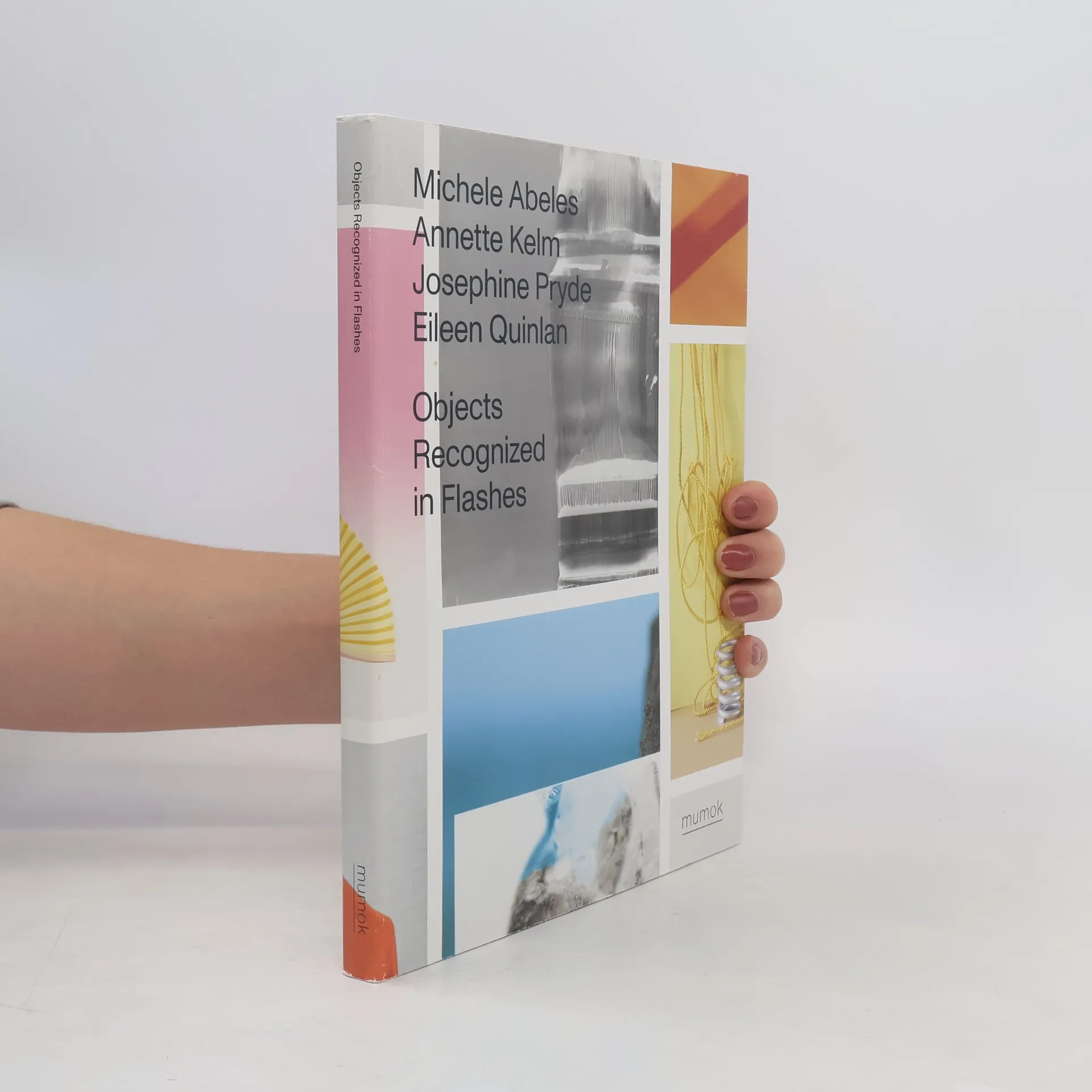
    Objects Recognized in Flashes
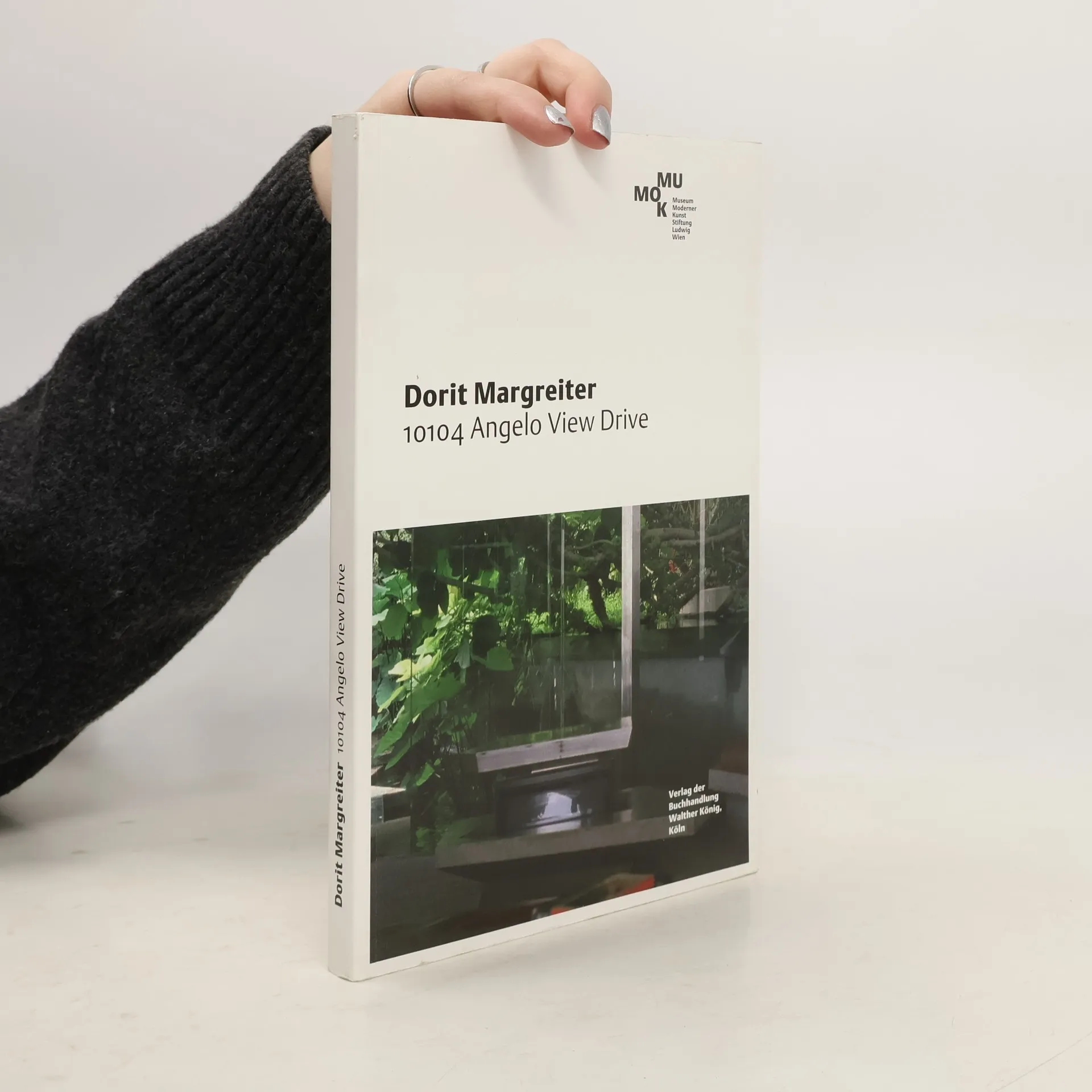
    Wolfgang Tillmans. Sound is Liquid
    • Wolfgang Tillmans. Sound is Liquid

      Ausst. Kat. Museum moderner Kunst Stiftung Ludwig Wien 2021/22

      Tillmans' photographic explorations of human connection and tangibility in dialogue with our new virtual present The observation of people--their bodies, movements, relation to surroundings--lies at the core of the diverse oeuvre that German photographer Wolfgang Tillmans (born 1968) has amassed over the past three decades. Today, these haptic relations and interactions are undergoing massive shifts in light of the COVID-19 pandemic and technological change, as the necessity of social distancing and the migration of everyday life into virtual space transforms how we interact with one another. Wolfgang Tillmans: Sound Is Liquidreflects on the photographer's oeuvre against the backdrop of these societal developments. Accompanying an exhibition at the Museum Moderner Kunst Stiftung Ludwig (MUMOK) in Vienna, Austria, this catalog features a wide selection of Tillmans' work from his early photographs produced in the pop-culture milieu of the 1990s to his acclaimed photographic abstractions, his high-resolution images of the globalized and digitalized reality of the early 21st century, and photos taken shortly before and during the coronavirus pandemic.
      Wolfgang Tillmans. Sound is Liquid
    • Objects Recognized in Flashes

      Ausst. Kat. Museum Moderner Kunst Stiftung Ludwig Wien, 2019/20

      • 249 pages
      • 9 hours of reading

      Objects Recognized in Flashes' is the title of a group exhibition focusing on surfaces of photographs, products, and bodies. The exhibition was developed by the curator in consultation with the artists Michele Abeles, Annette Kelm, Josephine Pryde, and Eileen Quinlan. It asks how our largely mediatized society deals with and relates analogue and digital images. How are relations between material and immateriality, body, screen and photographic surface constituted? In our contemporary consumer culture, products and questions of commodity aesthetics are becoming more and more significant. This is not without consequences for our use of photographic images. Ubiquitous advertising, marketing, and product presentation create imaginary visual standards that have now become a firm fixture of our self representations in photos on social media platforms. The works by the four artists in the exhibition respond both in respect to each other, and to this changing context.

      Objects Recognized in Flashes
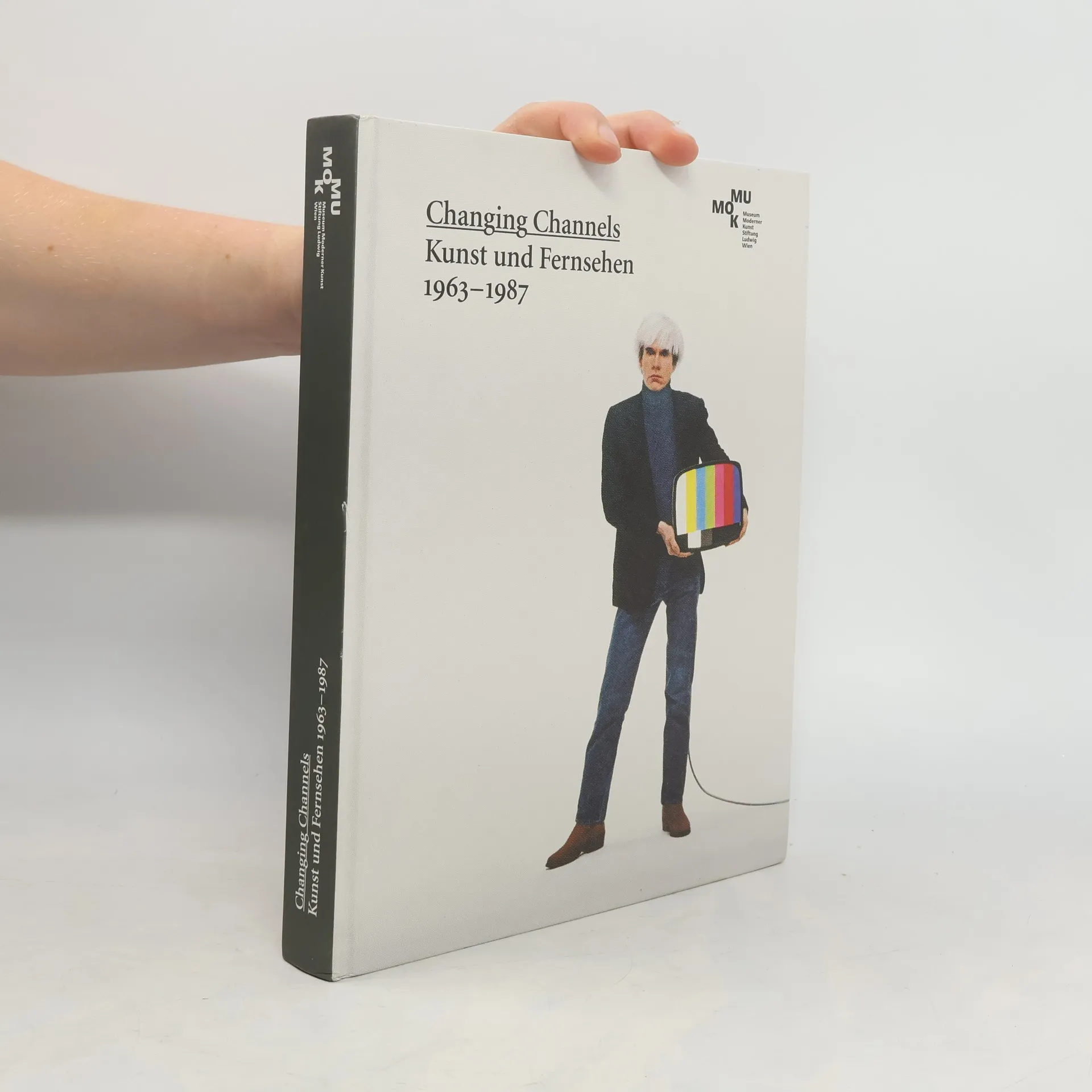
    • In ein spektakuläres Ausstellungssetting gebettet, begibt sich „Changing Channels“ auf die historische Suche nach der künstlerischen Auseinandersetzung mit dem Massenmedium Fernsehen. Heute entfachen die Kommunikationstechnologien in der Kunst der 1960er und 1970er Jahre, die sich unter veränderten Vorzeichen bis in die 1980er Jahre fortsetzten, neues Interesse. Die Ausstellung zeit die deutliche Anerkennung der künstlerischen Nutzung und Reflexion des Mediums Fernsehen im Museum und im öffentlichen Medienraum auf. Ausgehend von frühen, in den 1960er Jahren entstandenen TVArbeiten von Nam June Paik und Wolf Vostell, die erstmals mit der Manipulation des Fernsehbildes operierten, führt die Ausstellung zu Techno-Utopien und aktivistischen Arbeiten im vornehmlich angelsächsischen Raum. „Radical Software“, „TVTV“, oder „Rain Dance“ setzten sich mit kritischen gesellschaftspolitischen Inhalten der Hippie- und Antikriegsbewegung auseinander. Weltweite Medienhypes wie die erste Mondlandung (1969) oder die Ermordung J. F. Kennedys (1963) lösten künstlerische Reaktionen aus. Arbeiten von Andy Warhol, Yoko Ono/John Lennon, Chris Burden oder Ant Farm spiegeln die Manipulation von “Image“, die Suche nach Identifikationsmustern im Fernsehen oder die Verbindung von Starkult und Kunst wieder. Ein zweiter Themenblock der Schau widmet sich der (De-)Konstruktion von Information und Kommunikation und dem Konsumismus, der Unterhaltung und den Rezipienten: Österreichische Positionen wie Peter Weibel, VALIE EXPORT, Arnulf Rainer und ein ORF Schwerpunkt fügen sich in den Kontext internationaler Entwicklungen ein, repräsentiert von Künstlern wie Michael Asher, Joseph Beuys, Harun Farocki, Dan Graham, Richard Serra. Darüber hinaus sind auch Werke kommerziellen Ursprungs wie Humanic Spots und MTV-Clips enthalten. Kurator: Matthias Michalka

      Changing Channels