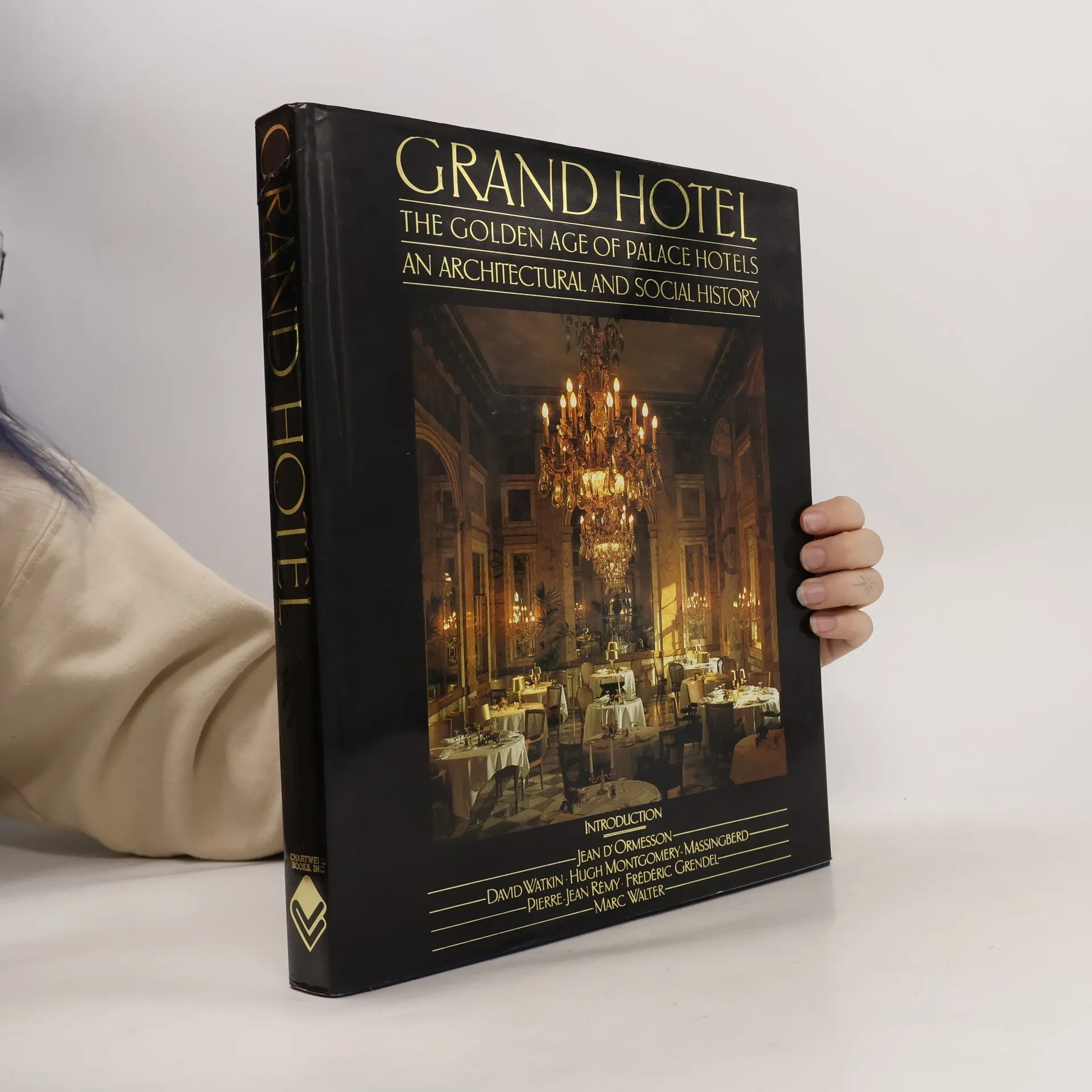
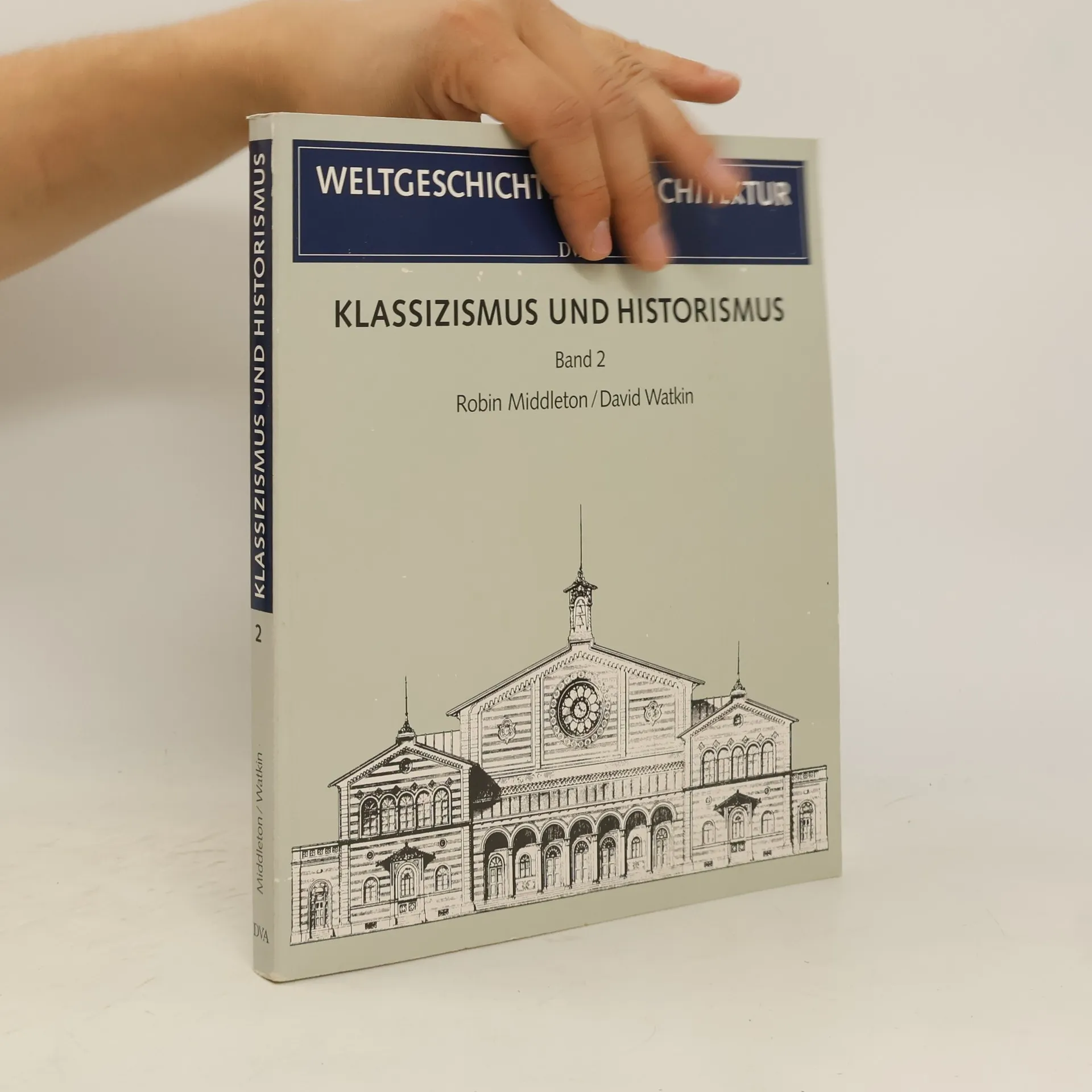
This British architectural historian is renowned for his profound engagement with the history of art and architectural styles. His work focuses on uncovering the intricate relationships between architectural development, societal shifts, and cultural ideals. He explores how evolving aesthetic tastes and philosophical currents have shaped the physical environments we inhabit. His scholarship offers a penetrating look at how architecture can be understood as a reflection of human aspirations and societal values.
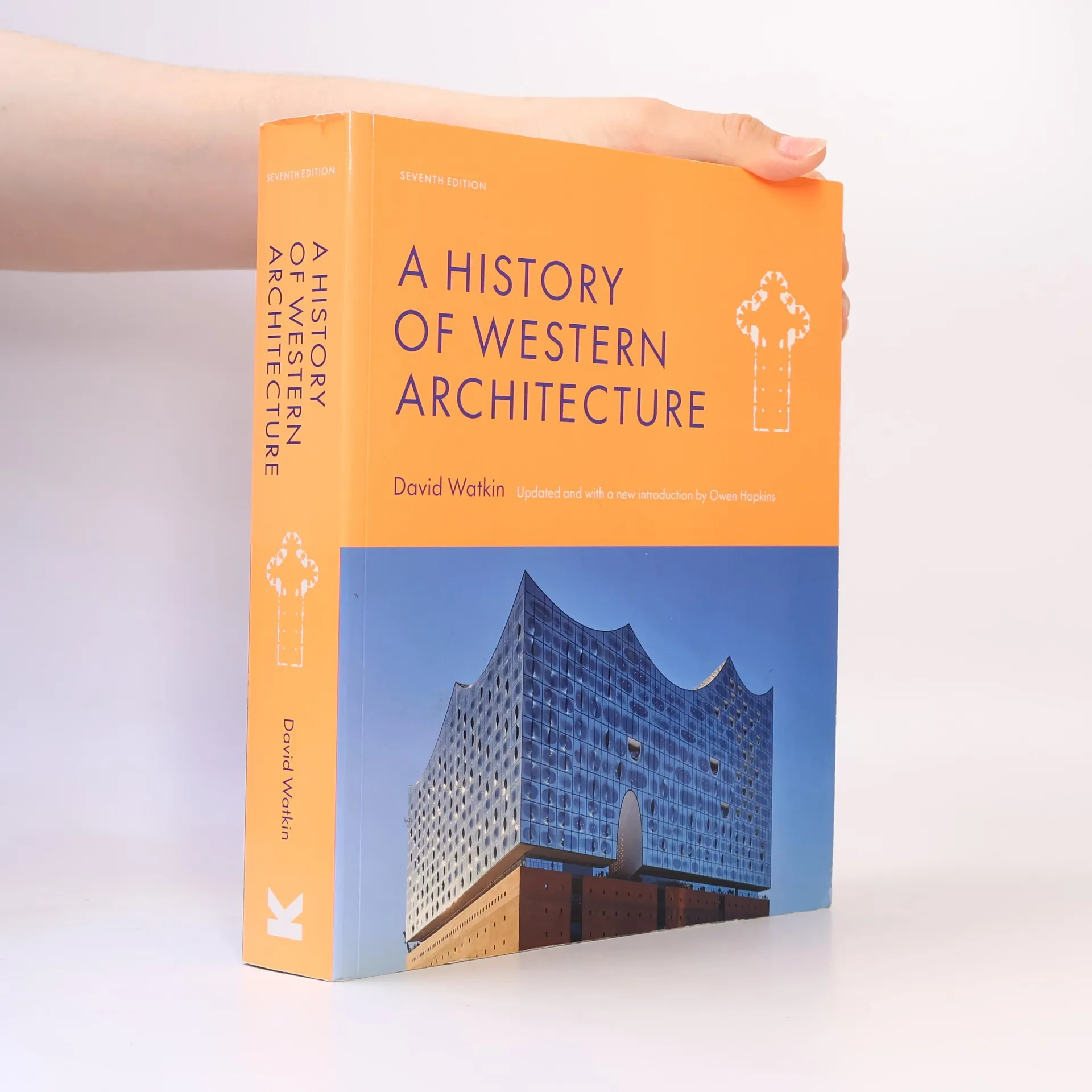
This seventh edition serves as a comprehensive reference for classic architecture, offering updated insights and illustrations. It explores key architectural styles, principles, and historical significance, making it an essential resource for students, professionals, and enthusiasts alike. Enhanced features and contemporary examples enrich the understanding of timeless design elements, ensuring relevance in today's architectural discourse.
This comprehensive work explores the evolution of architecture across various historical periods and regions. It begins with an examination of Mesopotamia and Egypt, laying the groundwork for understanding the classical foundations established by Greek, Hellenistic, and Roman influences. The narrative progresses to the early Christian and Byzantine eras, followed by the Carolingian and Romanesque periods, culminating in the Gothic experiment across France, England, Germany, and beyond, including insights on town planning.
The Renaissance section highlights its birth and high points, extending its influence outside Italy, while the Baroque expansion showcases developments in Italy and other regions, again addressing town planning. The book then delves into eighteenth-century classicism, detailing the impact of Rome and the rise of Neo-Classicism in France and the USA, alongside town planning innovations.
The nineteenth century is explored through the lens of various countries, including France, Britain, Germany, and the USA, with a focus on town planning. The Art Nouveau movement is discussed next, covering its manifestations in Belgium, France, and other nations. The twentieth century is examined in two parts: pre-1939 developments in the USA and Europe, followed by modernism and post-modernism after 1945, including contemporary town planning. The work concludes with a glossary, further reading suggestions, acknowledgments,
Every generation needs its own history of English architecture: new facts are discovered and time's perspective brings different facets into prominence. David Watkin here provides a concise and highly readable outline of the whole story, from Saxon times to the present, centered on buildings that people can actually see today.