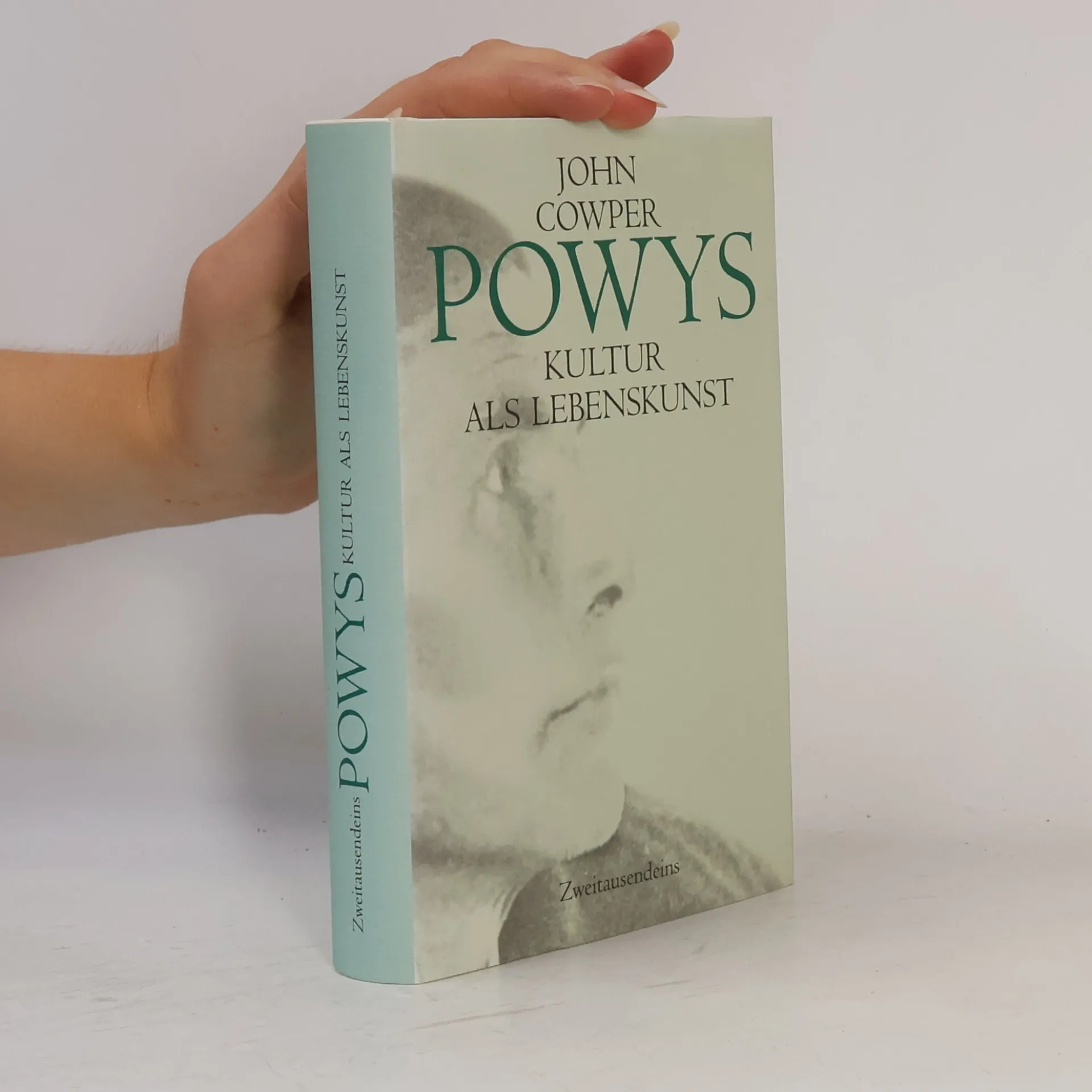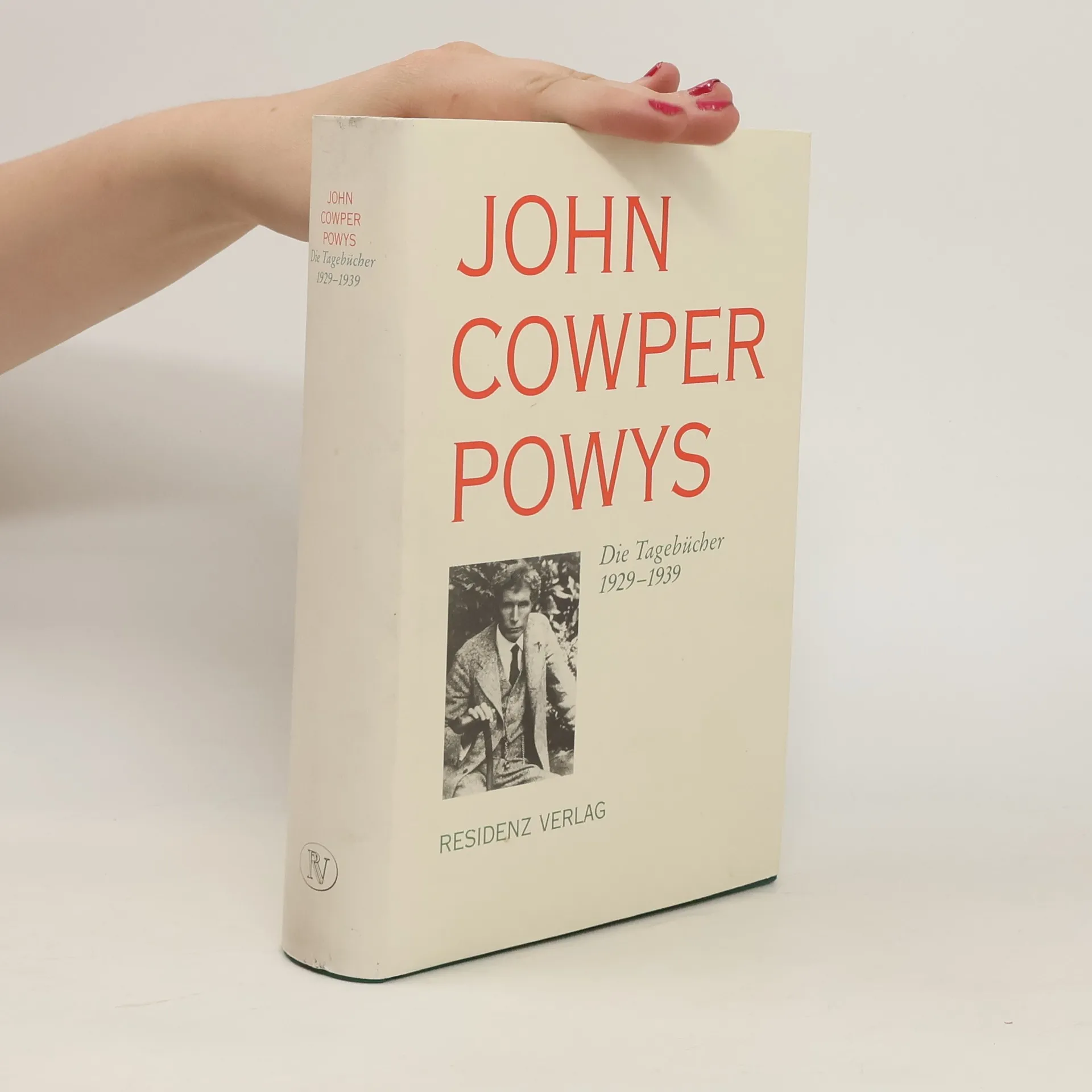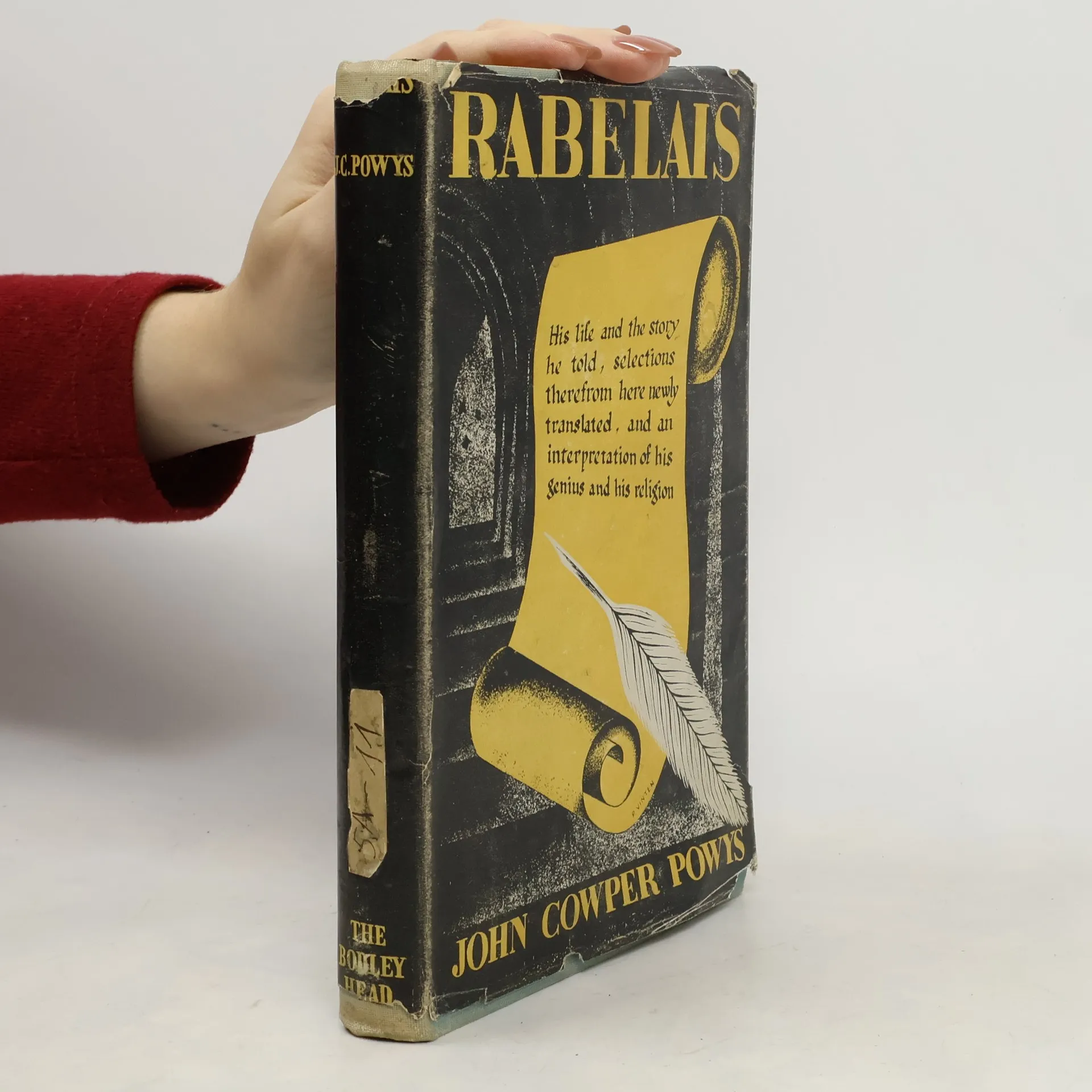
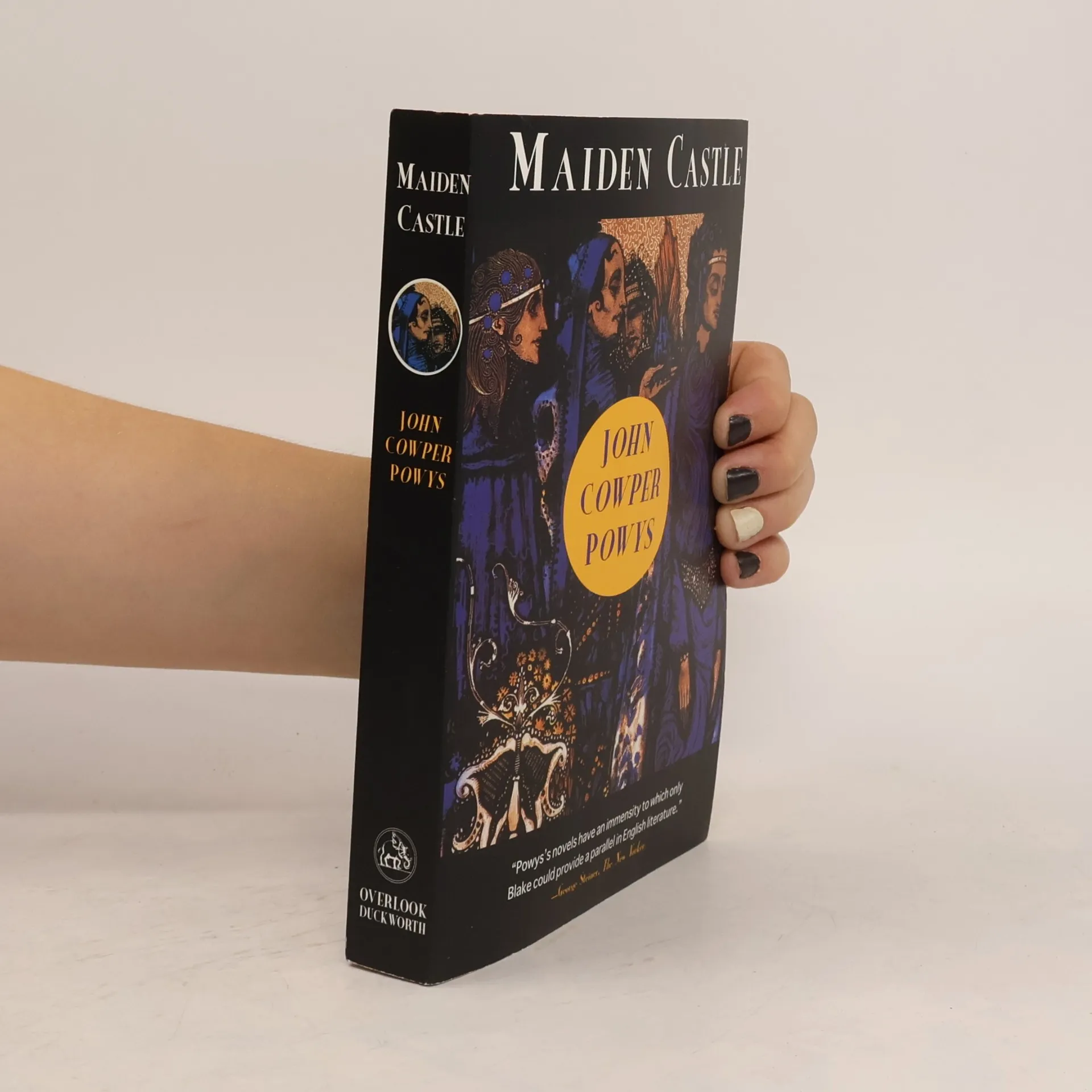

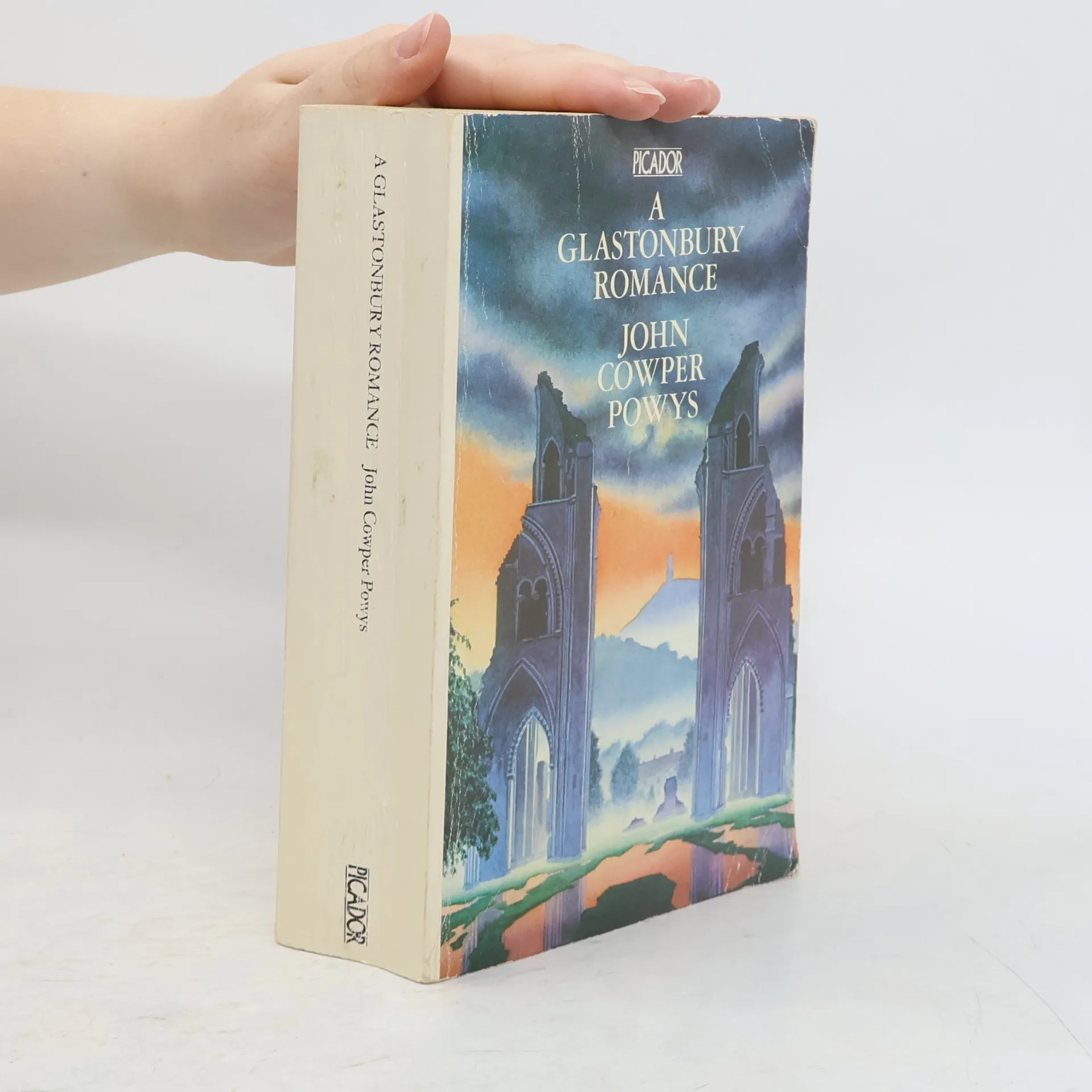
John Cowper Powys was a British novelist and poet whose works are distinguished by a uniquely detailed and intensely sensual recreation of time, place, and character. His novels, often exploring heightened states of awareness resulting from mystic revelation or experiences of extreme pleasure or pain, delve into the depths of consciousness. Beyond his acclaimed novels, Powys also contributed significantly to poetry, essayism, philosophy, and literary criticism. His distinctive style and profound psychological insight mark him as a significant voice in modern literature.
'I have tried to write my life as if I were confessing to a priest, a
philosopher, and a wise old woman. I have tried to write it as if I were both
God and Devil.' One is tempted to say only John Cowper Powys could have
written that, and, beyond doubt, only John Cowper Powys could have written the
idiosyncratic and spellbinding work we have here.
Jobber Skald, a large and brutish man, is driven by a desire to kill the local magnate due to his disdain for quarry workers and his deep love for Perdita Wane, a young girl from the Channel Islands.
This chronicle details the lives of inhabitants of the Somerset town of Glastonbury over a period of approximately a year. Much of the novel focuses on the relationship between the modern world and Glastonbury, hub of numerous Grail legends and (according to some legends) the original Isle of Avalon
Presents a story of a young man returning from London to work near to the
school at which his father had been history master. This book reflects a close
understanding of man's everyday experience with a delicate awareness of the
spiritual. schovat popis
In this extraordinary piece all of John Cowper Powys' eccentric and wild inventiveness is on display. In a small flat in New York in the 1920s an old couple, former circus performers, live a crotchety life of poverty and fear. The ones they fear are 'the Authorities', their name for the cruel and unthinking denizens of the outside world who want to put them into a home. But living with them in their tiny flat are many more presences than they suspect. Powys peoples their world with a gravely philosophical stuffed owl, an overly amorous china duck, a rude and fatalistic glass fish, a pair of tiny Asian god statues, a tenderly romantic doll, and a sadly dilapidated wooden horse, all of whom see the Known World (as they call the flat) in a biased way according to their super-individual visions. Flitting through this busy roomscape are also less substantial beings: two wispy, half-created characters from the unfinished historical romance novel of a long-ago tenant, and, most importantly, the terribly thin and vaporous ghost of the kind old lady who had the flat before the old couple. Her extraordinary kindness could be the key to saving the old couple from the Authorities - can the ghost of Miss Rowe save the day? With a saucy combination of ghoulishness and bouncing enthusiasm John Cowper Powys revels here in unbounded invention, creating a short masterpiece of great eccentricity and capacious fantasy.
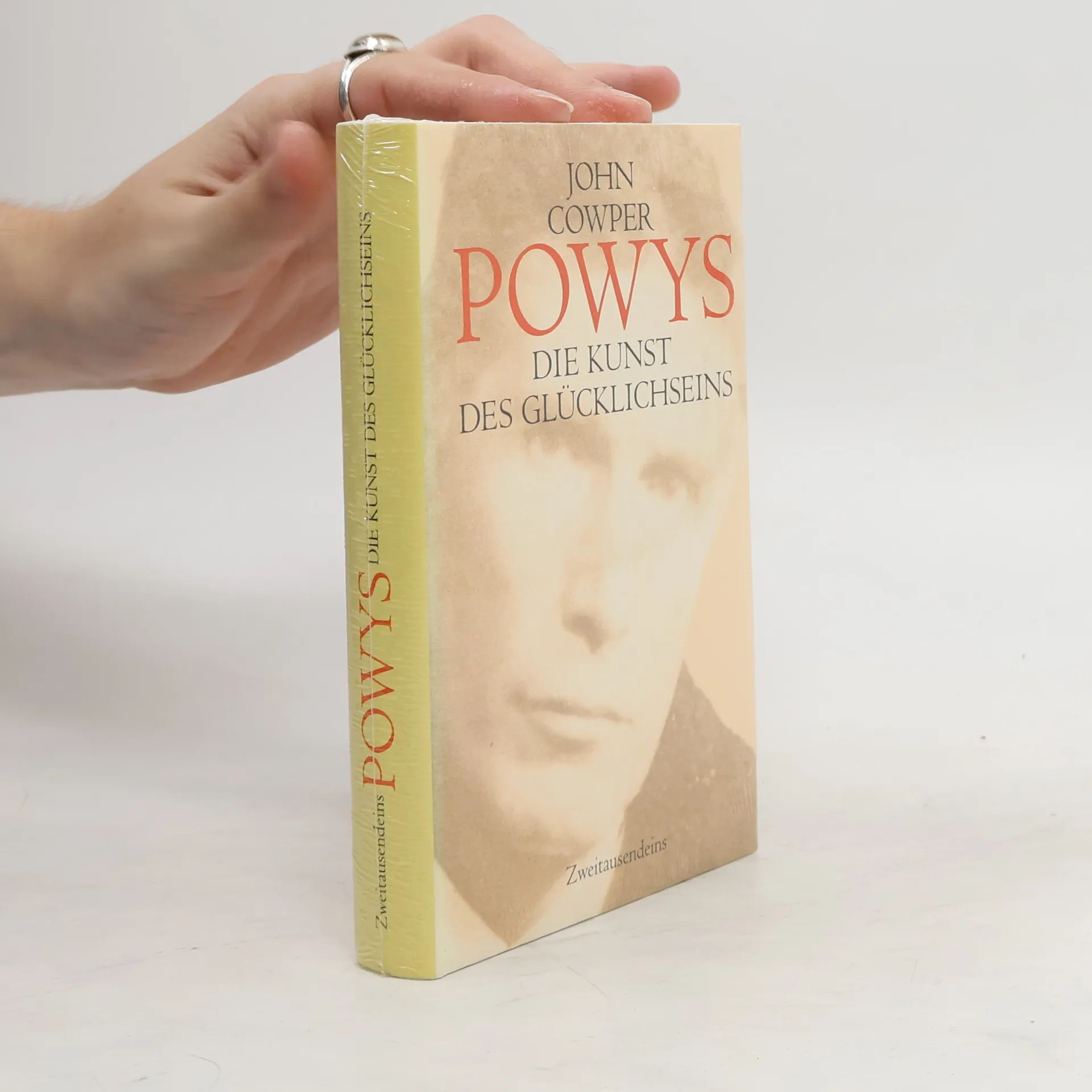
„Wir sind nicht geboren, um glücklich zu sein. Wir sind geboren, um unser Glück zu erkämpfen.“ J. C. Powys: Die Kunst des Glücklichseins. Für Powys besteht eine intensive Verbindung zwischen den Menschen und allem Leben auf der Erde, ja, dem gesamten Universum. Die Kunst, Lebensfreude zu empfinden und zu genießen, ist daher nicht nur der Schlüssel zu einem erfüllten Leben, sondern Verpflichtung für jedes Individuum, das so die Gesamtgemeinschaft stärkt. Powys verrät uns die Tricks, wie wir die Meisterschaft in dieser Kunst erlangen. Er zeigt uns, wie es gelingen kann, dass Frauen mit Männern (und Männer mit Frauen) glücklich werden - und wie dieses Glück sich ständig erneuern und sogar noch steigern lässt. Wie wir auch im Alltag unsere Fähigkeit zum Glück wach halten und trainieren und wir so unserem Leben eine neue Qualität geben.