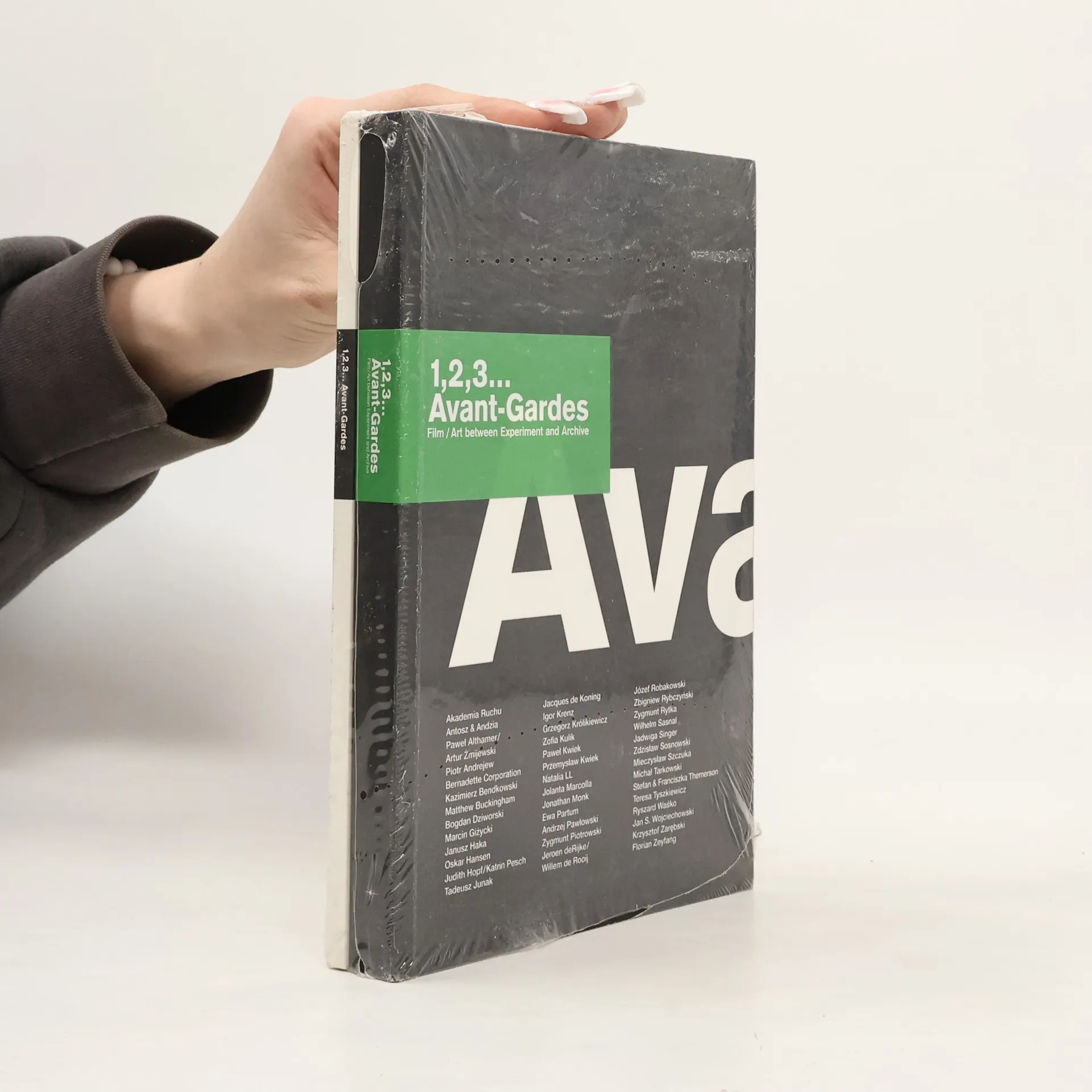
On the image politics of Aby Warburg's legendary lecture on the Hopi snake ritual Aby Warburg's famous lecture on the Hopi snake ritual in Arizona is one of the most commented-upon art history documents of the 20th century. But while Warburg's essay is firmly anchored in the canon of art history, to a wider public--especially in Europe--little is known about its source, the snake ritual and its history. A Kind of World Waraddresses what Warburg largely ignored himself: that not only the ritual, but also the images of the ritual--to whose global distribution Warburg contributed--have a political history. The volume seeks to demonstrate that Warburg's art history, insofar as it outlines an internal history of the European psyche, must be read in conjunction with its external counterpart, the history of colonization, war and cultural entanglement.
Anselm Franke Books
Anselm Franke is a curator and author whose work delves into artistic and filmic projects. His curatorial practice focuses on exploring complex themes and presenting them across various cultural institutions. Franke's approach to exhibitions often bridges different disciplines and media, creating thought-provoking and layered experiences for audiences. His work emphasizes critical examination and reinterpretation of contemporary cultural phenomena.


Ceremony
(Burial of an Undead World)
Artists and writers explore Sylvia Wynter's postcolonial dismantling of origin myths and cosmologies According to the influential Jamaican writer and cultural theorist Sylvia Wynter, "we humans cannot pre-exist our origin myths any more than a bee can pre-exist its beehive." Drawing inspiration from her seminal essays "The Ceremony Must Be Found" (1984) and "The Ceremony Found" (2015), Ceremonydraws on Wynter's thinking to suggest that "modernity," contrary to its own self-image as rational and secular, is also determined by origin myths that emerged through the "mutations" of Christian cosmology after the dawn of capitalism in the Middle Ages. With over 25 contributions and commentaries on Wynter's propositions from artists and writers, this publication constitutes a critical reference point for those seeking to construct and envisage a "counter-cosmogony" to the dispossession, slavery and extractivism of modernity that so endanger planetary life for humankind.
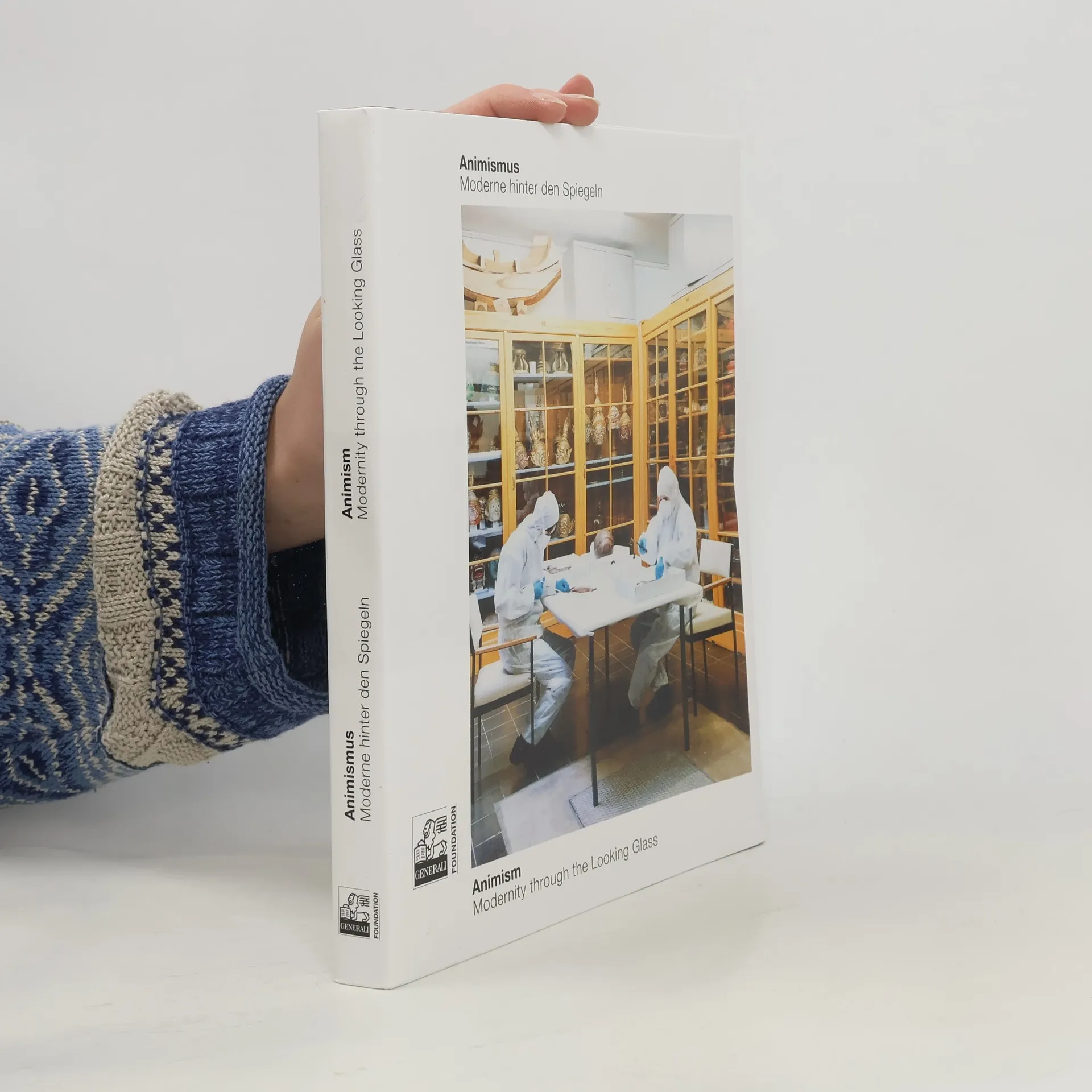
This volume takes its cue from the ethnological concept of animism, a term for religions that view objects as having souls of their own. Animism emerged as an anthropological category in the nineteenth century, often occurring as a folk belief underlying more established religions, particularly in Africa and Southeast Asia. The term has proved also influential in psychoanalysis, where it denotes mental states in which no division is made between inner and outer realities. This volume brings together artworks, documents and artifacts to create an essayistic appraisal of works by such artists and filmmakers as Didier Demorcy, Walt Disney, Jimmie Durham, Eric Duvivier, Henri Michaux, Thomas Alva Edison, Candida Hofer, Luis Jacob, Ken Jacobs, Yayoi Kusama, Len Lye, Chris Marker, Alain Resnais, Daria Martin, Ana Mendieta, Hans Richter and others.
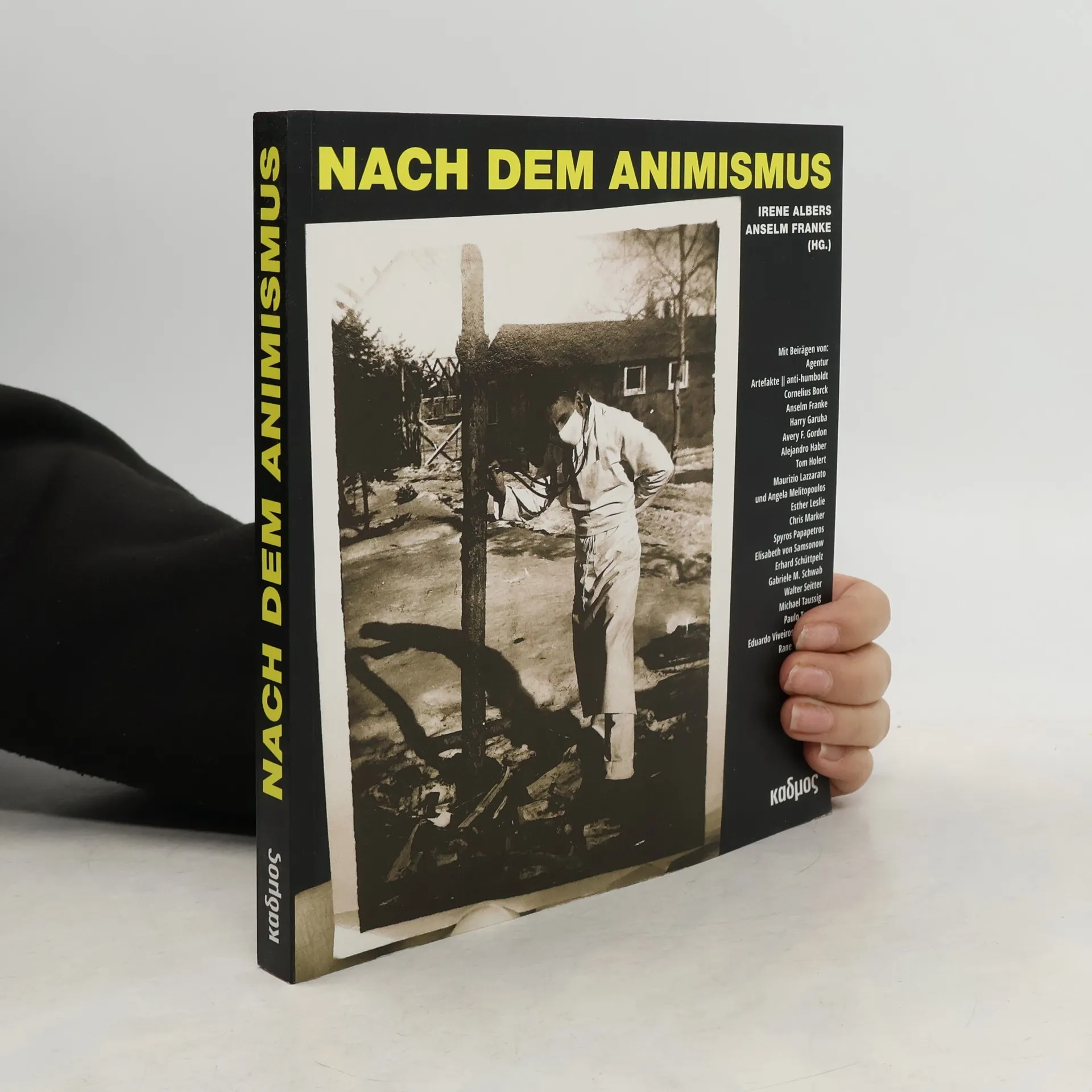
Nach dem Animismus
- 256 pages
- 9 hours of reading
'Animismus' bezeichnet Praktiken und Ontologien, die die Natur und Objekte nicht objektiv, sondern subjektiv wahrnehmen und behandeln. Edward B. Tylor, der den Begriff prägte, sah Animisten als unfähig an, zwischen belebter und unbelebter Materie zu unterscheiden, was zu kolonialistischen Überlegenheitsvorstellungen führte. Der Begriff bezieht sich nicht auf eine Wiederbelebung, sondern auf eine notwendige Revision, die durch ethnologische Beiträge verdeutlicht wird, darunter ein Text des brasilianischen Ethnologen Eduardo Viveiros de Castro, der eine Welt mit vielfältigen subjektiven Positionen entwirft. Animismus wird als relationale Epistemologie oder Ontologie verstanden, die die Differenz von Natur und Kultur provoziert und nicht-menschlichen Akteuren Handlungsmacht verleiht. Paulo Tavares diskutiert, wie die Natur zum Rechtssubjekt werden kann, während das 'animistische Imaginäre' innerhalb der westlichen Moderne thematisiert wird. Bruno Latour hinterfragt, wie die Moderne Materie für tot erklärt und gleichzeitig den Animismus zum Schweigen bringt. Die Beiträge des Bandes nutzen das Animismus-Konzept als analytisches Werkzeug, um ethnographische Perspektiven auf Wissenschaft, Wirtschaft, Kunst und Philosophie zu reflektieren. Der Band versammelt wissenschaftliche und künstlerische Beiträge aus der Konferenz und Ausstellung 'Animismus' im Haus der Kulturen der Welt.