
Explore the latest books of this year!
Bookbot

Augustinus

    November 13, 0354 – August 28, 0430
    Augustinus
    The Essential Augustine
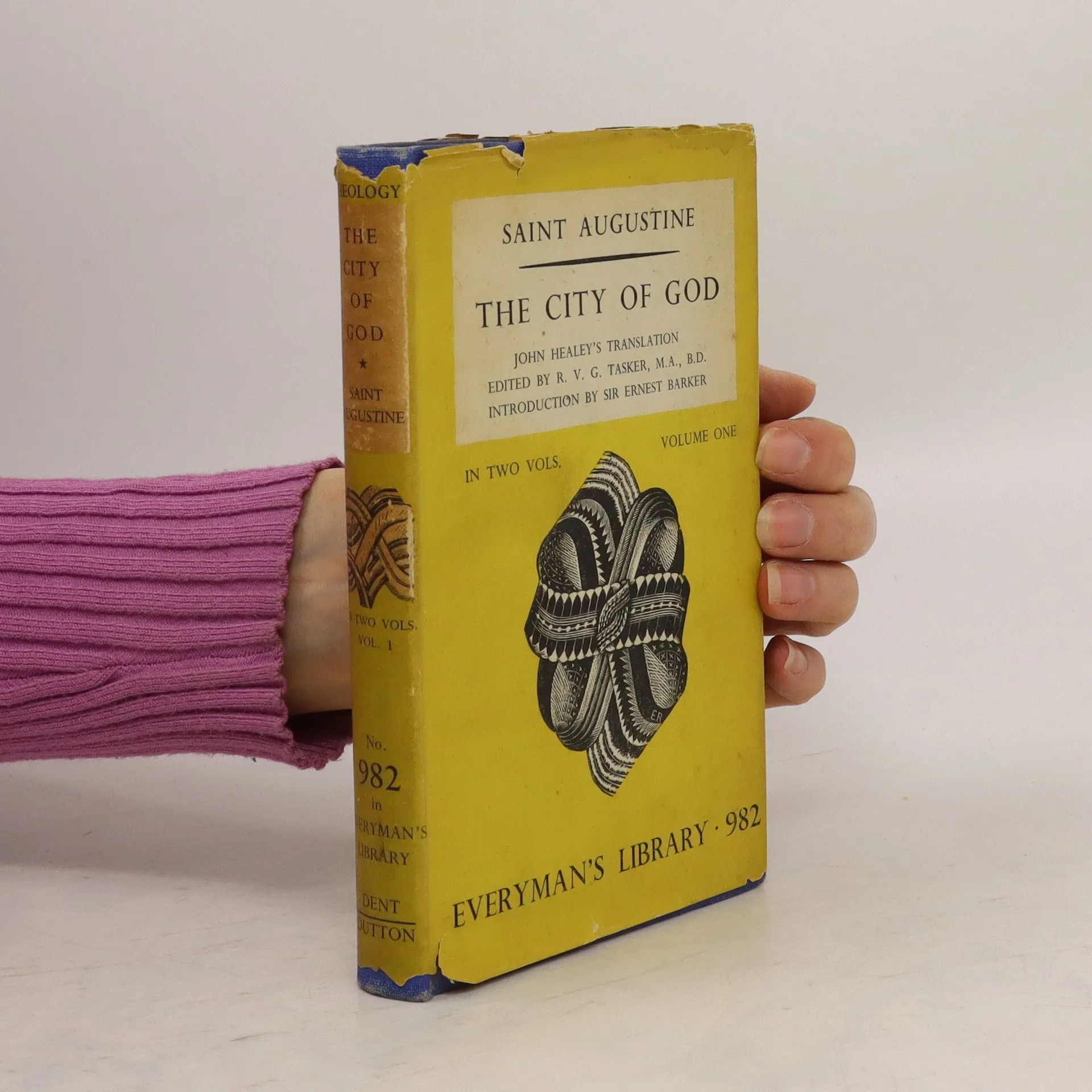
    City of God
    Against the Academicians and The Teacher
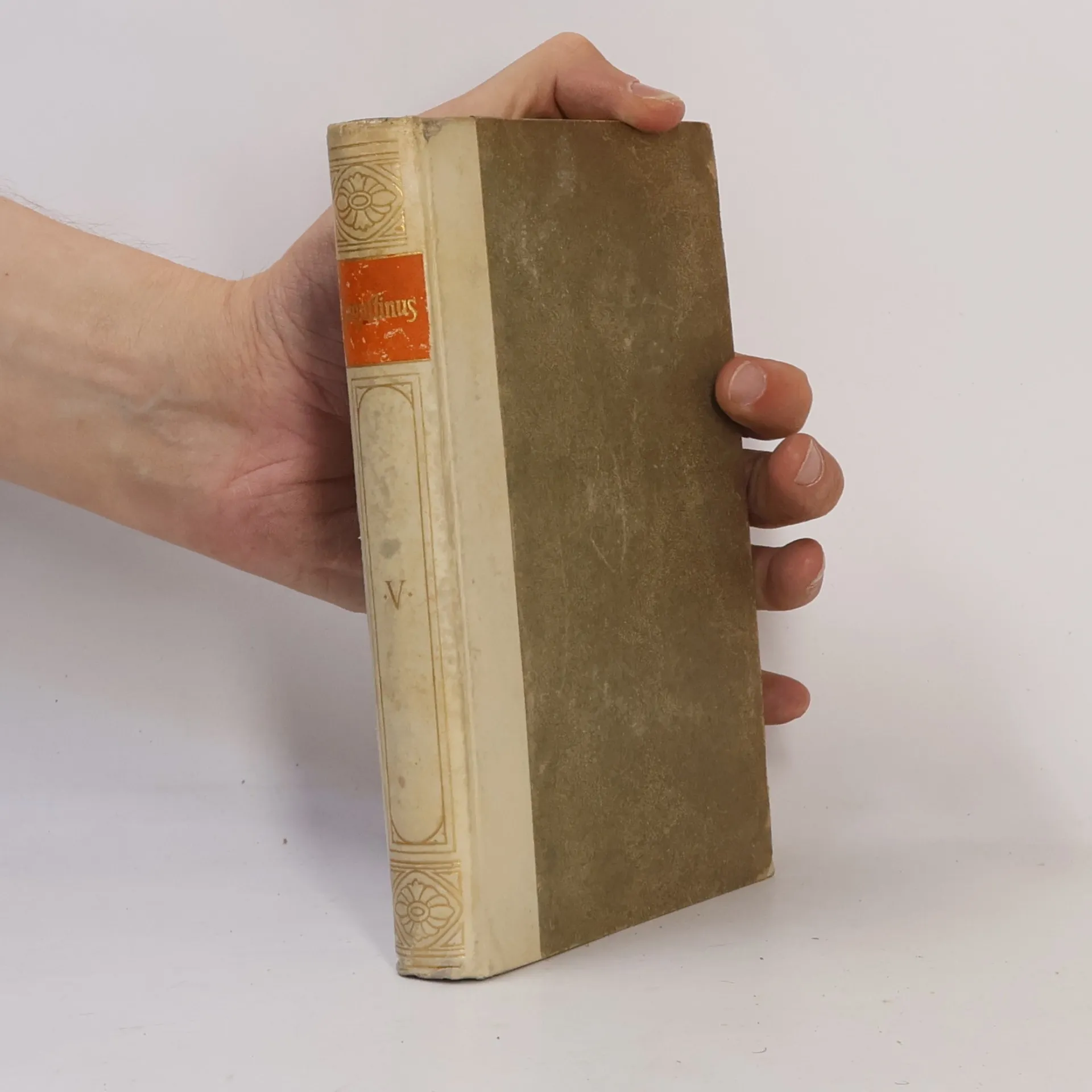
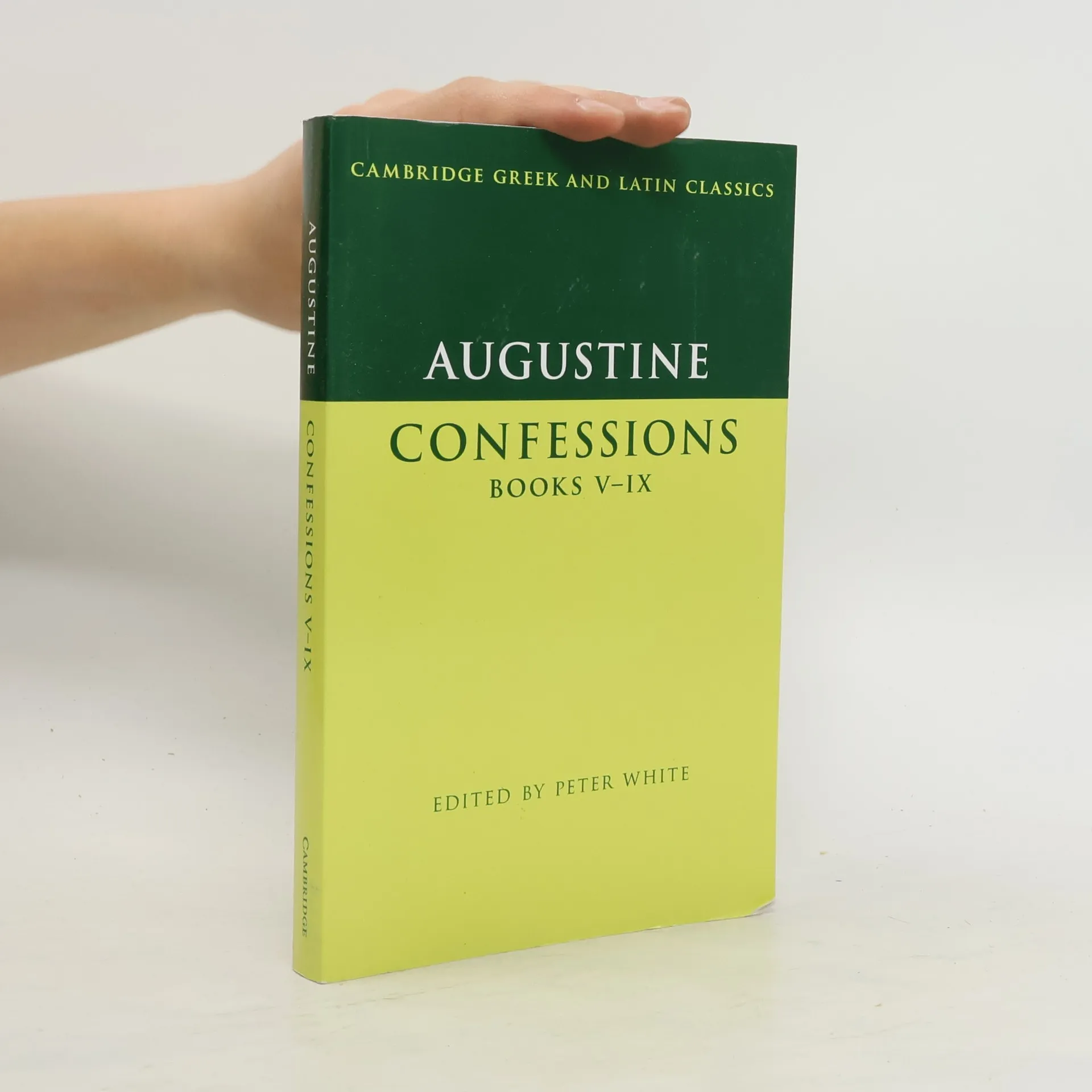
    Augustine: Confessions Books V-IX
    On the Trinity
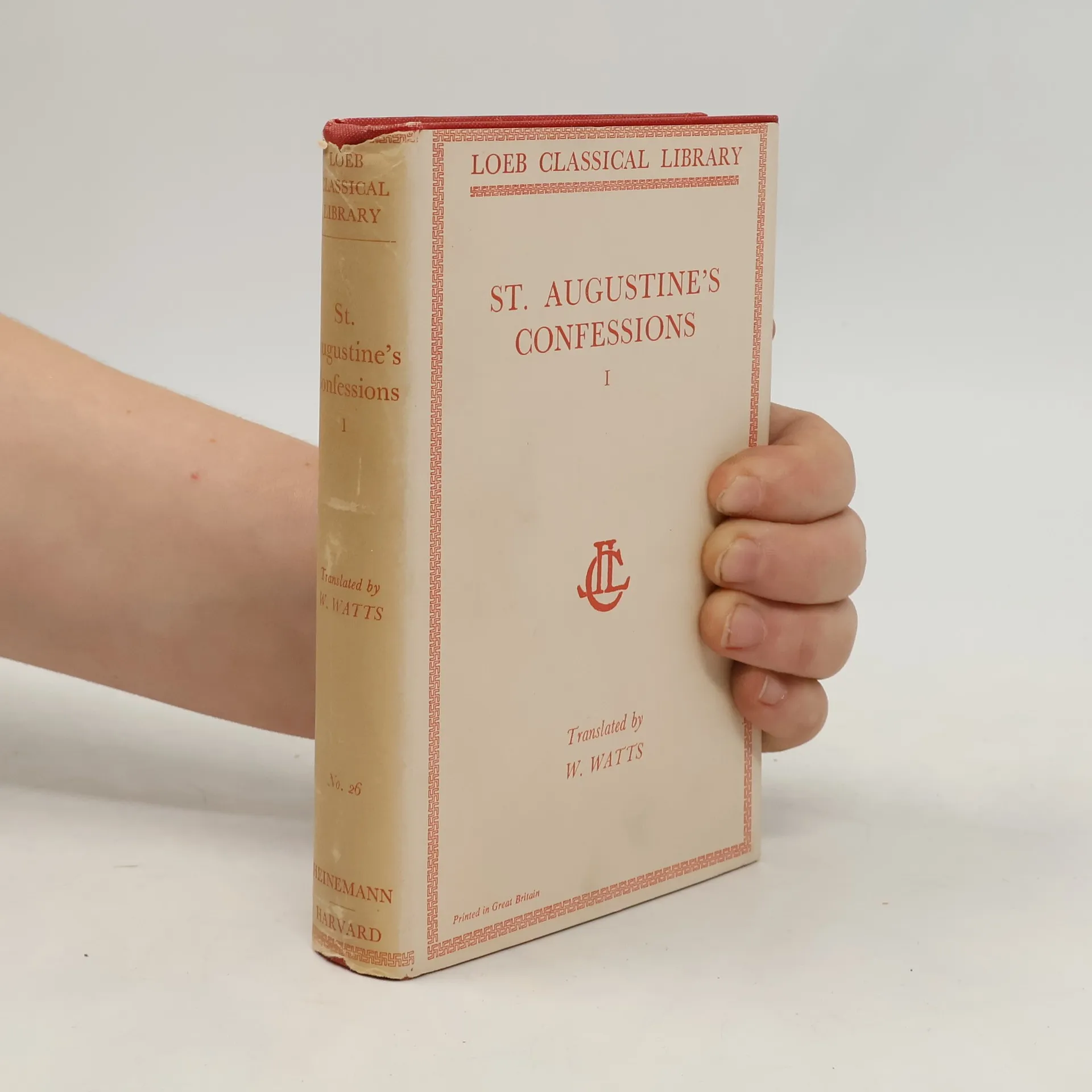
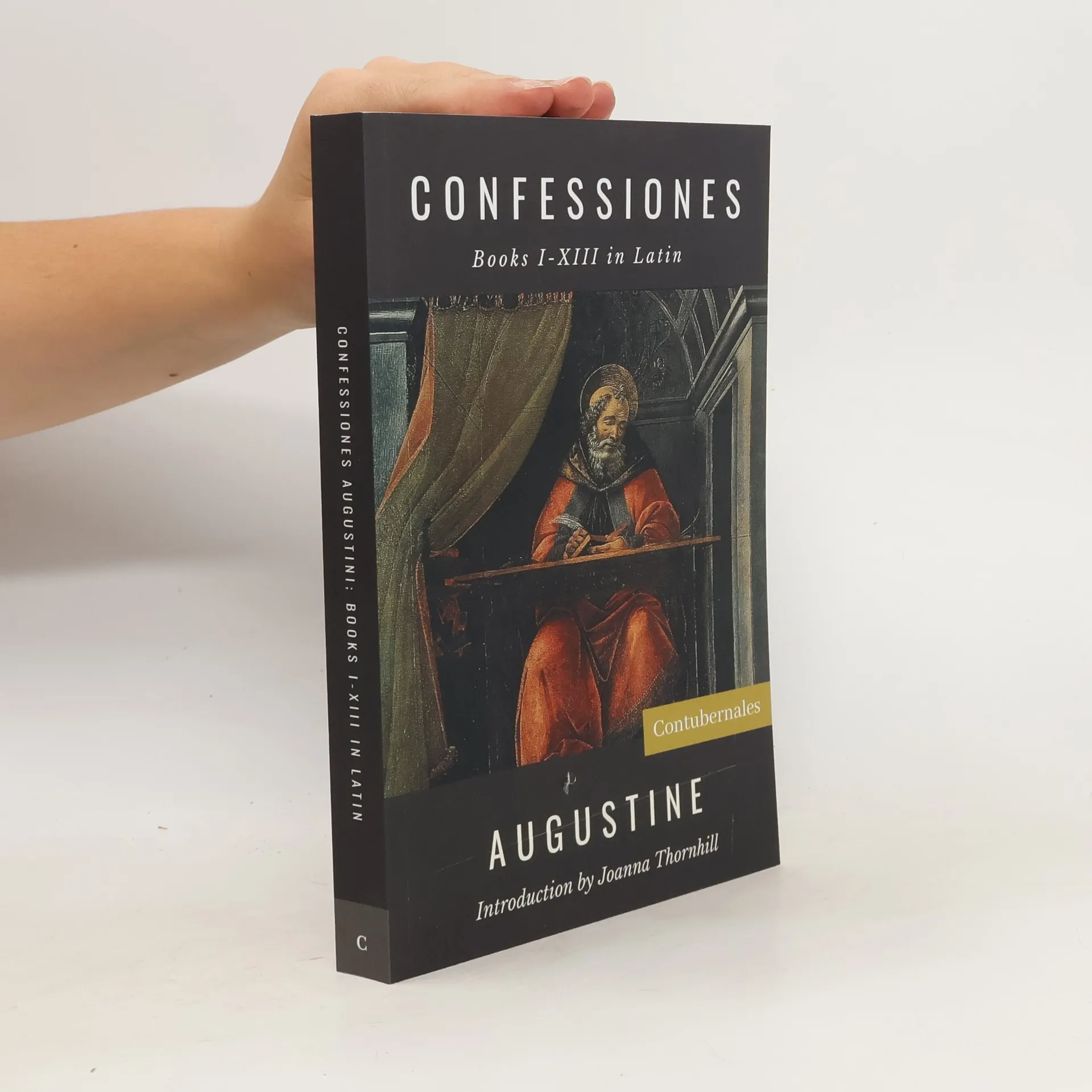
    Confessions of St. Augustine
    • Confessions of St. Augustine

      • 420 pages
      • 15 hours of reading

      The second book of the Catholic Classics series, The Confessions of St. Augustine , is an updated translation of the key work of Catholic tradition that is accessible for modern readers . Often considered one of the most influential and inspiring works of the saints, this classic yet relevant text was written by the Doctor of the Church as a prayer to God, confessing his faith despite past mistakes and recognizing the ways that God has transformed his heart. Through the years, it has remained a key reflection on the spiritual life for believers who seek to persevere through weakness toward the glory of heaven. Exploring topics such as understanding Sacred Scripture, the weakness of the human heart, and the transformative power of an encounter with the living God, this text draws readers ever closer to God through St. Augustine’s conversations with the heavenly Father who called him out of a life of sin and onto the path toward sainthood .With a new translation by Dr. Matthew Minerd, this special version renews Catholics' understanding and appreciation of this spiritual classic. It also This beautiful book draws all Catholics into a deeper relationship with God in their pursuit of holiness through the honesty, authenticity, and wisdom of one of the Church’s greatest saints.
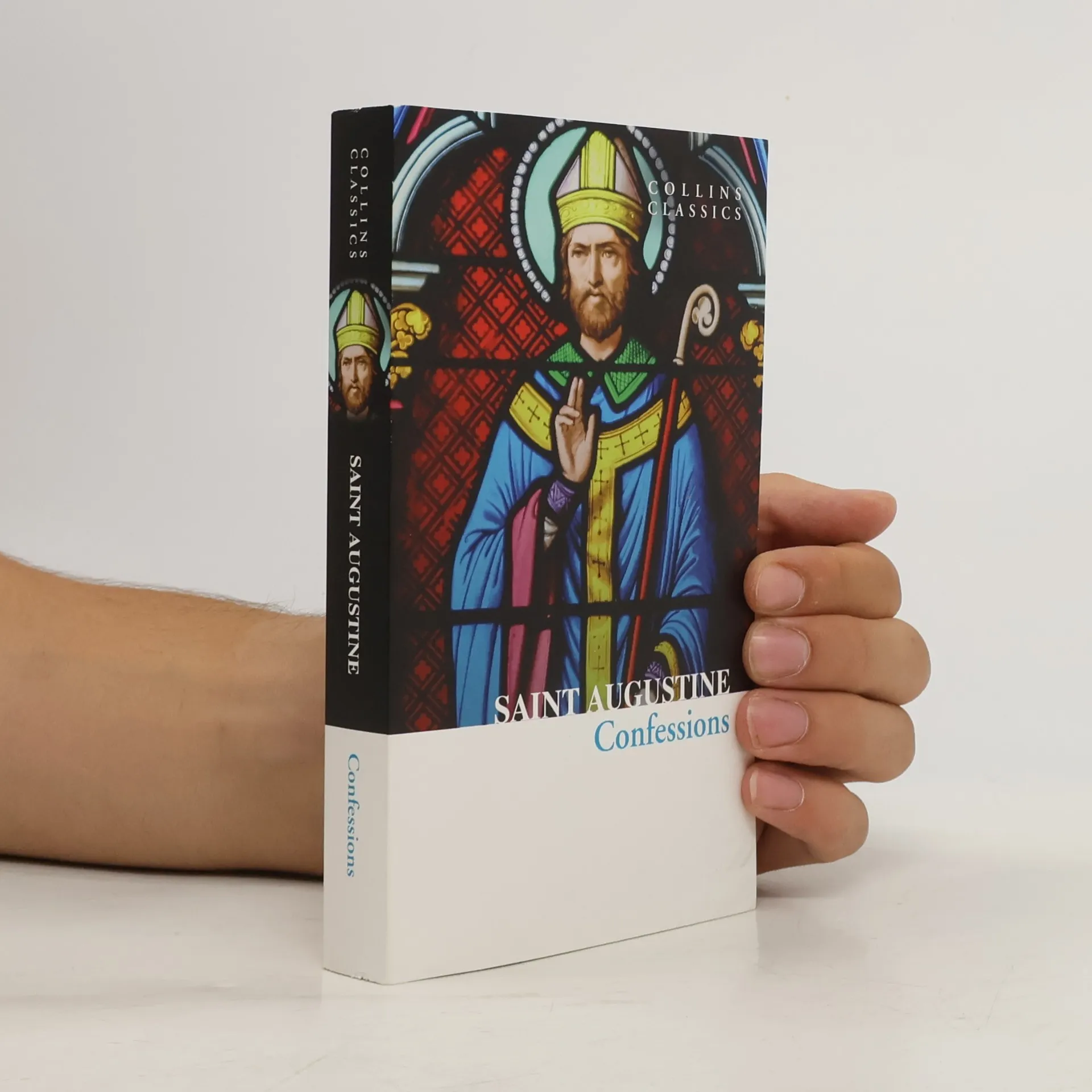
      Confessions of St. Augustine
      4.5
    • On the Trinity

      • 328 pages
      • 12 hours of reading

      On the Trinity is a Latin book written by Augustine of Hippo to discuss the Trinity in context of the logos. Although not as well known as some of his other works, some scholars have seen it as his masterpiece, of more doctrinal importance even than Confessions or The City of God.
      On the Trinity
      5.0
    • Augustine: Confessions Books V-IX

      • 400 pages
      • 14 hours of reading

      This edition highlights Augustine's art as a narrator, enhances appreciation of the Confessions by explaining unfamiliar Augustinian vocabulary, idioms, and ideas, and clarifies his place as one of the most original thinkers of late antique Christianity. It will be indispensable for students and teachers of Latin.

      Augustine: Confessions Books V-IX
      2.0
    • Against the Academicians and The Teacher

      • 183 pages
      • 7 hours of reading

      These new translations of two treatises dealing with the possibility and nature of knowledge in the face of skeptical challenges are the first to be rendered from the Latin critical edition, the first to be made specifically with a philosophical audience in mind, and the first to be translated by a scholar with expertise in both modern epistemology and philosophy of language.

      Against the Academicians and The Teacher
      4.0
    • City of God

      • 1184 pages
      • 42 hours of reading

      One of the great cornerstones in the history of Christian philosophy, The City of God provides an insightful interpretation of the development of modern Western society and the origin of most Western thought. Contrasting earthly and heavenly cities--representing the omnipresent struggle between good and evil--Augustine explores human history in its relation to all eternity. In Thomas Merton's words, "The City of God is the autobiography of the Church written by the most Catholic of her great saints." This Modern Library Paperback Classics edition is a complete and unabridged version of the Marcus Dods translation.

      City of God
      3.9
    • The Essential Augustine

      • 268 pages
      • 10 hours of reading

      The Essential Augustine contains selected passages from about forty key works by St. Augustine of Hippo, nearly half of which were specifically translated for this collection. The table of contents provides precise references to the source treatises. A bibliography and glossary of key terms are included, along with appendixes containing a list of all Augustine's known writings, alphabetized by standard English titles.

      The Essential Augustine
      3.8
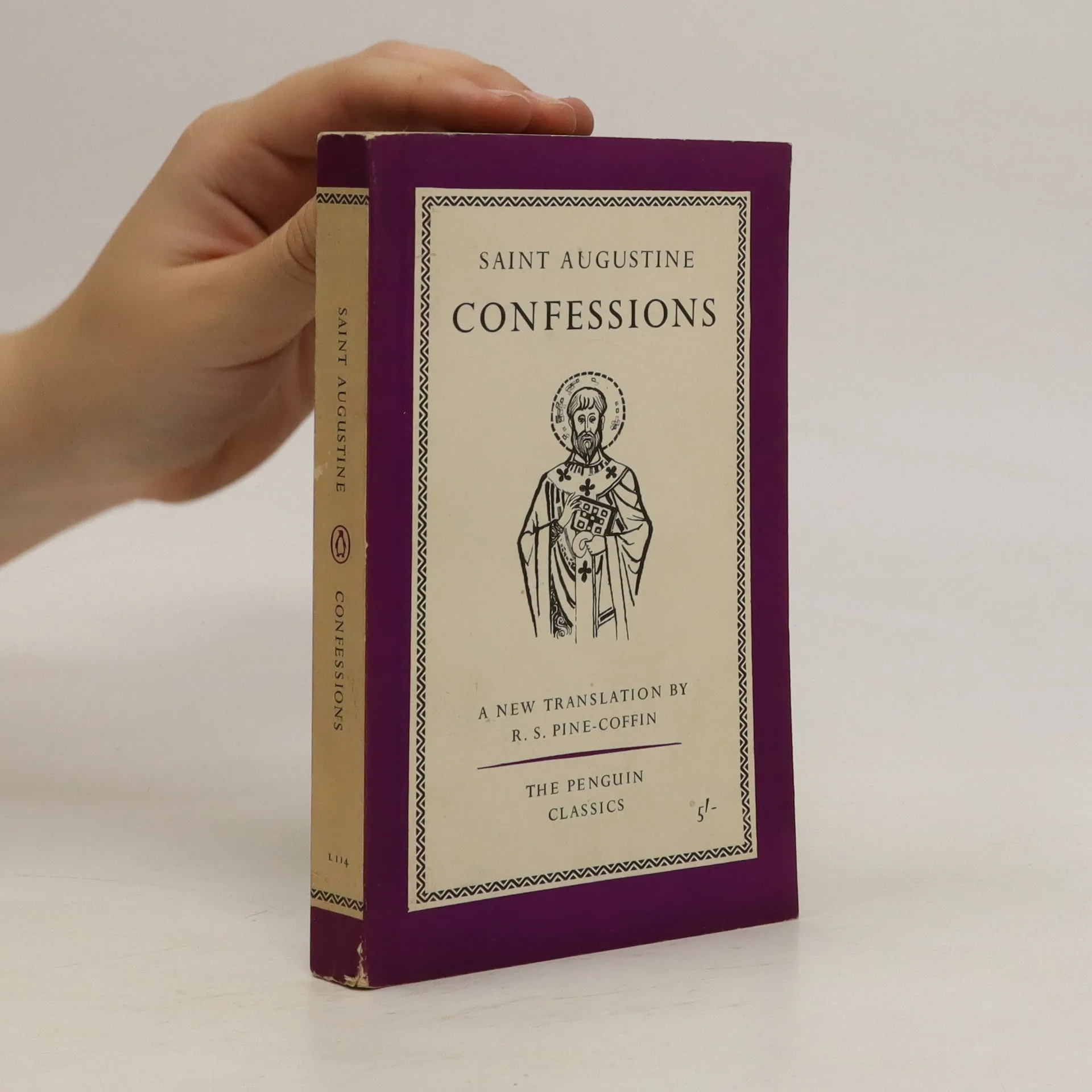
    • Confessions

      • 352 pages
      • 13 hours of reading

      In this new translation the brilliant and impassioned descriptions of Augustine's colourful early life are conveyed to the English reader with accuracy and art. Augustine tells of his wrestlings to master his sexual drive, his rare ascent from a humble Algerian farm to the edge of the corridors of high power at the imperial court of Milan, and his renunciation of secular ambition and marriage as he recovered the faith that his mother had taught him. It was in a Milan garden that Augustine finally achieved the act of will to Christian conversion, which he compared to a lazy man in bed finally deciding it is time to get up and face the day.

      Confessions
      3.6
    • The Confessions of Saint Augustine

      An autobiographical work of 13 books by Augustine of Hippo about his conversion to Christianity

      • 264 pages
      • 10 hours of reading

      Exploring themes of sin, redemption, and faith, this seminal work offers a profound insight into Augustine's transformation from a life of indulgence to one devoted to Christianity. Written in his early forties, it provides a reflective account of his upbringing in Algeria and experiences at the Imperial court of Milan, highlighting his inner conflicts and spiritual awakening. As one of the earliest autobiographies, it serves not only as a personal narrative but also as a deep meditation on the Christian journey and the challenges faced in pursuit of a virtuous life.

      The Confessions of Saint Augustine
    • The Confessions of St. Augustine

      Easy to Read Layout edition including "The Life of St. Austin, or Augustine, Doctor" from the Golden Legend.

      • 360 pages
      • 13 hours of reading

      Saint Augustine of Hippo shares his transformative spiritual journey in this influential work, detailing his evolution from a wayward youth to a devoted Christian. Through personal prayer, he explores profound themes of sin, grace, and the human condition, offering deep insights into the soul's inner workings and the nature of spiritual conversion. This timeless text has significantly impacted Christian theology and continues to resonate with readers, illuminating the intricate relationship between humanity and the divine.

      The Confessions of St. Augustine
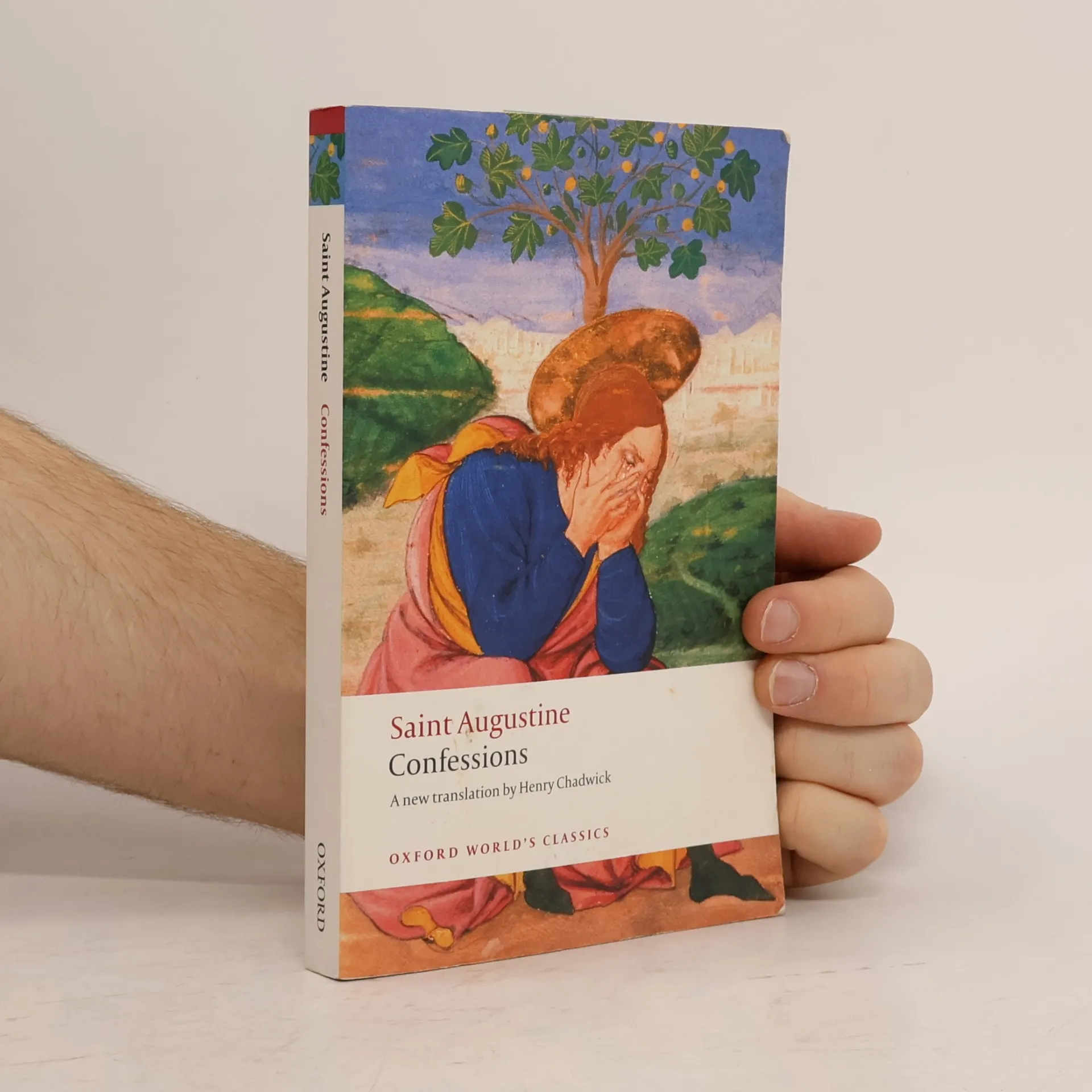
    • In his day, Augustine of Hippo was the dominant figure of the Western Church and is now regarded as one of the greatest thinkers of Christian antiquity. His "Confessions" stands as a monumental work in Western literature. This intensely personal narrative chronicles Augustine's journey from a humble Algerian farm to the imperial court in Milan, detailing his struggles with his sexual nature, his renunciation of secular ambition and marriage, and his eventual recovery of the faith instilled in him by his mother, Monica. Henry Chadwick, a noted scholar of early Christianity, offers the first new English translation in thirty years, presenting Augustine's conversion in clear, modern language. Readers follow Augustine's fascination with astrology and the Manichees, his skepticism toward pagan myths, and his ultimate embrace of Christian faith. The text features profound philosophical reflections on Platonism and the nature of God, alongside poignant portraits of Augustine's mother, St. Ambrose, and early Christians like Victorinus, who forsook a successful career for orthodox faith. Chadwick enhances accessibility with comprehensive notes and an introduction that contextualizes Augustine's concerns, making them resonate with contemporary readers. His translation facilitates a fresh engagement with Augustine's deeply personal meditations, ensuring the enduring religious and philosophical significance of "The Confessions" is readily

      Confessions: A new translation by Henry Chadwick
    • The Trinity

      De Trinitate (Second Edition)

      • 471 pages
      • 17 hours of reading

      Exploring the nature of the divine Trinity, Augustine embarks on a journey through scripture and philosophical reasoning to defend orthodox beliefs against Arianism in the first seven books. In the latter half, he delves into the analogy of the human mind as a reflection of God's Trinity, offering insights for spiritual self-discovery and renewal. This second edition enhances accessibility with footnotes, making Augustine's profound exploration of faith and understanding more approachable for serious Christians.

      The Trinity
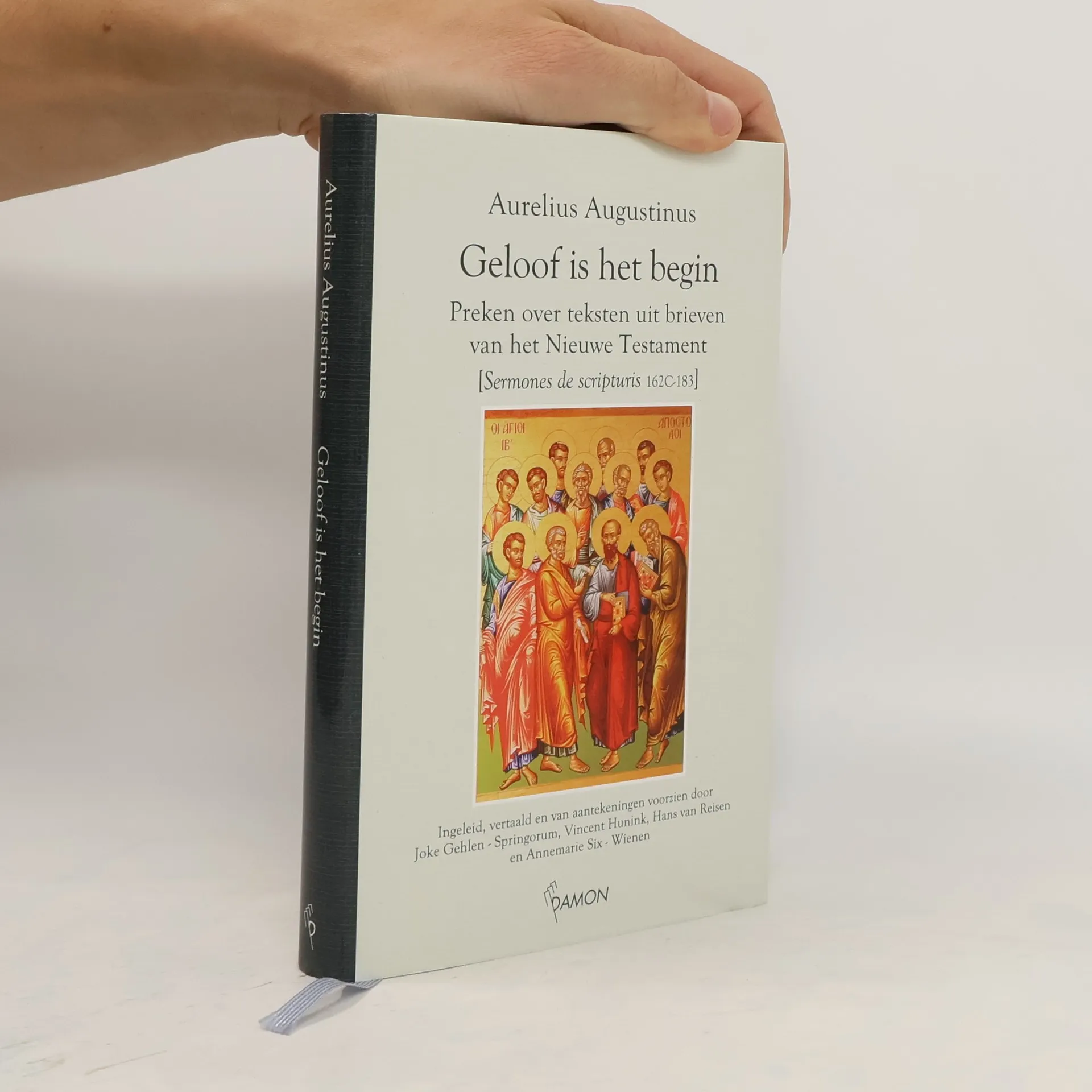
    • Geloof is het begin

      Preken over teksten uit brieven van het Nieuwe Testament

      • 288 pages
      • 11 hours of reading

      Bijna veertig jaar lang heeft Augustinus (354-430) in Noord-Afrika de geloofsgemeenschap als predikant gediend. Van heinde en verre kwamen mensen naar de kerk om zelf de woorden van de befaamde bisschop te beluisteren of zijn preken in opdracht van anderen op te tekenen. Zo zijn ongeveer zeshonderd preken van hem bewaard.Voor deze bundel werden achtentwintig preken vertaald van de sermones de scripturis. Dit boek bevat de laatste reeks preken over passages uit brieven van het Nieuwe Testament. Op twee uitzonderingen na verschijnt in dit boek van alle preken de eerste Nederlandse vertaling.In bijna elke preek komen verrassende wendingen aan het licht. Zo staat Augustinus in een van de preken nauwkeurig stil bij de vraag wat er gebeurt wanneer je doet wat je aan een ander hebt beloofd.

      Geloof is het begin
      5.0
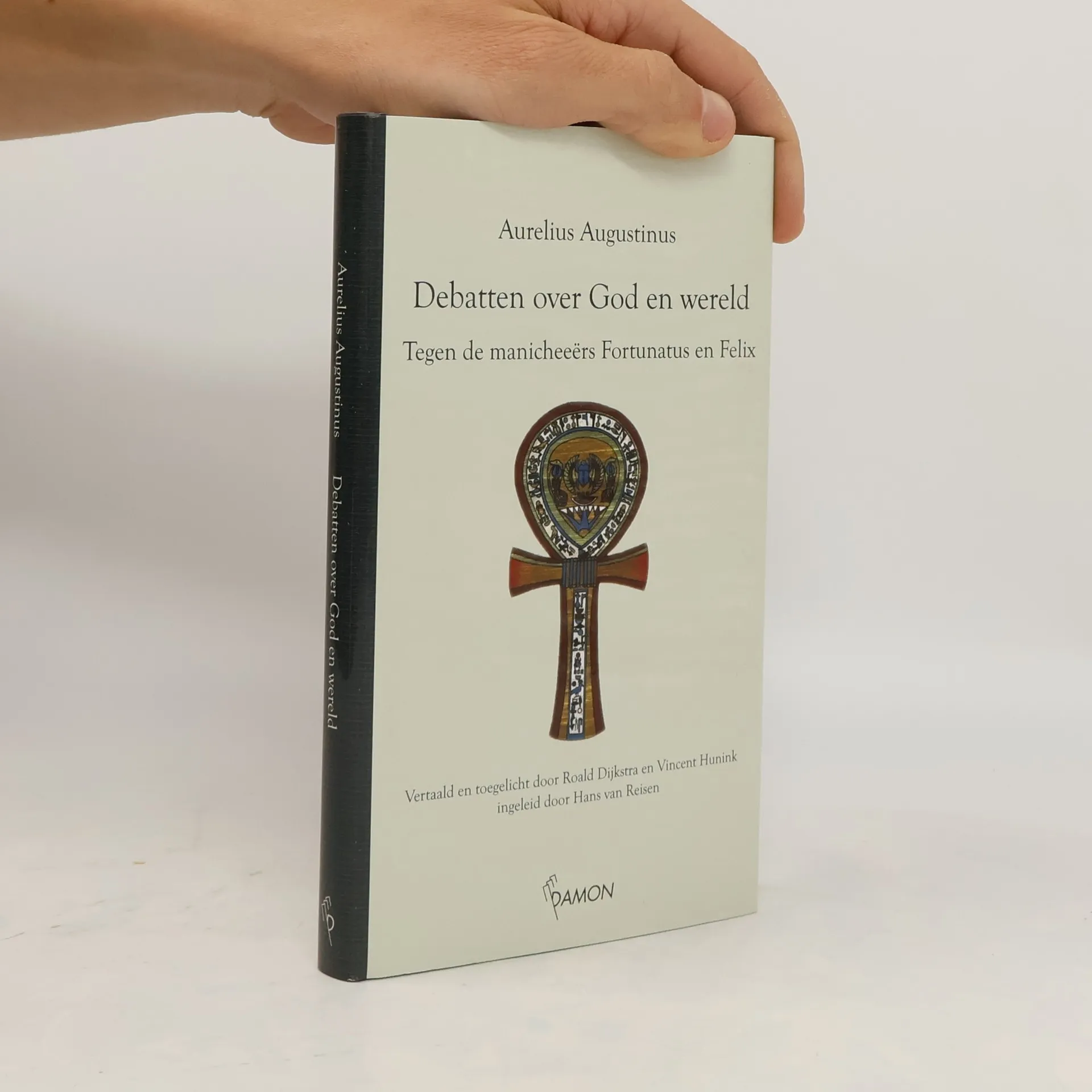
    • Verslag van twee debatten van de Latijnse kerkvader (354-430) met manicheeërs, volgelingen van de filosoof Mani die hem als profeet en apostel erkenden en de wereld als een strijd tussen goed en kwaad beschouwden.

      Debatten over God en wereld
      4.7
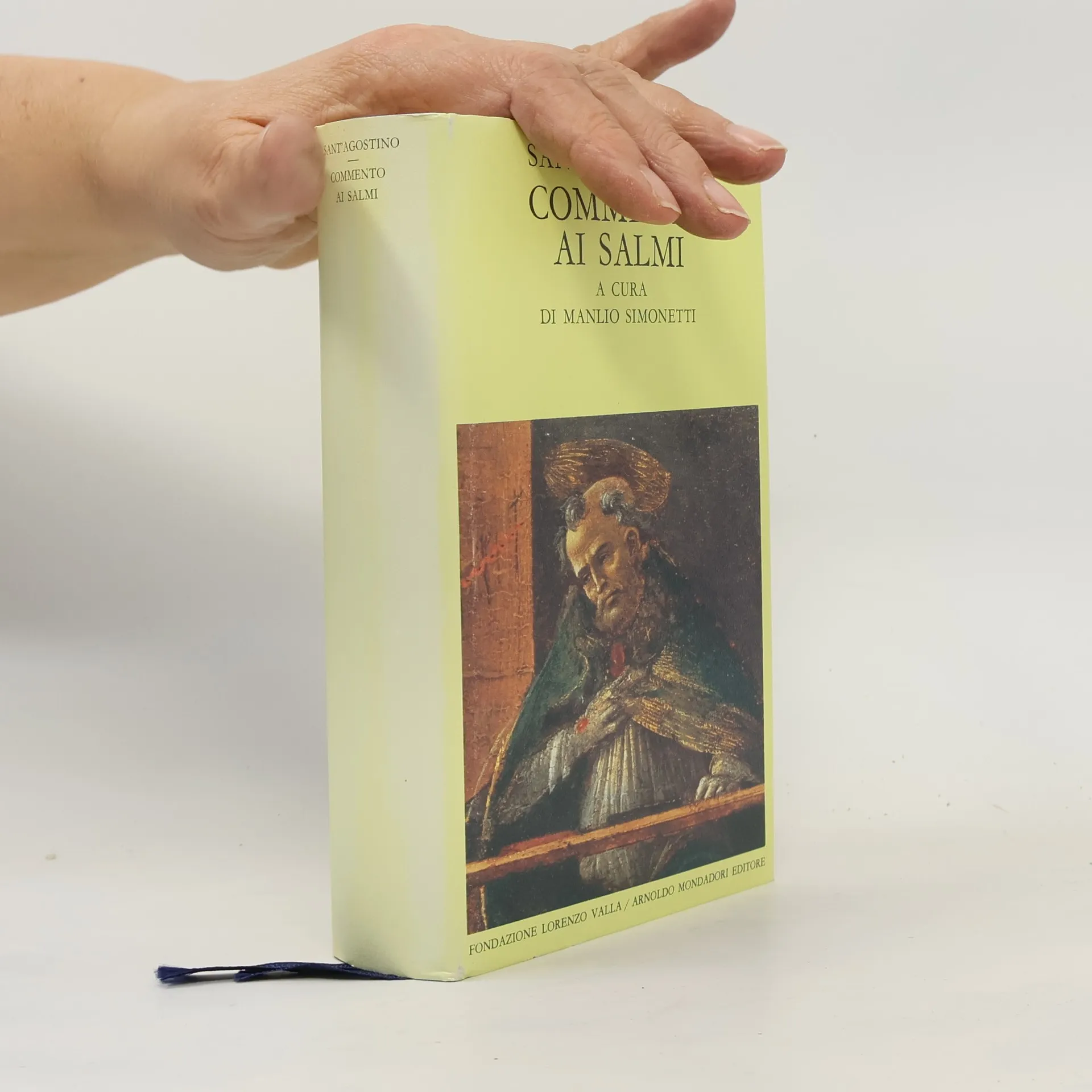
    • Commento ai Salmi

      • 738 pages
      • 26 hours of reading

      Durante la Messa, dopo che i fedeli avevano cantato un salmo, Agostino ne interpretava i versetti; trascriveva poi l’omelia sulla base di appunti stenografici. Si formò così la raccolta delle Enarrationes in Psalmos, in cui si ritrovano tutti i fondamentali temi agostiniani, intessuti di citazioni bibliche, di metafore e immagini che esprimono l’anelito umano verso l’infinito. Dopo le Confessioni, sono le pagine più luminose di sant’Agostino.

      Commento ai Salmi
      5.0
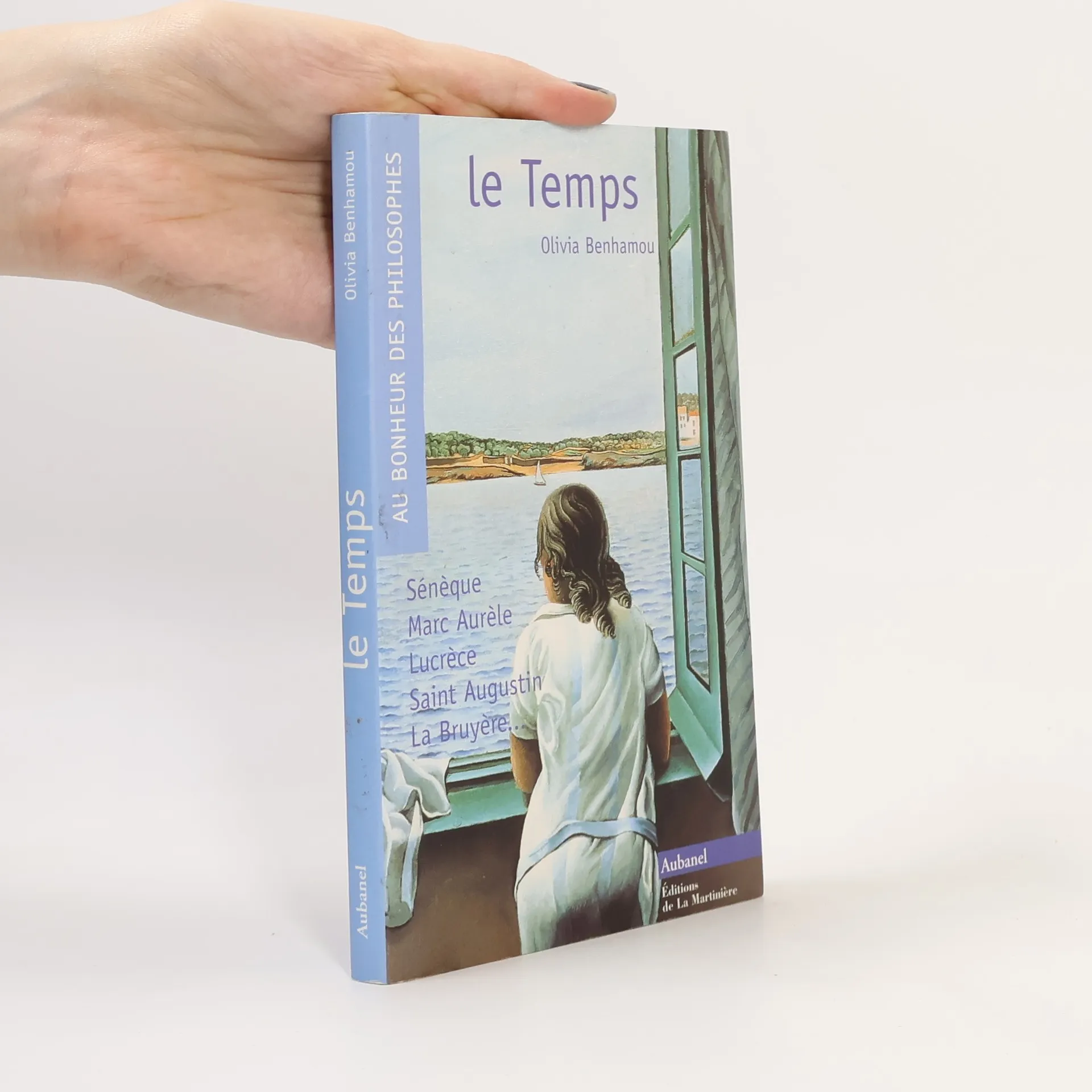
    • Le Temps

      • 150 pages
      • 6 hours of reading

      Comment ne pas perdre son temps, à défaut de ne pouvoir l'économiser ? Peut-on vivre l'instant présent sans se projeter sans cesse dans le passe ou l'avenir ? Est-il possible de vivre heureux dans le temps qui nous est imparti ? D'accepter les effets du vieillissement ? Sénèque, Lucrèce, Descartes, Marc Aurèle, Kierkegaard, Schopenhauer, Nietzsche... aucun n'a pu échapper à ces interrogations métaphysiques. Hommes avant d'être philosophes, soumis eux aussi aux exigences du temps qui passe, ces penseurs ont toujours considéré ce sujet comme un défi lancé à leur intelligence. Leurs réflexions denses et passionnantes réunies dans ce guide proposent une alternative rafraîchissante aux éternels clichés énoncés sur ce thème.

      Le Temps
      5.0
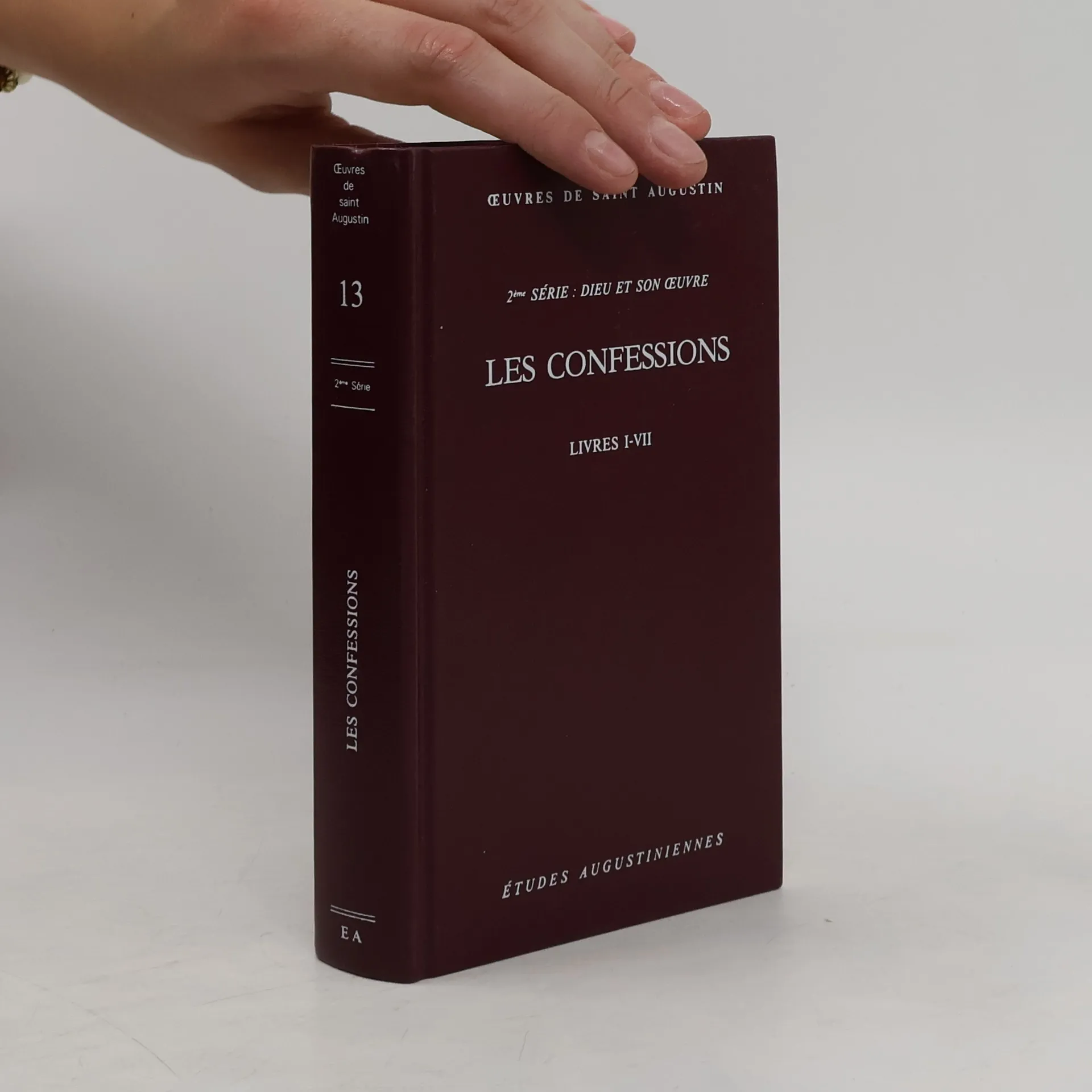
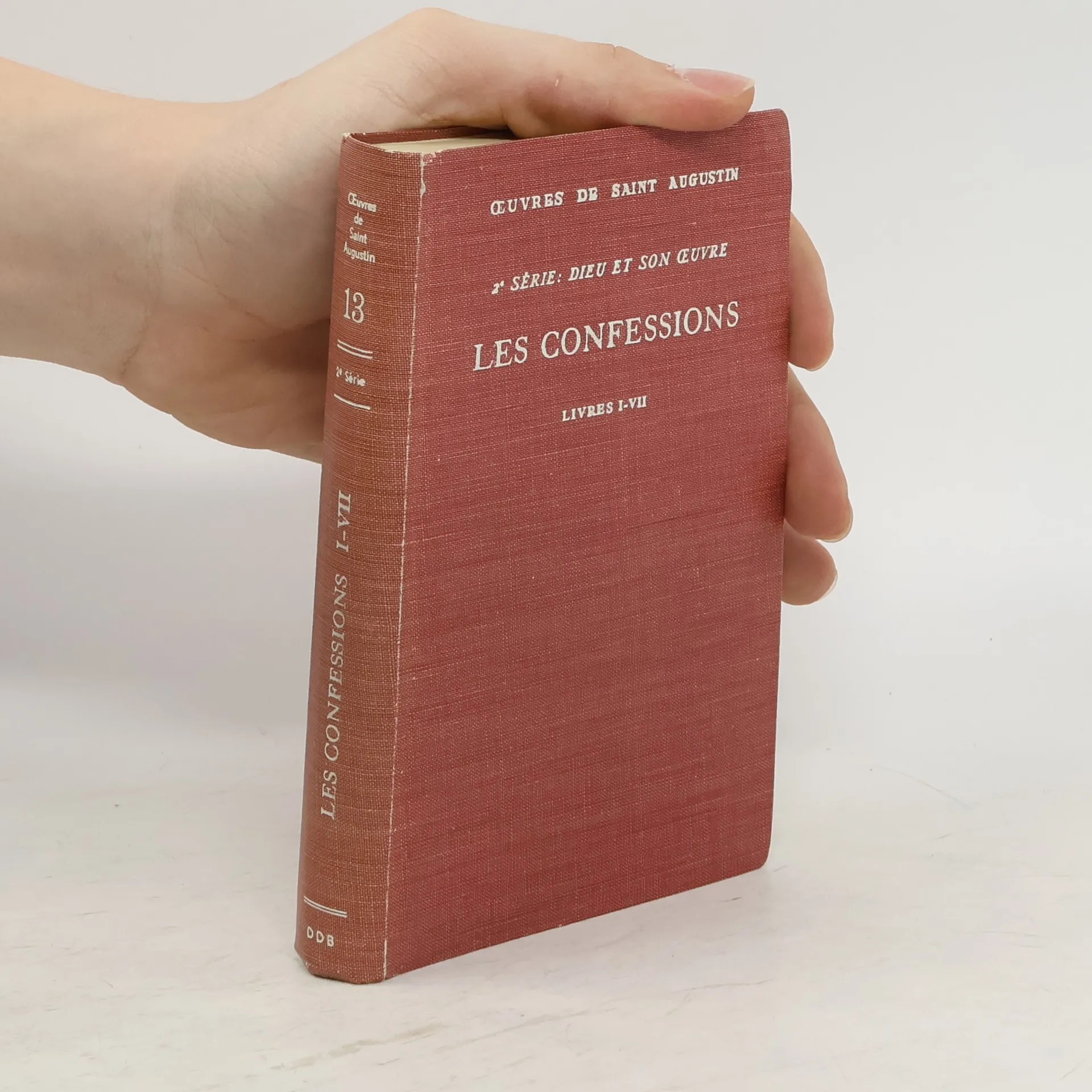
    • Les confessions

      Livres 1-7

      Ecrite vers 400, cette oeuvre contient l'histoire spirituelle du saint, la formation de sa pensée et de son initiation mystique. C'est à la fois une oeuvre philosophique et une autobiographie. ©Electre 2021

      Les confessions
      4.5
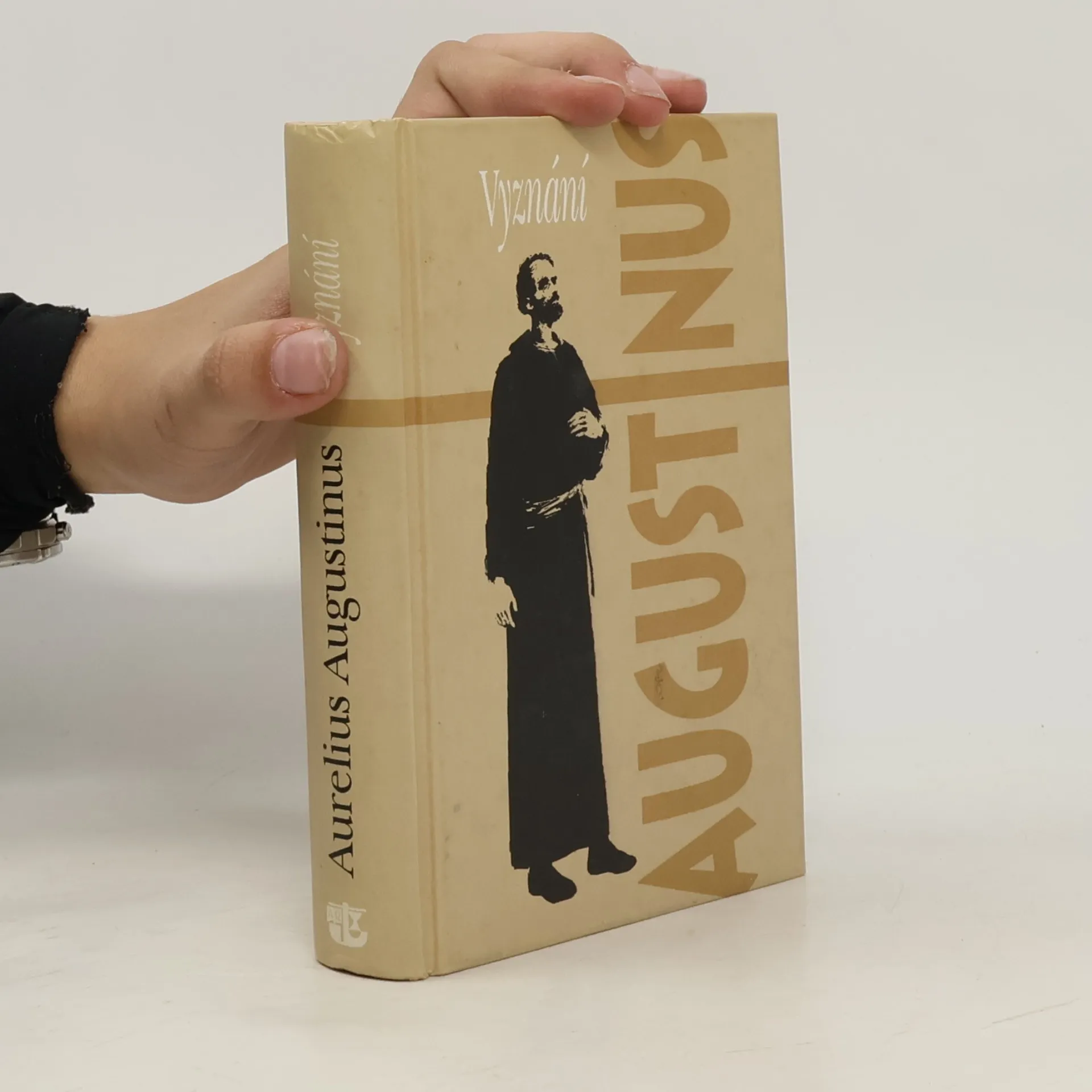
    • Vyznání

      • 565 pages
      • 20 hours of reading

      „Mezi mysliteli starověku je Augustin jediný, kdo chápe ty nejniternější pocity moderního člověka,“ prohlásil španělský filosof Ortega y Gasset. Duchovní autobiografie svatého Augustina patří vedle Bible a Následování Krista ke stálicím na pomyslném nebi duchovní literatury. Nadčasová popularita knihy spočívá hlavně v tom, že s nevídanou autentičností svědčí nejen o lidské křehkosti, ale i o palčivém hledání a nacházení toho nejpodstatnějšího v životě člověka.

      Vyznání
      4.3
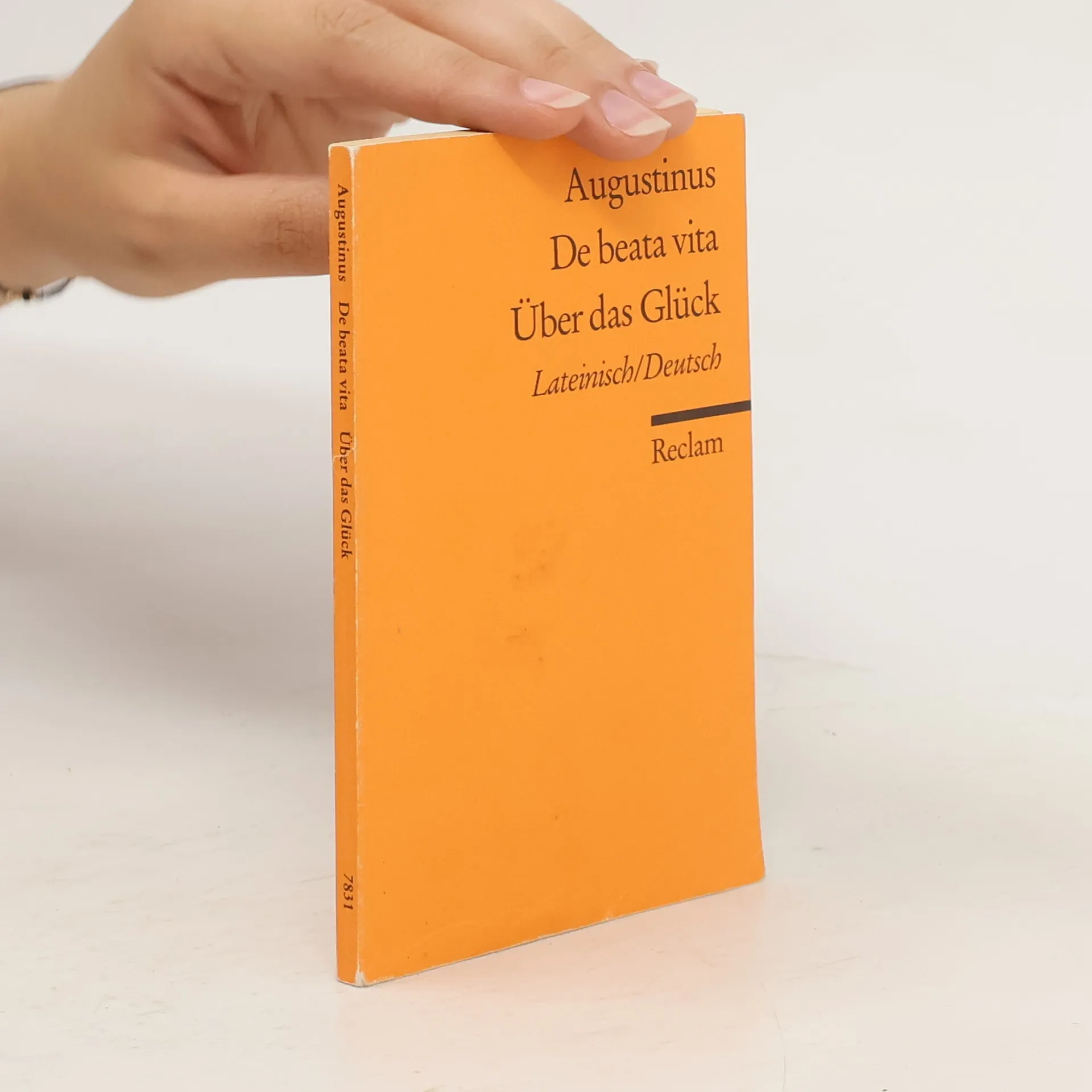
    • Der Dialog »De beata vita« ist der beredte Versuch, antikphilosophisches Denken mit dem christlichen Glauben zu versöhnen. Die Methode, Glauben durch Denken und, umgekehrt, Philosophie durch Religion wechselseitig zu interpretieren und zu bestimmen, gilt von Augustin an als legitim. Theologie und Religionsphilosophie sind damit im Grunde untrennbar geworden.

      De beata vita
      4.0
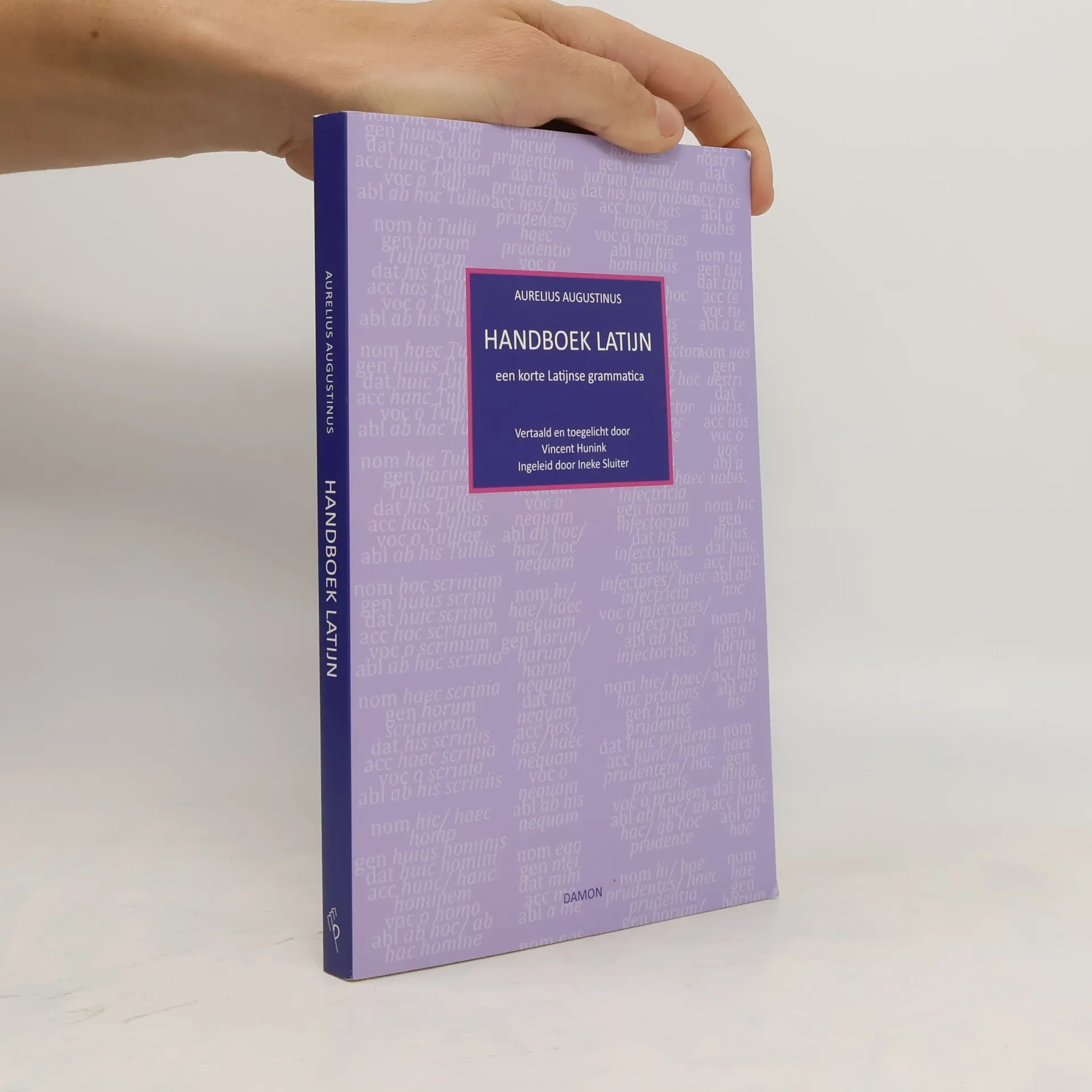
    • Handboek latijn

      Een korte Latijnse grammatica

      • 124 pages
      • 5 hours of reading
      Handboek latijn
      2.5
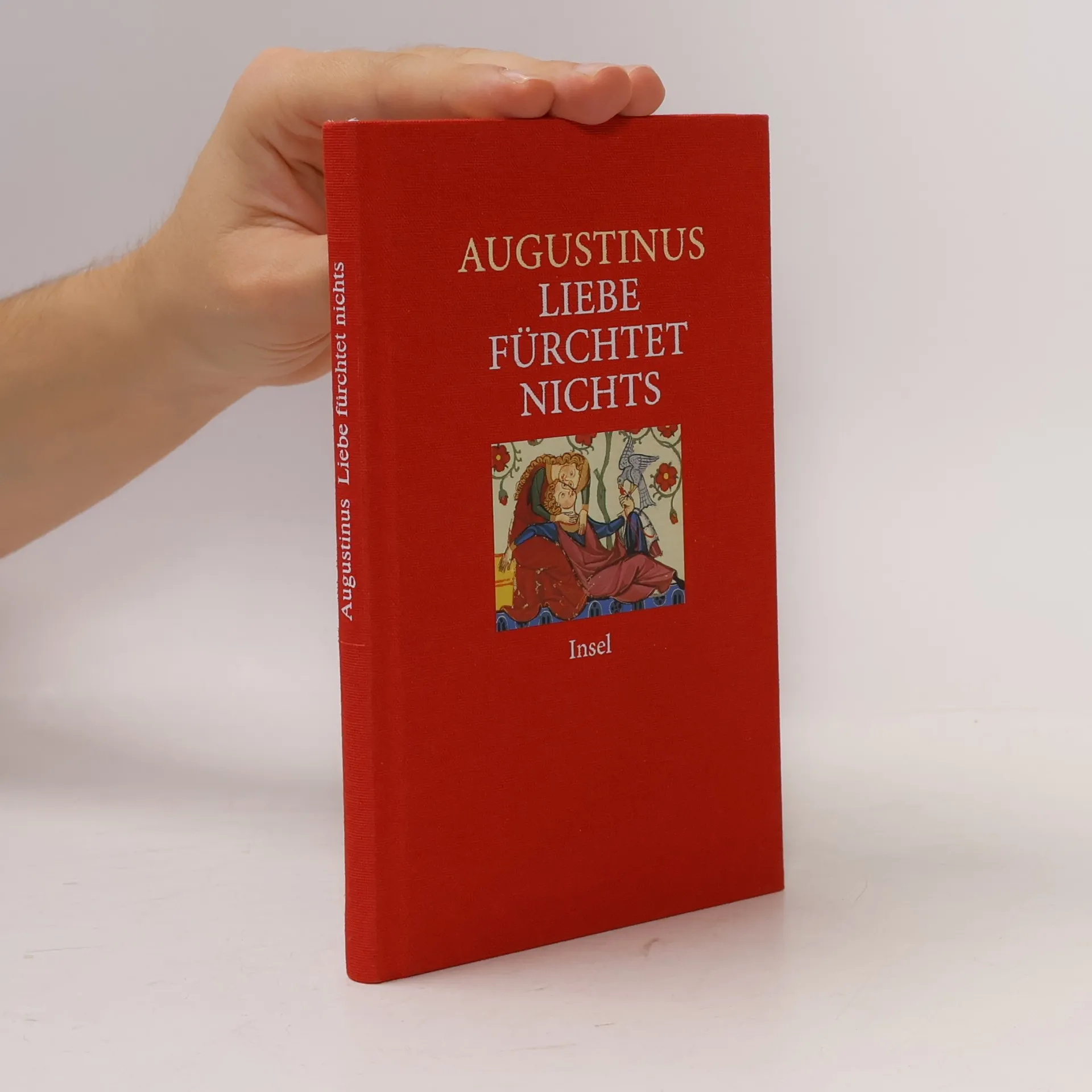
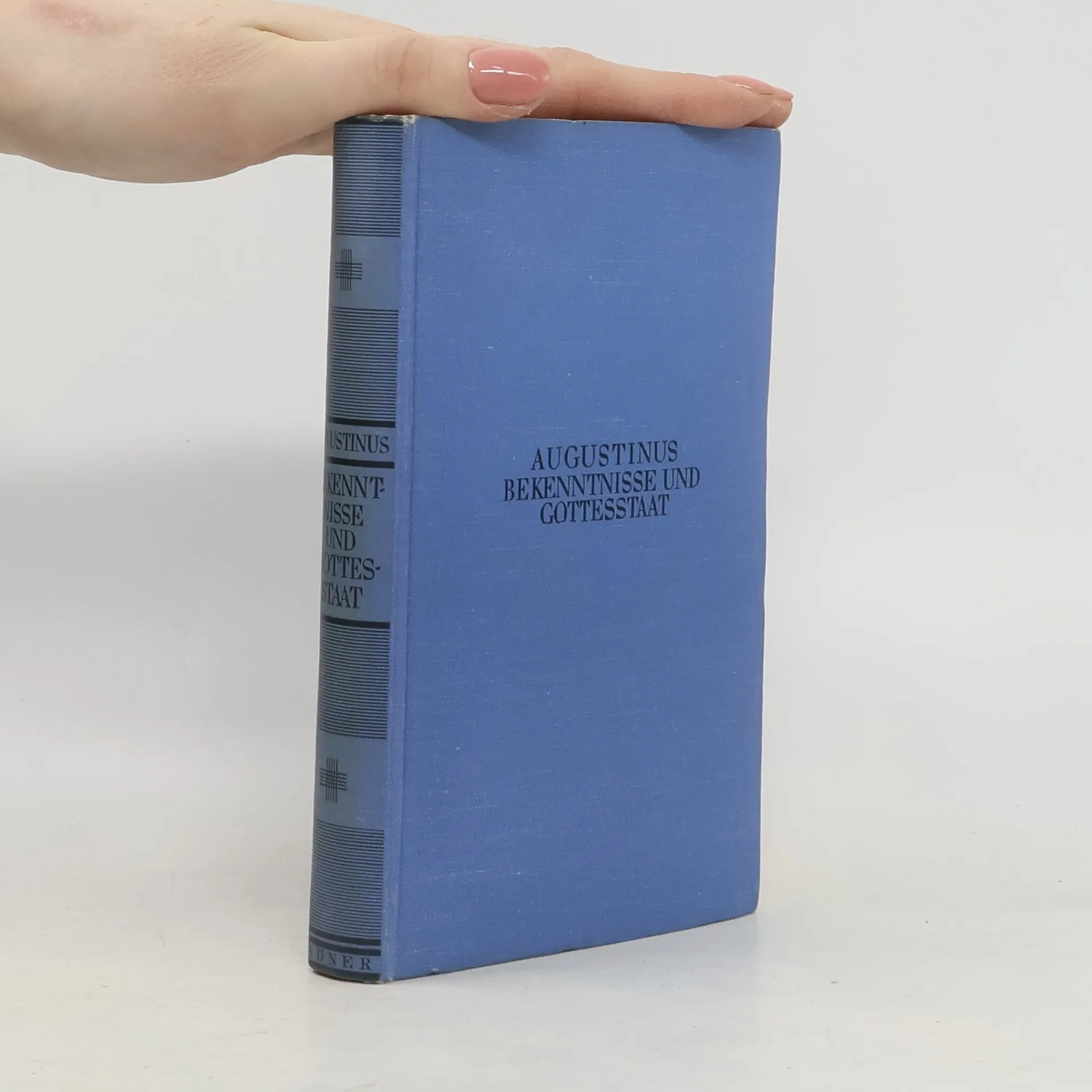
    • Die autobiographischen Betrachtungen des Kirchenlehrers Augustinus bieten einen Einblick in den spätrömischen Alltag aus der Sicht eines wohlhabenden Mannes und zählen zu den bedeutendsten autobiographischen Werken der Weltliteratur.

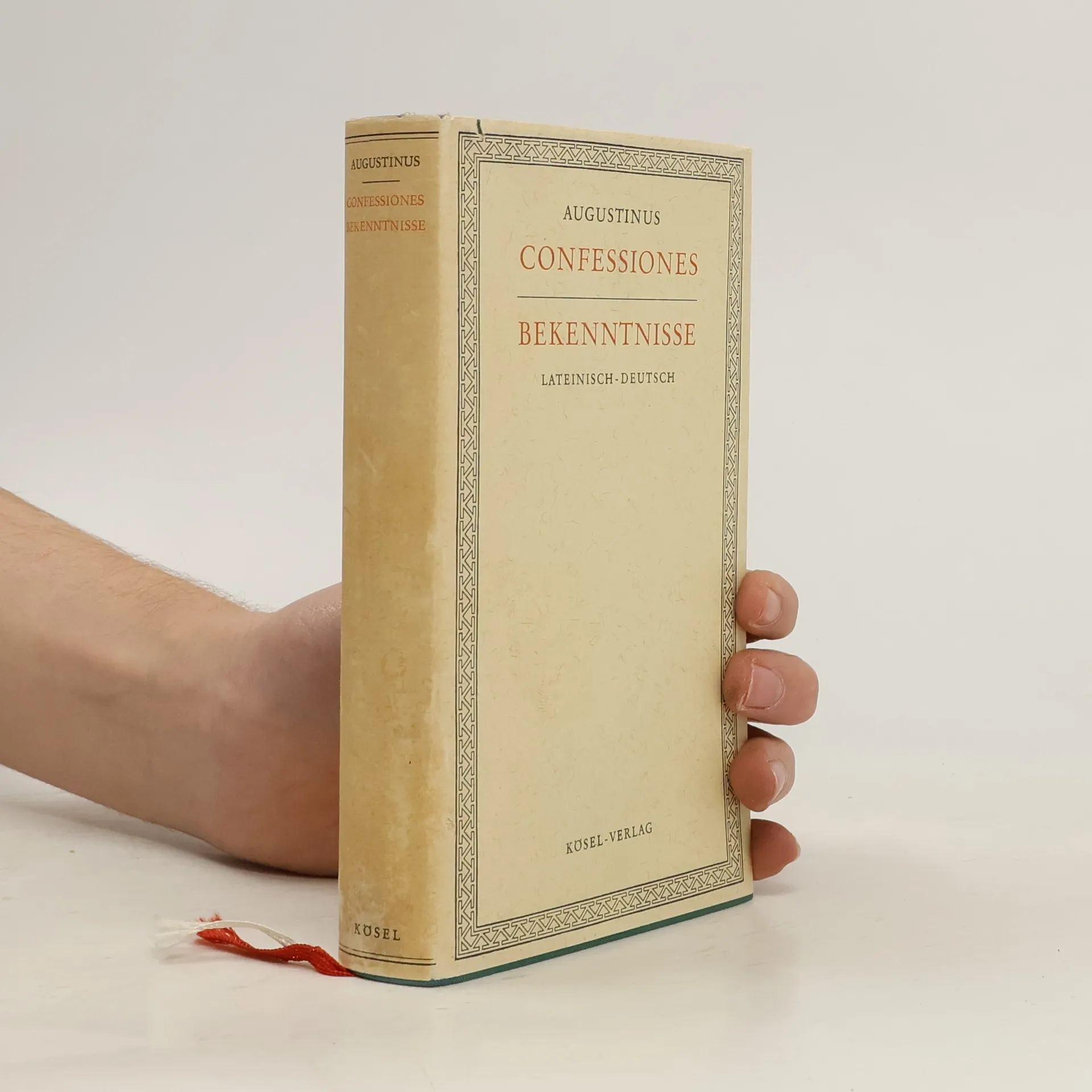
      Bekenntnisse. Bekenntnisse des heiligen Augustinus
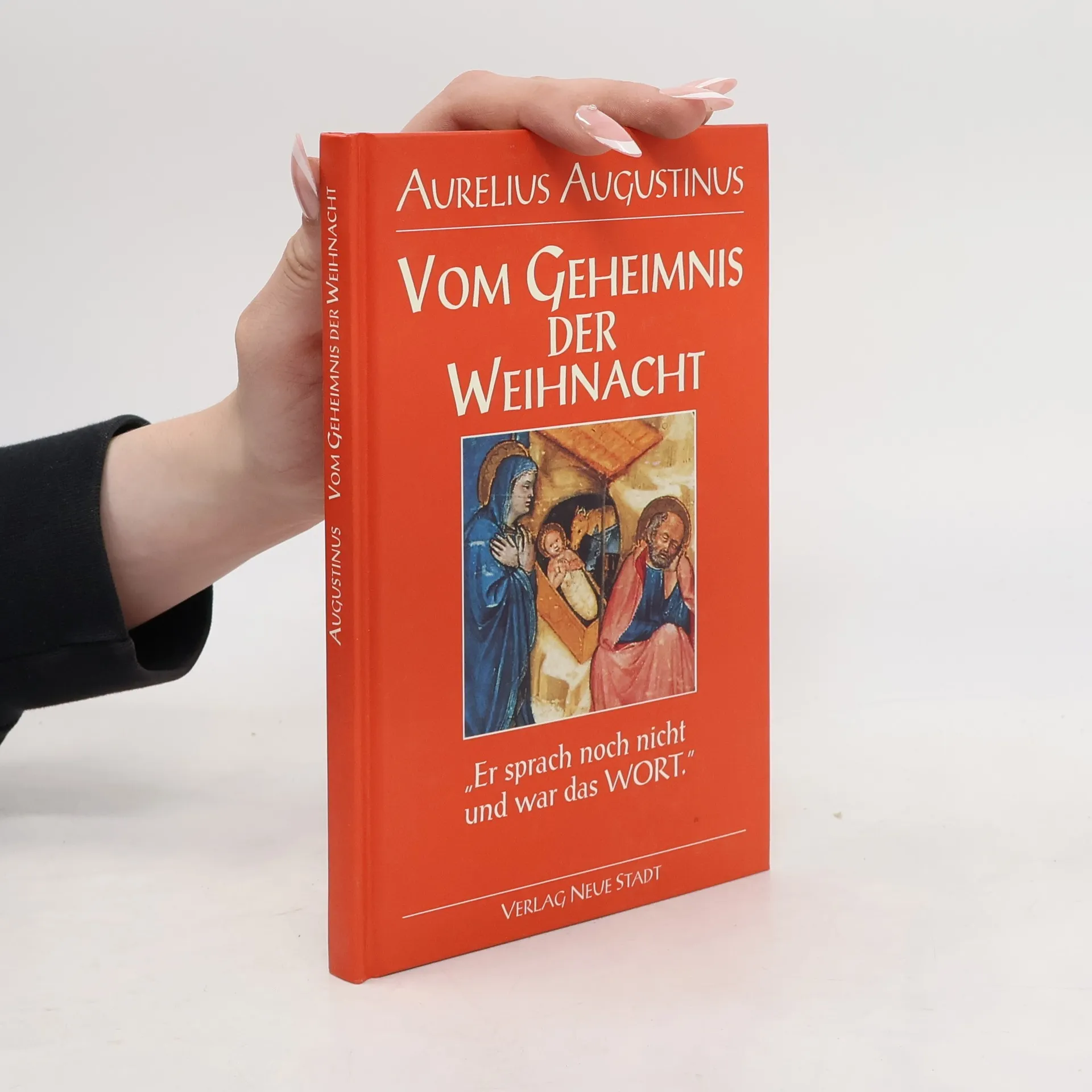
    • „Vom Geheimnis der Weihnacht“ bietet meisterhafte Betrachtungen zur Menschwerdung Gottes. Augustinus vermittelt das Unfassbare in eingängigen Paradoxien und lädt zum freudigen Staunen ein. Diese Sammlung christlicher Literatur berührt bis heute und basiert überwiegend auf seinen Weihnachtsansprachen, übersetzt von Stefan Liesenfeld.

      Vom Geheimnis der Weihnacht. »Er sprach noch nicht und war das Wort«
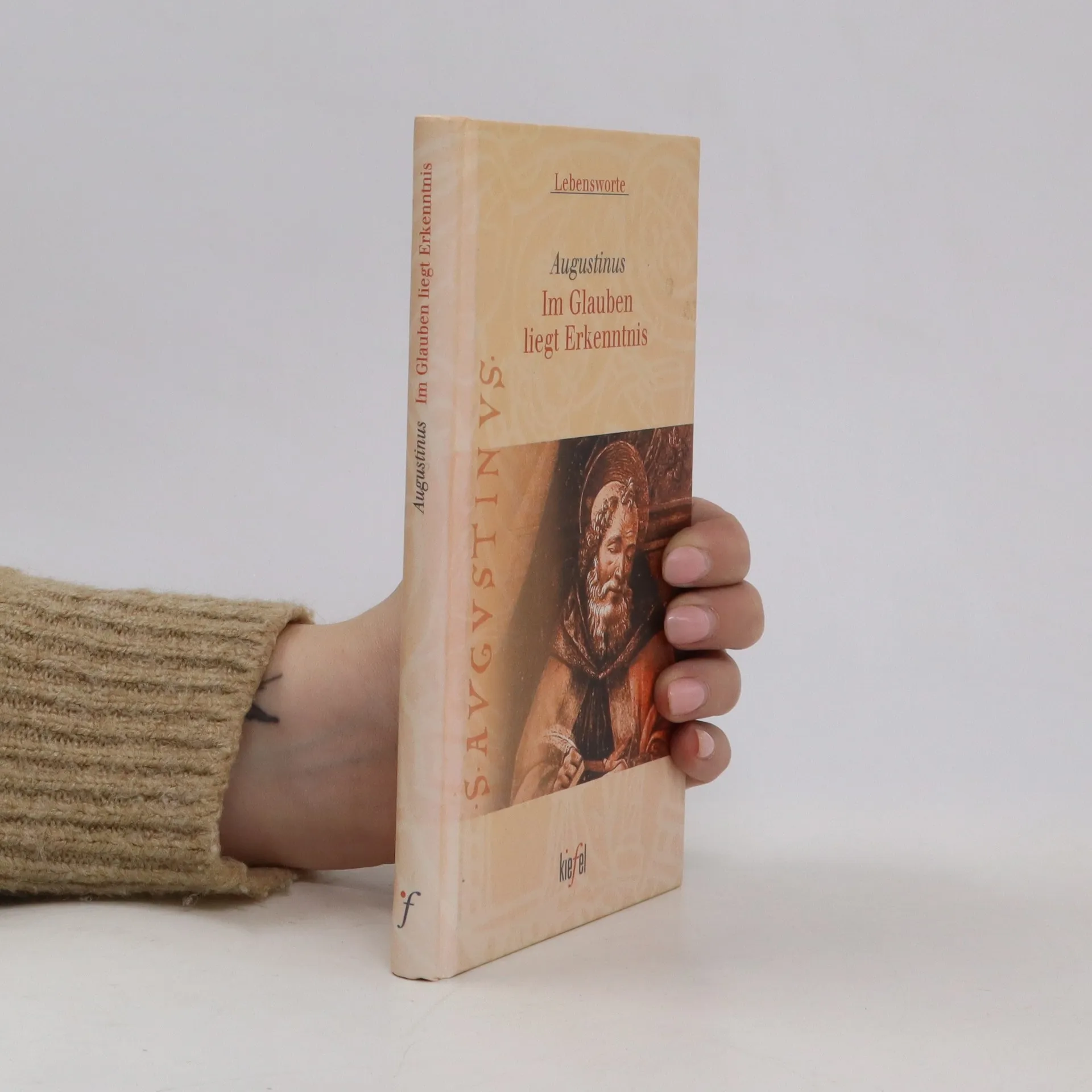
    • Im Glauben liegt Erkenntnis

      • 88 pages
      • 4 hours of reading

      Aurelius Augustinus, der bedeutendste lateinische Kirchenvater der Spätantike, prägte mit seinen Werken das "christliche Mittelalter". Dieses Buch bietet Einblicke in die Gedanken und Theorien dieses großen Denkers, der sich intensiv mit philosophischen Themen beschäftigte.

      Im Glauben liegt Erkenntnis
    • Augustinus von Hippo, ein herausragendes philosophisches und theologisches Genie, analysiert im zweiten Band seiner Schriften das Evangelium nach Johannes. Mit über hundert Vorträgen bietet er tiefgründige Einblicke, die seine Bedeutung neben den größten Philosophen der Geschichte unterstreichen.

      Vorträge über das Johannes-Evangelium, Band 2
    • "Die zweiundzwanzig Bücher über den Gottesstaat" von Augustinus von Hippo ist ein fundamentales Werk der christlichen Philosophie aus dem 5. Jahrhundert. Es beantwortet die Kritik am Christentum bezüglich des Roms Niedergangs und behandelt zentrale theologische Fragen. Dies ist der erste Band, der die Bücher eins bis dreizehn umfasst.

      Zweiundzwanzig Bücher über den Gottesstaat, Band 1
    • Die Werke des Heiligen Augustinus unter dem Titel "De symbolo ad Catechumenos" umfassen vier Bücher, die als Bücher, Traktate oder Reden bezeichnet werden. Sie behandeln Zeremonien vor der Taufe und sind sowohl inhaltlich als auch stilistisch bedeutend, wobei sie sich an die Kompetenten während feierlicher Übergaben richten.

      Vier Bücher über das Symbolum an die Katechumenen
    • Ausgewählte Briefe

      • 424 pages
      • 15 hours of reading

      Augustinus von Hippo wird als herausragendes philosophisches und theologisches Genie beschrieben, das mit seinem tiefsinnigen Verstand und christlicher Liebe die Jahrhunderte überragt. Das Buch enthält über fünfzig seiner bedeutendsten Briefe an Persönlichkeiten wie Nebridius und Hieronymus.

      Ausgewählte Briefe
    • Augustinus von Hippo, ein herausragendes philosophisches und theologisches Genie, analysiert im ersten von zwei Bänden das Evangelium nach Johannes. Seine tiefsinnigen Vorträge umfassen über hundert Schriften, wobei dieser Band die Nummern 1 bis 38 präsentiert. Ein Werk, das seine bedeutende Rolle in der Philosophie unterstreicht.

      Vorträge über das Johannes-Evangelium, Band 1
    • "Die zweiundzwanzig Bücher über den Gottesstaat" von Augustinus von Hippo ist ein fundamentales Werk der christlichen Philosophie, das auf die Behauptung reagiert, das Christentum habe den Niedergang Roms verursacht. Es behandelt zentrale theologische Fragen und ist ein Eckpfeiler des westlichen Denkens. Dies ist der erste von zwei Bänden.

      Zweiundzwanzig Bücher über den Gottesstaat, Band 2
    • Der Erste Johannesbrief

      • 220 pages
      • 8 hours of reading

      «Die vorliegenden Predigten über den Ersten Johannesbrief dürfen den Anspruch darauf erheben, mit unter die kostbarsten Perlen augustinischen Schrifttums und augustinischer Theologie gezählt zu werden», so eine Einführung zu diesen Texten. Die Predigten, die Augustinus der Gemeinde von Hippo im Jahr 407 hielt, kreisen angesichts einer bereits vollzogenen Kirchenspaltung durch den Donatismus, der einer sündhaften Priesterschaft keinen Platz in der Kirche einräumen will, um die Einheit der Kirche, die nur in der Verbundenheit mit Christus Wirklichkeit werden kann. Die Liebe zu Gott, zum menschgewordenen Sohn Gottes, konkretisiert sich in der Bruderliebe als Kriterium echten Christseins. Das aus diesen Predigten bekannte Wort: «Liebe und tue, was du willst», muss in diesem Zusammenhang gesehen werden. «Halten wir an der Einheit der Kirche fest, an Christus, an der Liebe»: Diese Mahnung des Kirchenlehrers an seine Gemeinde tönt durch alle Jahrhunderte bis in die Gegenwart.

      Der Erste Johannesbrief
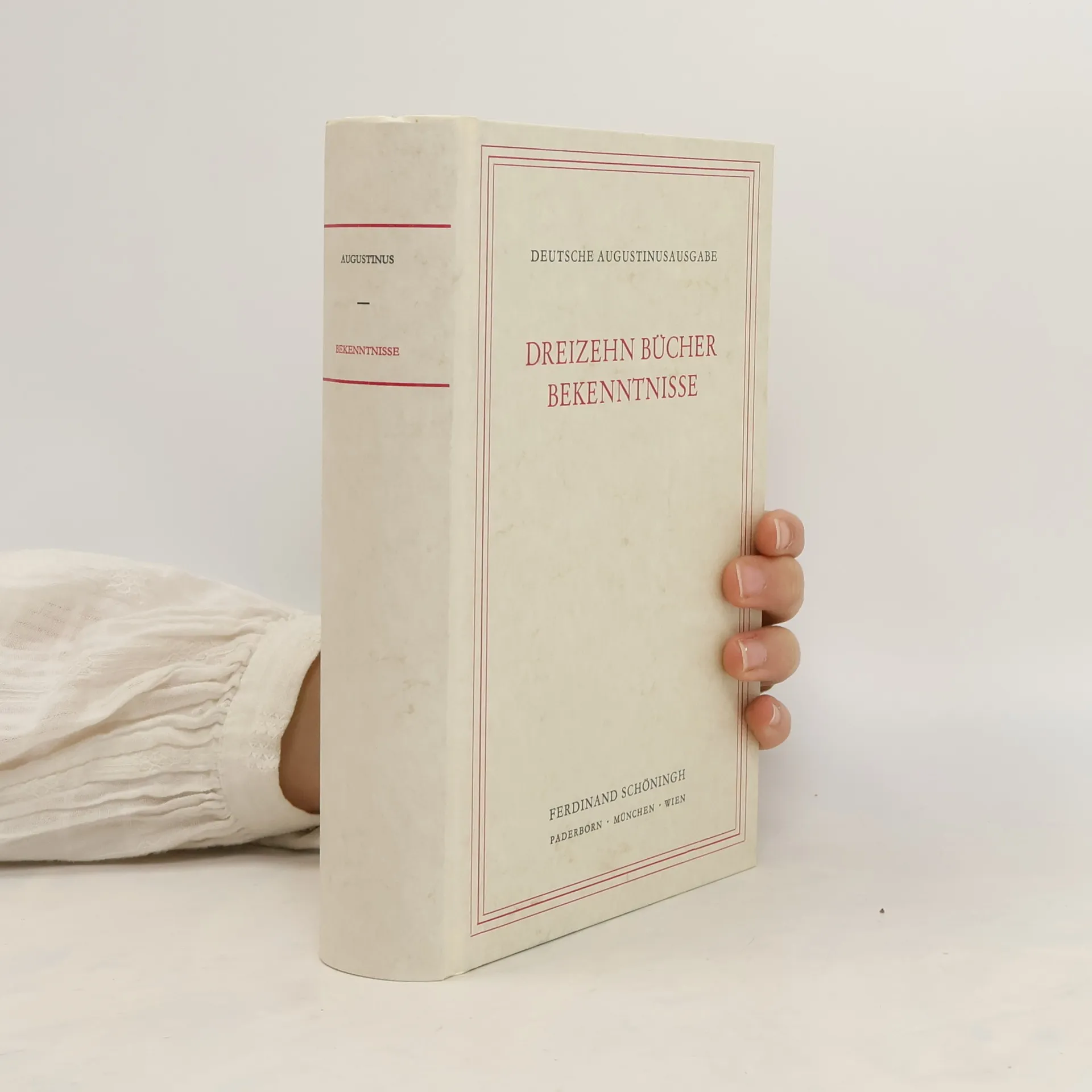
    • Bekenntnisse

      Die Bekenntnisse des heiligen Augustinus

      • 330 pages
      • 12 hours of reading

      "Die autobiographischen Betrachtungen des christlichen Kirchenlehrers Augustinus schildern den spätrömischen Alltag aus der Perspektive eines Mannes, der aus gehobenen materiellen Verhältnissen stammte. Das Werk gehört zu den einflussreichsten autobiographischen Texten der Weltliteratur." Redaktion Gröls-Verlag (Edition Werke der Weltliteratur)

      Bekenntnisse
    • Nachtgedanken des heiligen Augustinus.

      • 250 pages
      • 9 hours of reading

      Augustinus (354-430) war 13 Jahre lang Rhetor in Karthargo, Rom und Mailand, wo sich sein Leben wandelte. Er ließ sich in der Osternacht 387 taufen, 391 wurde er zum Priester geweiht und 395 wurde er Bischof von Hippo Regius. Augustinus' bekanntestes Werk sind die autobiographischen 'Confessiones', 'Bekenntnisse', geschrieben um 400, in denen er sein frühes Leben und seine Bekehrung beschrieb.

      Nachtgedanken des heiligen Augustinus.
    • Selten hat ein Buch eine solche Wirkkraft entfaltet wie die Bekenntnisse des Augustinus. Zahllosen Theologen, Philosophen, Literaten und Künstlern wurde es zur Quelle der Inspiration. Getragen von großer Redlichkeit und bewundernswerter Offenheit lässt der bedeutende Kirchenvater darin sein Leben Revue passieren, von seinen Jugendtagen bis zum Augenblick seiner Bekehrung zu Gott. Der vorliegende Band versammelt die eindrücklichsten Passagen aus den Bekenntnissen, deren gedankliche Tiefe bis heute begeistert.

      Bekenntnisse - Die Weisheit des großen Kirchenvaters
    • Mitten durch meine Zunge

      Erfahrungen mit Sprache von Augustinus bis Zaimoğlu

      'Alle Wörter waren entweder in Dornen gehüllt oder in ein Knäuel verworrener Fäden verklebt. mit ihnen konnte ich niemanden gern haben, mich über wen ärgern, über einen Scherz lachen.'. Das schreibt Lojze Kovačič, der als Zehnjähriger von der vertrauten schweizerdeutschen in die fremde slowenische Sprachwelt katapultiert wurde. Sein Text steht neben vielen anderen, in denen namhafte Autorinnen und Autoren aus unterschiedlichen Jahrhunderten und Erdteilen darüber schreiben, wie sie ihre Sprachen erlebt und was sie damit verknüpft haben. Den Ausgangspunkt bilden Erfahrungen wie Flucht oder Migration, (post)koloniale Machtverhältnisse, familiäre oder regionale Mehrsprachigkeit, Gehörlosigkeit oder Aphasie. Die Rede ist von Spracherwerb und Sprachverlust, vom Verdrängen der einen durch die andere oder vom Pendeln zwischen ihnen, auch von solchen – Emigranto, Spanglish, Kanak Sprak –, die ihre hybride Herkunft nicht verleugnen. Immer wieder geht es auch um die Wahl der Schreibsprache. 'Dichten', schreibt Marina Zwetajeva an Rainer Maria Rilke, 'ist schon übertragen, aus der Muttersprache in eine andere." Die ausgewählten Texte laden dazu ein, die Sprachwelten anderer besser zu verstehen und die eigenen zu entdecken.

      Mitten durch meine Zunge