Sir Joseph Banks was an English naturalist and botanist, famed for his participation in Captain James Cook's first great voyage. He is credited with introducing the eucalyptus, the acacia, and the genus named after him, Banksia, to the Western world. Banks was also a leading founder of the African Association, dedicated to the exploration of Africa. His extensive plant collections and patronage of science left a lasting legacy in the natural sciences.
Mister Nobody is a boy who navigates the bustling city as an invisible observer, longing to connect with life while feeling lost and confused. Living in the shadows of crowded streets, he experiences the world without leaving any trace of his existence. This poignant tale explores themes of isolation, identity, and the desire for belonging, capturing the essence of a character who yearns to be seen yet remains unnoticed.
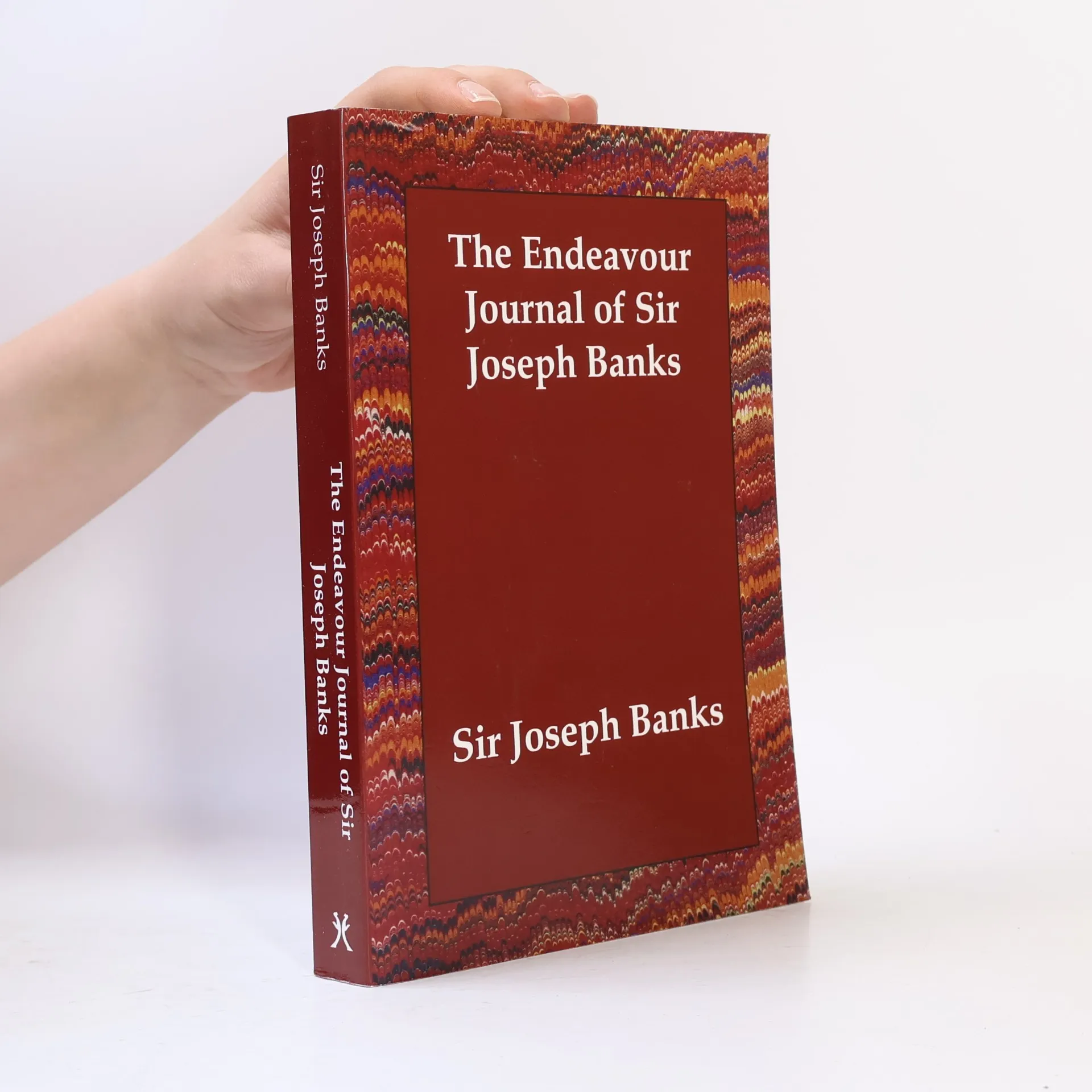
This new book covers the section of the Endeavour's journey up the East Coast of Australia. It is written in diary format and is illustrated with contemporary paintings and engravings.
Sir Joseph Banks, 1st Baronet, GCB, FRS (1743-1820) was an English naturalist, botanist, and patron of the natural sciences. He made his name on the 1766 natural history expedition to Newfoundland and Labrador before taking part in Captain James Cook's first great voyage in the Endeavour (1768-71), visiting Brazil, Tahiti, New Zealand and Australia. He was president of the Royal Society for over 41 years and advised George III on the Royal Botanic Gardens, Kew, which he made the world's leading botanical gardens by sending botanists around the world to collect plants. Banks advocated British settlement in New South Wales and colonisation of Australia, and also the establishment of Botany Bay as a place for the reception of convicts. Around 80 plants bear his name, and he was also the leading founder of the African Association and a member of the Society of Dilettanti which helped to establish the Royal Academy. The manuscript of Banks's Endeavour Journal which covers the period 25 August 1768 to 12 July 1771 is held at the State Library of NSW.