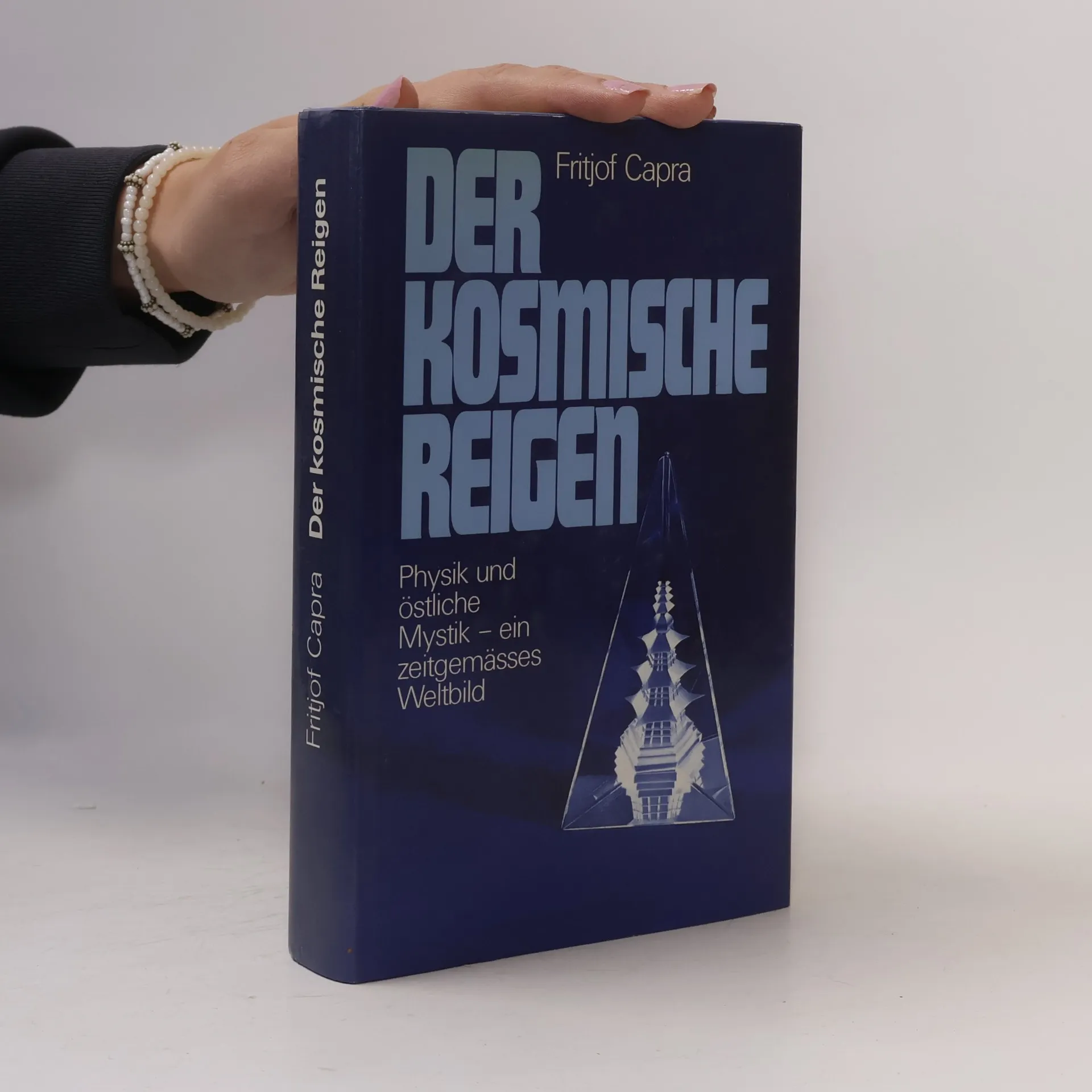
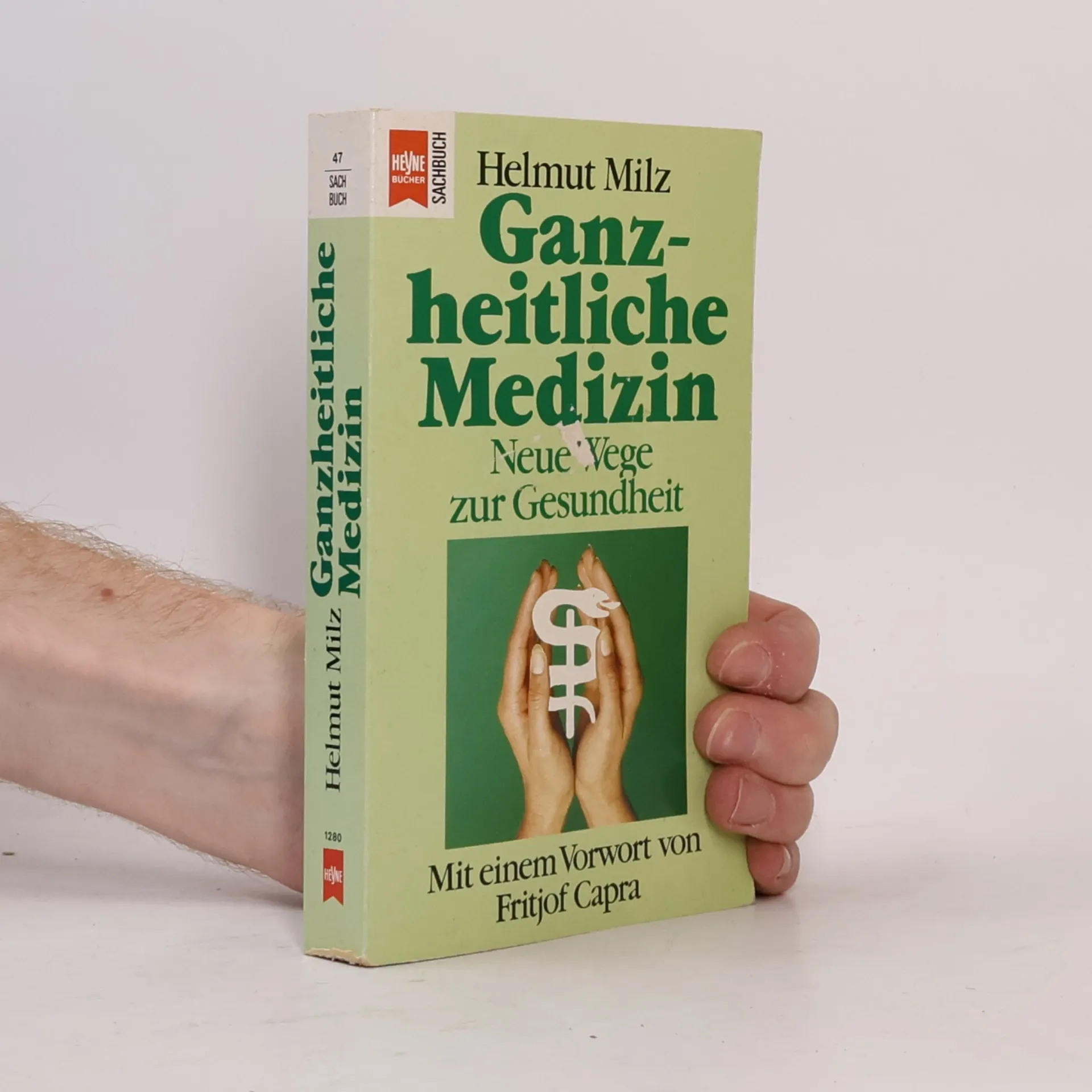
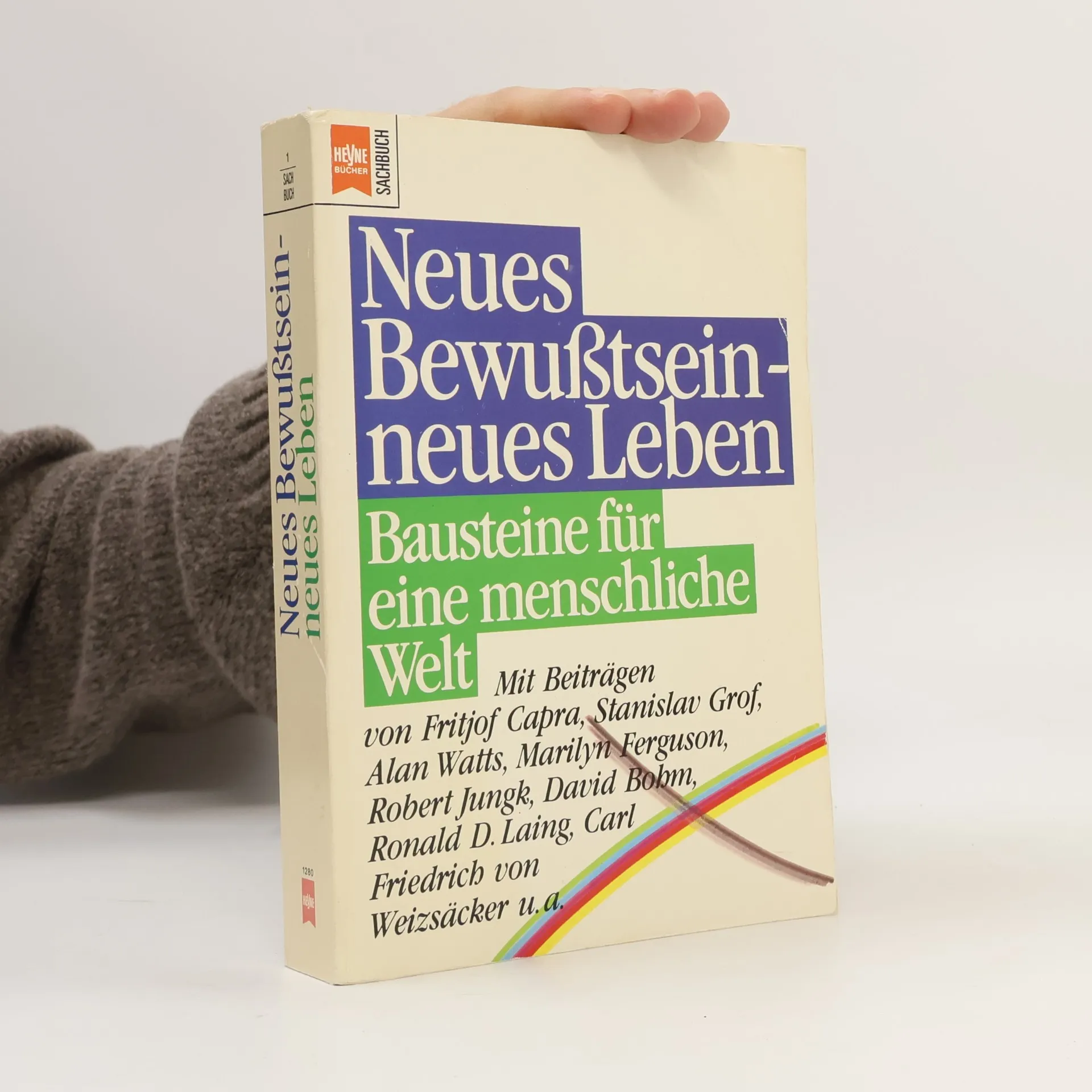
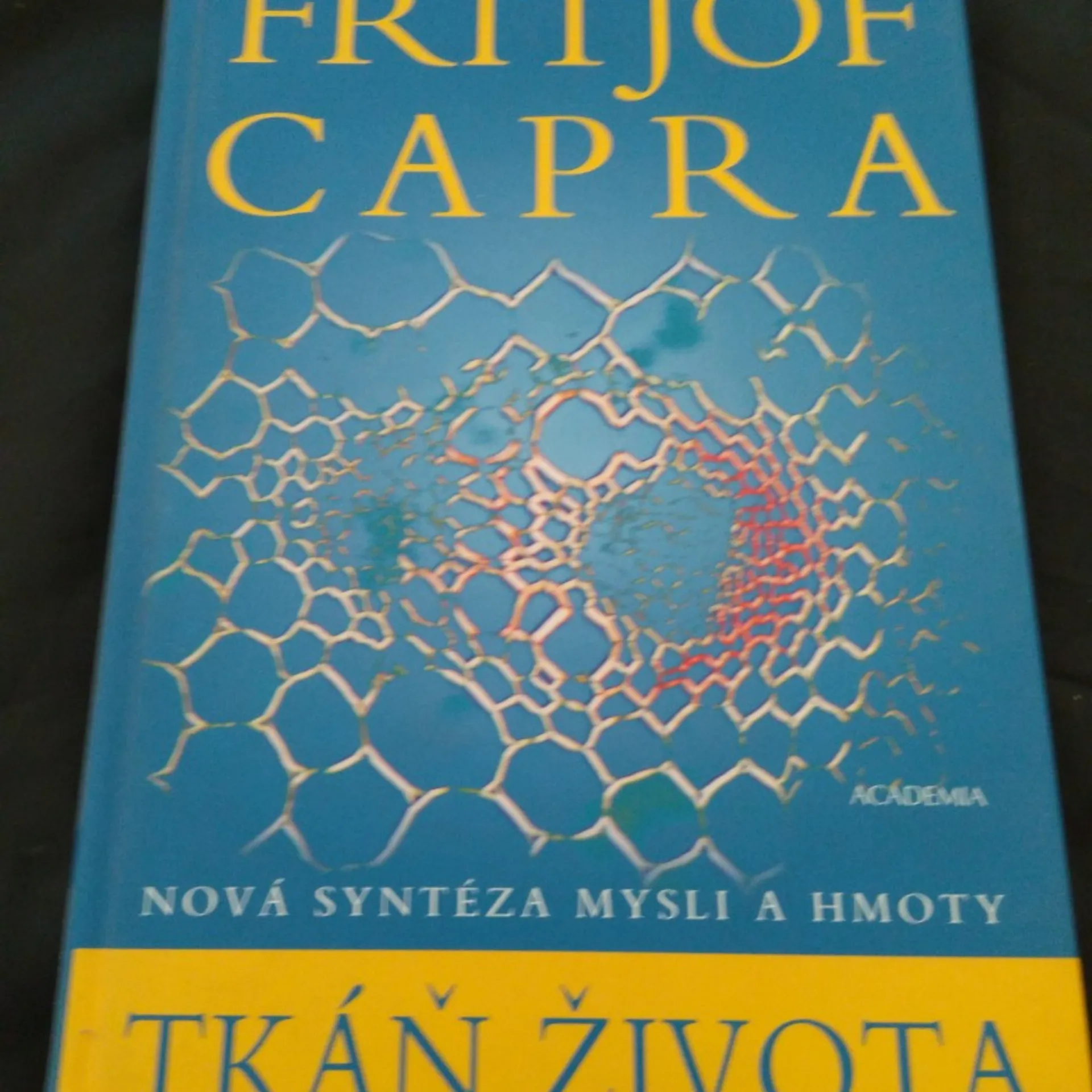
Fritjof Capra is a physicist whose work explores the profound connections between science and spirituality. His writing delves into the deep patterns found within nature, examining how these principles can inform new ways of thinking and living. Capra focuses on bringing holistic perspectives to our understanding of the world, championing the idea that we are part of an interconnected web of life. His work encourages readers to consider the complexities of ecological systems and our place within them.
Features Capra in conversation with two Benedictine monks about new parallel thinking in both science and religion, and the parallels between the two subjects.
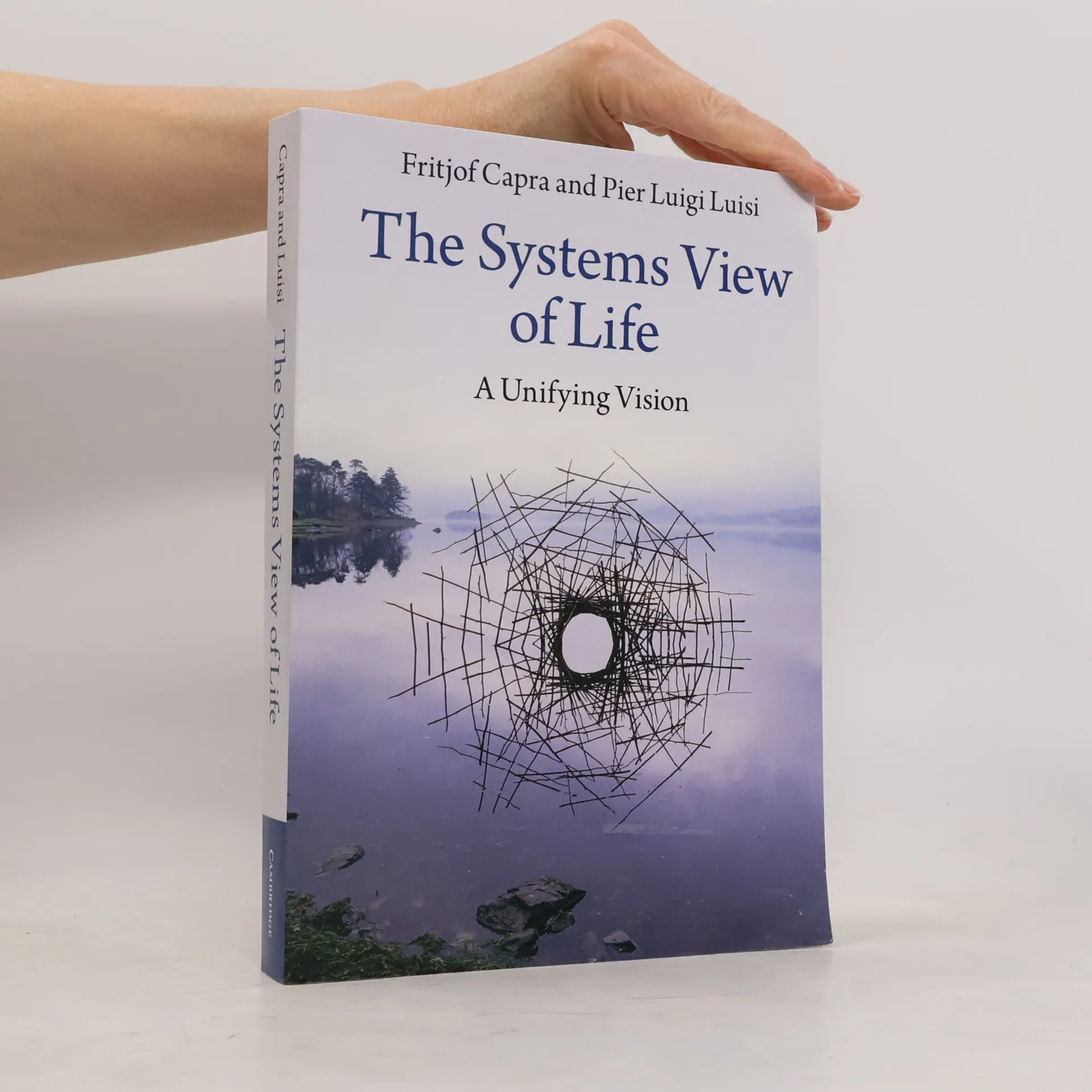
Over the past thirty years, a new systemic conception of life has emerged at the forefront of science. New emphasis has been given to complexity, networks, and patterns of organisation, leading to a novel kind of 'systemic' thinking. This volume integrates the ideas, models, and theories underlying the systems view of life into a single coherent framework. Taking a broad sweep through history and across scientific disciplines, the authors examine the appearance of key concepts such as autopoiesis, dissipative structures, social networks, and a systemic understanding of evolution. The implications of the systems view of life for health care, management, and our global ecological and economic crises are also discussed. Written primarily for undergraduates, it is also essential reading for graduate students and researchers interested in understanding the new systemic conception of life and its implications for a broad range of professions - from economics and politics to medicine, psychology and law.
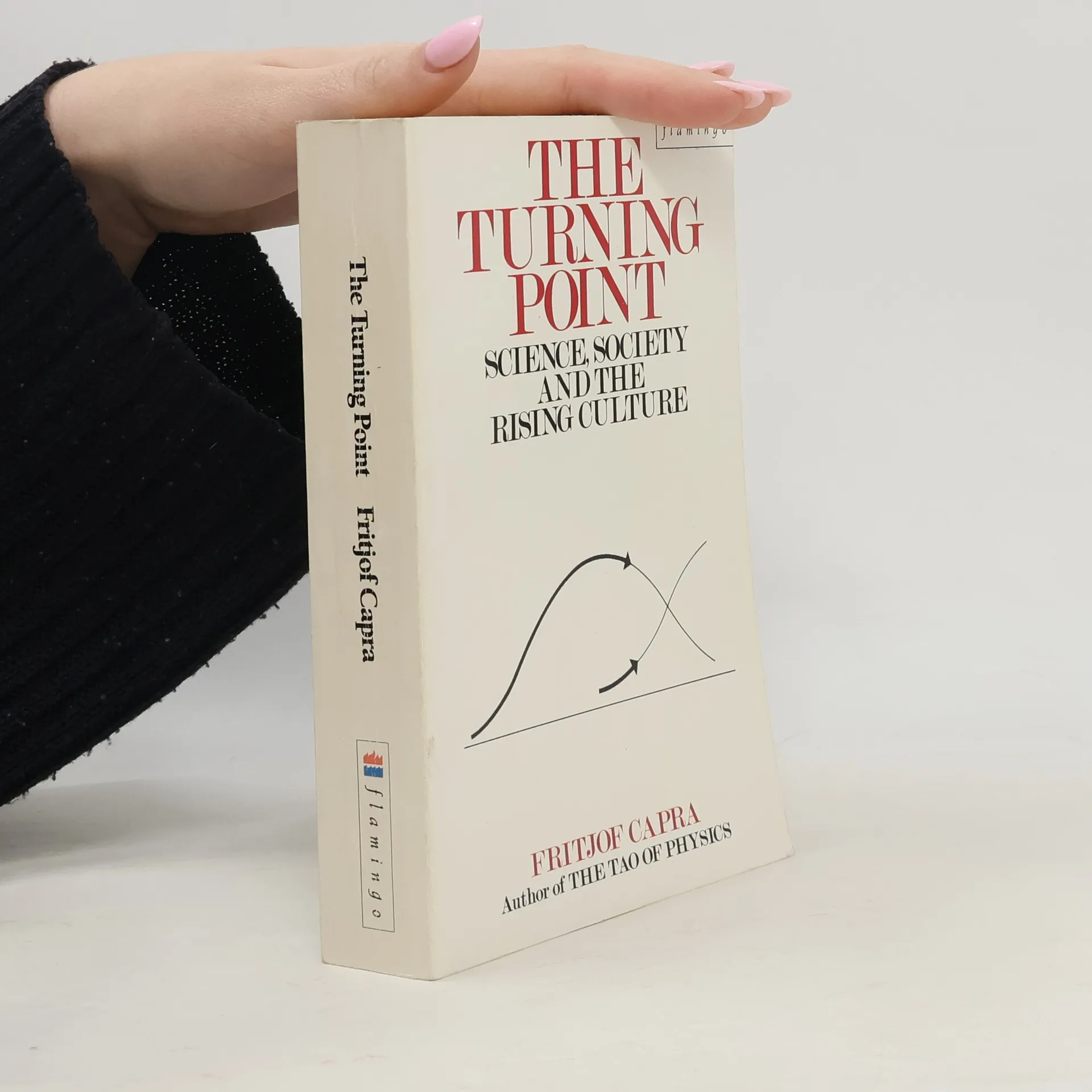
Capra argues that at the end of the 20th century we are shifting away from the
mechanistic world of Descartes and Newton to a holistic, ecological view. He
establishes patterns between ideas from such diverse fields as Buddhism and
quantum physics.
"We are trying to apply the concepts of an outdated world view--the mechanistic world view of Cartesian-Newtonian science--to a reality that can no longer be understood in terms of these concepts ... To describe this world appropriately, we need an ecological perspective that the Cartesian world view does not offer." (Preface 15,16)
Fritjof Capra, scientist, educator, activist, and accomplished author,
presents the evolution of his thought over five decades in Patterns of
Connection. Organised thematically and chronologically, these essays document
the revolutionary and far-reaching intellectual journey of one of the major
public thinkers of the last half-century.
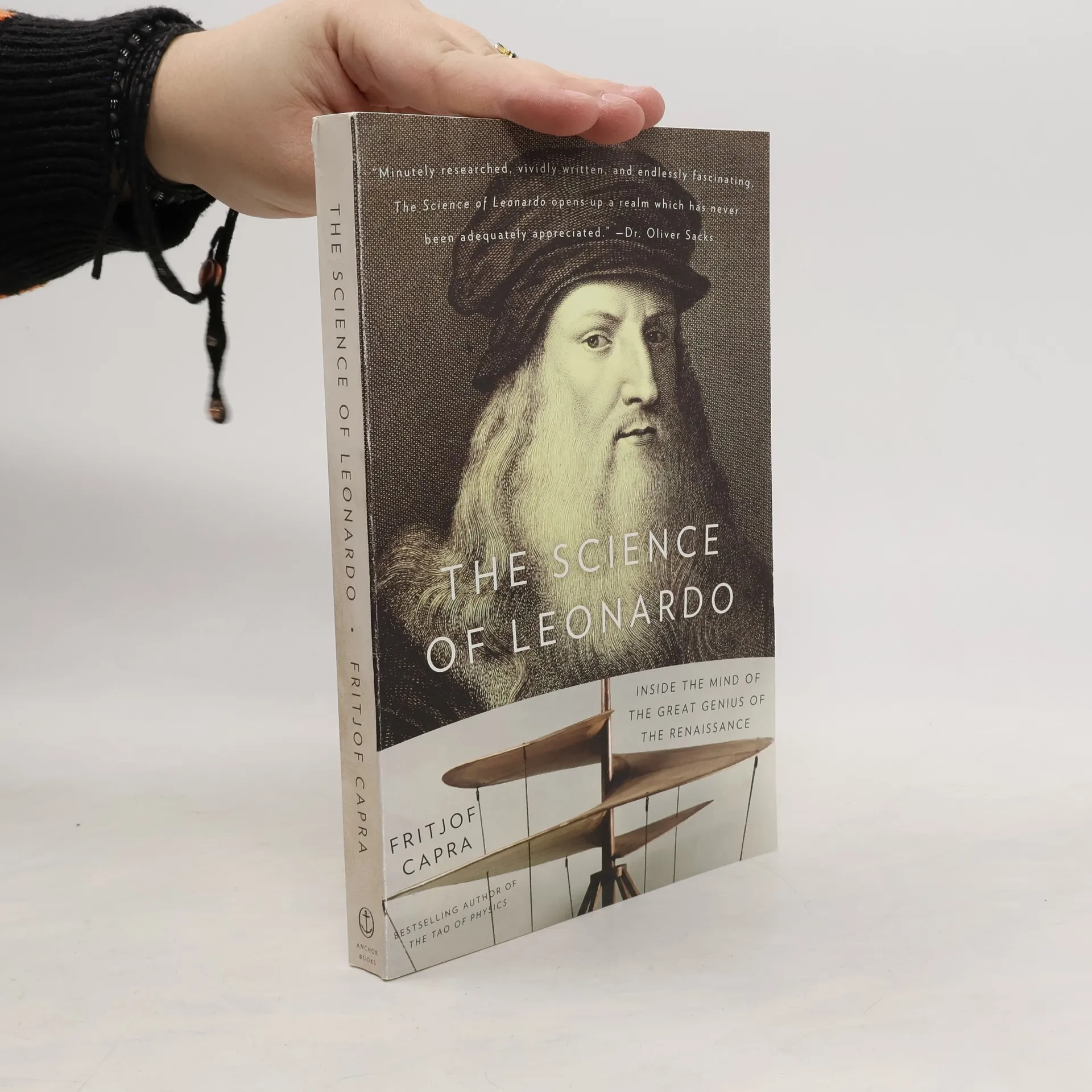
Leonardo da Vinci's scientific explorations were virtually unknown during his lifetime, despite their extraordinarily wide range. He studied the flight patterns of birds to create some of the first human flying machines; designed military weapons and defenses; studied optics, hydraulics, and the workings of the human circulatory system; and created designs for rebuilding Milan, employing principles still used by city planners today. Perhaps most importantly, Leonardo pioneered an empirical, systematic approach to the observation of nature-what is known today as the scientific method.Drawing on over 6,000 pages of Leonardo's surviving notebooks, acclaimed scientist and bestselling author Fritjof Capra reveals Leonardo's artistic approach to scientific knowledge and his organic and ecological worldview. In this fascinating portrait of a thinker centuries ahead of his time, Leonardo singularly emerges as the unacknowledged “father of modern science.”
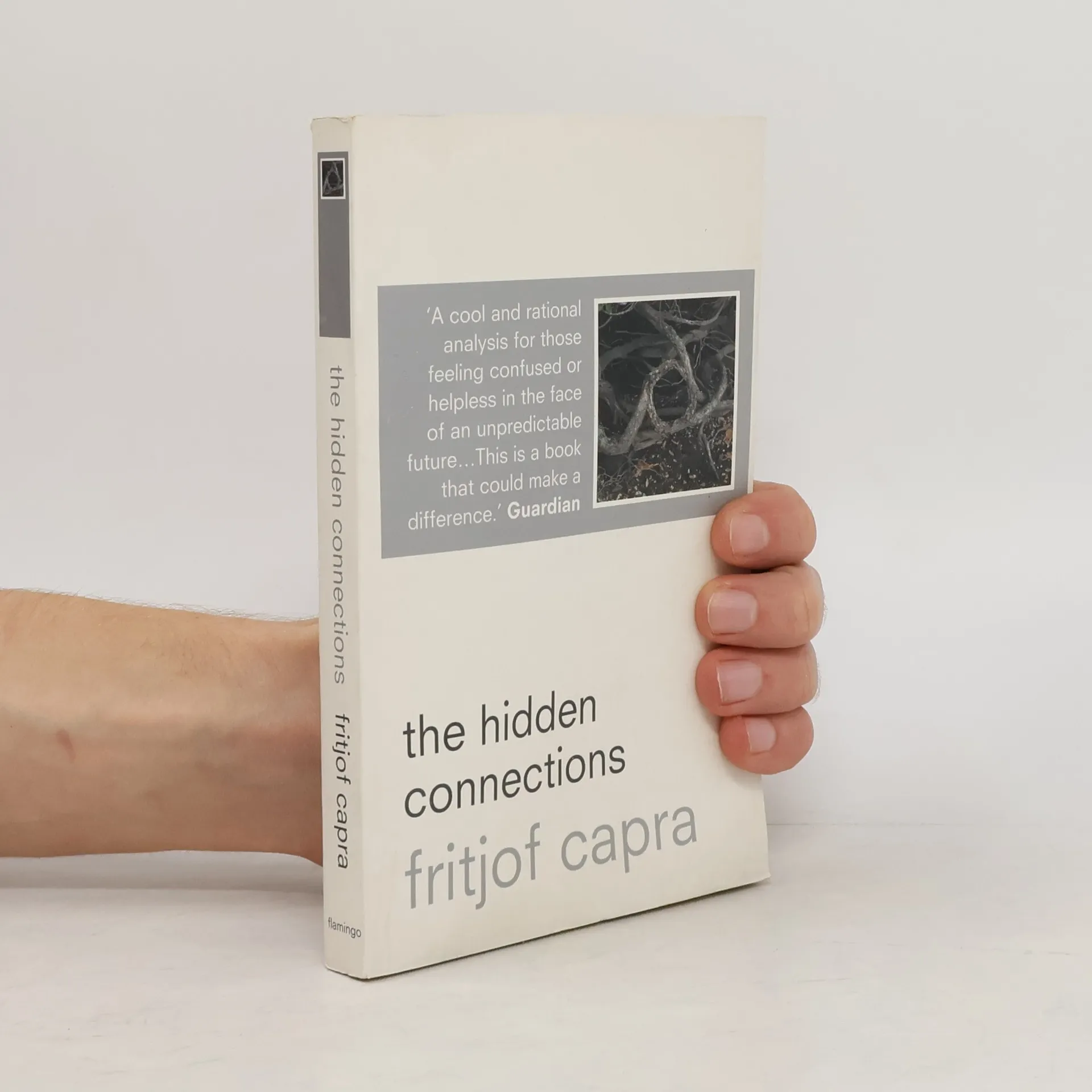
This text demonstrates how tightly humans are connected with the fabric of life and suggests that it is imperative to organize the world according to a different set of values and beliefs, not only for the well-being of human organizations, but for the survival of humanity as a whole.
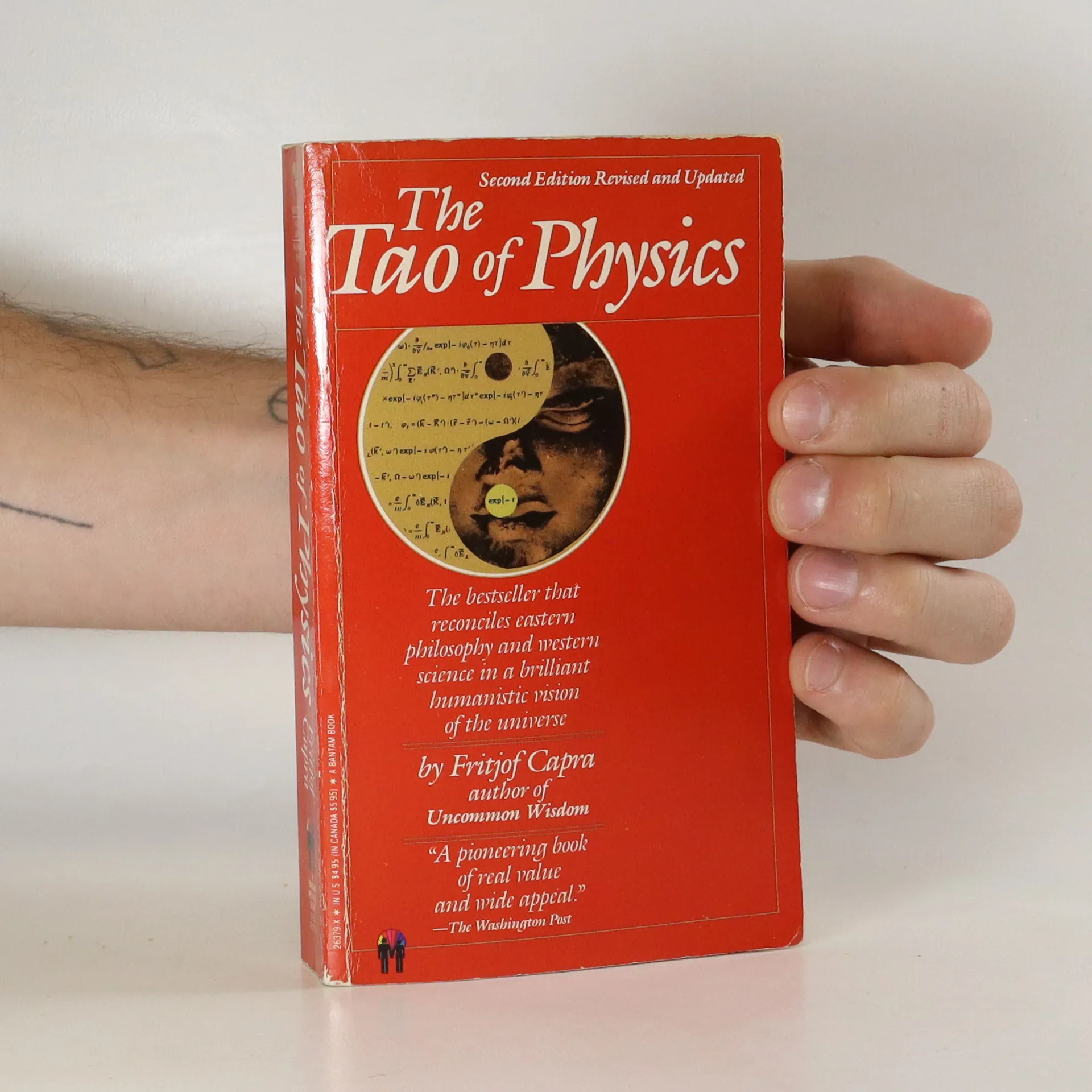
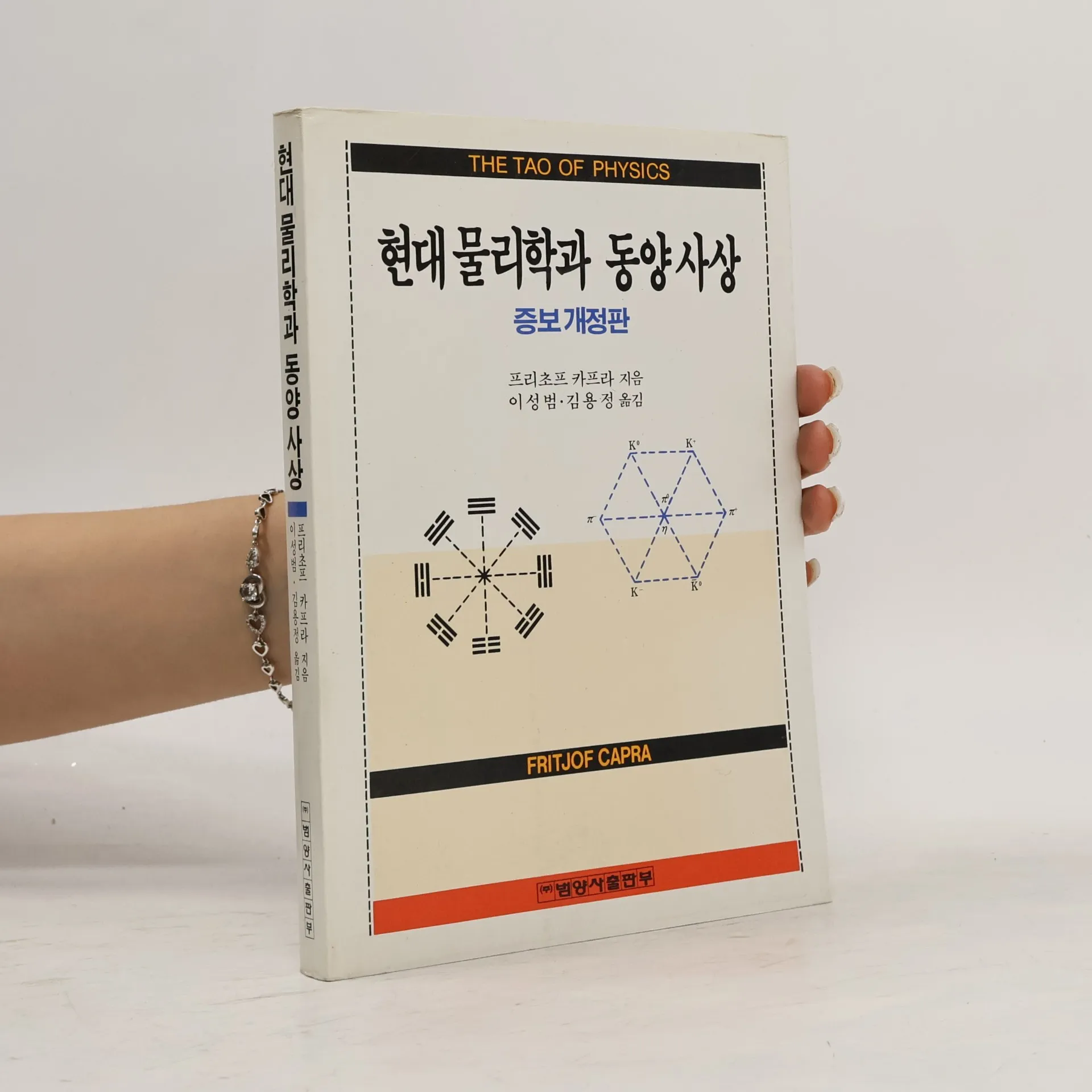
After a quarter of a century in print, Capra's groundbreaking work still challenges and inspires. This updated edition of The Tao of Physics includes a new preface and afterword in which the author reviews the developments of the twenty-five years since the book's first publication, discusses criticisms the book has received, and examines future possibilities for a new scientific world.
Bild-Text-Band über den südlichen indischen Bundesstaat - die Heimat einer der ältesten Zivilisationen der Welt -, der wichtige Einblicke in die Seele Indiens und das Wesen der Menschen vermittelt.
Dans un ouvrage précédent, ##Le tao de la physique##, l'auteur mettait en parallèles la physique moderne et l'ancienne sagesse orientale. Il propose maintenant une nouvelle vision de la réalité, basée "sur une approche holistique des phénomènes, c'est-à-dire globale et non fractionnée. Penser globalement, agir localement est une clé majeure de cette vision systémique". A lire sans tarder.
Současníci Leonarda da Vinci o jeho průkopnickém vědeckém díle prakticky nevěděli. Fritjof Capra, americký vědec původem z Vídně, autor několika pozoruhodných knih (například Tao fyziky nebo Bod obratu), teď na základě prostudování více než 6000 stran, které se z Leonardových zápisníků dochovaly, přichází s tvrzením, že právě Leonardo je „otcem moderní vědy“. Svými výzkumy živých i neživých forem, od architektury a anatomie člověka až k vodním turbulencím nebo otázkám růstu rostlin, se stal průkopníkem empirického a systematického přístupu k pozorování přírody, jemuž se dnes říká vědecká metoda. Autor však čtenáři přiblíží nejen Leonarda-vědce, ale seznámí jej také s Leonardovým životním příběhem od uměleckých začátků ve Florencii až po poslední etapu jeho života na francouzském královském dvoře.