

Explore the latest books of this year!
Bookbot

Georges Tamer

    Gog and Magog
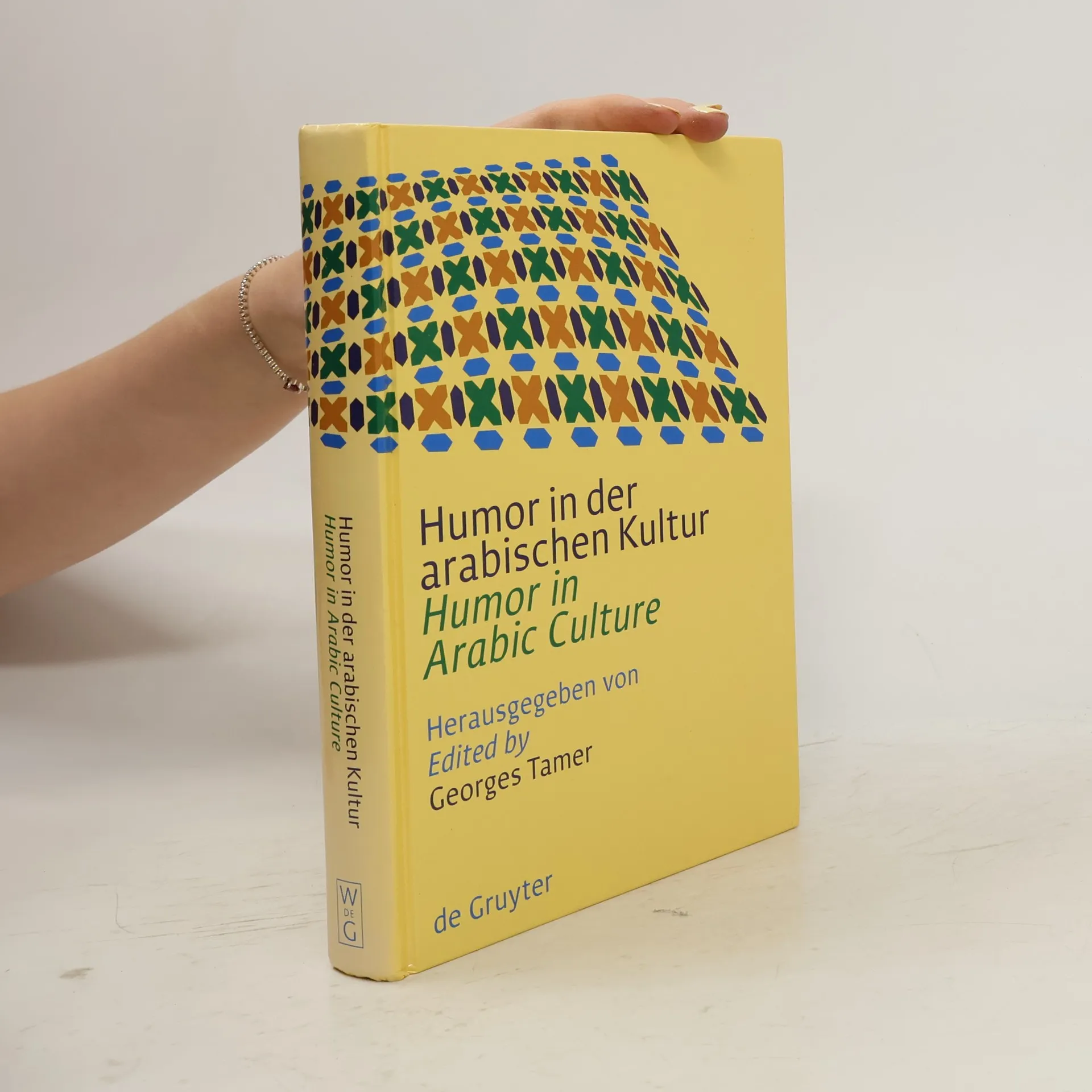
    Humor in der arabischen Kultur
    The Concept of Person in Judaism, Christianity and Islam
    The Concept of Revelation in Judaism, Christianity and Islam
    The Concept of Peace in Judaism, Christianity and Islam
    Islamic Philosophy and the Crisis of Modernity
    • Islamic Philosophy and the Crisis of Modernity

      Leo Strauss's Relationship with Al-Fārābī, Avicenna, and Averroes

      • 352 pages
      • 13 hours of reading

      Exploring the intricate connections between medieval Islamic philosophy and Leo Strauss's thought, this work reveals how Islamic intellectual traditions shaped Strauss's ideas. It delves into the philosophical dialogues and influences that emerged during the medieval period, highlighting the significance of these interactions in the development of modern political philosophy. The book offers a fresh perspective on Strauss's intellectual legacy by examining the often-overlooked contributions of Islamic thinkers to his philosophical framework.

      Islamic Philosophy and the Crisis of Modernity
    • This book offers fundamental knowledge about the specific understanding of "peace" in the Sacred Scriptures of Judaism, Christianity and Islam as well as the manifold discourses about the concept of "peace" within these three traditions. It

      The Concept of Peace in Judaism, Christianity and Islam
    • The idea that God reveals himself to human beings is central in Judaism, Christianity and Islam, but differs in regard of content and conceptualization. The first volume of the new series Key Concepts in Interreligious Discourses points out similarities and differences of revelation. KCID aims to establish an archeology of religious knowledge in order to create a new conceptual platform of mutual understanding among religious communities.

      The Concept of Revelation in Judaism, Christianity and Islam
    • The sixth volume of the series „Key Concepts of Interreligious Discourses“ investigates the roots of the concept of „person“ in Judaism, Christianity and Islam and its relevance for the present time. The concept of „person“ lies at the core of central ideas in the modern world, such as the value and development of personal identity, the sanctity of human person and the human rights based on that. In societies that are shaped by a long Christian tradition, these ideas are associated often with the belief in the creation of man in the image of God. But although Judaism shares with Christianity the same Biblical texts about the creation of man and also the Qurʾān knows Adam as the first human being created by God and his representative on earth, the focus on the concept of „person“ is in each one of these religions a different one. So, the crucial question is: how did the concept of „person“ evolve in Judaism, Christianity and Islam out of the concept of „human being“? What are the special features of personhood in each one of these traditions? The volume presents the concept of „person“ in its different aspects as anchored in Judaism, Christianity, and Islam. It unfolds commonalities and differences between the three monotheistic religions as well as the manifold discourses about the meaning of „person“ within these three religions.

      The Concept of Person in Judaism, Christianity and Islam
    • Humor in der arabischen Kultur

      • 387 pages
      • 14 hours of reading

      Der Sammelband enthält die Beiträge zahlreicher Wissenschaftler zum Internationalen Symposium Humor in der arabischen Kultur, veranstaltet vom Herausgeber im Juli 2007 an der Freien Universität Berlin. Zunächst wird in der kritischen Betrachtung des frühen religiösen Schrifttums der Muslime – und vor dem Hintergrund entsprechender jüdischer und christlicher Äußerungen – der islamische Diskurs über Wert und Unwert des Humors näher bestimmt und der Frage nachgegangen, inwieweit dabei normative Kräfte frei wurden, die dem Humor der Araber definierte Grenzen zu setzen vermochten. Danach wird die große Bandbreite an Humorvollem in der klassischen arabischen Literatur in den Blick genommen und das den vielfältigen Ausdrucksformen zu Grunde liegende Verbindende – als ein traditionelles arabisches Humorverständnis – offen gelegt. Abschließend werden die Veränderungen des arabischen Humors mit dem Einbruch der Moderne und der Globalisierung sowie die gesellschafts- und politikkritische Rolle des Humors in arabischen Gesellschaften diskutiert. Hochaktuelles Thema im derzeitigen religiösen und kulturellen Diskurs Darstellung von Wesen, Ursprüngen, Formen und Funktionen des Humors in der Arabischen Kultur Von den Anfängen bis in das Zeitalter der Globalisierung

      Humor in der arabischen Kultur
    • Gog and Magog

      Contributions toward a World History of an Apocalyptic Motif

      The tale of a collective evil force known as Gog and Magog has occupied the imagination of Jews, Christians, and Muslims for millennia, finding expression in literary and scholarly works and other cultural artifacts. This book gathers the papers from two conferences at the University of Erlangen-Nuremberg by scholars ranging from history, to religious studies, to art history, and is the most thorough work on the subject to date.

      Gog and Magog