Includes: A conversation in Palermo with Leonardo Sciascia / Ian Thomson
Leonardo Sciascia Books
January 8, 1921 – November 20, 1989
Leonardo Sciascia chronicled his unique Sicilian experience, exploring the intricate connections between families, political parties, and the treacherous nature of alliances. His work delves into the subtle art of favors and allegiances that ultimately serve individual interests over societal benefit. Sciascia compellingly argued that the pervasive corruption within Italian society historically and presently empowers only those entrenched within secret societies, loyalties, and political establishments.



The Moro Affair
- 193 pages
- 7 hours of reading
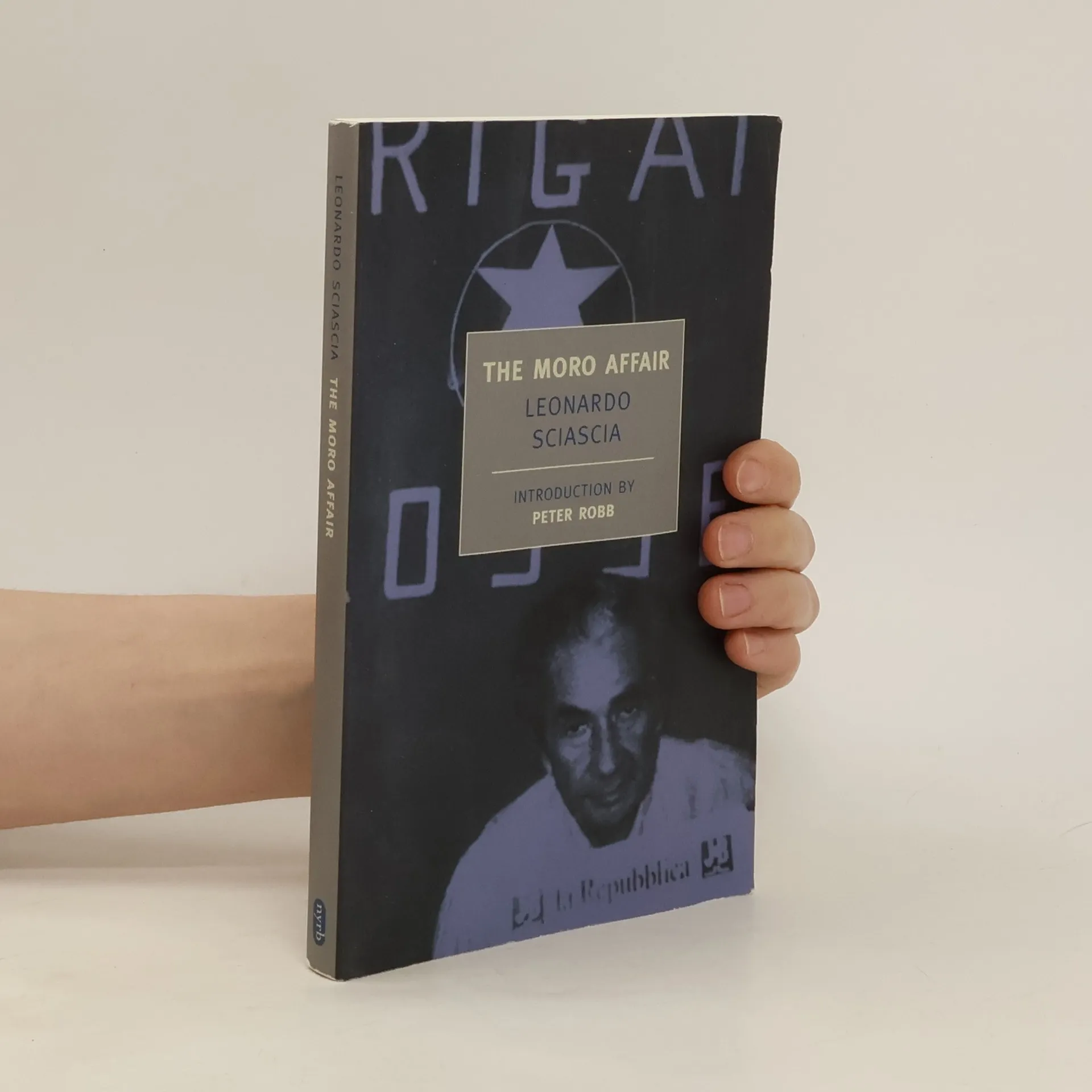
On March 16, 1978 Aldo Moro, a former Prime Minister of Italy, was ambushed in Rome. Within three minutes the gang killed his escort and bundled Moro into one of three getaway cars. An hour later the terrorist group the Red Brigades announced that Moro was in their hands; on March 18 they said he would be tried in a "people's court of justice." Seven weeks later Moro's body was discovered in the trunk of a car parked in the crowded center of Rome. The Moro Affair presents a chilling picture of how a secretive government and a ruthless terrorist faction help to keep each other in business. Also included in this book is "The Mystery of Majorana," Sciascia's fascinating investigation of the disappearance of a major Italian physicist during Mussolini's regime.
Gli Zii Di Sicilia
- 233 pages
- 9 hours of reading
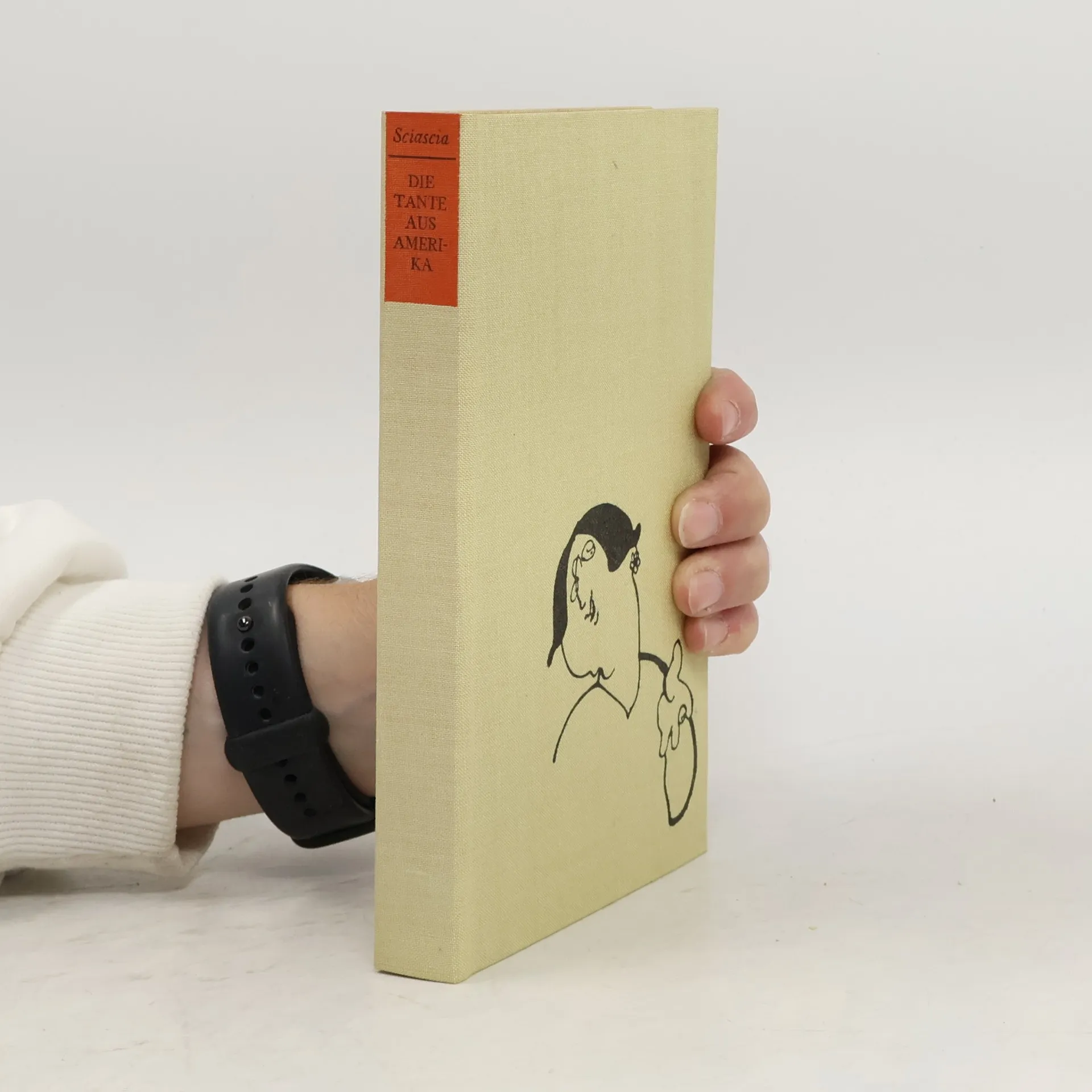
A collection of four stories. The first two, "Aunt from America" and "The Death of Stalin," provide a satirical portrait of the Sicilian population, abandoned by God after World War II and caught between the sweet promises of the American Way of Life and the great hope of communism. "The Quarantotto," synonymous in Sicily with disorder and chaos, takes us to 1848, the year when the spirit of unification and nationalism brings "revolution" to a lost town on the Italian island. Finally, "Antimony" unexpectedly connects Italy to Spain due to the dire circumstances of the time: an Italian miner, driven by need and hunger, is forced to enlist in the fascist ranks fighting alongside Franco during the Civil War. Irony and paradox permeate these youthful tales of the great Italian writer.
Equal Danger
- 128 pages
- 5 hours of reading
A string of high-profile murders leads an inspector to believe there is more to his case than mere personal grudge - but can he prove it?
A man is shot dead as he runs to catch the bus in the piazza of a small Sicilian town. Captain Bellodi, the detective on the case, is new to his job and determined to prove himself. Bellodi suspects the Mafia, and his suspicions grow when he finds himself up against an apparently unbreachable wall of silence. A surprise turn puts him on the track of a series of nasty crimes. But all the while Bellodi's investigation is being carefully monitored by a host of observers, near and far. They share a single to keep the truth from coming out.This short, beautifully paced novel is a mesmerizing description of the Mafia at work.
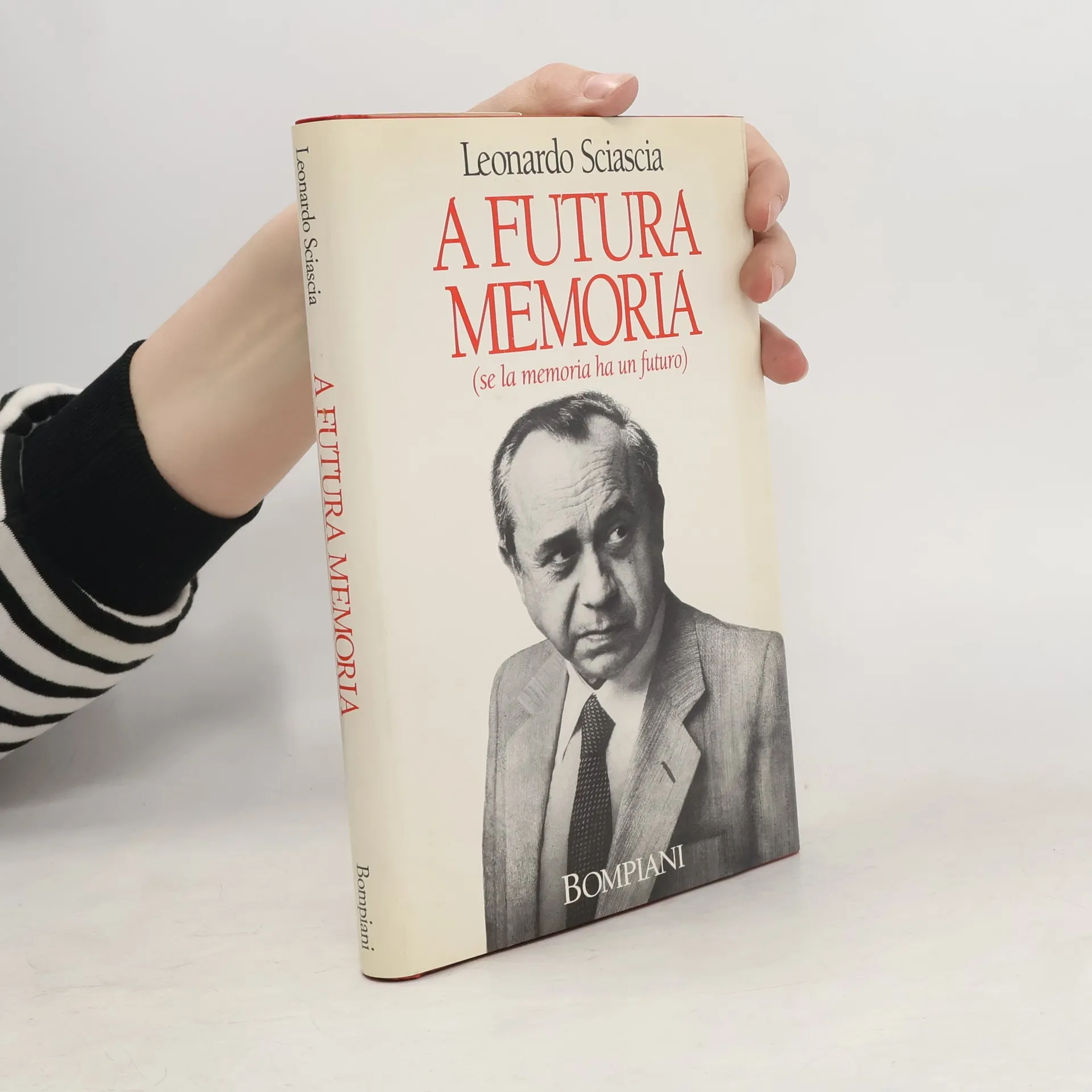
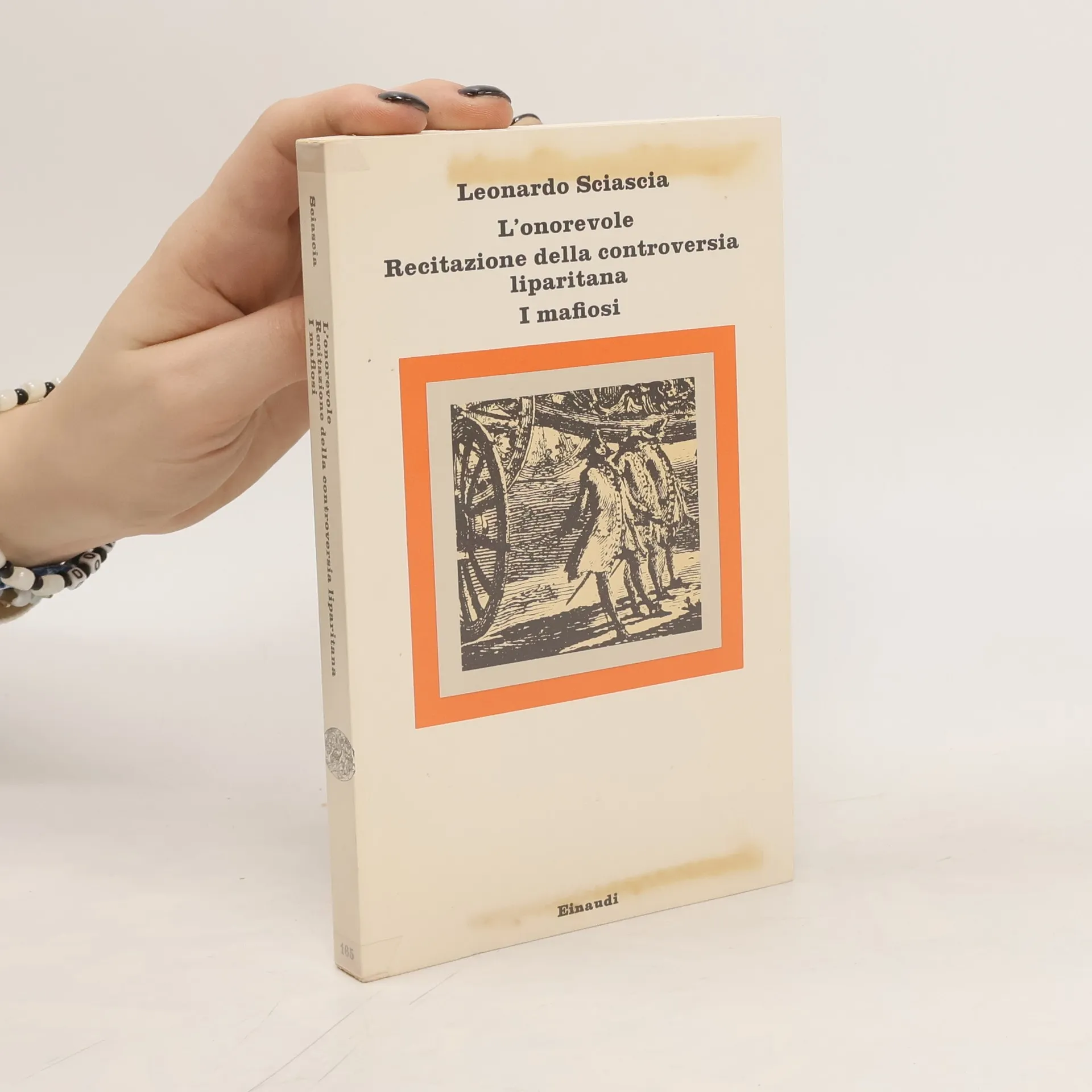
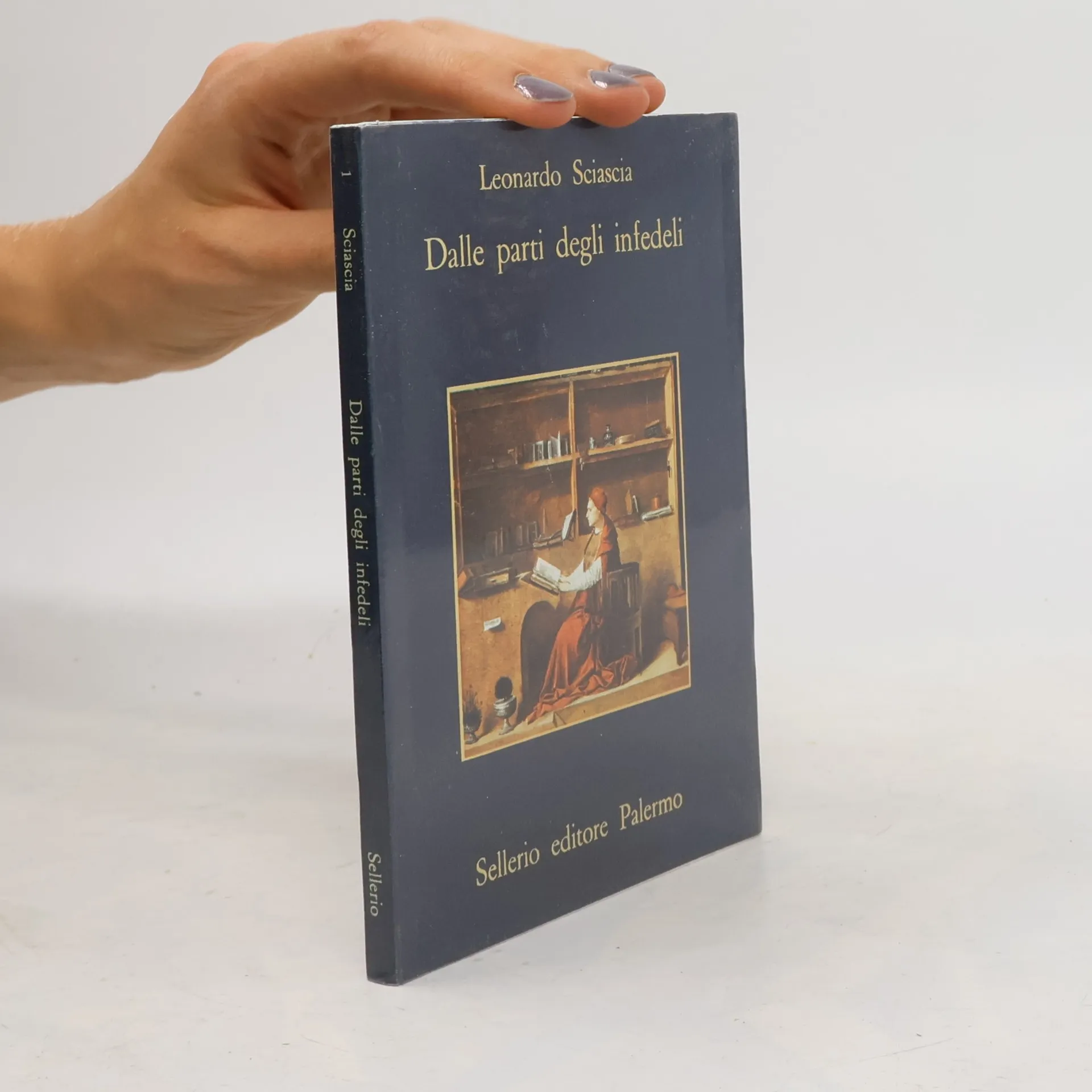
Contiene:Il Contesto, Todo Modo, La scomparsa di Majorana, I pugnalatori, Candido, L'affaire Moro, Nero su nero, Dalle parti degli infedeli, Il teatro della memoria, Cruciverba.
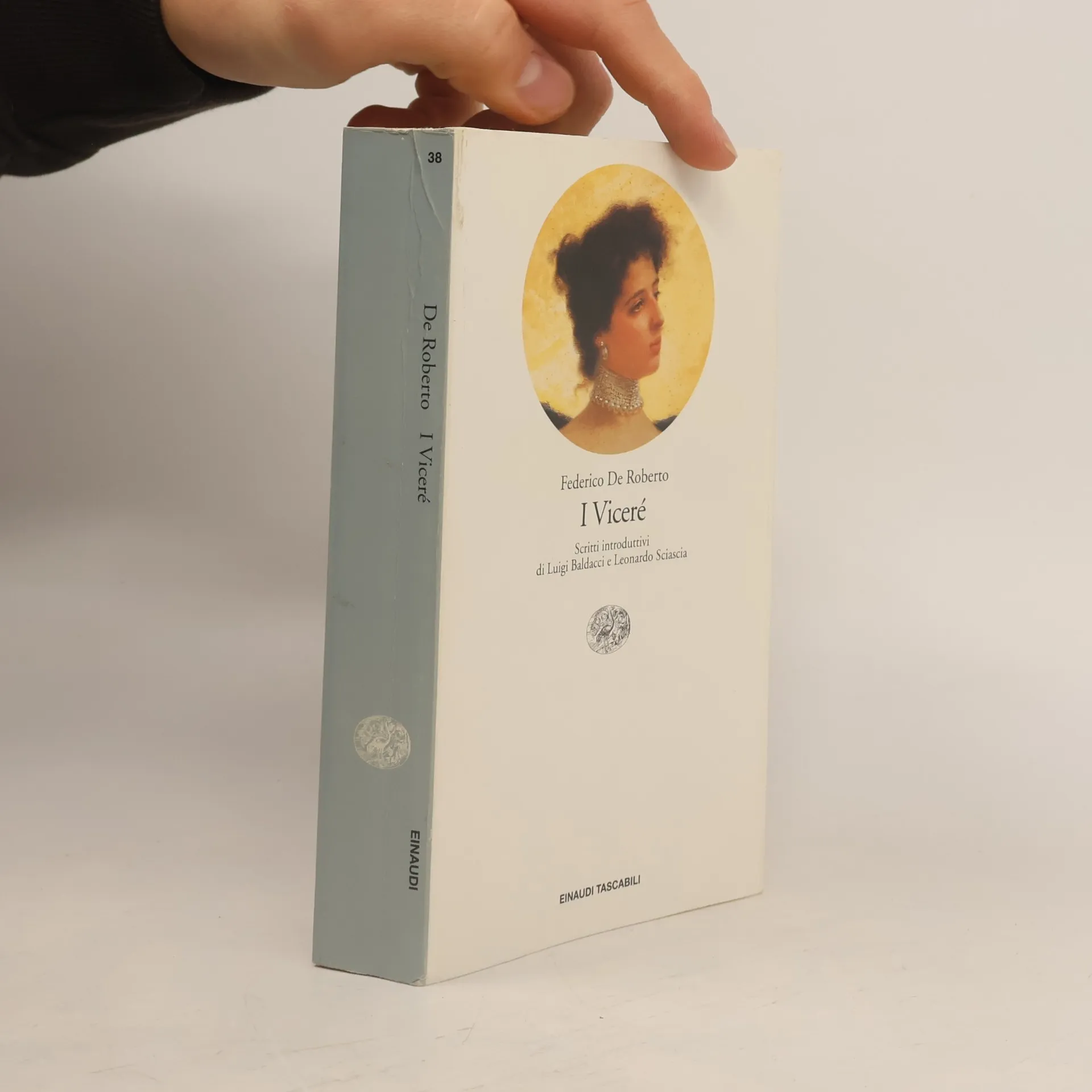
I viceré
- 704 pages
- 25 hours of reading
Storia di tre generazioni della potente famiglia catanese degli Uzeda di Francalanza, di antica origine spagnola, pronta a tutto pur di conservare la supremazia anche nella nuova, contraddittoria Italia unita. Il formidabile esempio con cui si è misurato Il Gattopardo di Giuseppe Tomasi di Lampedusa. Un'implacabile lezione di opportunismo politico. Eppure, a parte Capuana e Verga, Federico De Roberto (Napoli 1861 - Catania 1927), ebbe pochi sostenitori e soprattutto un detrattore famoso, Benedetto Croce, che stroncò tutte le sue opere. La rivalutazione di De Roberto è cominciata solo dopo la Seconda guerra mondiale, con la pubblicazione di diversi saggi critici. Proponiamo in questa edizione gli scritti di Luigi Baldacci e Leonardo Sciascia.
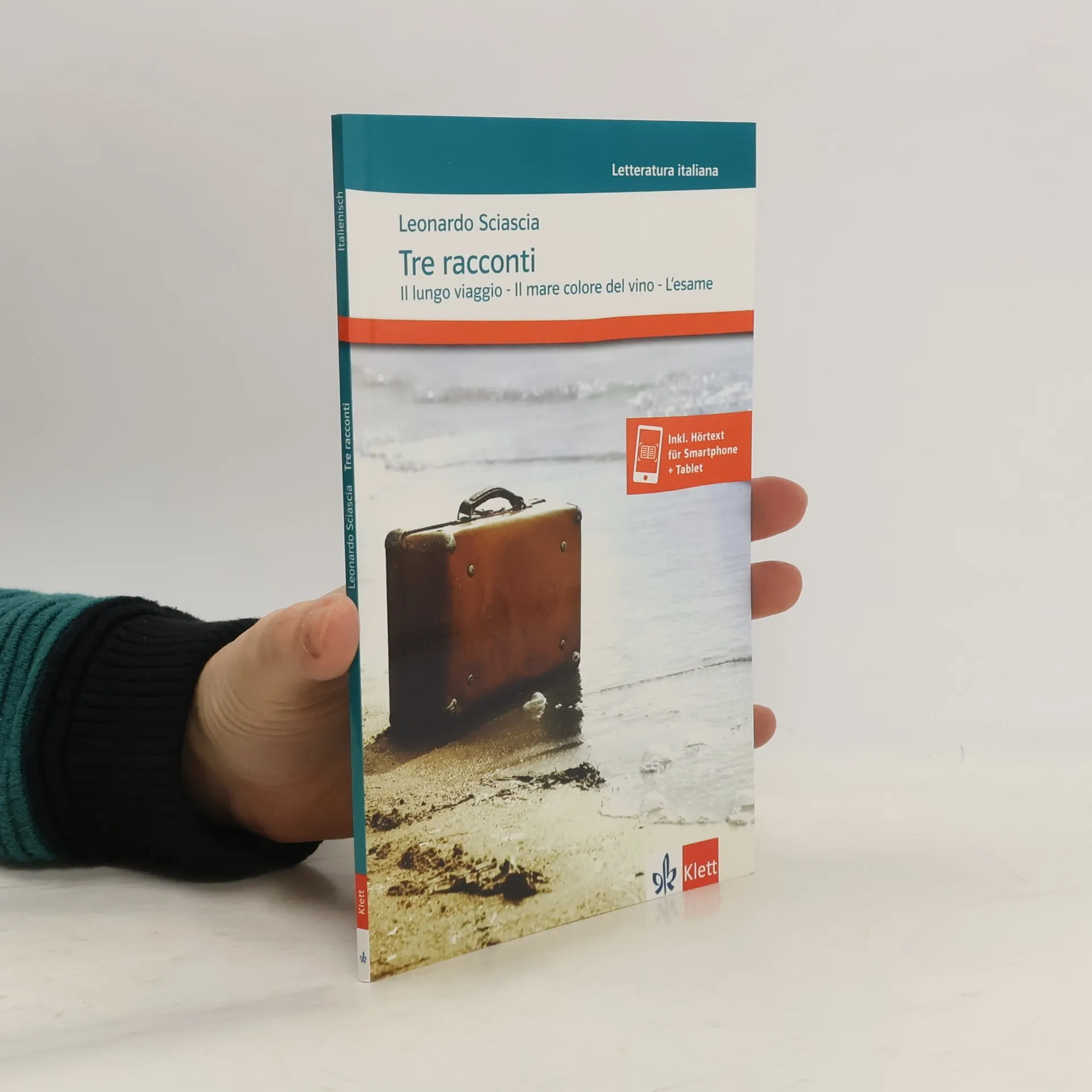
Tre racconti
Il lungo viaggio - Il mare colore del vino - L'esame. Lektüre mit digitalen Extras
- 48 pages
- 2 hours of reading
Das Buch enthält drei Erzählungen von Leornardo Sciascia, der im deutschsprachigen Raum vor allem durch seine Werke über die Mafia bekannt geworden ist. Il lungo viaggio erzählt vom Verlassen der Heimat. In Il mare colore del vino gibt ein temperamentvolles Mädchen Anlass zum Gespräch zwischen ihrer sizilianischen Familie und einem norditalienischen Ingenieur. L’esame handelt von Ursachen für Emigration und ihren Folgen.
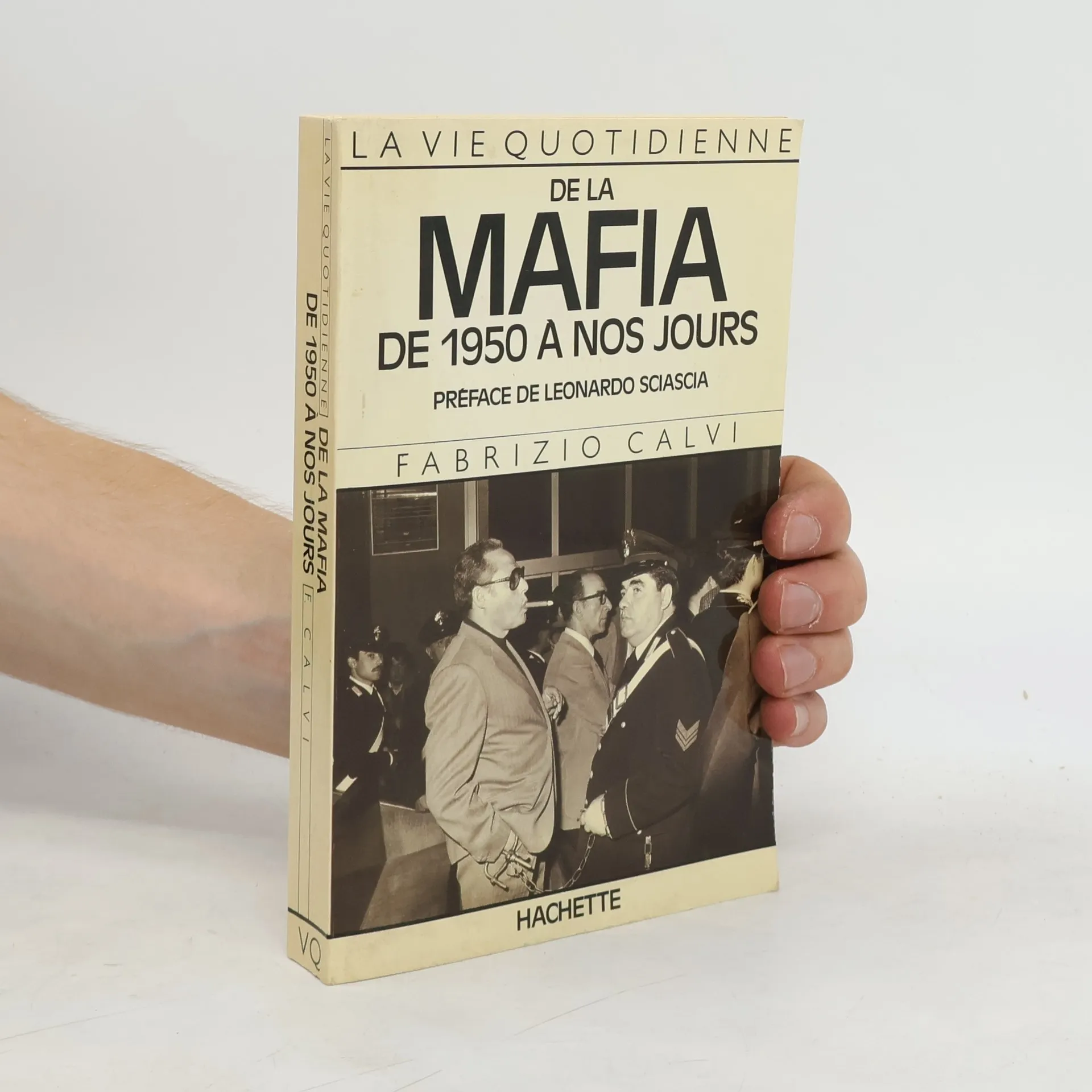
La Vie quotidienne de la Mafia de 1950 à nos jours
- 312 pages
- 11 hours of reading
Rare Book
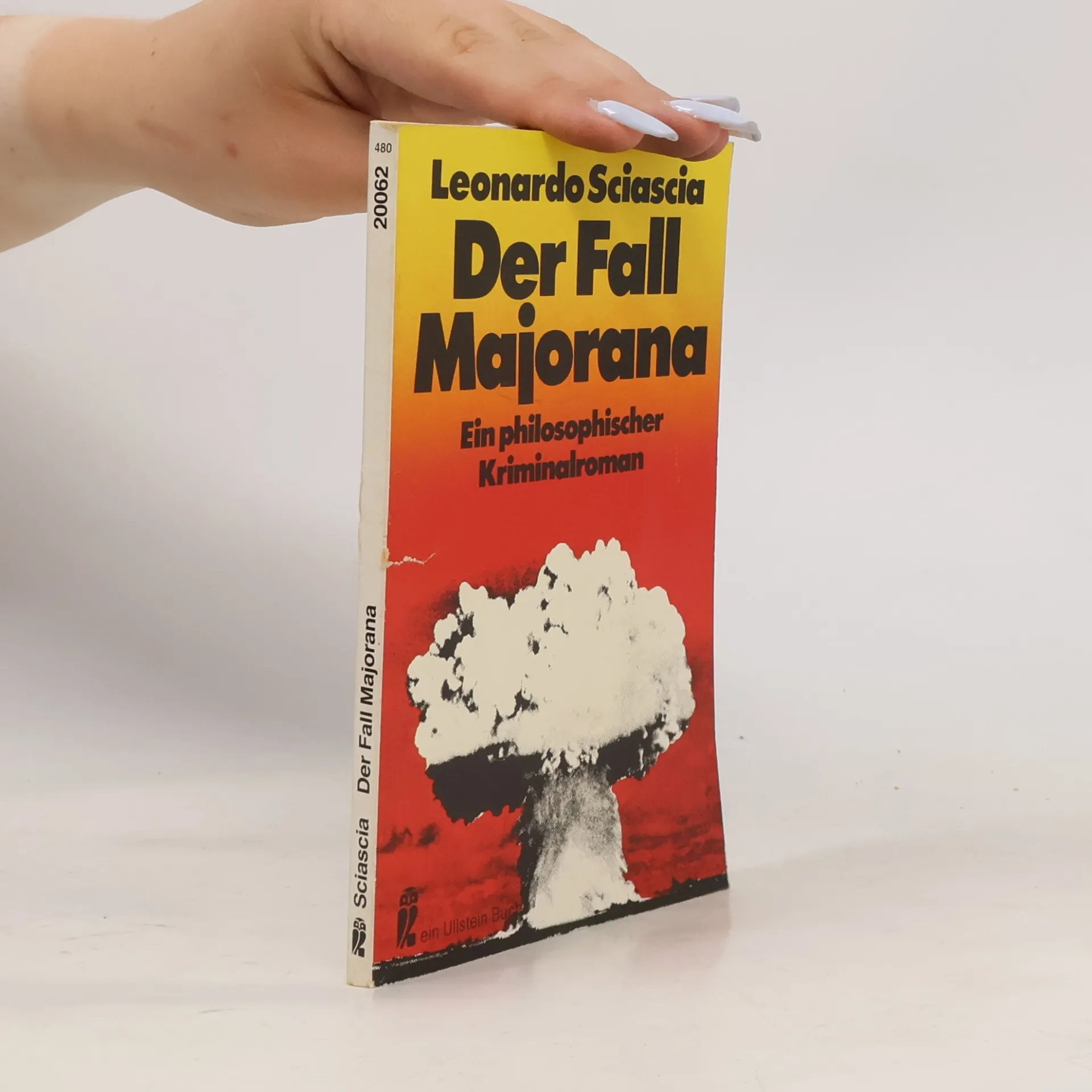
Der Fall Majorana
- 122 pages
- 5 hours of reading
Ein Sizilianer von festen Prinzipien
Tod des Inquisitors u. Der Mann mit der Sturmmaske
Leonardo Sciascia wurde 1921 in Racalmuto als Sohn eines autoritären Schwefelgrubenverwalters geboren; das Gymnasium unterforderte ihn, sowohl als Schüler als auch als Lehrer. Herauskam ein großer einer der bedeutendsten Schriftsteller, Publizisten der 2. Hälfte des 20. Jahrhunderts, ein großer europäischer Aufklä stets Sizilien und den Mikrokosmos Racalmuto als Metapher der Welt vor Augen.
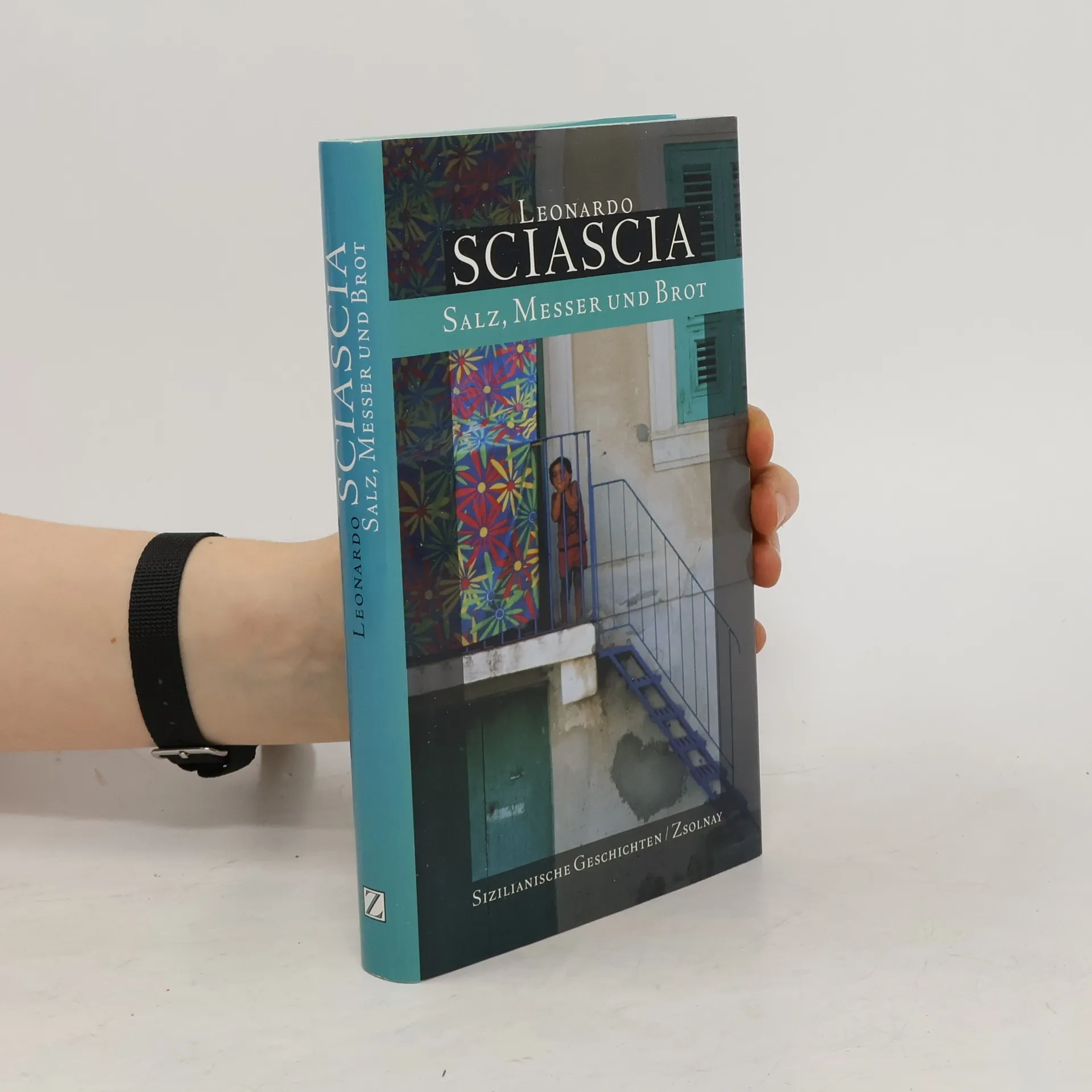
Salz, Messer und Brot
- 224 pages
- 8 hours of reading
1956 erschienen, nun erstmals auf Deutsch: eine Geschichte Siziliens, blutig, tragisch und burlesk, dargestellt von einem der größten italienischen Schriftsteller des 20. Jahrhunderts. In „Salz, Messer und Brot“ erzählt Sciascia finstere und groteske Geschichten, die alle an einem einzigen, halb fiktiven, halb realen Ort spielen. Man begreift, warum Sciascia durch dieses erste Buch schlagartig berühmt wurde. Es enthält bereits alle Qualitäten seines späteren Werks: die genaue Beobachtung einer begrenzten Wirklichkeit, die Schaffung von Figuren anhand einiger weniger Charakteristiken, die ruhige Kühnheit im Benennen himmelschreiender sozialer Zustände, die knappe, dadurch umso effektvollere Prosa.
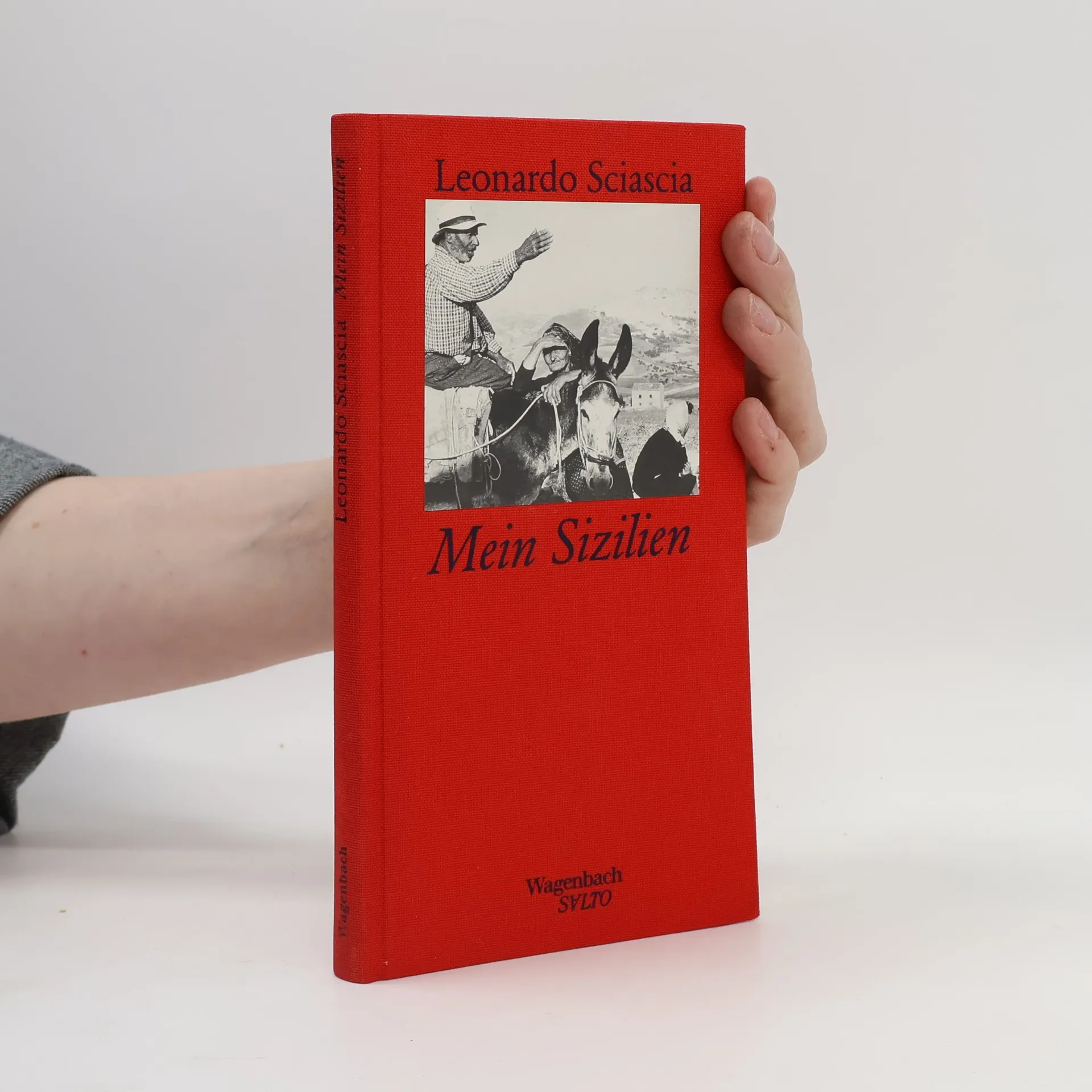
Mein Sizilien
- 139 pages
- 5 hours of reading
Wie kann man Sizilianer sein? Auf die alte Frage gibt es eine alte Antwort: Nur unter Schwierigkeiten. Leonardo Sciascia, selbst Sizilianer, untersucht diese Schwierigkeiten. Ob es wahr ist, dass die Sizilianer eher gerissen denn vorsichtig und zugleich so furchtsam wie verwegen seien. Ob der sizilianische Don Giovanni überhaupt Frauen im Sinn hat. Ob die Sizilianer sich je regieren ließen, und ob man das überhaupt könne. In den hier erstmals übersetzten Miniaturen gibt Sciascia kenntnisreiche Auskünfte. Er zeigt uns die unübertroffene Schönheit »seiner« Insel: Zerklüftete Küsten, verstreute Dörfer am Ätna, das hochmütige Palermo, die Orte Tomasi di Lampedusas. Und er plaudert die kleinen Geschichten innerhalb der großen Geschichten aus – wie das Schicksal jener Stadt, die Mussolini gründete, die aber Phantom blieb.
Bij de speurtocht naar de dader van een moord spelen de vriendschap en rivaliteit tussen de commissaris en zijn adjunct een rol.
Prendendo spunto da diversi fatti di cronaca, l'autore denuncia le aberrazioni del sistema giudiziario, anticipando con lucida intelligenza i temi dell'attuale dibattito politico.
Einmal in Sizilien
- 144 pages
- 6 hours of reading
Wer Sizilien kennenlernen möchte, wer seinen Zauber ebenso wie seine dunkle Vergangenheit verstehen will, muss Leonardo Sciascia lesen.Archaisch ist diese Welt, schön und doch verwirrend. Selbst das gleißende Licht des Südens vermag in die dunklen Verflechtungen kaum einzudringen.Sein Leben lang hat Leonardo Sciascia wieder und wieder über seine Geburtsinsel geschrieben: über brutale Gutsherren, ausgebeutete Arbeiter in den Schwefel- und Salzminen, über habgierigen Adel, die Armut von Kindern, die um die Schulspeisung betteln, über Honoratioren, die sich immer wieder etwas Neues einfallen lassen, um die Bauern auszupressen, und deren einzige Hinterlassenschaft auf Erden die Mulde im Sessel des Clubs ist.Die faschistische Vergangenheit hat dieses Leben ebenso geprägt wie die Machenschaften der Mafia. Präzise und schnörkellos schreibt der Schullehrer Sciascia seine Beobachtungen auf – und malt dabei ein faszinierendes Bild, das uns in seinem Facettenreichtum diese Welt ein gutes Stück näherbringt.
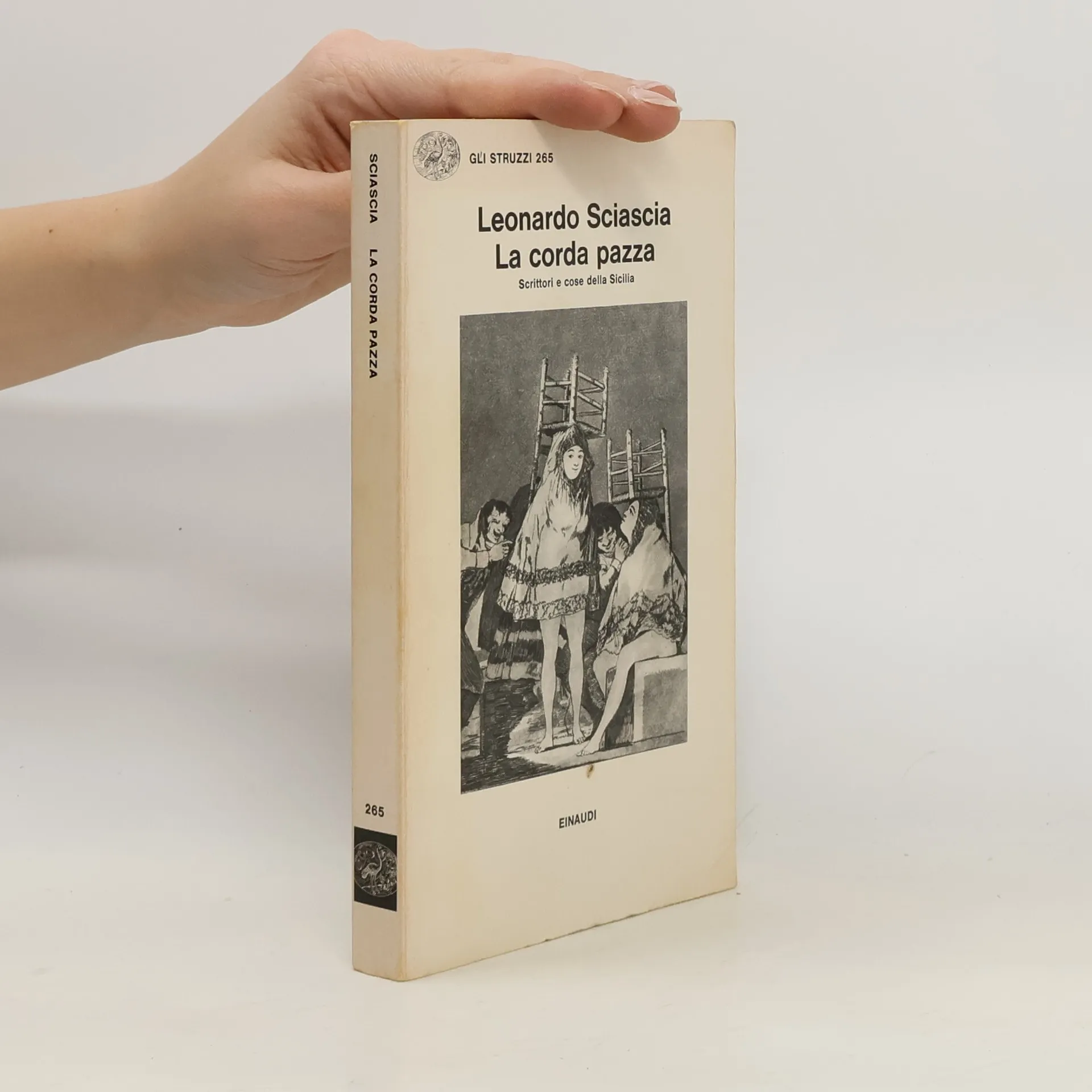
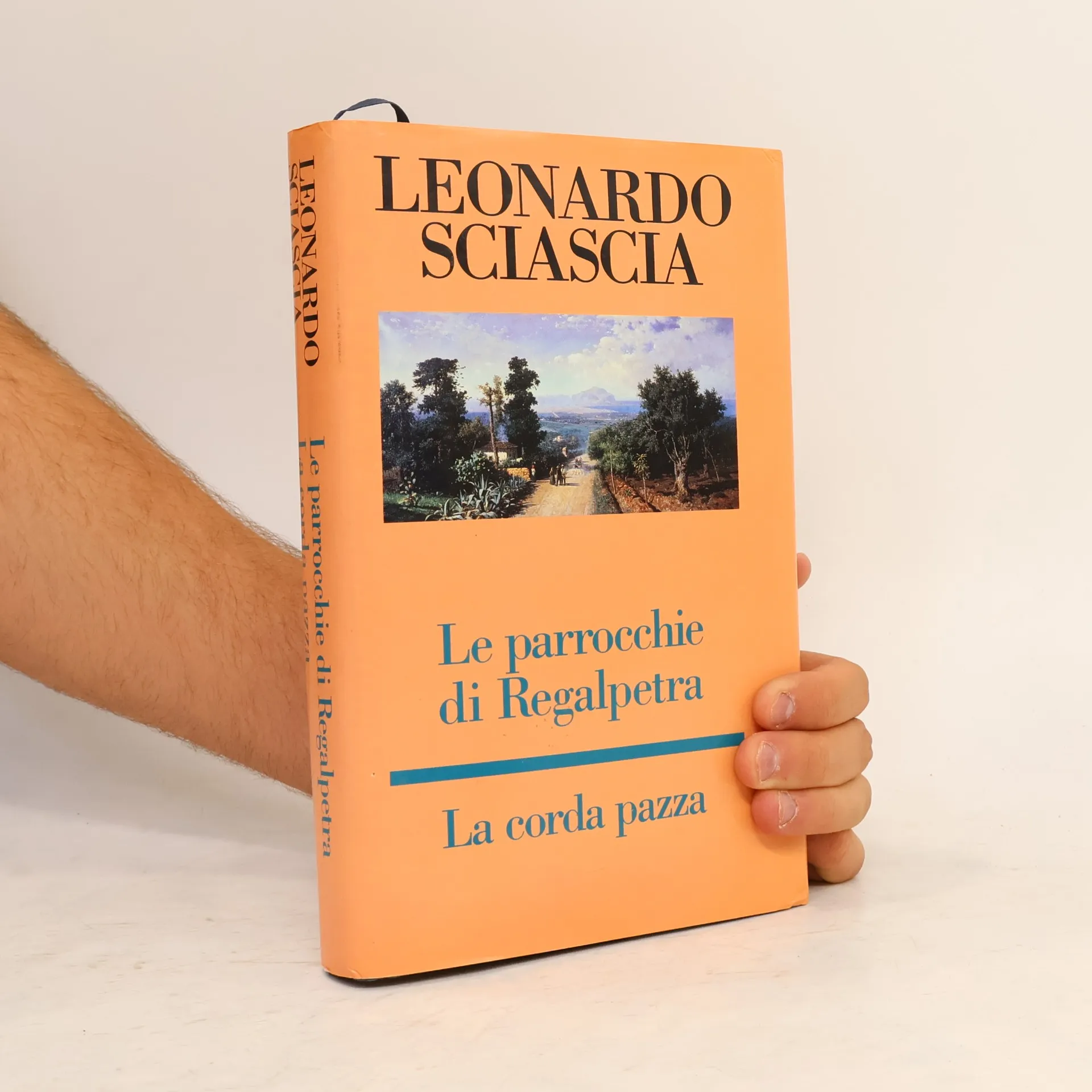
La corda pazza: Scrittori e cose della Sicilia
- 255 pages
- 9 hours of reading
Sicilia: «Una terra difficile da governare perché difficile da capire». A questa terra, a tutte le sue «corde» («la seria, la civile, la pazza» scrisse una volta Pirandello), al passato più oscuro come al presente più invadente Sciascia prestò sempre un’attenzione puntuale, appassionata, partecipe e al tempo stesso inflessibile nella descrizione dei mali. E per una volta provò ad articolare tutti questi temi e questi livelli della realtà in un solo libro: questa Corda pazza (1970), che si presenta, rispetto all’isola, «vuote le mani, ma pieni gli occhi del ricordo di lei», come scrisse Ibn Hamdis, poeta arabo-siculo opportunamente citato da Sciascia.
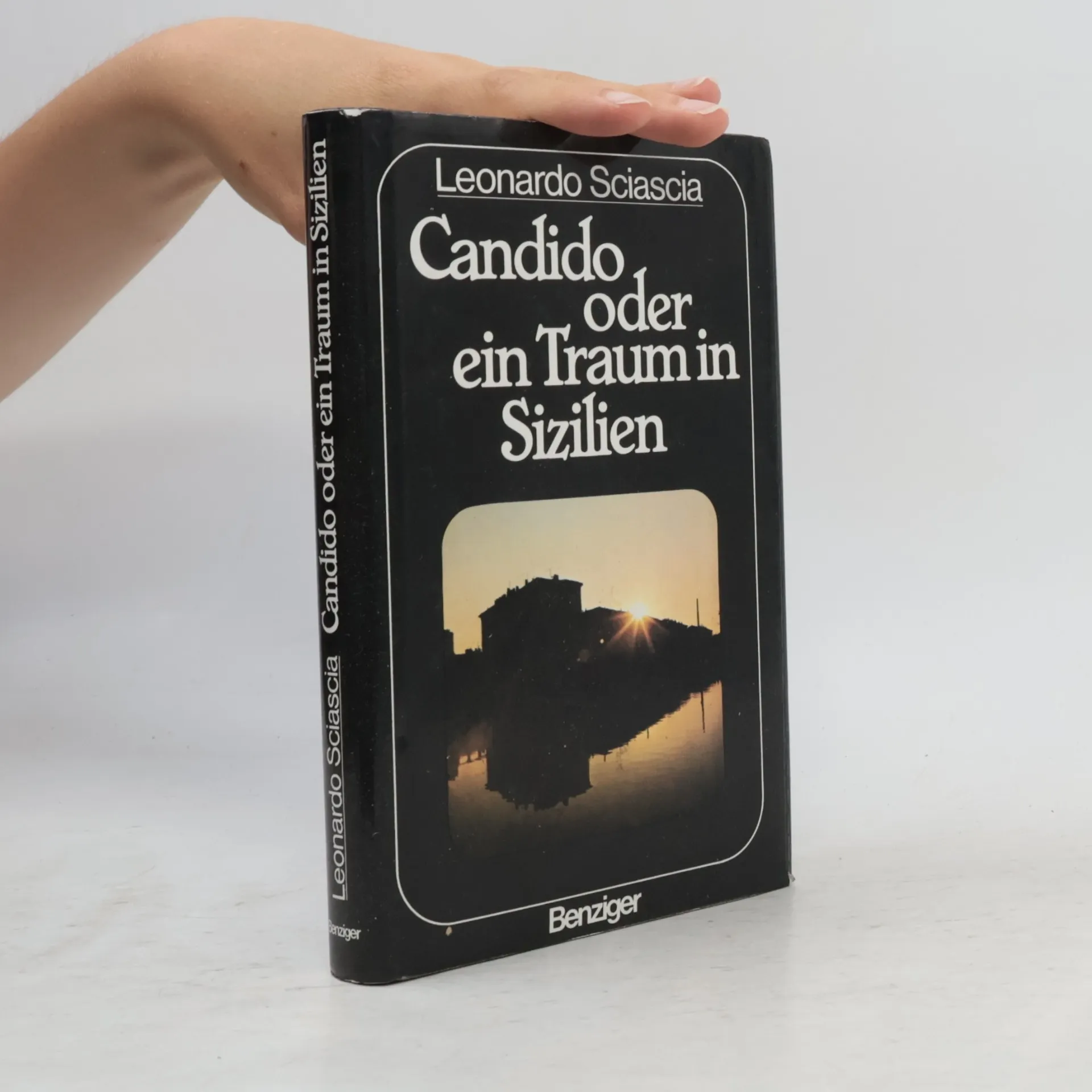
Candido oder ein Traum in Sizilien
- 181 pages
- 7 hours of reading
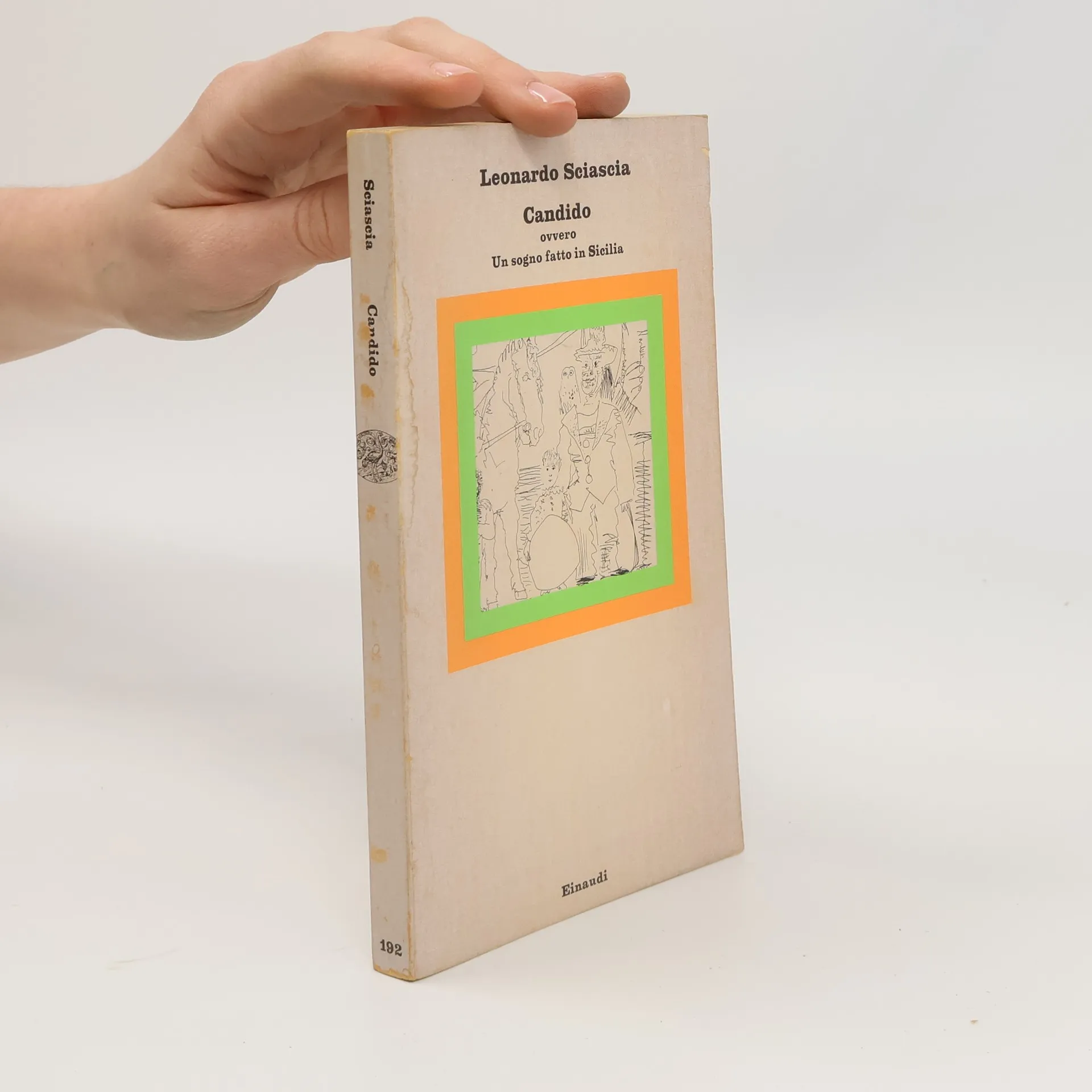
Candido Munafò wird in einer Höhle Siziliens in der Nacht der Landung der Amerikaner im Jahr 1943 geboren. Dieser Roman verfolgt die Ereignisse seines Lebens bis 1977 in einer Reihe von Kapiteln, die an Voltaire's "Candide" erinnern. Die Form des philosophischen Romans, die Sciascia besonders liegt, ermöglicht es ihm, die richtige Distanz zu wahren und verleiht diesem Buch einen leichten, luftigen Schritt, das vielleicht intimste und geheimnisvollste seiner Werke ist. "Die Dinge sind immer einfach", murmelt manchmal Candido. Es wird gerade sein Wunsch, die Dinge beim Namen zu nennen, sein, der ihm verschiedene Missgeschicke einbringt. Dieser sanfte, sture und nachdenkliche junge Mann erscheint schließlich in den Augen der Welt als ein kleines Monster.
La tante d'Amérique
- 84 pages
- 3 hours of reading
En Sicile, à la fin de la Seconde Guerre mondiale, un jeune garçon assiste au débarquement américain dans son petit village de Catane. Mais il est surtout le témoin d’un débarquement autrement plus décisif, au sein de sa famille celui-là : celui de sa «tante dAmérique», avec son cortège de dollars et de marchandises made in USA… Mêlant avec brio la grande et la petite histoire, le récit cocasse d’une période mouvementée à travers un regard d’enfant.
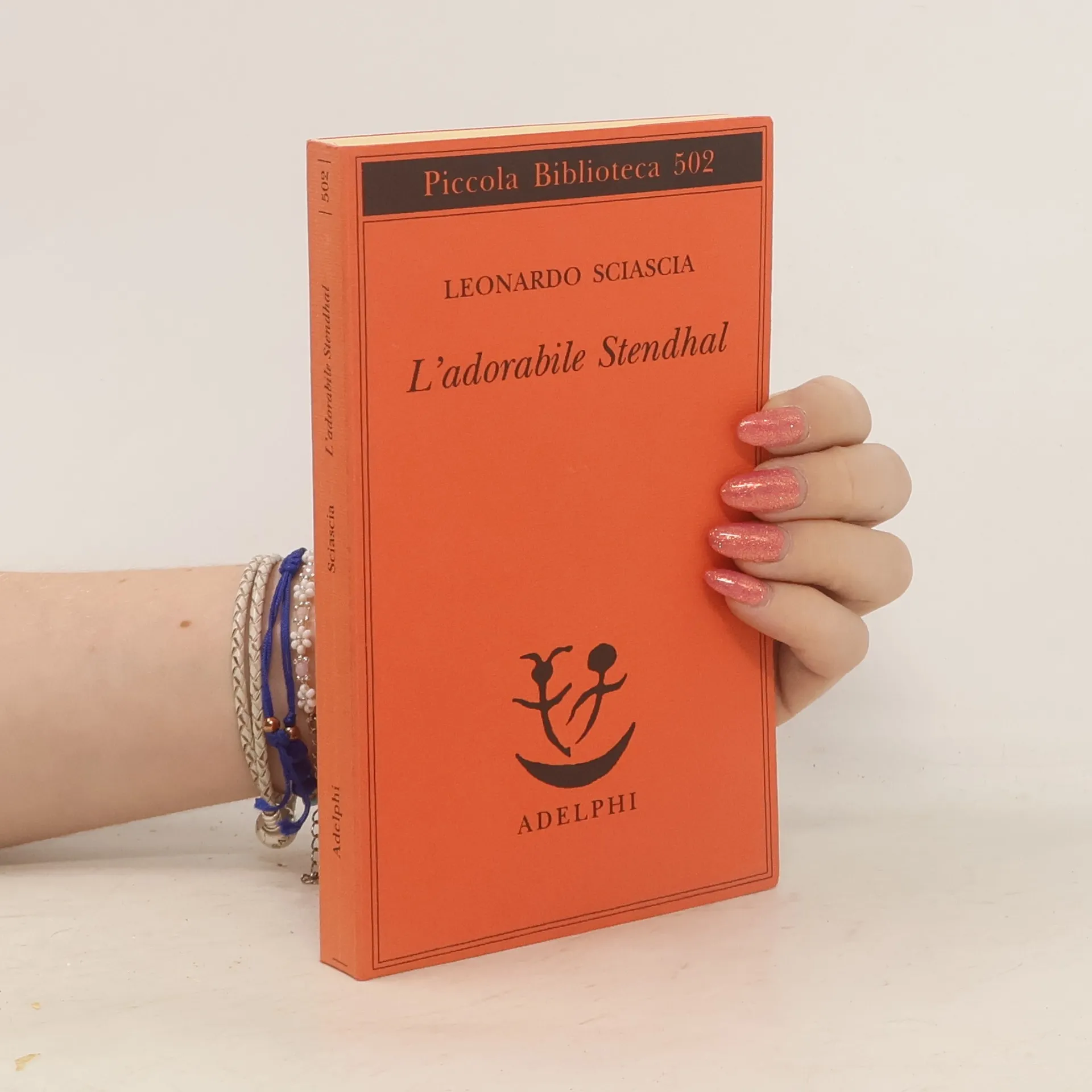
L'adorabile Stendhal
- 225 pages
- 8 hours of reading
Ha detto Sciascia, a proposito di adorabile: «Può darsi che questa parola io l’abbia qualche volta scritta, e sicuramente più volte l’ho pensata: ma per una sola donna e per un solo scrittore. E lo scrittore – forse è inutile dirlo – è Stendhal». Sciascia aveva per Stendhal un’ammirazione intima e appassionata (lo leggeva «in continua rotazione», e sempre facendo capo alla Certosa di Parma), imparagonabile a quella che nutriva per altri autori. Un’ammirazione che è anzitutto mimesi, identificazione – e che come tale corre, simile a un fiume sotterraneo, in molti suoi romanzi –, ma che, se si guarda agli scritti qui per la prima volta radunati, ha assunto forme molteplici e inaspettate. Come osserva Massimo Colesanti, Sciascia è stato insieme stendhaliano e stendhalista. Da romanziere ha intuito «le strutture e gli scatti psicologici più riposti» della scrittura di Stendhal, ma, da vero lettore-detective, ha anche indagato «i congegni, le “finzioni”, i trucchi, di cui quella scrittura è costruita», e ha saputo sventare depistaggi e mistificazioni, smascherando Stendhal – e seguendo dunque a ritroso quel percorso, a lui ben caro, che muove dalla cronaca e sboccia nell’invenzione.Gli scritti qui radunati erano dispersi in vari libri di Sciascia, apparsi fra il 1970 e il 1990.
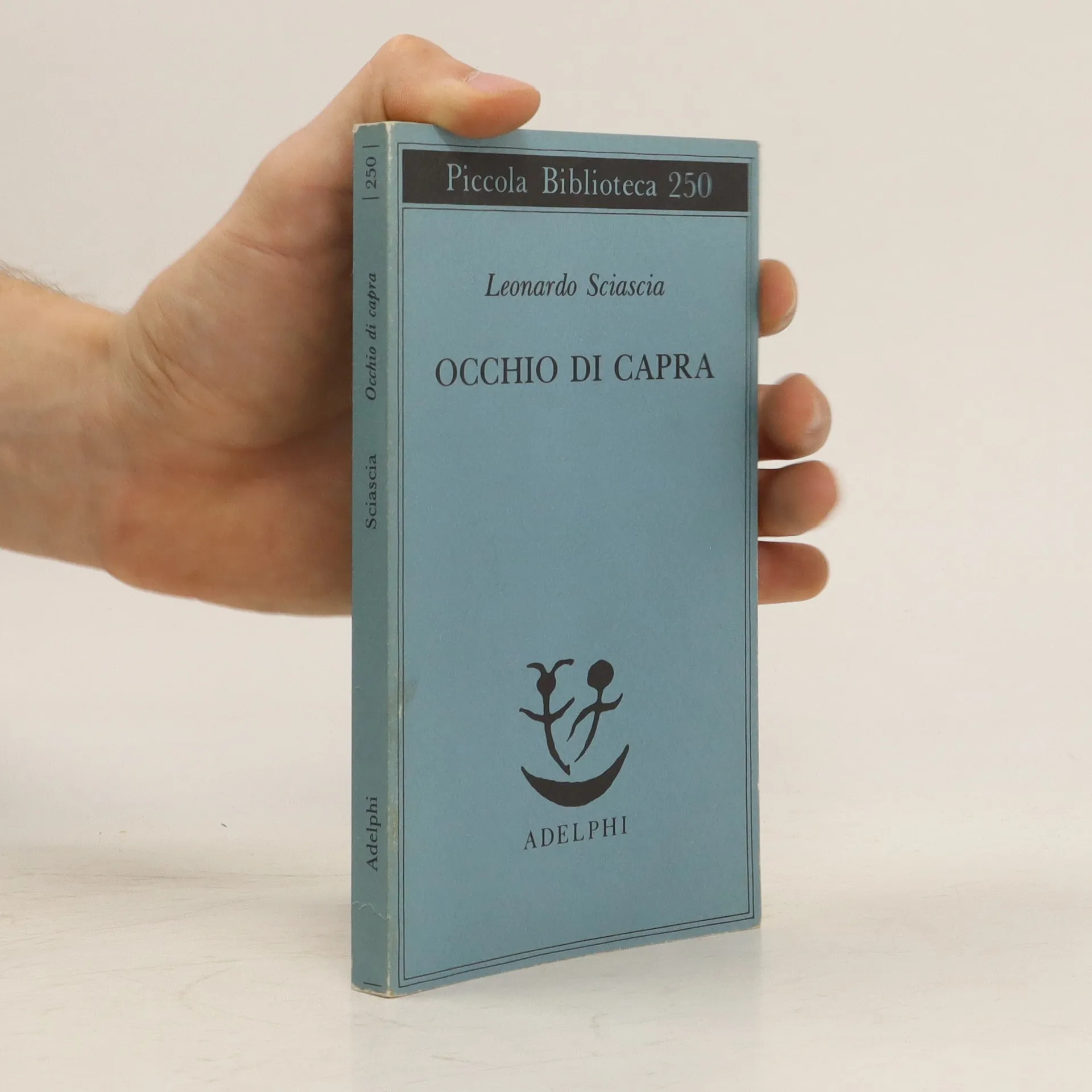
«Forse è a questa storia minima che io debbo l’attenzione che ho sempre avuto per la grande» scriveva Sciascia a proposito di questo libro. Pubblicato nel 1984 e qui riproposto con l’aggiunta di altre voci, che Sciascia aveva accumulato negli ultimi anni, Occhio di capra è forse la più agile e acuta introduzione alla civiltà siciliana che possiamo leggere. Il fondo è il più ricco e misterioso: la lingua. E Sciascia la indaga amorosamente, riconoscendo nei più bizzarri modi di dire la concrezione di interi racconti, di oscure intuizioni metafisiche, di temi favolistici. Così è nato questo libro, che Sciascia intendeva anche come omaggio, derivante quasi da un eccesso di conoscenza («Ho detto che mi pare di conoscere il paese anche nei suoi silenzi»), a Racalmuto, a quell’«isola nell’isola» dove «si ama più tacere che parlare» e perciò «quando si parla si sa essere precisi, affilati, acuti ed arguti».
Diese Kriminalgeschichte aus Sizilien hatte ganz einfach begonnen: ein Anruf bei der Polizei, ein offensichtlicher Selbstmord, klarer Fall. Doch letztlich wurde alles viel komplizierter als es den Anschein hatte ...
Così Sciascia volle presentare questo bellissimo libro di racconti, scritti fra il 1959 e il 1972: «... mi pare di aver messo assieme una specie di sommario della mia attività fino ad ora – e da cui vien fuori (e non posso nascondere che ne sono in un certo modo soddisfatto, dentro la mia più generale e continua insoddisfazione) che in questi anni ho continuato per la mia strada, senza guardare né a destra né a sinistra (e cioè guardando a destra e a sinistra), senza incertezze, senza dubbi, senza crisi (e cioè con molte incertezze, con molti dubbi, con profonde crisi); e che tra il primo e l'ultimo di questi racconti si stabilisce come una circolarità: una circolarità che non è quella del cane che si morde la coda». Resta da dire che il tempo trascorso non ha per nulla intaccato, e anzi esalta, la felicità e l'efficacia delle storie qui riunite come in un breve compendio delle molte voci narrative di Sciascia: scoprirle (o riscoprirle) oggi significa anche lasciarsi sorprendere dalla loro sconcertante, amara lucidità. Il mare colore del vino apparve per la prima volta nel 1973.
Secondo Ignazio di Loyola, gli esercizi spirituali sono il miglior modo per adeguarsi alla volontà divina. Ambientato in un eremo-albergo dedicato a tali esercizi, il romanzo di Leonardo Sciascia segue un pittore di successo di quarant'anni, che vi giunge per caso, attratto dalla curiosità. Le sue aspettative vengono soddisfatte. L'eremo, gestito da don Gaetano, un prete erudito e mondano, ospita un annuale «ritiro» di particolare interesse, con la partecipazione di vescovi, cardinali, politici e industriali. Presto emerge che gli esercizi spirituali servono come copertura per traffici e trattative volte a una più lucrosa spartizione del potere. Tuttavia, quando tutto sembra procedere senza intoppi, una serie di delitti inspiegabili sconvolge il piccolo universo concentrato. Sciascia inizia il racconto seguendo i canoni del «giallo», ma lo trasforma in un'opera più ricca e significativa, mantenendo una tensione esemplare. Il romanzo esplora, attraverso allusioni e ironia, la sostanza e l'arroganza del potere, la degenerazione della convivenza civile in un sistema clientelare e mafioso, e l'impossibilità di una giustizia, riflettendo sulla crisi di civiltà attuale.
Geniální jaderný fyzik z Fermiho týmu, dvaatřicetiletý Ettore Majorana, záhadně zmizel vpředvečer druhé světové války. Brilantní esej-příběh proslulého italského spisovatele o této události je pokusem dokumentárně rekonstruovat drama předcházející Majoranovu zmizení, které nebylo dodnes uspokojivě vysvětleno. Je navíc také strhující literaturou s detektivní zápletkou, již se L. Sciascia s vlastní pozoruhodnou invencí pokouší rozplést. Svou morální naléhavostí pak Sciasciova esej může připomenout protiválečné prózy a dramata Karla Čapka.
Il lungo viaggio. Racconto integrale tratto da Il Mare Colore del Vino.
- 61 pages
- 3 hours of reading
Racconto integrale tratto da Il mare colore de vino.
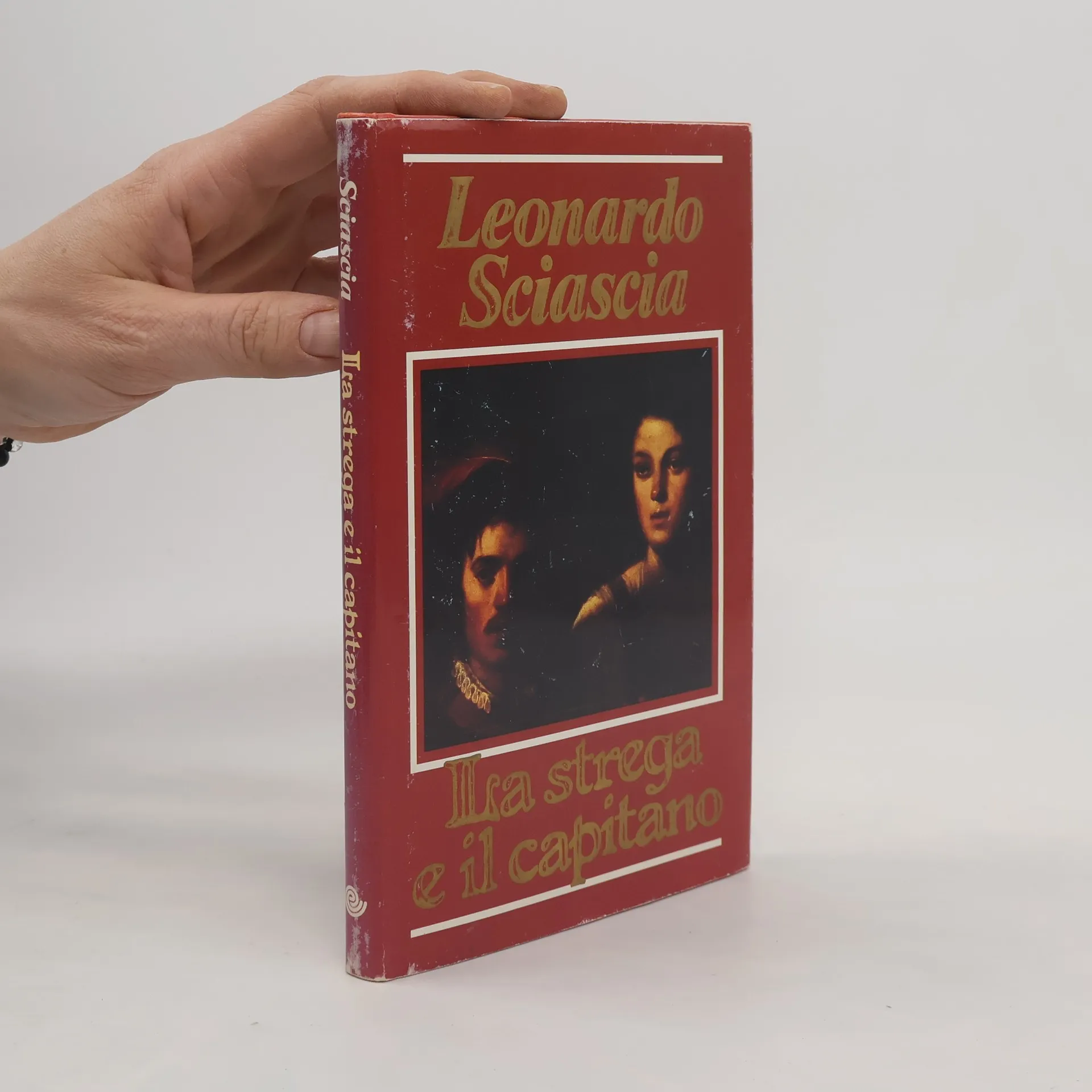
Il romanzo dell’oscura, crudele Sicilia. Il dramma di un investigatore lucido che, quanto più indagava, tanto più «nell’equivoco, nell’ambiguità, moralmente e sensualmente si sentiva coinvolto».
Il Consiglio d'Egitto
- 170 pages
- 6 hours of reading
Abdallah Mohamed ben Olman, ambasciatore del Marocco, si trova a Palermo nel dicembre 1782, per via di una tempesta che ha fatto naufragare la sua nave sulle coste siciliane. È questo il caso che fa nascere, nella mente dell’abate Vella, maltese, e incaricato di mostrare all’ambasciatore le bellezze di Palermo, un disegno audacissimo: far passare il manoscritto arabo di una qualsiasi vita del profeta, conservato nell’isola, per uno sconvolgente testo politico, Il Consiglio d’Egitto, che permetterebbe l’abolizione di tutti i privilegi feudali e potrebbe perciò valere da scintilla per un complotto rivoluzionario. Così «dall’ansia di perdere certe gioie appena gustate, dall’innata avarizia, dall’oscuro disprezzo per i propri simili, prontamente cogliendo l’occasione che la sorte gli offriva, con grave ma lucido azzardo, Giuseppe Vella si fece protagonista della grande impostura». Pubblicato per la prima volta nel 1963, Il Consiglio d’Egitto è in certo modo l’archetipo, e il più celebrato, fra i romanzi-apologhi di Sciascia, dove lo sfondo storico della vicenda si anima fino a diventare una scena allegorica, che in questo caso accenna alla storia tutta della Sicilia.
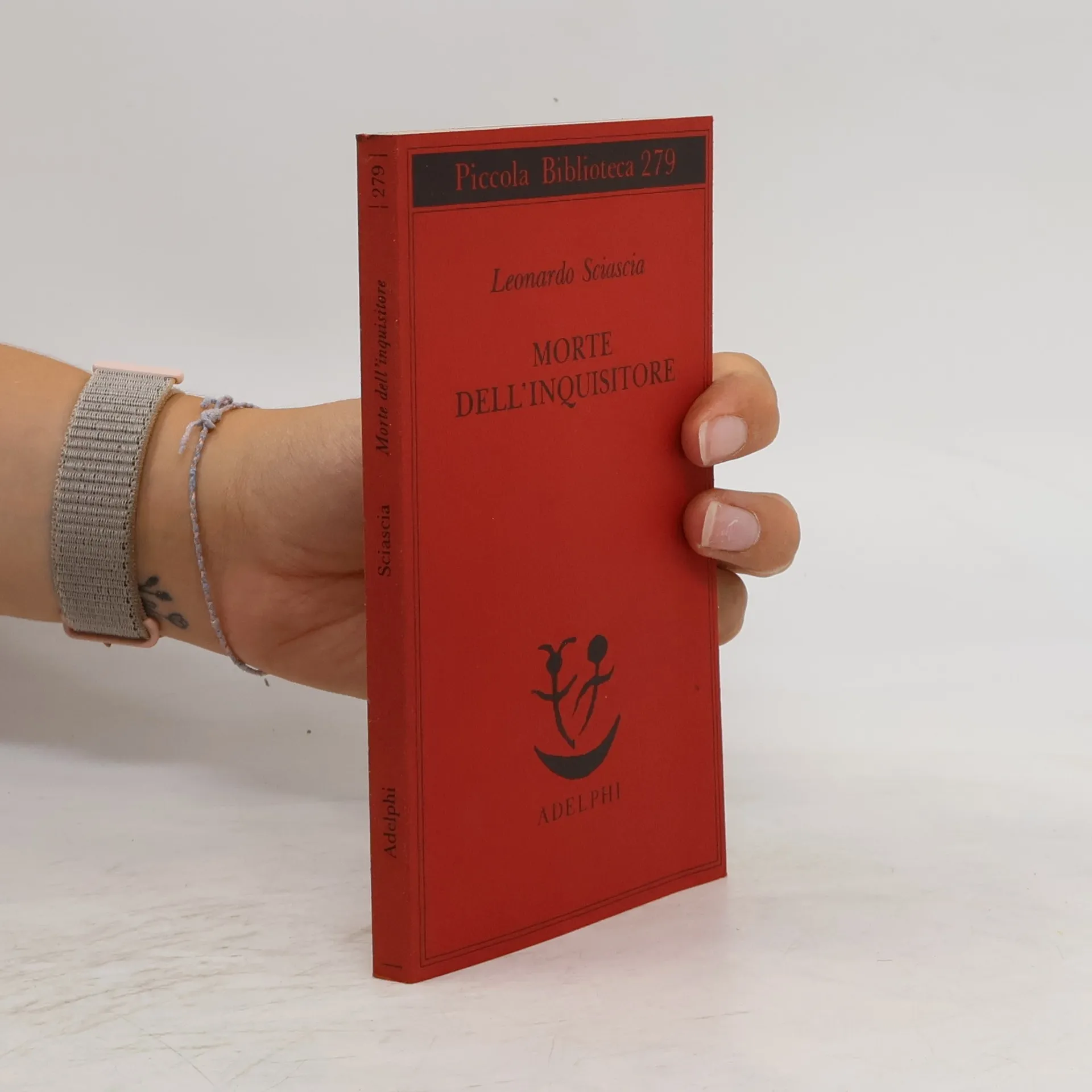
Piccola Biblioteca - 279: Morte dell'Inquisitore
- 117 pages
- 5 hours of reading
Morte dell’inquisitore (1964) occupa un luogo del tutto a parte nell’opera di Leonardo Sciascia. La ragione ne fu data dall’autore stesso: «è un libro non finito, che non finirò mai, che sono sempre tentato di riscrivere e che non riscrivo aspettando di scoprire ancora qualcosa». Un libro, dunque, fondato su un mistero non del tutto svelato, forse non del tutto svelabile. E inoltre il libro dove Sciascia ha disegnato la figura di un suo antenato ideale, l’eretico Diego La Matina («personaggio che non doveva più lasciarmi»). Il tema dell’Inquisizione, infine, rimane (e rimarrà sempre) quanto mai delicato, perché – come scrisse Sciascia stesso con memorabile efficacia – «appena si dà di tocco all’Inquisizione, molti galantuomini si sentono chiamare per nome, cognome e numero di tessera del partito cui sono iscritti». Parole che ci fanno intendere, come meglio non si potrebbe, l’attualità immediata che questo libro ha per noi e confermano un’altra annotazione di Sciascia: «Mi sono interessato all’Inquisizione poiché questa è lungi dal non esistere più nel mondo».
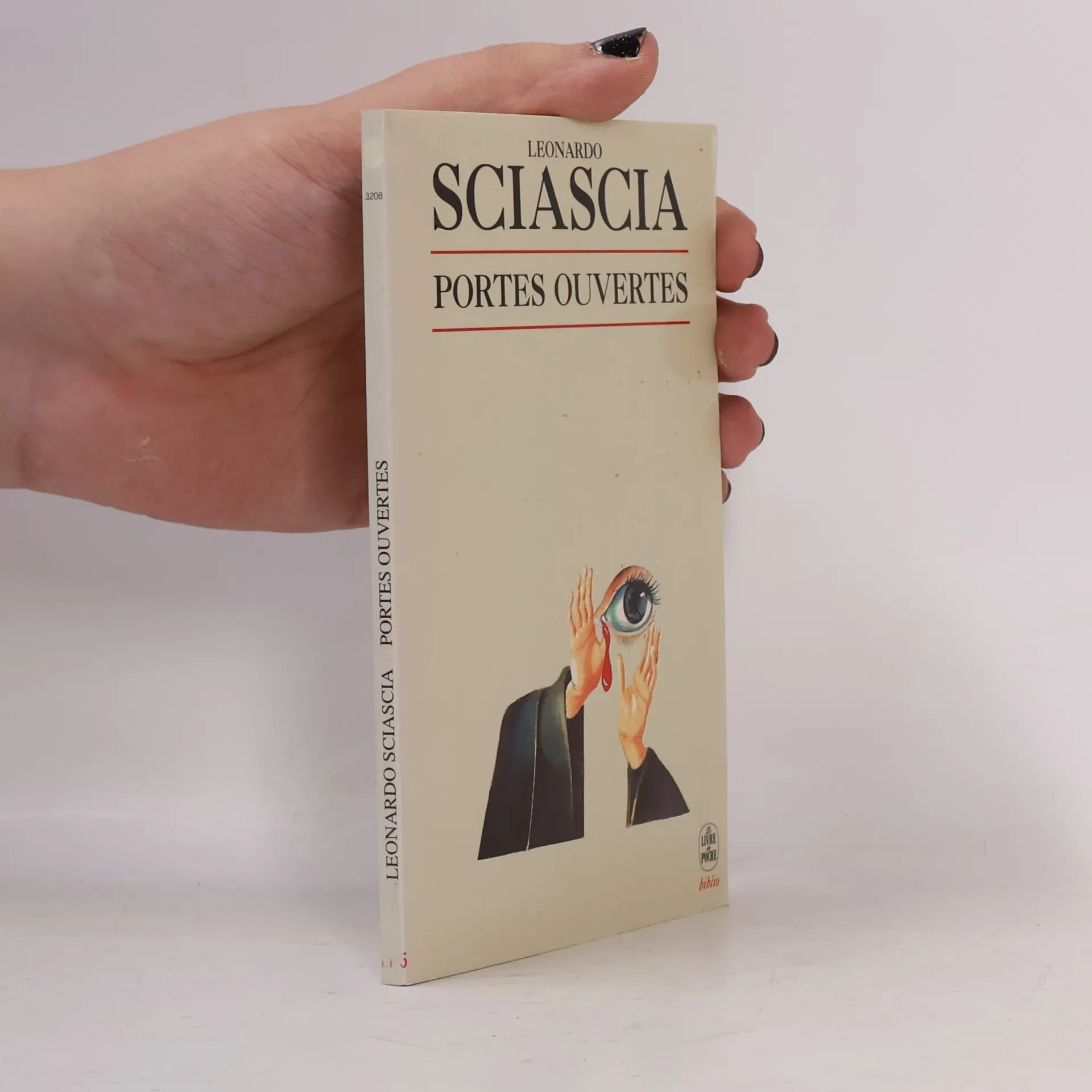
Livre de Poche: Portes ouvertes
- 91 pages
- 4 hours of reading
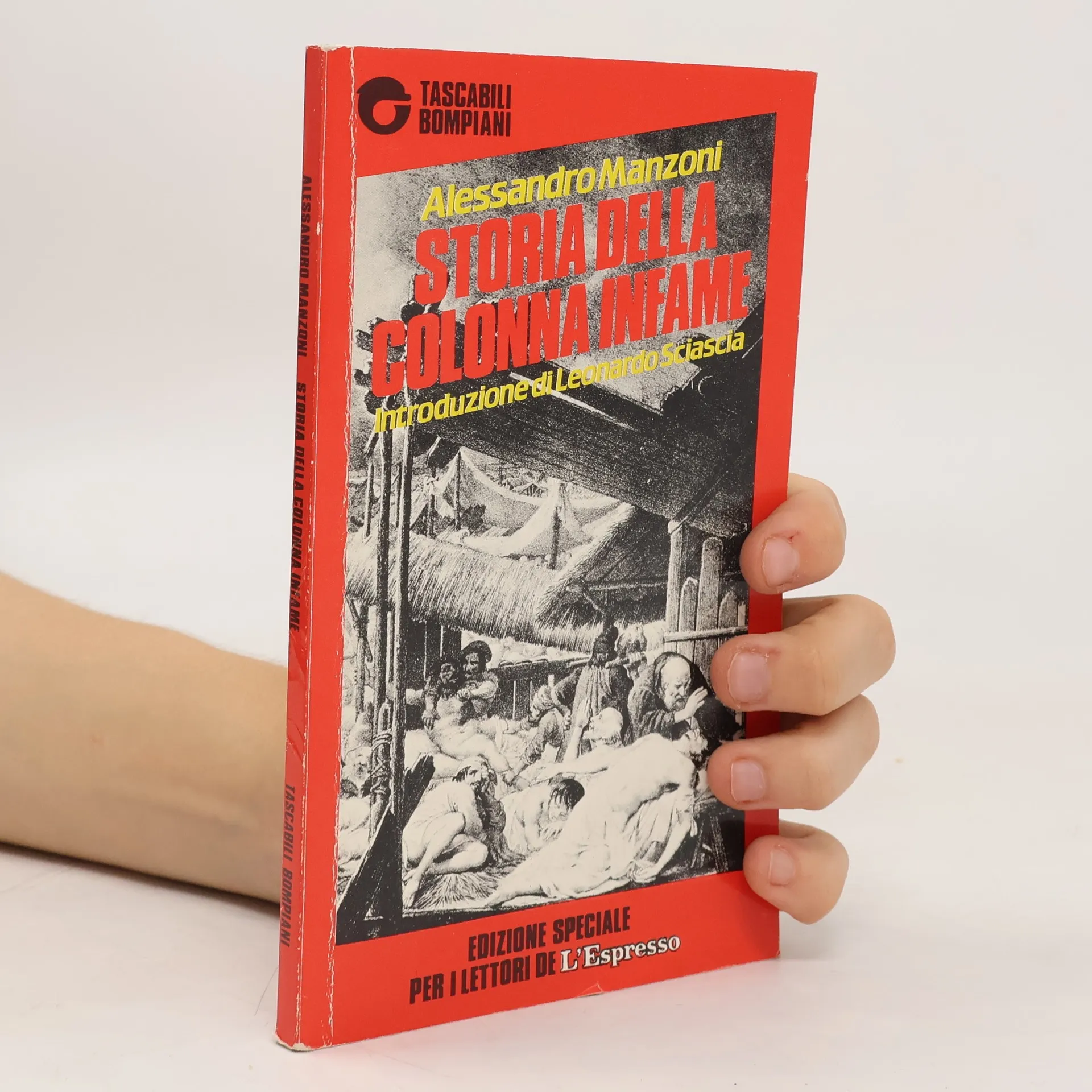
In un tempo, come l'attuale, di dolorosi e talvolta dilaniati assilli giudiziari e processuali, forse nessun testo può risultare all'ordine del giorno meglio di queste scarne e terribili pagine della Storia della colonna infame di Alessandro Manzoni. E' vero che si trattava in quel caso di sventurati innocenti. Argomento, la ricostruzione giuridico-normativa del processo svoltosi nel 1630, durante la peste che fa da tragico fondale dei Promessi sposi, contro due incolpati di "unzione". Destinata dapprima a formare un capitolo del romanzo, ne fu poi avulsa e fu pubblicata come appendice all'edizione del capolavoro del 1840.
Portes obertes
- 110 pages
- 4 hours of reading
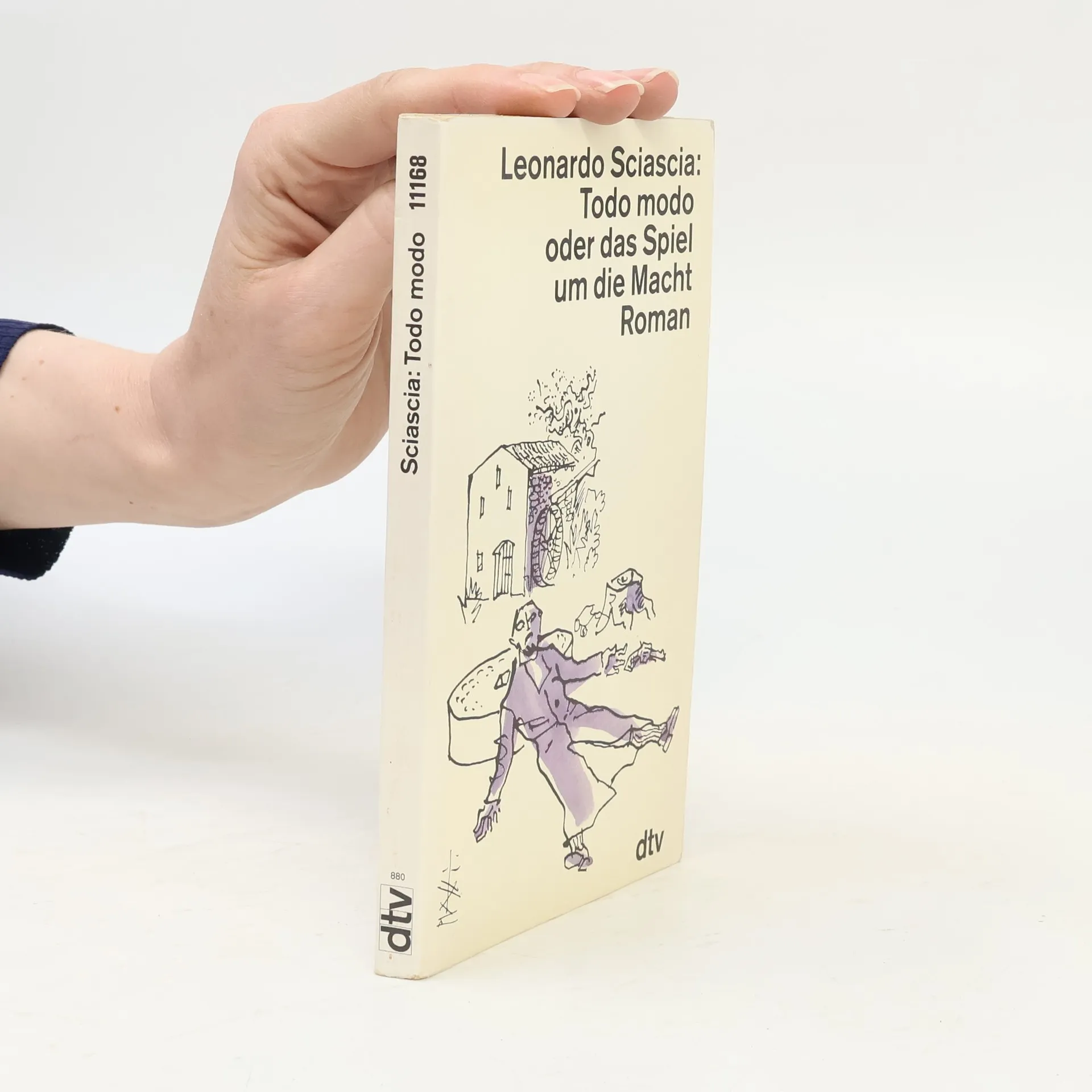
Todo modo oder das Spiel um die Macht
- 126 pages
- 5 hours of reading
Sizilianische Verwandtschaft
- 238 pages
- 9 hours of reading
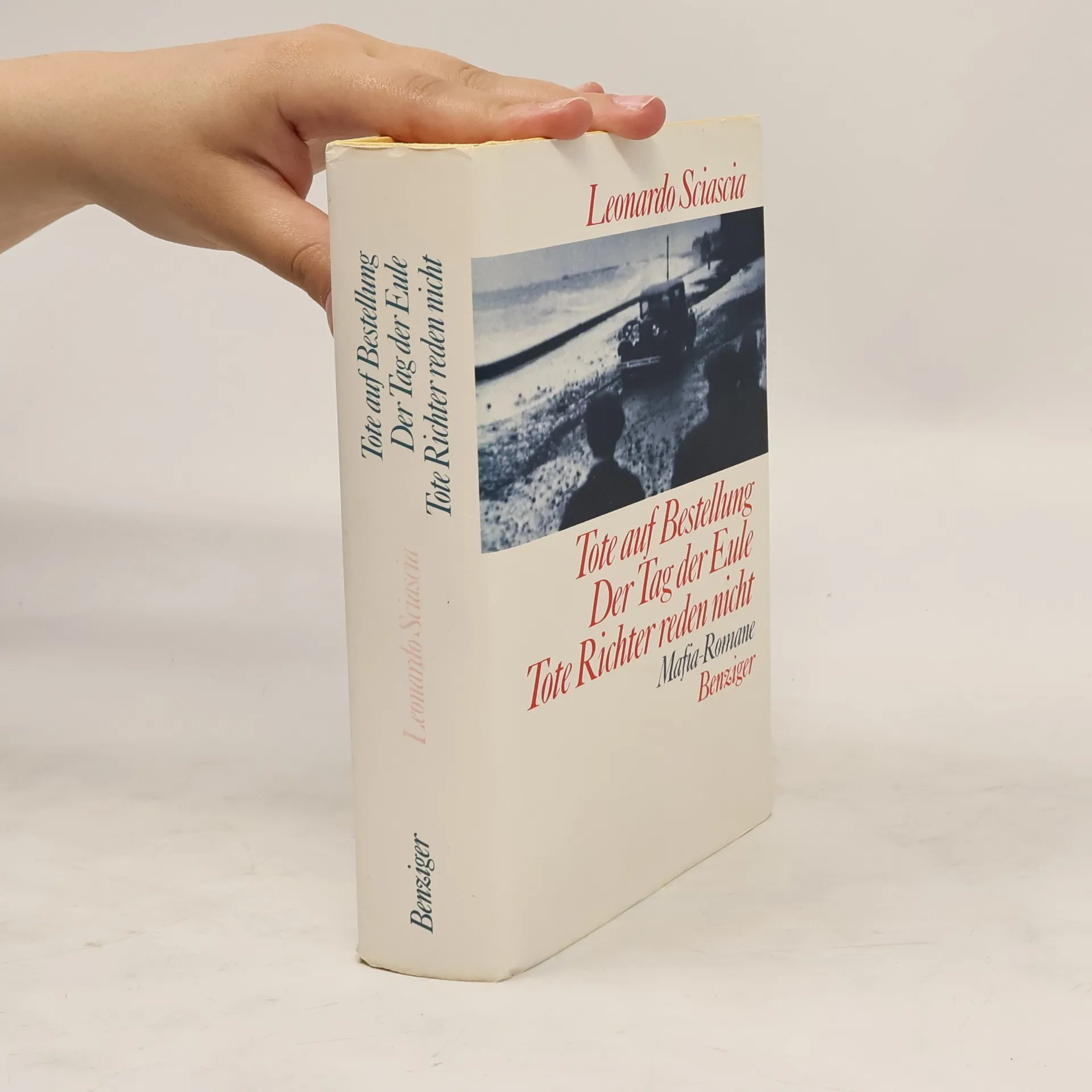
Tote auf Bestellung. Der Tag der Eule. Tote Richter reden nicht. Mafia-Romane
- 431 pages
- 16 hours of reading
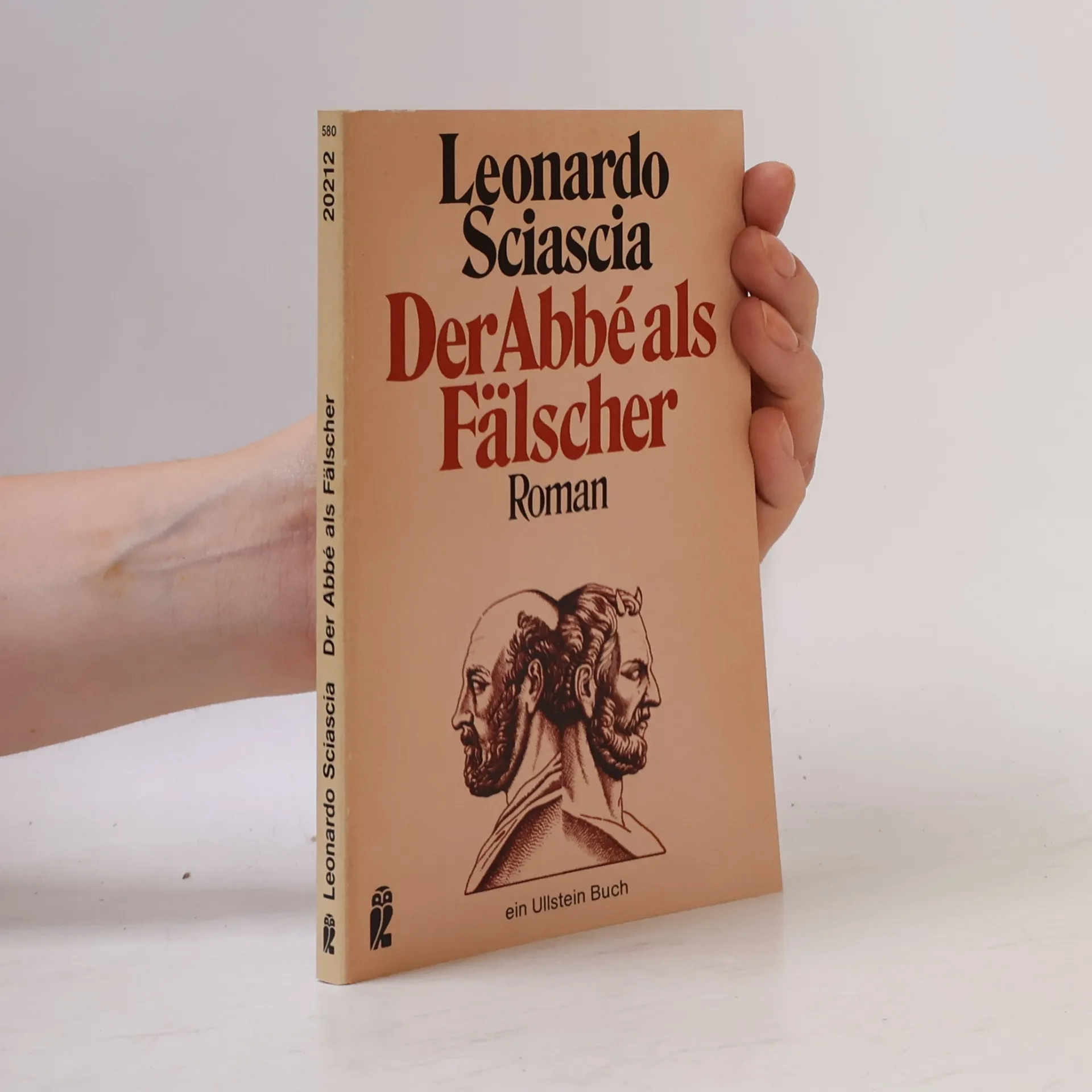
Der Abbe als Fälscher.
- 140 pages
- 5 hours of reading
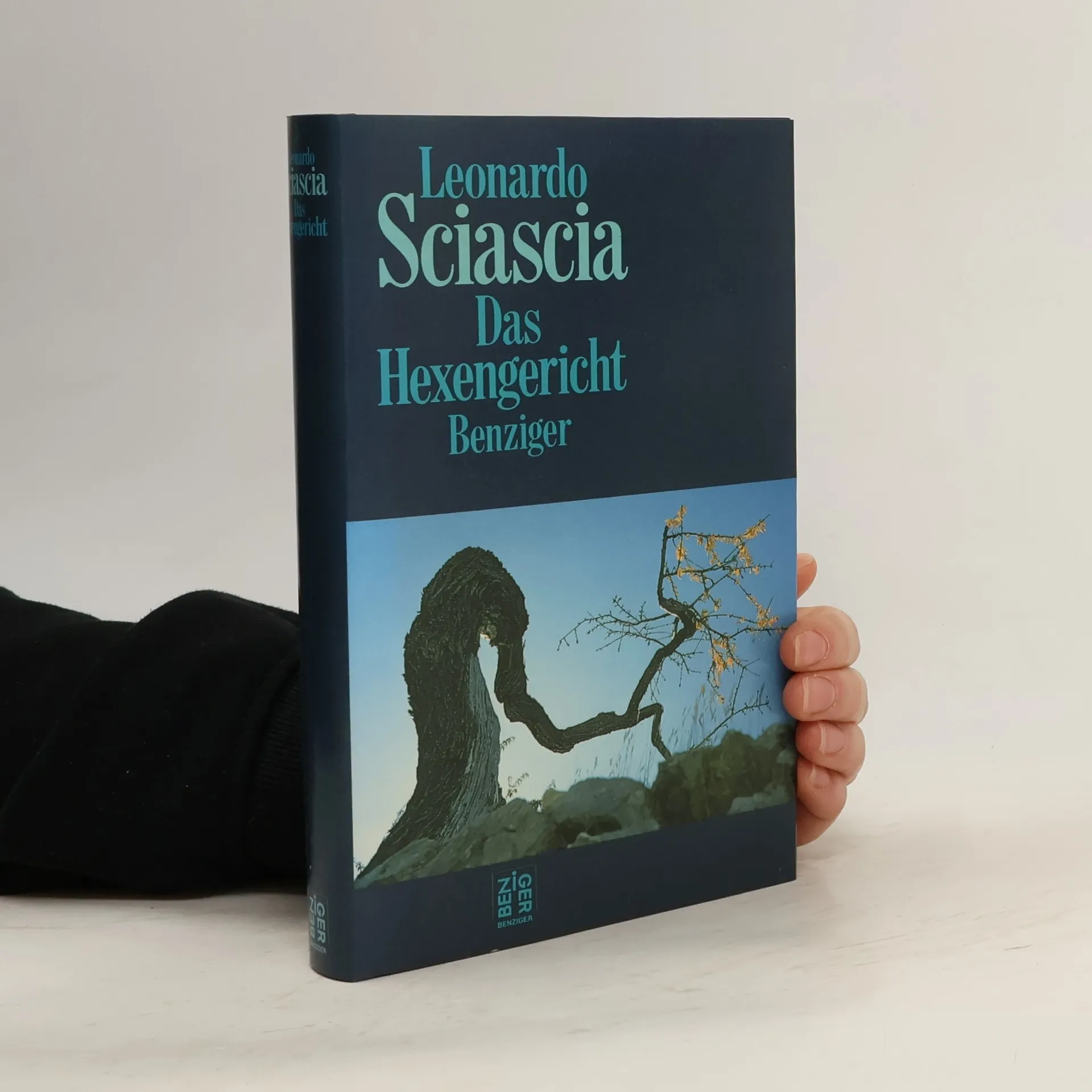
Das Hexengericht
- 251 pages
- 9 hours of reading
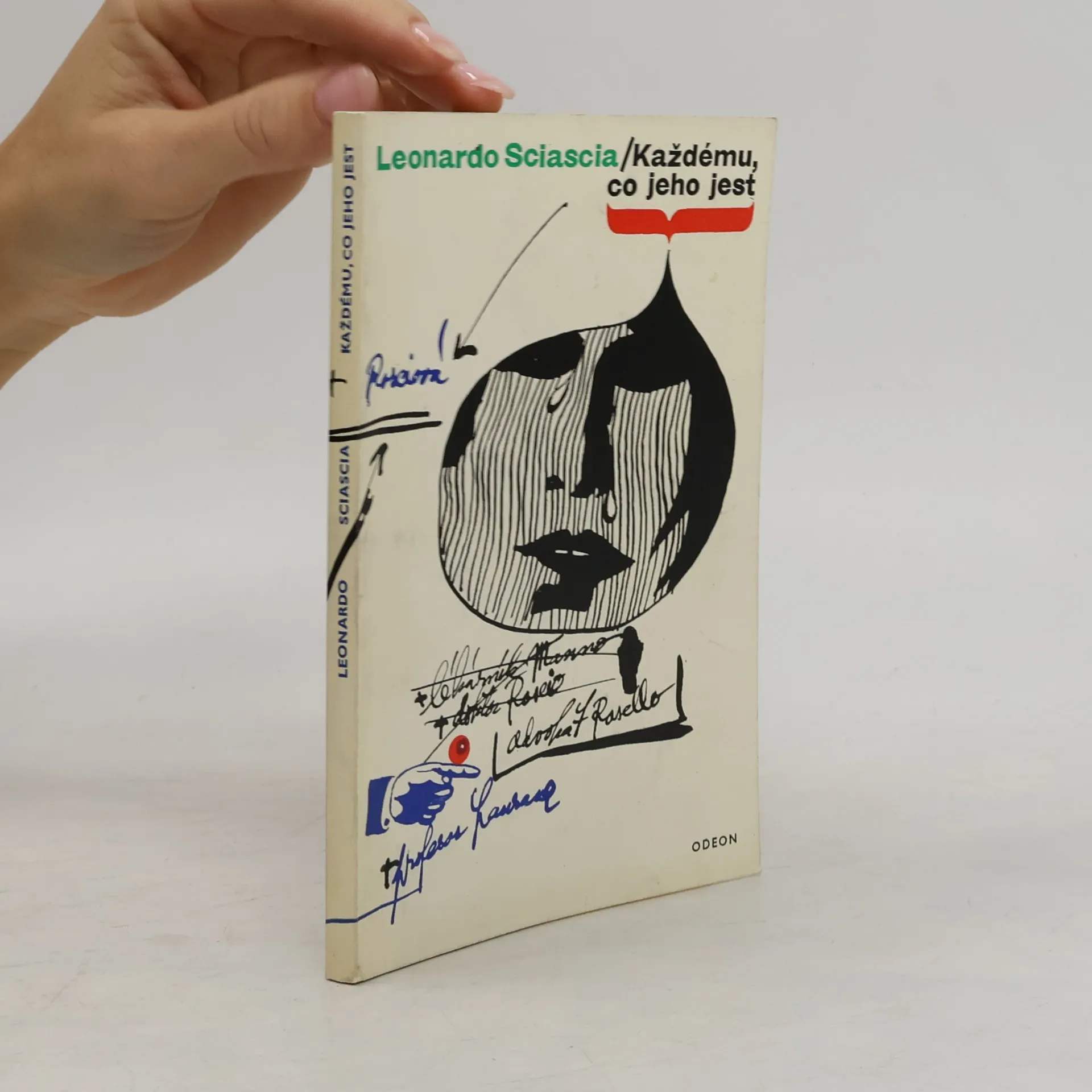
An einem langweiligen Augustnachmittag erhält der Apotheker eines kleinen sizilianischen Dorfes eine anonyme Todesdrohung, die er jedoch nicht ernst nimmt. Tage später wird der Apotheker zusammen mit einem anderen angesehenen Dorfbewohner, dem Arzt Roscio, ermordet aufgefunden. Während die Gerüchte irreparable Schäden anrichten und Polizei und Carabinieri im Dunkeln tappen, verfolgt nur Laurana, ein unauffälliger, aber gebildeter Lehrer, eine Spur, die möglicherweise zum Mörder führt. Er entdeckt, dass das anonym verfasste Schreiben aus Wörtern zusammengesetzt ist, die aus einer katholischen und konservativen Zeitung, L’Osservatore Romano, ausgeschnitten wurden, da dessen Logo, Unicuique suum — „Jedem das Seine“ — auf der Rückseite der Ausschnitte steht. Er beginnt, nicht nur das Leben der Opfer, sondern auch das der Nachbarn, die diese Zeitung abonniert haben, zu durchleuchten. Unfähig, die Gefahr zu erkennen, in die ihn seine Entdeckungen führen, wird Laurana zum Protagonisten dieses brillanten Kriminalromans, in dem die Wahrheit ihre Kräfte gegen die Interessen der Mächtigen misst.
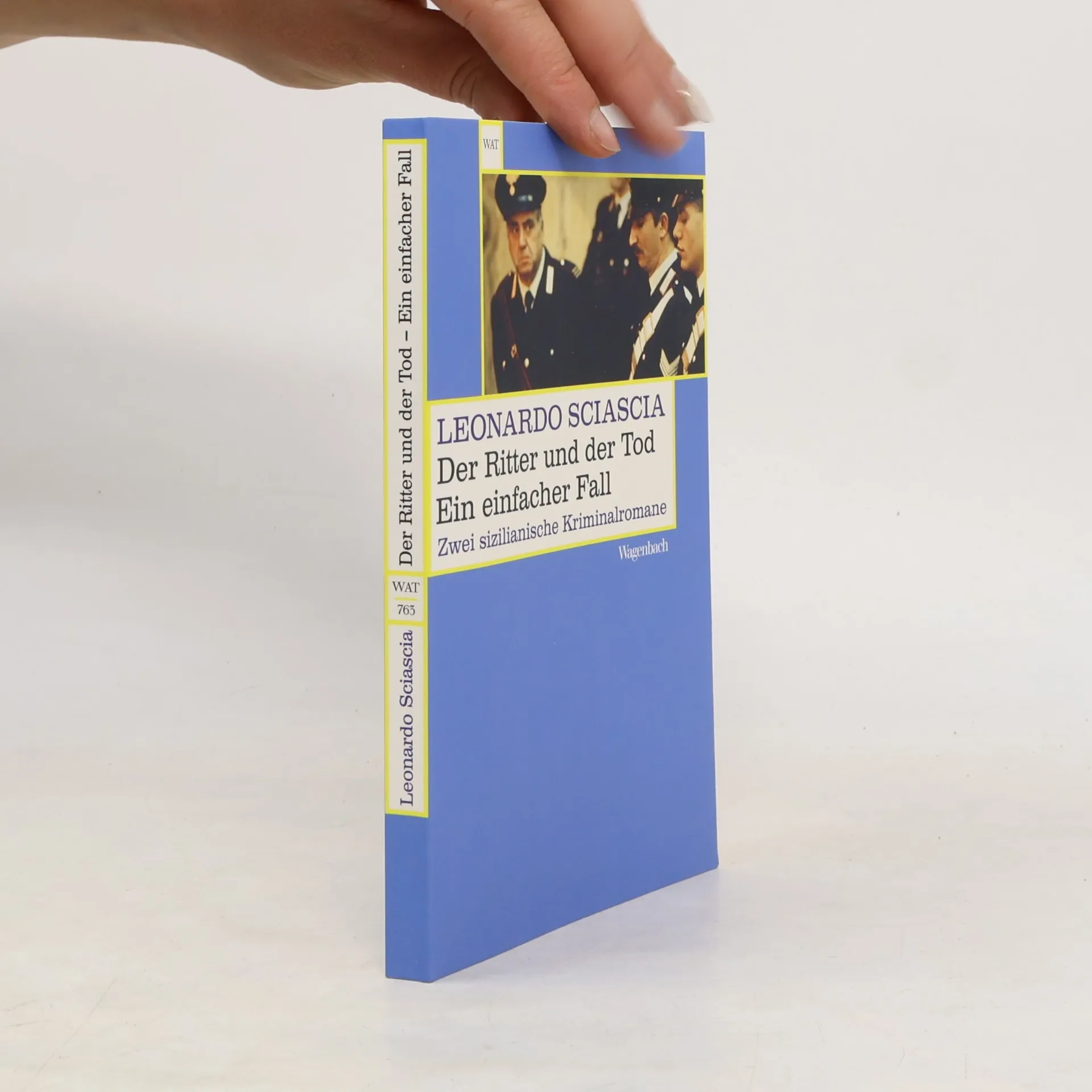
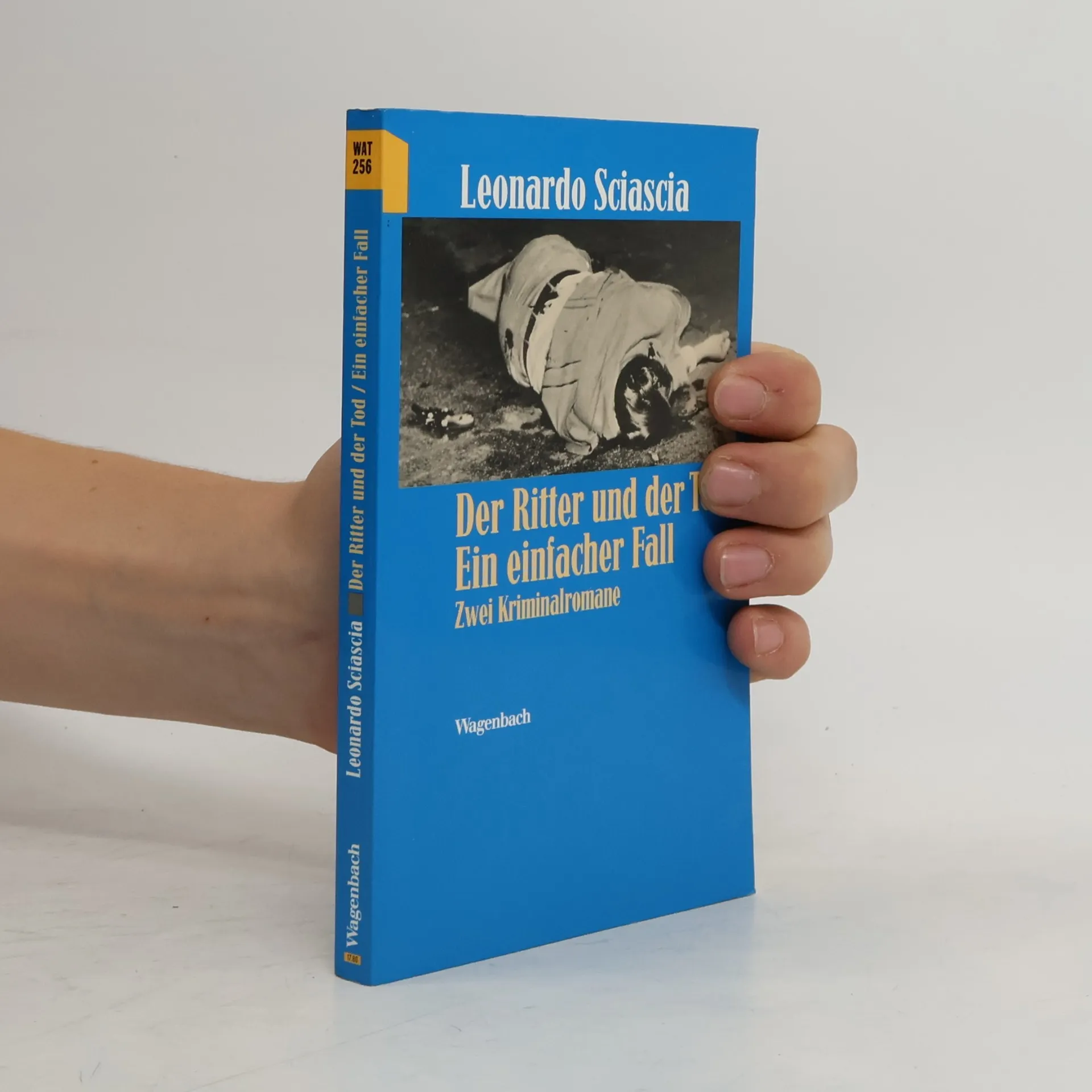
Der Ritter und der Tod
- 128 pages
- 5 hours of reading
Leonardo Sciascia war nicht nur der Erste, der überhaupt die Mafia in seinen Romanen thematisierte. Was seine Krimis so außergewöhnlich macht, ist seine intime Kenntnis des Staats und dessen Verstrickung mit dem Verbrechen, die er als Parlamentsabgeordneter gewonnen hat. Da ruft ein Mann in der Questura an und möchte den Polizeipräsidenten sprechen, da er etwas Ungeheuerliches entdeckt habe. Aber es ist Samstagabend, das Fest des heiligen Josef steht vor der Tür, da kann die Sache schon ein wenig warten – findet der Kommissar. Aber als sein untergebener Brigadiere am nächsten Tag doch auf dem Landsitz des Anrufers vorbeischaut, sitzt dieser erschossen an seinem Schreibtisch. Offenbar hat er seinem Mörder selbst die Tür geöffnet …
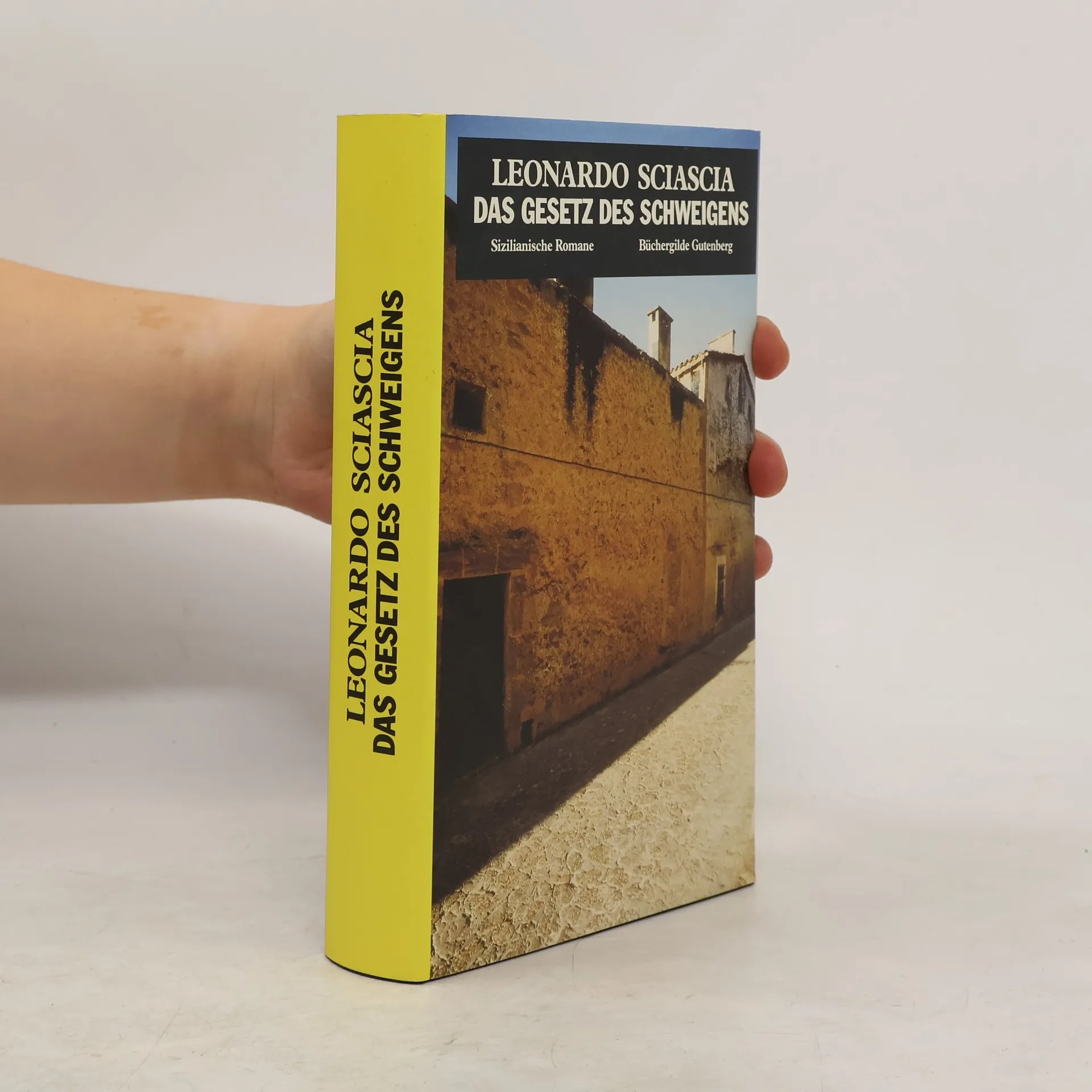
Das Gesetz des Schweigens
- 431 pages
- 16 hours of reading
Die drei berühmtesten Romane (Tag der Eule, Jedem das Seine, Der Zusammenhang) des großen italienischen Autors in einem Band - beängstigend aktuell und spannend wie am ersten Tag. Die Hilflosigkeit der Gerechten und die Verstrickung auch angesehener Bürger in die Machenschaften der Mafia, ja, deren Allgegenwart im sizilianischen Leben - dies sind die Themen, die Sciascia in seinem Werk mit großer Leidenschaft verfolgt und die die thematische Klammer für diese drei Romane bilden. Europäische Tradition und aufklärerische Vernunft kennzeichnen das literarische Werk des Sizilianers Leonardo Sciascia. Frankfurter Allgemeine Zeitung
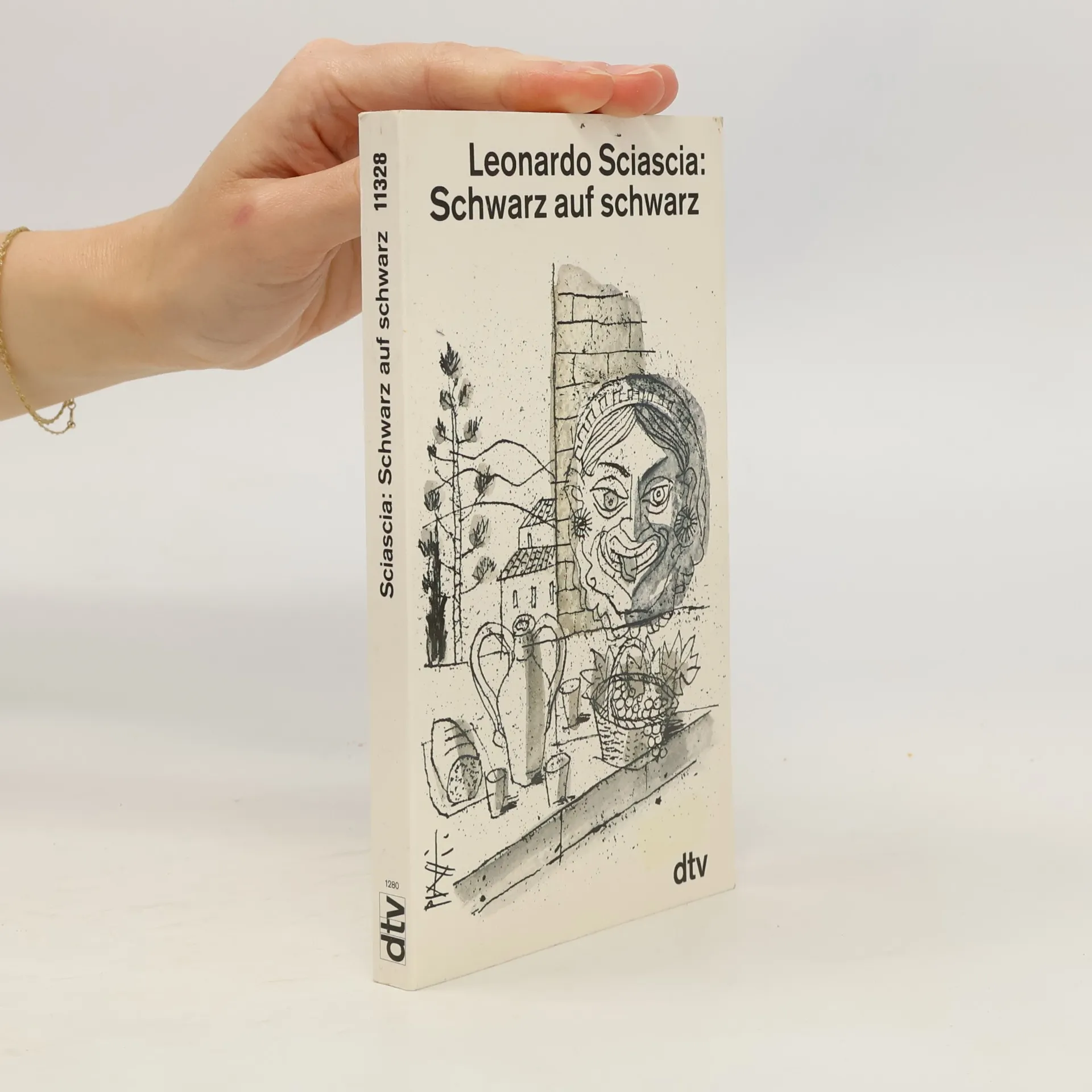
Schwarz auf schwarz
- 272 pages
- 10 hours of reading
Quando il libro apparve nel 1979, suscitò ampio dibattito, soprattutto per le osservazioni di Sciascia sulla realtà pubblica italiana, descritta come un paese «senza verità», dal caso del bandito Giuliano all'affare Moro. Leggendolo oggi, emerge chiaramente un'altra dimensione: Sciascia vi ha racchiuso riflessioni fondamentali sul suo approccio alla scrittura e alla letteratura. Qui, la letteratura è definita come un «sistema di “oggetti eterni”» che brillano e si eclissano alla luce della verità. Queste parole, unite a quelle che affermano che la letteratura rappresenta la forma più pura della verità, rivelano come ciò che era personale e intimo per Sciascia si intrecciasse con gli eventi della cronaca. Il libro, frutto di dieci anni di lavoro tra il 1969 e il 1979, è guidato da un imperativo di chiarezza e nettezza, risultando indispensabile per comprendere Sciascia, in particolare il suo ultimo periodo. Il titolo stesso risponde in modo parodistico alle accuse di pessimismo che lo colpirono, offrendo «la nera scrittura sulla nera pagina della realtà».
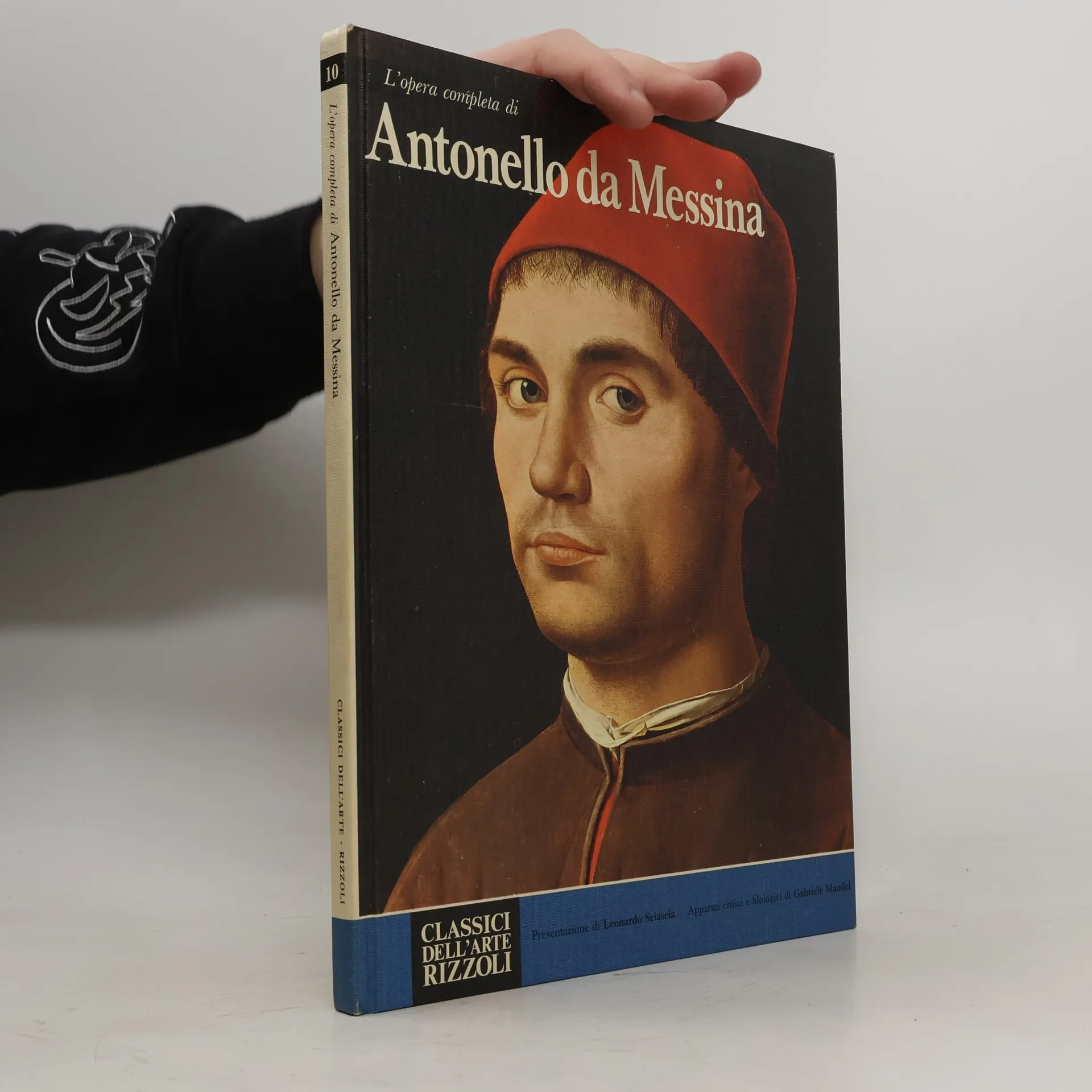
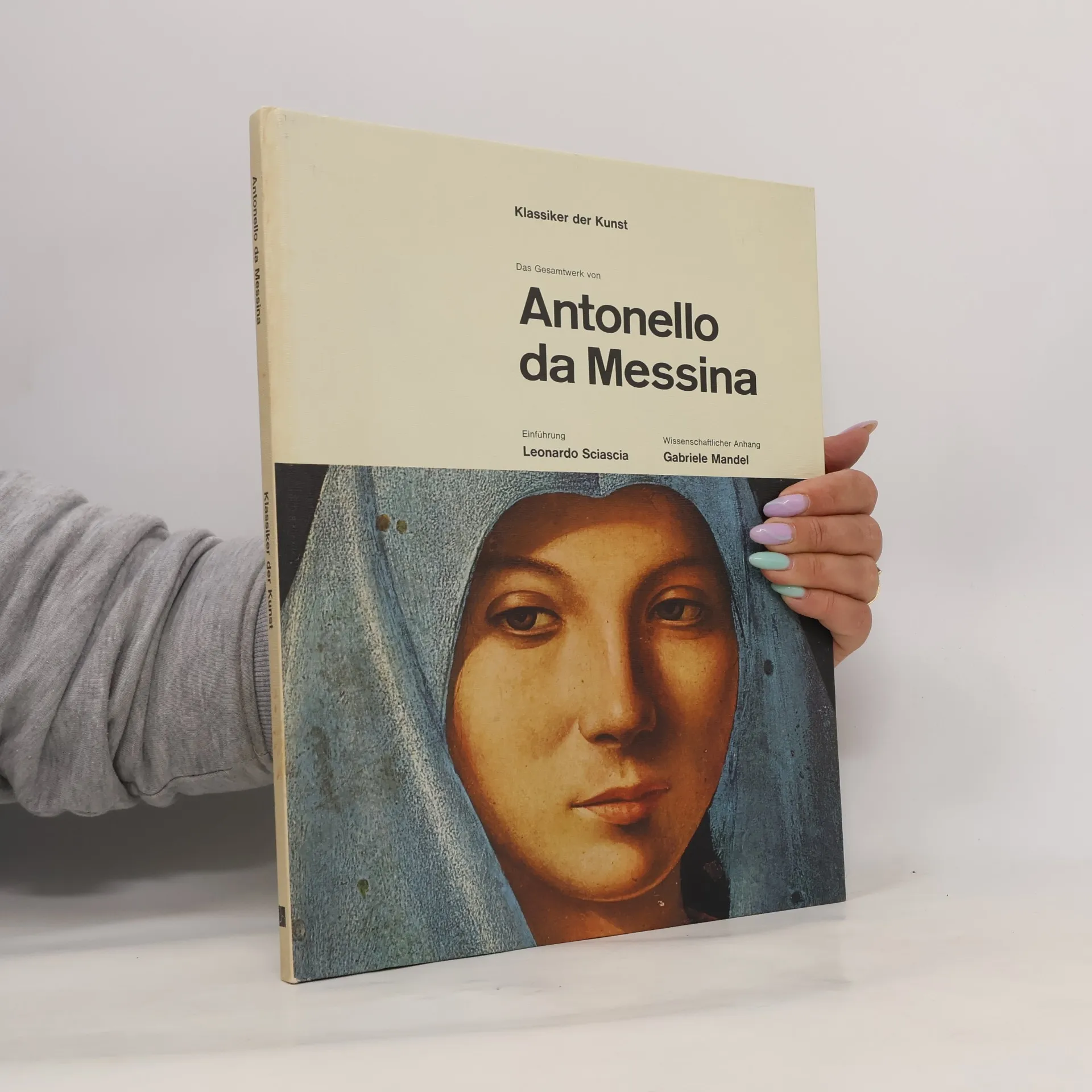
Antonello da Messina
Das Gesamtwerk von Antonello da Messina
De Context
Een parodie
‘Een parodie' noemde Leonardo Sciascia (1921-1989) dit verhaal dat in 1971 in Italië verscheen. De gebeurtenissen spelen zich af in een denkbeeldig land, dat sterk aan Italië doet denken, in een periode waarin allerhande subversieve en zogenaamd revolutionaire groeperingen welig tierden. Inspecteur Rogas, het type van de geletterde, bekwame en integere speurder dat we bij Sciascia zo vaak tegenkomen, wordt belast met het onderzoek naar een reeks mysterieuze moorden op hoge magistraten. Maar als hij het spoor van de vermoedelijke dader wil volgen (een door de vermoorde magistraten destijds ten onrechte veroordeelde apotheker), wordt hij gedwarsboomd door zijn superieuren, die veel meer dan in de waarheid geïnteresseerd zijn in het vinden van de ideale zondebok, in dit geval een lid van een van die marginale groeperingen waarmee regeringspersonen en industriëlen ogenschijnlijk de beste betrekkingen onderhouden. Met zijn laconieke, van ironie doortrokken verteltrant voert Sciascia ons aan de hand van Rogas binnen in een spel van politiek opportunisme en staatsgevaarlijke samenzweerderij. Hoe Rogas voor zijn burgerlijke verantwoordelijkheidsgevoel betaalt, zien we aan het slot waarin, ook al gebruikelijk bij Sciascia, veel zaken in het ongewisse worden gelaten.
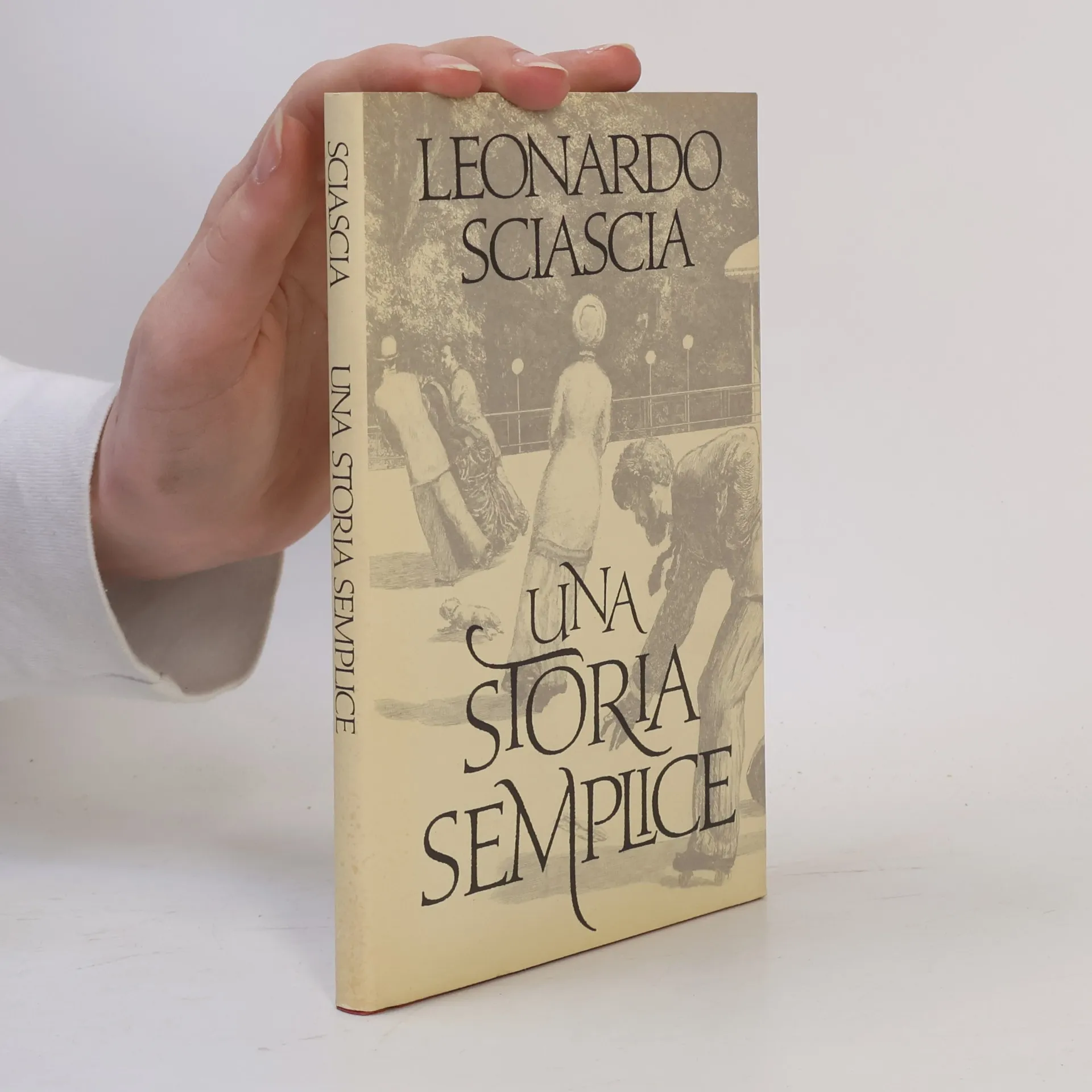
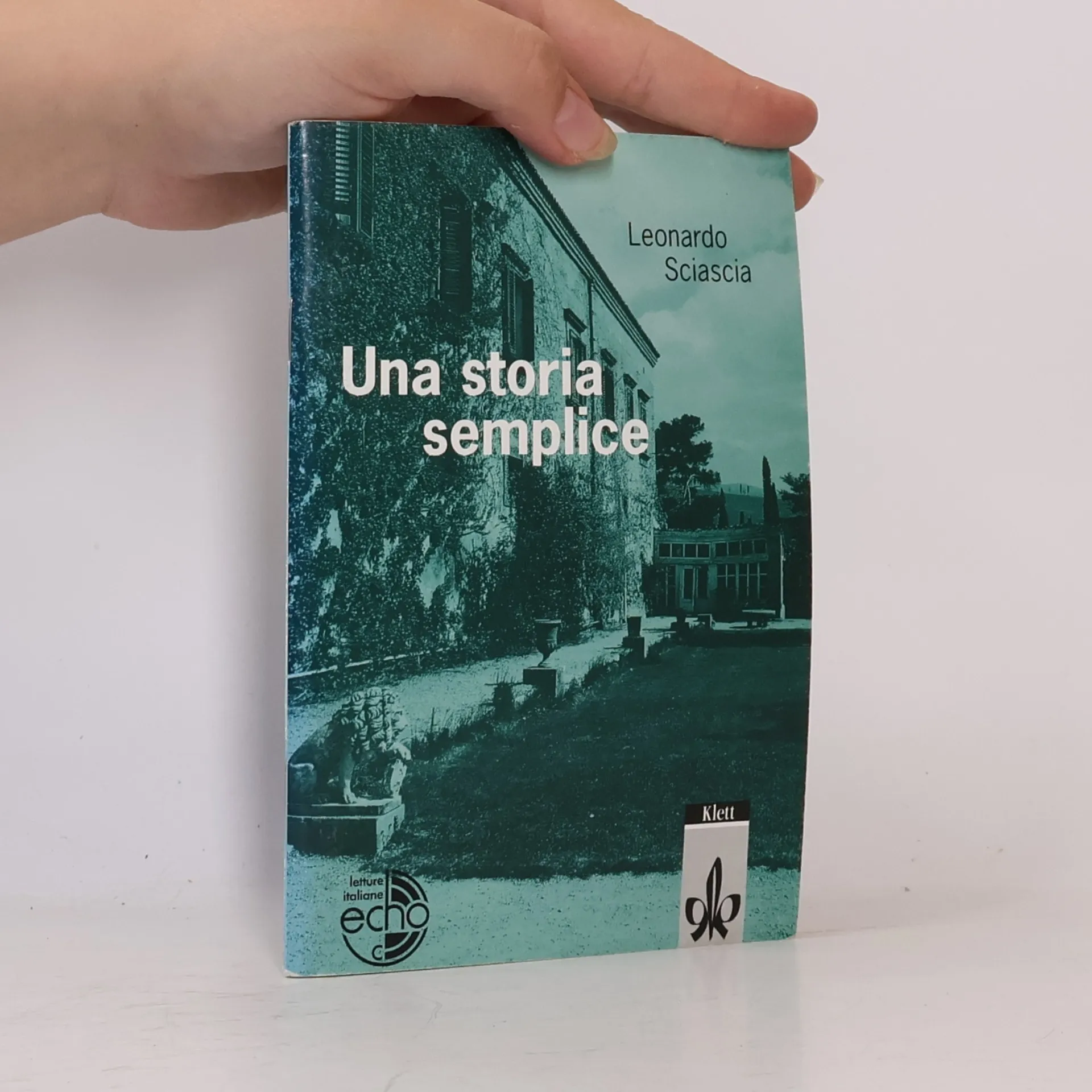
Una storia semplice: Lernmaterialien
- 64 pages
- 3 hours of reading
Una storia semplice è una storia complicatissima, un giallo siciliano, con sfondo di mafia e droga. Eppure mai – ed è un vero tour de force – l'autore si trova costretto a nominare sia l'una sia l'altra parola. Tutto comincia con una telefonata alla polizia, con un messaggio troncato, con un apparente suicidio. E subito, come se assistessimo alla crescita accelerata di un fiore, la storia si espande, si dilata, si aggroviglia, senza lasciarci neppure l'opportunità di riflettere. Davanti alla proliferazione dei fatti, non solo noi lettori ma anche l’unico personaggio che nel romanzo ricerca la verità, un brigadiere, siamo chiamati a far agire nel tempo minimo i nostri riflessi – un tempo che può ridursi, come in una memorabile scena del romanzo, a una frazione di secondo. È forse questo l'estremo azzardo concesso a chi vuole «ancora una volta scandagliare scrupolosamente le possibilità che forse ancora restano alla giustizia».
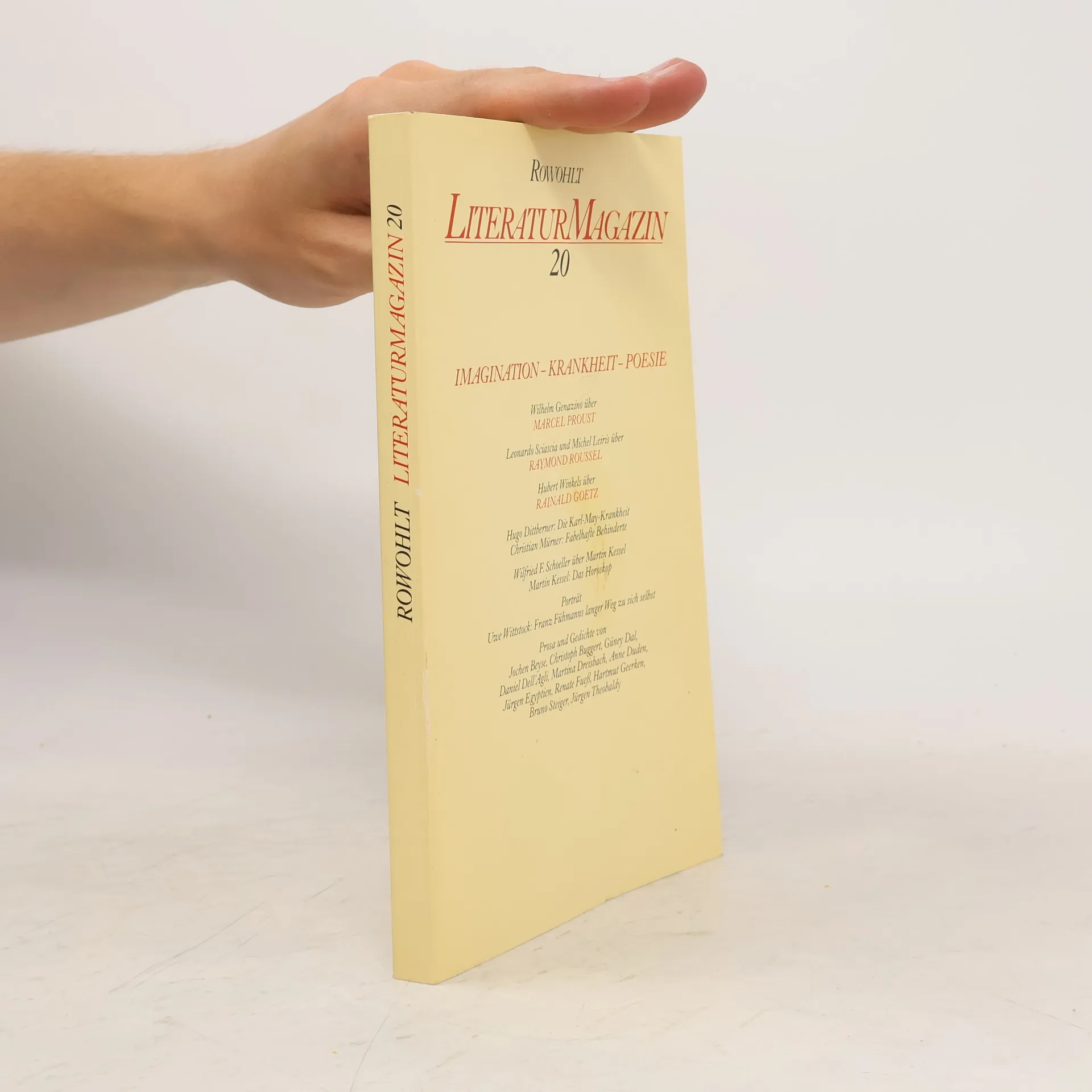
Literaturmagazin - 20: Imagination, Krankheit, Poesie
- 191 pages
- 7 hours of reading
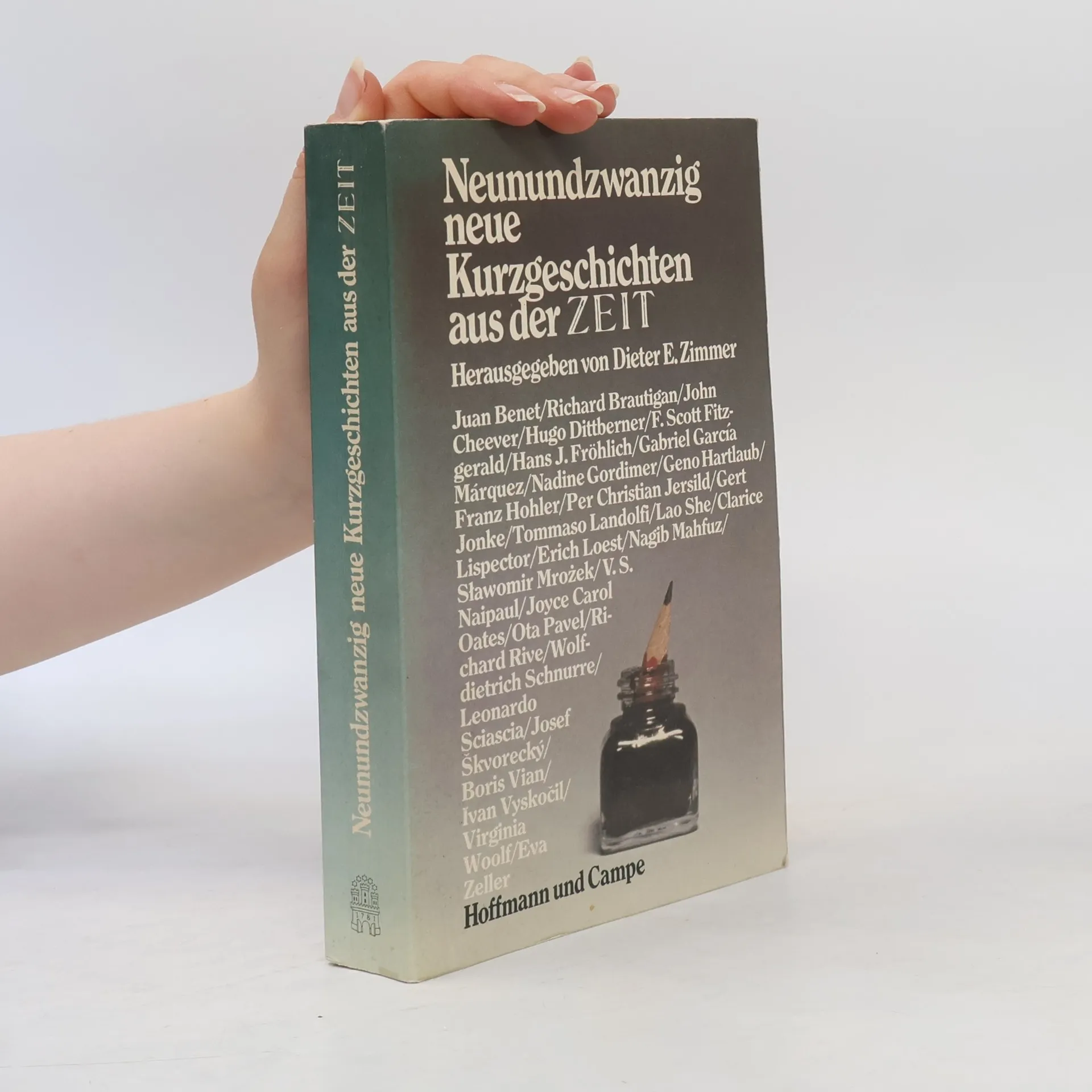
Neunundzwanzig neue Kurzgeschichten aus der ZEIT
- 356 pages
- 13 hours of reading
German (translation)
dtv zweisprachig: Caleidoscopio italiano Italienisches Kaleidoskop
20 brevi racconti – 20 kurze Erzählungen
- 180 pages
- 7 hours of reading
Todo modo oder Das Spiel um die Macht. Roman.
- 134 pages
- 5 hours of reading
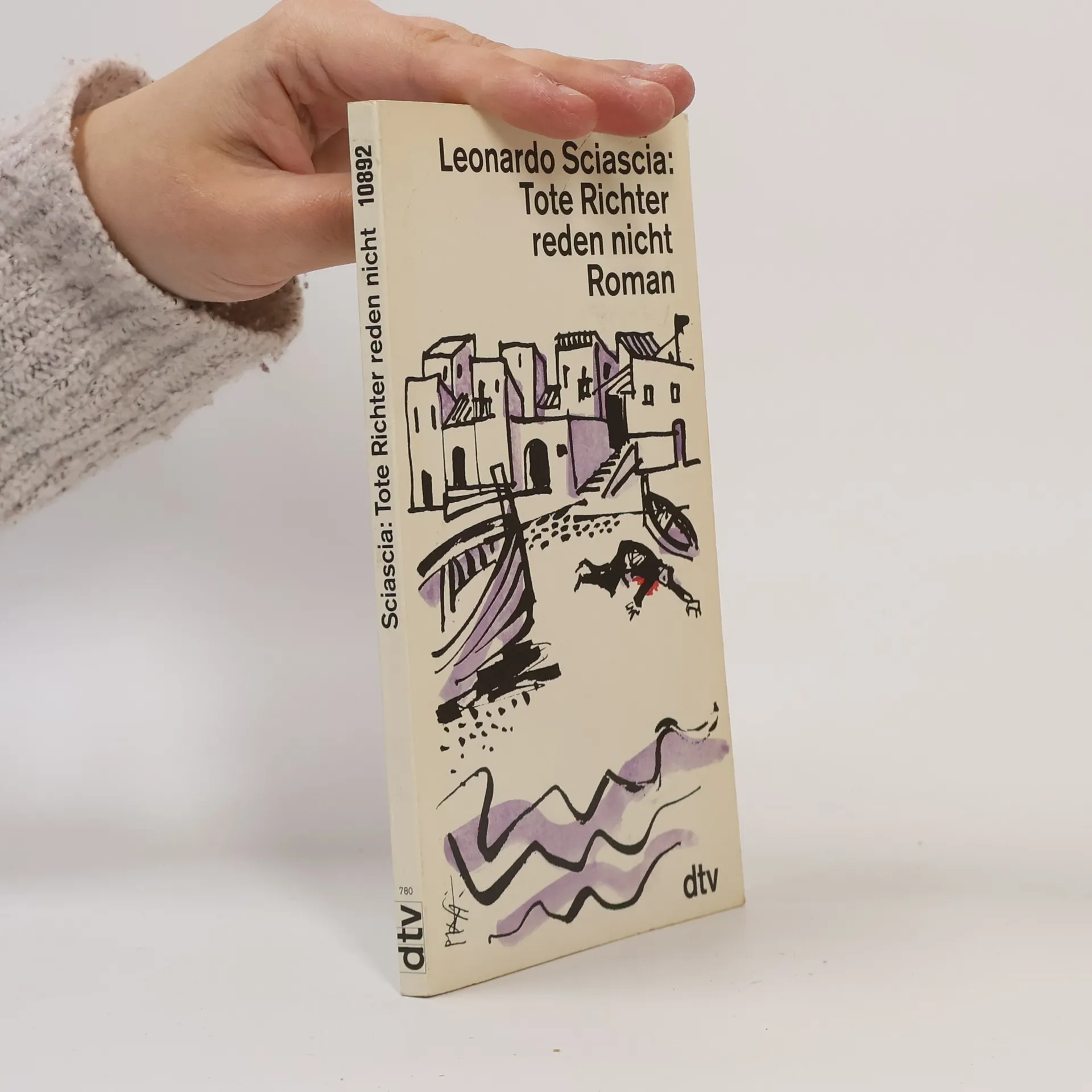
Tote Richter reden nicht. Roman
- 134 pages
- 5 hours of reading
Incontri con il cinema: Leonardo Sciascia
- 283 pages
- 10 hours of reading
Leonardo Sciascia-Mario Dell'Arco. Il "regnicolo" e il "quarto grande". Carteggio (1949-1974)
- 207 pages
- 8 hours of reading
La obra pictórica completa de Antonello de Mesina
- 108 pages
- 4 hours of reading
Célok és eszközök ; [Mindenkinek a magáét] ; [Majorana eltűnése]
- 344 pages
- 13 hours of reading
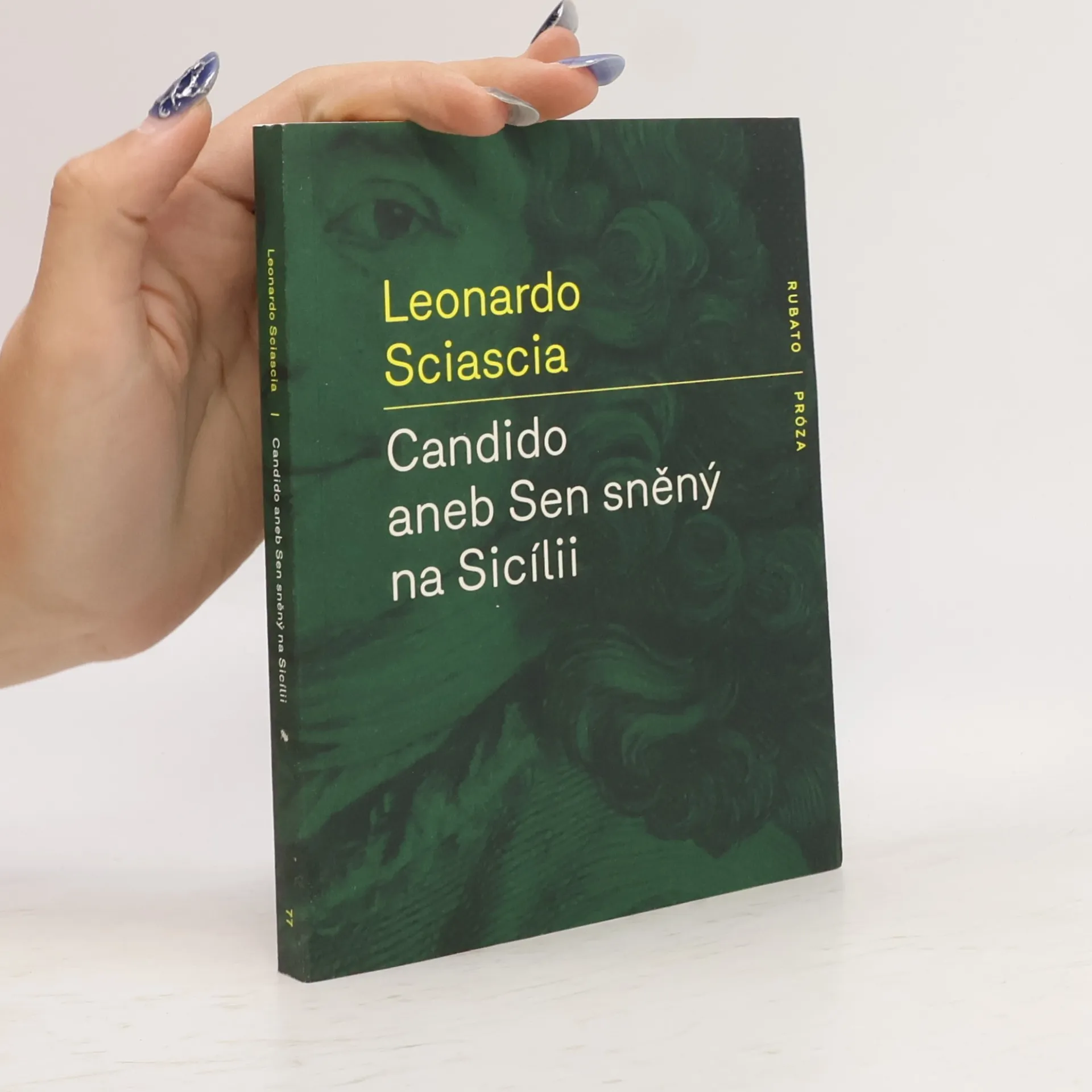
Candido, aneb, Sen sněný na Sicílii
- 168 pages
- 6 hours of reading
Román Candido (1977) se svým titulem prezentuje jako remake Voltairova románu z roku 1759 Candide aneb o optimismu. Leonardo Sciascia tu reprízuje slavnou Voltairovu postavu: prosťáčka Candida, „divocha“ plného idealistické důvěry v náš svět jako „nejlepší z možných světů“ – důvěry, jež se v konfrontaci se skutečností postupně rozkládá.Candido, Sicilan jako Sciascia, a tedy dítě velmi specifické kulturní zóny se specifickým morálním kodexem a specifickými vzorci chování, prochází v této travestii třemi desetiletími italského poválečného vývoje a zažívá podobně jako Voltairův hrdina nekonečnou sérii rozčarování. Vyústění této pouti však není tragické: Sciasciův Candido se v závěru románu distancuje od všech ideologických mýtů a napříště se hodlá nechat unášet iracionalitou životního pohybu – tím, čemu staří Řekové říkali bios a eros – a být ve svém metafyzickém sobectví prostě šťastný.
Zbierka poviedok z pera talianskeho znalca Sicílie a Sicílčanov More vínovej farby (1973; Dlhá cesta, More vínovej farby, Skúška, Džuffa, Filológia, Spoločenská hra, Otázka svedomia, Apokryfy o prípade Crowley, Wester á la cosa nostra, Proces, Eufrosina) a novela Todo modo (1974).
Italský spisovatel zachytil na pozadí detektivního příběhu morální profil společnosti v malém městě na Sicílii. Vraždy dvou vážených občanů v městečku se ujímá na svou pěst profesor na gymnasiu...
Svazek obsahuje dva romány (Egyptská rada, 1963; Todo modo, 1974), v nichž autor analyzuje společnost rodné Sicílie. První, zpracovávající autentickou historii z konce 18. století, se rozvíjí kolem bezcenného arabského kodexu, vydávaného za sbírku důležitých listin z normanské doby. Druhý román, tentokrát odehrávající se v současnosti, vypráví o podivných duchovních cvičeních kněze-kapitalisty.
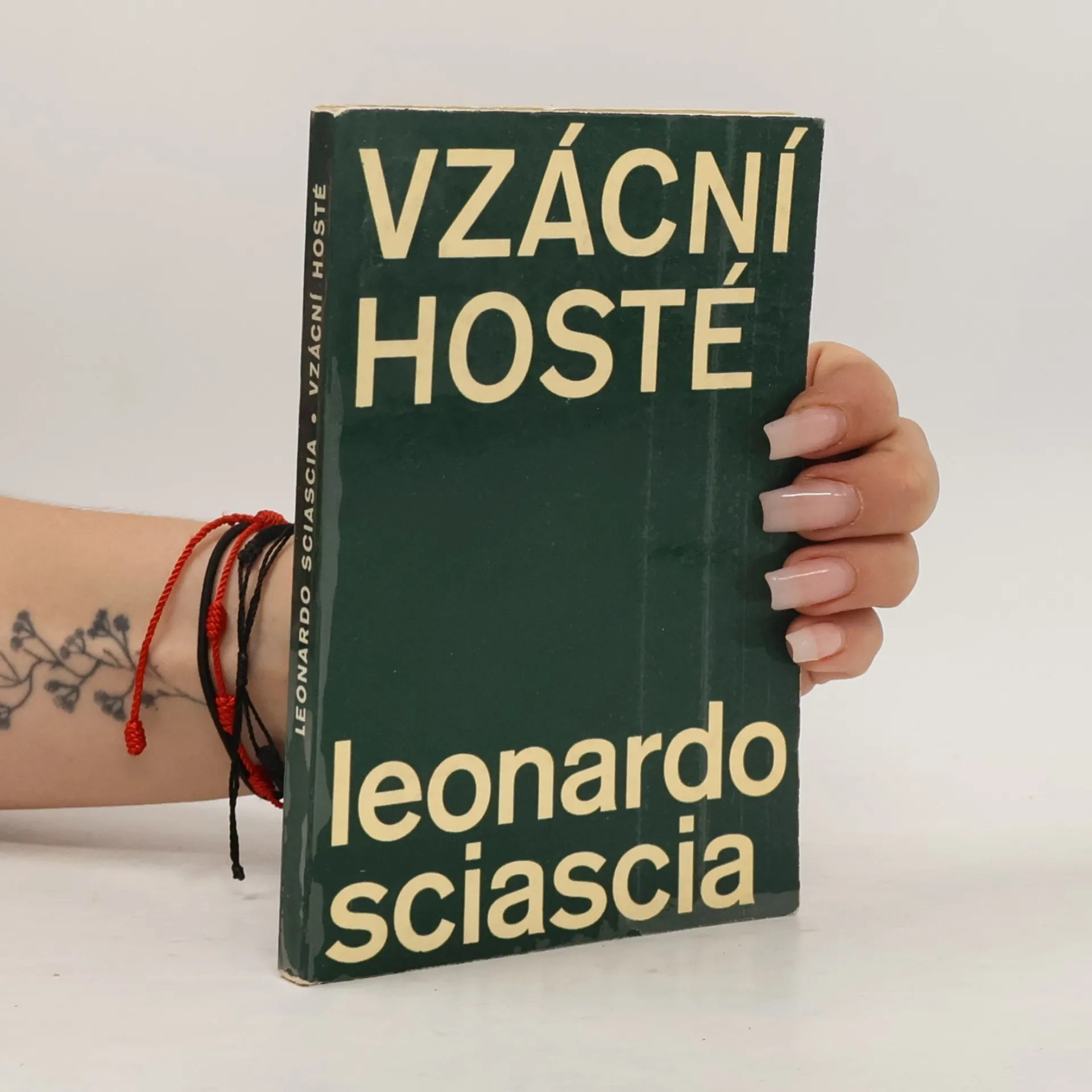
Dvě povídky soudobého italského spisovatele. Obě se odehrávají na Sicílii v dobách rychle se měnící politické situace, první (Vzácní hosté, 1958) v bouřlivých letech 1848–1860 a druhá (Tetička z Ameriky, 1958) na konci druhé světové války a těsně po ní. Výsměchem stíhají politické a názorové chameleonství a vypočítavé chytračení, ať už jsou zobecněny v požitkářském baronovi anebo ke všemu ochotnému fašistovi.









![Célok és eszközök ; [Mindenkinek a magáét] ; [Majorana eltűnése]](https://rezised-images.knhbt.cz/1920x1920/62563471.webp)