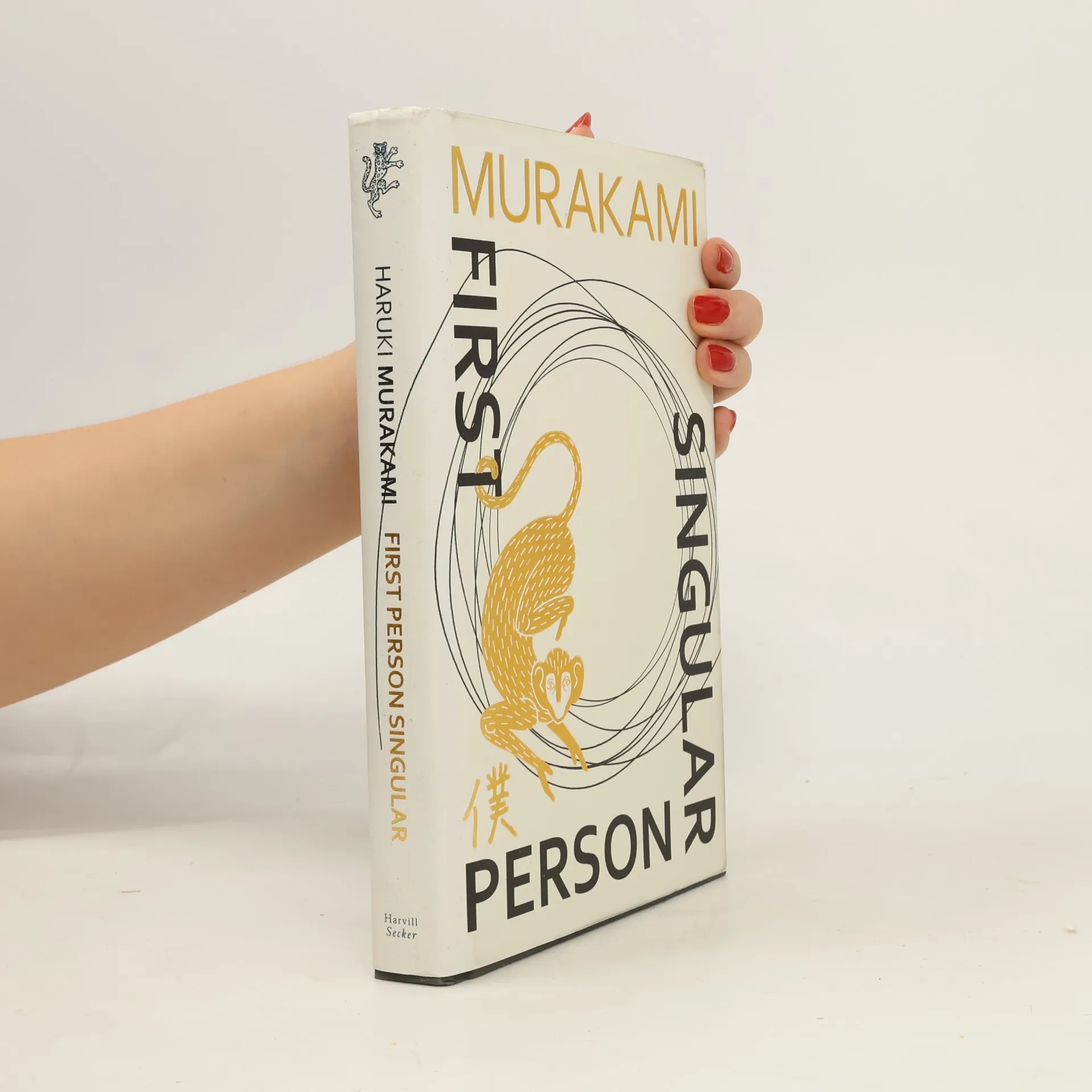
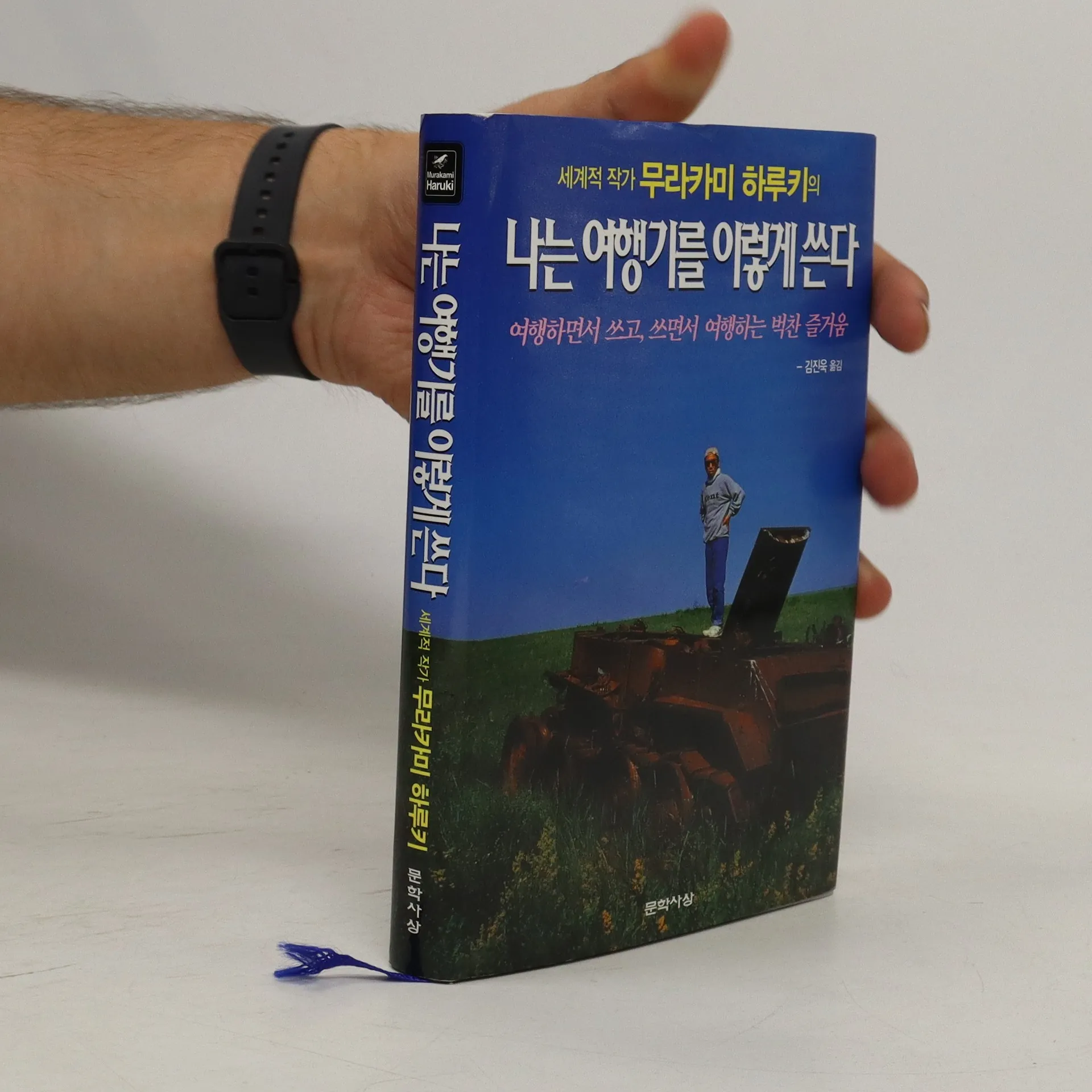
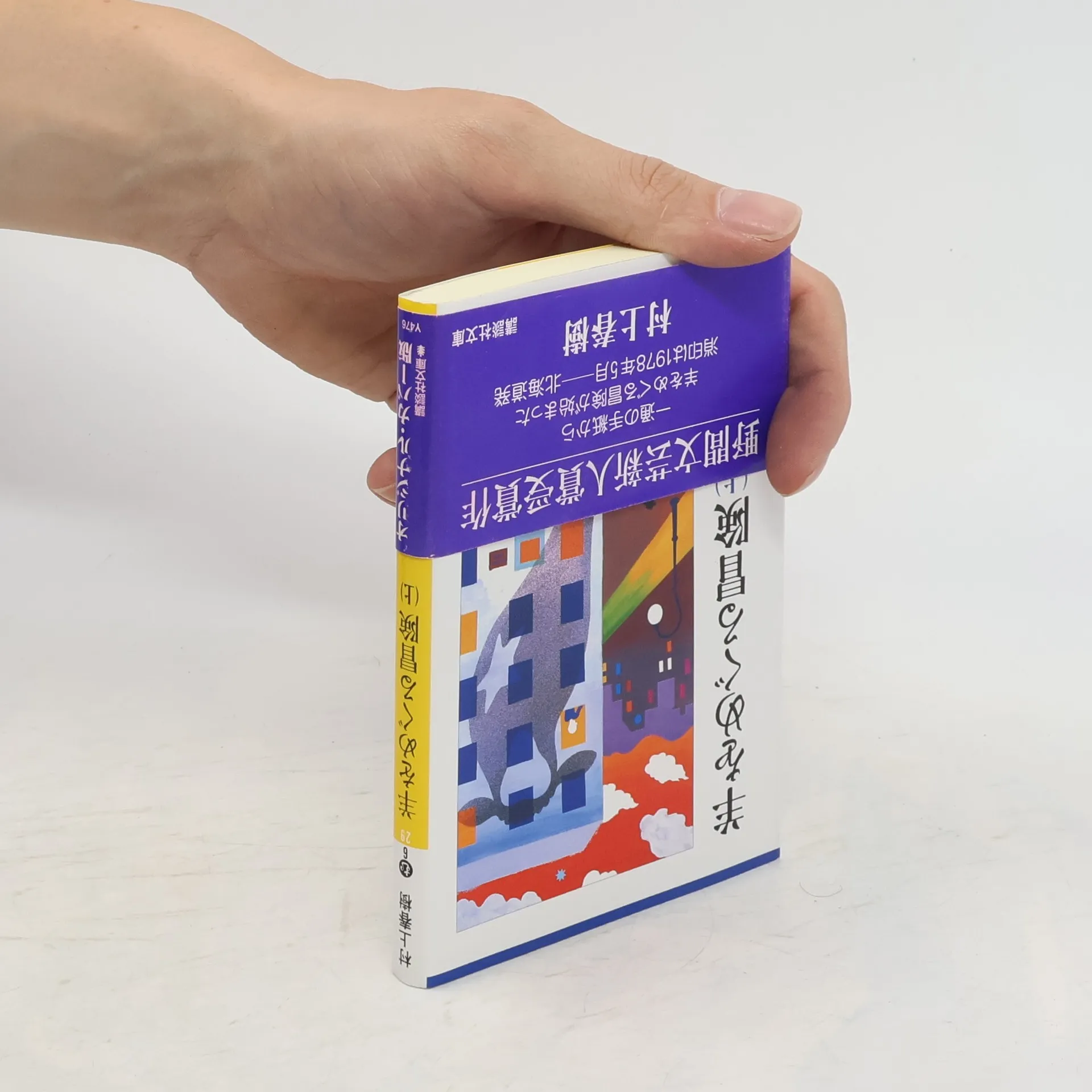
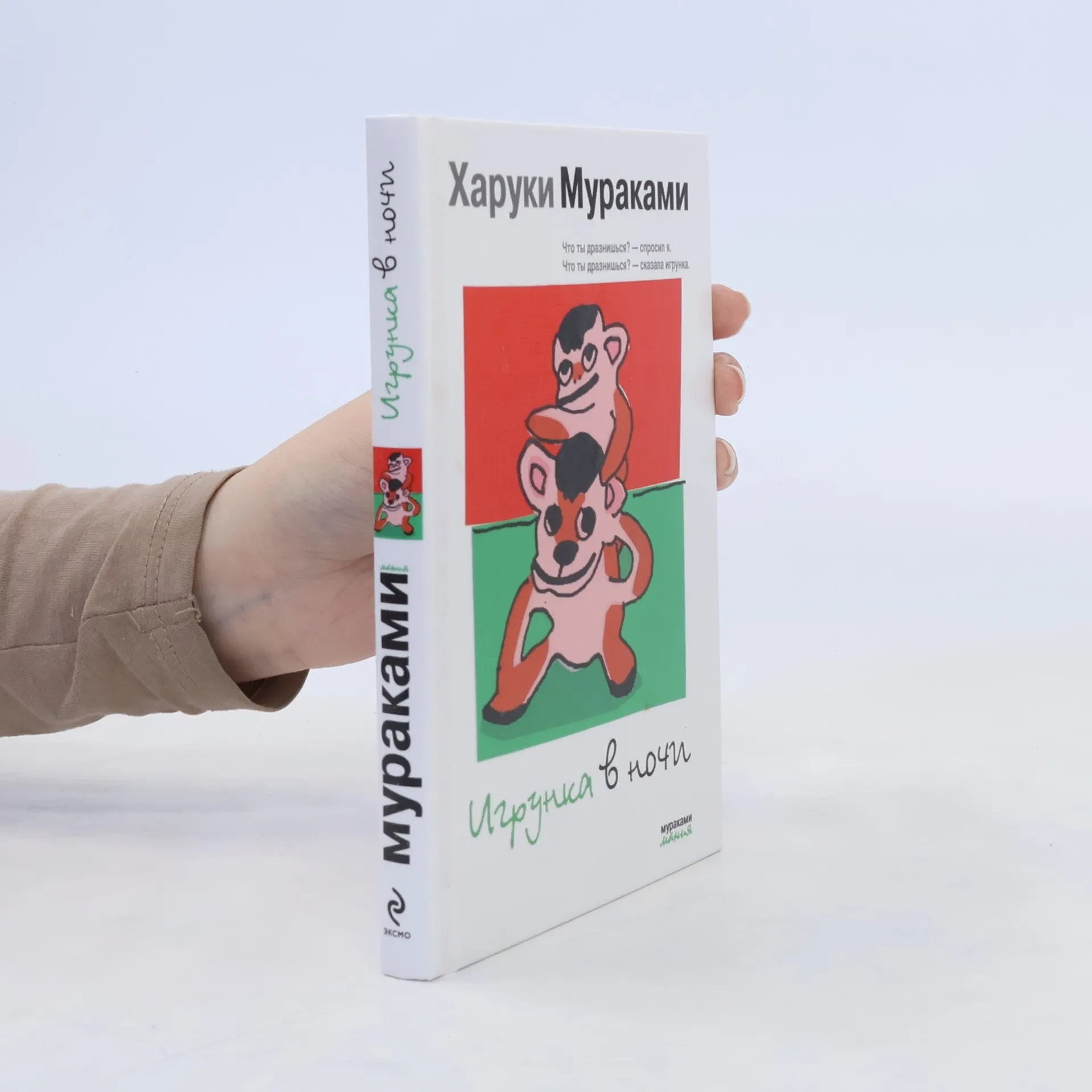
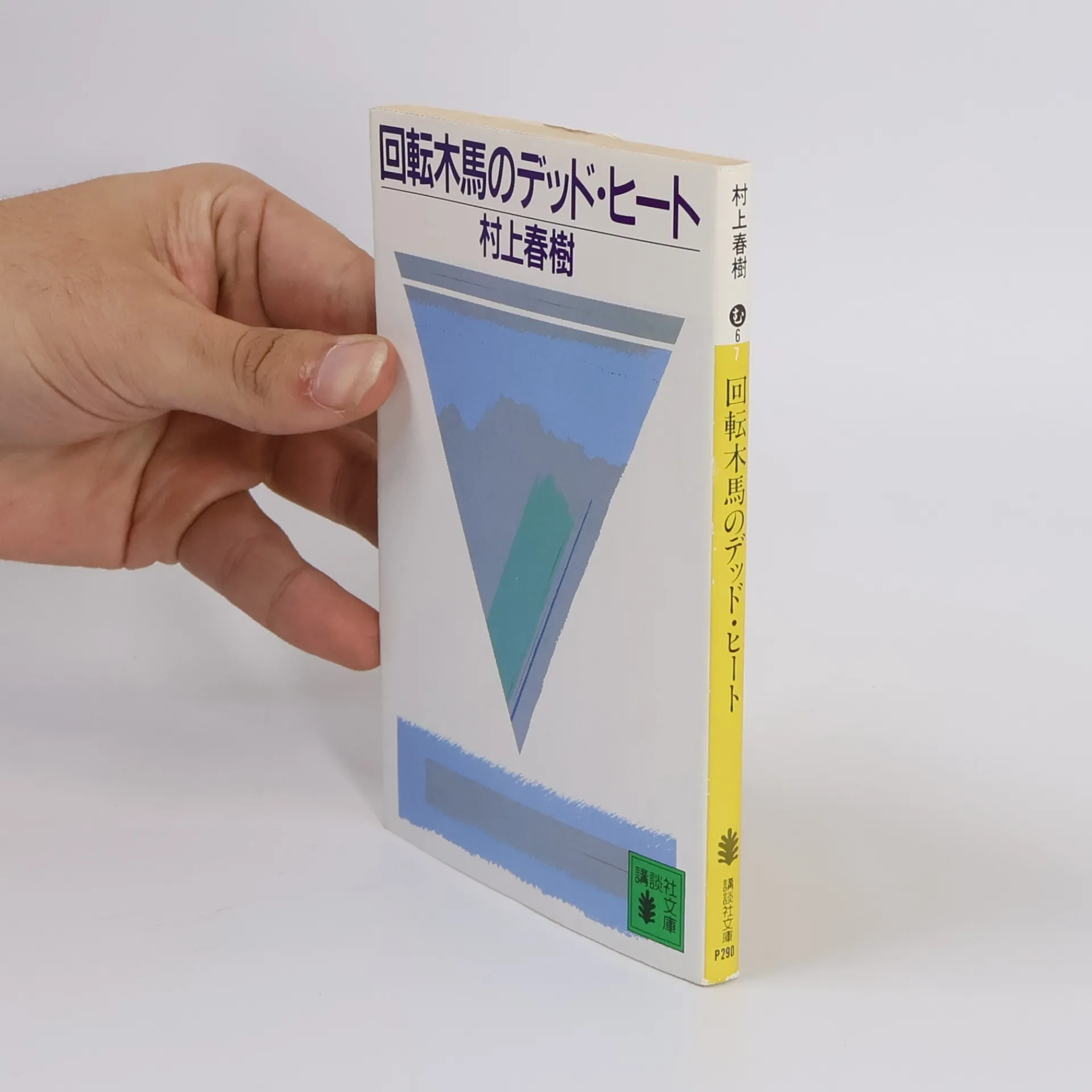
Haruki Murakami is a Japanese novelist whose work blends realism with surreal and dreamlike elements. Books like Norwegian Wood and Kafka on the Shore explore loneliness, memory, and the search for identity. His style is simple yet lyrical, marked by rhythm and introspection. Music, coincidence, and quiet melancholy shape his narrative world.
The journey of Haruki Murakami from a jazz bar owner to a literary sensation began in 1978 when a moment of inspiration struck him during a baseball game. His debut novel, Hear the Wind Sing, garnered acclaim and set the stage for subsequent works like A Wild Sheep Chase and Hard-Boiled Wonderland and the End of the World. However, it was the 1987 release of Norwegian Wood that catapulted him to international fame, establishing his reputation as a bestselling author and introducing readers to his captivating and distinctive fictional world.
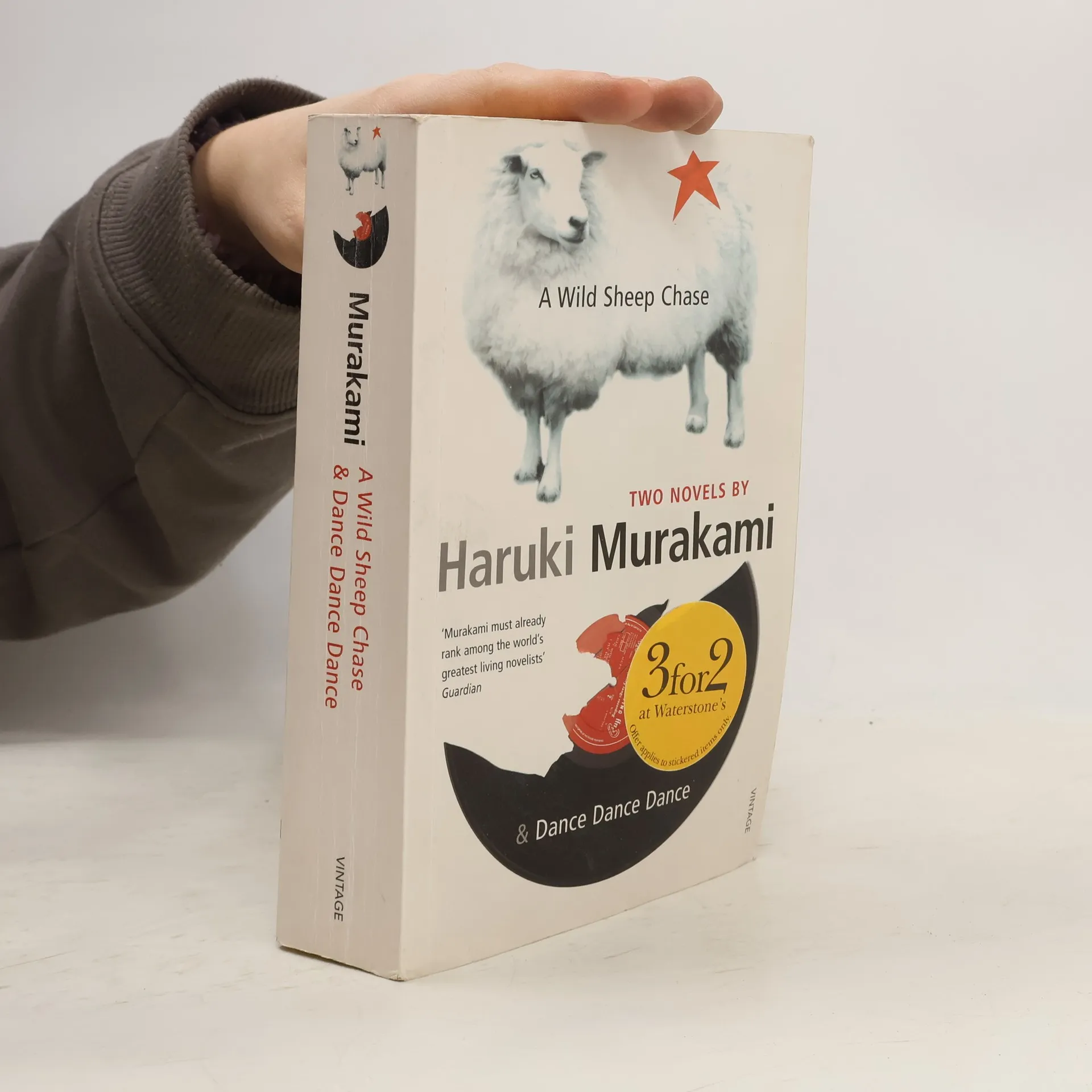
"A Wild Sheep Chase" - His life was like his recurring nightmare: a train to nowhere. But an ordinary life has a way of taking an extraordinary turn. Add a girl whose ears are so exquisite that, when uncovered, they improve sex a thousand-fold, a runaway friend, a right-wing politico, an ovine-obsessed professor and a manic-depressive in a sheep outfit, implicate them in a hunt for a sheep, that may or may not be running the world, and the upshot is another singular masterpiece from Haruki Murakami. "Dance Dance Dance" - High-class call girls billed to Mastercard; a psychic thirteen-year-old drop-out with a passion for Talking Heads; a hunky matinee idol doomed to play dentists and teachers; a one-armed beach-combing poet, an uptight hotel clerk and one very bemused narrator caught in the web of advanced capitalist mayhem; combine this offbeat cast of characters with Murakami's idiosyncratic prose and out comes "Dance Dance Dance". It is an assault on the senses, part murder mystery, part metaphysical speculation; a fable for our times as catchy as a rock song blasting from the window of a sports car.
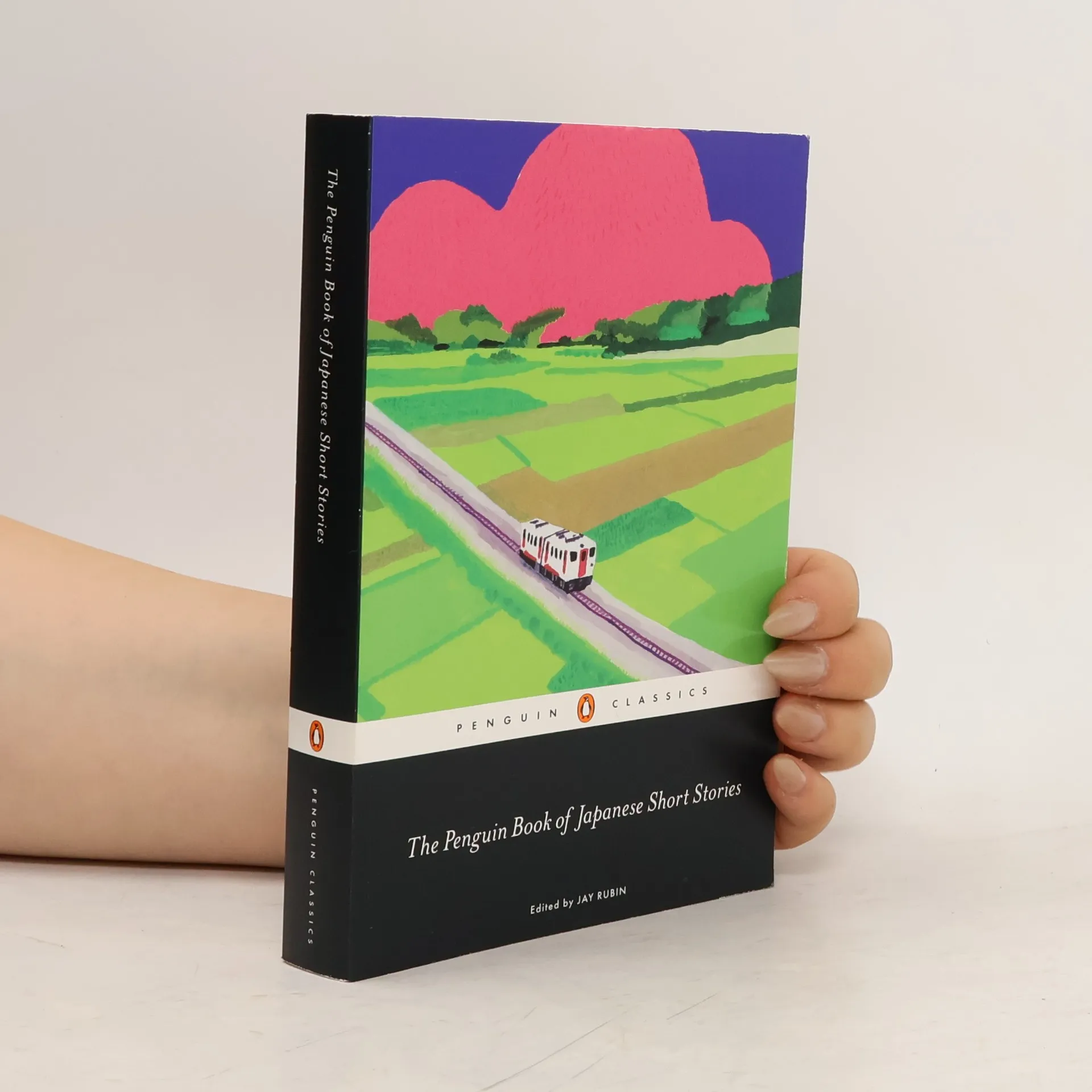
A major new anthology of great Japanese short stories introduced by Haruki Murakami.This fantastically varied and exciting collection celebrates the great Japanese short story collection, from its origins in the nineteenth century to the remarkable practitioners writing today. Curated by Jay Rubin (who has himself freshly translated several of the stories) and introduced by Haruki Murakami this is a book which will be a revelation to many of its readers. Short story writers already well-known to English-language readers are all included - Tanizaki, Akutagawa, Murakami, Mishima, Kawabata, Yoshimoto - but also many surprising new finds. From Tsushima Yuko's 'Flames' to Sawanishi Yuten's 'Filling Up with Sugar', from Hoshi Shin'ichi's 'Shoulder-Top Secretary' to Yoshimoto Banana's 'Bee Honey', The Penguin Book of Japanese Short Stories is filled with fear, charm, beauty and comedy.
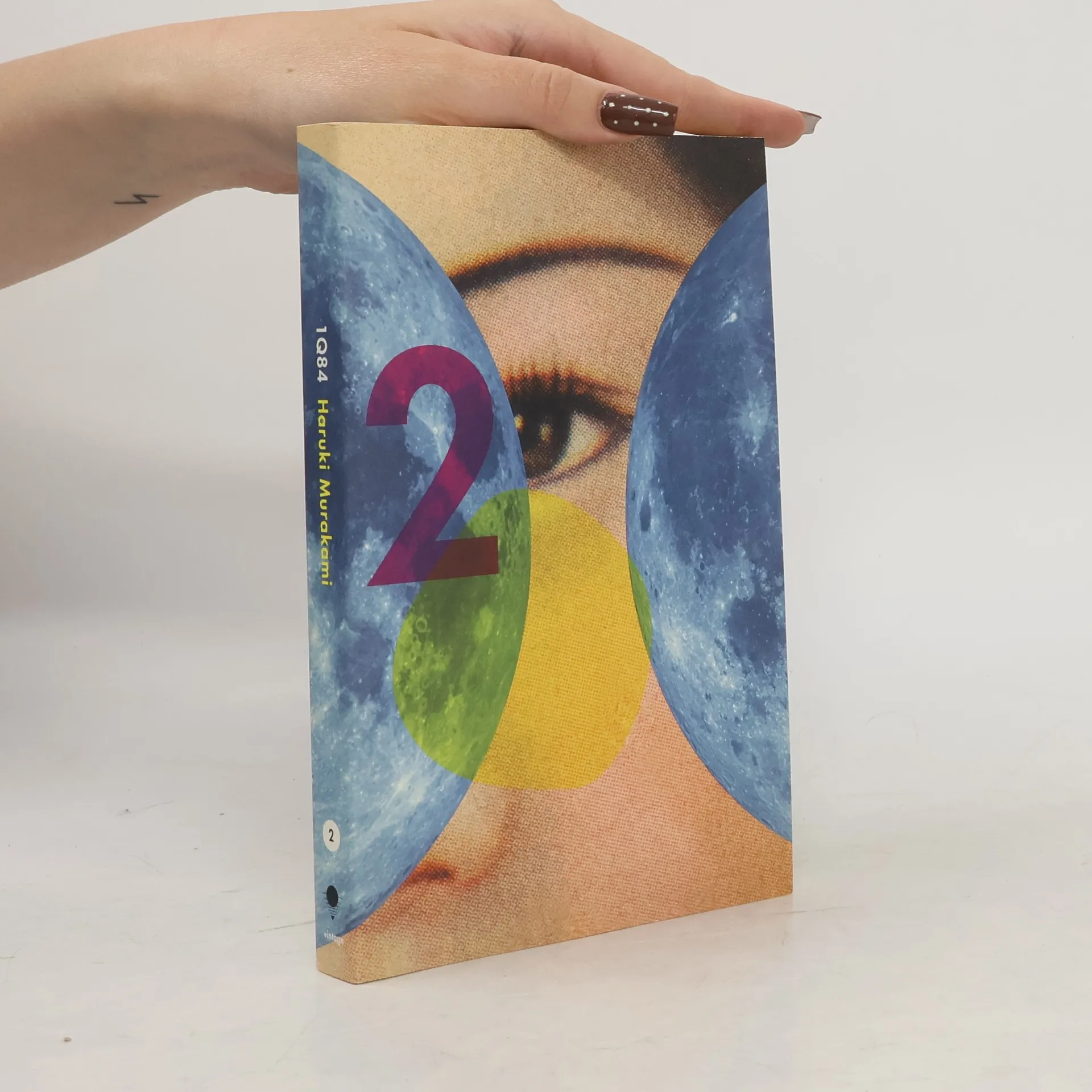
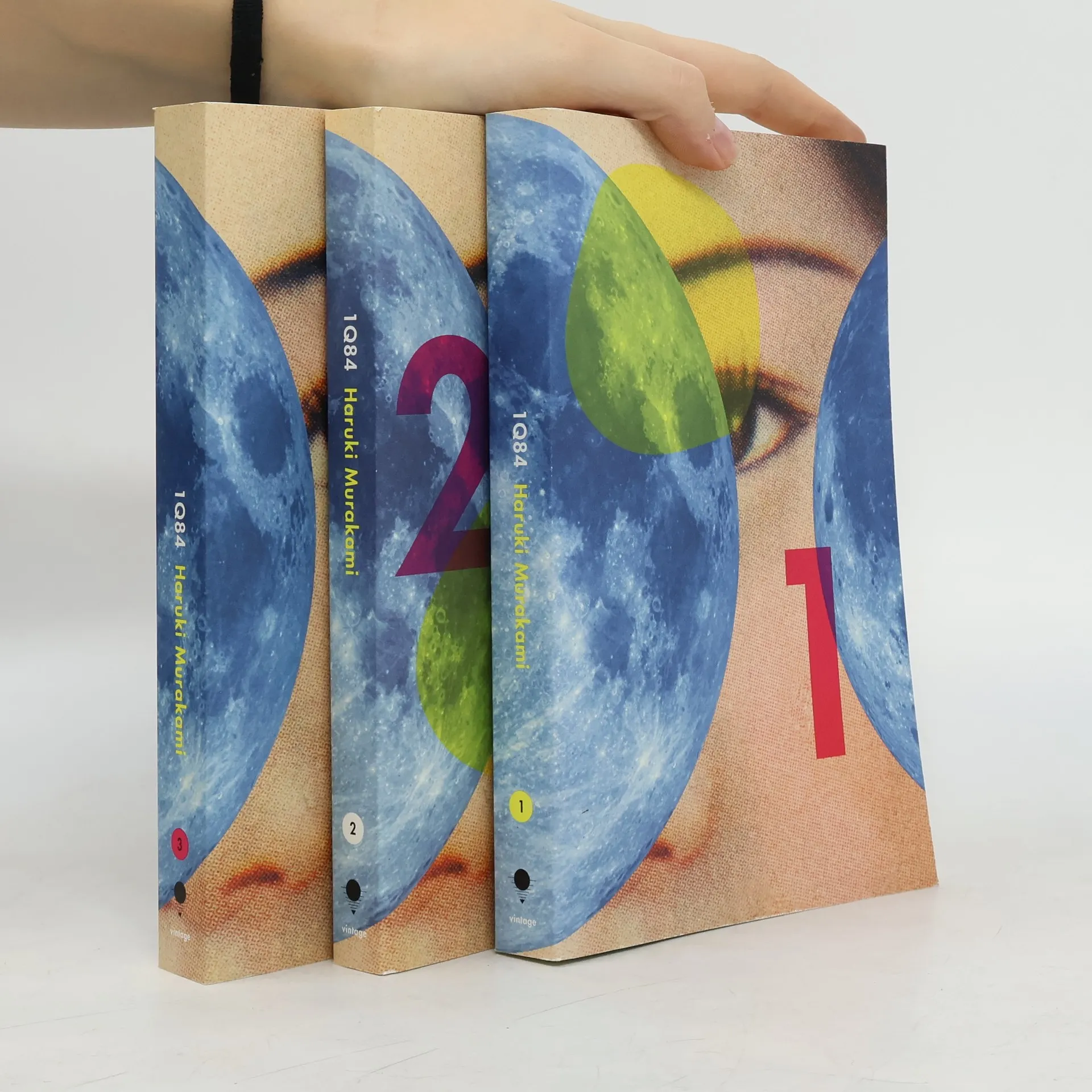
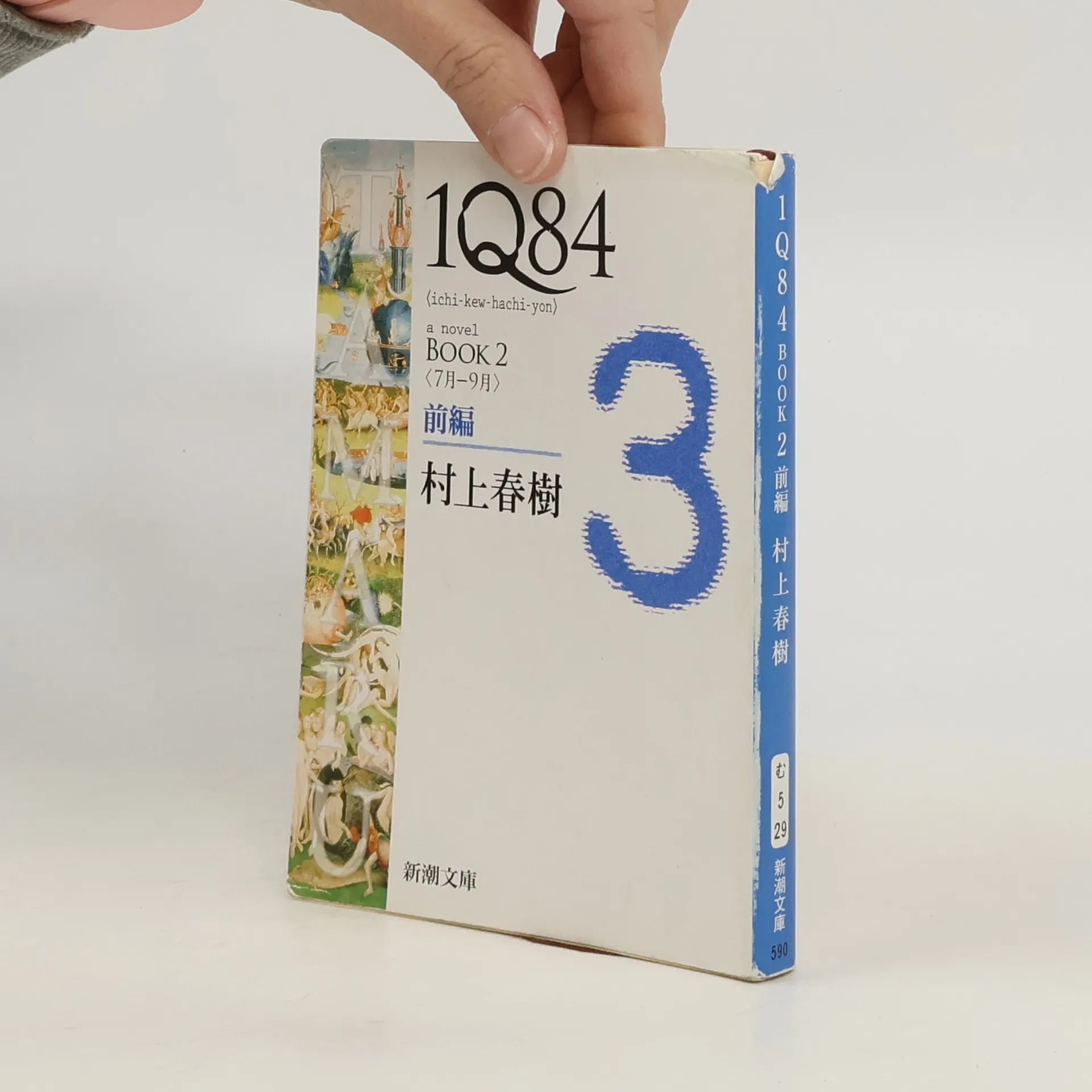
U ovom drugom tomu, Aomame i Tengo, sticajem neobičnih događaja, potvrđuju svoje sumnje da se nalaze u drugom vremenu - u godini 1Q84 - iz kojeg ne mogu da se vrate natrag u 1984. godinu i svoje realno vreme. Njihova ljubav, iako je čini samo stisak ruke u detinjstvu, jedina je istinska i prava u ovom romanu. Ona je pokretač svih dešavanja i jača uprkos njihovoj razdvojenosti, a oni se sve više približavaju jedno drugom. Murakami se u ovom nastavku produbljeno bavi filozofskim temama, odnosom dobra i zla, krivice i kazne i, pre svega, smislom života, stavom prema smrti, žrtvovanjem, ali i porodičnim vezama i, neizostavno, ljubavlju. „Ako u svetu nema ljubavi, sve je iluzija i imitacija." Autor nas upozorava da ljubav jeste glavni pokretač, ali je u modernom svetu često nema onde gde najviše treba da je bude - između muža i žene i roditelja i dece. Poznat, i zbog toga u Japanu često kritikovan, kao pisac koji unosi previše zapadnjačke tradicije u svoje romane, Murakami je ovu priču o univerzalnim temama zajedničkim za ceo svet, obojio više no ikad pre istočnjačkom filozofijom i japanskim načinom života, naročito kuhinjom, čiji nas sastojci omamljuju sa stranica ove knjige. Nastaviće se u trećem delu......
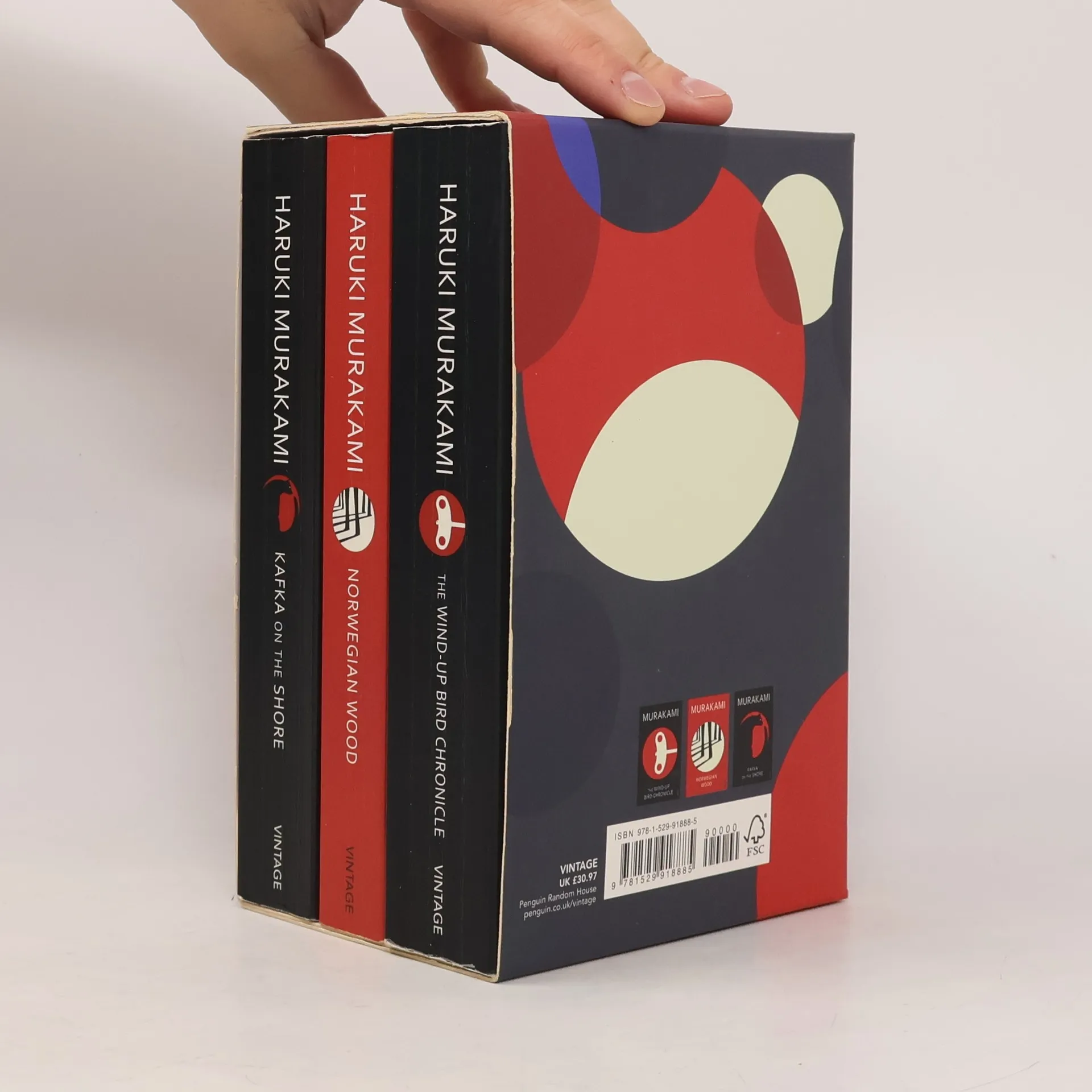
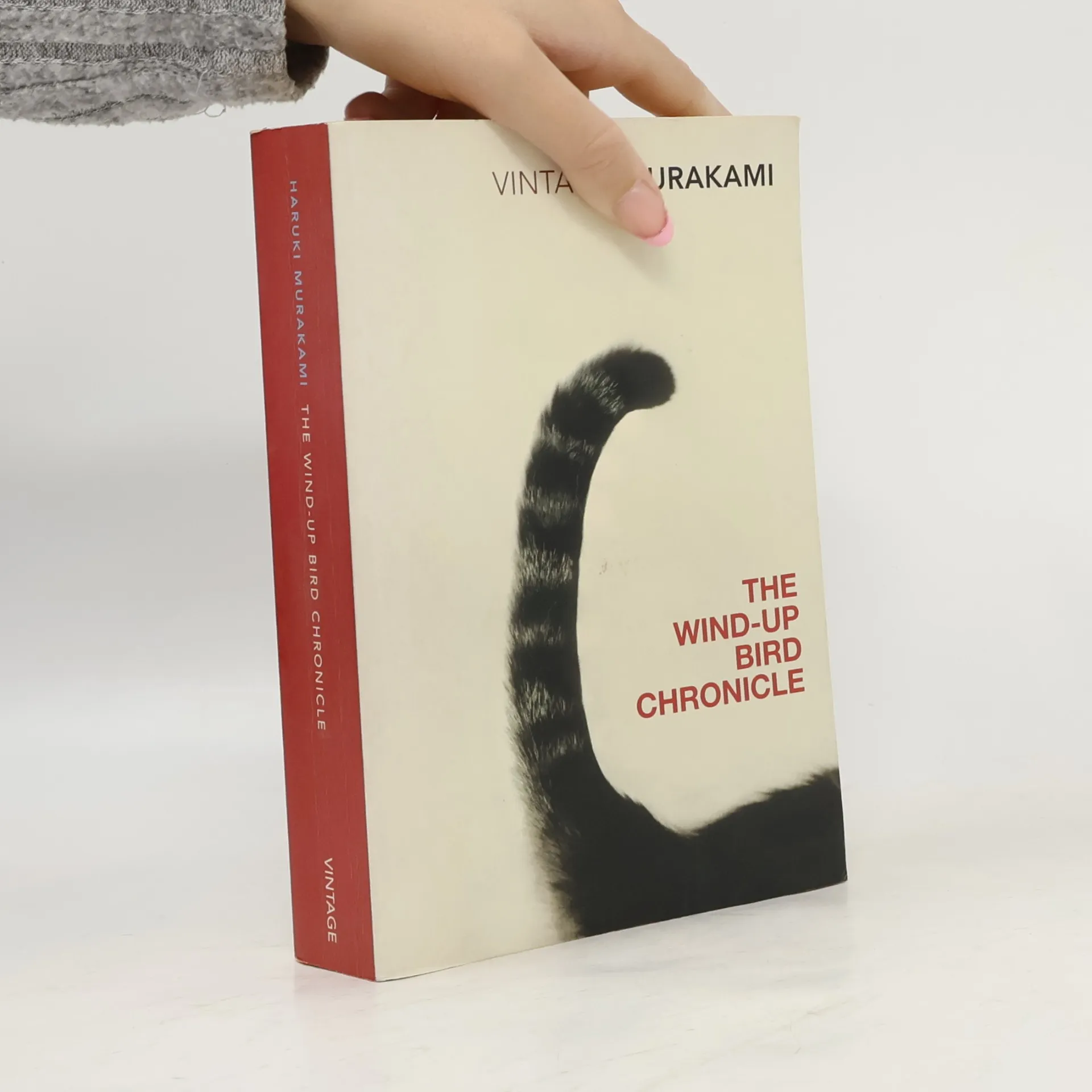
Toru Okada's cat has disappeared and this has unsettled his wife, who is herself growing more distant every day. Then there are the increasingly explicit telephone calls he has started receiving. As this compelling story unfolds, the tidy suburban realities of Okada's vague and blameless life, spent cooking, reading, listening to jazz and opera and drinking beer at the kitchen table, are turned inside out, and he embarks on a bizarre journey, guided (however obscurely) by a succession of characters, each with a tale to tell.
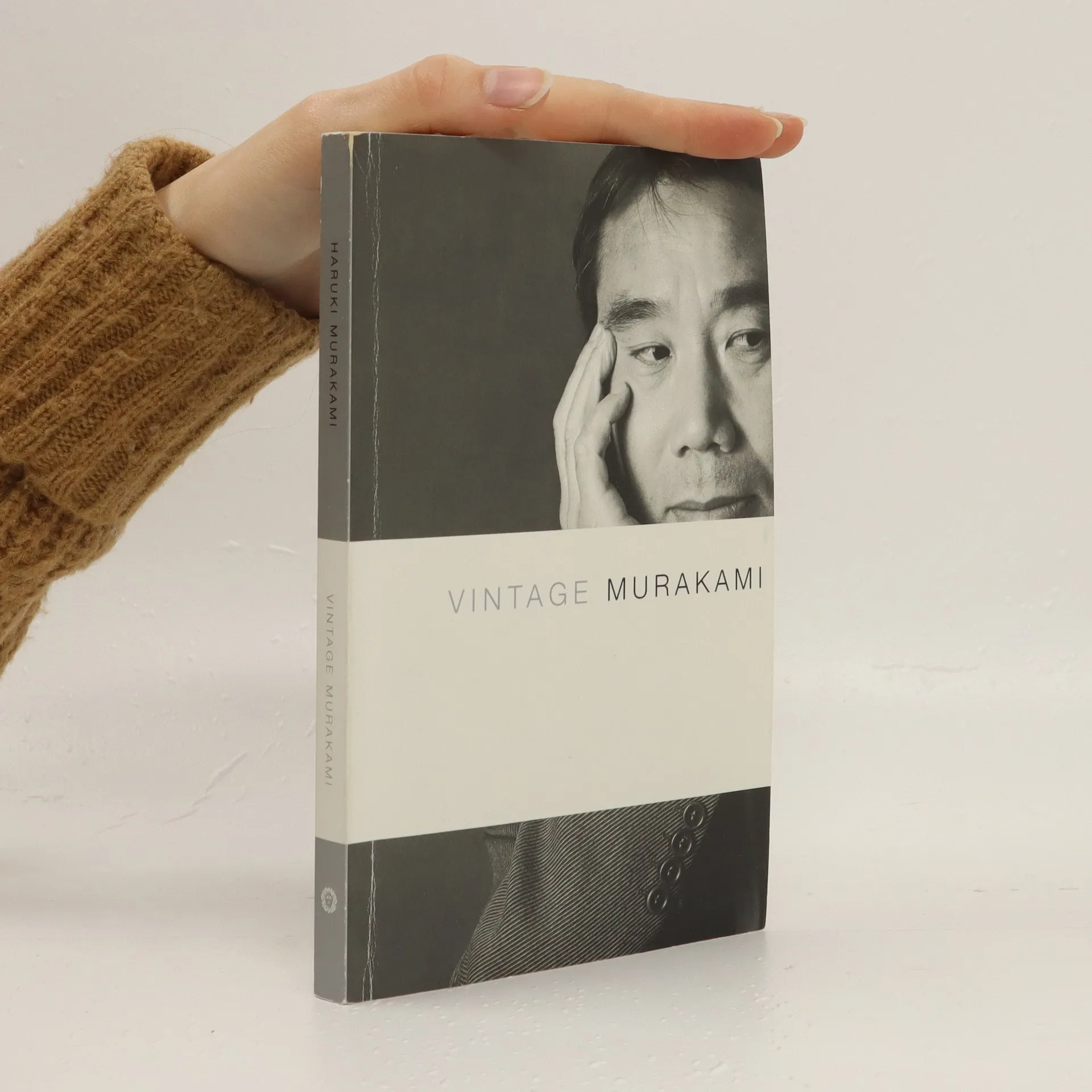
Not since Yukio Mishima and Yasunari Kawabata has a Japanese writer won the international acclaim enjoyed hy Haruki Murakami. His genre- busting novels, short stones, and repodage, which have been translated into thirty-four languages, meld the surreal and the hard-boiled, deadpan comedy and delicate introspection.Vintage Murakami includes the opening cnapter of the international bestseller Norwegian Wood; •'Lieueenant Mamiya's Long Story: Parts I and II" from his monumental novel The Wind-Up Bird Chronicle; "Shizuko Akashi" from: Underground, his nonfiction book on the Toyko subway attack 1995; and the short stories "Barn Burning," and "honey pie."Also included, for the first time in book form, the short story "Ice Man."--back coverTable of Contents"Barn burning" from The Elephant vanished -- "Shizuko Akashi" from Underground -- "Honeypie" from After the Quake -- "Lieutenant Mamiya's long stories: Part I" from the Wind-up bird chronicle -- "Lieutenant Mamiya's long stories: Part II" from the Wind-up bird chronicle -- "Ice man."
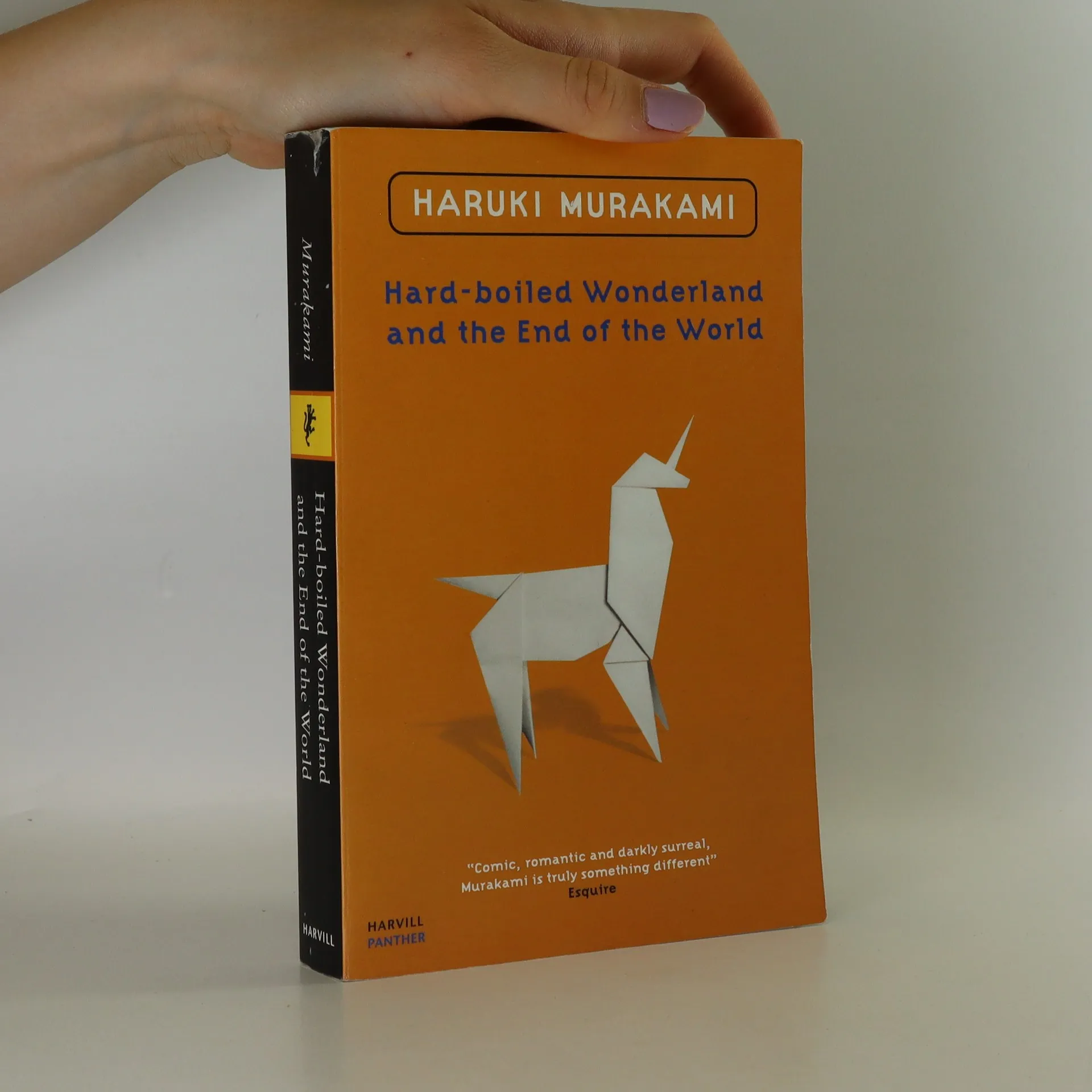
From the #1 New York Times bestselling author of 1Q84 and The Wind-Up Bird Chronicle comes a relentlessly inventive novel that dives deep into the very nature of consciousness. “Fantastical, mysterious, and funny . . . a fantasy world that might have been penned by Franz Kafka.”—The Philadelphia Inquirer Across two parallel narratives, Murakami draws readers into a mind-bending universe in which Lauren Bacall, Bob Dylan, a split-brained data processor, a deranged scientist, his shockingly undemure granddaughter, and various thugs, librarians, and subterranean monsters collide to dazzling effect. What emerges is a hyperkinetic novel that is at once hilariously funny and a deeply serious meditation on the nature and uses of the mind.
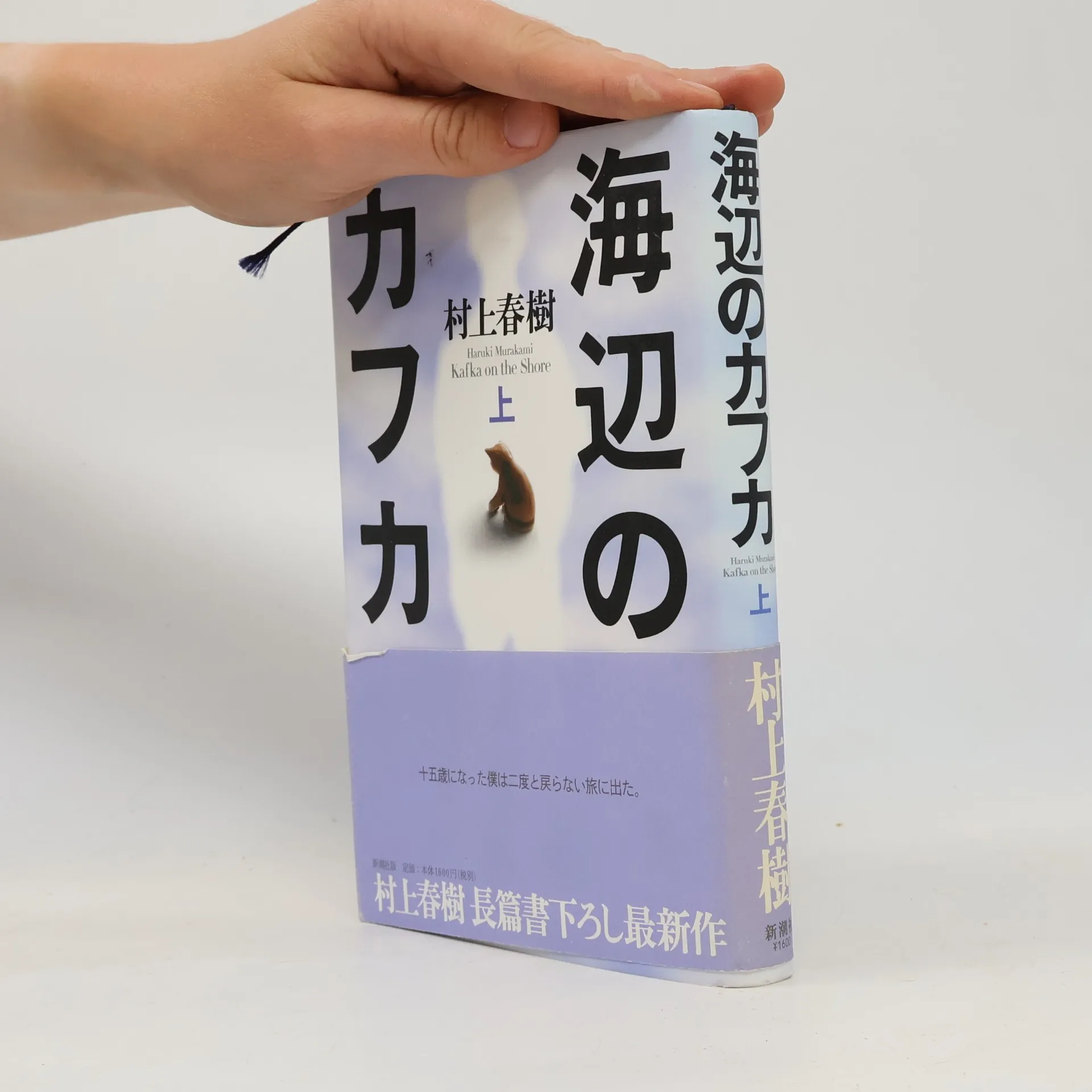
" ... A novel of metaphysical reality, it is powered by two remarkable characters: a teenage boy, Kafka Tamura, who runs away from home either to escape a gruesome oedipal prophecy or to search for his long-missing mother and sister; and an aging simpleton called Nakata, who never recovered from a wartime affliction and now is drawn toward Kafka for reasons that, like the most basic activities of daily life, he cannot fathom."--Publisher's description
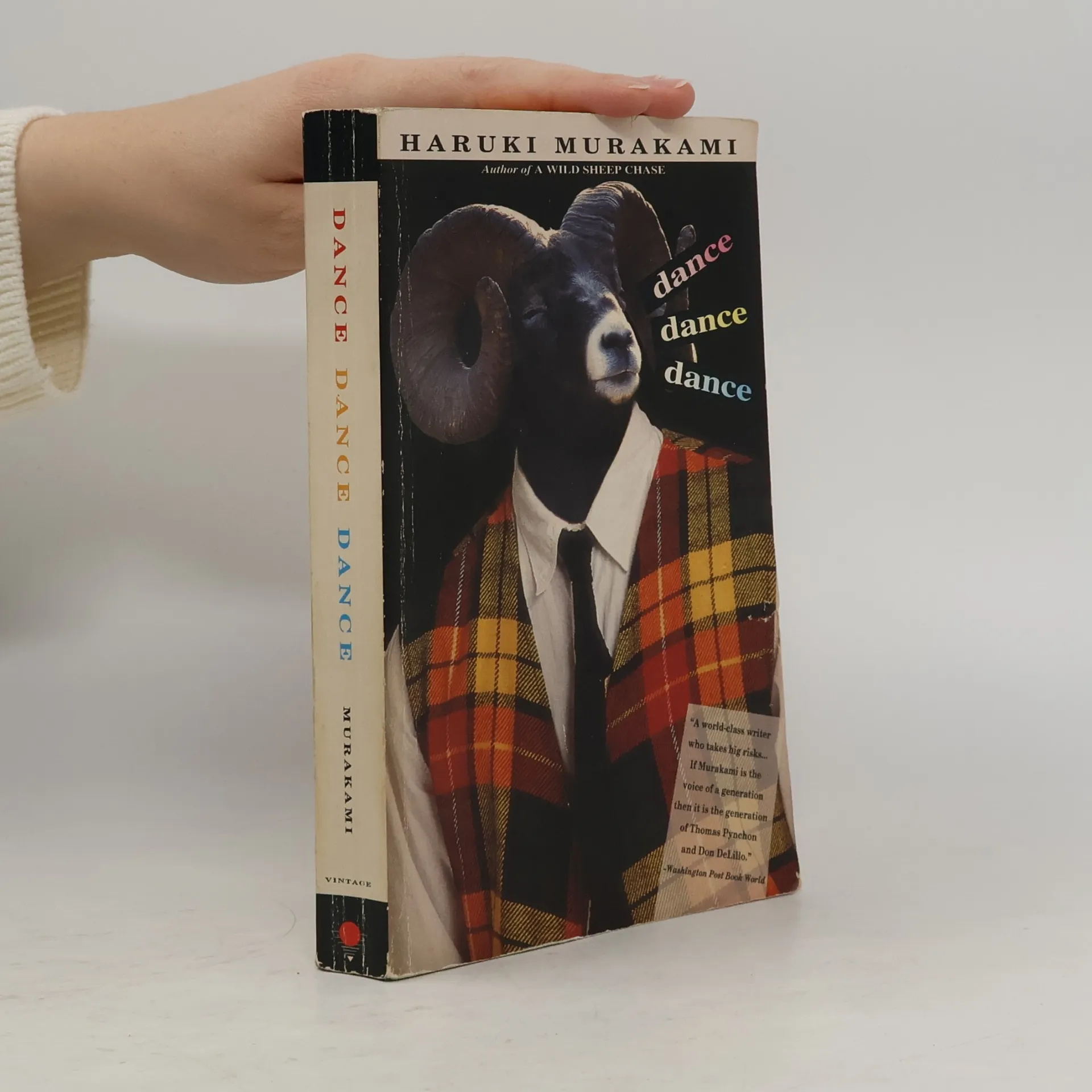
Dance Dance Dance—a follow-up to A Wild Sheep Chase—is a tense, poignant, and often hilarious ride through Murakami’s Japan, a place where everything that is not up for sale is up for grabs. As Murakami’s nameless protagonist searches for a mysteriously vanished girlfriend, he is plunged into a wind tunnel of sexual violence and metaphysical dread. In this propulsive novel, featuring a shabby but oracular Sheep Man, one of the most idiosyncratically brilliant writers at work today fuses together science fiction, the hardboiled thriller, and white-hot satire.
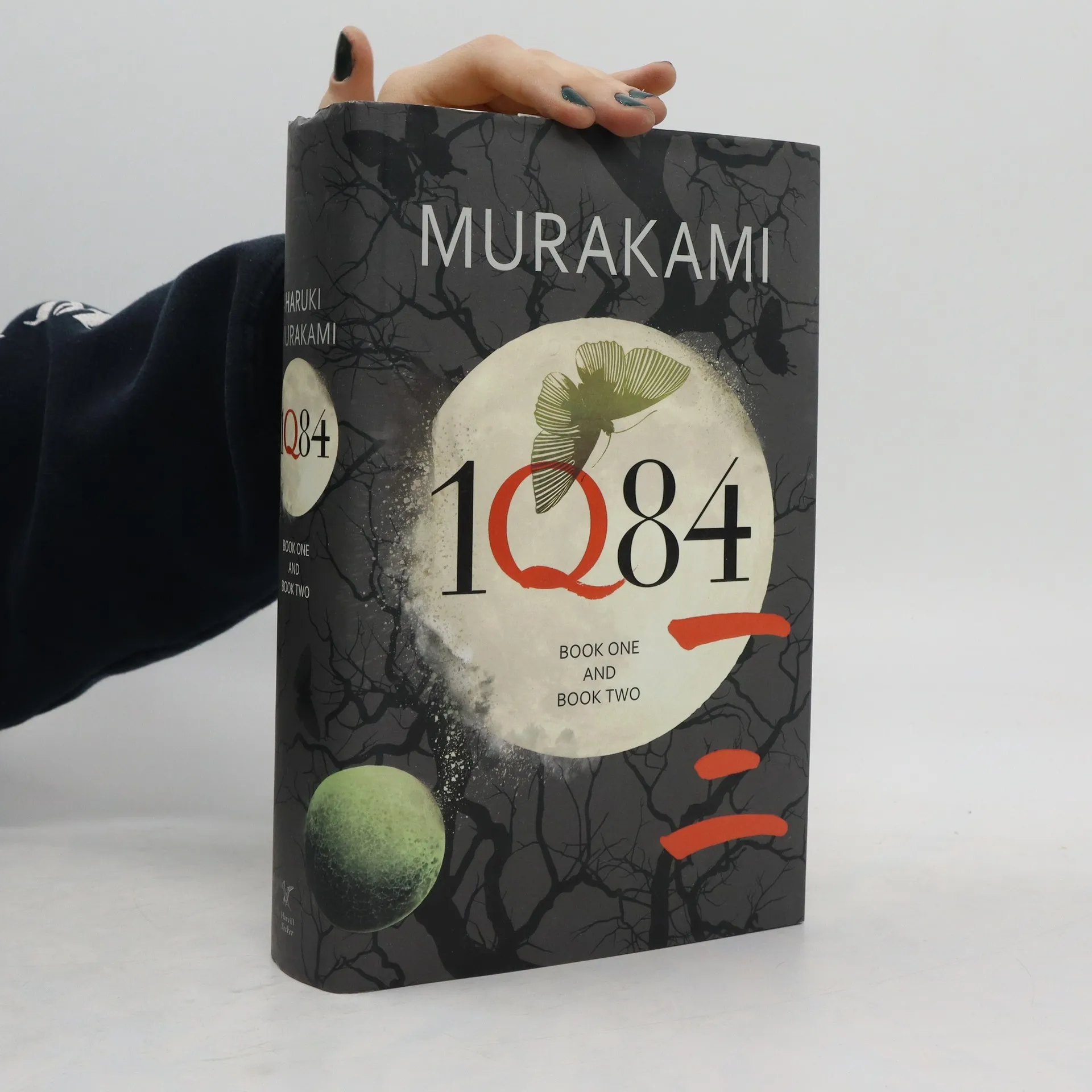
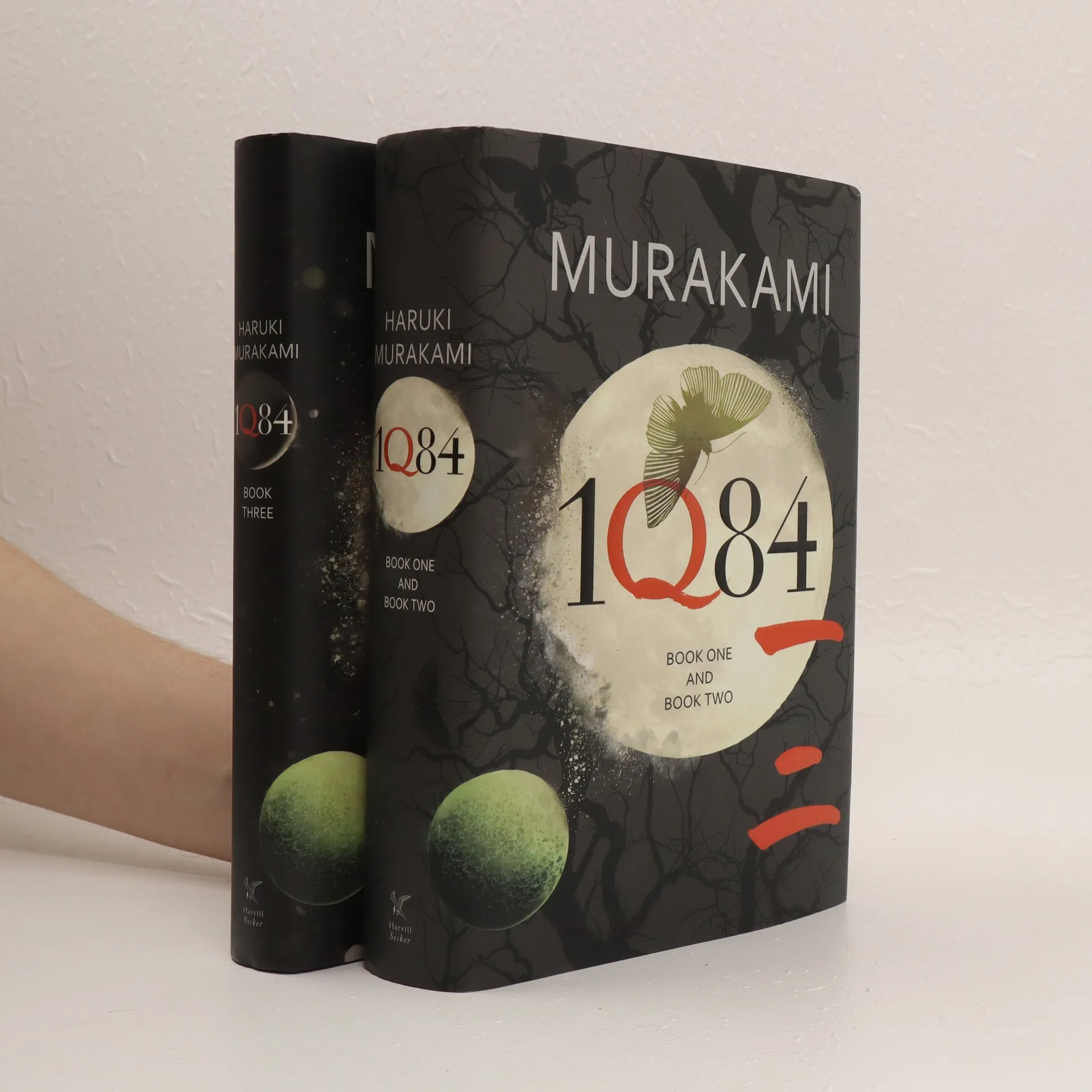
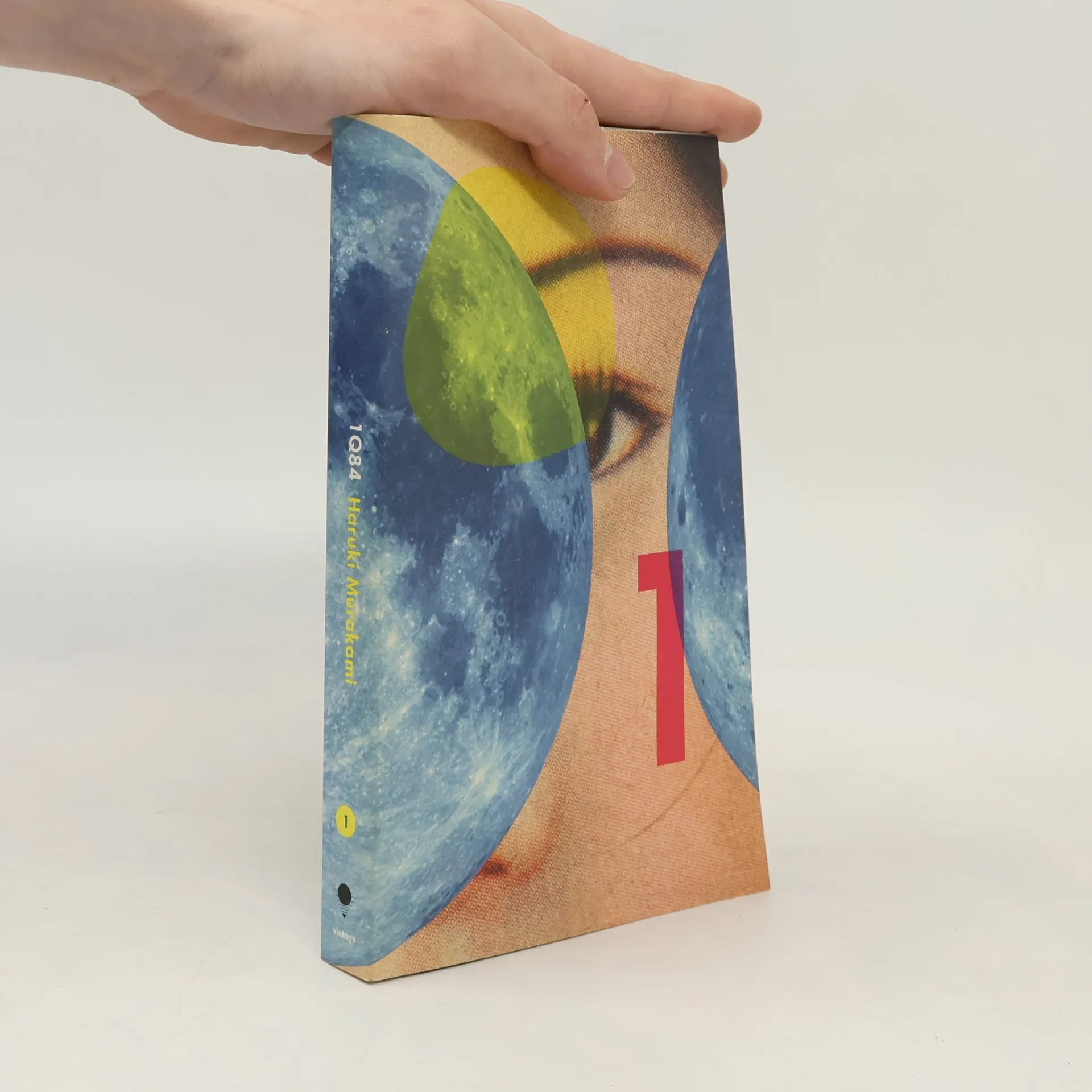
In 1984, Aomame, a woman with two differently sized ears, commits an assassination during a rendezvous with a wealthy oil dealer, seeking to right a past wrong. Meanwhile, Tengo, an aspiring writer, is tasked with rewriting a novel by the eccentric 17-year-old Fukaeri to help her win a literary prize. Though the story is highly original, it is poorly written, making this a risky endeavor. Aomame begins to question why her crime has not been reported in the news and wonders if she has entered a parallel world. To distinguish this eerie realm from her ordinary life in 1984, she names it 1Q84. The narrative intertwines the lives of Aomame and Tengo as they navigate their respective journeys, exploring themes of reality, identity, and the nature of existence.
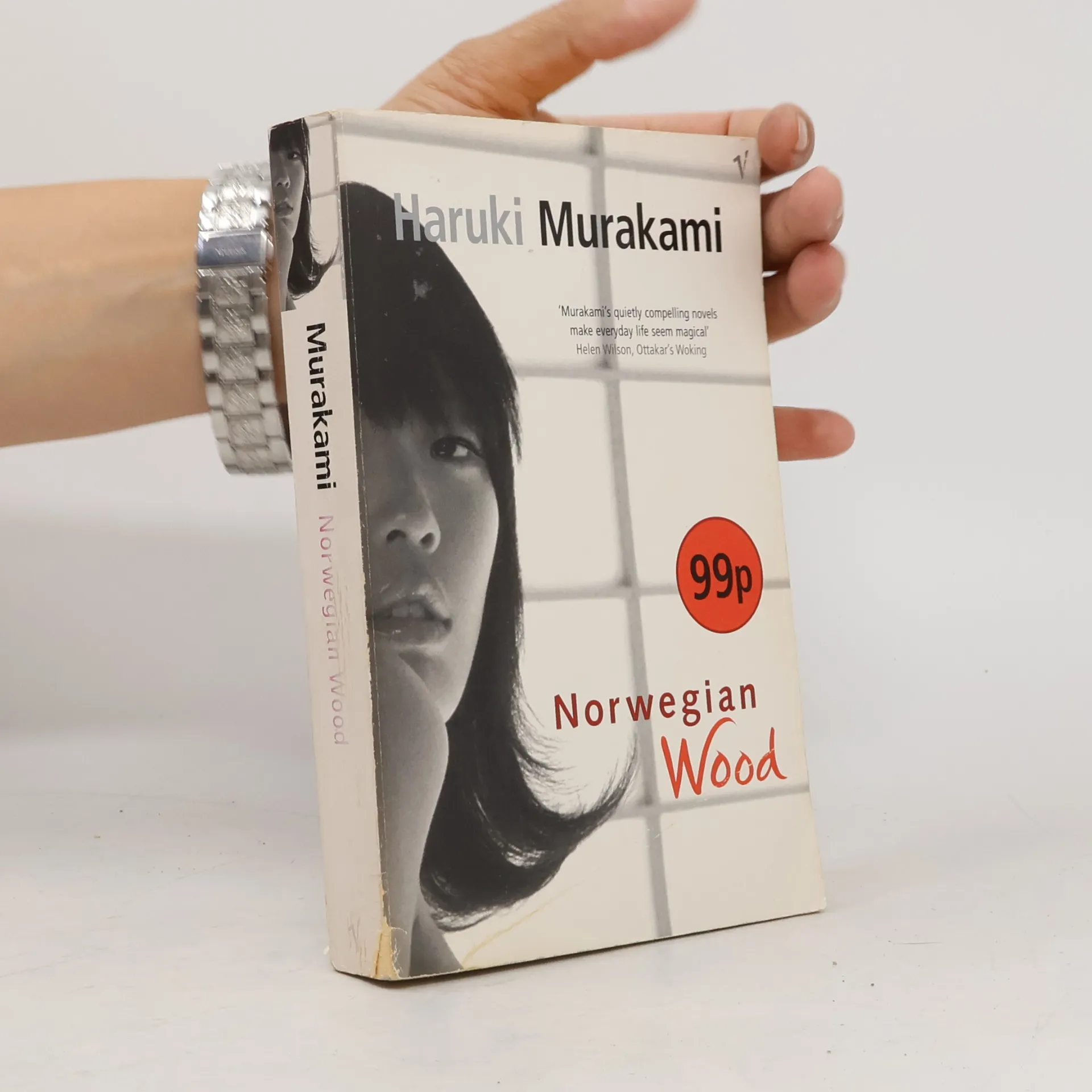
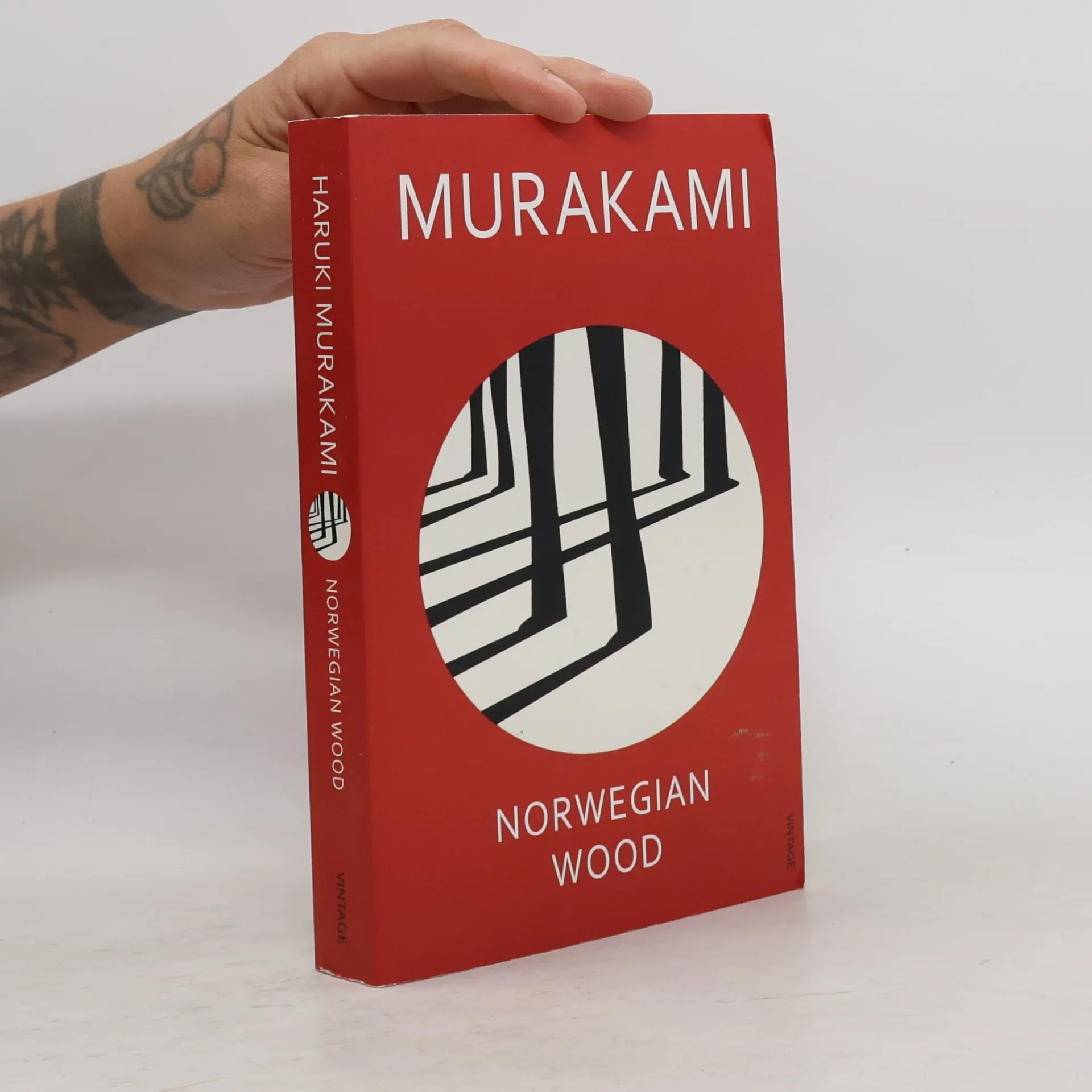
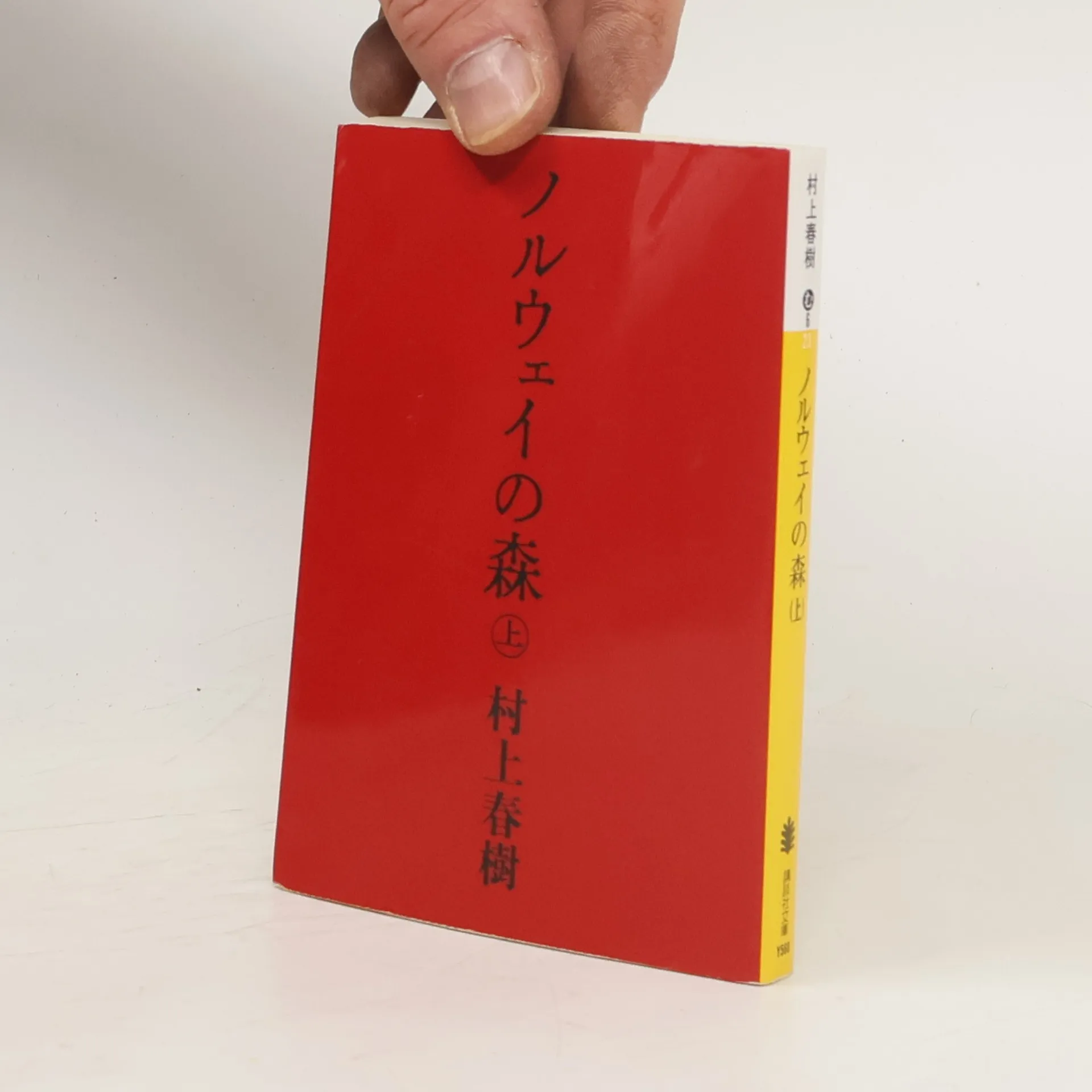
Toru, a quiet and preternaturally serious young college student in Tokyo, is devoted to Naoko, a beautiful and introspective young woman, but their mutual passion is marked by the tragic death of their best friend years before. Toru begins to adapt to campus life and the loneliness and isolation he faces there, but Naoko finds the pressures and responsibilities of life unbearable. As she retreats further into her own world, Toru finds himself reaching out to others and drawn to a fiercely independent and sexually liberated young woman. A poignant story of one college student's romantic coming-of-age, Norwegian Wood takes us to that distant place of a young man's first, hopeless, and heroic love.
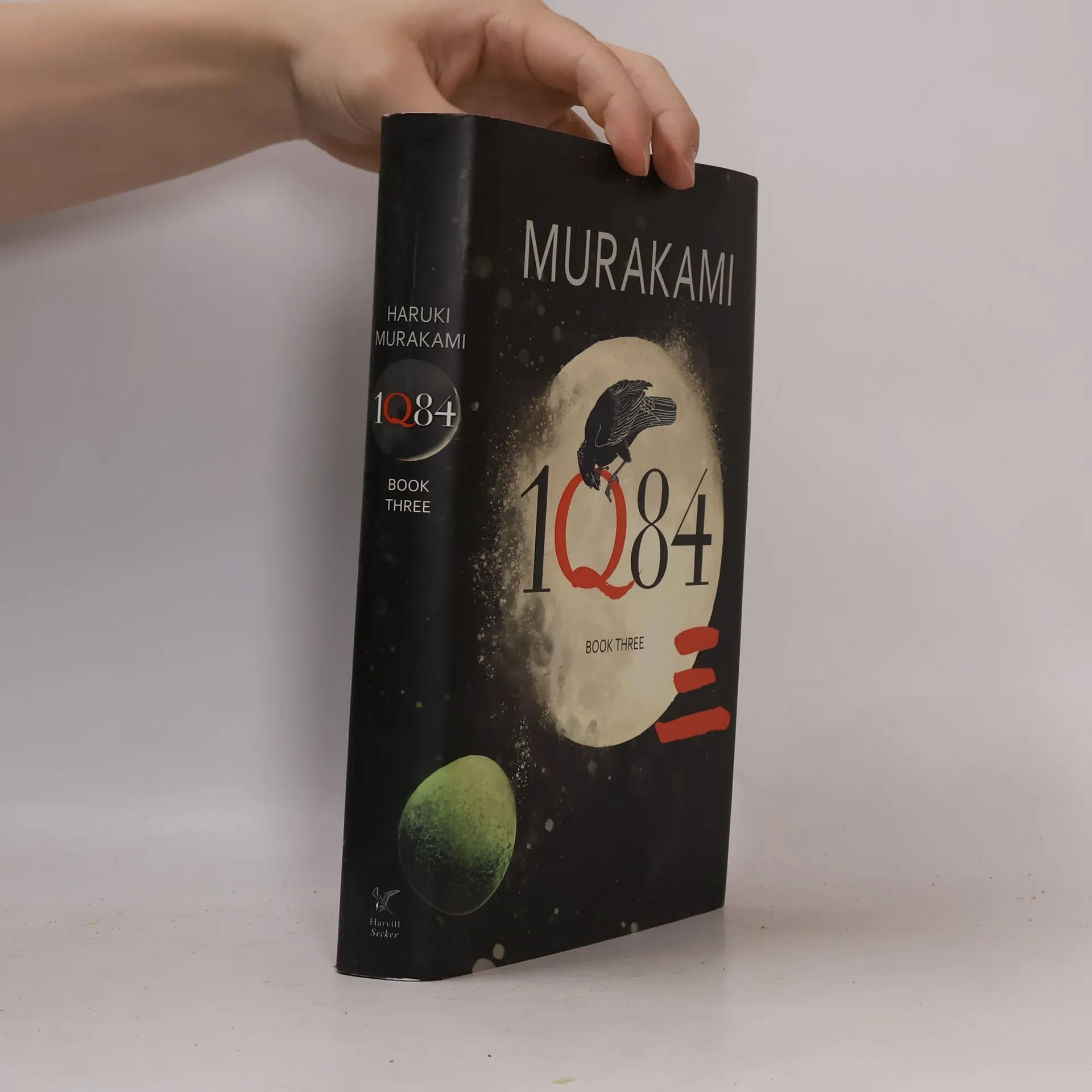
A mesmerising, epic, utterly involving masterpiece from Haruki Murakami The year is 1Q84. This is the real world, there is no doubt about that. But in this world, there are two moons in the sky. In this world, the fates of two people, Tengo and Aomame, are closely intertwined. They are each, in their own way, doing something very dangerous. And in this world, there seems no way to save them both. Something extraordinary is starting. *PRE-ORDER HARUKI MURAKAMI'S NEW NOVEL, THE CITY AND ITS UNCERTAIN WALLS, NOW* '1Q84 has a range and sophistication that surpasses anything else in his oeuvre. It is his most achieved novel; an epic in which form and content are neatly aligned' Independent on Sunday
His life was like his recurring nightmare: a train to nowhere. But an ordinary life has a way of taking an extraordinary turn. Add a girl whose ears are so exquisite that, when uncovered, they improve sex a thousand-fold, a runaway friend, a rightwing politico, an ovine-obsessed professor and a manic depressive in a sheep outfit, implicate them in a hunt for a sheep. that may or may not be running the world, and the upshot is another singular masterpiece from Japan's finest novelist.
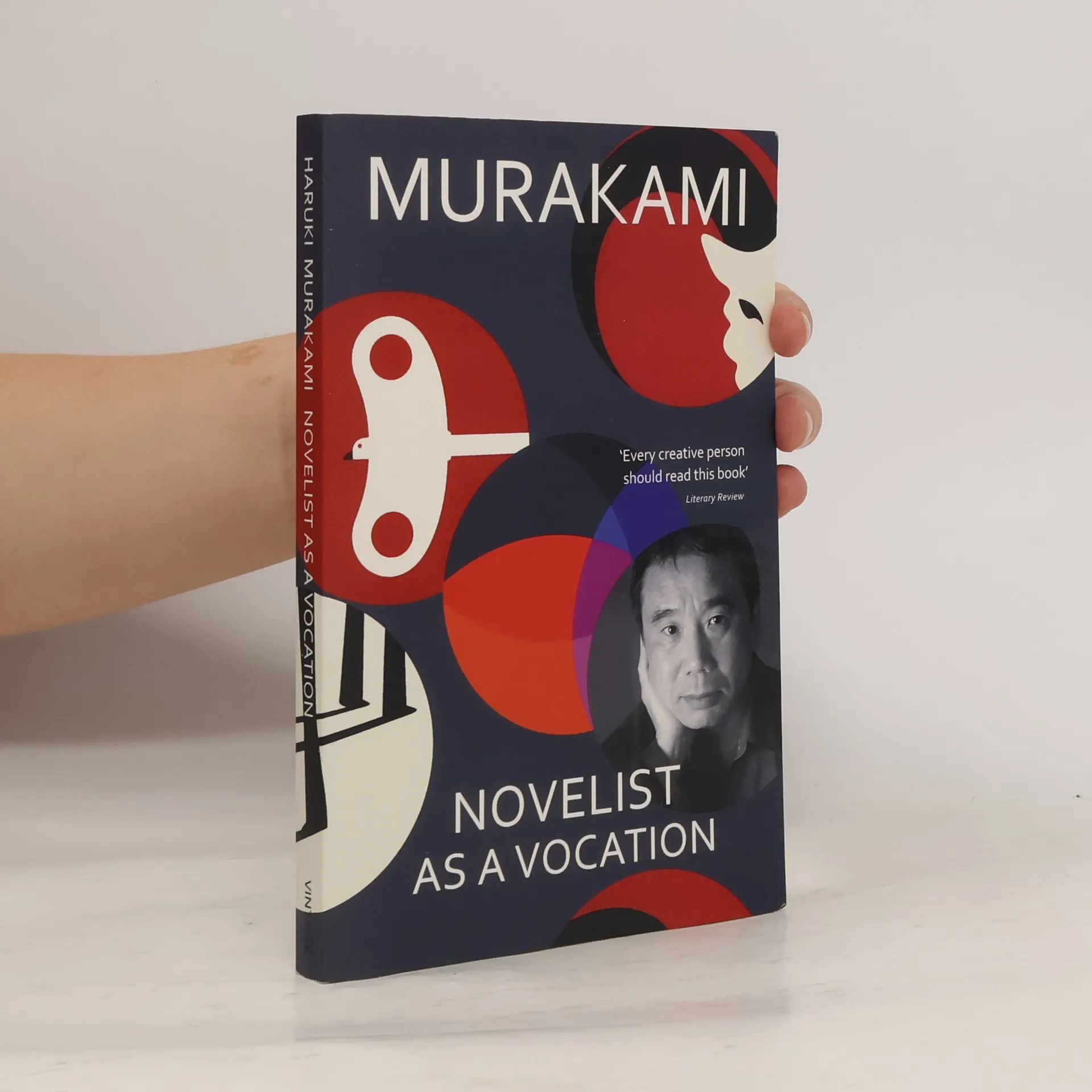
A unique look at the craft of writing from a bestelling master of storytelling. In this engaging book, the internationally best-selling author shares with readers what he thinks about being a novelist; his thoughts on the role of the novel in our society; his own origins as a writer; and his musings on the sparks of creativity that inspire other writers, artists, and musicians. Readers who have long wondered where the mysterious novelist gets his ideas and what inspires his strangely surreal worlds will be fascinated by this highly personal look at the craft of writing. 'An insightful collection of essays on his work and methods... You end this collection of beautiful essays vowing to never let life, or writing, get so complicated again' Guardian 'Murakami is like a magician who explains what he's doing as he performs the trick and still makes you believe he has supernatural powers' New York Times Book Review 'A fascinating glimpse of the peculiar writerly life' Sunday Times ** A TIMES, SUNDAY TIMES and NEW STATESMAN BOOK OF THE YEAR**
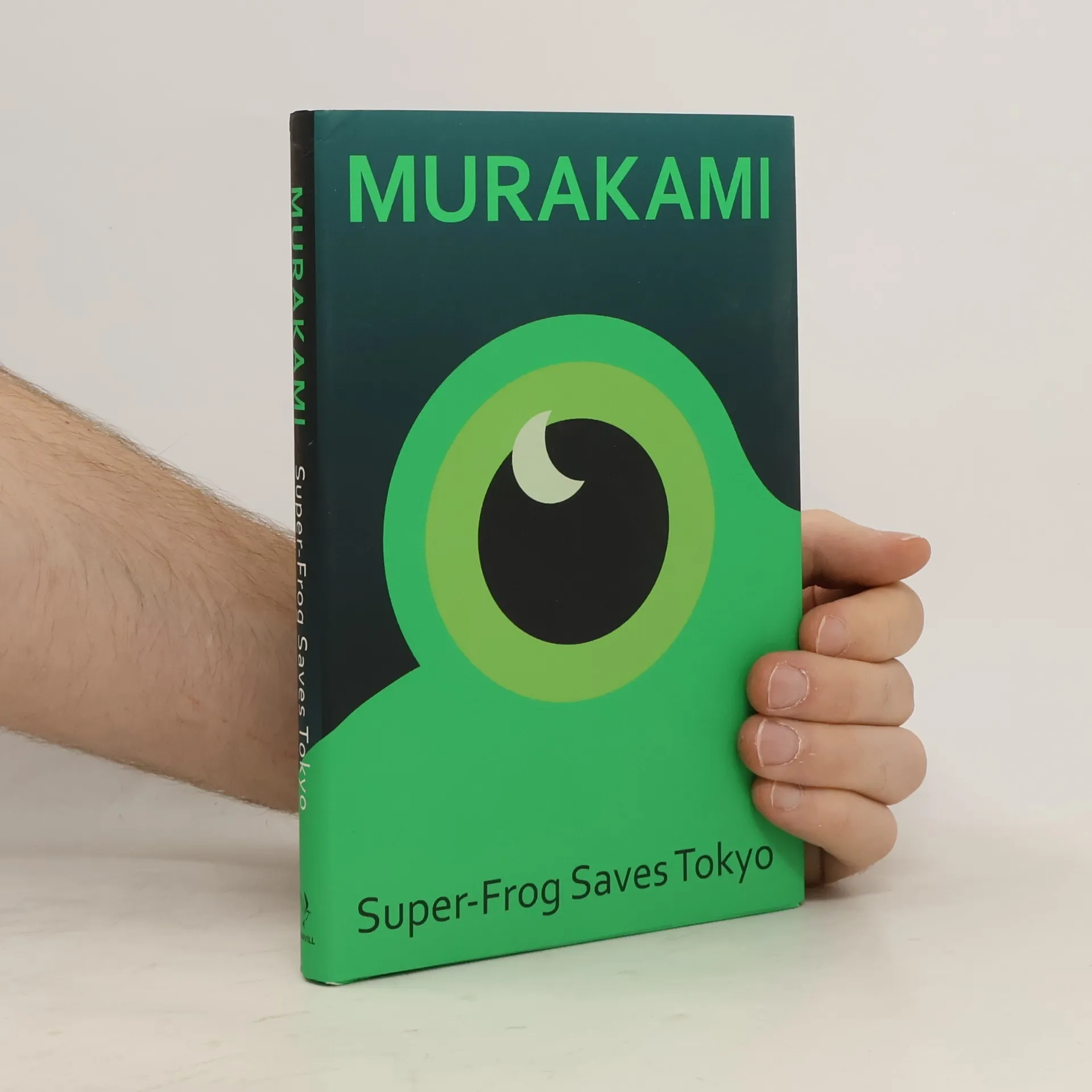
A bank employee is visited in his apartment by a giant frog who wants to save Tokyo from destruction by a worm; a fortune teller sees deep into the hate-filled soul of a doctor who seeks to find herself after a congress in Bangkok, following a man who has shattered her hopes; on her twentieth birthday, she works as a waitress like every Friday evening, but that night chance brings her the fulfillment of a mysterious wish.
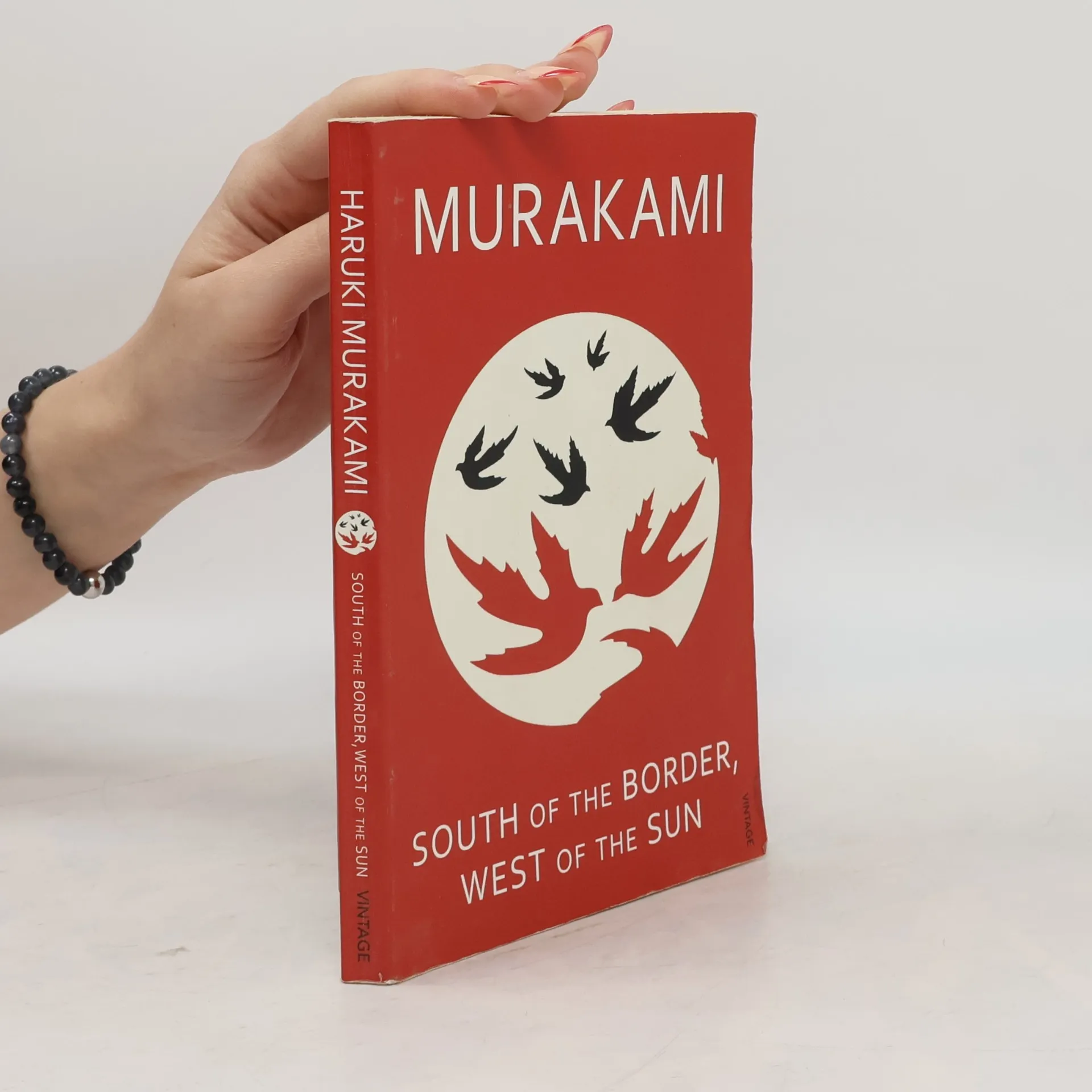
Growing up in the suburbs in post-war Japan, it seemed to Hajime that everyone but him had brothers and sisters. His sole companion was Shimamoto, also an only child. Together they spent long afternoons listening to her father's record collection. But when his family moved away, the two lost touch. Now Hajime is in his thirties. After a decade of drifting he has found happiness with his loving wife and two daughters, and success running a jazz bar. Then Shimamoto reappears. She is beautiful, intense, enveloped in mystery. Hajime is catapulted into the past, putting at risk all he has in the present. 'A story of love in a cool climate, intensely romantic and weepily beautiful...it is startlingly different: a true original' Guardian 'Casablanca remade Japanese style...It is dream-like writing, laden with scenes which have the radiance of a poem' The Times 'This wise and beautiful book is full of hidden truths' New York Times 'This book aches...an eloquent treatise on the vertiginous, irrational powers of love and desire' Independent on Sunday 'A beautiful, atmospheric novel sustained by Murakami's flair for philosophical mediation at its most human' Irish Times
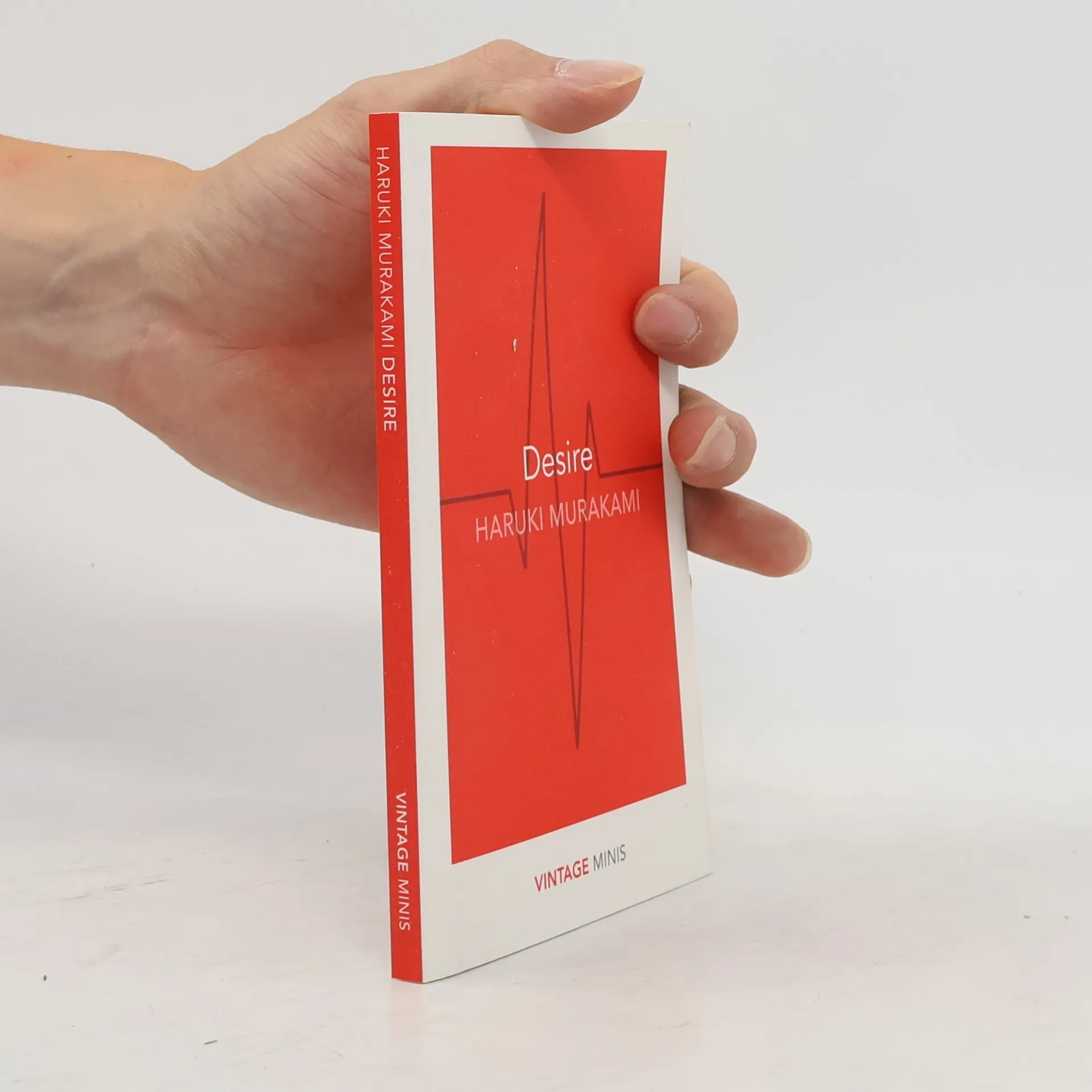
You've just passed someone on the street who could be the love of your life, the person you're destined for - what do you do? In Murakami's world, you tell them a story. The five weird and wonderful tales collected here each unlock the many-tongued language of desire, whether it takes the form of hunger, lust, sudden infatuation or the secret longings of the heart. Selected from Haruki's Murakami's short story collections The Elephant Vanishes, Blind Willow Sleeping Woman, Men Without Women VINTAGE MINIS- GREAT MINDS. BIG IDEAS. LITTLE BOOKS. A series of short books by the world's greatest writers on the experiences that make us human Also in the Vintage Minis series- Love by Jeanette Winterson Psychedelics by Aldous Huxley Eating by Nigella Lawson Summer by Laurie Lee
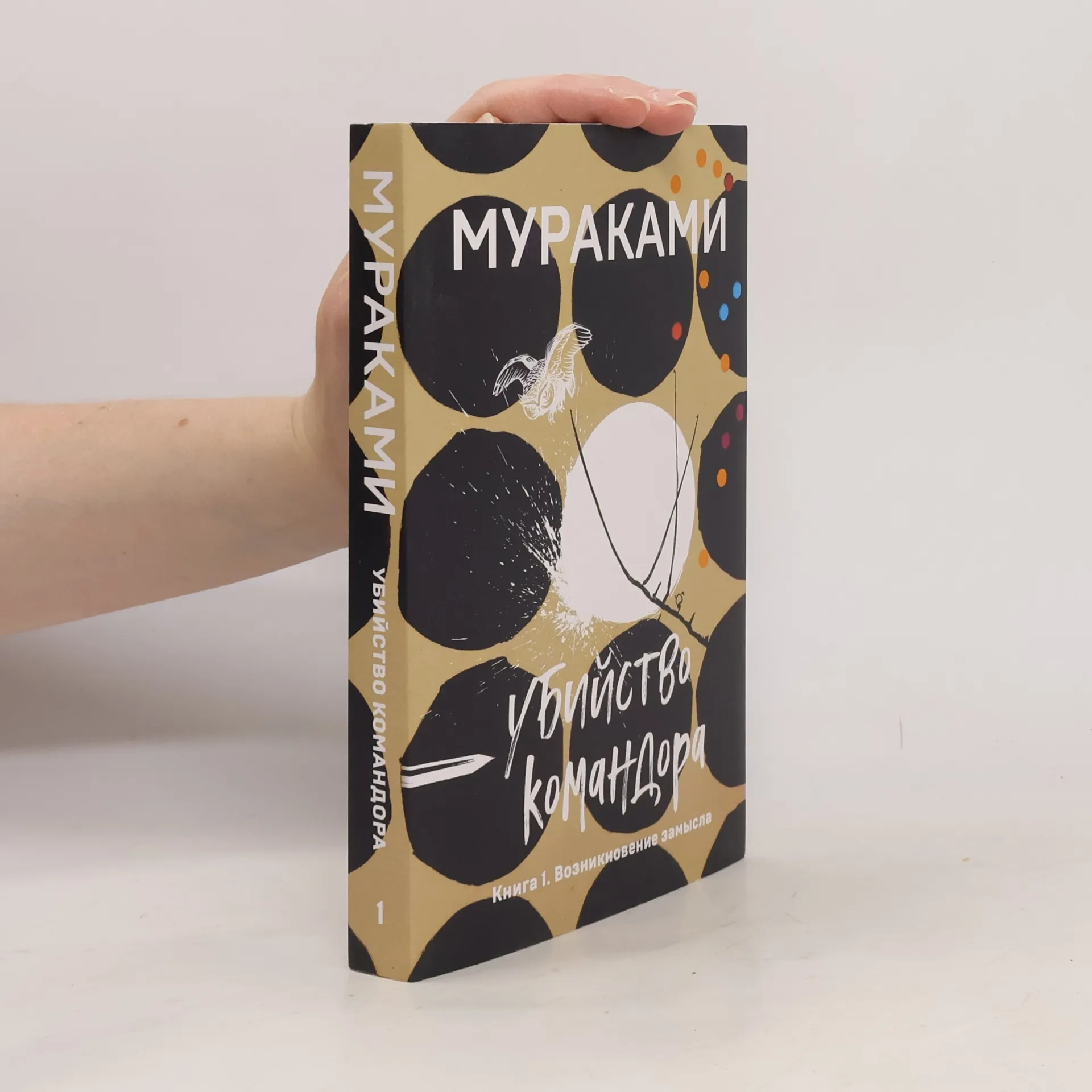
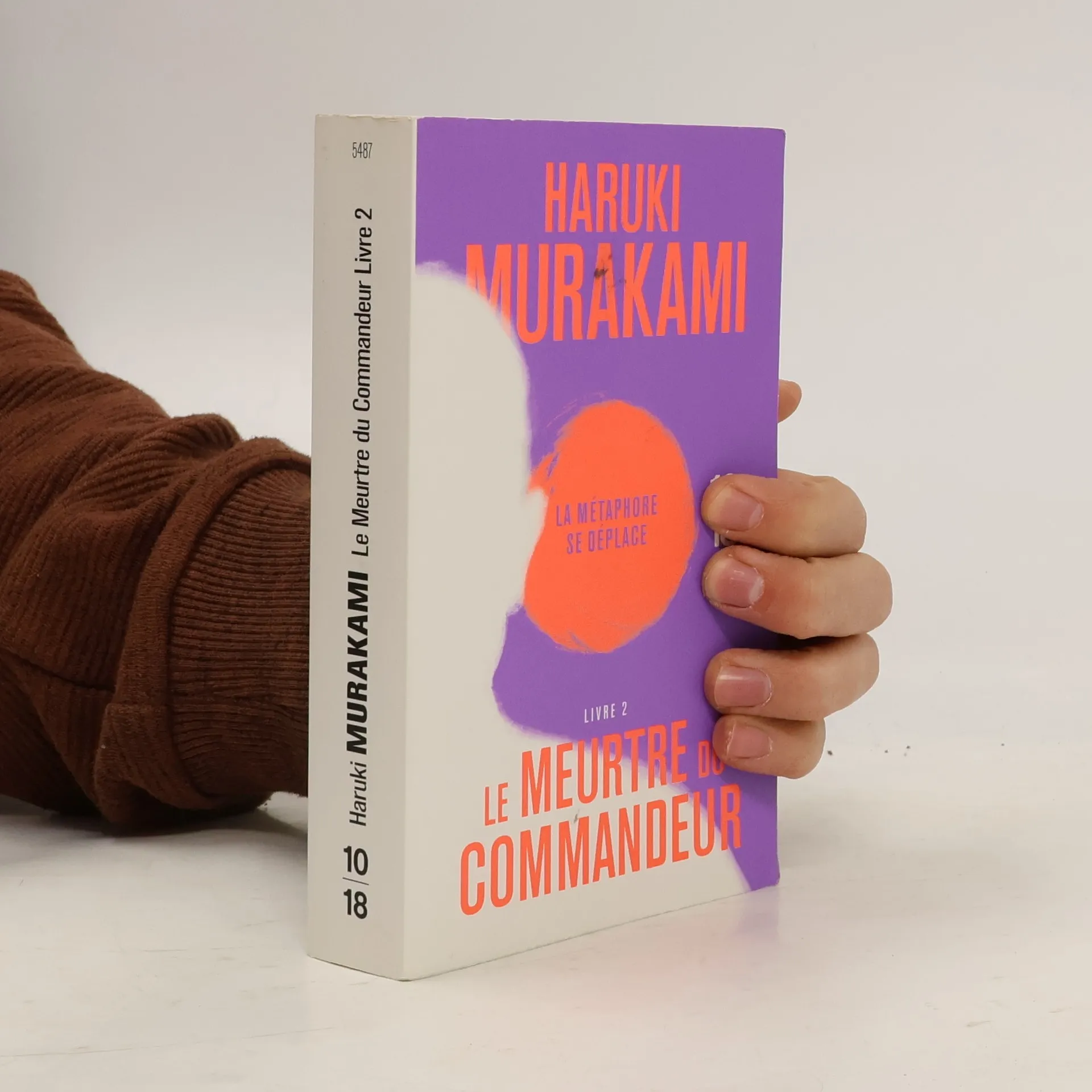
We all live our lives carrying secrets we cannot disclose. 'Beguiling... Murakami is brilliant at folding the humdrum alongside the supernatural; finding the magic that's nested in life's quotidian details' Guardian When a thirty-something portrait painter is abandoned by his wife, he holes up in the mountain home of a famous artist. The days drift by, spent painting, listening to music and drinking whiskey in the evenings. But then he discovers a strange painting in the attic and unintentionally begins a strange journey of self-discovery that involves a mysterious ringing bell, a precocious thirteen-year-old girl, a Nazi assassination attempt and a haunted underworld. A stunning work of imagination, Killing Commendatore is a surreal tale of love and loneliness, war and art.
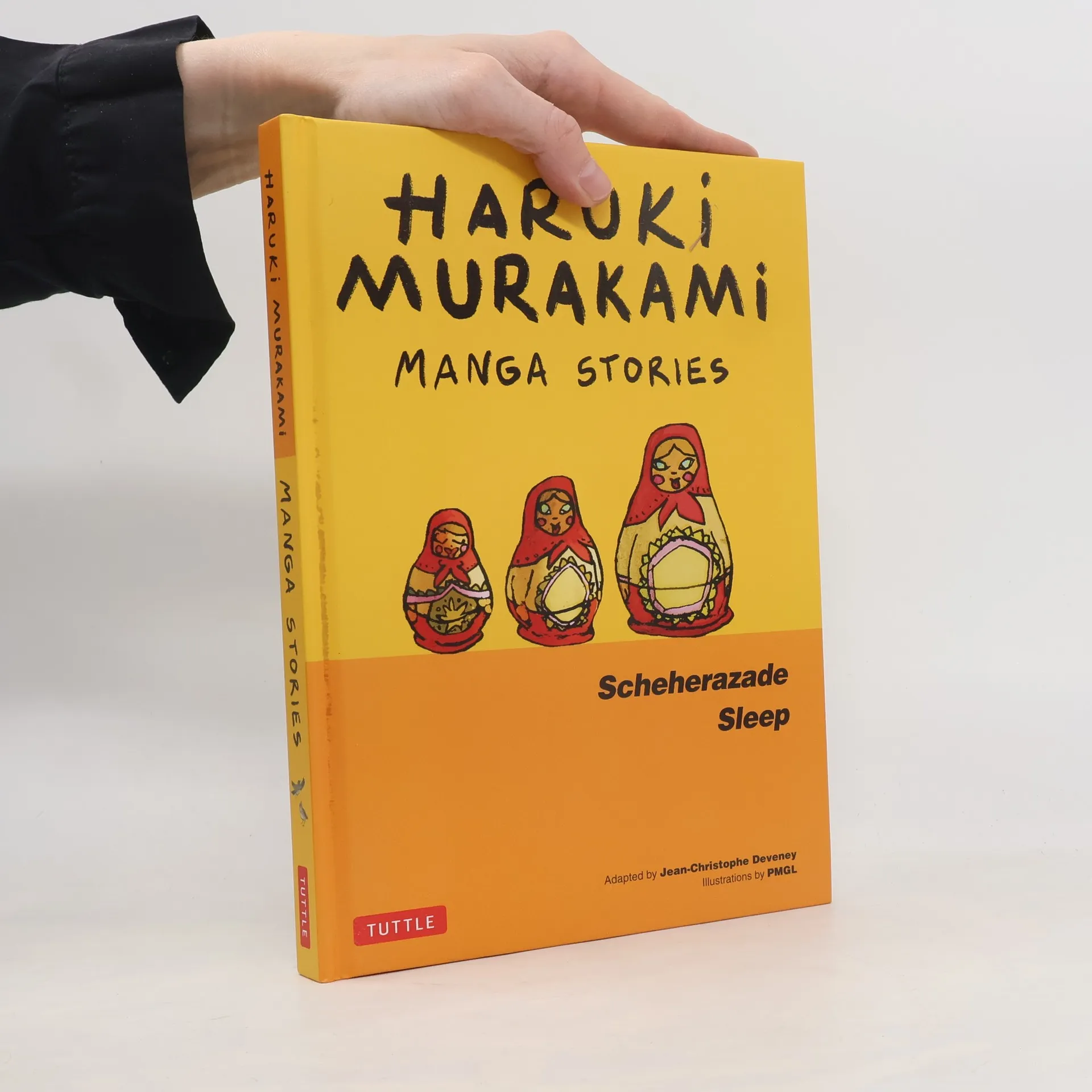
Haruki Murakami's best-loved stories finally available in graphic novel form!With their trademark mix of realism and fantasy, centering around Murakami's signature themes of loss, remorse and confusion, the two stories in this volume are: Scheherezade: a man named Habara is confined to his house and is visited by a nurse, Scheherezade, who brings him provisions and has sex with him. She tells Habara the story of a boy she had a crush on when she was young, whose house she repeatedly broke into. She tells him the story over several visits, and the story ends before Scheherezade finishes. Habara worries he may never see Scheherezade again. Sleep: recounts the life of a housewife with a regimented existence. But at night, she has her own life, as though she enters an extra-dimensional space. In this world she examines her own life and family and ponders the meaning of death.These new graphic versions of classic Murakami short stories will be devoured by his fans and will provide a new window onto his work for a new generation of readers not yet familiar with it!
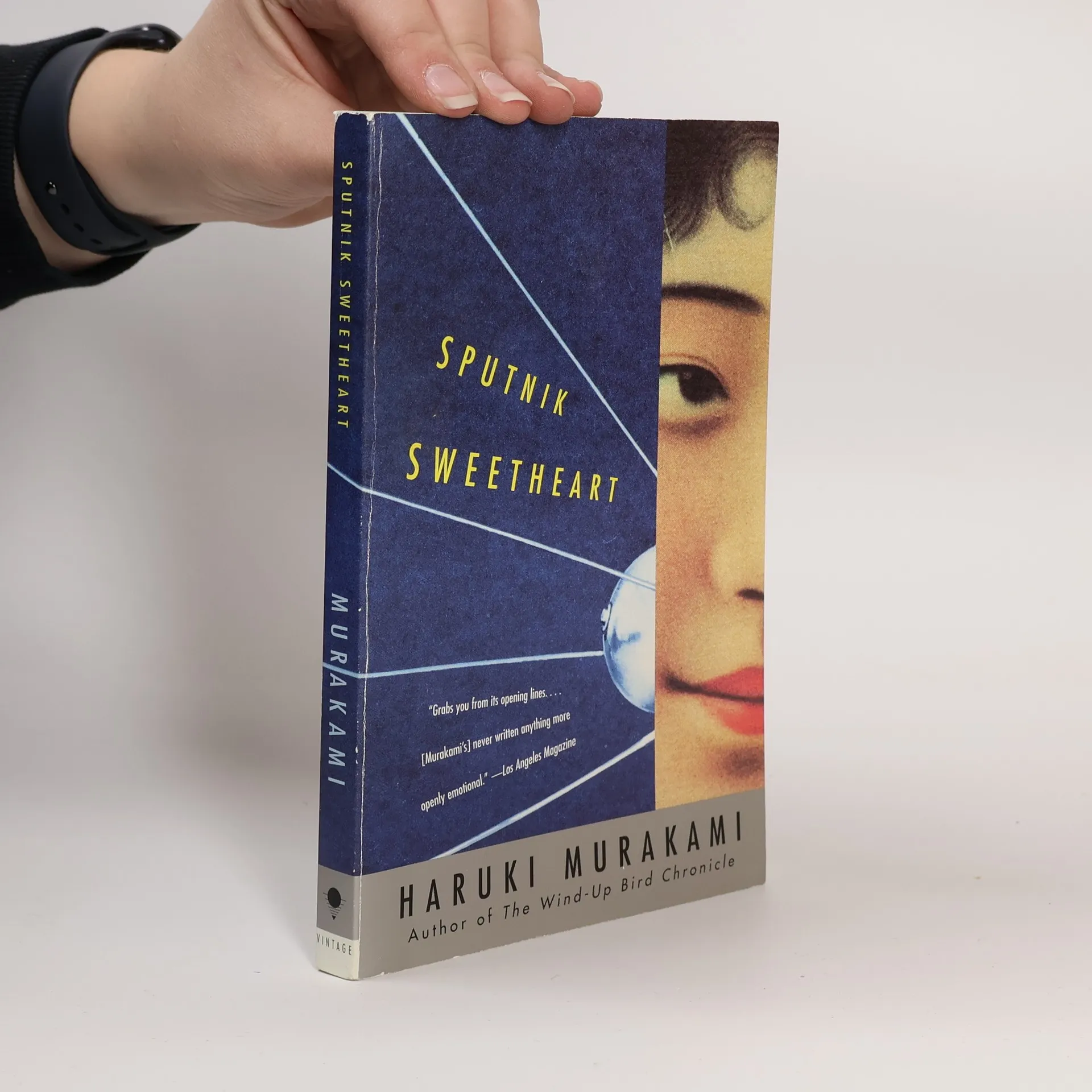
Part romance, part detective story, Sputnik Sweetheart tells the story of a tangled triangle of uniquely unrequited love. Now with a new introduction from the author. K is madly in love with his best friend, Sumire, but her devotion to a writerly life precludes her from any personal commitments. At least, that is, until she meets an older woman to whom she finds herself irresistibly drawn. When Sumire disappears from an island off the coast of Greece, K is solicited to join the search party—and finds himself drawn back into her world and beset by ominous visions. Subtle and haunting, Sputnik Sweetheart is a profound meditation on human longing.
A young man accompanies his cousin to the hospital to check an unusual hearing complaint and recalls a story of a woman put to sleep by tiny flies crawling inside her ear;Blind Willow, Sleeping Woman is Murakami's most eclectic collection of stories yet, and spans five years of his writing.
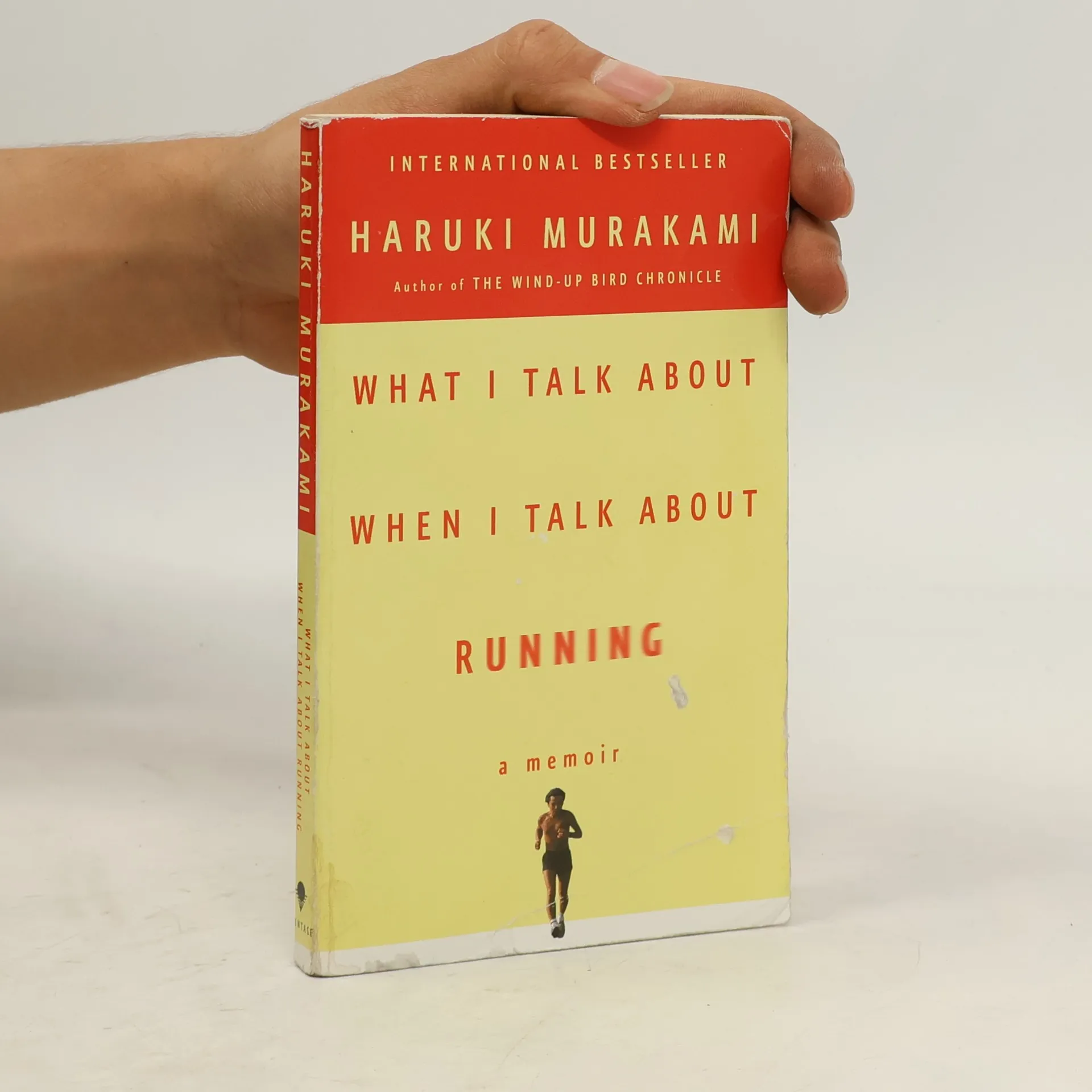
An intimate look at writing, running, and the incredible way they intersect, from the incomparable, bestselling author Haruki Murakami. While simply training for the New York City Marathon would be enough for most people, Haruki Murakami decided to write about it as well. The result is a beautiful memoir about his intertwined obsessions with running and writing, full of vivid memories and insights, including the eureka moment when he decided to become a writer. By turns funny and sobering, playful and phulosophical, What I Talk About When I Talk About Running is rich and revelatory, both for fans of this masterful yet guardedly private writer and for the exploding population of athletes who find similar satisfaction in athletic pursuit.
Tsukuru Tazaki had four best friends at school. By chance all of their names contained a colour. The two boys were called Akamatsu, meaning 'red pine', and Oumi, 'blue sea', while the girls' names were Shirane, 'white root', and Kurono, 'black field'. Tazaki was the only last name with no colour in it.
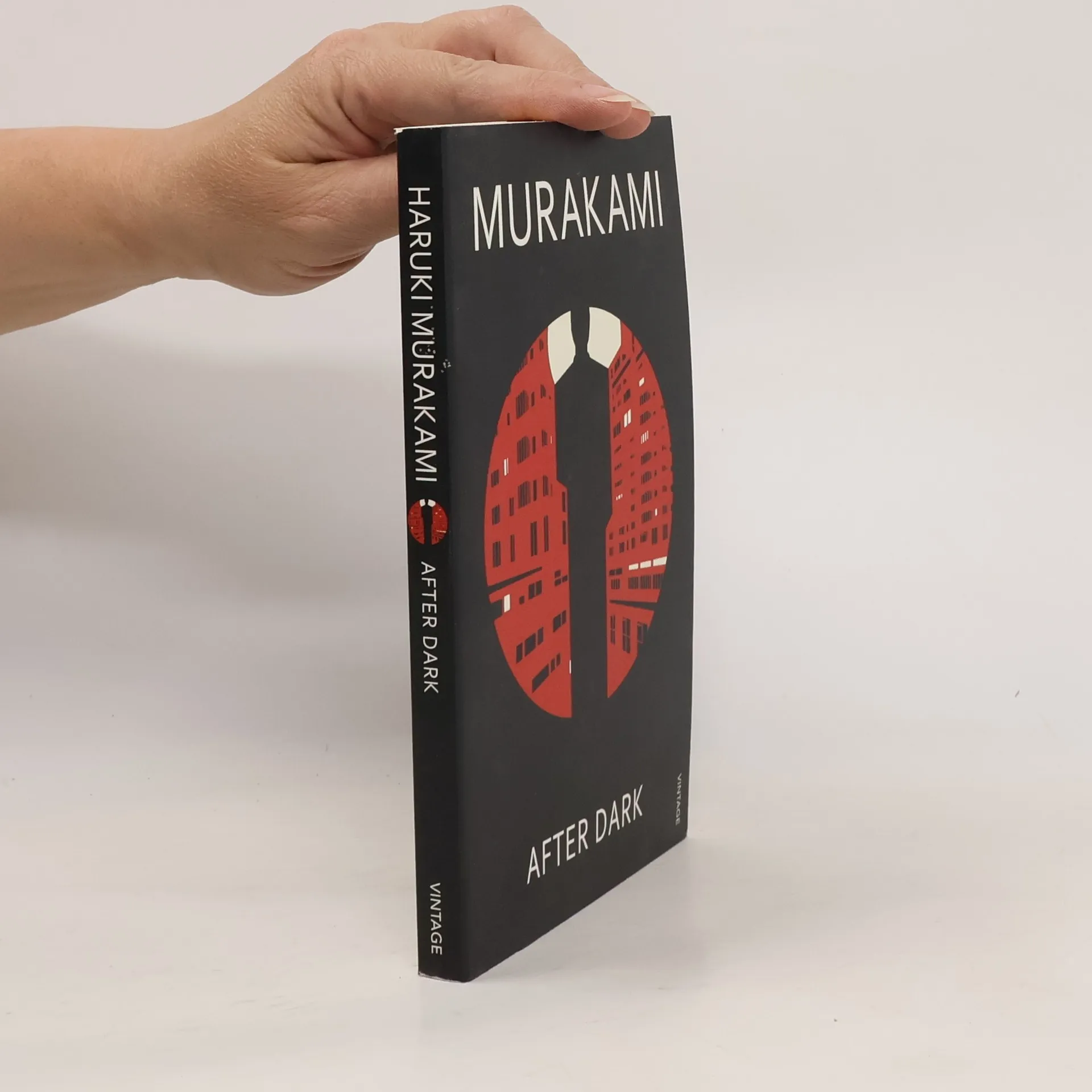
Mari sips her coffee and reads a book, but soon her solitude is disturbed: a girl has been beaten up at the Alphaville hotel, and needs Mari's help. Meanwhile Mari's beautiful sister Eri lies in a deep, heavy sleep that is 'too perfect, too pure' to be normal;
NATIONAL BESTSELLER • Including the story "Drive My Car”—now an Academy Award–nominated film—this collection from the internationally acclaimed author "examines what happens to characters without important women in their lives; it'll move you and confuse you and sometimes leave you with more questions than answers" (Barack Obama). Across seven tales, Haruki Murakami brings his powers of observation to bear on the lives of men who, in their own ways, find themselves alone. Here are lovesick doctors, students, ex-boyfriends, actors, bartenders, and even Kafka’s Gregor Samsa, brought together to tell stories that speak to us all. In Men Without Women Murakami has crafted another contemporary classic, marked by the same wry humor and pathos that have defined his entire body of work.
STEP INTO THE CITY When a young man's girlfriend mysteriously vanishes, he sets his heart on finding the imaginary city where her true self lives. His search will lead him to take a job in a remote library with mysteries of its own. When he finally makes it to the walled city, a shadowless place of horned beasts and willow trees, he finds his beloved working in a different library - a dream library. But she has no memory of their life together in the other world and, as the lines between reality and fantasy start to blur, he must decide what he's willing to lose. A love story, a quest, an ode to books and to the libraries that house them, The City and Its Uncertain Walls is a parable for these strange times. PRAISE FOR HARUKI MURAKAMI 'The world's most popular cult novelist' Guardian 'Wild and thrilling. . . Murakami is a master storyteller and he knows how to keep us hooked' Sunday Times 'Totally gripping' Daily Express 'It's safe to say that there's no one like Murakami' Literary Review 'No other author mixes domestic, fantastic and esoteric elements into such weirdly bewitching shades' Financial Times
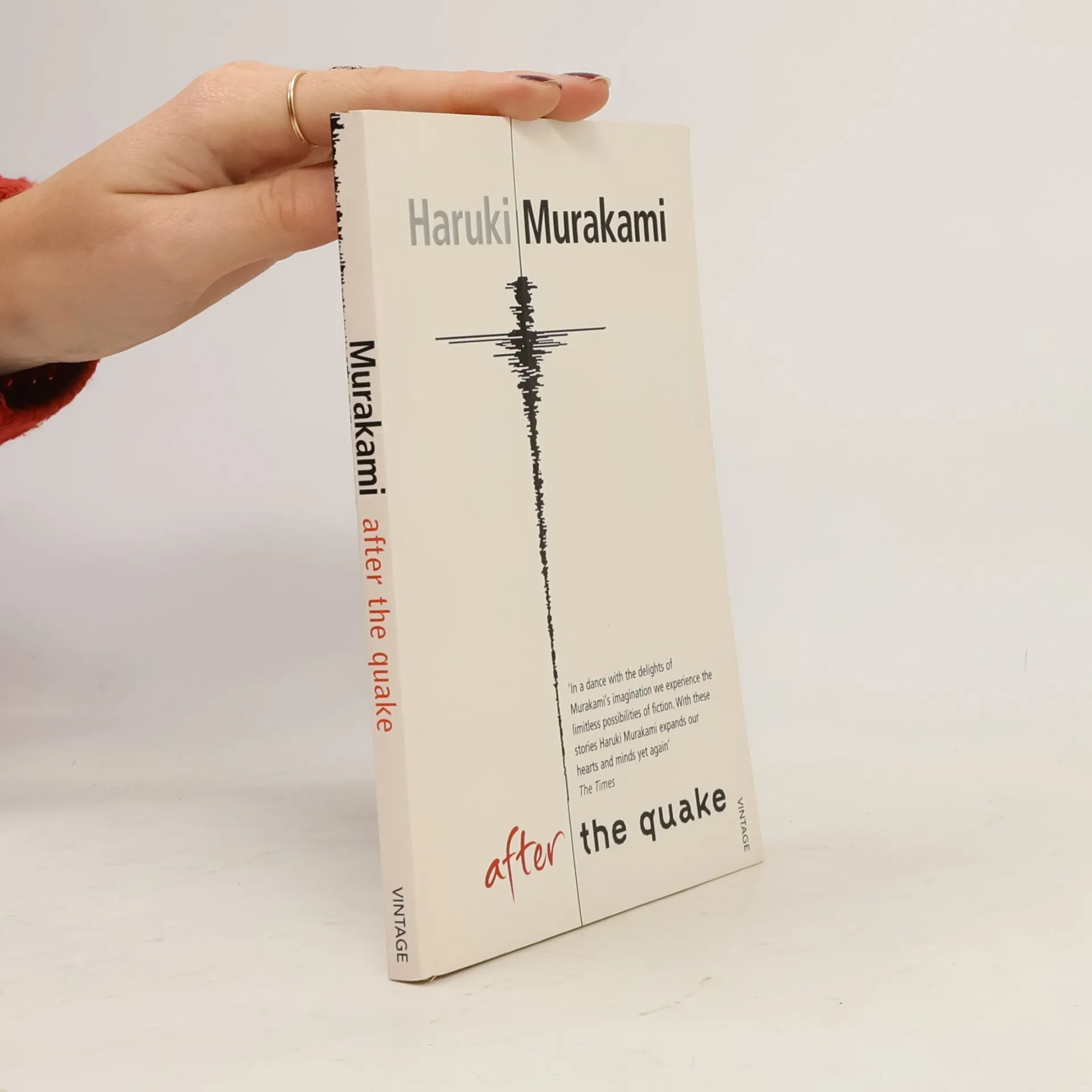
The economy was booming. People had more money than they knew what to do with. And then the earthquake struck. For the characters in After the Quake, the Kobe earthquake is an echo from a past they buried long ago. Satsuki has spent thirty years hating on
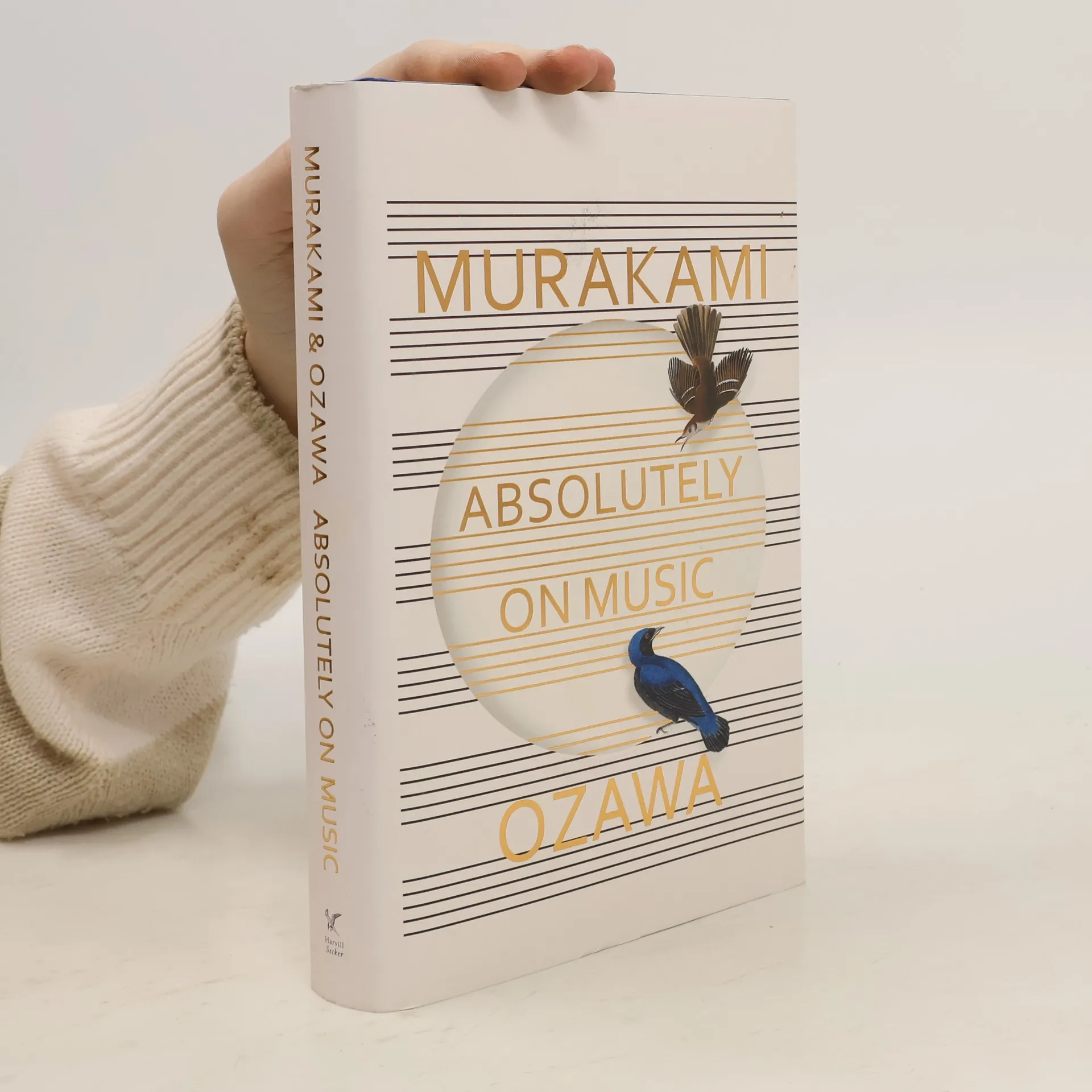
An intimate conversation about music and creativity, between the internationally bestselling writer and a world-class conductor. 'My only purpose in this book was for me, as a music lover, to have a discussion of music with the musician Seiji Ozawa that was as open and honest as possible. I simply wanted to bring out the ways that each of us (though on vastly different levels) is dedicated to music.' Haruki Murakami's passion for music runs deep. Before turning his hand to writing, he ran a jazz club in Tokyo, and the aesthetic and emotional power of music permeates every one of his much-loved books. Now, in Absolutely on Music, Murakami fulfills a personal dream, sitting down with his friend, acclaimed conductor Seiji Ozawa, to talk about their shared interest. Transcribed from lengthy conversations about the nature of music and writing, here they discuss everything from Brahms to Beethoven, from Leonard Bernstein to Glenn Gould, from record collecting to pop-up orchestras, and much more. Ultimately this book gives readers an unprecedented glimpse into the minds of two maestros.
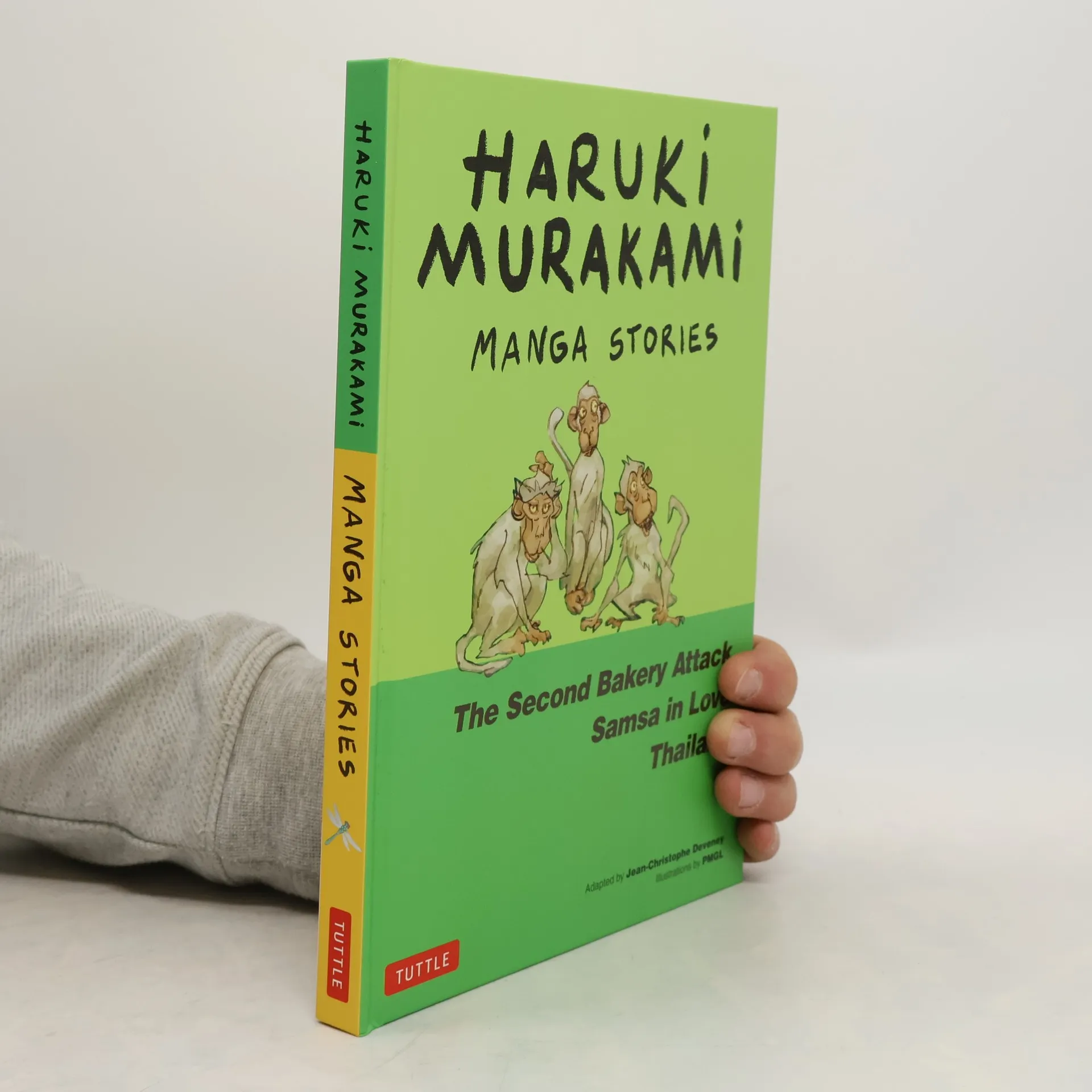
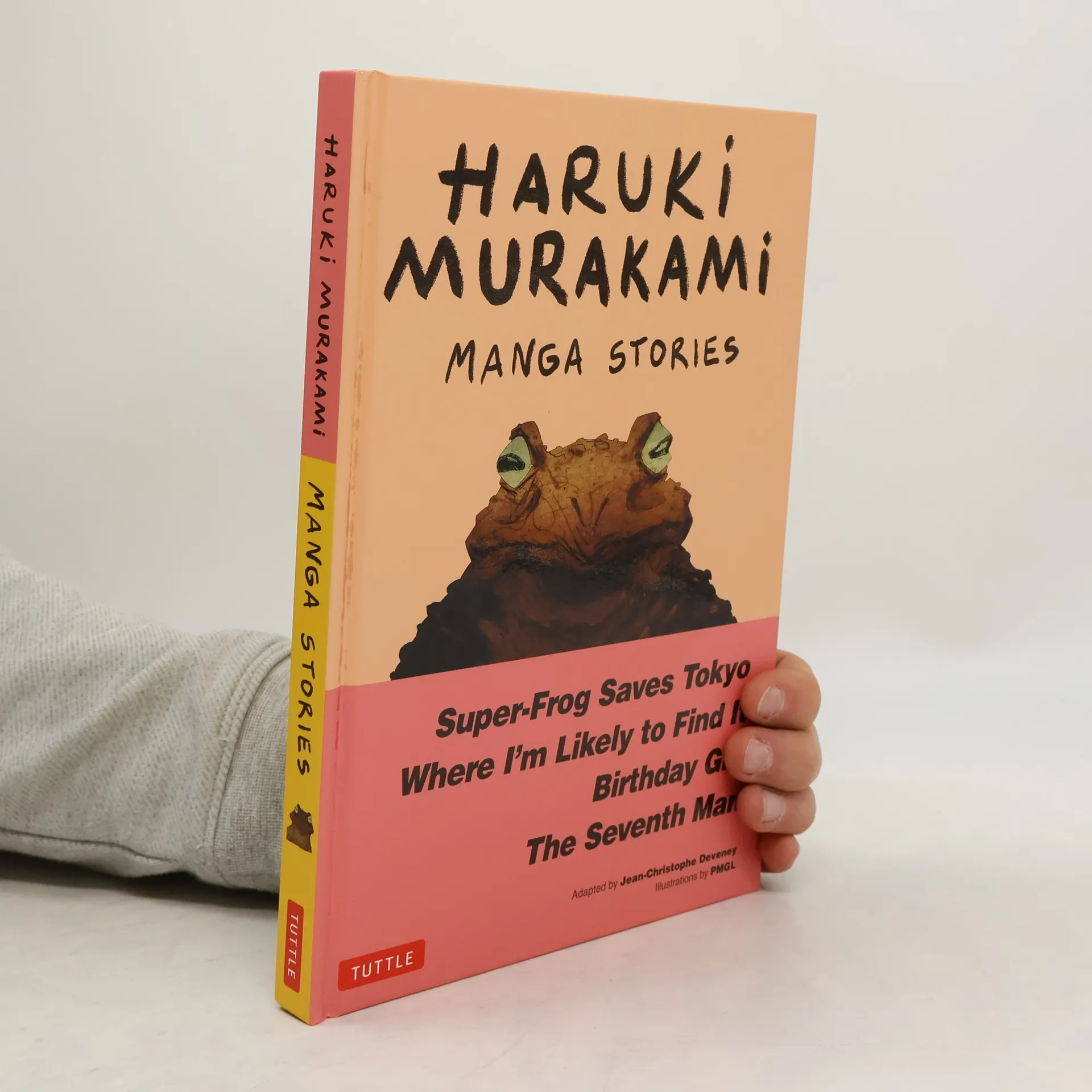
Haruki Murakami's beloved short stories are now presented in graphic novel form for the first time in English. This volume, the first of three, features four captivating tales from his bestselling collections, blending realism and fantasy while exploring themes of loss, remorse, and confusion.
In "Super-Frog Saves Tokyo," Katagiri encounters a giant frog promising to save Tokyo from another earthquake, leading him to question reality and confront his feelings of powerlessness. "Where I'm Likely to Find It" follows a woman whose missing husband prompts a detective to reflect on his own life amidst a Kafkaesque exploration of disappearance and coping.
"Birthday Girl" recounts a surreal encounter on a woman's twentieth birthday with her restaurant's owner, who grants her a wish. "The Seventh Man" tells the poignant story of a man haunted by the death of his childhood friend in a tsunami, capturing Murakami's signature emotional depth and surrealism.
This graphic adaptation offers a fresh perspective on Murakami's work, appealing to both dedicated fans and younger readers new to his stories. Recommended for ages 16 and up due to mature themes and graphic content.
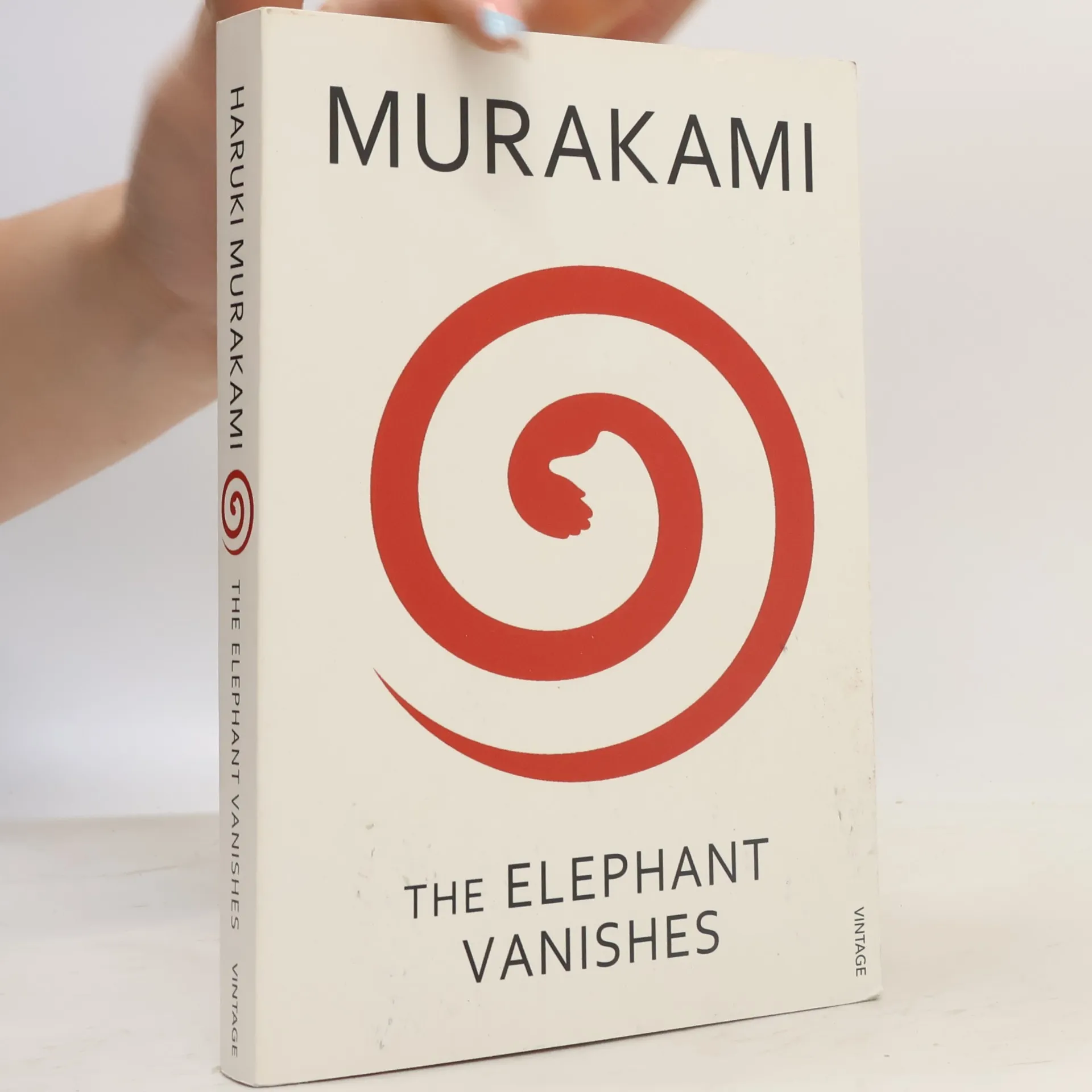
When A Man'S Favourite Elephant Vanishes, The Balance Of His Whole Life Is Subtly Upset; A Couple'S Midnight Hunger Pangs Drive Them To Hold Up A Mcdonald'S; A Woman Finds She Is Irresistible To A Small Green Monster That Burrows Through Her Front Garden; An Insomniac Wife Wakes Up To A Twilight World Of Semi-Consciousness In Which Anything Seems Possible - Even Death. In Every One Of The Stories That Make Up The Elephant Vanishes, Murakami Makes A Determined Assault On The Normal. He Has A Deadpan Genius For Dislocating Realities To Uncover The Surreal In The Everyday, The Extraordinary In The Ordinary.
Un document necessari i commovedor de l’atac terrorista que va sacsejar Tokio el 1995. Una obra de literatura periodística que recull els testimonis de les víctimes de l’atac amb gas sarín al metro de Tòquio l’any 1995, així com la visió dels botxins, membres de la secta Aum Shinrikyo, i que analitza amb molta precisió la psicologia nipona i busca el perquè d’uns atemptats tan violents i cruels.
In this enviable gathering, Haruki Murakami has chosen for his party some of the very best short story writers of recent years, each with their own birthday experiences, each story a snapshot of life on a single day. Including stories by Russell Banks, Et
"The international literary icon opens his eclectic closet: Here are photographs of Murakami's extensive and personal T-shirt collection, accompanied by essays that reveal a side of the writer rarely seen by the public. Considered "the world's most popular cult novelist" (The Guardian), Haruki Murakami's books have galvanized millions around the world. Many of his fans know about his 10,000 vinyl record collection, and his obsession with running, but few have heard about a more intimate, and perhaps more unique, passion: his T-shirt collecting habit. In Murakami T, the famously reclusive novelist shows us his T-shirts--including gems from the Springsteen on Broadway show in NYC, from The Beach Boys concert in Honolulu to the shirt that inspired the beloved short story, "Tony Takitani." Accompanied by short, frank essays that have been translated into English for the first time, these photographs reveal much about Murakami's multifaceted and wonderfully eccentric persona"--Publisher's description
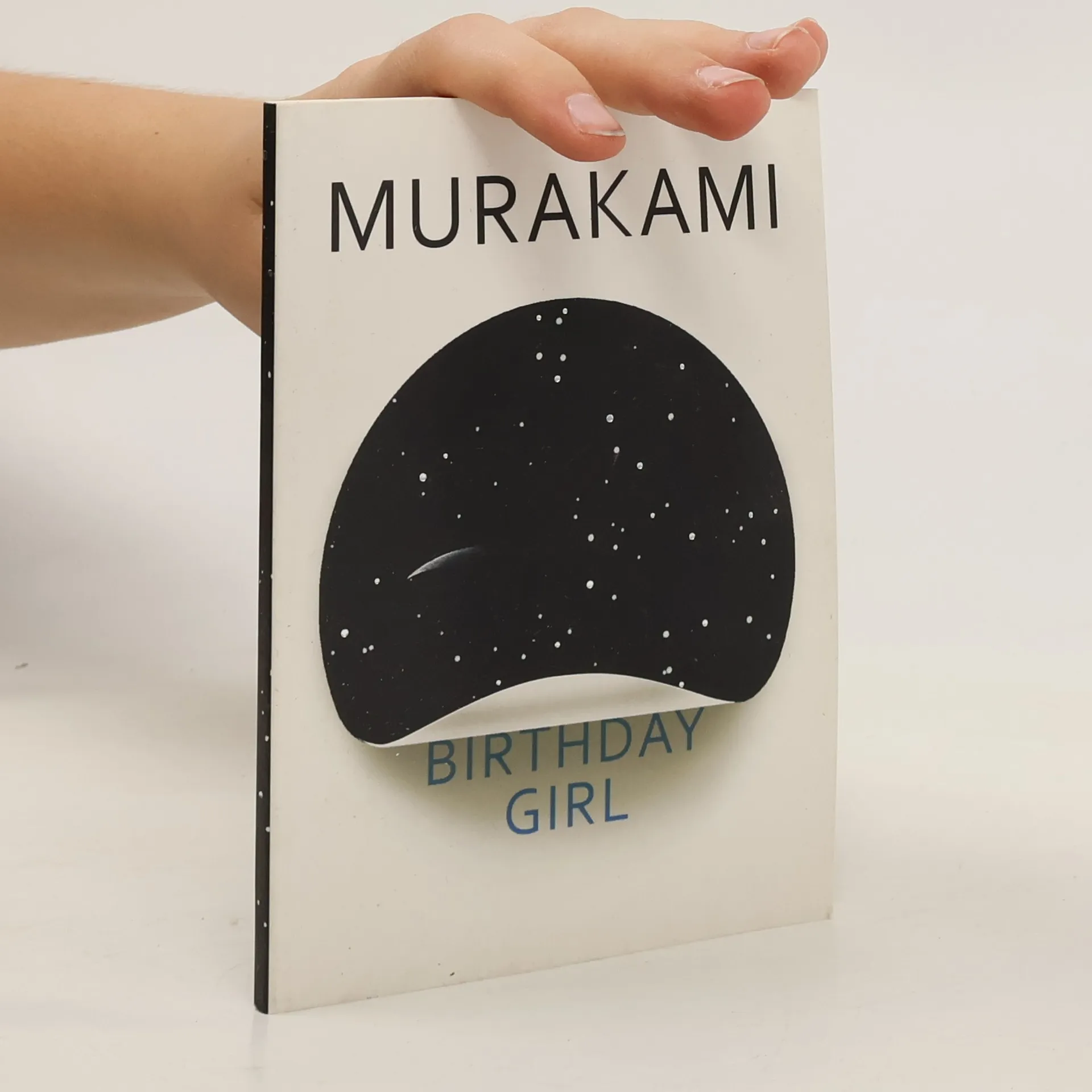
She waited on tables as usual that day, her twentieth birthday. She always worked Fridays, but if things had gone according to plan on that particular Friday, she would have had the night off. One rainy Tokyo night, a waitress's uneventful twentieth birthday takes a strange and fateful turn when she's asked to deliver dinner to the restaurant's reclusive owner. Birthday Girl is a beguiling, exquisitely satisfying taste of master storytelling, published to celebrate Murakami's 70th birthday.
NATIONAL BESTSELLER Wind/Pinball, a unique two-in-one volume, includes, on one side, Murakami’s first novel Hear the Wind Sing. When you flip the book over, you can read his second novel, Pinball, 1973. Each book has its own stunning cover. In the spring of 1978, a young Haruki Murakami sat down at his kitchen table and began to write. The result: two remarkable short novels—Hear the Wind Sing and Pinball, 1973—that launched the career of one of the most acclaimed authors of our time. These powerful, at times surreal, works about two young men coming of age—the unnamed narrator and his friend the Rat—are stories of loneliness, obsession, and eroticism. They bear all the hallmarks of Murakami’s later books, and form the first two-thirds, with A Wild Sheep Chase, of the trilogy of the Rat. Widely available in English for the first time ever, newly translated, and featuring a new introduction by Murakami himself, Wind/Pinball gives us a fascinating insight into a great writer’s beginnings.
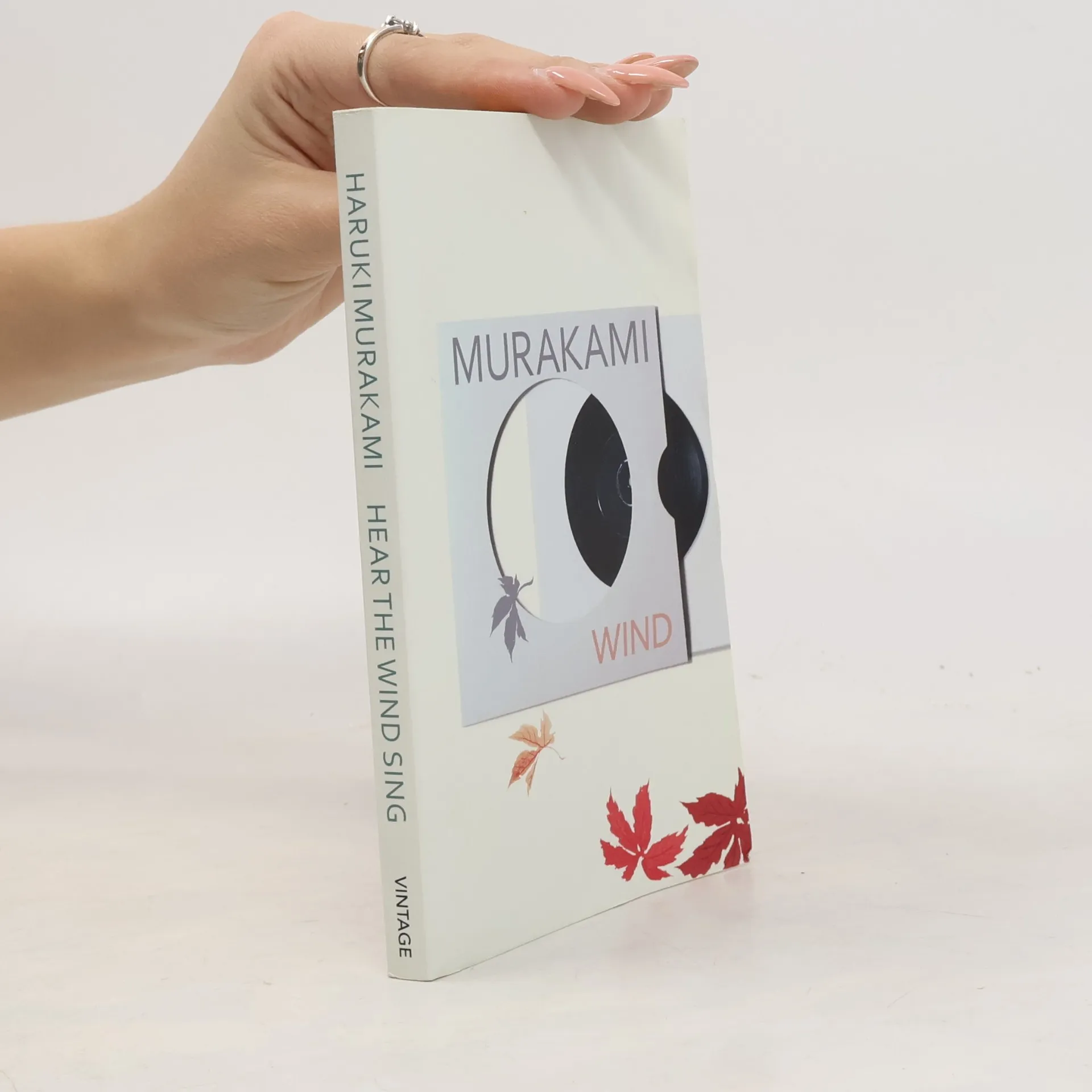
Hear the Wind Sing is Murakami's first novel, available for the first time in English outside Japan. In Hear the Wind Sing the narrator is home from college on his summer break. He spends his time drinking beer and smoking in Jâe(tm)s Bar with the Rat, listening to the radio, thinking about writing and the women he has slept with, and pursuing a relationship with a girl with nine fingers. The story of the narrator, the Rat and J continues in Pinball, 1973.
Pinball, 1973 is Murakami's second novel, available for the first time in English outside Japan. With a new introduction by the author. Hear the Wind Sing and Pinball, 1973 are Haruki Murakamiâe(tm)s earliest novels. They follow the fortunes of the narrator and his friend, known only by his nickname, the Rat. Pinball, 1973 picks up three years after the events of Hear the Wind Sing. The narrator has moved to Tokyo to work as a translator and live with indistinguishable twin girls, but the Rat has remained behind, despite his efforts to leave both the town and his girlfriend. The narrator finds himself haunted by memories of his own doomed relationship but also, more bizarrely, by his short-lived obsession with playing pinball in Jâe(tm)s Bar. This sends him on a quest to find the exact model of pinball machine he had enjoyed playing years earlier: the three-flipper Spaceship.
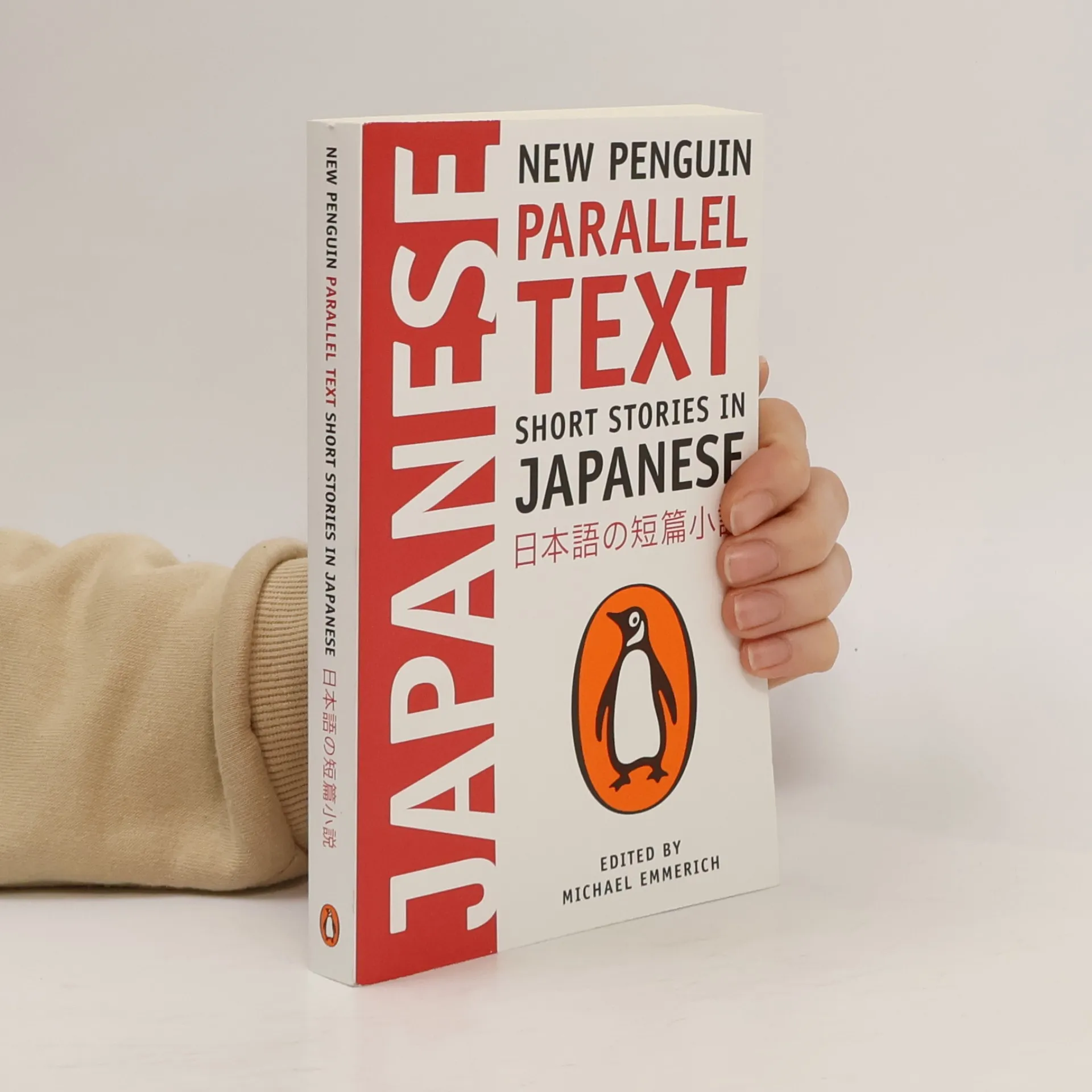
A dual-language edition of Japanese stories—many appearing in English for the first time This volume of eight short stories, with parallel translations, offers students at all levels the opportunity to enjoy a wide range of contemporary literature without having constantly to refer back to a dictionary. The stories—many of which appear here in English for the first time—are by well-known writers like Haruki Murakami and Banana Yoshimoto, as well as emerging voices like Abe Kazushige, Ishii Shinji, and Kawakami Hiromi. From the orthodox to the cutting-edge, they represent a range of styles and themes, showcasing the diversity of Japanese fiction over the past few decades in a collection that is equally rewarding for beginning, intermediate, and advanced students of English or Japanese. Complete with notes, the stories make excellent reading in either language.
The haunting, enigmatic love story that turned Murakami into a literary superstar in Japan, and is his bestselling title throughout the world Autumn 1969, and soon I would be 20. When he hears her favourite Beatles song, Toru Watanabe recalls his first love Naoko, the girlfriend of his best friend Kizuki. Immediately he is transported back almost twenty years to his student days in Tokyo, adrift in a world of uneasy friendships, casual sex, passion, loss and desire - to a time when an impetuous young woman called Midori marches into his life and he has to choose between the future and the past. 'Such is the exquisite, gossamer construction of Murakami's writing that everything he chooses to describe trembles with symbolic possibility' Guardian 'Poignant, romantic and hopeless, it beautifully encapsulates the heartbreak and loss of faith' Sunday Times 'A masterly novel' New York Times
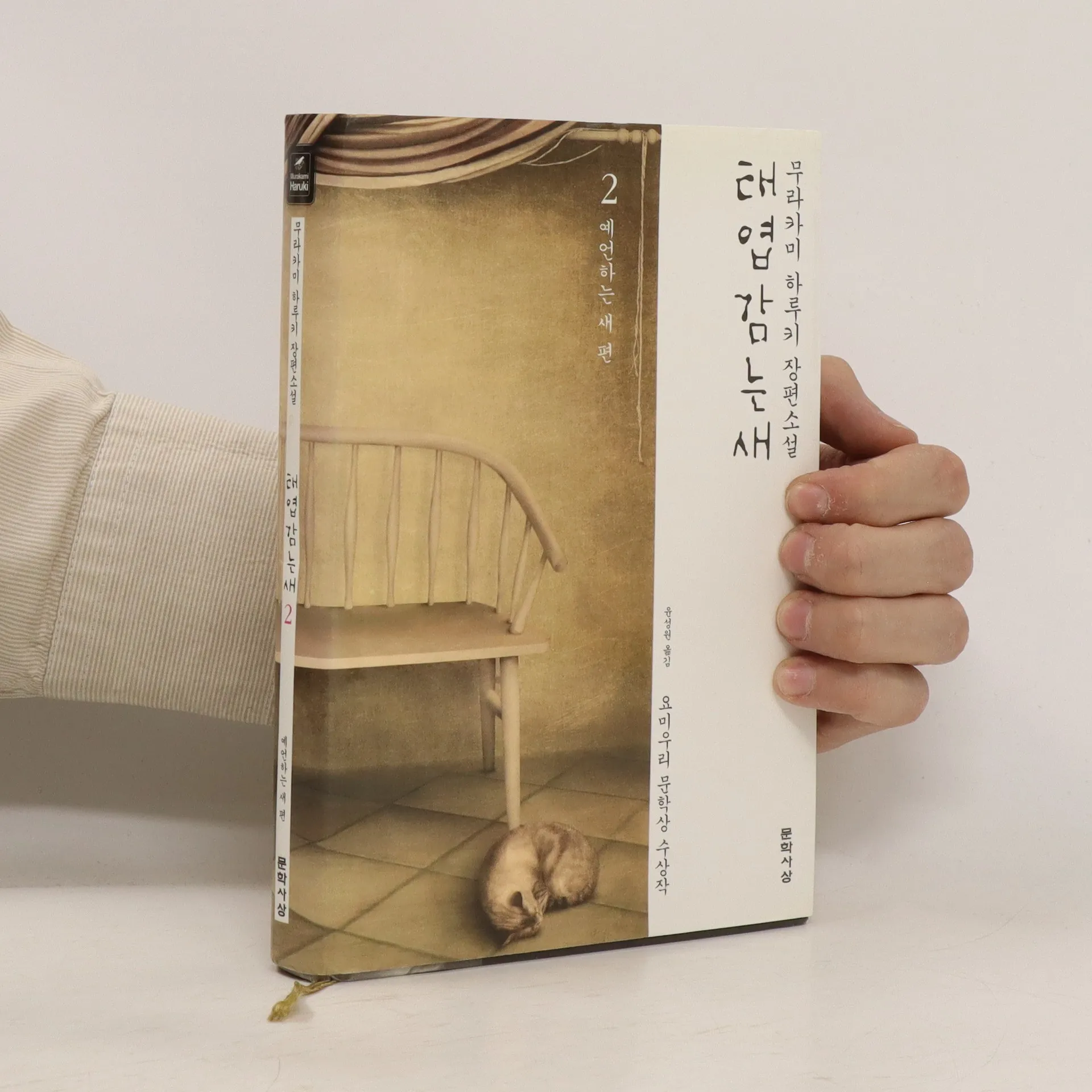
소설 "태엽감는 새"는 세계에서 가장 인기 있는 작가 중 한 명인 하룬키 무라카미의 작품으로, 진정한 조이스적 규모를 지니고 있다. 제2차 세계대전의 공포와 현대 일본인의 운명, 편지, 신비로운 꿈, 기억, 잡지 기사, 암호화된 파일 등으로 구성된 이 작품은 믿을 수 없는 사건들, 섬세한 아이러니, 그리고 하룬키 무라카미 특유의 독창적인 어조로 엮인 완전한 서사이다. "태엽감는 새. 3: 새잡이꾼 편 I"는 "태엽감는 새"의 세 번째 부분이다.
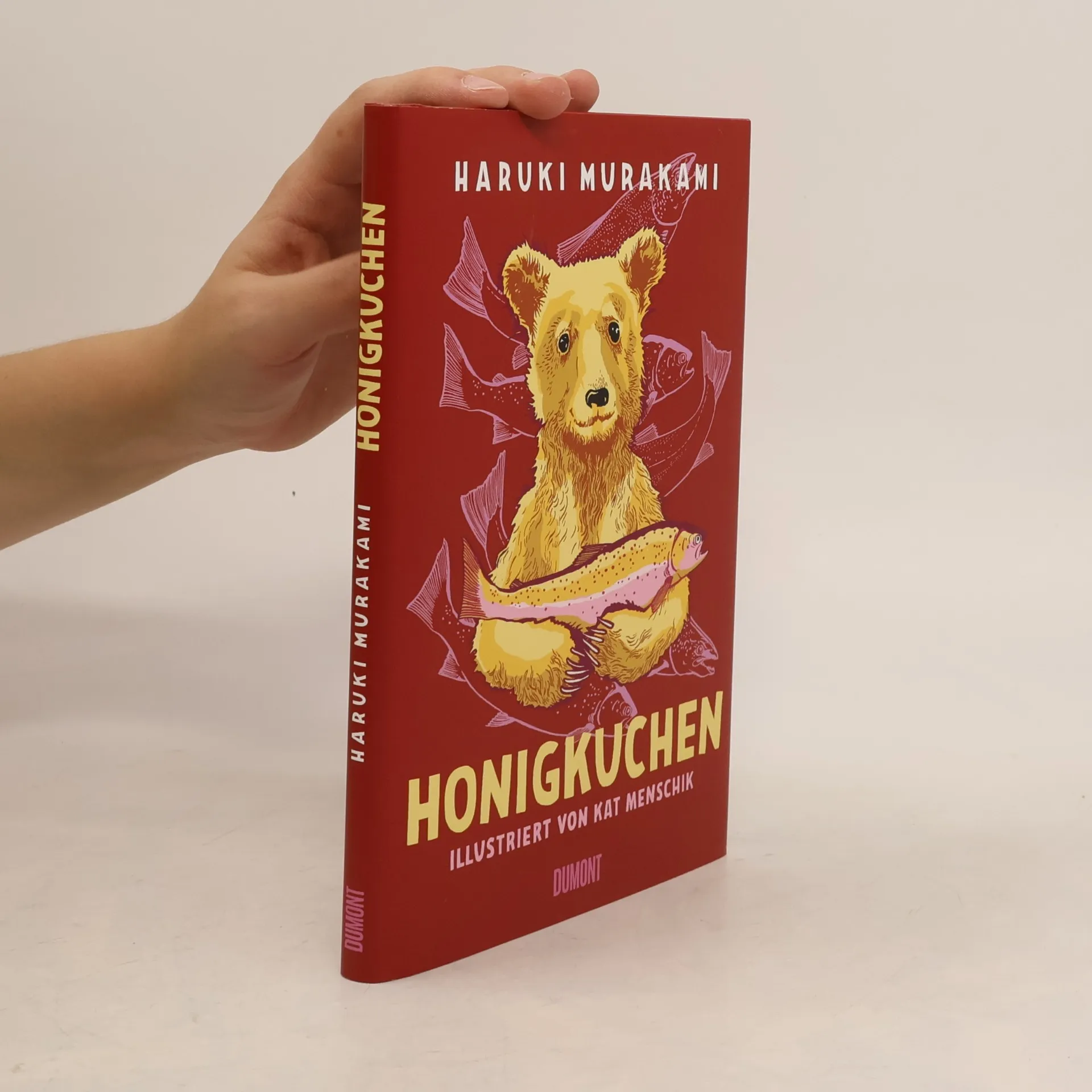
Eine melancholische Geschichte über eine Dreiecksbeziehung, das Schreiben und zwei Bären. Junpei ist Schriftsteller, seine Spezialität: Kurzgeschichten über unerwiderte Liebe. Das Thema seines Lebens. Seit der Uni ist er in Sayoko verliebt, die seinen besten Freund geheiratet hat. Trotz allem hat die Freundschaft zwischen den dreien Bestand, anders als die Liebe von Sayoko und Junpeis bestem Freund: Sie bekommen eine Tochter namens Sara, trennen sich aber kurz darauf. Mit den Jahren wird Junpei zu einer Art Ersatzvater für Sara. Nach einem schrecklichen Erdbeben leidet sie unter Albträumen. Nur Junpei kann sie beruhigen – mit seinen Geschichten über einen Bären und seinen besten Freund. Und er ist fest entschlossen, für immer über Sayokos und Saras Schlaf zu wachen … Haruki Murakami ist ein Meister der kurzen Form. In ›Honigkuchen‹ offenbart er sein großes Herz für alle Zögernden und Zaudernden. Kat Menschik hat die warmherzige Geschichte des wichtigsten japanischen Autors unserer Zeit in unvergessliche Bilder gegossen.
Ο Μουρακάμι με μαεστρία δημιουργεί φανταστικούς χαρακτήρες και παράλληλους κόσμους, θολώνοντας τα όρια ανάμεσα στην πραγματικότητα και τη λογοτεχνία. Το 1Q84 είναι μια ιστορία που αφηγείται εναλλάξ τη ζωή μιας γυναίκας και ενός άνδρα, της Αομάμε και του Τένγκο, γεμάτη ένταση και στιγμές τρόμου. Οι δύο τους γνωρίζονταν καλά από την παιδική τους ηλικία και όλα δείχνουν ότι οι δρόμοι τους θα συναντηθούν ξανά. Η Αομάμε είναι εκπαιδεύτρια πολεμικών τεχνών, μασέζ και, μετά τη δουλειά, μια άριστη δολοφόνος. Ο Τένγκο είναι καθηγητής μαθηματικών και, στον ελεύθερο χρόνο του, αρχάριος συγγραφέας και επιμελητής. Η Αομάμε εισέρχεται σε μια άλλη πραγματικότητα και οι δύο προσπαθούν απεγνωσμένα να ξαναβρούν ο ένας τον άλλον. Όταν η Αομάμε αποτυγχάνει να επιστρέψει στον κανονικό κόσμο, αποφασίζει να αυτοκτονήσει, ελπίζοντας ότι έτσι θα εγκαταλείψει τον δεύτερο εαυτό της που ζει το 1Q84 και θα επιστρέψει στο 1984. Την ίδια στιγμή, ο Τένγκο αποφασίζει να ζήσει σε έναν κόσμο όπου αιωρούνται δύο φεγγάρια, γνωρίζοντας ότι μόνο εκεί μπορεί να συναντήσει την Αομάμε.
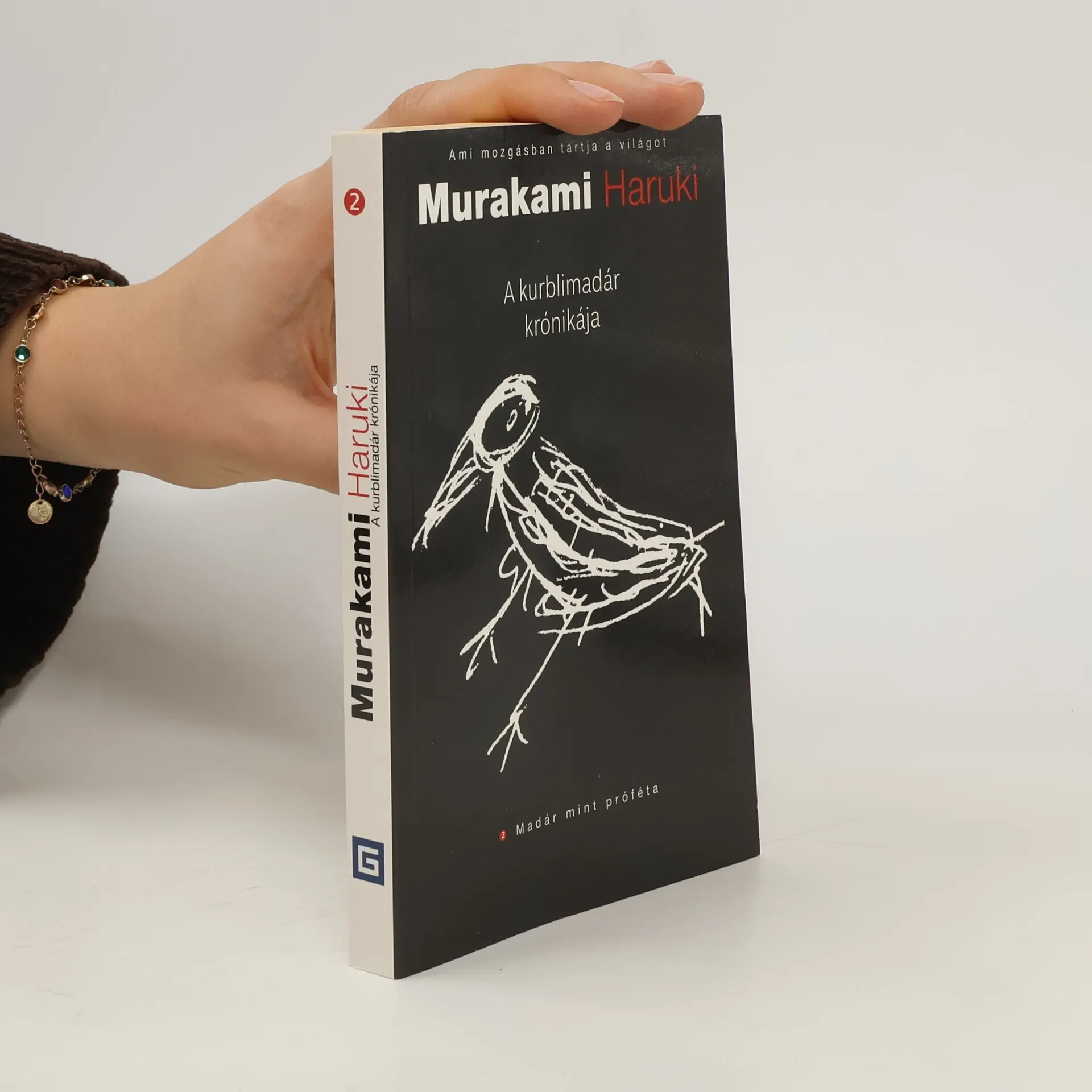
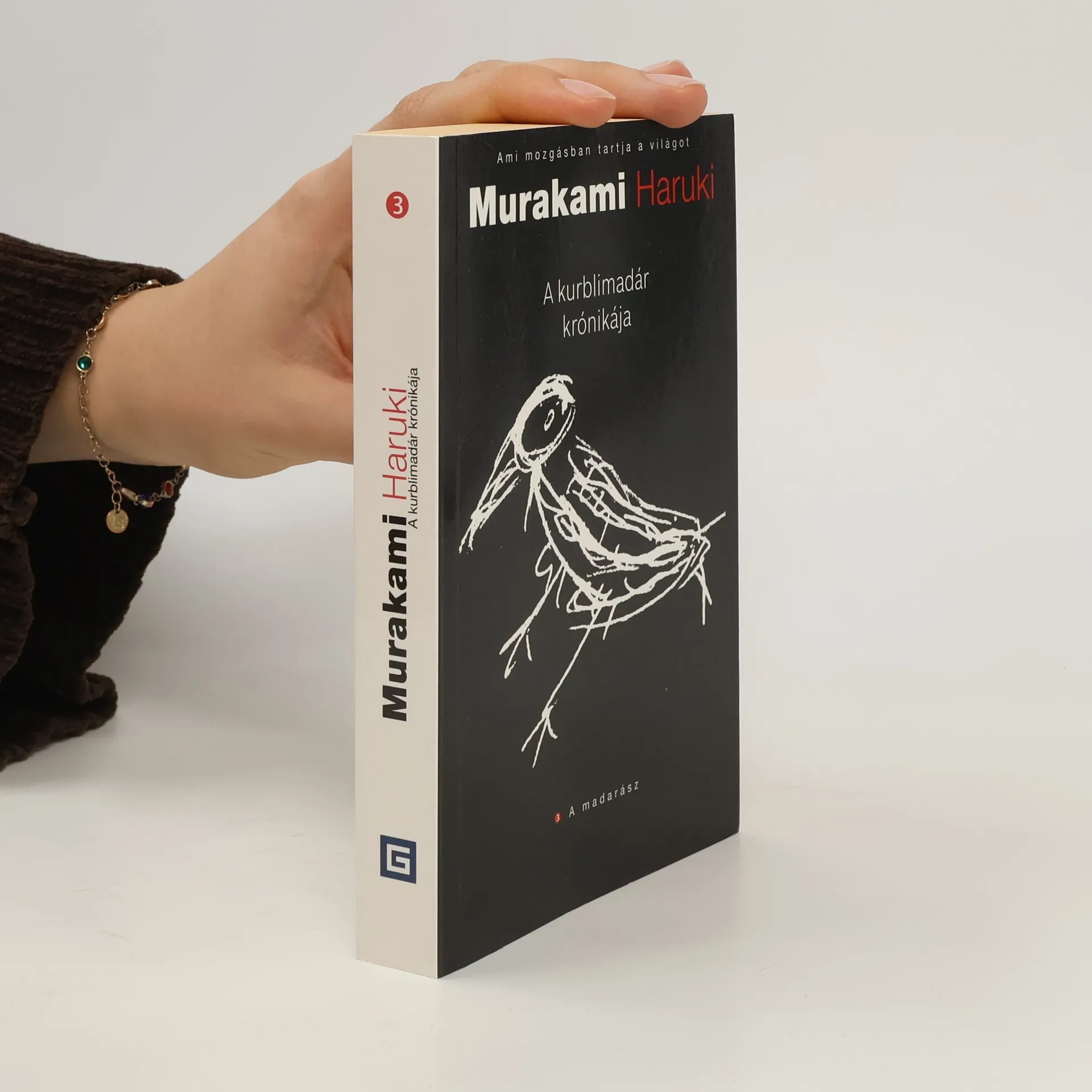
Tokió külvárosában egy Okada Toru nevű munka nélküli fiatalember először csak felesége elveszett macskája keresésére indul, idővel aztán rádöbben, hogy a felesége is elhagyta. A város békés felszíne alatt rejtőző föld alatti világba keveredve különös ismeretséget köt egy testvérpárral, akik a görög szigetvilág két tagjáról kapták a nevüket. A szomszédban lakó bolondos lány révén beavatást nyer a parókakészítés rejtelmeibe, egy nyugalmazott tiszt pedig a mandzsúriai háború tapasztalatait osztja meg vele. A zenekedvelő és rezignált Toru titokzatos állást vállal az inkognitójukat messzemenőkig őrző Szerecsendiónál és Fahéjnál, s eltűnt háziállatának és házastársának felkutatása miatt szó szerint sötét és mély kútba kell alászállnia. Murakami valóságot és misztikumot ötvöző regényének felzaklató történeteit az elbeszélés szenvtelen nyugalma ellensúlyozza, feszült kíváncsiságot ébresztve az olvasóban, aki az események sodrásának engedve képtelen letenni a könyvet. A lapok közül pedig minduntalan kihallatszik a világ mozgásban tartásáért felelős, láthatatlan kurblimadár hangja: gíííííííí...
Tokió külvárosában egy Okada Toru nevű munka nélküli fiatalember először csak felesége elveszett macskája keresésére indul, idővel aztán rádöbben, hogy a felesége is elhagyta. A város békés felszíne alatt rejtőző föld alatti világba keveredve különös ismeretséget köt egy testvérpárral, akik a görög szigetvilág két tagjáról kapták a nevüket. A szomszédban lakó bolondos lány révén beavatást nyer a parókakészítés rejtelmeibe, egy nyugalmazott tiszt pedig a mandzsúriai háború tapasztalatait osztja meg vele. A zenekedvelő és rezignált Toru titokzatos állást vállal az inkognitójukat messzemenőkig őrző Szerecsendiónál és Fahéjnál, s eltűnt háziállatának és házastársának felkutatása miatt szó szerint sötét és mély kútba kell alászállnia. Murakami valóságot és misztikumot ötvöző regényének felzaklató történeteit az elbeszélés szenvtelen nyugalma ellensúlyozza, feszült kíváncsiságot ébresztve az olvasóban, aki az események sodrásának engedve képtelen letenni a könyvet. A lapok közül pedig minduntalan kihallatszik a világ mozgásban tartásáért felelős, láthatatlan kurblimadár hangja: gíííííííí...
«С мая того года и до начала следующего я жил в горах…» Живописное, тихое место, идеальное для творчества. Скромное одноэтажное строение в европейском стиле, достаточно просторное для холостяка, принадлежало известному в Японии художнику. Все было бы мирно и спокойно, если бы не картина «Убийство Командора», найденная на чердаке, если бы не звон буддийского колокольчика по ночам, если бы не странный склеп , что возник из-под каменного кургана посреди зарослей, если бы не встреча с эстетом Мэнсики, который за баснословные деньги попросил написать портрет, сначала свой, а потом возможно его, дочери, если бы не попытки разобраться в самом себе. «Выходит началом всему, что происходит вокруг меня, стало то, что я вынес на свет эту картину? И тем самым разомкнул круг?» Эта картина перевернула жизнь главного героя и повлияла на всех, кто ее видел. Она создала в нашем мире еще одну реальность. Как это все возможно?
Никто не скажет о предлагаемой вашему вниманию книге лучше, чем сам автор — наиболее знаменитый мастер современной японской литературы: «Ультракороткие рассказы (вероятно, это странноватое название, но другого мне не приходит в голову) этого сборника, на самом деле были написаны для серии журнальной рекламы. Первая часть — для марки одежды “J. Press”, вторая — для перьевых ручек «Паркер». Хотя, как видите, содержание рассказов совершенно не связано ни с одеждой, ни с перьевыми ручками. Я просто написал их по собственному вкусу, Андзай Мидзумару сделал для них иллюстрации, а рядом с ними в журнале как-то виновато опубликовали рекламу товара. Серия рассказов для “J. Press” печаталась в журнале “Men’s Club”, серия для ручек — в журнале “Тайё”. Не знаю, насколько эффективными они оказались с точки зрения рекламы, — и, честно говоря, даже думать об этом не хочу».
La suite de l'épopée de Murakami qui déstabilise encore un peu plus son lecteur. Une exploration des obsessions humaines au sein d'une histoire onirique et artistique. Au Japon, de nos jours. Une jeune fille a disparu. Le narrateur avait entrepris de faire son portrait. Il va rendre visite au vieux peintre Tomohiko Amada. Dans la chambre d'hôpital, le Commandeur apparaît. Le narrateur écoute le Commandeur : ce dernier est une idée ; une idée multiforme, chacun peut y projeter ce dont il a besoin. Il est prêt à offrir sa vie pour que la jeune fille soit retrouvée. Il faut faire revivre la scène du tableau, le Commandeur doit être poignardé. Le narrateur lui plante un couteau dans le coeur. Une trappe s'ouvre dans un coin de la chambre. Un personnage étrange en surgit qui invite à entrer dans le passage souterrain. C'est le début d'un périple qui va le conduire au-devant des forces du mal..
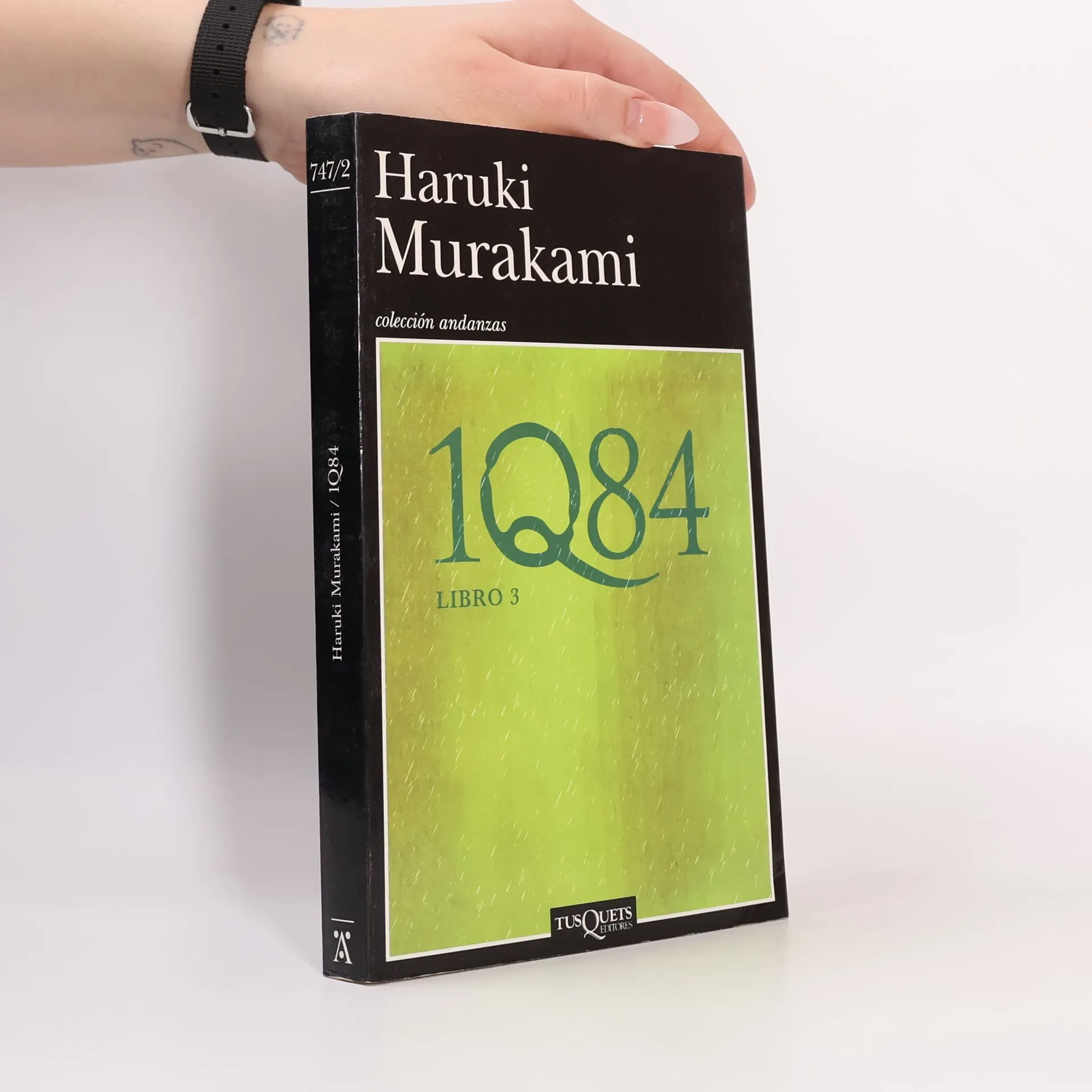
A las voces de Aomame –la enigmática instructora de gimnasia y asesina– y de Tengo –el profesor de matemáticas y escritor–, se suma, en este tercer volumen de la novela 1Q84 , la de un nuevo personaje, un detective llamado Ushikawa. Su última misión, encargada por Vanguardia, el misterioso culto religioso, consistió en comprobar si Aomame era digna de confianza para trabajar para el líder. Ushikawa dio el visto bueno a la joven, pero ésta los traicionó a todos, cometió un nuevo asesinato y luego desapareció. Si el detective no logra encontrarla, la venganza de la secta se abatirá sobre él. Entretanto, Aomame y Tengo, cada uno a su modo, siguen deseándose en la ausencia, buscándose –en el más puro estilo de Murakami– casi sin moverse de su sitio, aislados, quizás a punto de experimentar un giro radical en sus vidas y esperando un reencuentro que los redima... en el mundo de 1984, o en el de 1Q84, ese fantasmagórico universo con dos lunas.
Харуки Мураками - абсолютный мастер слова и легенда современной литературы. Его мировая известность даже выше, чем та невероятная популярность, которую он снискал на родине в Японии. Его романы отмечены литературными премиями
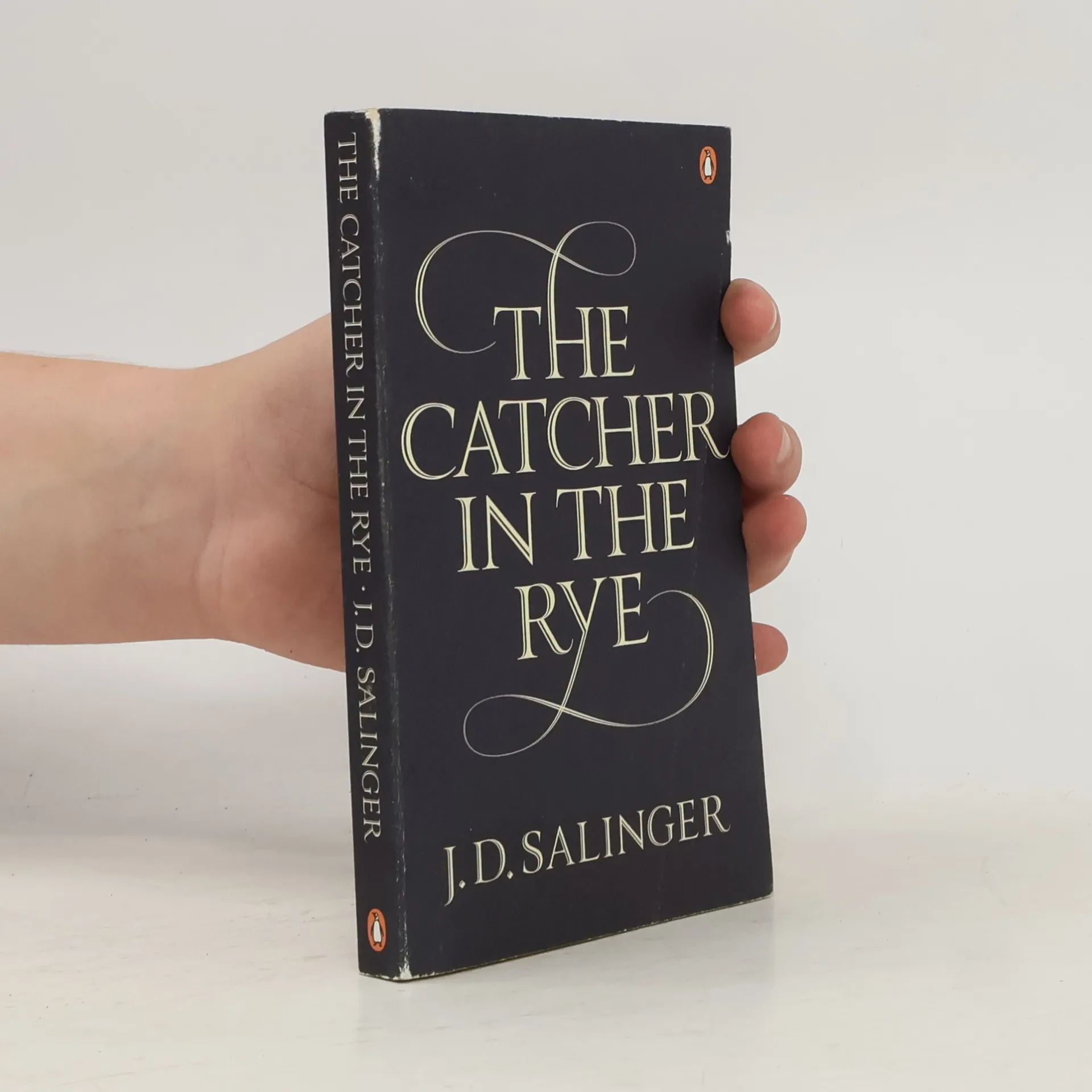
The Catcher in the Rye is J . D. Salinger's world-famous novel of disaffected youth. Holden Caulfield is a seventeen- year-old dropout who has just been kicked out of his fourth school. Navigating his way through the challenges of growing up, Holden dissects the 'phony' aspects of society, and the 'phonies' themselves: the headmaster whose affability depends on the wealth of the parents, his roommate who scores with girls using sickly-sweet affection.Written with the clarity of a boy leaving childhood behind, The Catcher in the Rye explores the world with disarming frankness and a warm, affecting charisma which has made this novel a universally loved classic of twentieth-century literature.J. D. Salinger was born in 1919 and died in January 2010. He grew up in New York City, and wrote short stories from an early age, but his breakthrough came in 1948 with the publication in The New Yorker of 'A Perfect Day for Bananafish'. The Catcher in the Rye was his first and only novel, published in 1951. It remains one of the most translated, taught and reprinted texts, and has sold some 65 million copies. His other works include the novellas Franny and Zooey, For Esme with Love and Squalor, and Raise High the Roof Beam, Carpenters, published with Seymour - An Introduction.