


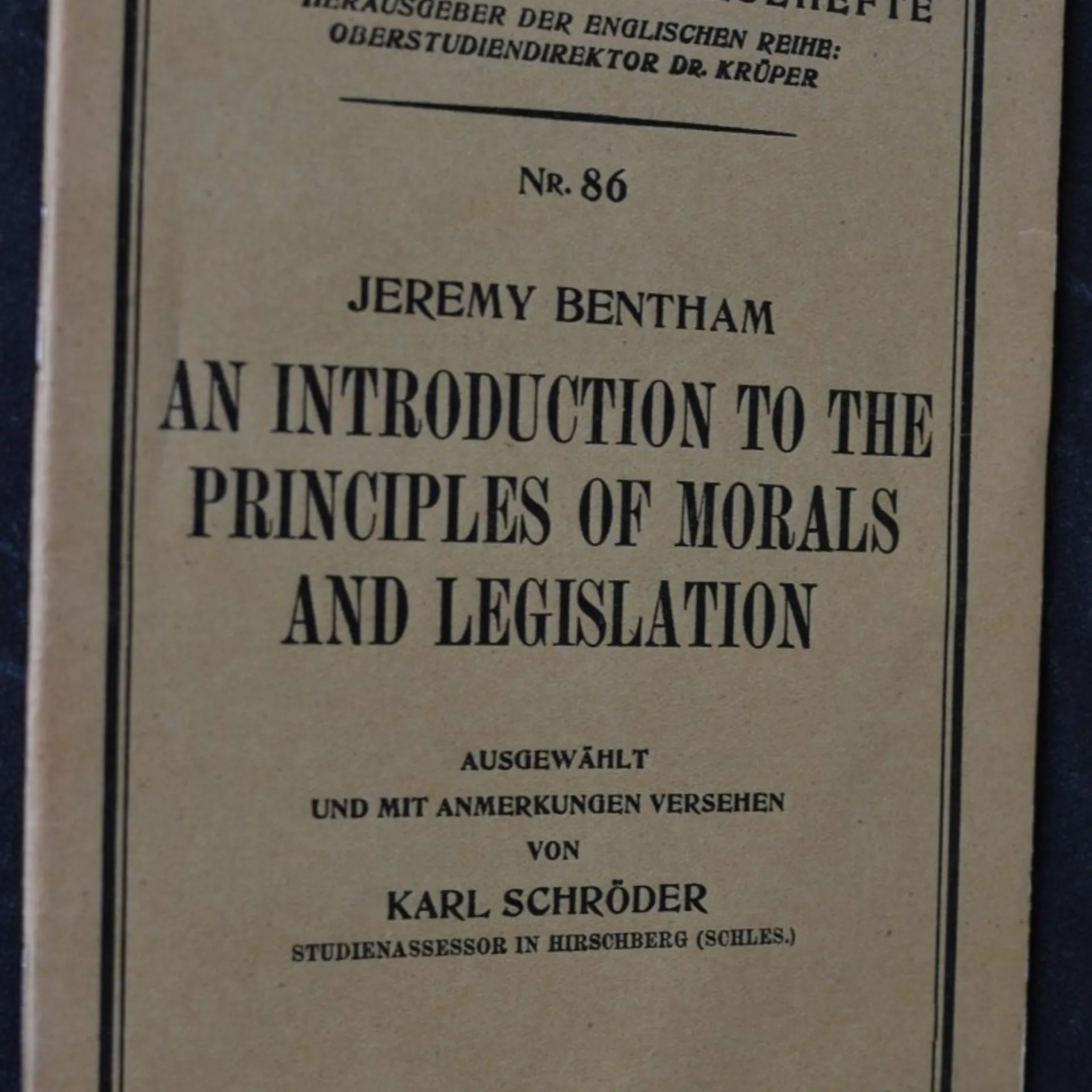


Unlike some other reproductions of classic texts (1) We have not used OCR(Optical Character Recognition), as this leads to bad quality books with introduced typos. (2) In books where there are images such as portraits, maps, sketches etc We have endeavoured to keep the quality of these images, so they represent accurately the original artefact. Although occasionally there may be certain imperfections with these old texts, we feel they deserve to be made available for future generations to enjoy.
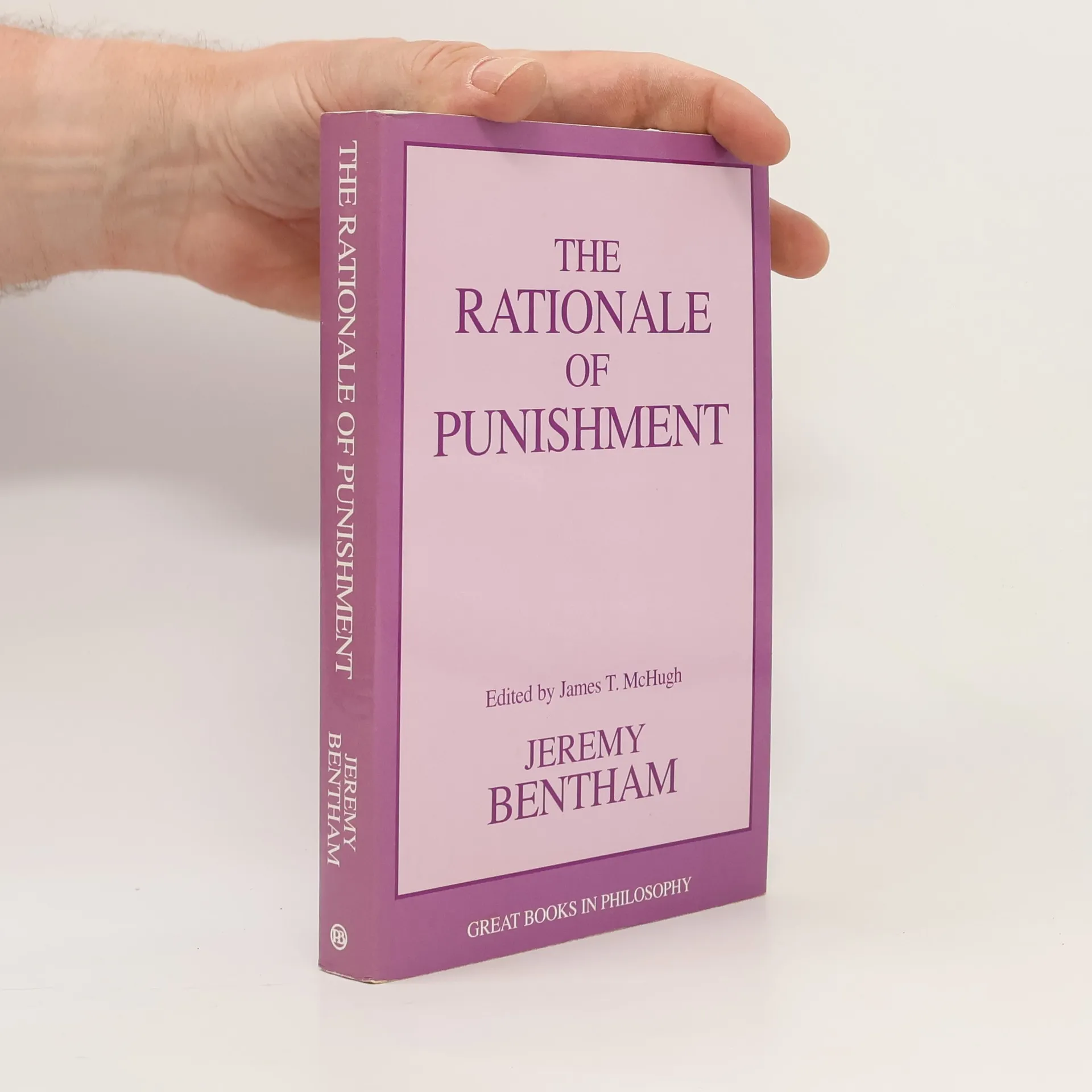
Jeremy Bentham Books
Jeremy Bentham was a pioneering philosopher and social reformer, best known as the architect of utilitarianism. He championed the principle of "the greatest happiness for the greatest number," advocating for extensive reforms in law, the prison system, and education. Bentham's rigorous critiques extended to religious institutions and practices, where he explored the influence of natural religion on human well-being and advocated for freethought.


TCP/IP Lean
- 402 pages
- 15 hours of reading
This is a hands-on guide to TCP/IP networking that includes source codes to a simple TCP/IP stack - a lean version that is easier to present and efficient enough to use in embedded applications. Learn about, and experiment with, the simpler aspects of Internetworking, before tackling the TCP protocol itself. The book covers: key networking and multimedia technologies; codes for fully-debugged protocol software; extending professionally-written software; utilities for simulating and testing networks; and tools and utilities for future network development. This book aims to meet the challenge of implementing dynamic Web pages on small-scale embedded systems, providing full C source codes for the PC hardware platform, and a PIC microcontroller. Software provided on the accompanying CD-ROM is compatible with several popular C compilers to simplify desktop development.
Jeremy Bentham was an English jurist, philosopher, and legal and social reformer. He became a leading theorist in Anglo-American philosophy of law, and a political radical whose ideas influenced the development of welfarism. He is best known for his advocacy of utilitarianism and animal rights, and the idea of the panopticon. His position included arguments in favor of individual and economic freedom, usury, the separation of church and state, freedom of expression, equal rights for women, the right to divorce, and the decriminalizing of homosexual acts. He also argued for the abolition of slavery, physical punishment (including that of children) and the death penalty. Although strongly in favor of the extension of individual legal rights, he opposed the idea of natural law and natural rights, calling them "nonsense upon stilts." Bentham's ambition in life was to create a "Pannomion", a complete utilitarian code of law. Bentham not only proposed many legal and social reforms, but also expounded an underlying moral principle on which they should be based.
This volume makes available to a student readership one of the central texts in the utilitarian tradition, in the authoritative 1977 edition prepared by Professors Burns and Hart as part of Bentham's Collected works.
The Panopticon Writings
- 168 pages
- 6 hours of reading
Classic writings on the Panopticon from the renowned English philosopher
A Fragment on Government
- 256 pages
- 9 hours of reading
Jeremy Bentham's work serves as a critical examination of Sir William Blackstone's views on British governance. He highlights the flaws in Blackstone's Commentaries and critiques the British legal system, advocating for the principle of utility. Bentham argues that laws should prioritize the happiness of the majority, challenging Blackstone's endorsement of common law in favor of a more equitable social and legal framework. Through this analysis, Bentham aims to reshape the understanding of law and its purpose in society.
The Correspondence of Jeremy Bentham, Volume 13
July 1828 to June 1832
The collection features the complete correspondence of Jeremy Bentham from July 1, 1828, until his death on June 6, 1832. It includes all known letters exchanged with various individuals, providing insight into Bentham's thoughts, relationships, and the intellectual climate of the time. This volume serves as a valuable resource for understanding his contributions to philosophy and law during the final years of his life.